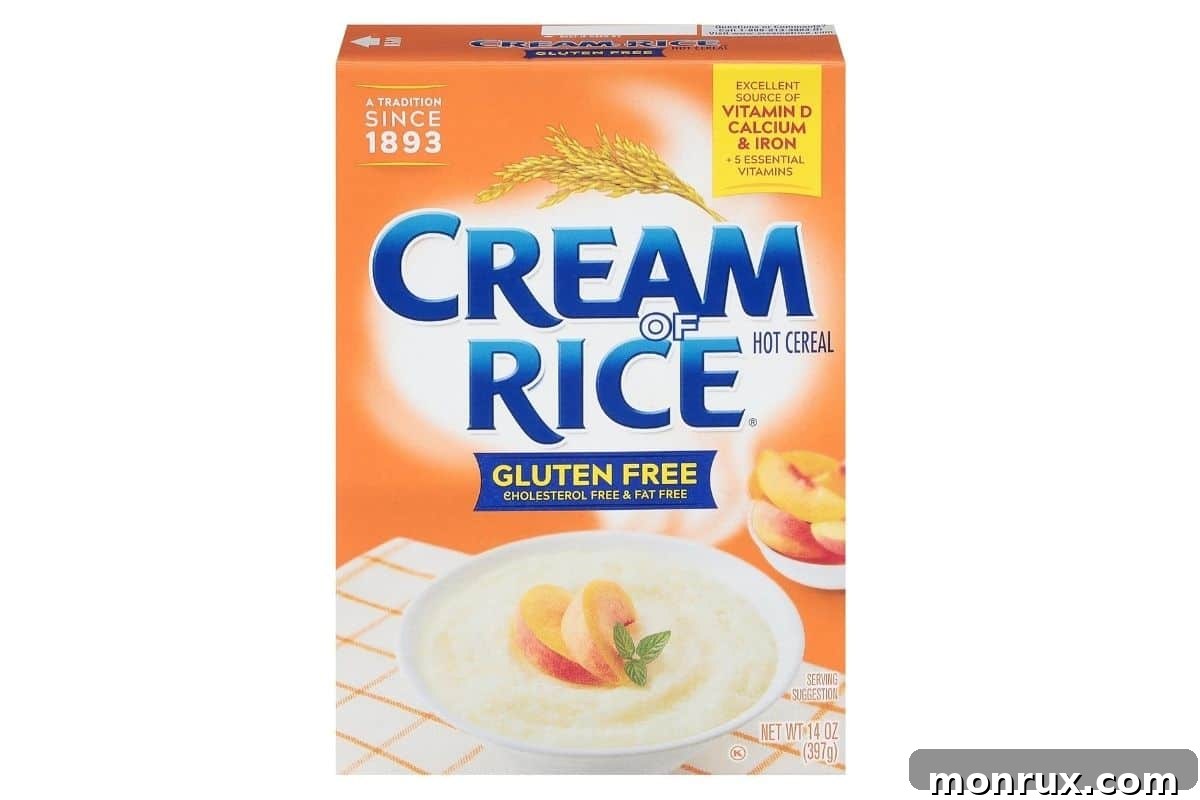
In today’s health-conscious world, the pursuit of nutritious breakfast options is more prevalent than ever. As consumers increasingly scrutinize ingredient lists and nutritional labels, questions frequently arise about the healthfulness of common pantry staples. One such staple often found in many kitchens is Cream of Rice. But is this popular hot cereal truly a healthy choice, or does it fall into the category of processed foods best enjoyed in moderation? This comprehensive review delves deep into the nutritional pros and cons of Cream of Rice, exploring its ingredients, processing, and offering superior, less processed alternatives for a wholesome start to your day.
For individuals navigating a labyrinth of food allergies and sensitivities, Cream of Rice might appear to be a safe haven. Its naturally gluten-free composition and relatively simple ingredient profile can be appealing. However, as a nutritionist, my perspective leans towards categorizing Cream of Rice as a processed food. While it has its place for specific dietary needs, it generally falls short when compared to the holistic nutritional benefits offered by less processed breakfast alternatives. Understanding the nuances of its nutritional value, including its fortification and lack of whole-grain components, is key to making informed dietary decisions.
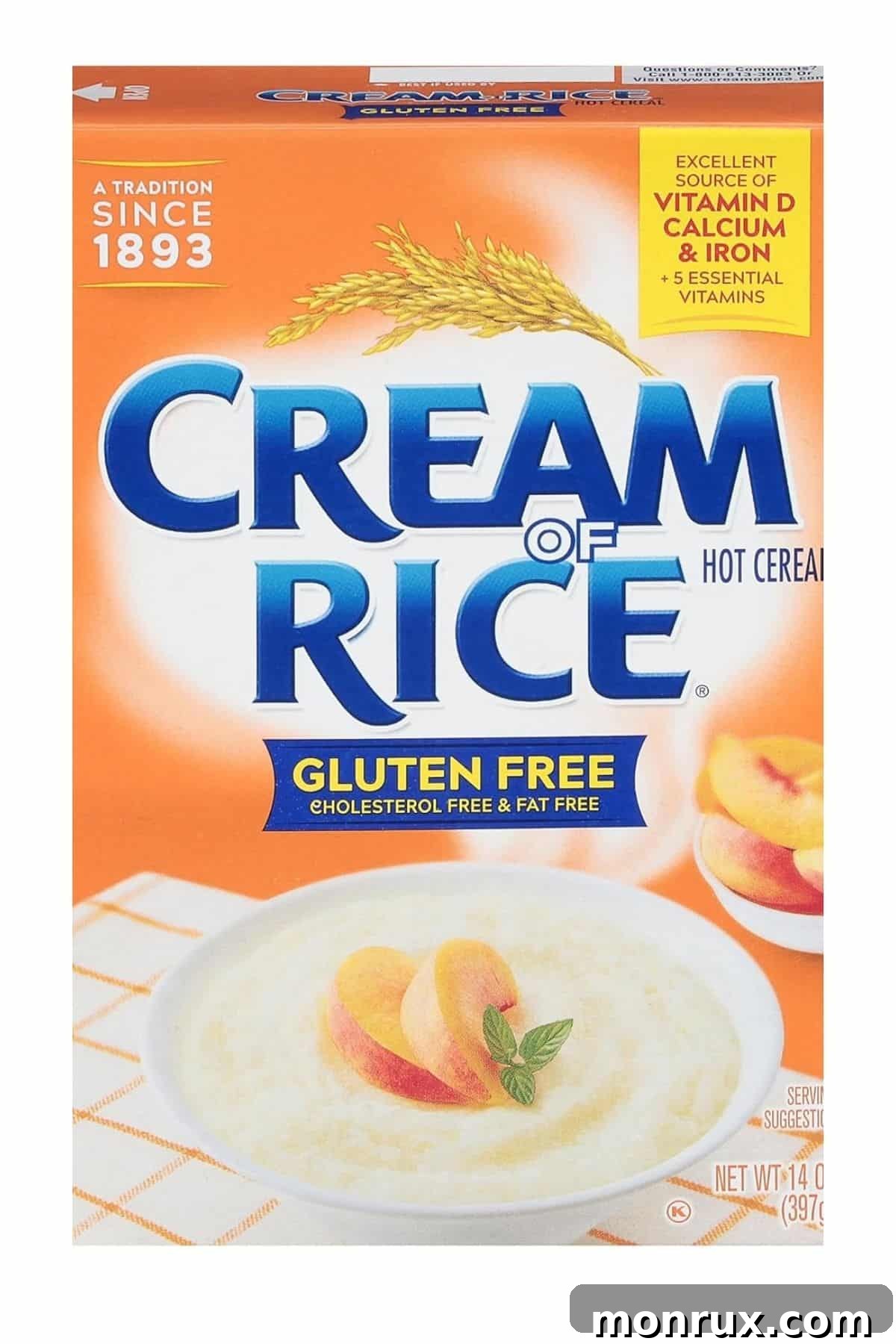
Cream of Rice Facts
Cream of Rice is a renowned hot cereal product meticulously crafted from finely ground white rice. When prepared, it is typically cooked with milk or water, transforming into a smooth, creamy consistency that closely resembles traditional porridge. Its mild, unassuming flavor profile makes it an incredibly versatile canvas, allowing for easy customization with an array of toppings. Whether you prefer the natural sweetness of fresh fruits, the crunch of nuts and seeds, or a touch of your favorite sweetener, Cream of Rice readily adapts to individual preferences.
A significant characteristic that contributes to its widespread appeal is its naturally gluten-free status. This makes it an invaluable dietary option for individuals diagnosed with celiac disease or those who experience gluten sensitivities, offering a safe and comforting breakfast choice. You can readily find Cream of Rice in the breakfast cereal aisle of most grocery stores, often alongside other hot cereals.
This long-standing product is manufactured by B&G Foods, a prominent food company known for its diverse portfolio of popular packaged food brands. Beyond Cream of Rice, their offerings include an instant version of the same product, Cream of Wheat (a wheat-based hot cereal), Crisco shortening, and various other well-known consumer goods. The presence of both regular and instant versions highlights its adaptability to different lifestyles and cooking preferences.
Cream of Rice has maintained its market presence for many decades, establishing itself as a perceived staple in the breakfast category, particularly for its gluten-free attributes and ease of digestion. It continues to attract consumers seeking a convenient, versatile, and quick breakfast solution, especially those with specific dietary requirements or who are looking for a gentle option for sensitive stomachs.
When examining its nutrition label, Cream of Rice distinguishes itself with its minimal ingredient list. The primary component is enriched ground rice. This means the rice has been fortified with essential micronutrients that are often lost during the refining process. Specifically, it’s enriched with iron and several B vitamins, including niacin (B3), thiamine (B1), and folic acid (B9).
A standard serving size, typically around 33 grams (dry weight), provides approximately 150 calories. It offers a substantial 35 grams of carbohydrates, making it a quick source of energy. Notably, it contains 0 grams of fat, no sodium, no cholesterol, and no added sugar, which can be appealing to those monitoring these specific dietary components. However, it’s crucial to understand that while these numbers seem favorable, the source and type of carbohydrates and the overall nutrient density are key factors in determining its true health value.
The ingredient list for the packaged Cream of Rice typically includes:
- Granulated rice
- Calcium carbonate
- Ferric orthophosphate (iron)
- Niacinamide (vitamin B3)
- Thiamine mononitrate (vitamin B1)
- Pyridoxine hydrochloride (vitamin B6)
- Folic acid (vitamin B9)
Cream of Rice Ingredients
To truly understand whether Cream of Rice is a healthy choice, it’s imperative to delve deeper into its primary ingredients and consider their individual and collective impact on your health. While the list is minimal, each component plays a role in the cereal’s nutritional profile and how it interacts with the body.
Granulated Rice
Granulated rice, the foundational ingredient of Cream of Rice, is essentially finely ground white rice. This meticulous grinding process is what contributes to its characteristic smooth, porridge-like texture once cooked. The key distinction here lies in its origin: it’s made from white rice. White rice undergoes significant processing, where the outer layers of the rice grain—the bran and the germ—are removed. These layers are where the majority of the fiber, essential vitamins, and minerals are concentrated, leaving behind primarily the starchy endosperm.
While this processing makes the granulated rice easy to digest and gives it a longer shelf life, it inherently positions Cream of Rice as a processed food. Consequently, it naturally lacks the rich fiber content and a broader spectrum of nutrients found in whole grains, such as whole brown rice. This means that, despite being fortified, it offers fewer intrinsic health benefits compared to its less refined counterparts. The absence of fiber, in particular, affects satiety and digestive health, both crucial aspects of a balanced diet.
Moreover, white rice, by definition, is not considered a whole grain. Due to the removal of its fibrous outer layers, it has a higher glycemic index compared to whole grains. Foods with a high glycemic index can lead to a more rapid increase in blood sugar levels after consumption, which may have negative implications for blood sugar management, especially for individuals with diabetes or insulin resistance. Consuming foods that cause sharp blood sugar spikes can also contribute to energy crashes later in the day.
Calcium Carbonate
Calcium carbonate is a common chemical compound frequently employed in the food industry. Its primary use in products like Cream of Rice, cereals, juices, and non-dairy milk alternatives is for fortification – specifically, to boost their calcium content. Beyond food, it’s also a widely used dietary supplement for individuals looking to increase their daily calcium intake.
From a nutritional standpoint, calcium carbonate provides a high concentration of calcium, which is an absolutely vital mineral. Calcium plays a critical role in maintaining the structural integrity and health of our bones and teeth. Furthermore, it is essential for the proper functioning of muscle contraction, nerve signal transmission, and various metabolic processes throughout the body. Adequate calcium intake is fundamental for preventing conditions like osteoporosis and ensuring overall physiological well-being.
However, despite its benefits, there are potential considerations and side effects associated with calcium carbonate. Some individuals may experience gastrointestinal discomfort such as constipation or bloating, particularly when consumed in larger doses. Additionally, calcium carbonate can sometimes interfere with the absorption of other essential minerals, such as iron. For those with specific health conditions or who are taking other supplements, it’s always wise to be aware of potential interactions and consult with a healthcare provider.
Ferric Orthophosphate
Ferric orthophosphate is an iron compound, and its inclusion in Cream of Rice serves a specific and important purpose: it acts as a fortifying agent. The addition of ferric orthophosphate significantly boosts the product’s iron content, addressing a common nutritional deficiency globally.
Iron is an indispensable mineral vital for numerous bodily functions. Its most well-known role is in the formation of hemoglobin, the protein in red blood cells that carries oxygen from the lungs to all parts of the body. Iron is also crucial for energy production, immune system function, and cognitive development. Given that refined grains often lose their natural iron content during processing, fortification helps to restore some of this lost nutrient.
One serving of Cream of Rice, for example, typically contains approximately 12.6 mg of iron, which contributes significantly to the daily recommended intake for many individuals. While iron is essential, it’s also important to be mindful of intake levels. Excessive iron intake can lead to adverse effects. For sensitive individuals, this might manifest as gastrointestinal discomfort, including nausea, vomiting, or constipation. In more severe cases, chronic excessive iron intake can lead to iron overload (hemochromatosis), a serious condition that can cause damage to organs such as the liver, heart, and pancreas. Therefore, while fortification is beneficial, understanding your overall iron intake from all sources is important.
B Vitamins
Cream of Rice is fortified with several essential B Vitamins, a common practice for refined grain products. These include niacinamide (Vitamin B3), thiamine mononitrate (Vitamin B1), pyridoxine hydrochloride (Vitamin B6), and often riboflavin (Vitamin B2). These vitamins are collectively known as the “energy vitamins” due to their critical roles in cellular metabolism and energy production.
B vitamins are crucial for converting food into energy, maintaining healthy nerve function, producing red blood cells, and supporting overall brain health. The reason these vitamins are explicitly added to processed food products like Cream of Rice is primarily because the refining process (removing the bran and germ from whole grains) strips away many of the naturally occurring nutrients. Fortification aims to compensate for this loss, ensuring that consumers still receive some vital micronutrients.
While the amounts of B vitamins added to Cream of Rice are generally modest and well within safe limits for most people, it’s worth noting that some individuals can exhibit sensitivities. Although rare, isolated instances of allergic reactions or adverse effects to synthetic vitamins, particularly in highly sensitive individuals, have been reported. For the vast majority, however, these added vitamins contribute positively to daily nutritional requirements, helping to prevent common deficiencies.
Folic Acid
Folic acid is the synthetic form of folate, a naturally occurring B vitamin (Vitamin B9). It is routinely added to enriched grain products like Cream of Rice as part of fortification programs aimed at improving public health. The primary objective of adding folic acid is to increase the product’s nutritional value and address widespread deficiencies.
From a nutritional perspective, the benefits of folic acid are significant and well-documented. Its most crucial role is in preventing neural tube defects (NTDs) in unborn babies, making it particularly important for women of childbearing age. Beyond this, folic acid supports overall health by playing a key role in DNA synthesis and repair, cell division, and the formation of red blood cells, thereby reducing the risk of certain types of anemia. These widespread health benefits led to its mandatory addition to many grain products in several countries.
However, there are also potential drawbacks or considerations associated with excessive folic acid intake, especially from fortified foods and supplements. One significant concern is the possibility of masking the symptoms of a Vitamin B12 deficiency. Both folate and B12 are involved in red blood cell production, and high doses of folic acid can correct the anemia associated with B12 deficiency, but it won’t address the neurological damage that can progress untreated. This masking effect can delay diagnosis and lead to irreversible neurological damage.
Furthermore, while the body generally absorbs naturally occurring folate from whole foods more efficiently and safely, some individuals possess genetic variations that can hinder their ability to metabol metabolize synthetic folic acid effectively. This can lead to the accumulation of unmetabolized folic acid in the bloodstream, which some research suggests might be associated with potential health risks, though more research is ongoing in this area. For this reason, many nutrition experts advocate for obtaining folate primarily from whole food sources like leafy greens, legumes, and fortified foods in moderation.
Cream of Rice Breakfast Alternatives
While Cream of Rice serves its purpose for convenience and specific dietary needs, a truly health-conscious approach often involves seeking out less processed, more nutrient-dense alternatives. These options provide a richer profile of fiber, protein, vitamins, and minerals, contributing to better satiety, sustained energy, and overall well-being. If you’re looking to elevate your breakfast game with healthier choices that don’t compromise on warmth or comfort, here are some excellent alternatives:
- DIY Cream of Rice: Empower yourself by making your own homemade version. By grinding whole white or brown rice in a food processor or high-speed blender, you control the texture and ingredients. This method allows you to bypass any additional processing, unwanted additives, or artificial enrichments found in commercial versions. Opting for brown rice in your DIY version significantly boosts fiber content, turning a refined grain into a whole-grain powerhouse.
- Steel-Cut Oats: Although not rice-based, steel-cut oats are a gold standard for a hearty, warm, and minimally processed breakfast. Unlike rolled oats, steel-cut oats are simply whole oat groats chopped into two or three pieces, meaning they retain their natural texture, fiber, and a full spectrum of nutrients. They boast a lower glycemic index than instant oats, providing sustained energy and excellent digestive health benefits due to their high soluble fiber content, which also helps regulate cholesterol.
- Quinoa Flakes: For a quick-cooking, gluten-free, and nutrient-dense alternative, quinoa flakes are an outstanding choice. These are simply flattened quinoa grains, allowing them to cook much faster than whole quinoa. They make a smooth, creamy hot cereal with a slightly nutty flavor, similar in consistency to Cream of Rice but superior in nutritional value. Quinoa is a complete protein, meaning it contains all nine essential amino acids, and is also rich in fiber, iron, magnesium, and B vitamins.
- Buckwheat Groats: Often mistaken for a grain, buckwheat is actually a fruit seed that is naturally gluten-free. Lightly crushed buckwheat groats can be simmered with water or milk to create a warm, porridge-like cereal with a distinct, earthy, nutty flavor. Buckwheat is an excellent source of fiber, protein, and antioxidants, including rutin, which may support cardiovascular health. It’s also rich in magnesium and manganese.
- Millet: This ancient grain is making a comeback as a versatile and nutritious food. You can cook whole or ground millet to create a mild-flavored hot cereal that is naturally gluten-free. Millet is particularly rich in magnesium, a mineral crucial for muscle and nerve function, blood glucose control, and blood pressure regulation. It also provides significant amounts of phosphorus, B vitamins, and dietary fiber, supporting digestive health and sustained energy.
- Amaranth: Another ancient, gluten-free pseudo-cereal, amaranth offers an impressive nutritional profile. Cooked whole or ground, it yields a creamy, slightly chewy breakfast cereal with a unique, earthy taste. Amaranth is notable for its high protein content, including the amino acid lysine, which is often limited in other grains. It’s packed with fiber, iron, magnesium, phosphorus, and manganese, making it a fantastic choice for boosting nutrient intake. Try my Instant Pot Amaranth Cereal recipe for a convenient option.
Nutrition Pros
Despite its classification as a processed food, Cream of Rice does offer several notable advantages, particularly for individuals with specific dietary needs or lifestyle constraints. Understanding these benefits helps to place the product in its proper context within a varied diet.
Foremost among its pros is its status as a naturally gluten-free food. This makes Cream of Rice an invaluable and safe option for the significant portion of the population suffering from celiac disease or experiencing non-celiac gluten sensitivities. For these individuals, finding versatile and widely available breakfast cereals that are free from gluten can be challenging, making Cream of Rice a convenient go-to.
Another significant advantage is its characteristic as an easy-to-digest breakfast option. The finely ground nature of the rice and the absence of tough fibers make it gentle on the digestive system. This quality makes it particularly suitable for individuals recovering from illness, those with sensitive stomachs, or athletes looking for a quick and easily absorbable carbohydrate source before or after intense workouts, minimizing gastrointestinal distress.
Furthermore, Cream of Rice typically contains no added sugar. This is a considerable benefit in an era where many breakfast cereals are laden with excessive amounts of refined sugars. The absence of added sugar allows consumers full control over the sweetness of their meal. This flexibility encourages healthier choices, such as opting for natural sweeteners like fresh fruit (berries, bananas), a drizzle of pure maple syrup or honey, or a sprinkle of cinnamon, rather than relying on pre-sweetened products.
The minimal ingredient list is another positive aspect. For individuals with multiple food allergies or sensitivities, a shorter, more transparent ingredient list reduces the risk of encountering problematic allergens. This simplicity contributes to its reputation as a “safe” food for many who must carefully monitor their dietary intake to avoid adverse reactions.
Finally, its ease of preparation significantly enhances its appeal. Requiring only water or milk and a few minutes of cooking, Cream of Rice offers a fast and straightforward meal choice. This convenience is a major draw for busy mornings or for anyone seeking a quick, warm, and satisfying breakfast without extensive cooking. Its compatibility with various plant-based milk options, such as almond milk, soy milk, or oat milk, further broadens its accessibility for those adhering to dairy-free or vegan diets.
Nutrition Cons
While Cream of Rice offers undeniable convenience and caters to certain dietary restrictions, it’s equally important to critically evaluate its nutritional drawbacks. A balanced understanding requires acknowledging that its benefits often come with significant trade-offs, particularly when compared to whole, unprocessed food options.
A primary concern revolves around its status as a fortified product. While fortification aims to restore nutrients lost during processing, it introduces synthetic forms of vitamins and minerals. As discussed earlier, some individuals may exhibit sensitivities to these added compounds, such as folic acid, leading to adverse effects or hindering their absorption. More broadly, relying on fortified foods rather than whole foods means consuming nutrients in isolation, rather than within the complex matrix of phytochemicals, antioxidants, and other compounds found naturally in whole ingredients, which often work synergistically for optimal health.
Crucially, as a processed food, Cream of Rice is inherently less nutritious than its whole-food counterparts. The refining process strips away the most nutrient-dense parts of the rice grain – the bran and the germ. These components are rich in dietary fiber, protein, healthy fats, and a wide array of vitamins and minerals. When these are removed, what remains is predominantly starchy endosperm, a refined carbohydrate source.
Consequently, Cream of Rice lacks the substantial fiber, protein, and essential micronutrients that are naturally abundant in less processed grains like brown rice, oats, or quinoa. Fiber is vital for digestive health, promoting regularity, feeding beneficial gut bacteria, and contributing to satiety, which helps in weight management. Protein is essential for muscle repair, growth, and prolonged satiety. The absence of these macronutrients means that Cream of Rice, if consumed alone, can leave one feeling hungry sooner, potentially leading to overeating or poor food choices later in the day.
In essence, this product has been divested of much of its inherent nutritional content before fortification attempts to add back a select few nutrients. From a holistic health perspective, it is almost always preferable to consume whole foods that retain all their original vitamins, minerals, and fiber. These natural components work together in the body, offering a more complete and beneficial nutritional package for optimal health and disease prevention. The high glycemic index of refined white rice also means a quicker spike in blood sugar, which, over time, can contribute to metabolic issues.
Don’t Miss These Breakfast Recipes!
Conclusions
After a thorough examination of Cream of Rice, it becomes clear that its health profile is nuanced. On one hand, its gluten-free nature, lack of added sugar, and minimal ingredient list make it a remarkably convenient and safe option for individuals navigating specific dietary needs, such as celiac disease or multiple food allergies. It’s also an easily digestible food, which can be beneficial during periods of recovery or for those with sensitive digestive systems. These qualities have solidified its place in many households, offering a quick and comforting start to the day.
However, it is imperative to acknowledge that Cream of Rice is fundamentally a processed food. The refining process, which converts whole rice into granulated rice, strips away vital components like fiber, protein, and a broad spectrum of naturally occurring vitamins and minerals. While the product is subsequently fortified with certain synthetic vitamins and iron, this process cannot replicate the holistic nutritional benefits found in whole grains. Fortification provides isolated nutrients, but it misses the complex synergy of nutrients, fiber, and phytochemicals present in their natural state, which are crucial for optimal health, sustained energy, and long-term well-being.
For those aspiring to elevate their overall nutritional intake and embrace a healthier lifestyle, prioritizing less processed alternatives is highly recommended. Options such as steel-cut oats, quinoa flakes, whole-grain brown rice, millet, buckwheat, or amaranth offer a vastly superior nutritional profile. These whole grains naturally provide abundant fiber, which aids digestion, promotes satiety, and helps regulate blood sugar. They are also rich in a diverse array of vitamins, minerals, and antioxidants that work together to support various bodily functions and protect against chronic diseases. Integrating these alternatives into your breakfast routine ensures a more nourishing, versatile, and filling meal that genuinely promotes better long-term health.
Don’t forget to join my newsletter list to get exclusive clean eating recipes and tips. The newsletter is 100% free with no spam; unsubscribe anytime.
About the Author: Carrie Forrest has a master’s degree in public health with a specialty in nutrition and is a certified holistic nutritionist. She is a top wellness and food blogger with over 5 million annual visitors to her site. Carrie has an incredible story of recovery from chronic illness and is passionate about helping other women transform their health. Send her a message through her contact form.
Note: this post is for informational purposes only and is not intended as medical advice. Please consult your healthcare provider for recommendations related to your individual situation.