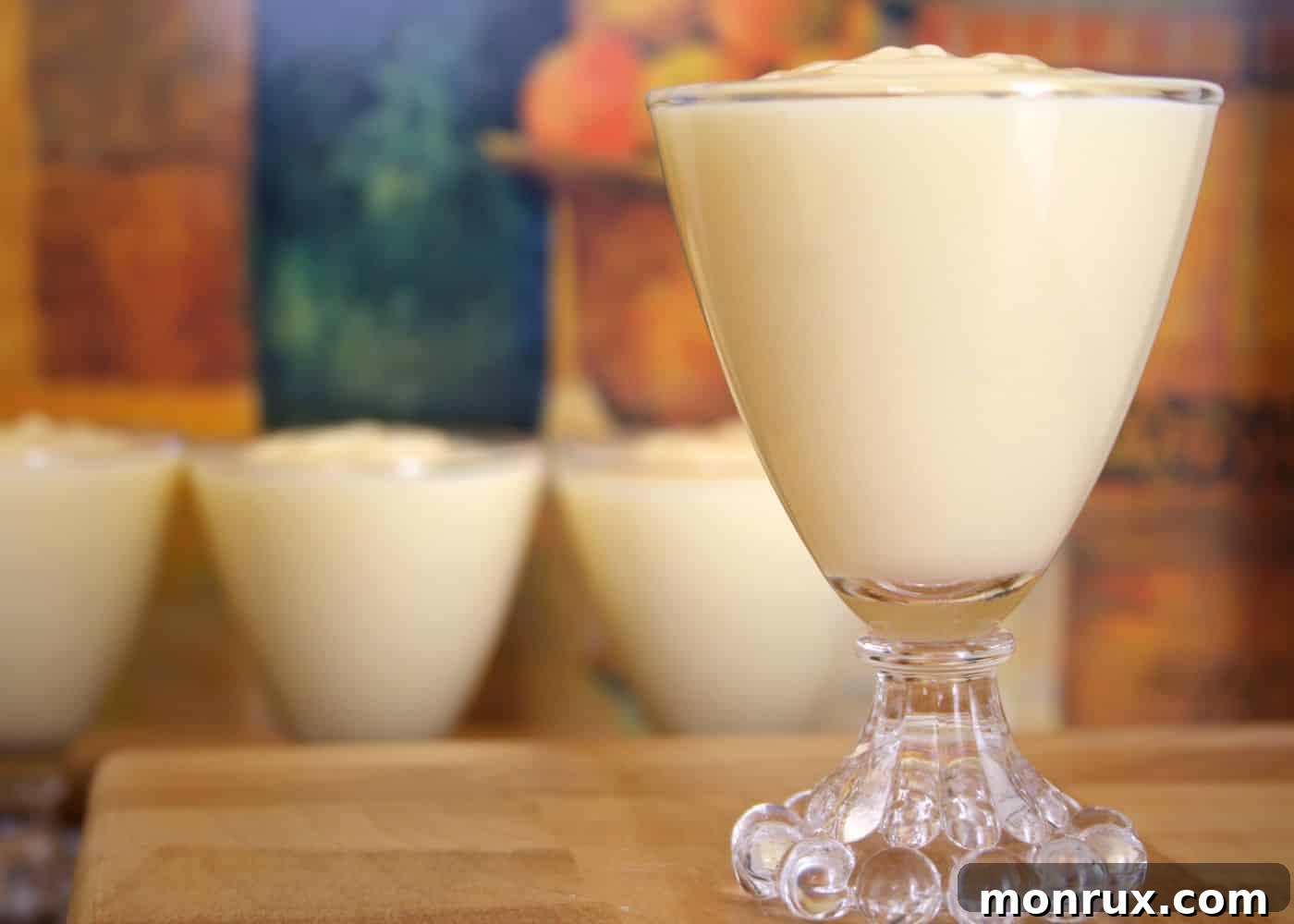
If you love preparing instant pudding for your family, you know that dairy milk is a cornerstone ingredient. Its creamy texture and rich flavor are traditionally essential for achieving that classic dessert experience. However, what if you suddenly run out of milk, or a family member has dairy allergies or lactose intolerance? This common dilemma doesn’t mean you have to skip dessert! In this comprehensive guide, we’ll explore the best milk substitutes that can be used in instant pudding, ensuring everyone can enjoy this delightful treat. We’ll delve into popular plant-based alternatives like almond milk, coconut milk, cashew milk, soy milk, and oat milk, providing detailed instructions on how to use them, including a special recipe for making instant pudding with almond milk.
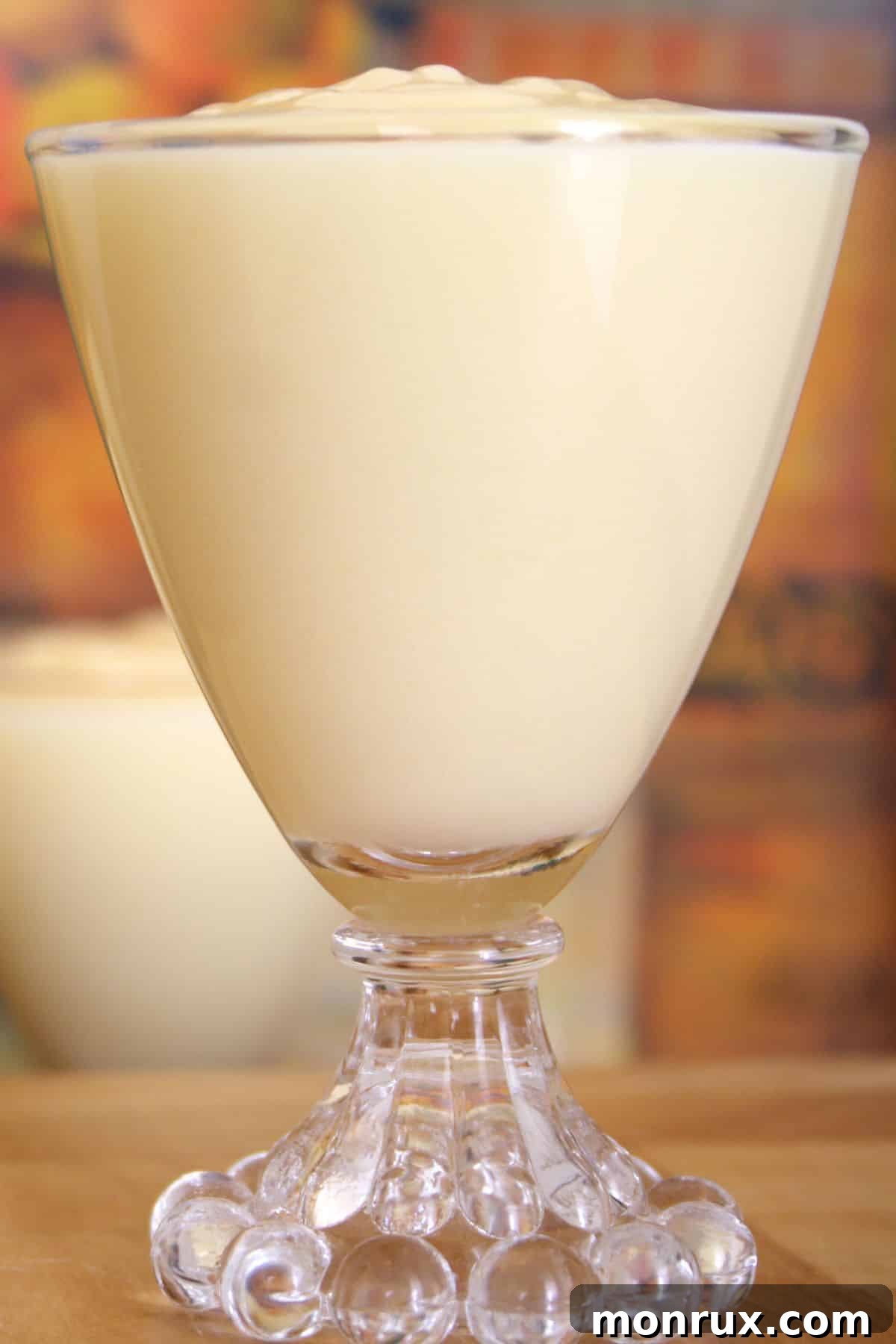
Instant pudding remains one of the most convenient and versatile desserts to keep stocked in your pantry. Whether you need a quick, satisfying snack or a base for a more elaborate, show-stopping dessert, instant pudding consistently delivers. But the reliance on dairy milk can pose a challenge if your family follows a dairy-free diet, adheres to a vegan lifestyle, or if you simply find yourself without traditional milk. The good news is that with a few simple modifications, you can achieve delicious, creamy pudding using a variety of plant-based milks.
This guide will share five of the most effective milk substitutes you can use to make instant pudding, along with essential tips and a key modification – the addition of a thickening agent – to ensure your dairy-free pudding achieves a consistency similar to its dairy counterpart. We’ll cover everything from rich coconut milk to light almond milk, providing you with all the knowledge you need to master dairy-free instant pudding.
Milk and Instant Pudding: The Traditional Way
Instant pudding is traditionally crafted with dairy milk, which contains specific proteins (casein) and fats that interact with the pudding mix to create its characteristic smooth, creamy, and thick texture. The directions on almost every box of instant pudding explicitly call for regular dairy milk, often recommending whole milk for optimal results.
Milk is far more than just a liquid in instant pudding; it’s a vital ingredient that provides both flavor and structure. When the milk’s proteins and fats combine with the pre-gelatinized starches and emulsifiers found in the instant pudding mix, they form a stable emulsion. This emulsion, upon chilling, transforms into the familiar gelatinous structure we know as pudding. The fat content in whole milk, in particular, contributes significantly to a richer flavor and a more luxurious, velvety texture, making it undeniably enjoyable to eat.
Most boxes even caution against using non-fat or skim milk. This is because the lower fat content in these milks can result in a thinner, less satisfying pudding that may not set as firmly. The absence of sufficient fat means there’s less material to contribute to the desired creamy mouthfeel and thickening process. While dairy milk is the traditional choice, and arguably the easiest for an “instant” set, understanding its role is key to successfully substituting it with plant-based alternatives.
Why Plant Milks Need a Boost: The Science of Setting
When you swap dairy milk for a plant-based alternative in instant pudding, you’re essentially changing the chemical environment that the pudding mix relies on to set. Plant milks typically lack the specific casein proteins and fat composition found in cow’s milk that are crucial for activating the gelling agents in instant pudding mixes. These mixes are engineered to react with dairy proteins and calcium to create a firm set without heat.
Without these dairy components, plant milks often result in a thinner, runny pudding that fails to thicken properly when simply whisked and chilled. This is where a small but significant modification comes into play: adding a thickening agent like cornstarch or arrowroot starch and gently heating the mixture. Heating helps to activate the starches present in the pudding mix and the added thickener, allowing them to gelatinize and bind the liquid, thus creating the desired creamy and firm texture. This simple step ensures your dairy-free instant pudding is just as delightful and satisfying as its traditional counterpart.
Best Milk Substitutes for Instant Pudding
Making instant pudding is a wonderfully quick and easy way to enjoy a delicious dessert. However, the traditional requirement for dairy milk can be a hurdle for those with lactose intolerance, dairy allergies, or a preference for plant-based foods. Thankfully, the world of dairy-free alternatives offers several excellent options that can successfully replace cow’s milk in instant pudding. Each substitute brings its unique characteristics in terms of flavor and texture, allowing you to customize your pudding experience.
Coconut milk, almond milk, cashew milk, soy milk, and oat milk are all fantastic choices when you’re seeking a dairy-free alternative. Each of these plant milks can impart a slightly different flavor profile, adding an extra layer of complexity and interest to your pudding. Beyond dietary considerations, many of these substitutes are often lower in calories and saturated fat compared to whole cow’s milk, offering a lighter option. So, the next time a craving for instant pudding strikes, don’t let dairy restrictions hold you back from enjoying this versatile treat. The key to success with any of these alternatives involves a slight modification: gently heating the pudding mixture and incorporating a thickening agent like cornstarch or arrowroot starch. This ensures the pudding sets perfectly, mimicking the rich texture of its dairy-based inspiration.
1. Coconut Milk
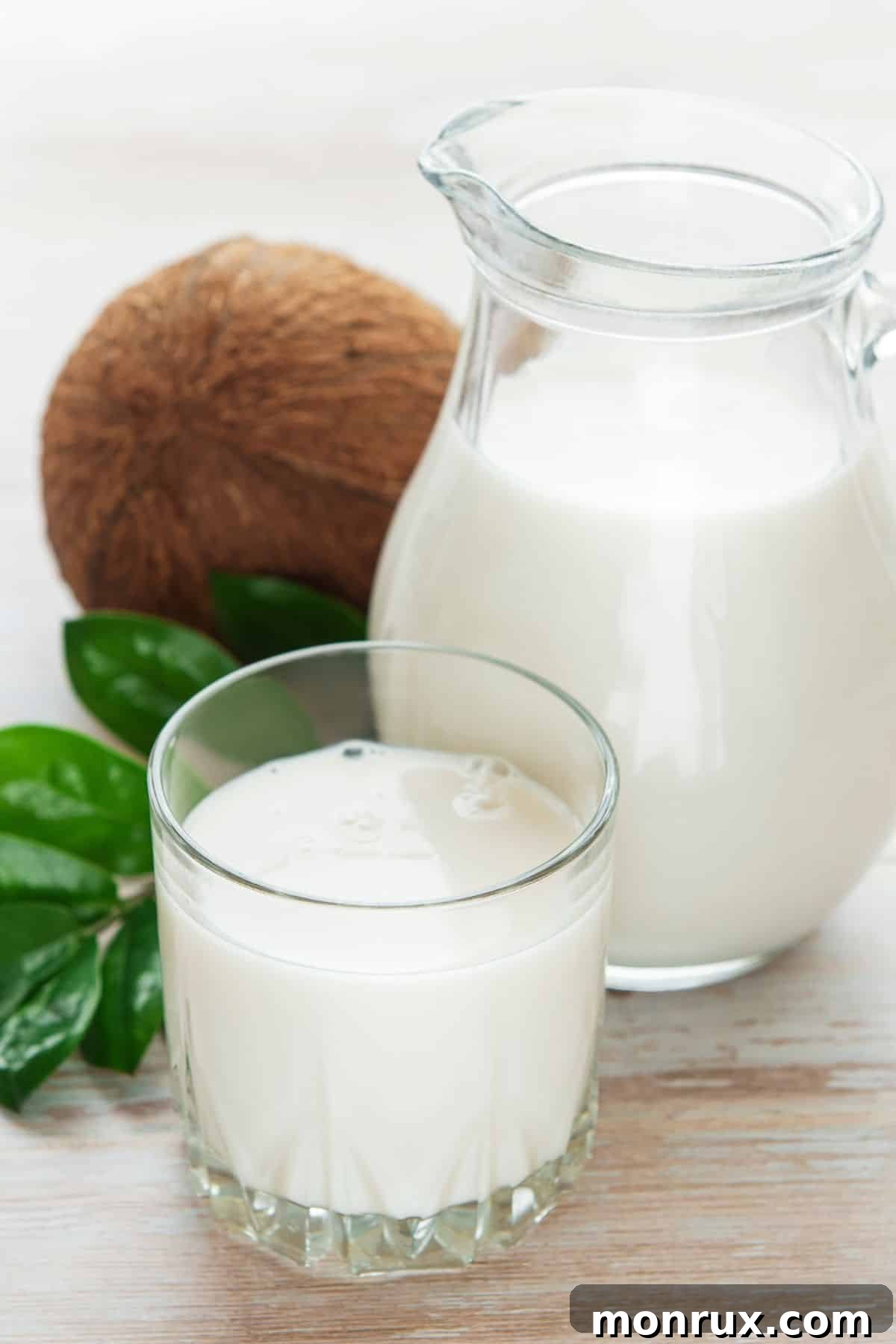
Coconut milk stands out as one of the premier substitutes for regular dairy milk in instant pudding, especially for those seeking a truly rich and creamy dessert. Its naturally high fat content, particularly in full-fat canned varieties, lends itself perfectly to creating a luscious, smooth pudding texture that closely rivals that made with whole cow’s milk. The inherent sweetness of coconut milk also naturally enhances the pudding’s flavor, adding a subtle, tropical note that can be particularly delightful in vanilla or chocolate puddings. For a truly indulgent experience, consider using it in recipes like this dairy-free pumpkin pie pudding.
Beyond its delicious taste and texture, coconut milk is a fantastic choice for individuals with dairy allergies, as it is completely free of casein proteins. It’s also a popular non-dairy alternative often used as a coffee creamer, and you can even try making your own Vitamix Coconut Milk for fresh flavor and cost savings. Its versatility extends to beverages as well, making it one of the best milk substitutes when making a latte.
When substituting, it’s generally best to opt for full-fat canned coconut milk for the thickest, creamiest results, rather than the thinner, refrigerated beverage cartons. To substitute one cup of milk in instant pudding, use one cup of full-fat canned coconut milk. Additionally, you will need to whisk in 1 tablespoon of a cornstarch or arrowroot starch slurry (as detailed in the recipe below) into the pudding mixture while gently heating it, ensuring it reaches the perfect consistency.
2. Almond Milk
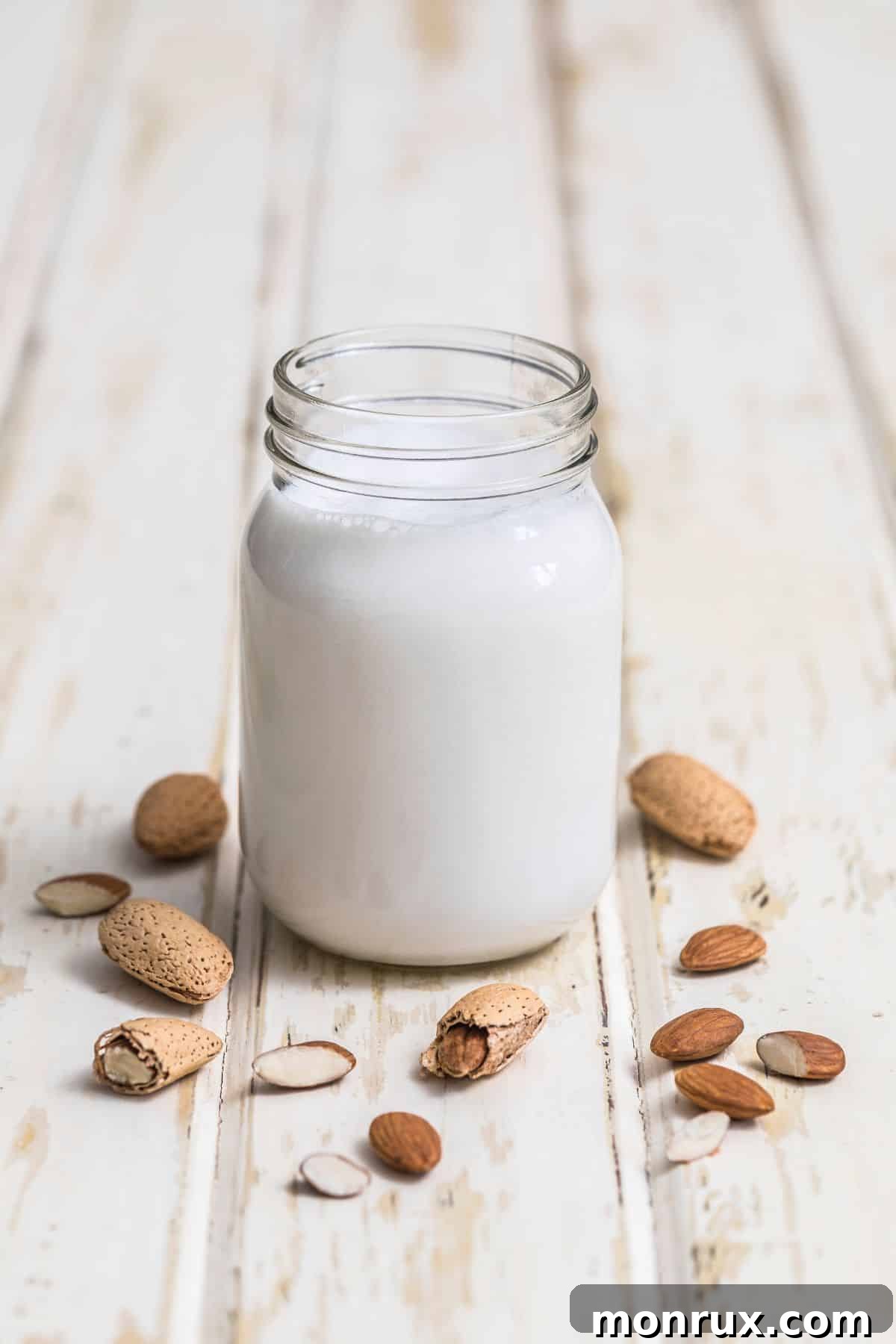
Almond milk is another widely available and popular choice for dairy-free instant pudding. Its light texture and relatively neutral flavor make it an excellent canvas for showcasing the pudding’s primary flavor. Unlike what its name might suggest, unsweetened almond milk doesn’t typically impart a strong nutty taste, making it highly versatile. It’s also often lower in calories and fat compared to dairy milk, appealing to those seeking a healthier option. Many enjoy making Vitamix Almond Milk at home for an even fresher taste, which can be wonderfully incorporated into unique desserts like this Chocolate Avocado Pudding.
When choosing almond milk for instant pudding, unsweetened varieties are generally recommended to avoid an overly sweet result and allow you to control the sugar content. For a noticeably creamier pudding, look for almond milk labeled as “barista blend” or “extra creamy,” as these typically have a slightly higher fat content or added stabilizers that contribute to a richer mouthfeel. While your pudding might not be quite as decadent as if made with full-fat coconut milk or regular dairy milk, it will certainly be delicious and satisfying.
To substitute one cup of dairy milk, use one cup of unsweetened almond milk. Critically, to ensure the pudding sets properly and achieves the desired thick consistency, you’ll need to whisk in 1 tablespoon of cornstarch or arrowroot starch into the pudding mixture before or during the gentle heating process. This thickening agent is vital for compensating for the lower protein and fat content in almond milk. The full recipe detailing this process can be found at the end of this post.
3. Cashew Milk
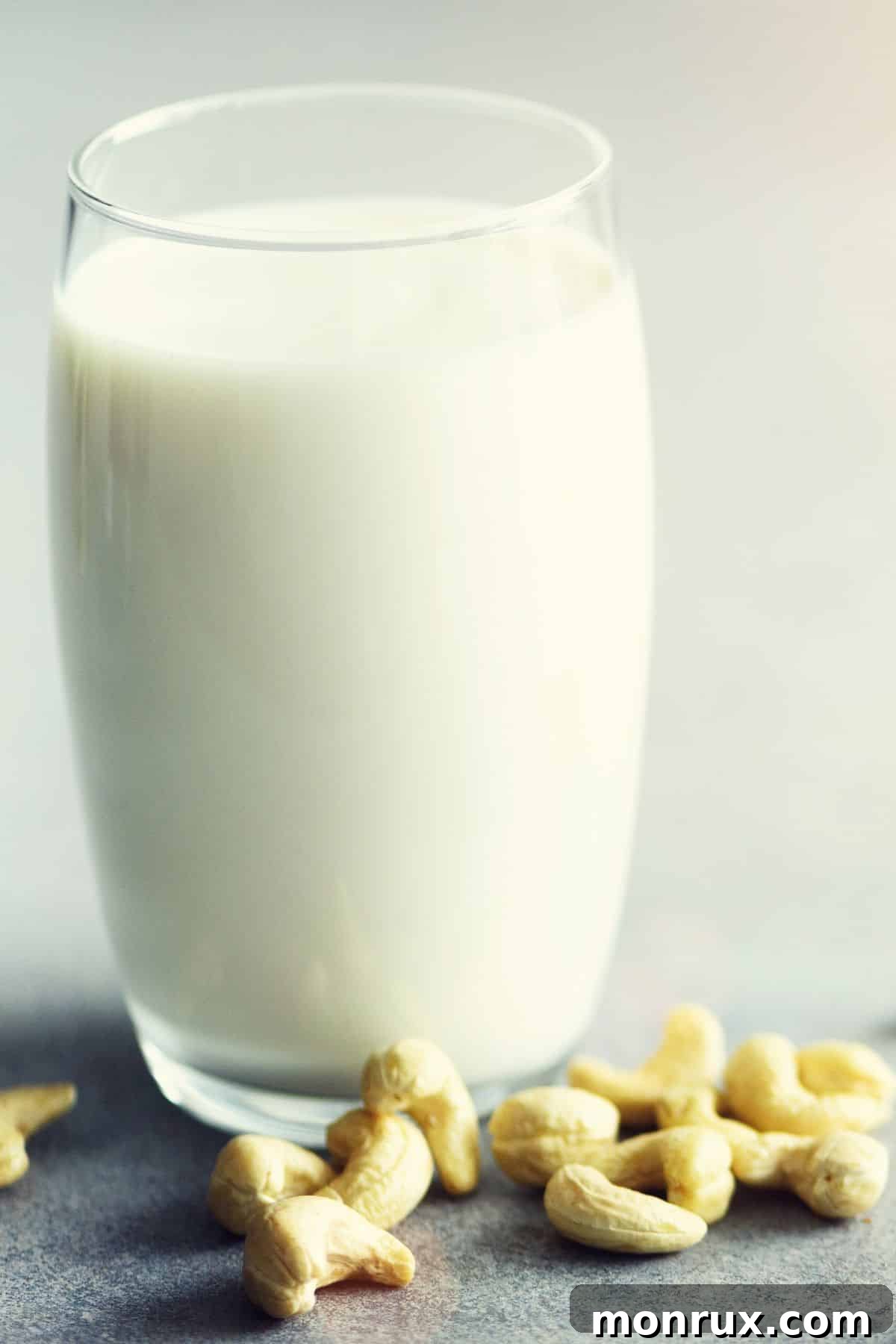
For another fantastic dairy-free substitute that naturally delivers a creamy texture, cashew milk is an excellent contender. Made from blended cashews and water, it boasts a smooth, luxurious consistency that makes it an ideal base for instant pudding mix. Cashew milk is also notable for its healthy fats and various vitamins, making it a nutritious choice for your dessert. Its flavor is subtly sweet and remarkably neutral, allowing the pudding flavor to shine through beautifully, without any overpowering notes.
Cashew milk offers wonderful versatility for different pudding flavors. For a rich chocolate pudding, simply mix cashew milk with your instant chocolate pudding powder, adding cocoa powder for a deeper chocolate flavor if desired. If you’re feeling a bit adventurous, serving your chocolate pudding with a handful of your favorite nuts or fresh berries can elevate the experience. For vanilla pudding, a simple teaspoon of vanilla extract added to the cashew milk can enhance its delicate notes. To further elevate the vanilla experience, a dash of cinnamon or nutmeg can introduce a warm, inviting spice. Making your own homemade cashew milk is surprisingly easy and can provide an even creamier, richer base for your puddings.
To substitute one cup of dairy milk in instant pudding, use one cup of unsweetened cashew milk. As with other plant milks, to ensure the pudding sets properly and achieves that perfect, thick consistency, you will also need to whisk in one tablespoon of cornstarch or arrowroot starch into the pudding mixture while it is gently cooked (refer to the detailed recipe below for precise steps).
4. Soy Milk
Soy milk has long been a staple in the world of plant-based dairy alternatives and offers a robust option for instant pudding. It is readily available and typically inexpensive at most grocery stores, making it a convenient choice. Soy milk generally possesses a thicker consistency than many other plant milks, and this natural thickness works particularly well when combined with instant pudding powder, contributing to a satisfying mouthfeel.
One of soy milk’s key advantages is its higher protein content compared to other plant-based milks. This protein helps to create a thicker, creamier texture in the pudding, making it a reliable substitute for traditional dairy milk. Furthermore, plain soy milk has a naturally subtle, slightly sweet flavor that can complement and even enhance the flavors of Jell-O or other instant pudding mixes without overpowering them. It’s a fantastic vegan milk option that contributes a rich texture and performs consistently in various culinary applications, including pudding.
To substitute one cup of dairy milk in instant pudding, use one cup of unsweetened soy milk. Opting for unsweetened ensures better control over the final sweetness of your dessert. As with other plant milks, to ensure proper setting, you will also need to whisk in one tablespoon of cornstarch or arrowroot starch into the pudding mixture and gently cook it until thickened (full recipe instructions are provided below).
5. Oat Milk
Oat milk has surged in popularity, especially among those with nut allergies or individuals simply seeking a delicious, creamy dairy alternative. It provides an excellent option if you need to avoid both dairy and nuts, making it a versatile choice when coconut milk or almond milk are not suitable. Its mild, slightly sweet flavor and inherent creaminess make it a delightful base for instant pudding.
We highly recommend using an unsweetened version of oat milk to prevent your pudding from becoming overly sweet, allowing the pudding flavor itself to be the star. Different brands of oat milk can vary in thickness, so for the creamiest results, look for “full-fat” or “barista blend” varieties. You can also achieve superior freshness and often a richer texture by making your own homemade oat milk, which many consider one of their favorite ways to prepare instant pudding.
To substitute one cup of dairy milk in instant pudding, use one cup of unsweetened oat milk. Following the same crucial step as with other plant milks, you will need to whisk in one tablespoon of cornstarch or arrowroot starch to the pudding mixture and gently cook it. This ensures that the pudding thickens and sets properly, delivering a wonderfully creamy and satisfying dessert. Refer to the detailed recipe below for complete instructions on how to achieve the best results.
Milk Substitute Pros and Cons
Here’s a summary of the advantages and disadvantages of using various non-dairy milk alternatives instead of regular milk when making instant pudding, alongside some tips for maximizing success:
| Substitute | Pros | Cons |
|---|---|---|
| Coconut Milk (Canned, Full-Fat) | Rich, luxurious creamy texture; natural sweetness enhances flavor; nutrient-packed; completely casein-free; provides a satisfying mouthfeel similar to whole dairy milk. | Can impart a distinct coconut flavor, which might not be desired in all pudding flavors (e.g., subtle vanilla); higher in saturated fat than other plant milks. |
| Almond Milk (Unsweetened) | Light texture, widely available, and generally low in calories and fat; relatively neutral flavor that won’t overpower pudding; good for general dairy-free needs. | Thinner consistency can make pudding less rich; requires a thickening agent for proper setting; “barista” or “creamy” versions work best for texture. |
| Cashew Milk (Unsweetened) | Naturally creamy and smooth texture; subtly sweet and versatile flavor profile; often rich in healthy fats and vitamins; can be easily made homemade for freshness. | Not as universally available as almond or soy milk; can be slightly more expensive; still requires a thickening agent for a firm set. |
| Soy Milk (Unsweetened) | Thicker consistency than many plant milks; good protein content helps contribute to texture; widely available and affordable; relatively neutral flavor profile that blends well. | Some people have soy allergies or preferences to avoid soy; its natural sweetness may slightly alter the expected flavor of some puddings if not using unsweetened. |
| Oat Milk (Unsweetened) | Excellent for nut allergies; naturally creamy and slightly sweet; widely popular and accessible; comes in various consistencies (barista blends are thicker). | Consistency can vary significantly between brands, impacting final pudding texture; requires a thickening agent for reliable setting; flavor can be slightly “oaty” in delicate puddings. |
FAQs About Dairy-Free Instant Pudding
While technically possible, rice milk tends to have a very thin and watery texture, which makes it challenging to achieve a creamy, thick pudding even with added starch. We would generally recommend opting for one of the other substitutes listed above for better results.
Using heavy cream for instant pudding is generally not recommended. While it is dairy-based and very high in fat, it will likely lead to an excessively thick, almost solid texture, and the pudding may even be too rich or heavy to enjoy as a light dessert.
Yes, powdered dairy milk can be used. However, you will first need to reconstitute the powdered milk into liquid form by mixing it with water according to package directions before adding it to the instant pudding mix. Ensure it’s fully dissolved for a smooth pudding.
Absolutely! Almond milk is an excellent choice for dairy-free instant pudding. To substitute one cup of dairy milk, use one cup of unsweetened almond milk. While it might not be as intensely rich as pudding made with full-fat coconut milk or traditional dairy, it will still be delightfully flavorful. The crucial step is to whisk in one tablespoon of cornstarch or arrowroot starch into the mixture and gently heat it to ensure the pudding sets properly.
Instant pudding mixes are formulated to react with the specific proteins (casein) and calcium found in cow’s milk to create a gel. Most plant milks lack these components, so without an added thickening agent and gentle heat, the pudding won’t achieve its desired thick, set consistency.
You can, but be mindful of the added sugar. Using sweetened plant milk might make your pudding overly sweet, depending on the pudding flavor and your personal preference. It’s generally best to use unsweetened plant milk to control the sugar content and allow the pudding’s flavor to shine.
If your pudding turns out too thin after chilling, it likely didn’t receive enough heat or thickening agent. You can try reheating it gently on the stove, whisking in an additional half teaspoon to one teaspoon of cornstarch (pre-mixed with a small amount of cold milk to form a slurry), and stirring until it thickens before chilling again.
We encourage you to try this versatile recipe! If you do, please leave a comment and a starred review below to share your experience.
And, consider following us on social media to stay connected. Find us on Facebook, Pinterest, Instagram, and YouTube!
Print Recipe
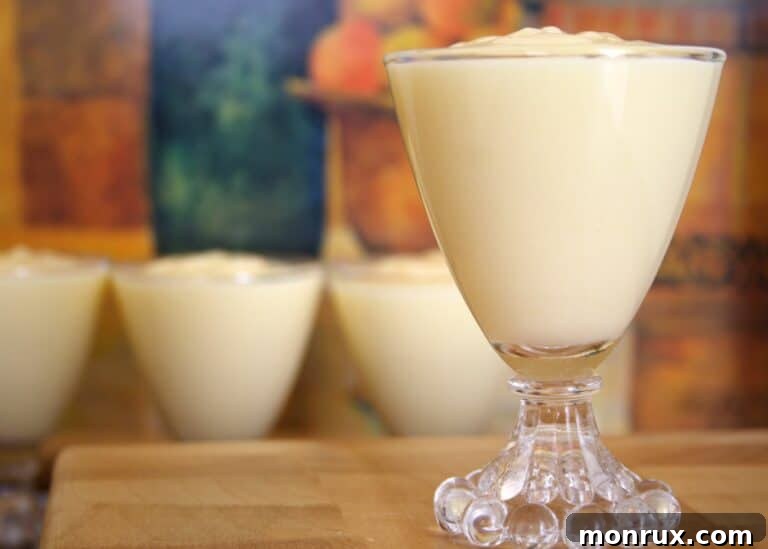
Instant Pudding Using Almond Milk (and other plant milks)
5 out of 5 stars from 2 reviews
When making instant pudding, traditional recipes call for cow’s milk. However, there are several effective milk substitutes that work wonderfully for those who prefer dairy-free or plant-based options. This recipe provides a simple, foolproof method for creating delicious, creamy instant pudding using almond milk, and can be easily adapted for other plant-based milks.
- Total Time: 2 hours, 15 minutes
- Yield: 4 servings
Ingredients
- 2 cups unsweetened almond milk (for a creamier texture, choose an almond milk labeled as “barista” or “creamy”)
- 1 tablespoon of cornstarch or arrowroot starch
- 1 package of instant pudding mix (approximately 3.4 ounces, any flavor)
Instructions
- Prepare the Slurry: In a small bowl, whisk together the cornstarch (or arrowroot starch) with about 1/4 cup of the almond milk until completely smooth. This crucial mixture, known as a slurry, will ensure your pudding thickens beautifully without forming any lumps.
- Combine Ingredients: In a medium saucepan, pour in the remaining almond milk. Add the entire package of instant pudding mix. Stir these two ingredients thoroughly with a whisk until they are well combined, before applying any heat.
- Incorporate Slurry: Now, pour the prepared cornstarch slurry into the saucepan with the almond milk and pudding mix. Whisk vigorously to ensure the slurry is fully integrated into the mixture. This step is key for a consistently thick pudding.
- Gentle Heating: Place the saucepan over medium heat on your stovetop. It is absolutely vital to stir the mixture constantly with a whisk or rubber spatula as it heats. Continuous stirring prevents the pudding from sticking to the bottom of the pan, burning, and ensures even thickening.
- Thicken and Remove: Continue stirring until the mixture comes to a slight simmer and you observe it starting to thicken significantly. You don’t need a rolling boil; just enough heat to activate the starches. Once it visibly thickens, remove the saucepan from the heat immediately. This process should only take a few minutes.
- Chill for Setting: Promptly pour the thickened pudding into your desired serving bowl or individual serving dishes. To prevent a “skin” from forming on the surface as it cools, gently press plastic wrap directly onto the surface of the warm pudding.
- Refrigerate: Transfer the pudding to the refrigerator and allow it to chill completely until it is firm and set. This typically requires about 2 hours, but for the very best, firmest set and optimal flavor, chilling it overnight is highly recommended. Serve chilled or at a cool room temperature for a delightful dairy-free treat.
Notes
- This recipe is versatile! You can easily follow the exact same steps using other creamy milk substitutes, including full-fat canned coconut milk, unsweetened cashew milk, unsweetened soy milk, or unsweetened oat milk. Always remember the cornstarch or arrowroot slurry and the gentle heating step for the best results.
- Author: Carrie Forrest, MPH in Nutrition
- Prep Time: 5 minutes
- Cook Time: 10 minutes
- Category: Dessert
- Method: Stovetop
- Cuisine: American
Nutrition
- Serving Size: 1/4 of recipe
- Calories: 127
- Sugar: 23 g
- Sodium: 449.7 mg
- Fat: 1.6 g
- Saturated Fat: 0.1 g
- Carbohydrates: 27.3 g
- Fiber: 0.1 g
- Protein: 0.8 g
- Cholesterol: 0 mg
More Food Substitute Articles You Might Like
- Effective Substitutes for Arrowroot Powder
- Best Substitutes for Butter in Chocolate Chip Cookies
- Top Substitutes for Ghee
- Great Substitutes for Olive Oil in Cooking
- 5 Best Rice Flour Substitutes for Baking
Don’t Miss These Tips!
Conclusions
Transforming instant pudding into a delightful dairy-free dessert is not only possible but also opens up a world of new flavors and textures. The best dairy-free substitutes for milk in instant pudding include full-fat coconut milk, unsweetened almond milk, creamy cashew milk, protein-rich soy milk, and versatile oat milk. Each of these plant-based options brings its unique characteristics to the table, allowing you to tailor your pudding to specific tastes and dietary needs. By understanding the role of milk in traditional pudding and incorporating a simple thickening agent like cornstarch or arrowroot starch with gentle heat, you can achieve a wonderfully creamy and perfectly set pudding every time.
So, the next time you’re in the mood for instant pudding, whether due to dietary restrictions or simply exploring new culinary avenues, remember that dairy-free doesn’t mean compromise. Embrace these fantastic milk substitutes, and confidently create a delicious, satisfying treat for everyone to enjoy. Your dairy-free instant pudding journey starts here!
Don’t forget to join our newsletter list to get exclusive clean eating recipes and tips delivered straight to your inbox. The newsletter is 100% free with no spam; you can unsubscribe anytime.
About the Author: Carrie Forrest has a master’s degree in public health with a specialty in nutrition and is a certified holistic nutritionist. She is a top wellness and food blogger with over 5 million annual visitors to her site. Carrie has an incredible story of recovery from chronic illness and is passionate about helping other women transform their health. Send her a message through her contact form.