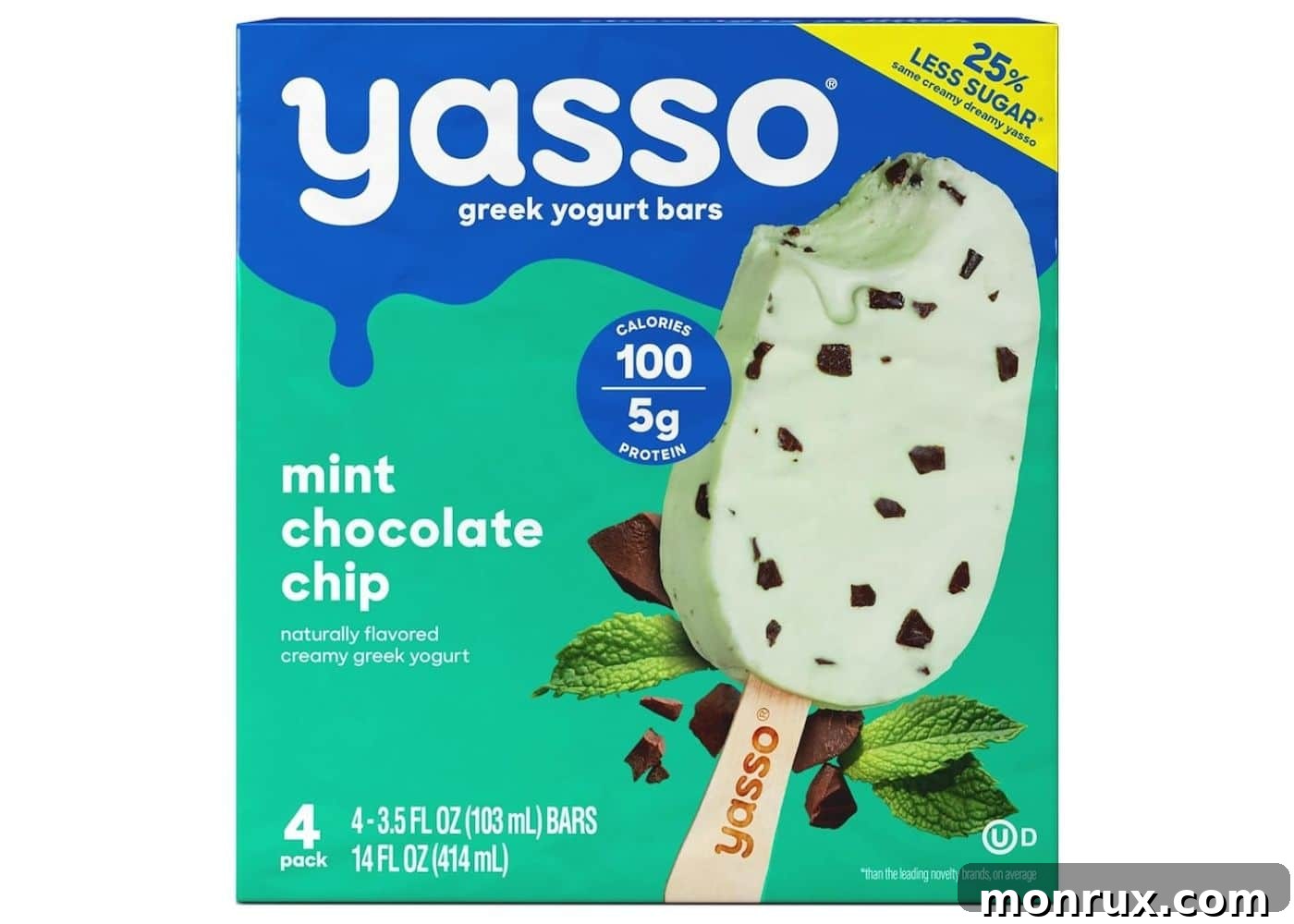
In the quest for healthier snack options, many consumers turn to products marketed as “better for you.” Among these, Yasso Bars have gained considerable popularity, positioning themselves as a frozen Greek yogurt treat that’s both delicious and diet-friendly. But when we peel back the layers of marketing, a crucial question arises: Are Yasso Bars truly healthy? As a nutritionist dedicated to promoting clean eating and informed food choices, I’ve conducted an in-depth review of Yasso Bars, scrutinizing their ingredients, nutritional profile, and overall contribution to a healthy diet. This article aims to provide a clear, evidence-based perspective, highlighting the product’s nutritional advantages and disadvantages, and suggesting superior alternatives for those seeking genuinely wholesome frozen treats. My professional assessment concludes that while Yasso Bars offer certain appealing features like protein content and lower calories, they cannot be unequivocally recommended as a “healthy” choice due to their reliance on highly processed ingredients, significant added sugar content, and the presence of common allergens.
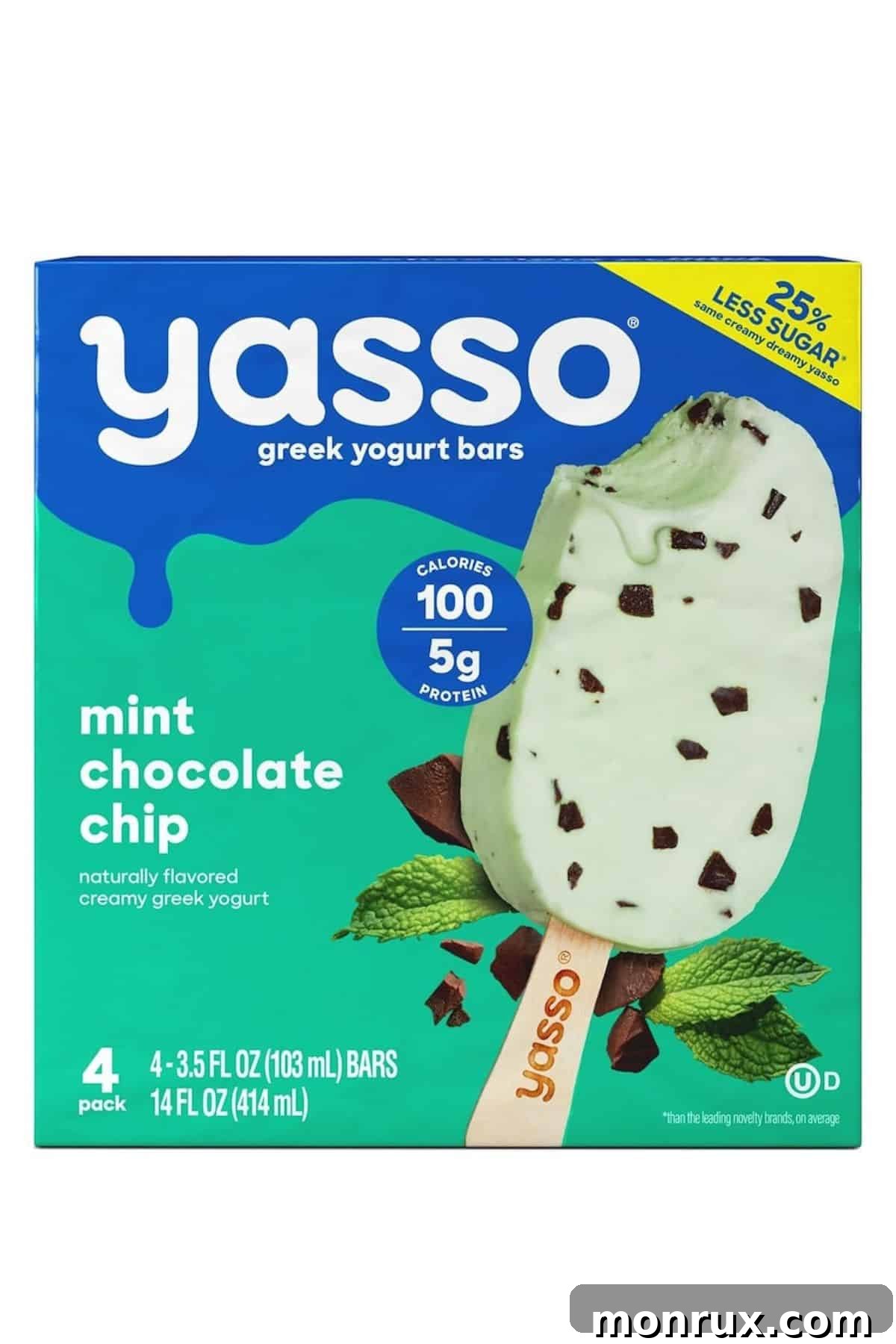
Yasso Bar Facts
Yasso, a brand that quickly carved out a niche in the frozen dessert market, was established in Boston in 2009 by co-founders Amanda Klane and Drew Harrington. Their vision was to create convenient frozen snacks that offered a seemingly ideal combination of low calories, impressive taste, and a touch of nutrition, primarily through the inclusion of Greek yogurt. This positioning aimed to appeal to health-conscious consumers looking for guilt-free indulgence during snack time.
Beyond their signature Greek Yogurt Bars, Yasso has expanded its product line to include Greek Yogurt Chocolate Crunch Bars, Greek Yogurt Sandwiches, Greek Yogurt Poppables, and Greek Yogurt Mochi. This diversification allows them to compete directly with traditional ice cream brands like Ben & Jerry’s, as well as other “healthier” frozen dessert brands such as Halo Top. Consumers have the flexibility to purchase individual boxes of specific flavors, opt for a variety pack, or even customize their own selection of Yasso products.
The core Yasso Frozen Greek Yogurt Bars are available in an extensive array of flavors. These bars typically feature ingredients such as non-fat milk, sugar, Greek yogurt, wheat flour (in some varieties), natural flavors, and common stabilizers like guar gum and locust bean gum. Each bar is generally formulated to contain between 4-5 grams of protein and ranges from 80 to 100 calories, presenting themselves as a seemingly light snack option.
It’s important for consumers to note that while Yasso asserts its products contain non-GMO ingredients, this does not mean they are entirely GMO-free. Furthermore, the majority of Yasso bars are not suitable for individuals following a vegan diet or those with specific allergies or sensitivities to dairy, soy, wheat, or nuts. While the brand does offer some gluten-free bar options, it’s crucial for consumers with dietary restrictions to carefully check the labels of each specific product. The diverse flavor portfolio includes popular choices like:
- Birthday Cake
- Black Raspberry Chip
- Chocolate Chip Cookie Dough
- Chocolate Fudge
- Chocolate Peanut Butter Chip
- Coffee Chocolate Chip
- Cookies ‘N Cream
- Fudge Brownies
- Mint Chocolate Chip
- Pistachio Brittle
- Sea Salt Caramel
Yasso Bar Ingredients
To truly understand the nutritional landscape of Yasso Bars, we must delve into their ingredient lists. As an illustrative example, let’s examine the comprehensive list of ingredients found in the popular Chocolate Chip Cookie Dough flavor of Yasso Bars:
- Nonfat Milk
- Greek Yogurt (Nonfat Milk, Milk Protein Concentrate, Cultures)
- Sugar
- Chocolate Flavored Flake (Powdered Sugar [Sugar, Cornstarch], Coconut Oil, Cocoa Processed with Alkali, Cocoa, Soy Lecithin, Natural Flavor)
- Milk Protein Concentrate
- Maltodextrin
- Cream
- Guar Gum
- Locust Bean Gum
- Mint Extract (in mint varieties)
- Spirulina Extract for Color (in some varieties)
- Fruit Juice for Color (in some varieties)
- Natural Flavor
This list, typical across many Yasso flavors, reveals a combination of dairy components, sweeteners, and various additives. Next, we will systematically examine some of the most prominent ingredients in Yasso Greek Yogurt Bars and explore their potential impacts on your health from a nutritionist’s perspective.
Non-Fat Milk
Non-fat milk, also commonly labeled as fat-free or skim milk, undergoes a rigorous processing regimen designed to remove virtually all its natural fat content and a portion of its inherent sugars. This extensive processing results in a milk ingredient with an altered nutritional profile: significantly higher in protein, notably lower in lactose, and practically devoid of fat. While this might sound appealing at first glance, it’s crucial to understand the implications of such processing.
The removal of fat, which contributes significantly to milk’s natural flavor and satiety, often leaves skim milk with a less palatable taste profile compared to its whole milk counterparts. To compensate for this diminished flavor, food manufacturers frequently add sugar to fat-free products, making them more appealing to consumers but potentially unsuitable for individuals managing blood sugar levels, such as those with diabetes. Furthermore, for those who experience lactose intolerance or possess allergies or sensitivities to dairy products, consuming anything made with non-fat or skim milk will likely still trigger adverse reactions, despite the reduced lactose content, as other milk proteins remain.
Milk Protein Concentrate (MPC)
Milk Protein Concentrate (MPC) is another common ingredient in many Yasso Bars. As its name suggests, MPC is a dairy product characterized by its high protein content. It is derived from milk through various filtration processes that remove most of the lactose and fat, concentrating the protein. However, it’s important to note that despite the reduction, MPC still contains lactose.
For individuals who are lactose intolerant or experience allergic reactions or sensitivities to dairy products, the presence of MPC can still lead to uncomfortable digestive issues or other adverse health responses. Beyond the lactose content, a broader concern for health-conscious consumers revolves around the sourcing of dairy ingredients. Unless a manufacturer explicitly certifies that their dairy products are organic, hormone-free, and originate from grass-fed cows, there is a possibility that these ingredients may contain hormones, pesticides, and other chemical residues. These substances, when consumed regularly, have the potential to adversely affect human health, raising questions about the overall “cleanliness” of the product.
Natural Flavors
The term “natural flavors” is ubiquitous on food labels across the globe, yet its true meaning remains shrouded in ambiguity. With so much conflicting and often vague information surrounding this ingredient, it’s incredibly challenging for consumers to ascertain what they are actually consuming. The food industry frequently employs this term, but without a precise, legally binding definition, manufacturers are afforded considerable leeway in its application, essentially using it to describe a vast array of ingredients, additives, or food products.
What many consumers don’t realize is that some “natural flavors” are far from their natural origins. They can undergo extensive processing using artificial means, including the application of solvents and high heat, to extract specific flavor enzymes or compounds. This industrial extraction process can fundamentally alter the nature of the original “natural” source. Unless a company transparently details its processes on its website or product labels, it is virtually impossible for consumers to determine whether the “natural flavors” used are genuinely healthy, contribute any nutritional value, or are simply chemically manipulated essences designed to enhance palatability without true food substance.
Guar Gum
Guar gum, also known as guaran, is a common food additive extracted from guar beans. It is primarily utilized in food production as a thickening agent, emulsifier, and stabilizer, helping to improve the texture and shelf-life of many processed foods, including frozen desserts like Yasso Bars. On the surface, guar gum contains soluble fiber, which can offer certain health benefits; for instance, it has been shown to potentially aid in improving digestion, moderating blood sugar levels, and contributing to cholesterol reduction.
However, despite these potential benefits, guar gum is not without its drawbacks, particularly for sensitive individuals. Some people may have specific sensitivities or allergies to guar gum, leading to a range of uncomfortable digestive health issues such as excessive gas, abdominal cramping, and bloating. More concerningly, research has begun to indicate that this additive may adversely impact the delicate balance of the gut microbiota. A disrupted gut microbiome can lead to various digestive problems and has been linked to potential colonic inflammation, suggesting that for some, the inclusion of guar gum might do more harm than good.
Locust Bean Gum
Locust bean gum, derived from the seeds of the carob tree, is another prevalent processed plant-based food thickener and stabilizer widely employed by food manufacturers in a diverse range of products, including many frozen desserts. Often lauded for being vegan-friendly, its plant origin doesn’t automatically equate to being a healthy ingredient, a nuance often overlooked by consumers.
The primary concern with locust bean gum lies in its processing. To extract and refine the gum for commercial use, the seeds typically undergo various mechanical and sometimes chemical treatments. These processing methods can introduce elements that detract from the natural integrity of the ingredient, potentially diminishing its nutritional value or even introducing undesirable compounds. While generally recognized as safe for most individuals, there are documented cases where people experience severe allergic reactions after consuming products containing locust bean gum. These reactions can manifest as serious symptoms, including asthma or significant difficulty breathing. Consequently, individuals with a known allergy or sensitivity to locust bean gum must meticulously check ingredient labels and avoid products that contain it.
Soy Lecithin
Yasso Greek yogurt bars often list soy lecithin among their ingredients. While the product labels specify that the soy lecithin used is non-GMO, this particular attribute doesn’t negate other significant concerns from a nutritionist’s viewpoint. Despite being derived from soybeans, soy lecithin is a highly processed soy oil product, and in my professional opinion, it is not considered a healthy or desirable ingredient in a genuinely clean eating regimen.
The extensive processing that soy lecithin undergoes fundamentally transforms it from its original soy bean form. This rigorous purification and modification process means that the final lecithin product barely resembles soy anymore and retains very little, if any, of the beneficial protein found in whole soy. Furthermore, the extraction process itself can be a point of concern, as it commonly involves the use of harsh chemical solvents like hexane. Hexane, a petroleum derivative, is not something most health-conscious consumers would knowingly choose to include in their diet. Therefore, even non-GMO soy lecithin represents a highly refined, chemically-processed additive rather than a natural, nutrient-dense food component.
Palm Oil And Palm Kernel Oil
Certain flavors of Yasso Greek Yogurt Bars contain either palm oil or palm kernel oil. These oils, though both derived from the oil palm tree, come from different parts: palm oil from the fruit’s pulp, and palm kernel oil from the fruit’s seed. The inclusion of these ingredients raises several health and ethical considerations.
From a health perspective, palm oil and palm kernel oil fall under the category of seed oils, which can be problematic. Many seed oils, especially when refined and hydrogenated, have been linked to promoting chronic inflammation in the body. Chronic inflammation is a significant driver behind a host of modern health problems, including obesity, cardiovascular disease, and neurodegenerative conditions like Alzheimer’s disease. The refining processes often involve high heat and chemical treatments, and hydrogenation is a common practice used to extend both the shelf life of the oil and the product it’s in. Unfortunately, hydrogenation can lead to the formation of unhealthy trans fats and has been shown to increase levels of LDL, commonly referred to as “bad” cholesterol.
Yasso states on its company site that the palm oil used in their products is sustainably and responsibly sourced. While this claim addresses environmental concerns, without independent verification or specific details about the sources and certifications, it places the onus on the buyer to conduct their own due diligence and make an informed decision. The environmental implications of palm oil production are severe and widely documented. According to the World Wildlife Fund (WWF), the rapid expansion of palm oil plantations is a leading cause of deforestation in some of the world’s most biodiverse forests. This deforestation critically threatens the habitats of numerous endangered species, including the Orangutan, pygmy elephant, and Sumatran rhino. Furthermore, deforestation significantly contributes to increased greenhouse gas emissions, exacerbating climate change, and has also been tragically linked to unethical practices such as child labor and worker exploitation within the supply chain.
Other Ingredients
Depending on the specific flavor of Yasso bar, other ingredients may include chocolate chips, chocolate flake, cornstarch, and maltodextrin. Maltodextrin, for example, is a highly processed carbohydrate that has a high glycemic index, meaning it can cause rapid spikes in blood sugar. Cornstarch can often be derived from genetically modified corn, adding another layer of processing and potential concerns for those seeking truly clean ingredients.
Nutrition Pros
Despite the various concerns raised about their ingredient list, it’s important to acknowledge some of the nutritional advantages and positive aspects that Yasso Greek Yogurt Bars offer, especially when compared to traditional frozen desserts. Yasso bars are commendably made without artificial flavors or artificial sweeteners, a significant positive in an industry often plagued by synthetic additives. Additionally, they do not include high fructose corn syrup or sugar alcohols, which are common in many “diet” or “light” products and can cause digestive distress for some individuals. The brand also offers several gluten-free flavor options, catering to those with gluten sensitivities or celiac disease.
These products are specifically designed to serve as a low-calorie snack option, with each bar typically containing between 80 to 100 calories. This makes them a more calorie-conscious choice than many full-fat, sugar-laden ice creams. Furthermore, each bar provides a modest yet valuable amount of protein, ranging from 4g to 5g per serving, primarily from the Greek yogurt and milk protein concentrate. This protein content can contribute to a feeling of satiety, potentially helping to curb cravings and manage overall caloric intake. In the landscape of processed ice cream treats and frozen desserts, Yasso Bars are indeed likely a healthier choice in terms of raw calorie count and protein-to-sugar ratio compared to many traditional options.
Nutrition Cons
While Yasso Greek Yogurt Bars boast certain advantages, a closer examination reveals several significant nutritional drawbacks that warrant careful consideration, particularly for health-conscious individuals. The primary concerns stem from their ingredient composition:
Firstly, despite claims of using non-GMO ingredients in some components, Yasso Bars are not 100% GMO-free. This distinction is important for consumers who prioritize avoiding genetically modified organisms in their diet. More critically, the bars contain a considerable amount of added sugar, typically ranging between 8-12 grams per serving. While this might be lower than some conventional ice creams, it still contributes significantly to daily sugar intake, which can lead to blood sugar spikes, increased risk of weight gain, and other metabolic issues when consumed regularly.
A major point of concern is the pervasive presence of highly processed ingredients. These include nonfat milk, milk protein concentrate, locust bean gum, guar gum, palm kernel oil, palm oil, and soy lecithin. As detailed in the ingredient breakdown, each of these components undergoes extensive processing, often involving chemical treatments and high heat, stripping them of natural nutrients and potentially introducing undesirable compounds. The cumulative effect of consuming multiple highly processed ingredients can negate the perceived benefits of a “low-calorie” or “high-protein” snack.
Furthermore, these processed ingredients, particularly the gums, can be problematic for sensitive individuals, potentially leading to digestive discomfort such as bloating, gas, and cramping. The impact of these additives on the gut microbiome is also an emerging area of concern in nutritional science.
Lastly, it is crucial to recognize that Yasso Greek Yogurt Bars contain milk and milk products, tree nuts (in some flavors), soy, and wheat (in some flavors). This makes them entirely unsuitable for individuals following strict plant-based or vegan diets. More importantly, for people with known allergies or sensitivities to these common allergens, consuming Yasso Bars could trigger severe allergic reactions. Always consult specific product labels for allergen information.
Ultimately, when seeking sweet treats, there are abundant healthier options available that are crafted using whole, real food ingredients. For truly nourishing and satisfying choices, consider exploring a comprehensive list of healthy snacks. Alternatively, to satisfy your sweet tooth while staying aligned with weight loss goals or a clean eating lifestyle, I highly recommend trying one of my very easy homemade healthy ice cream recipes, which offer delightful flavors without the processed additives.
Nutrition FAQs
No, Yasso Greek Yogurt Bars are unequivocally not vegan. They contain dairy products such as nonfat milk, Greek yogurt, and milk protein concentrate. These ingredients are animal-derived and therefore render the bars unsuitable for individuals following a vegan diet. Additionally, due to their dairy content, they are also not appropriate for people who are lactose intolerant or those with sensitivities or allergies to dairy components.
Yes, Yasso Greek Yogurt Bars do contain probiotic microorganisms, thanks to the inclusion of Greek yogurt and milk cultures in their ingredients. The specific probiotic strains typically found include Bifidobacterium, Lactobacillus Acidophilus, Lactobacillus Paracasei, Streptococcus Thermophilus, and Lactobacillus Bulgaricus. While these probiotics are beneficial for gut health, their effectiveness can vary, and it’s essential to consider the overall nutritional profile of the bar, including its sugar and processed ingredient content, when assessing its health benefits.
Yasso Greek Yogurt Bars may present a slightly healthier option compared to many conventional commercial ice cream bars, primarily because they are made with Greek yogurt, which contributes to a creamy texture and typically a lower overall sugar content than sugar-heavy ice creams. They also generally contain fewer calories and offer a modest protein boost. However, it’s crucial to contextualize this. Yasso Greek Yogurt Bars are still made with a number of highly processed ingredients, including added sugars, various gums, and refined oils. This makes them less ideal for individuals aiming for truly clean eating. Furthermore, they are not suitable for people with diabetes (due to added sugar), vegans (due to dairy), or those with allergies to dairy, nuts, soy, or wheat (depending on the flavor), which are significant limiting factors for many consumers seeking genuinely healthy options.
Don’t Miss These Product Reviews
Conclusions
After a thorough examination of Yasso Greek Yogurt Bars, it becomes clear that while they present themselves as a healthier alternative to traditional frozen desserts, they are not without significant nutritional drawbacks. On the positive side, these bars offer a notable protein content and are relatively low in calories, making them a tempting option for those managing their weight or seeking a protein boost. They also wisely avoid artificial flavors and sweeteners, which is a commendable aspect.
However, the downsides are substantial for health-conscious individuals. Yasso Bars are ultimately constructed with a significant number of highly processed ingredients, including nonfat milk, various gums, and refined oils like palm oil and soy lecithin. Many of these ingredients undergo extensive industrial processing that strips them of natural nutrients and can introduce concerning compounds. Furthermore, the bars are not truly low-sugar, containing a considerable amount of added sugar per serving, which can contribute to undesirable blood sugar fluctuations. Finally, their reliance on dairy and the potential presence of tree nuts, soy, and wheat makes them unsuitable for vegans and individuals with common food allergies or sensitivities.
In conclusion, while Yasso Bars might be a slightly “better” choice than a super-sugary, full-fat ice cream, they fall short of being considered a truly healthy snack from a holistic nutritional perspective. For optimal health and genuine indulgence, the best approach remains to create your own healthy snack bars and frozen treats at home using whole, real food ingredients. For a truly nourishing and delicious alternative that satisfies your sweet cravings, I highly recommend trying this delicious chocolate avocado ice cream recipe. It’s a simple, wholesome option that aligns perfectly with a clean eating lifestyle.
Don’t forget to join my newsletter list to get exclusive clean eating recipes and tips. The newsletter is 100% free with no spam; unsubscribe anytime.
About the Author: Carrie Forrest has a master’s degree in public health with a specialty in nutrition and is a certified holistic nutritionist. She is a top wellness and food blogger with over 5 million annual visitors to her site. Carrie has an incredible story of recovery from chronic illness and is passionate about helping other women transform their health. Send her a message through her contact form.
Note: this post is for informational purposes only and is not intended as medical advice. Please consult your healthcare provider for recommendations related to your individual situation.