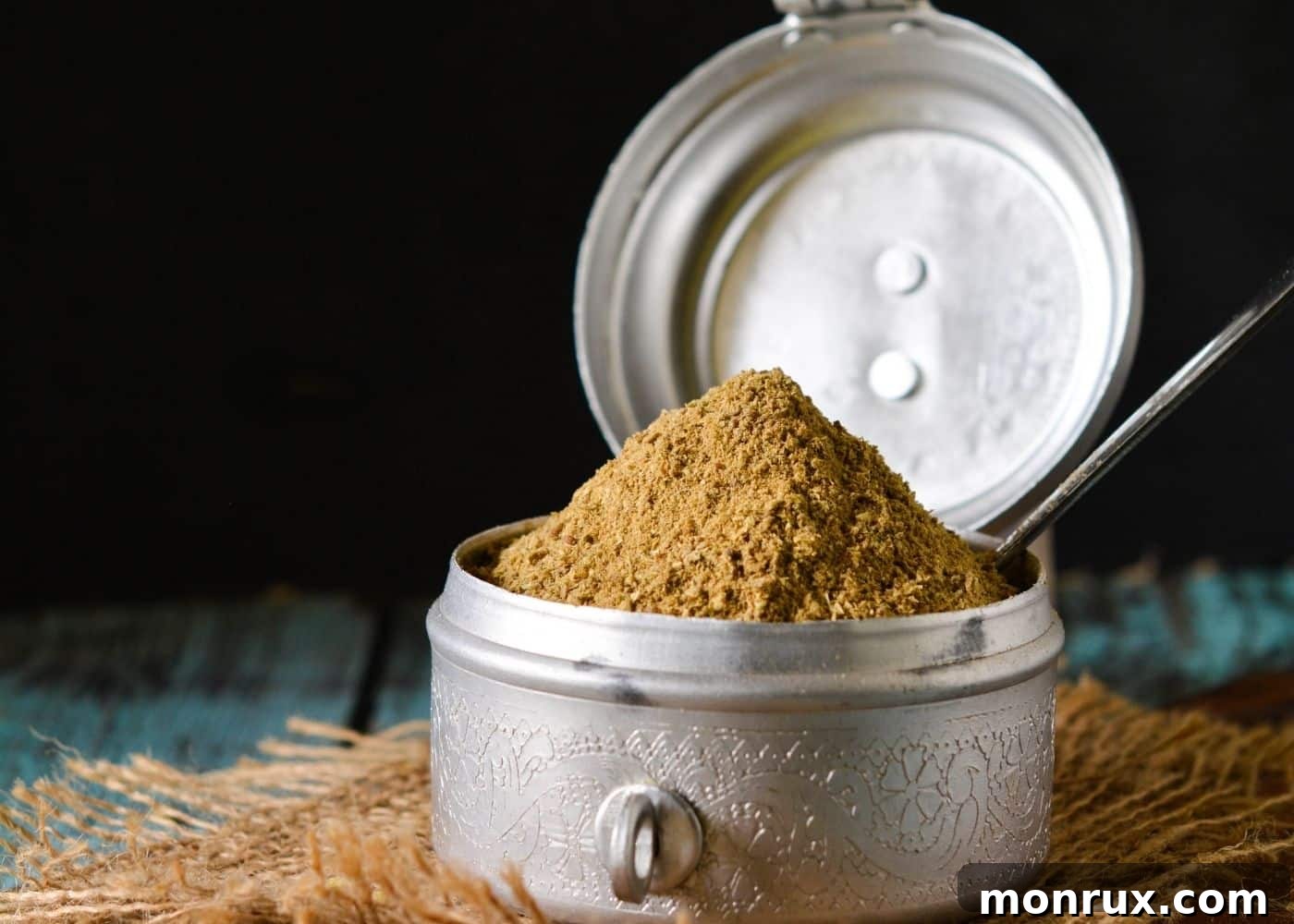
Unlock the vibrant flavors of Indian cuisine even when garam masala isn’t at hand. This essential spice blend, known for its deep aromatic warmth rather than intense heat, forms the soul of countless traditional dishes. But what do you do when your spice rack is missing this key ingredient? Or perhaps you’re simply looking to explore new flavor profiles in your cooking? This comprehensive guide will introduce you to the best substitutes for garam masala, ensuring your culinary adventures remain rich, flavorful, and authentic.
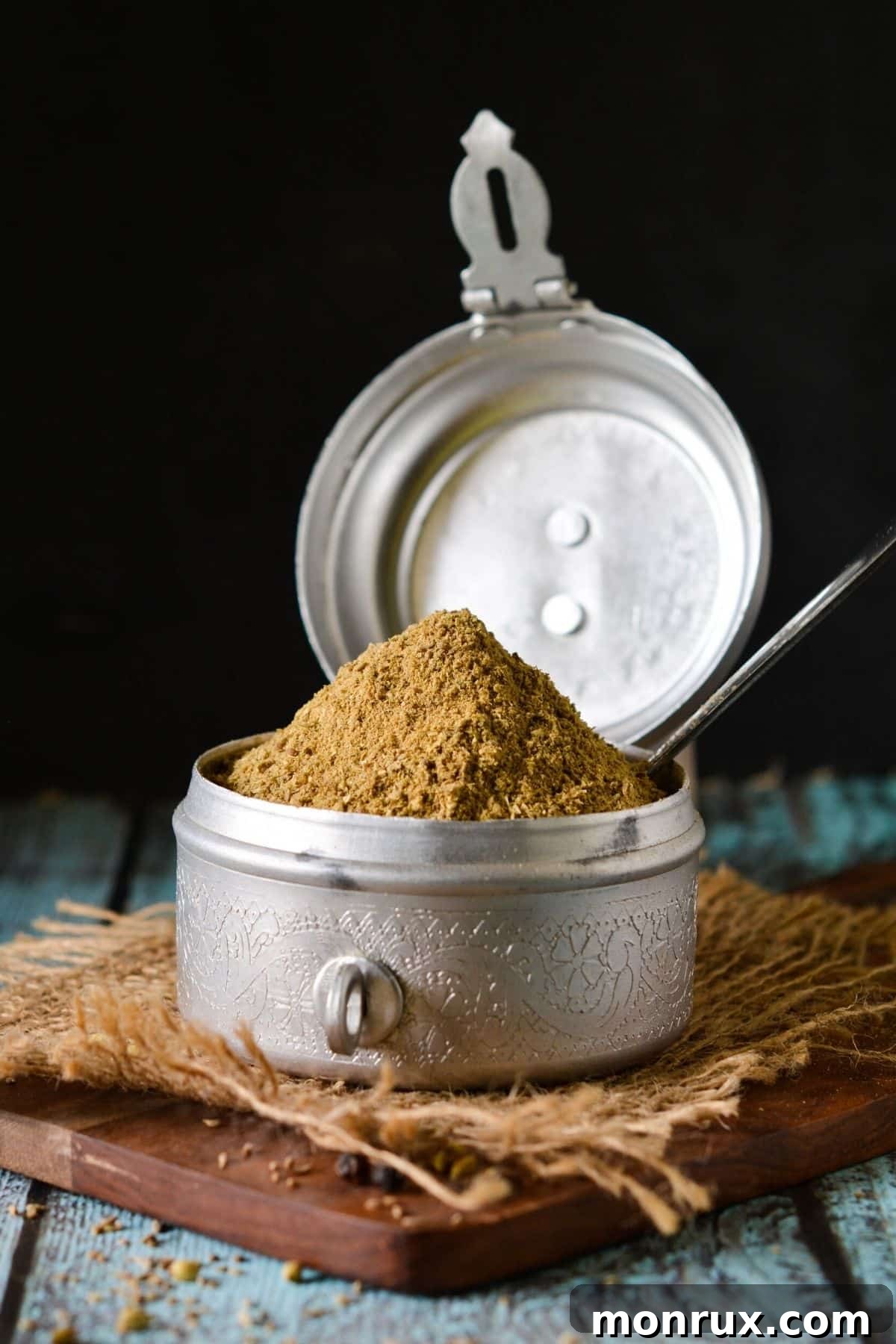
The term “garam masala” originates from Hindi, translating literally to “warming spices.” Far from indicating a fiery heat, this name refers to the spices’ ability to elevate body temperature and their rich, fragrant character. Unlike many other spice blends that focus on a singular strong note, garam masala masterfully balances a symphony of flavors, creating a complex and inviting aroma that defines many Indian dishes.
While regional variations abound, a typical store-bought garam masala blend often features a harmonious mix of cinnamon, black peppercorns, green cardamom, cumin, coriander, mace, and bay leaves. The magic begins when these whole spices are carefully dry roasted. This crucial step intensifies their natural oils and deepens their flavors, after which they are ground into a fine, fragrant powder. This intricate process results in a spice blend that is profoundly aromatic and rich, rather than overtly spicy, making it an indispensable addition to any well-stocked spice cabinet.
The beauty of garam masala lies in its regional diversity across India. From the vibrant blends of North India, often featuring black cardamom and cloves, to the lighter, more nuanced versions found in the South, each variation offers a unique culinary experience. Some recipes might lean towards a hotter profile, while others prioritize a sweet and floral aroma. Regardless of its specific composition, every garam masala blend shares a common goal: to infuse dishes with an unparalleled aromatic depth.
Substitutes for Garam Masala
Fear not if your pantry is missing garam masala! A variety of excellent alternatives can step in to lend a similar depth and warmth to your dishes. Some of these are common ingredients you likely already possess, while others might introduce you to exciting new flavor possibilities. Let’s explore the best options to ensure your Indian-inspired meals are always bursting with flavor.
1. Curry Powder
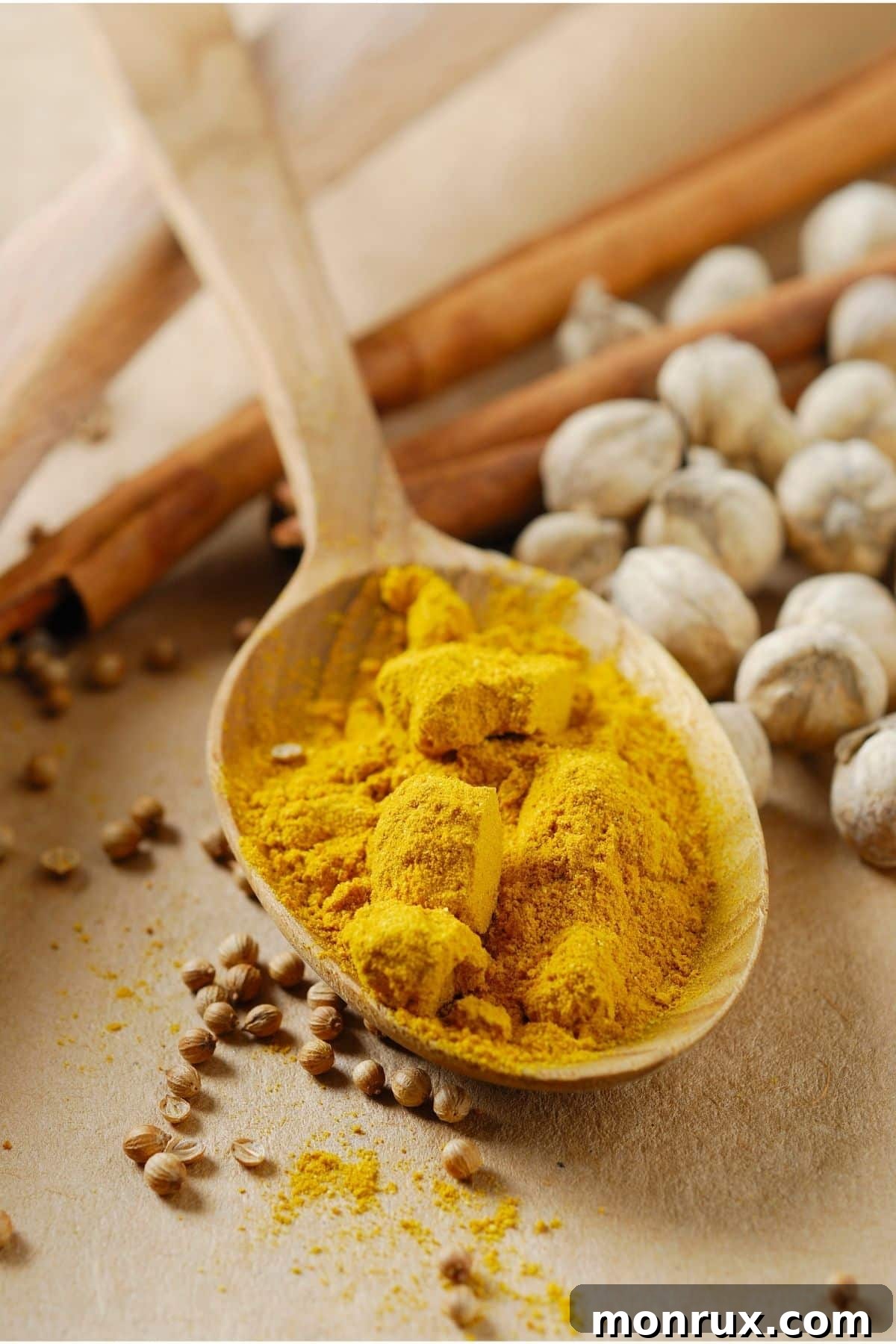
Curry powder is arguably the most accessible and widely available substitute for garam masala. While it serves as a good alternative, it’s important to note its distinct differences. The most obvious distinction is its color – curry powder typically boasts a vibrant yellow hue, primarily due to the inclusion of turmeric, a spice rarely found in traditional garam masala. This also means curry powder often carries a more earthy, sometimes slightly bitter, flavor profile that lacks the specific nuanced depth and aromatic warmth characteristic of garam masala.
When selecting curry powder as a substitute, opt for a mild or medium variety to avoid overpowering your dish with excessive heat. Hot curry powders will drastically alter the intended flavor balance. You can generally use curry powder in the same quantity as you would garam masala (a 1:1 ratio). However, to fully develop its flavors and integrate it into your dish, it’s often beneficial to add it earlier in the cooking process, allowing it to toast gently with other aromatics like onions and garlic. This helps to mellow its raw edge and build a more rounded flavor. While not an exact match, curry powder is a reliable and convenient option that will still deliver a delicious, albeit different, spiced result.
2. Cumin and Allspice
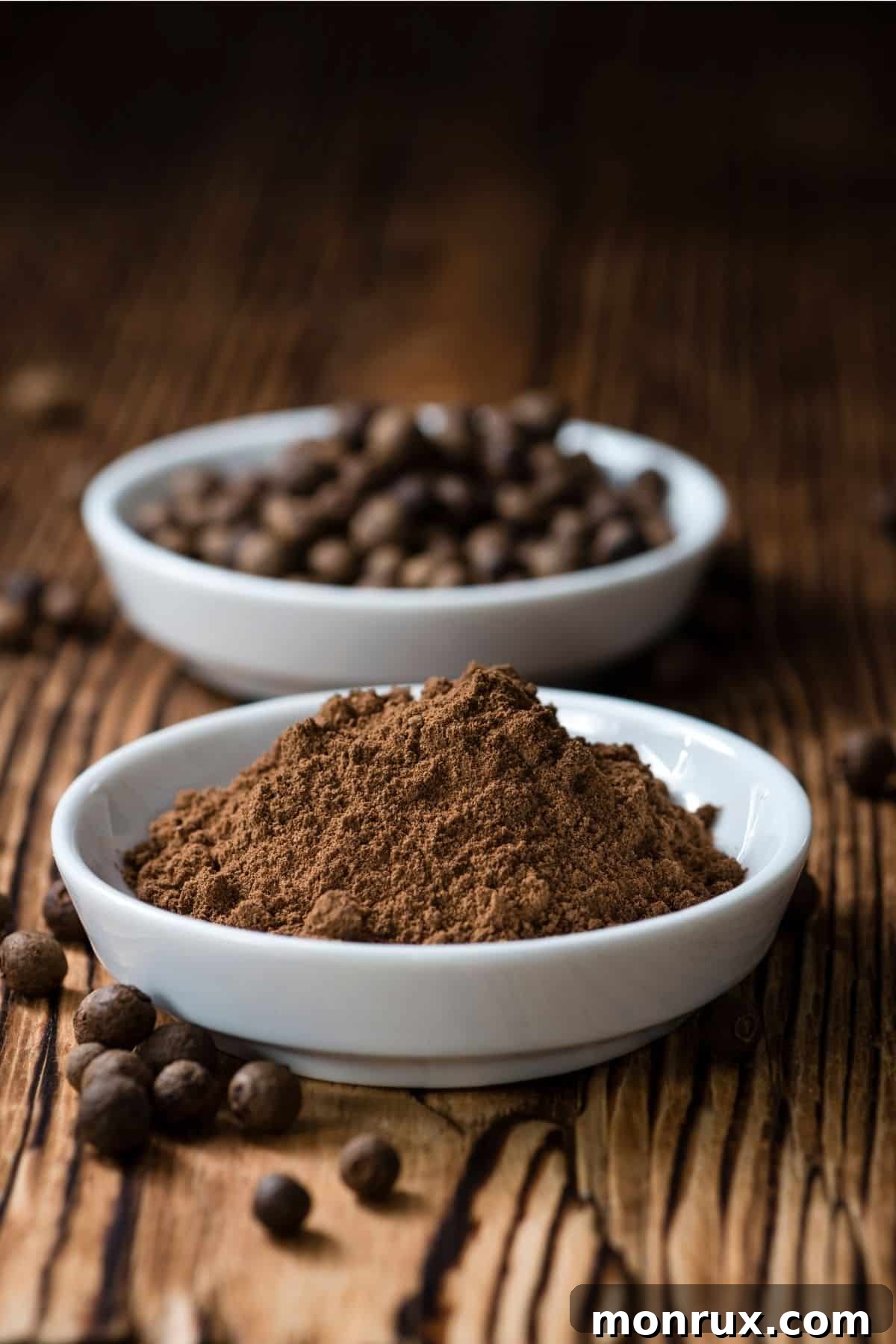
This simple yet surprisingly effective combination offers a quick and easy stand-in for garam masala, especially if you prefer a less complex blend or wish to avoid certain spices found in traditional garam masala. Ground cumin provides a strong, earthy base with subtle bitter undertones, a fundamental flavor in many Indian dishes. Allspice, true to its name, delivers a complex bouquet of flavors reminiscent of cinnamon, cloves, and nutmeg all in one. When combined, these two spices work in synergy to mimic the warming, aromatic profile that is a hallmark of garam masala.
To prepare this blend, simply mix one part ground cumin with a quarter part ground allspice. For example, if your recipe calls for one teaspoon of garam masala, use one teaspoon of this cumin and allspice blend. This mixture excels at providing the foundational warmth and earthiness you’d expect, making it an ideal choice for enhancing curries, stews, and roasted vegetables. Its straightforward composition makes it an excellent option for those who want a quick fix without sacrificing too much of the intended flavor.
3. Coriander, Cumin, and Cardamom
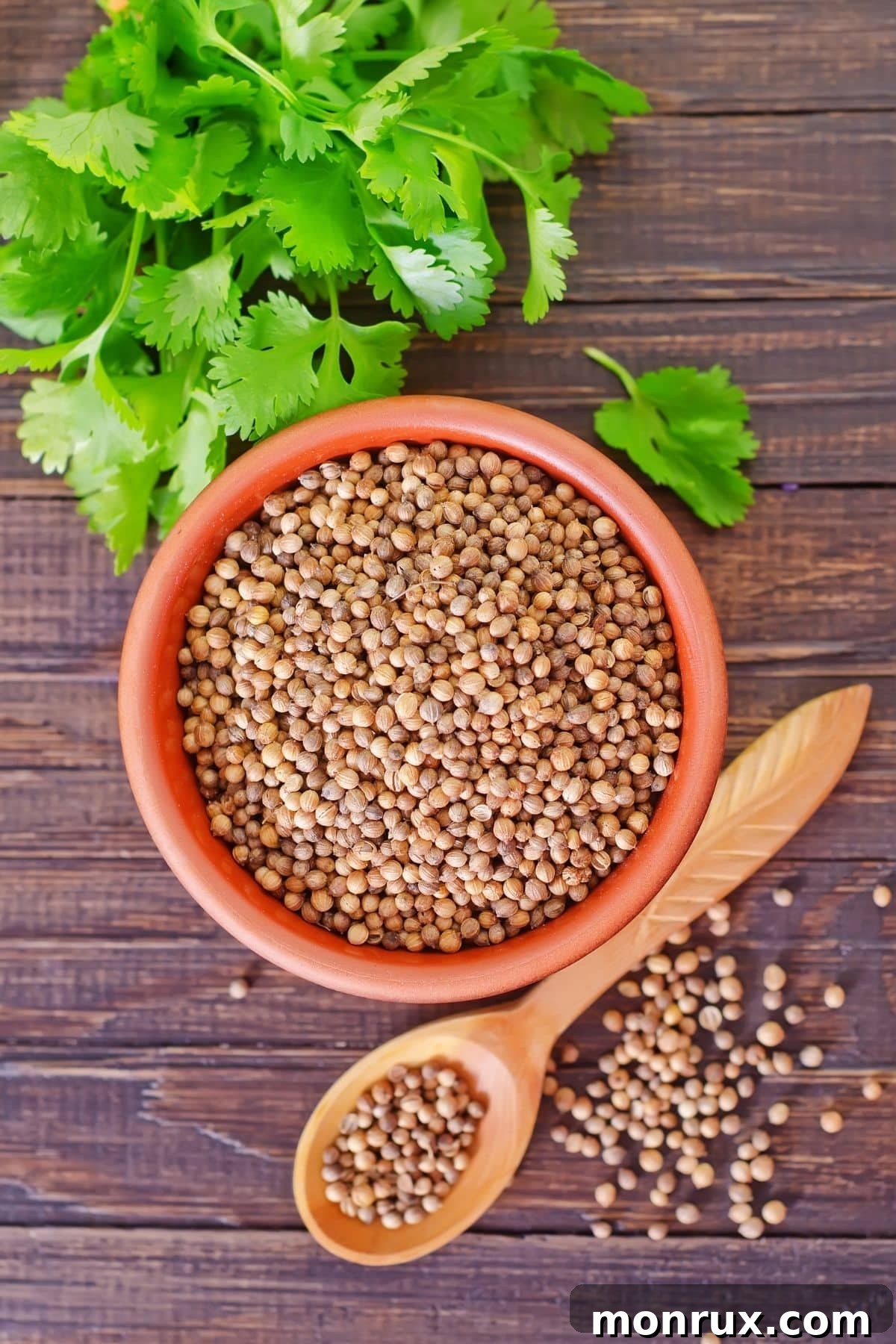
For those seeking a more authentic and deeply aromatic homemade substitute, a blend of coriander, cumin, and cardamom comes remarkably close to the soul of garam masala. These three spices form the backbone of many Indian spice blends and offer a beautiful spectrum of flavors. Coriander seeds contribute a fresh, citrusy, and slightly sweet note, while cumin seeds provide an earthy, warm, and somewhat pungent aroma. Cardamom pods, particularly green cardamom, add a fragrant, floral, and subtly sweet complexity that is distinctive and highly prized in Indian cuisine.
To create this blend, combine two teaspoons of whole coriander seeds, one teaspoon of whole cumin seeds, and half a teaspoon of green cardamom pods (or the seeds from about 8-10 pods). The key to unlocking their full potential is dry roasting: toast the spices in a dry skillet over medium heat for 2-3 minutes, shaking occasionally, until they become fragrant and lightly golden. This process intensifies their essential oils and deepens their flavor. Allow them to cool completely, then grind them into a fine powder using a coffee grinder, spice grinder, or a mortar and pestle. This freshly ground mixture can be used in the same quantities as garam masala, infusing your dishes with a robust and genuinely Indian-inspired flavor profile.
4. Sambar Masala or Chaat Masala
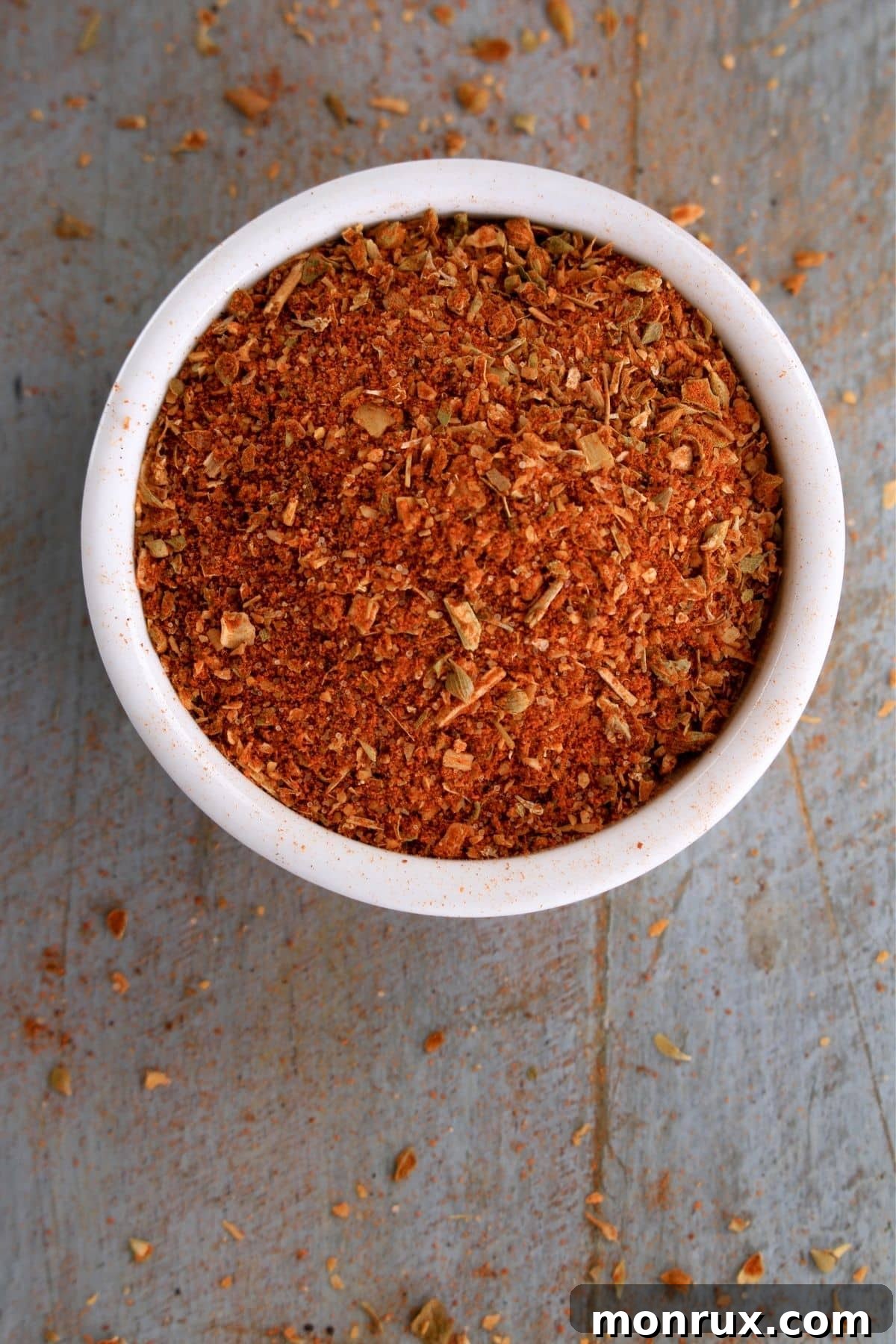
When delving deeper into specialized Indian spice blends, sambar masala and chaat masala emerge as intriguing alternatives, each bringing its own unique character to your cooking. While not direct duplicates of garam masala, their aromatic complexities can brilliantly enhance a dish.
Sambar Masala
Sambar masala is a staple in South Indian cuisine, primarily used for preparing sambar, a lentil-based vegetable stew. This blend typically contains a mix of red chilies, coriander seeds, cumin seeds, fenugreek seeds, lentils (like Toor dal), and sometimes asafoetida. Its inclusion of red chilies means it is generally hotter than most garam masalas, delivering a spicier kick. However, its highly aromatic nature and robust flavor profile make it an excellent substitute when a bolder taste is desired. You can use sambar masala in a 1:1 ratio, but given its increased heat, you might prefer to start with a smaller amount and adjust to your taste preferences. It’s particularly well-suited for lentil dishes, vegetable curries, or even dry vegetable stir-fries.
Chaat Masala
Chaat masala, on the other hand, is a vibrant and tangy spice blend often used as a finishing seasoning for snacks, fruits, and street food (chaat). It shares some common spices with garam masala, such as cumin, coriander, and black pepper, but its distinguishing ingredients are *amchur* (dried mango powder) and *kala namak* (black salt), and sometimes *anardana* (dried pomegranate seeds). These additions impart a unique tart, salty, and slightly sulfuric flavor that sets it apart. While it brings a different dimension to a dish, its overall aromatic quality makes it a viable substitute, particularly if you’re aiming for a zesty, fresh finish. Chaat masala can be used in the same quantities as garam masala and can be added at any stage of cooking, though it truly shines when sprinkled over a dish just before serving to maximize its distinct tangy notes.
5. Make Your Own Blend
One of the most rewarding ways to ensure you always have garam masala on hand, or a close approximation, is to blend your own. Crafting your own spice mix not only guarantees freshness and potency but also allows you to tailor the flavors to your exact preferences. The core flavors of garam masala are derived from spices commonly found in most well-stocked pantries, making this a surprisingly simple endeavor.
For an authentic and deeply fragrant homemade garam masala, you will need a spice grinder or a dedicated coffee grinder to achieve a fine powder from whole spices. While ground spices can be used in a pinch, whole spices that are freshly roasted and ground offer an unparalleled depth of flavor and aroma. When choosing your spices, prioritize whole versions, as they retain their essential oils much longer than their pre-ground counterparts.
To make your own blend, you will typically need:
- Coriander seeds
- Cumin seeds
- Cardamom seeds (preferably green)
- Black peppercorns
- Fresh nutmeg, grated
- Cinnamon stick, whole (or ground cinnamon)
- Whole cloves
You can find these individual spices at your local grocery store, Indian specialty markets, or through online retailers. Creating your own blend ensures you’re working with the freshest ingredients, which translates directly to more flavorful Indian dishes and any other savory preparations where you’d typically use garam masala. Store your homemade garam masala spice blend in an airtight container in a cool, dark, and dry place to preserve its potency for several months. For precise measurements and step-by-step instructions, refer to the detailed recipe card provided below.
The beauty of making your own blend lies in the ability to fine-tune the proportions to match your palate. Whether you prefer a slightly spicier garam masala or one with more floral cardamom notes, you have complete control. Alternatively, exploring a pre-made blend like chaat masala can introduce a subtle yet delightful difference to your Indian cooking, potentially leading to new favorite flavors and culinary discoveries.
Pros and Cons of Alternatives
Choosing the right garam masala substitute depends on what you have available and the specific flavor profile you’re aiming for. Here’s a quick summary to help you decide:
| Substitute | Pros | Cons |
|---|---|---|
| Curry Powder | Widely available, easy to use, adds general spiced flavor. | Lacks the complex depth of garam masala; contains turmeric, affecting color and adding a different earthy note. |
| Cumin and Allspice | Quick and easy to make, captures essential warming and earthy flavor notes. | May not replicate the full complexity and aromatic nuances of a traditional garam masala. |
| Coriander, Cumin, and Cardamom | Homemade blend closely mimics the core aromatic profile of garam masala; allows for fresh grinding for superior flavor. | Requires toasting and grinding whole spices, making it more time-consuming to prepare. |
| Sambar Masala or Chaat Masala | Adds unique, distinct flavors to dishes; aromatic and versatile in its own right. | Sambar masala is hotter; chaat masala has tart and salty notes, which may not suit all dishes or be a direct flavor match. |
| Make Your Own Garam Masala Blend | Allows for customization to personal taste, ensures maximum freshness and potency, can perfectly match the original flavor. | Requires gathering multiple whole spices and investing time in the preparation process. |
How Do You Use Garam Masala?
Garam masala is incredibly versatile, lending its aromatic magic to a wide array of dishes, from hearty lentil preparations to rich curries. The key to maximizing its flavor is often in its timing: it’s typically added towards the end of the cooking process. This is because the delicate essential oils in garam masala can become bitter or lose their nuanced flavor if cooked for too long or at very high temperatures. Adding it in the final stages, or even as a garnish, allows its complex aroma to truly shine.
Beyond traditional Indian main courses, garam masala offers exciting possibilities for culinary creativity. Consider sprinkling a pinch over scrambled eggs or incorporating it into your popcorn for an unexpected, savory twist. For a quick flavor boost, stir a small amount into mayonnaise to create an exotic aioli, perfect for dipping fries, spreading on sandwiches, or enhancing deviled eggs. It can also be a wonderful addition to marinades for chicken or paneer, mixed into roasted vegetables like cauliflower or potatoes, or swirled into soups and stews just before serving to add a layer of comforting warmth. Experiment with garam masala as a finishing spice for grilled meats, in homemade spice rubs, or even to elevate a simple dal recipe.
Potential Health Benefits
Beyond its incredible flavor, garam masala offers a compelling array of potential health benefits, thanks to the potent properties of its individual spices. This blend is more than just a tasty flavoring; it’s a powerhouse of wellness.
Many of the spices found in garam masala, such as cinnamon, cloves, and cardamom, are rich in antioxidants. These powerful compounds help protect your body’s cells from damage caused by free radicals, contributing to overall health and potentially reducing the risk of chronic diseases, including certain cancers. Furthermore, the ingredients in garam masala are renowned for their digestive properties. Cumin, coriander, and black pepper, for instance, can stimulate digestive enzymes, improve nutrient absorption, and help soothe an upset stomach. This makes garam masala a useful aid in preventing common digestive discomforts like bloating and constipation. For additional digestive support, consider exploring related recipes like my Anti-Constipation Smoothie recipe.
The warming nature of the spices can also contribute to improved circulation and a sense of well-being. Some research suggests that spices like cinnamon may help regulate blood sugar levels, while black pepper is known to enhance the bioavailability of other nutrients. Fortunately, with numerous effective substitutes available, you can continue to enjoy the health-boosting properties and delicious flavors of garam masala, even if you don’t have the exact blend on hand or prefer a slight variation in taste.
More Best Substitutes Articles You Might Like
- Best Substitutes for Marjoram
- Best Substitutes for Bay Leaves
- Best Substitutes for Dijon Mustard
- Best Substitutes for Lemongrass
- Best Substitutes for Oregano
- Best Substitutes for Chinese 5 Spice
- Best Substitutes for Sage
- Best Substitutes for Turmeric
Don’t Miss These Indian-Inspired Recipes!
I hope you make this recipe! If you do, please leave a comment and a starred review below.
And, consider following me on social media so we can stay connected. I’m on Facebook, Pinterest, Instagram, and YouTube!
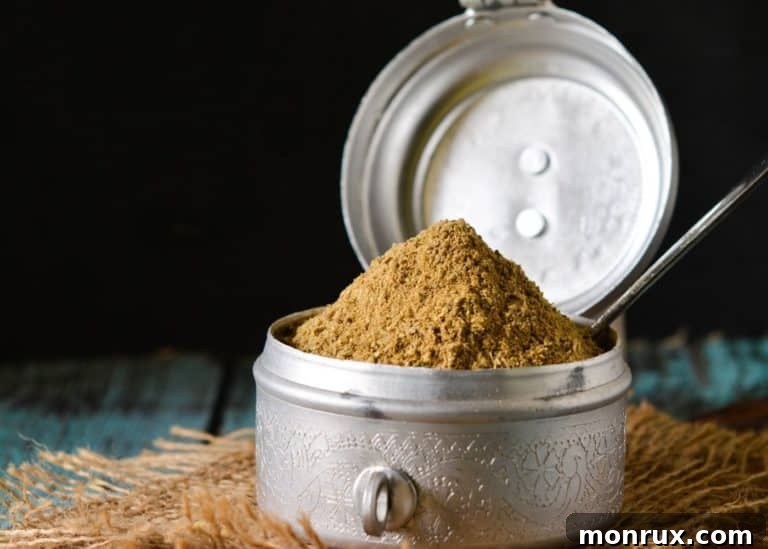
Homemade Garam Masala Recipe
5 Stars 4 Stars 3 Stars 2 Stars 1 Star
5 from 1 review
Here’s how to make your own homemade Garam Masala spice blend.
Total Time: 30 minutes
Yield: 15 1x
Ingredients
- 3 tablespoons coriander seeds
- 2 tablespoons cumin seeds
- 2 tablespoons cardamom seeds
- 2 tablespoons black peppercorns
- 1 teaspoon fresh nutmeg, grated
- 1/2 teaspoon ground cinnamon
- 1 teaspoon whole cloves
Instructions
- Heat a small skillet over medium heat.
- Add the coriander, cumin, cardamom, and peppercorns. Stir occasionally to evenly toast the spices for 4-5 minutes.
- Once the spices are toasted and have released their aromas, set them to one side.
- Allow to cool, then grind in a coffee grinder or use a mortar and pestle.
- Stir in the grated nutmeg and cinnamon.
- Pour your spice blend into an airtight container then store in a cool, dry place for up to several months.
Notes
- Store your spice blend in an airtight container for up to several months.
- Author: Carrie Forrest, MPH in Nutrition
- Prep Time: 10 minutes
- Cook Time: 10 minutes
- Category: Spice blend
- Method: Stovetop
- Cuisine: Indian
- Diet: Low Calorie
Nutrition
- Serving Size: 1/15 of recipe
- Calories: 13
- Sugar: 0 g
- Sodium: 2.5 mg
- Fat: 0.5 g
- Saturated Fat: 0.1 g
- Carbohydrates: 2.4 g
- Fiber: 1.2 g
- Protein: 0.5 g
- Cholesterol: 0 mg
Don’t forget to join my newsletter list to get exclusive clean eating recipes and tips. The newsletter is 100% free with no spam; unsubscribe anytime.
About the Author: Carrie Forrest has a master’s degree in public health with a specialty in nutrition and is a certified holistic nutritionist. She is a top wellness and food blogger with over 5 million annual visitors to her site. Carrie has an incredible story of recovery from chronic illness and is passionate about helping other women transform their health. Send her a message through her contact form.