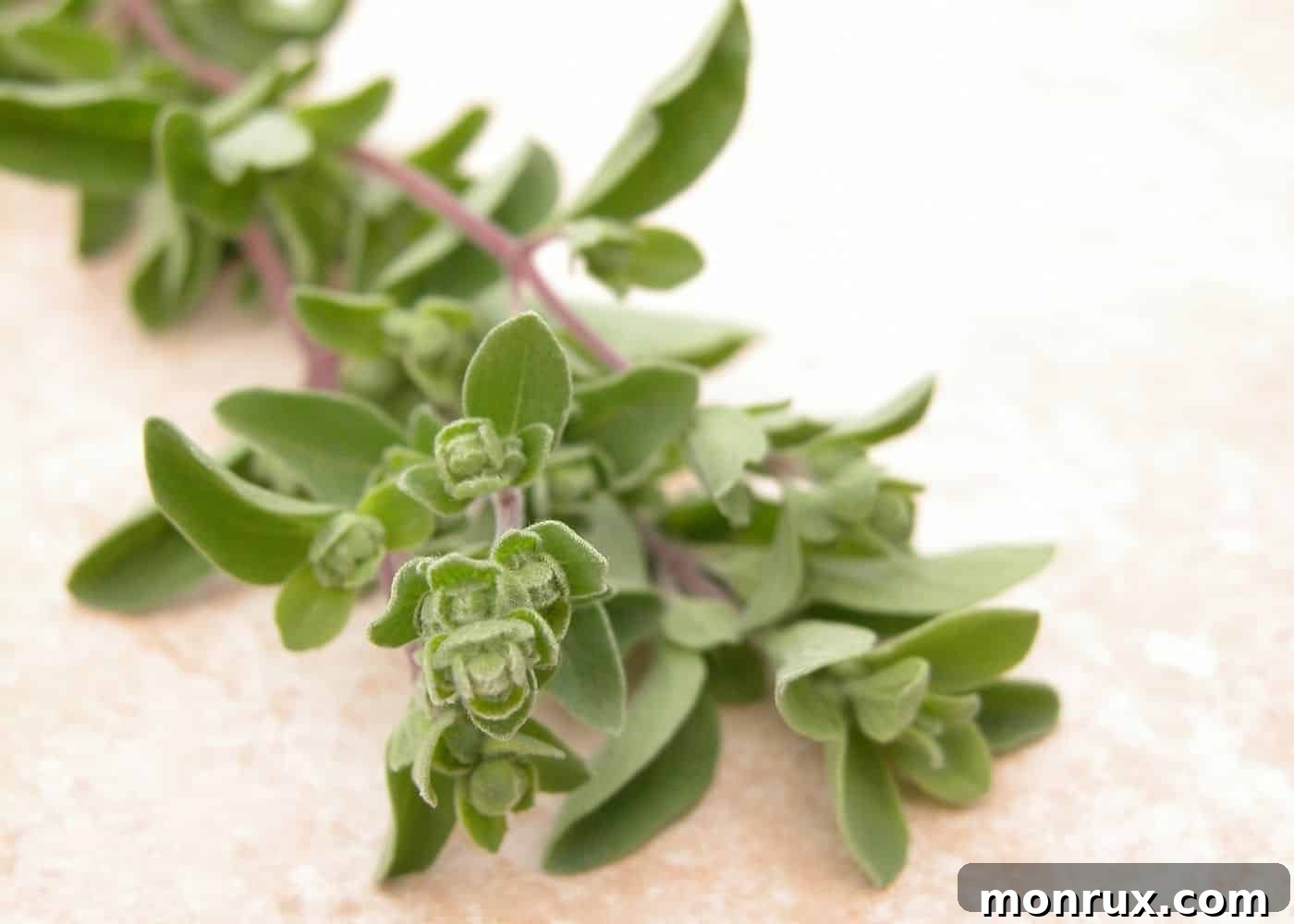
The Best Marjoram Substitutes: Elevate Your Cooking with These Flavorful Alternatives
Marjoram is a beloved herb, celebrated for its unique warm, sweet, and delicate flavor profile that enhances a myriad of dishes, particularly in Mediterranean and Middle Eastern cuisines. Its subtle notes of pine and citrus make it truly special. However, it’s not uncommon to find yourself mid-recipe, only to discover your spice rack is missing this essential ingredient. Don’t let that dampen your culinary spirit! This comprehensive guide provides you with the absolute best substitutes for marjoram, ensuring your meals remain flavorful and aromatic, even without the real deal.
We’ve meticulously reviewed several easy-to-find alternatives, providing you with specific measurements and usage tips to make your substitution seamless. Whether you need a fresh or dried alternative, this article has you covered.
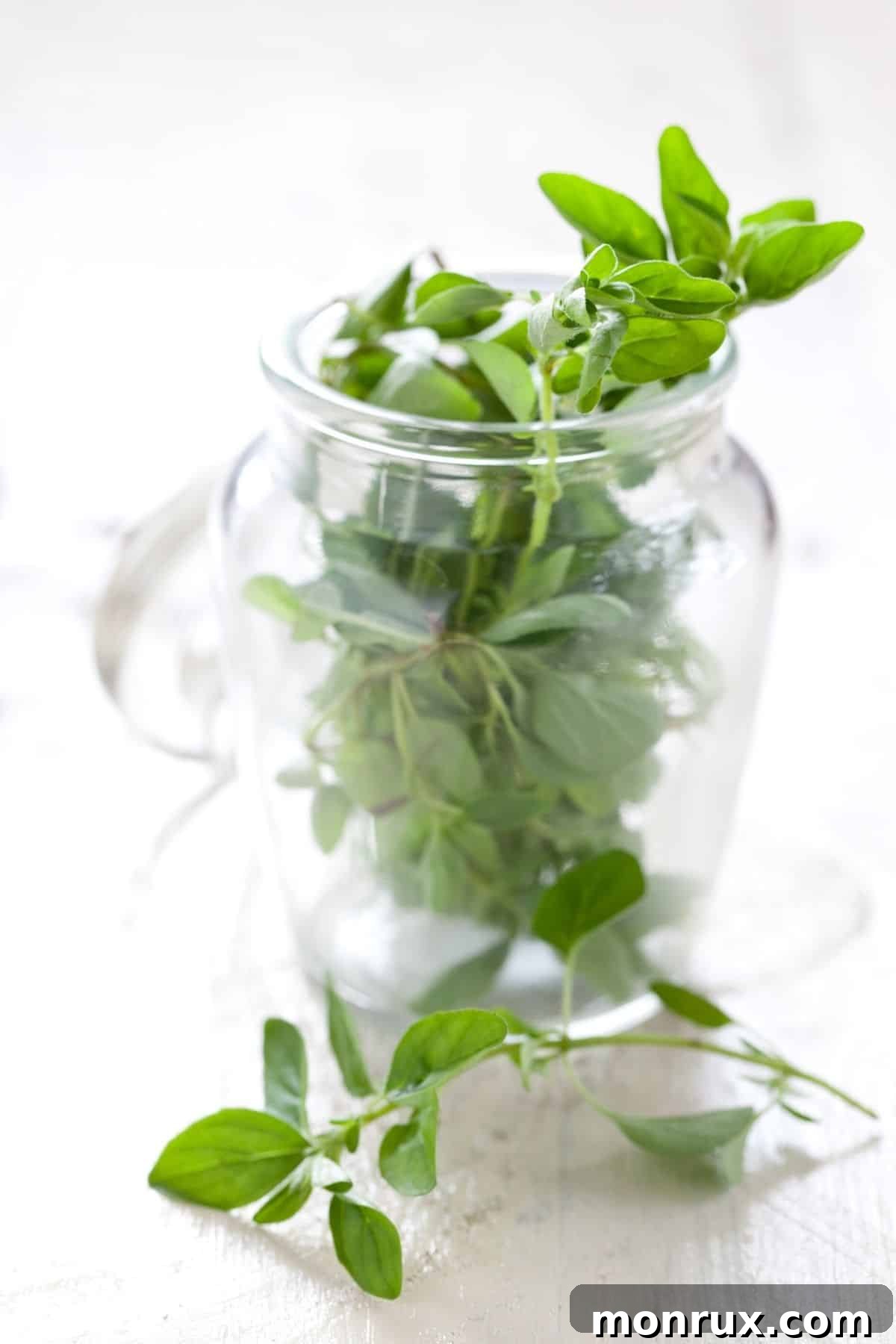
Overview of Marjoram
Before diving into substitutes, let’s appreciate what makes marjoram so unique. Native to the Mediterranean region, Asia, and Africa, marjoram (Origanum majorana) is a perennial herb belonging to the illustrious mint family (Lamiaceae). Its flavor profile is a delicate balance of warm, sweet, and slightly woody notes, often accompanied by subtle hints of pine, citrus, and a gentle floral aroma. It’s distinctively mellower and sweeter than many of its mint-family relatives, making it a staple in light dishes where a less pungent herb is desired.
Visually, marjoram boasts small, oval, velvety green leaves, bearing a striking resemblance to oregano, another popular aromatic herb. Indeed, both belong to the genus Origanum, which often leads to confusion. Oregano is sometimes referred to as “wild marjoram,” but true marjoram is typically labeled as “knotted marjoram,” “pot marjoram,” or “sweet marjoram” in stores. The distinction is crucial because marjoram’s flavor is considerably sweeter and far less spicy than oregano’s.
Marjoram is versatile and available in both fresh and dried forms. As with most herbs, the dried version is more potent and concentrated in flavor. When using dried marjoram, it can be added earlier in the cooking process to allow its flavors to meld with the dish.
Fresh marjoram, however, is best added towards the end of cooking. This preserves its bright, vibrant flavor, as its delicate essential oils can evaporate when subjected to extended heat. A good rule of thumb for substitution between forms is: if your recipe calls for fresh marjoram, use 1 teaspoon of dried marjoram for every tablespoon of fresh marjoram. This simple conversion ensures you achieve the desired intensity without overpowering your dish.
Why You Might Need a Marjoram Substitute
Even the most organized home cooks occasionally find themselves without a key ingredient. When it comes to marjoram, several situations might lead you to seek an alternative:
- Availability: Marjoram, especially fresh, isn’t always readily available in every grocery store, particularly in regions outside of the Mediterranean.
- Personal Preference: While many adore marjoram’s flavor, some may find it too subtle or simply prefer a different aromatic twist in their cooking.
- Dietary Restrictions/Allergies: Though rare, an allergy or intolerance to marjoram might necessitate a substitute.
- Experimentation: Perhaps you’re looking to explore new flavor combinations and want to see how a different herb would transform your favorite marjoram-infused recipe.
- Recipe Variation: Sometimes, a recipe simply works better with the punchier flavor of oregano or the earthy notes of thyme.
Whatever your reason, knowing reliable marjoram alternatives ensures your culinary journey remains smooth and delicious.
Choosing the Right Marjoram Substitute
While no single herb can perfectly replicate marjoram’s unique taste, several come very close or offer a delightful variation. When selecting a substitute, consider these key factors:
- Flavor Profile: Aim for herbs that share marjoram’s warm, sweet, slightly piney, or citrusy undertones.
- Potency: Some substitutes are much stronger than marjoram, requiring you to adjust the quantity. Always start with less and add more to taste.
- Fresh vs. Dried: This is crucial. If your recipe calls for fresh marjoram, a fresh substitute will generally yield a better texture and brighter flavor. For dried marjoram, any of the suggested herbs in their dried form will work best.
- Dish Type: Consider the cuisine and other ingredients in your dish. Some substitutes pair better with certain flavors (e.g., sage with poultry, basil with tomatoes).
Top Marjoram Substitutes
Here are our top picks for marjoram alternatives, each offering a fantastic way to maintain or enhance the flavor of your cooking.
1. Oregano: The Closest Cousin
Given their close botanical relationship within the Origanum genus, oregano (Origanum vulgare) is often considered the most obvious and effective substitute for marjoram. Both herbs share a warm, aromatic quality, but oregano is considerably more robust and pungent due to higher concentrations of compounds like carvacrol. This makes oregano a powerful flavor enhancer, readily available in most grocery stores.
Its strong, slightly bitter, and peppery notes make it an excellent fit for Italian, Greek, and Mexican cuisines. Think tomato sauces, pizzas, grilled meats, and robust stews. While it can mimic marjoram’s essence, remember that it will introduce a bolder flavor profile.
Substitution Ratio: Because oregano is more potent, you’ll need less of it.
- For Fresh Marjoram: Use half the amount of fresh oregano. If the recipe calls for 1 tablespoon of fresh marjoram, use 1/2 tablespoon of fresh oregano.
- For Dried Marjoram: Use one-third the amount of dried oregano. If the recipe calls for 1 teaspoon of dried marjoram, use 1/3 teaspoon of dried oregano.
Start cautiously and taste as you go to achieve the desired balance. The carvacrol in oregano also offers impressive antimicrobial and antioxidant properties, adding a healthy bonus!
2. Thyme: The Mild and Earthy Alternative
Thyme (Thymus vulgaris) is another member of the mint family and offers a flavor profile that is beautifully harmonious with marjoram. It is characteristically mild, sweet, and earthy, with subtle floral and sometimes lemony undertones, especially varieties like English or French thyme. Its gentle nature makes it an ideal stand-in when you want to preserve a delicate flavor balance in your dish.
Thyme excels in a wide array of dishes, from slow-cooked stews and hearty casseroles to roasted vegetables, poultry, and fish. Its aroma pairs wonderfully with root vegetables and makes a fantastic addition to soups and stocks. Because its strength and overall flavor align closely with marjoram’s gentler qualities, it’s one of the easiest substitutes to use.
Substitution Ratio: Thyme can generally be used in a 1:1 ratio for marjoram, both fresh and dried. If your recipe calls for 1 teaspoon of dried marjoram, use 1 teaspoon of dried thyme. For a delightful twist, consider using lemon thyme, which imparts a subtle citrusy brightness in addition to the classic thyme flavor.
3. Sage: The Aromatic Powerhouse
Also a prominent member of the mint family, sage (Salvia officinalis) presents a robust, earthy, and slightly peppery flavor with distinct pine and citrus notes. Its strong aromatic qualities make it an excellent substitute, particularly in dishes where marjoram is used to complement rich flavors like poultry, pork, and sausages. It’s a quintessential herb in traditional stuffing recipes, showcasing its affinity for savory meals.
Sage is incredibly versatile and frequently featured in Italian, Middle Eastern, and other Mediterranean cuisines. It pairs exceptionally well with pasta dishes, gnocchi, and roasted meats. While it has a stronger and more pronounced flavor than marjoram, its underlying piney and earthy elements make it a suitable match when used thoughtfully.
Substitution Ratio: Due to sage’s potency, it’s wise to start with a slightly smaller amount, especially if using fresh sage. For most applications, a 1:1 ratio can work, but be prepared to adjust to taste. If replacing marjoram in a Mediterranean recipe, especially pasta dishes, use an equal amount of sage, tasting as you go.
4. Basil: The Sweet and Peppery Option
Basil (Ocimum basilicum), another beloved herb from the mint family, offers a flavor profile that is somewhat distinct from marjoram but can still serve as an acceptable substitute in certain contexts. Fresh basil, particularly sweet basil, is characterized by its sweet, slightly peppery, and sometimes anise-like notes, lacking the prominent pine and citrus elements of marjoram.
Despite the differences, basil’s fresh, vibrant quality makes it a good fit for tomato-based sauces, stews, and soups, particularly in Italian and general Mediterranean cooking. If basil is your only available option, dried basil is generally a better substitute for dried marjoram, as its flavor is less assertive than fresh basil and aligns more closely with the subtle complexity of dried marjoram.
Substitution Ratio: Use basil in a 1:1 ratio for marjoram, particularly when using dried basil in stews, soups, or pasta sauces. Be mindful that fresh basil might significantly alter the overall flavor of your dish due to its unique aromatic compounds.
5. Tarragon: The Anise-Noted Twist
Tarragon (Artemisia dracunculus), while not a member of the mint family (it belongs to the daisy family Asteraceae), can be a surprisingly good marjoram substitute, especially if you’re open to a slight flavor divergence. It is highly aromatic and earthy, known for its distinctive notes of anise, licorice, and a subtle peppery finish. This unique flavor profile lends a sophisticated touch to dishes.
Tarragon is a cornerstone of French cuisine, pairing exquisitely with chicken, fish, and egg dishes (think Béarnaise sauce). It also finds a place in various Mediterranean recipes. When using tarragon as a marjoram replacement, it will introduce its signature anise twist, which can be a delightful enhancement rather than just a straight substitution. Its aromatic intensity can elevate a simple dish.
Substitution Ratio: Tarragon can generally be used in a 1:1 ratio for marjoram. However, if you are sensitive to anise flavors, you might want to start with a slightly smaller amount and adjust to your preference.
Bonus Marjoram Alternatives
While the top five herbs are the most common and versatile marjoram substitutes, your options aren’t strictly limited to them. For those with a more adventurous palate or specific regional availability, consider these additional herbs:
- Summer Savory: This herb offers a peppery, slightly piney flavor with hints of marjoram and thyme. It’s an excellent choice, particularly for bean dishes, poultry, and stews, but it’s not as widely available as the other options in all regions, especially the US. If you find it, it makes a fantastic marjoram alternative for Mediterranean and Middle Eastern cuisines.
- Herbes de Provence: This classic French blend often contains marjoram, along with thyme, rosemary, savory, and oregano. If you have this blend, it can serve as a suitable substitute, especially for recipes requiring dried marjoram, as it will provide a similar aromatic foundation. Adjust the quantity to avoid overpowering the dish with other strong herbs in the blend.
The key to successful substitution is always to taste and adjust. Each herb offers a unique nuance, and sometimes a slightly different flavor profile can lead to an even more exciting culinary creation.
Summary Chart of Marjoram Substitutes
To help you quickly decide, here’s a summary of the best marjoram substitutes, including their key characteristics and ideal uses.
| Substitute | Flavor Profile Comparison to Marjoram | Pros (Why it’s a good choice) | Cons (Things to consider) | Ideal Uses | Substitution Ratio |
|---|---|---|---|---|---|
| Oregano | Warmer, more pungent, slightly bitter, peppery (similar family but bolder) | Closely related, widely available, adds robust flavor, contains beneficial compounds. | Much stronger; can easily overpower delicate dishes if too much is used. | Italian & Greek dishes, tomato sauces, grilled meats, stews. | Fresh: 1/2 of marjoram. Dried: 1/3 of marjoram. |
| Thyme | Mild, sweet, earthy, slightly floral (very similar in delicate character) | Gentle flavor, versatile, excellent for many cuisines, similar strength to marjoram. | Slightly different aroma, but generally a harmonious match. | Stews, soups, roasted vegetables, poultry, fish. | 1:1 (fresh or dried). |
| Sage | Earthy, robust, slightly peppery, piney, citrusy (stronger, more pronounced) | Rich in antioxidants, aromatic, pairs well with heavy meats, suitable for stuffings. | Strong flavor can dominate if not used sparingly; distinct earthiness. | Poultry, pork, stuffing, Italian pasta dishes, rich meat stews. | 1:1 (start with slightly less, adjust to taste). |
| Basil | Sweet, peppery, sometimes anise-like (distinct, less pine/citrus than marjoram) | Widely available, works well in Mediterranean and tomato-based dishes. | Fresh basil is very distinct and peppery; dried is a closer match for subtle dishes. | Stews, soups, pasta sauces, tomato dishes (best with dried). | 1:1 (especially dried for dried). |
| Tarragon | Aromatic, earthy, distinct anise/licorice notes (unique, a flavorful twist) | Adds a sophisticated flavor, excellent for French and certain Mediterranean recipes. | Its unique anise flavor might not always be desired; can be strong. | Chicken, fish, egg dishes, delicate sauces, salad dressings. | 1:1 (adjust based on preference for anise flavor). |
More Substitute Articles You Might Like
- Best Substitutes for Dill
- Best Substitutes for Italian Seasoning
- Best Substitutes for Lemongrass
- Best Substitutes for Old Bay
- Best Substitutes for Bay Leaves
- Best Substitutes for Sage
- Best Substitutes for Turmeric
Don’t Miss These Helpful Cooking Articles!
Conclusions
As you’ve seen, a missing ingredient doesn’t have to derail your culinary plans. There are several fantastic and flavorful alternatives to marjoram that can seamlessly step in to enhance your recipes. From the closely related and robust oregano to the mild and earthy thyme, the aromatic sage, the sweet basil, and the uniquely flavored tarragon, each substitute brings its own delightful character to the table.
Embrace the opportunity to experiment with these different herbs. While some will closely mimic marjoram’s essence, others may introduce a subtle, yet delicious, new dimension to your favorite dishes. Remember to consider whether your recipe calls for fresh or dried marjoram and adjust your substitute’s quantity accordingly. Happy cooking!
About the Author: Carrie Forrest has a master’s degree in public health with a specialty in nutrition and is a certified holistic nutritionist. She is a top wellness and food blogger with over 5 million annual visitors to her site. Carrie has an incredible story of recovery from chronic illness and is passionate about helping other women transform their health. Send her a message through her contact form.