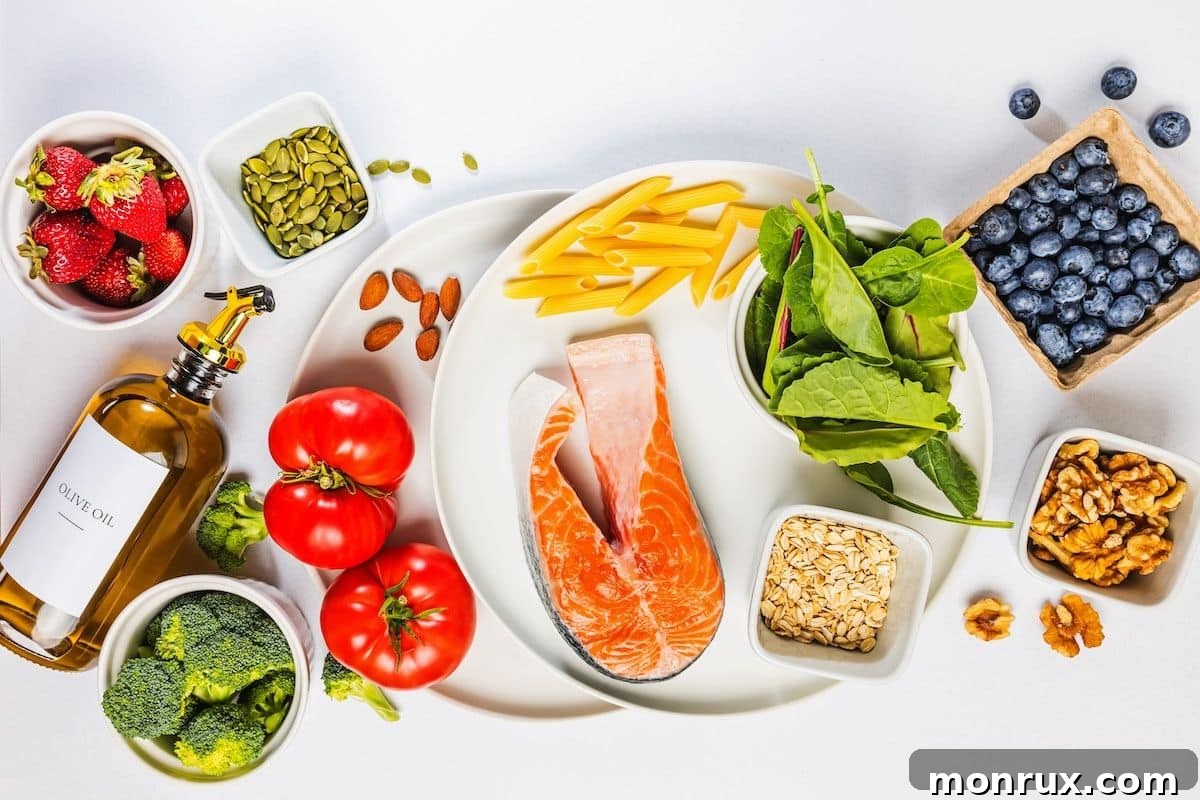
Discover the best diet for PCOS to effectively manage common symptoms such as weight challenges, infertility, and hormonal imbalances. Your dietary choices and overall lifestyle play a crucial role in naturally regulating Polycystic Ovary Syndrome. This comprehensive guide, informed by a nutritionist and PCOS patient, provides actionable strategies and healthy meal ideas for breakfast, lunch, dinner, and snacks tailored for women with PCOS.
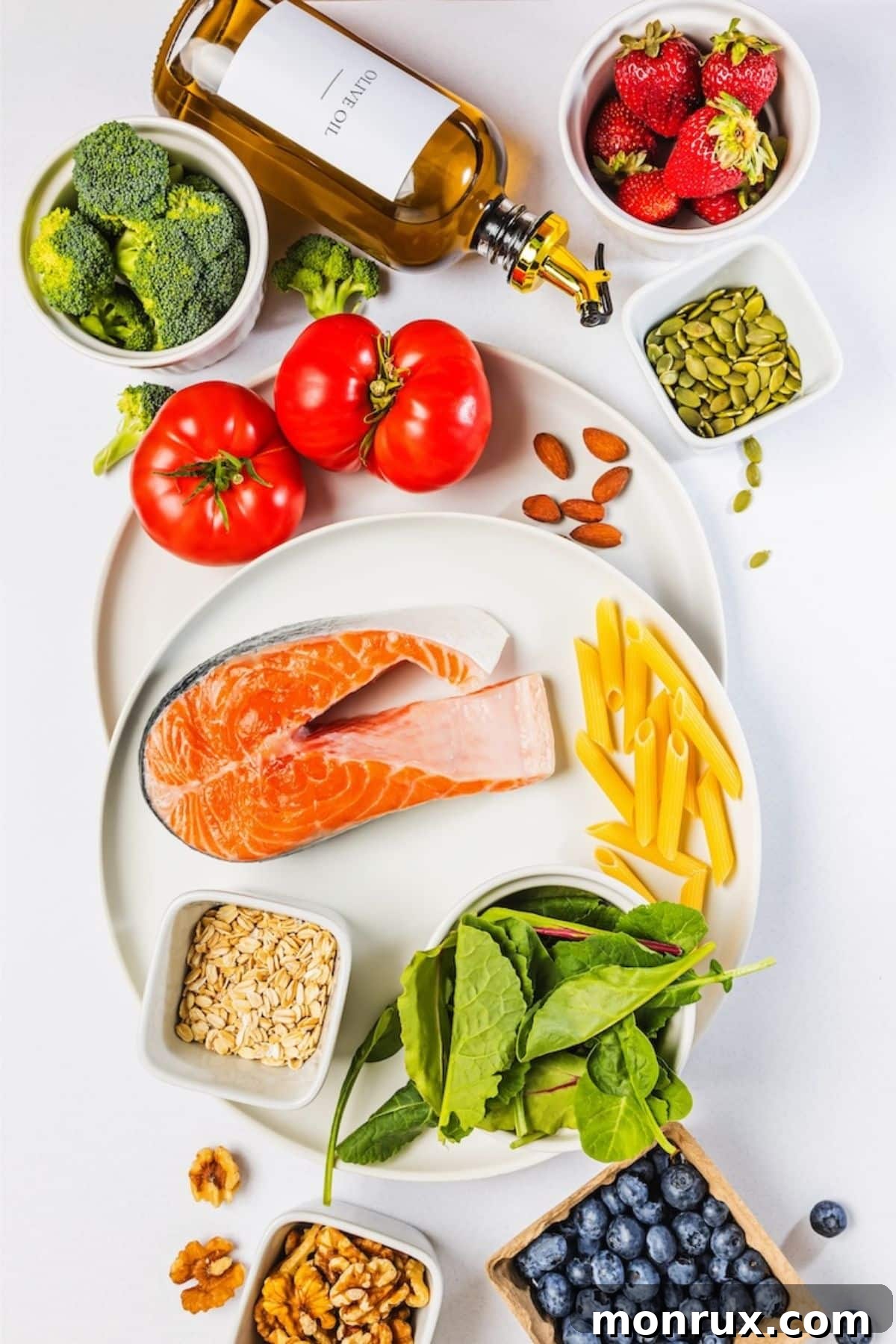
Before diving into specific dietary recommendations, it’s essential to understand the fundamentals of Polycystic Ovary Syndrome and its underlying causes. A clear grasp of this condition will empower you to make informed decisions about your health journey.
What is PCOS?
Polycystic Ovary Syndrome (PCOS) is a common hormonal disorder affecting women of reproductive age. It’s characterized by a hormonal imbalance that can lead to the development of small cysts on the ovaries, though it’s important to note that you can have PCOS without having cysts. This condition impacts an estimated 5-10% of women worldwide, making it one of the most prevalent endocrine disorders among women in their childbearing years.
The precise cause of PCOS is still unknown, but it’s believed to be a complex interplay of genetic and environmental factors. Key features often include irregular periods, excess androgen (male hormone) levels leading to symptoms like acne and hirsutism (excess body hair), and polycystic ovaries visible on ultrasound. Beyond these outward signs, PCOS can significantly impact a woman’s overall health and well-being.
The Health Risks Associated with PCOS
Women with PCOS frequently exhibit higher levels of insulin or insulin resistance, where the body’s cells don’t respond effectively to insulin. This often results in the pancreas producing more insulin, which can contribute to weight gain, especially around the abdomen, and increase the risk of developing type 2 diabetes and cardiovascular disease. The elevated insulin levels can also stimulate the ovaries to produce more androgens, exacerbating many PCOS symptoms.
Other significant health concerns associated with PCOS include:
- Weight Gain: Often linked to insulin resistance, making weight management particularly challenging.
- Infertility: Irregular ovulation or anovulation (lack of ovulation) is a primary cause of difficulty conceiving.
- Increased Male Hormones (Androgens): Leading to symptoms like acne, excessive hair growth (hirsutism), and sometimes hair thinning on the scalp.
- High Blood Pressure: A risk factor for heart disease.
- Chronic Inflammation: Often present in women with PCOS, contributing to a range of symptoms and health risks.
- Sleep Apnea: More common in women with PCOS, especially those who are overweight.
- Mood Disorders: Increased rates of depression and anxiety.
While PCOS is often presented as a lifelong condition, many women have found success in managing and even putting their PCOS into remission through targeted dietary and lifestyle interventions. By addressing the root causes and adopting a holistic approach, it is possible to balance hormones, alleviate symptoms, and even achieve natural conception for many.
For a deeper understanding of related conditions, learn more about PCOS and Endometriosis, including their similarities and differences.
Why Diet Matters for PCOS Management
There isn’t a single, universally prescribed “PCOS diet” because every woman’s body and her manifestation of PCOS are unique. However, dietary modifications are consistently highlighted as a cornerstone of managing PCOS symptoms. A whole-foods, nutrient-dense approach, rich in vegetables, healthy fats, and quality proteins, is broadly recommended as a fundamental strategy for hormonal balance and metabolic health.
Current research, while evolving, strongly suggests that an anti-inflammatory diet can significantly mitigate hormonal symptoms and improve metabolic markers in women with PCOS. Given that PCOS is primarily a metabolic and inflammatory condition for the majority of affected women, a diet focused on reducing inflammation and stabilizing blood sugar is profoundly beneficial. This approach centers on a balanced diet abundant in fiber, which aids in digestion, satiety, and blood sugar regulation.
Key dietary principles for PCOS management include:
- Emphasizing Whole, Unprocessed Foods: Prioritize fruits, vegetables, lean proteins, and healthy fats, avoiding highly processed items.
- Stabilizing Blood Sugar: Focus on low glycemic index foods to prevent spikes and crashes that worsen insulin resistance.
- Reducing Inflammation: Incorporate foods rich in antioxidants and omega-3 fatty acids, while limiting inflammatory triggers.
- Boosting Nutrient Intake: Ensure a wide array of vitamins and minerals crucial for hormonal function.
- Supporting Gut Health: A healthy gut microbiome can influence hormone regulation and inflammation.
Beyond specific food groups, practical aspects like regular meal timing, mindful eating, and adequate hydration also contribute significantly to successful PCOS management. By adopting these principles, you can create a personalized eating plan that supports your body’s unique needs and helps alleviate your symptoms.
You might also find these resources helpful for managing related health concerns: explore the best weight loss tips for women and learn how to reverse estrogen dominance naturally.
The Anti-Inflammatory PCOS Diet Plan
While there isn’t a one-size-fits-all solution for a PCOS diet, an anti-inflammatory approach is highly recommended for most women. This dietary strategy focuses on normalizing blood sugar levels, reducing systemic inflammation, and balancing hormones. For many, a low glycemic index (GI) diet proves beneficial, as it helps to prevent rapid blood sugar spikes and improves insulin sensitivity, which is often compromised in PCOS.
Consideration should also be given to specific food groups that commonly trigger inflammation or hormonal imbalances. For instance, many women with PCOS find symptom relief when they avoid dairy products. Dairy can contain growth hormones and compounds that may exacerbate insulin-like growth factor 1 (IGF-1), potentially worsening acne and androgen excess in sensitive individuals.
The core of an effective PCOS diet revolves around a balanced intake of macronutrients:
- Lean Protein: Essential for satiety, muscle maintenance, and stabilizing blood sugar. Include sources like chicken, turkey, fish, eggs, and legumes.
- Fiber-Rich Foods: Crucial for digestive health, blood sugar regulation, and hormone metabolism. Load up on non-starchy vegetables, fruits (especially berries), nuts, seeds, and whole grains (if tolerated).
- Healthy Fats: Vital for hormone production, inflammation reduction, and feeling satisfied. Incorporate avocados, olive oil, nuts, seeds, and fatty fish.
By prioritizing these elements, you can achieve sustained energy levels, reduce cravings, and prevent overeating. This doesn’t necessarily mean adopting highly restrictive plans like a ketogenic diet, which can be challenging to sustain long-term and may not be suitable for everyone. Instead, flexible yet effective approaches like a Mediterranean diet or a Paleo diet are often highly beneficial. These diets naturally emphasize whole, unprocessed foods and minimize inflammatory ingredients, making them excellent choices for balancing hormone levels and managing PCOS symptoms.
To kickstart your journey toward eating more whole foods, consider downloading my healthy grocery list. For concrete meal inspiration, explore my full collection of anti-inflammatory recipes. You might also find it useful to identify foods to avoid when estrogen is too high, as estrogen dominance can be a related concern for some women with PCOS.
PCOS Breakfast Ideas: Start Your Day Right
Breakfast is arguably the most crucial meal for women with PCOS, setting the tone for your blood sugar stability, stress response, and energy levels throughout the day. After an overnight fast, your body is most sensitive to insulin in the morning. Therefore, it’s vital to avoid shocking your system with high-sugar, high-carbohydrate meals that can lead to rapid blood sugar spikes and subsequent crashes.
Instead, ease into digestion with a breakfast rich in healthy fats and protein. This combination provides sustained energy, promotes satiety, and helps to keep blood sugar levels steady. Incorporating a serving of green vegetables, perhaps in a green smoothie, is an excellent way to front-load your day with essential vitamins, minerals, and fiber without overtaxing your body’s insulin production. A scoop of paleo protein powder can further boost the protein content of your smoothie, ensuring you stay fuller for longer (try my recipe for a creamy Detox Smoothie).
Equally important is what you drink in the morning. Steer clear of sugary beverages like fruit juice, sweetened coffee drinks, or sodas. Opt for sugar-free choices such as plain coffee (black or with a splash of unsweetened almond milk), herbal tea, or my refreshing recipe for Lemon Cinnamon Water, which can also support blood sugar regulation.
It’s also worth noting the ongoing discussion around intermittent fasting and skipping breakfast. While some find success with intermittent fasting, it can sometimes be counterproductive for women with PCOS due to its potential impact on hormonal balance and stress response. For many, a solid, nourishing breakfast is a more beneficial strategy for managing blood sugar and supporting overall endocrine health. Read more about why intermittent fasting may not be ideal for women.
Nourishing PCOS Breakfast Recipes:
- Overnight Protein Oats: A convenient, fiber-rich, and protein-packed option you can prepare the night before.
- Chocolate Cherry Smoothie: A delicious way to get antioxidants and protein, keeping you satisfied.
- Whole30 Chia Pudding: Rich in fiber and healthy omega-3 fats, customizable with berries.
- Sweet Potato Apple Breakfast Hash: A savory option with complex carbs and ample fiber.
- Pesto Eggs: A quick and flavorful protein-rich meal, perfect with a side of greens.
- Broccoli Sprout Smoothie: Boosts detoxification and provides powerful antioxidants.
- Creamy Detox Smoothie: Packed with nutrients to support your body’s natural cleansing processes.
PCOS Lunch Ideas: Fueling Your Afternoon
Approximately four to five hours after a well-balanced breakfast, your body will likely be ready for a nourishing lunch. This meal is your opportunity to replenish energy stores and maintain steady blood sugar levels, preventing the mid-afternoon slump and cravings often experienced by women with PCOS.
A great strategy for lunch is to build a substantial salad packed with raw vegetables. Raw vegetables provide a wealth of enzymes, vitamins, minerals, and most importantly, fiber. Fiber is crucial for PCOS management as it aids digestion, slows sugar absorption, and helps regulate hormone excretion. Top your generous bed of greens with a lean protein source such as grilled chicken, fish, or legumes to ensure satiety and support muscle health. If you tolerate them, a small side of gluten-free toast or a portion of complex carbohydrates like quinoa or sweet potato can provide additional sustained energy without causing blood sugar spikes.
Beyond salads, incorporate a variety of other non-starchy vegetables into your lunch. Think roasted cauliflower, steamed leafy greens like spinach or kale, or broccoli florets. These vegetables are low in calories but high in nutrients and fiber, making them ideal for a PCOS-friendly diet.
Delicious PCOS Lunch Recipes:
- Southwest Chicken Black Bean Salad: A vibrant, protein-rich salad with a kick, packed with fiber and flavor.
- Lentil & Wild Rice Salad: A hearty and satisfying plant-based option, offering complex carbohydrates and protein.
- Healthy Tuna Pasta Salad: A lighter take on a classic, using gluten-free pasta and plenty of vegetables.
- Erewhon Kale Salad: A trendy and incredibly nutritious kale salad, loaded with anti-inflammatory ingredients.
- Costco Chicken Salad: A convenient and protein-packed chicken salad, perfect for meal prepping.
PCOS Dinner Ideas: Balanced Evening Meals
Dinner should be a balanced meal that supports restful sleep and continues your journey towards hormonal equilibrium. It’s important to include a good source of protein, healthy fats, and complex carbohydrates to provide sustained energy throughout the night and prevent morning hunger or blood sugar dysregulation. Opt for complex carbohydrates like sweet potatoes, butternut squash, or quinoa over simple carbs such as white bread or refined pasta. Complex carbs are digested more slowly, leading to a gradual rise in blood sugar and promoting stable insulin levels, which is crucial for PCOS management.
Pair these carbohydrates with lean protein sources like fish, chicken, turkey, or plant-based proteins such as lentils and beans. Healthy fats from avocados, olive oil, nuts, or seeds should also be incorporated to enhance nutrient absorption and provide satiety. Don’t forget a generous serving of non-starchy vegetables to boost fiber and antioxidant intake, further supporting anti-inflammatory efforts.
For more inspiration, explore my extensive list of the best gluten-free and dairy-free meals, which are inherently supportive of a PCOS-friendly diet. Alternatively, consider these specific anti-inflammatory dinner recipes designed to nourish and balance.
Satisfying PCOS Dinner Recipes:
- Salmon Stir Fry: Rich in omega-3 fatty acids and vibrant vegetables, a quick and nutrient-dense meal.
- Panda Express Mushroom Chicken: A healthier, homemade version of a takeout favorite, packed with protein and umami flavor.
- Keto Chicken Fajitas: A flavorful, low-carb option that’s easy to customize with plenty of non-starchy veggies.
- Gluten-Free Shrimp Scampi: A light yet satisfying seafood dish that’s quick to prepare.
- Slow Cooker Green Chile Chicken: A tender, flavorful dish perfect for meal prep with minimal effort.
- Chicken Meatloaf: A comforting and lean protein option, easily adaptable with added vegetables.
PCOS Snacks: Smart Choices Between Meals
Snacking can be a valuable tool in a PCOS diet, provided you choose wisely. If you find yourself hungry between meals, opting for healthy snacks can help prevent overeating at your next meal, stabilize blood sugar, and keep cravings at bay. The best snacks for PCOS are those that combine protein, healthy fats, and fiber, mirroring the principles of your main meals.
Excellent snack ideas include:
- Fruits: Choose low-glycemic fruits like berries, apples, or pears, paired with a source of protein or healthy fat to slow sugar absorption.
- Vegetables: Crunchy vegetables like carrots, celery, or bell peppers with hummus or guacamole.
- Protein-rich options: Hard-boiled eggs, a handful of almonds or walnuts, a small portion of plain Greek yogurt (if dairy is tolerated), or a piece of sugar-free jerky.
- Seeds: Chia seeds, flax seeds, and pumpkin seeds are rich in fiber and healthy fats.
For a comprehensive list of ideas, check out my guide to the best gluten-free and dairy-free snacks, perfect for satisfying hunger while adhering to PCOS-friendly guidelines.
Beyond food, consider other lifestyle choices that impact your symptoms. Many women with PCOS find significant improvement in their hormonal balance and overall well-being when they choose to go alcohol-free. Alcohol can disrupt blood sugar regulation, impact liver function (which is crucial for hormone metabolism), and contribute to inflammation, all of which can worsen PCOS symptoms.
Frequently Asked Questions About PCOS & Diet
While conventional medicine typically states there is no cure for PCOS, the concept of “reversal” often refers to putting the condition into remission. This means that through significant lifestyle and dietary changes, many women can effectively manage and even eliminate their symptoms, restoring regular menstrual cycles, improving fertility, and resolving metabolic issues. PCOS doesn’t have to dictate your life. By adopting a healthy, healing diet and embracing supportive lifestyle practices, you can dramatically diminish and potentially reverse the impact of your symptoms, reclaiming your health and vitality.
Weight management is a common and often challenging aspect of PCOS, largely due to insulin resistance and hormonal imbalances. The most effective approach for weight loss with PCOS is to prioritize overall health rather than solely focusing on the numbers on the scale. This involves a holistic strategy encompassing clean eating, prioritizing plentiful and restorative sleep, engaging in moderate and consistent exercise, and actively managing stress levels. These foundational health practices are crucial for hormonal conditions like PCOS, as they directly impact insulin sensitivity, inflammation, and metabolic function.
When you focus on nourishing your body, balancing your hormones, and reducing inflammation through these pillars of health, weight loss often follows naturally and sustainably. If you find that you can’t lose weight no matter what, despite consistent effort, it may indicate other underlying health issues, severe hormonal imbalances, or chronic stress that need to be addressed by a healthcare professional. A personalized approach, possibly with the guidance of a nutritionist or endocrinologist, can help uncover and tackle these additional factors.
My Personal Journey with PCOS
My journey with Polycystic Ovary Syndrome began early, around the age of 11. Looking back, I believe my childhood home life, which was often chaotic and stressful, contributed to an inflammation-driven type of PCOS. There also appears to be a genetic component, as my sister was also diagnosed with the condition.
Despite experiencing symptoms from a young age, I wasn’t formally diagnosed with PCOS until decades later. In fact, I hadn’t truly heard of PCOS until my sister received her diagnosis after struggling to conceive. As I delved into research about PCOS, so many of my unexplained symptoms finally made sense.
From approximately age 19 to 32, I was on birth control pills, which masked many of my symptoms. It wasn’t until I decided to come off hormonal birth control that I was confronted with the full spectrum of my PCOS, compelling me to seek holistic management strategies. This was a turning point, pushing me to truly understand and address my body’s needs.
The key to managing my PCOS has been a committed approach to diet and lifestyle: going gluten-free, dairy-free, and sugar-free. Alongside these dietary changes, effectively managing stress and ensuring I get adequate, quality sleep have been paramount. Today, I experience regular menstrual cycles, and my other symptoms are well within a manageable range. I also integrate a variety of PCOS supplements into my routine, which I’ve found incredibly helpful in maintaining my hormonal balance and overall well-being.
Further Reading on PCOS Management
Recommended PCOS Resources
The scientific understanding and management strategies for PCOS are constantly evolving. Staying informed is key to effectively managing its troublesome symptoms. Here are some of my highly recommended resources that offer in-depth insights and practical advice for navigating PCOS:
- Period Repair Manual: Natural Treatment for Better Hormones and Better Periods (2nd edition) by Lara Briden, N.D. – An excellent guide for understanding and rebalancing female hormones naturally.
- Beyond the Pill: A 30-Day Program to Balance Your Hormones, Reclaim Your Body, and Reverse the Dangerous Side Effects of the Birth Control Pill by Jolene Brighten, N.D. – Essential reading for anyone considering coming off birth control or dealing with its aftermath.
- 8 Steps to Reverse Your PCOS: A Proven Program to Reset Your Hormones, Repair Your Metabolism, and Restore Your Fertility by Fiona McCulloch, N.D. – A science-backed program offering actionable steps for managing and potentially reversing PCOS symptoms.
Conclusion
While there isn’t a single “perfect” diet that suits every woman with PCOS, the consensus among experts points towards a foundational approach built on whole, unprocessed foods. Embracing a diet rich in fruits, vegetables, lean proteins, and healthy fats can significantly improve insulin sensitivity, reduce inflammation, and help balance hormones. Experimenting with a gluten-free and dairy-free lifestyle may offer additional symptom relief for some, and a conscious reduction in sugar intake is almost universally beneficial.
Beyond dietary modifications, integrating other healthy habits is crucial for comprehensive PCOS management. Prioritizing adequate and restorative sleep, developing effective stress management techniques, and engaging in regular, moderate physical activity all play vital roles in supporting your body’s natural healing processes and reducing the severity of PCOS symptoms. By taking a holistic approach, you can empower yourself to live a healthier, more balanced life with PCOS.
Don’t forget to join my newsletter list to get exclusive clean eating recipes and tips directly to your inbox. The newsletter is 100% free with no spam; you can unsubscribe anytime.
About the Author: Carrie Forrest holds a master’s degree in public health with a specialty in nutrition and is a certified holistic nutritionist. She is a prominent wellness and food blogger, attracting over 5 million annual visitors to her site. Carrie shares an inspiring story of recovery from chronic illness and is deeply passionate about empowering other women to transform their health. Feel free to reach out to her through her contact form for any inquiries.
Note: This post is for informational purposes only and should not be considered medical advice. Please consult your healthcare provider for personalized recommendations regarding your individual health situation.