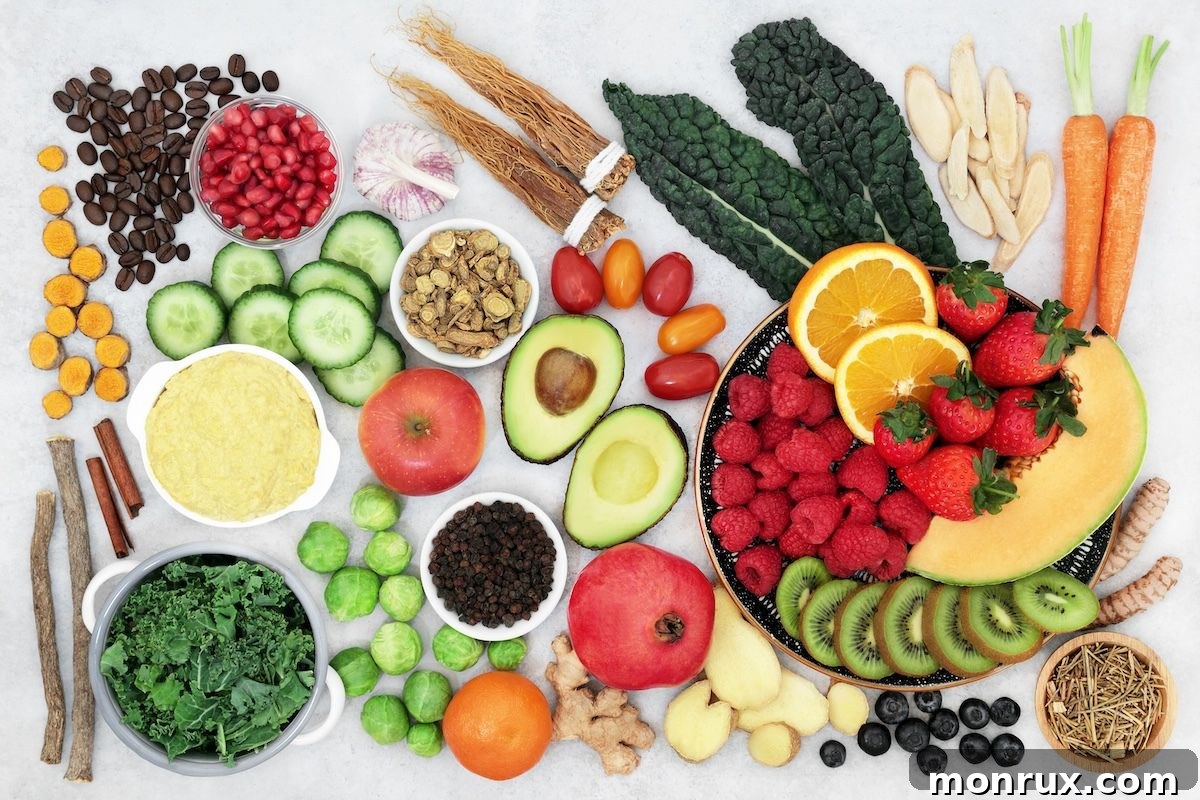
Facing surgery can be a daunting experience, but preparing your body with the right nutrition can significantly influence your recovery journey. Focusing on wholesome, unprocessed foods that are both nourishing and easily digestible is paramount. This comprehensive guide outlines the best **healthy foods to eat before surgery** to support a smooth recovery, boost your immune system, and minimize common post-operative issues like constipation. We’ve also included a crucial list of foods to avoid, ensuring you make informed dietary choices for optimal health outcomes.
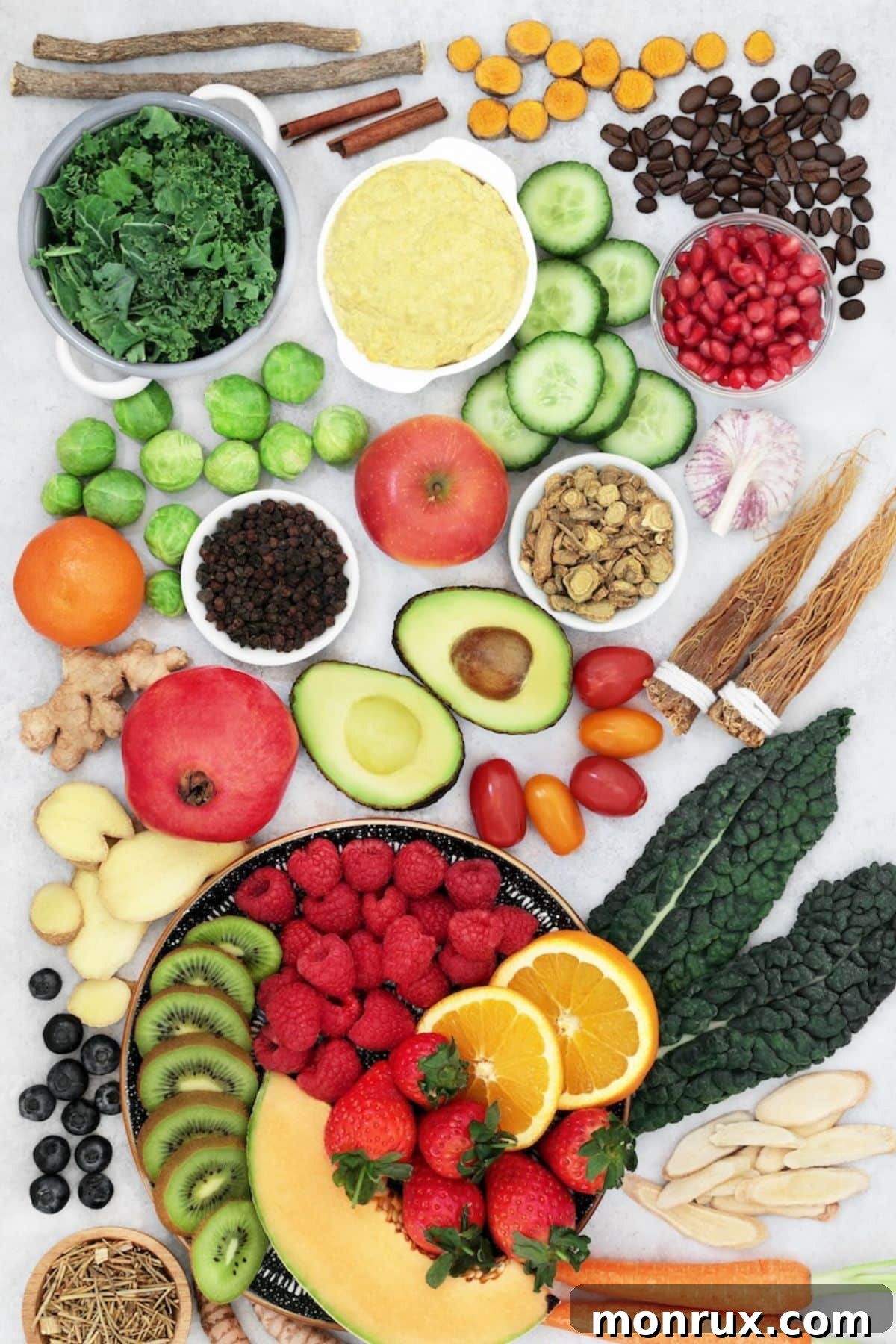
Healthy Foods to Eat Before Surgery
A well-planned diet in the weeks leading up to your surgery can make a profound difference. The foods listed here are chosen for their ability to **help reduce inflammation**, bolster your immune system, and provide essential nutrients to support your body’s healing mechanisms. By incorporating these into your diet, you’re actively preparing your body for the stress of surgery and paving the way for a quicker, smoother recovery.
It’s important to remember that while a nutrient-dense diet is crucial, specific guidelines often apply immediately before surgery. Most healthcare professionals advise avoiding high-fiber foods such as fruits, vegetables, whole grains, legumes, and nuts in the 24 hours directly preceding any procedure involving anesthesia. This is because fiber takes longer to digest, and its presence in the digestive tract during surgery can pose risks. Always consult your surgeon or a registered dietitian for personalized instructions regarding your pre-surgery diet, as recommendations can vary based on the type of surgery and your individual health status.
Pre-Surgery Diet: Crucial Considerations
The day before your surgical procedure is critical, and you will almost certainly receive a prescribed diet from your doctor. This may involve specific liquid diets, or you might be asked to fast entirely, avoiding all solid foods and even certain liquids. These instructions are tailored to the type of surgery you are undergoing and are designed to ensure your safety and minimize complications. Adhering strictly to these guidelines is non-negotiable.
Additionally, always clarify with your doctor or anesthesiologist whether you should take your regular medications on the morning of your surgery. Certain medications, especially blood thinners or supplements, might need to be paused or adjusted before the procedure.
1. Leafy Greens
Leafy greens such as spinach, kale, arugula, collard greens, and Swiss chard are nutritional powerhouses. They are rich in a diverse array of vitamins and minerals, including Vitamins A, C, E, and K, as well as folate and various antioxidants. These nutrients are instrumental in **boosting your immune system** and **reducing inflammation** both before and after surgery.
Their high vitamin C content is particularly beneficial for healing, as it’s a vital cofactor in collagen formation, which is essential for wound repair and tissue regeneration. Furthermore, the presence of vitamin K in dark leafy greens plays a critical role in blood clotting. If you are on blood-thinning medications, it is imperative to discuss your intake of dark leafy greens with your doctor, as consistent intake is often preferred over sudden changes.
Incorporating more leafy greens into your diet is easy and delicious. You can blend them into vibrant smoothies, add them to soups and stews, make kale chips, or use larger raw leaves as a nutritious alternative to bread wraps. For a nutrient boost, try making a pesto where at least half of the basil is replaced with baby spinach or kale, offering a creamy, flavorful way to enjoy these greens.
2. Cruciferous Vegetables
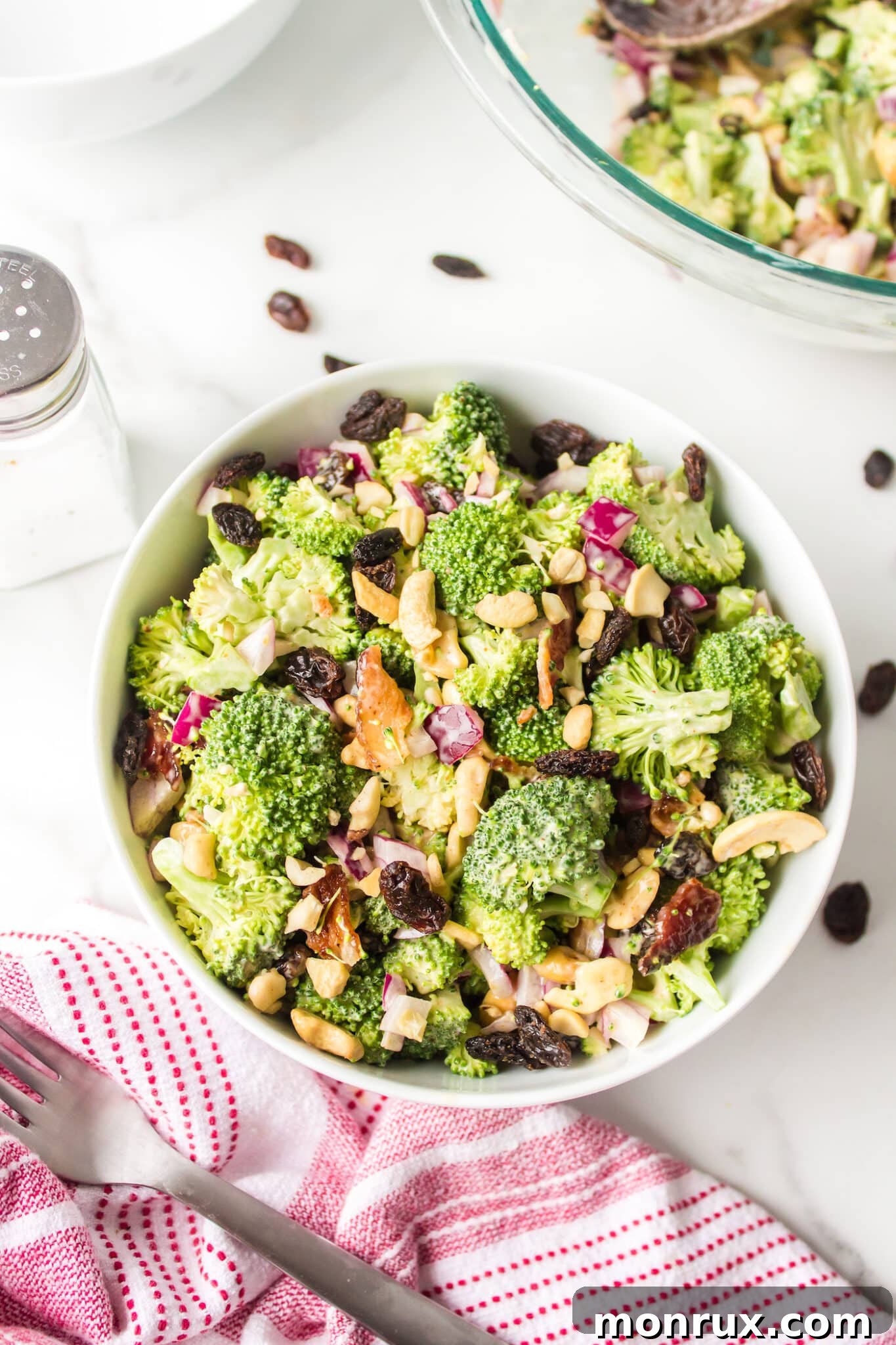
Broccoli, cauliflower, cabbage, and Brussels sprouts are prime examples of cruciferous vegetables that are remarkably rich in vitamins (C, K, and folate), minerals, and powerful antioxidants. Beyond these common nutrients, they contain unique compounds called glucosinolates. When these vegetables are chopped or chewed, glucosinolates break down into isothiocyanates.
Research indicates that isothiocyanates possess significant anti-inflammatory and antibacterial properties, which are highly beneficial for supporting your body’s healing process and warding off infections during recovery. They also play a role in detoxification pathways, helping your body process and eliminate toxins more efficiently.
If you’re not a fan of their sometimes bitter taste, there are numerous ways to make cruciferous vegetables incredibly appealing. Roasting them with a drizzle of olive oil, garlic, and your favorite herbs can transform their flavor and texture, bringing out a natural sweetness and crispiness. You can also blend them into creamy soups, serve them with flavorful sauces, or sauté them with other ingredients to mellow their intensity. Don’t be afraid to experiment with different spices like cumin, paprika, or curry powder to enhance their taste profile.
3. Berries

Strawberries, raspberries, blueberries, and blackberries are not just delightful treats; they are potent **immunity boosters** and essential sources of vitamin C, crucial for robust collagen production and wound healing. What makes berries truly remarkable are anthocyanins, the powerful pigments responsible for their rich, vibrant colors. These compounds act as strong antioxidants and play a significant role in **reducing systemic inflammation**, making berries ideal for both pre- and post-surgical diets.
Beyond anthocyanins, berries contain other beneficial flavonoids and fiber, which support gut health and overall well-being. Enjoy them fresh as a simple snack, stir them into oatmeal or Greek yogurt, or blend them into invigorating smoothies, especially with affordable frozen organic options. For an unexpected twist, incorporate berries into savory dishes, such as a blueberry sauce for poultry or fresh raspberries tossed into a leafy green salad, adding a burst of flavor and nutrients.
4. Citrus Fruits

Oranges, lemons, grapefruits, and limes are brimming with vitamin C and folate, two nutrients known to powerfully **boost immunity and limit inflammation**. Vitamin C, a formidable antioxidant, protects cells from damage and is indispensable for collagen synthesis, supporting skin integrity and wound repair. Folate is vital for cell division and the production of new cells, which is critical during recovery.
Incorporating citrus into your diet is both easy and versatile. A squeeze of fresh lemon juice can brighten salads, marinades, and pasta dishes, adding a zesty flavor and enhancing nutrient absorption. Orange juice, when combined with ginger, soy sauce, and a touch of oil, makes a vibrant and healthy sauce for baked salmon or chicken. You can also infuse your water with slices of lime or lemon for a refreshing hydration boost. For a comforting treat, try broiling half a grapefruit topped with a sprinkle of cinnamon and a hint of natural sweetener.
5. Salmon

Salmon, along with other fatty fish like sardines and mackerel, is an exceptional source of omega-3 fatty acids, particularly EPA and DHA. These essential fats are highly valued for their potent **anti-inflammatory properties**, which can significantly help anyone undergoing surgery by mitigating the body’s inflammatory response and aiding in overall immune function. Studies consistently show that omega-3s can contribute to faster healing and reduced post-operative pain.
Beyond omega-3s, salmon also provides selenium, a powerful antioxidant that supports the immune system and further contributes to its anti-inflammatory benefits. Crucially, salmon is an excellent source of high-quality protein, which is absolutely essential for tissue repair and accelerating recovery after surgery. Protein provides the building blocks for new cells and helps maintain muscle mass during periods of reduced activity.
Salmon is incredibly versatile and easy to prepare, making it a convenient choice for your pre-surgery diet. It can be baked, grilled, pan-fried, or poached. Canned salmon is also a convenient option for quick salads or sandwiches, offering the same nutritional benefits. However, it’s vital to note a specific caution: **some healthcare providers still recommend avoiding fish and fish oil in the two weeks leading up to surgery.** This is based on older concerns that omega-3s might increase the risk of bleeding. While newer research largely indicates that moderate intake does not significantly increase this risk, it is paramount to **check with your doctor** for specific advice tailored to your medical history and the type of surgery you are having.
6. Turmeric

Turmeric, a vibrant yellow spice with a distinct earthy flavor, is a cornerstone of many culinary traditions and an excellent addition to your pre-surgery diet. Its primary active compound, curcumin, is a potent polyphenol renowned for its extensive health benefits. Studies have consistently demonstrated curcumin’s ability to **combat inflammation** at a molecular level and provide robust **support to the immune system**, both of which are crucial for preparing the body for surgery and facilitating recovery.
While turmeric is a fantastic ingredient for adding flavor and color to scrambled eggs, soups, curries, and even baked goods, relying solely on food for therapeutic doses of curcumin can be challenging. The amount of curcumin in raw turmeric is relatively small, and its bioavailability (how well the body absorbs and utilizes it) is naturally low. For this reason, if you’re looking for significant anti-inflammatory benefits, turmeric supplements are often recommended.
Most high-quality turmeric supplements include piperine, a compound found in black pepper. Piperine has been shown to dramatically enhance the absorption of curcumin, sometimes by up to 2,000%, making the benefits more accessible to your body. Always discuss any supplement regimen with your doctor before surgery to ensure it is appropriate for your specific condition and does not interact with medications.
7. Ginger

Ginger, a spicy root related to turmeric, offers a multitude of benefits that can be particularly helpful before and after surgery. It contains gingerol, a bioactive compound with powerful antioxidant and anti-inflammatory properties. Ginger is widely recognized for its efficacy in **reducing nausea and vomiting**, which are common side effects of anesthesia and post-operative medications. It also exhibits antimicrobial properties, helping to **fight infections** and support overall immune health.
You can easily incorporate ginger into your diet by grating it into sauces, adding slices to your tea, or blending it with other fruits and coconut water to create potent ginger shots. Candied ginger can also be enjoyed in moderation as a sweet and spicy treat. However, despite its many benefits, it is crucial to consult a medical professional about consuming ginger in the two weeks leading up to your procedure. While definitive medical research is still evolving, some experts suggest that ginger may potentially increase the risk of bleeding after surgery by affecting platelet aggregation. Your doctor can provide personalized advice based on your surgical plan and health profile.
8. Sweet Potatoes
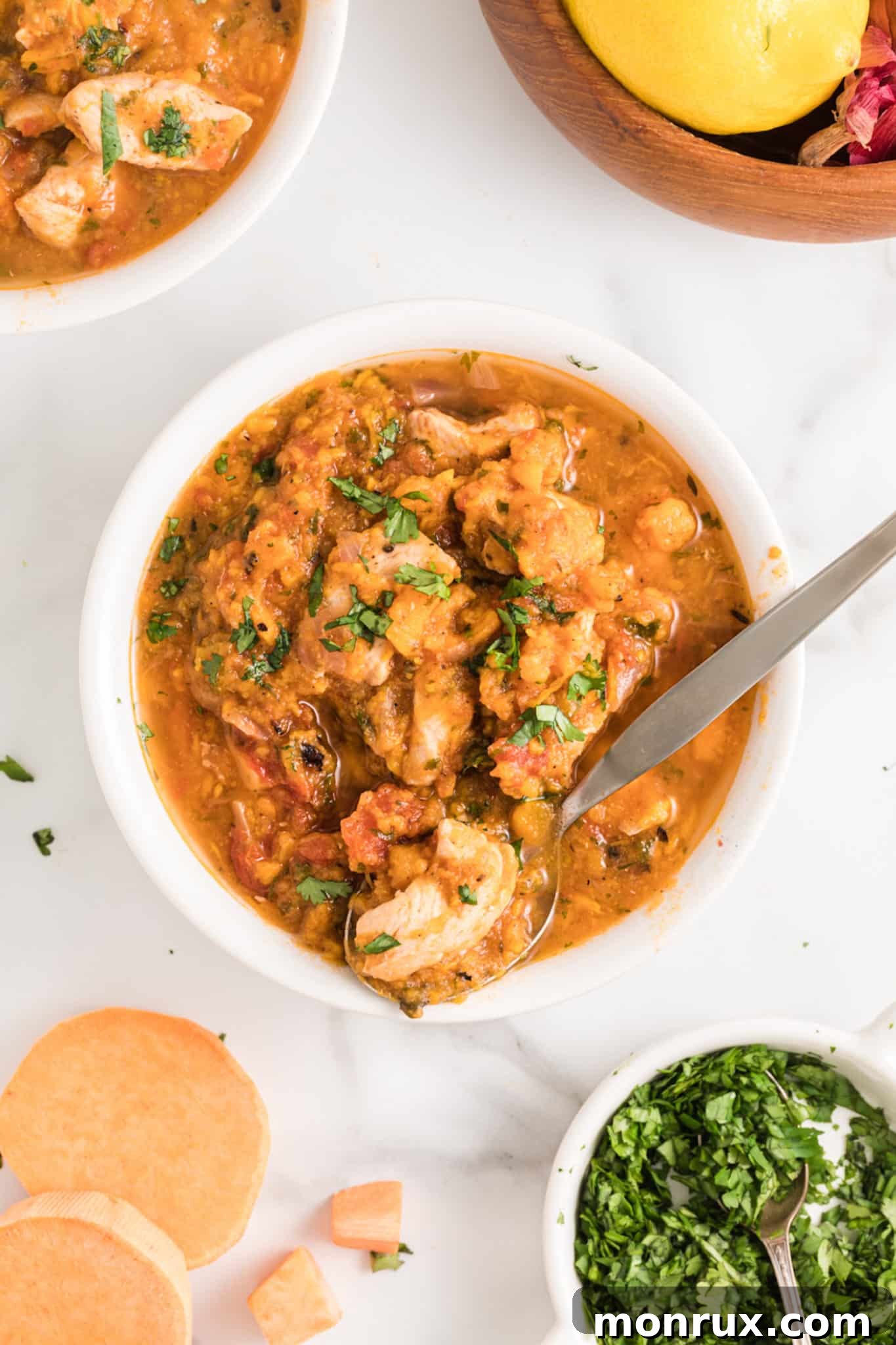
Delicious and incredibly healthy, sweet potatoes are a fantastic source of vitamins A (in the form of beta-carotene) and C, as well as a significant amount of manganese. Beta-carotene is a powerful antioxidant that supports vision and plays a key role in immune function. Vitamin C, as discussed, is vital for collagen production. Manganese is particularly useful before surgery because it is a critical cofactor in the formation of collagen, which is essential for rapid **wound healing** and maintaining healthy connective tissues.
Sweet potatoes are remarkably versatile in the kitchen. They can be simply baked in the oven, split open, and seasoned with a touch of olive oil and salt. Beyond that, they make excellent wedges, fries, creamy soups, and additions to curries and stews. They also serve as a healthier carbohydrate source compared to white potatoes. However, a specific caution applies: it’s advisable to speak to your doctor about eating sweet potatoes in the week leading up to your surgery. They contain compounds called solanaceous glycoalkaloids (SGAs), which some research suggests may prolong recovery from the effects of anesthesia. Always prioritize your medical team’s advice.
9. Avocado

Avocados are nutritional powerhouses, providing a unique blend of healthy monounsaturated fats, fiber, and a wide array of vitamins and minerals. They are exceptional for **supporting the immune system and controlling inflammation**, packed with vitamins B6, C, E, and K, as well as folate and potassium. The healthy fats in avocados aid in the absorption of fat-soluble vitamins, further enhancing their benefits. They also possess **antimicrobial properties** that can contribute to protecting your body from infection, a crucial factor around surgery.
With their mild, creamy flavor and texture, avocados integrate seamlessly into both sweet and savory dishes. Slice them into vibrant salads, blend them into rich and satisfying smoothies (they add amazing creaminess!), or use them to make fresh guacamole. For a nutritious breakfast, smash avocado onto whole-grain toast and top with a poached egg. A creative tip is to mix well-mashed avocado with Greek yogurt as a healthier, flavorful alternative to mayonnaise in sandwiches or dressings.
10. Greek Yogurt

**Protein-packed Greek yogurt** is an excellent dietary choice when preparing for surgery, as it significantly contributes to your body’s ability to heal and recover. Its high protein content is vital for supporting your immune system, maintaining muscle mass, and playing an essential part in tissue repair and regeneration after surgical trauma. Furthermore, Greek yogurt is a fantastic source of probiotics, beneficial bacteria that promote a healthy gut microbiome, which is intrinsically linked to overall immunity and can aid in preventing post-operative digestive issues.
Beyond protein and probiotics, Greek yogurt also contains a wealth of other recovery-supporting nutrients, including zinc (crucial for immune function and wound healing), selenium (an antioxidant), B vitamins, calcium, and phosphorus. When selecting Greek yogurt, opt for plain, unsweetened varieties to avoid unnecessary added sugars. You can easily customize it with your own natural sweeteners like mashed bananas, ripe berries, or mango chunks. Consider adding a sprinkle of nuts or seeds for extra fiber and healthy fats, making it a complete and nourishing meal or snack.
11. Nuts and Seeds
Nuts and seeds are remarkably nutrient-dense, making them ideal for maintaining robust health before and after surgery. They offer a potent combination of plant-based protein, healthy fats (including monounsaturated and polyunsaturated fats), and a wide spectrum of essential vitamins and minerals. The protein they provide is crucial for tissue repair and cell regeneration, while healthy fats offer sustained energy and support cell membrane integrity.
Many nuts and seeds, such as almonds, are excellent sources of vitamin E, a powerful antioxidant that **bolsters your immune system** and protects cells from oxidative damage. Others like pumpkin seeds are rich in zinc, vital for immune function and wound healing, while walnuts provide beneficial omega-3 fatty acids. They also contain collagen-boosting manganese, further aiding in recovery. Both nuts and seeds are convenient grab-and-go snacks, though due to their high caloric density, portion control is key. Integrate them into salads, stir-fries, smoothies, or sprinkle them over yogurt or oatmeal for added texture and nutrition. Always choose unsalted varieties to avoid excessive sodium intake, which can contribute to fluid retention.
12. Quinoa
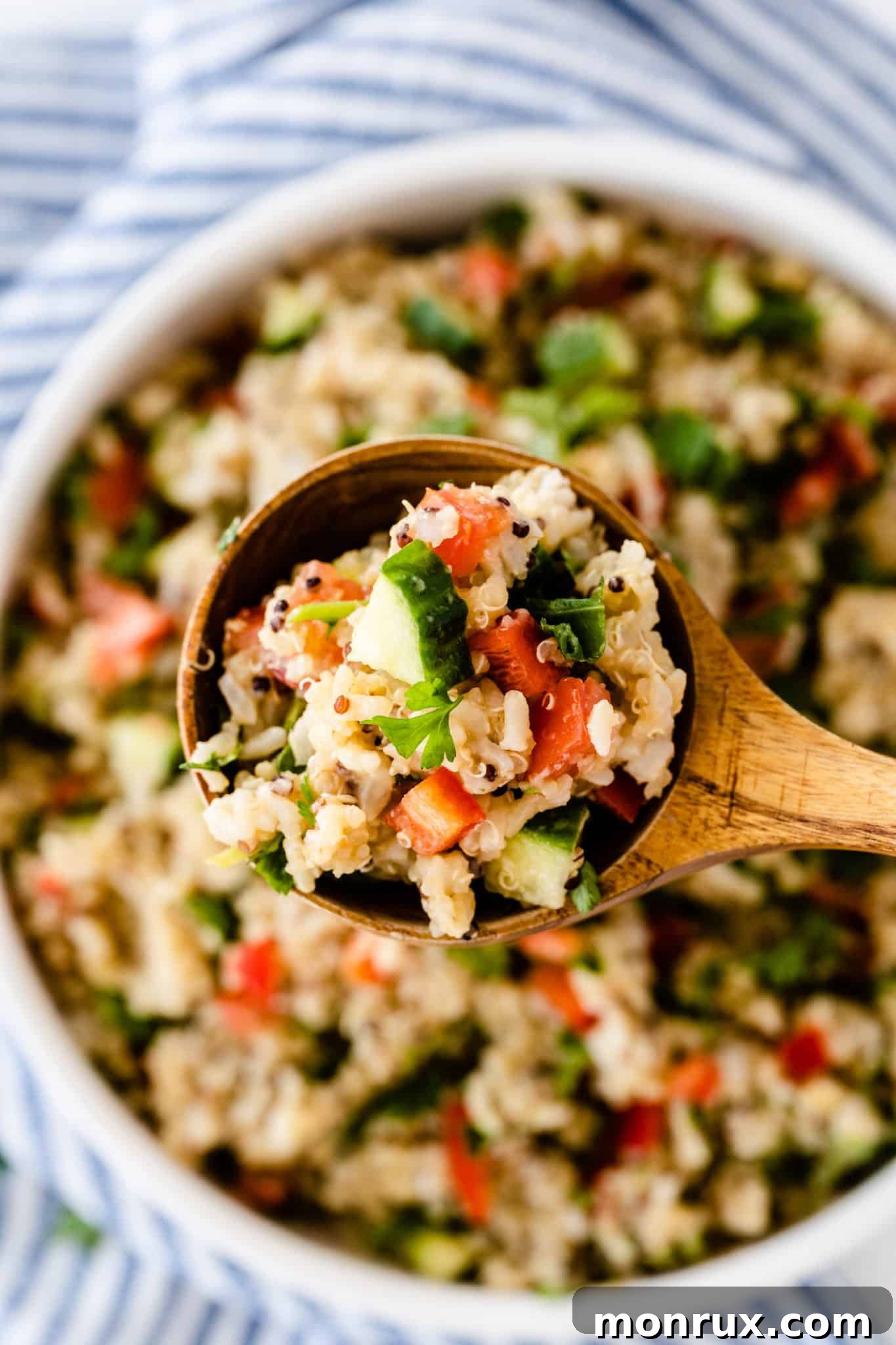
Quinoa stands out as an excellent food to include in your pre-surgery diet. Though often treated as a grain, it is technically a seed, closely related to beets and spinach. What makes quinoa exceptional is its status as a complete plant-based protein, meaning it contains all nine essential amino acids necessary for human health. This high-quality protein is indispensable for tissue repair, muscle maintenance, and overall recovery.
Beyond its protein profile, quinoa is rich in flavonoid plant compounds, notably quercetin and kaempferol. These powerful antioxidants have been extensively studied for their ability to **control inflammation** and **protect cells from oxidative damage**, supporting cellular health and resilience. Quinoa is also a good source of fiber, magnesium, B vitamins, iron, potassium, and calcium, contributing to overall well-being.
Quinoa’s versatility allows for its use in a wide range of dishes, from savory to sweet. Try it as a hearty breakfast alternative to oatmeal, cooked with milk and topped with fruit. It makes a fantastic base for salads, can be added to soups for extra substance, or served as a nutritious side dish in place of rice alongside meat and fish. Its mild flavor readily absorbs other seasonings, making it adaptable to any meal plan.
13. Bone Broth
Bone broth is an ancient, yet increasingly popular, elixir renowned for its profound health benefits, particularly when preparing for or recovering from surgery. It’s made by simmering animal bones and connective tissues in water with a splash of apple cider vinegar (to help extract nutrients) and seasonings for many hours. The result is a flavorful, nutrient-dense liquid that can significantly enhance your health before surgery and support rapid recovery.
Along with vitamins (like A), minerals (manganese, selenium), and trace amounts of omega-3 fatty acids, bone broth is uniquely rich in **collagen**. Collagen is the most abundant protein in the body, vital for the health of skin, joints, and especially wound repair and tissue regeneration. Moreover, it’s a superb source of easily digestible amino acids, particularly glycine and arginine. Glycine plays a role in detoxification and supporting gut health, while arginine is crucial for immune function, blood flow, and reducing inflammation. Drinking a warm mug of bone broth is an excellent way to increase protein intake with minimal digestive effort, serving as a comforting, nourishing, and easily assimilable meal or snack, especially when solid foods might be challenging to consume.
For those short on time, many high-quality bone broth brands are now readily available in grocery stores, offering a convenient alternative to making your own.
14. Beets
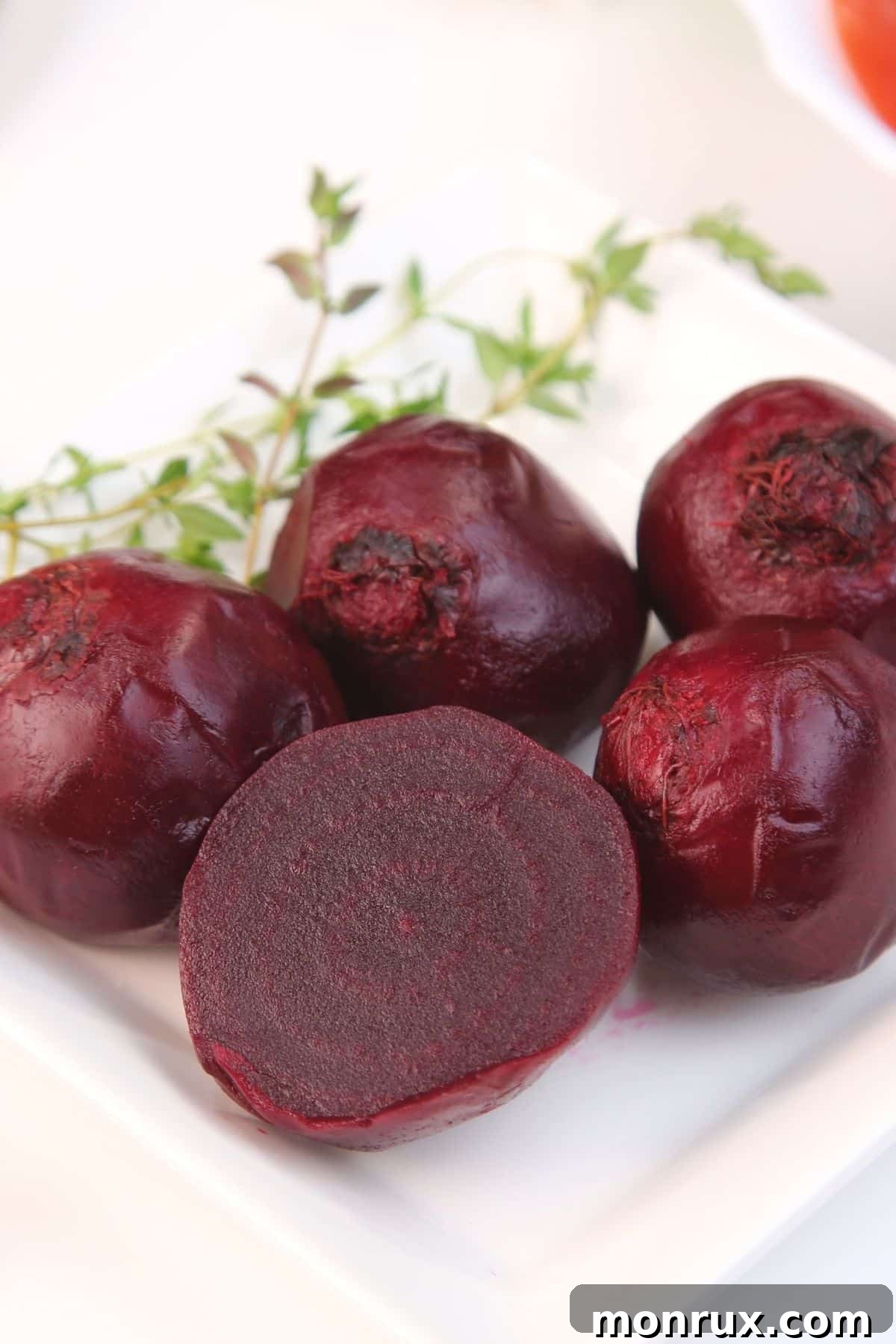
Brightly colored beets are a nutritional powerhouse, offering a wide array of health benefits crucial for surgical preparation and recovery. They are packed with essential nutrients, including manganese (important for bone health and metabolism), folate (vital for cell function and tissue growth), and vitamin C. What sets beets apart are their unique pigments called betalains. These powerful antioxidants are responsible for beets’ vibrant color and are known for their strong anti-inflammatory and detoxification properties. Studies suggest betalains can significantly **reduce inflammation**, potentially easing discomfort associated with inflammatory conditions.
Beets are also a valuable source of dietary nitrates, which the body converts into nitric oxide, promoting healthy blood flow and oxygen delivery to tissues—essential for healing. Additionally, they provide the amino acid L-glutamine, which can play a role in **accelerating wound healing** and supporting gut integrity, especially beneficial during recovery. Beets can be boiled, steamed, or grilled, but roasting truly enhances their natural sweetness and creates a tender texture. Serve them as a vibrant side dish, or creatively incorporate cooked beets into hummus, smoothies, or salads for an added nutritional punch. Raw beets can also be enjoyed when thinly sliced or grated into salads.
15. Dark Chocolate
It’s wonderful when a treat can also contribute to your health! Dark chocolate, particularly varieties with a high cocoa content, is an excellent source of beneficial compounds for your pre-surgery diet. It is teeming with **antioxidants**, including flavanols, which are powerful polyphenols known for their anti-inflammatory effects and ability to improve cardiovascular health and blood flow. Dark chocolate (especially 70% cocoa or higher) also contains more than 75% of your daily recommended amount of manganese, a mineral that significantly **boosts collagen production** and supports wound healing.
Furthermore, it’s a good source of vital minerals like zinc and selenium, both of which are critical for enhancing your immune system and keeping inflammation at bay. When choosing dark chocolate, always scrutinize the ingredients list. Opt for brands with minimal ingredients, where chocolate liquor or cocoa is listed first. Look for varieties with a high percentage of cocoa (70% or more) as these will be lower in sugar and offer a greater concentration of beneficial compounds. Enjoy in moderation as a healthy and satisfying treat.
Foods to Avoid Before Surgery
Just as important as knowing what to eat is understanding which foods to avoid before surgery. Certain foods can exacerbate inflammation, interfere with digestion, or interact negatively with anesthesia and medications, potentially leading to complications or a prolonged recovery. Steering clear of these can help ensure your body is in the best possible state for your procedure.
1. Fatty Foods
A diet heavy in fatty foods is generally not ideal, and this recommendation becomes critically important in the weeks leading up to surgery. Fried and greasy foods, processed snacks, and meals rich in unhealthy fats are notoriously difficult for your body to digest. They delay gastric emptying, meaning they remain in your stomach for longer periods, which can lead to uncomfortable issues such as nausea, heartburn, and vomiting, particularly when combined with anesthesia. Vomiting during or immediately after surgery poses serious risks.
Adopting a low-fat diet before surgery may also contribute to a smoother recovery. Scientists have observed that reducing fat intake in the weeks prior to a procedure can decrease the overall physiological trauma caused to the body, potentially helping patients recuperate more quickly and experience fewer complications. Focus on lean proteins and healthy fats in moderation, rather than highly processed or fried options.
2. Spicy Foods
While spicy foods can be enjoyable, they carry a risk of triggering uncomfortable heartburn, acid reflux, or general gastrointestinal irritation both before and after surgery. This is particularly problematic for any type of abdominal or gastric surgery, where the digestive system is already vulnerable and needs to heal without additional stress. The compounds responsible for the “heat” in spicy foods, such as capsaicin, can irritate the stomach lining and intestines, causing discomfort, bloating, or even pain.
Although extensive research specifically linking spicy foods to increased post-surgery pain is limited, one study did find that women who consumed large amounts of spicy food reported more pain after a Cesarean delivery compared to those who ate them less frequently. To minimize potential digestive distress and ensure a calmer gastrointestinal tract, it’s best to avoid very spicy dishes in the days and weeks leading up to your procedure, and gradually reintroduce them after you’ve fully recovered and consulted with your doctor.
3. Gas-Producing Foods
Many individuals experience bloating, gas, or flatulence after surgery. This is often a result of fluid retention, temporary disruption to the lymphatic system, a slowdown in intestinal functions (due to anesthesia or pain medications), or simply less physical activity. It’s crucial not to exacerbate these common post-operative discomforts by consuming foods known to cause excessive gas production. These foods typically contain complex carbohydrates or sugars that are fermented by gut bacteria, leading to gas.
Foods to limit or avoid include:
- Beans and legumes: Lentils, chickpeas, black beans, kidney beans.
- Whole grains: Brown rice, oats, barley, and whole-wheat products (especially immediately before surgery).
- Certain starchy vegetables: Corn, potatoes, and pasta in large quantities.
- Some cruciferous vegetables: Cabbage, broccoli, Brussels sprouts, and cauliflower (while generally healthy, they can be gas-producing for some).
- High-fiber foods: Oat bran, peas, and high-fiber cereals (these should be specifically avoided in the 24 hours prior to surgery).
- Artificial sweeteners: Sorbitol, mannitol, and xylitol, often found in sugar-free products.
- Carbonated beverages: Sodas, sparkling water, and beer, which introduce gas directly into the digestive system.
Opt for easily digestible, lower-fiber alternatives in the days leading up to surgery, as advised by your medical team.
4. Foods Containing SGAs (Solanaceous Glycoalkaloids)
Experts generally advise avoiding foods containing Solanaceous Glycoalkaloids (SGAs) for at least 7 days before surgery. These naturally occurring compounds, found in certain nightshade vegetables, can interfere with neurotransmitters and may prolong the time it takes for your body to fully recover from the effects of anesthesia. SGAs can affect neuromuscular junctions, potentially causing muscles to remain relaxed for longer than desired after the anesthetic agents have worn off.
The primary foods that contain significant levels of SGAs are potatoes (especially green or sprouting potatoes), tomatoes, and eggplants. While these vegetables are otherwise healthy, their temporary avoidance before surgery is a precautionary measure to minimize any potential adverse interactions with anesthetic drugs and ensure a smoother emergence from anesthesia. Always follow your doctor’s specific pre-operative dietary instructions regarding these foods.
5. High-Fiber Foods (24 hours prior)
While a high-fiber diet is generally recommended for overall health and digestive regularity, there’s a critical exception in the 24 hours immediately preceding your surgery. During this specific window, it is best to avoid high-fiber foods. This is because fiber takes a significant amount of time for your body to fully digest and move through the gastrointestinal tract. Consequently, if consumed too close to your procedure, remnants of these foods may still be present in your digestive system when you undergo anesthesia.
The presence of solid food in the stomach or intestines during anesthesia increases the risk of aspiration (inhaling stomach contents into the lungs), which can lead to severe respiratory complications. Therefore, your medical team will provide precise instructions, which typically involve switching to a clear liquid diet or complete fasting for a certain period before surgery. Always adhere strictly to these individualized instructions to ensure your safety.
Pre-Surgery Diet FAQs
Historically, patients were often instructed to avoid all food and drink after midnight the day before surgery. This strict guideline was primarily due to the risk of vomiting during the procedure, which could compromise the airway and lead to serious pulmonary complications under anesthesia. However, modern anesthesia practices and research have refined these recommendations.
Current guidelines from organizations like the American Society of Anesthesiologists now typically state that patients can consume clear liquids—such as water, clear tea, Gatorade, black coffee (without milk or cream), or apple juice—up to 2 hours before their surgery. Milk is generally excluded from this list because it contains fats and proteins that slow its passage through the digestive system, effectively making it a solid in terms of gastric emptying time. Nevertheless, it’s crucial to understand that individual anesthesiologists or surgical centers may still adhere to slightly older or more conservative guidelines based on their protocols or specific patient factors. Therefore, it is absolutely essential to speak directly with your doctor or anesthesiologist for personalized advice concerning your medical procedure and individual health condition. Never assume or deviate from their specific instructions.
Constipation is a very common and often uncomfortable problem experienced by many patients after surgery. Several factors contribute to it, including the effects of anesthesia on gut motility, certain pain medications (especially opioids) which can slow digestion, inflammation, decreased fluid intake, and reduced physical activity. The good news is that there are several proactive steps you can take to help manage and prevent it.
First, discuss your pain relief options with your doctor. If possible, explore alternatives or dosage adjustments for medications less likely to cause constipation. Second, once you have your doctor’s approval, move around as much as possible. Even gentle walking can stimulate bowel activity. Third, consider taking a stool softener or a fiber laxative, but only after consulting your healthcare provider, as they can recommend the most appropriate type and dosage. Fourth, and crucially, focus on your diet. Avoid highly processed foods, white bread, and dairy products, which can worsen constipation. Instead, prioritize high-fiber foods such that are easier to digest once approved, like dried fruits (prunes, apricots), cooked vegetables, certain beans, and whole grains. Adequate fluid intake, primarily water, is also vital to keep stools soft and moving.
In the past, doctors often restricted eating after surgery until “bowel sounds” returned, indicating that the gastrointestinal tract was actively working again. However, more recent reports and enhanced recovery after surgery (ERAS) protocols advocate for an earlier return to nutrition. The current thinking suggests that patients should typically start with a clear liquid diet soon after their surgery (often within hours), and then gradually progress to a regular diet as quickly as their condition allows and as comfort permits. This approach is believed to help support the immune system, stimulate gut function, and accelerate the healing process by providing essential nutrients sooner.
Despite these general guidelines, every patient and every surgery is unique. The specifics of your particular procedure, your overall health, and any potential complications may necessitate a slower or modified return to your regular diet. For instance, gastrointestinal surgeries will naturally have more stringent dietary progressions. Therefore, it is always best to have a detailed discussion about your post-surgery diet plan with your medical professional, who can provide tailored advice and monitor your progress.
Yes, drinking plenty of water and staying well-hydrated before surgery is highly beneficial and often encouraged. Proper hydration helps maintain healthy circulation, supports kidney function, and can prevent dehydration, which can be exacerbated by fasting and the surgical procedure itself. Being adequately hydrated can also help your body cope better with the stress of surgery and the effects of anesthesia. Studies have consistently shown that clear fluids like water are typically cleared from your stomach within two hours, making it generally safe to consume them up to that point before surgery, in accordance with your doctor’s fasting instructions. Always confirm the exact fluid restrictions with your medical team.
Doctors universally recommend significantly reducing your alcohol intake in the weeks leading up to surgery and completely avoiding it for at least 24 to 48 hours before your procedure. Alcohol consumption can have several detrimental effects that increase surgical risks and impair recovery. It can affect blood coagulation, potentially increasing the risk of bleeding during and after surgery. Alcohol can also raise blood pressure, dehydrate your body, and interact negatively with anesthetic drugs and pain medications, leading to unpredictable responses or increased side effects. Furthermore, it can weaken your immune system and hinder your body’s ability to heal effectively. For your safety and to promote the best possible outcome, strict adherence to your doctor’s specific advice regarding alcohol consumption is crucial. Be honest with your medical team about your alcohol intake so they can provide the most appropriate guidance.
More Helpful Diet Advice for Recovery
Conclusions
Preparing for surgery involves many steps, and an optimized diet is one of the most impactful. By strategically incorporating nutrient-dense, anti-inflammatory, and easily digestible foods into your routine in the weeks leading up to your procedure, you empower your body to manage the stress of surgery more effectively, bolster your immune defenses, and significantly enhance your recovery potential. Conversely, understanding and avoiding certain foods that can interfere with anesthesia or hinder healing is equally vital.
Remember, while this guide offers comprehensive nutritional advice, it is designed for informational purposes only. Every individual’s medical situation is unique, and dietary requirements before and after surgery can vary significantly based on the type of procedure, your health history, and medications. **Always consult your healthcare provider or a registered dietitian** for personalized recommendations and to ensure your dietary plan aligns perfectly with your specific medical needs and surgical preparation protocols. Prioritizing clear communication with your medical team is the best way to ensure a safe and successful surgical experience and a swift return to health.
Don’t forget to join my newsletter list to get exclusive clean eating recipes and tips. The newsletter is 100% free with no spam; unsubscribe anytime.
About the Author: Carrie Forrest has a master’s degree in public health with a specialty in nutrition and is a certified holistic nutritionist. She is a top wellness and food blogger with over 5 million annual visitors to her site. Carrie has an incredible story of recovery from chronic illness and is passionate about helping other women transform their health. Send her a message through her contact form.
Note: this post is for informational purposes only and is not intended as medical advice. Please consult your healthcare provider for recommendations related to your individual situation.