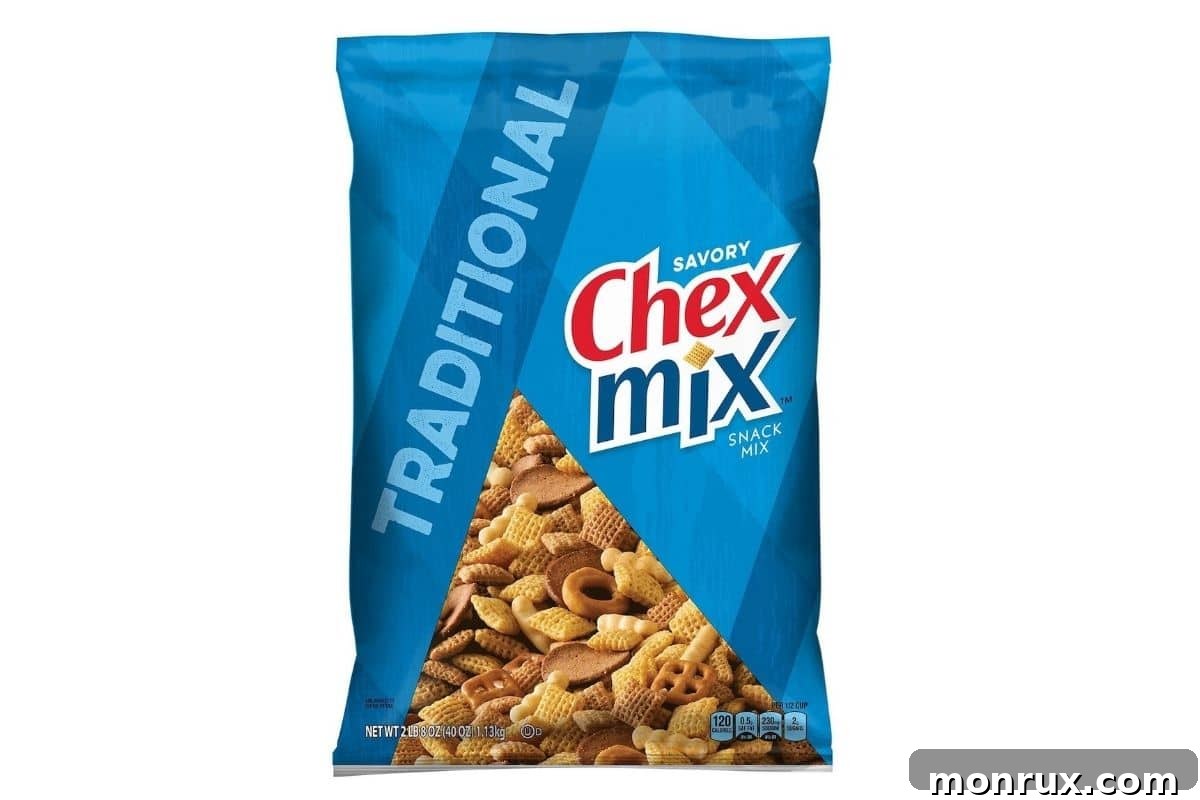
In our modern, fast-paced world, convenience often dictates our food choices, making packaged snacks a common staple in many households. Among these, Chex Mix stands out as a widely recognized and popular snack food. This article aims to provide a comprehensive review of whether Chex Mix truly aligns with a healthy lifestyle, dissecting its nutritional merits and drawbacks, and offering more wholesome alternatives for satisfying your snack cravings. For the vast majority of people, Chex Mix cannot be unequivocally labeled as a healthy food due to its reliance on low-quality, highly processed ingredients and artificial preservatives. Understanding what goes into our food is the first step toward making informed dietary decisions.
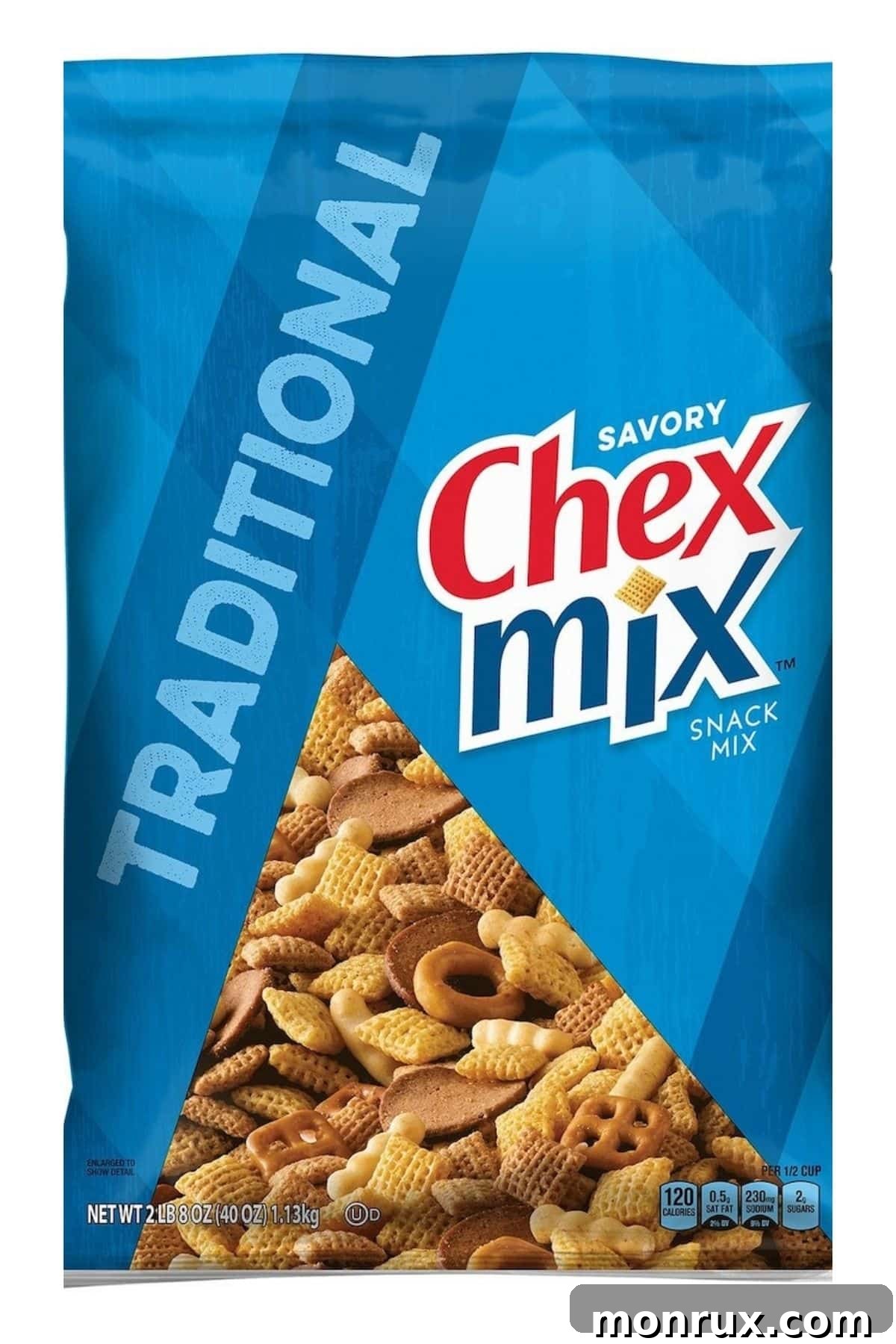
Chex Mix Overview
Chex Mix is a beloved snack that has cemented its place in American culture, instantly recognizable by its unique medley of Chex cereals, crunchy pretzels, savory breadsticks, distinct rye chips, and a signature blend of seasonings. Its appeal lies in this harmonious fusion of salty, savory, and occasionally sweet notes, designed to tantalize a broad spectrum of taste preferences. This iconic snack is a constant presence at parties, family gatherings, and movie nights, offering a convenient and shareable option for communal snacking.
The journey of Chex Mix began in the 1950s under Ralston Purina. Today, it is masterfully produced by General Mills, a global food industry titan that has skillfully maintained and expanded the brand’s immense popularity. General Mills continuously innovates, introducing new flavors and intriguing variations to keep consumers engaged. Beyond the classic mix, you can find Chex Mix-inspired creations like indulgent Treat Bars and the ever-popular Muddy Buddies, all crafted to appeal to a diverse audience ranging from busy families to young adults and anyone seeking a quick, versatile snack solution.
Chex Mix is readily available in a variety of sizes to suit every occasion, from individual 3.75 oz bags to larger 8.75 oz, family-sized 15 oz, and even bulk 40 oz options. For those who prefer portion control or grab-and-go convenience, multi-packs containing 10 or 42 individual servings are also available. A typical serving size, approximately 29 grams, generally provides between 120-130 calories, depending on the specific flavor profile. This serving also contains around 3-4 grams of fat, 20-22 grams of carbohydrates, a modest 1-2 grams of dietary fiber, and 2-3 grams of protein. While these macronutrient figures might seem balanced at first glance, a deeper dive into the ingredients reveals a different story regarding their quality.
The flavor landscape of Chex Mix is diverse and includes perennial favorites such as Traditional, the intensely flavored Bold Party Blend, classic Cheddar, sweet and smoky Honey BBQ, the zesty Max’D Buffalo Ranch, creamy Sour Cream and Onion, the inventive Cheesy Pizza Remix, and the vibrant Zesty Taco Remix. Each variation offers a distinct experience, but the underlying nutritional concerns often remain consistent across the range.
Unveiling the Ingredients: What is Chex Mix Made Of?
To truly understand the health implications of Chex Mix, it’s essential to scrutinize its ingredient list. The primary components that form the foundation of this snack mix include:
- Corn Chex cereal
- Wheat Chex cereal
- Rice Chex cereal
- Pretzels
- Rye chips
- Mini breadsticks
- Vegetable oil (often highly refined soybean or corn oil)
- Salt (typically in significant amounts)
- Monosodium glutamate (MSG)
- Worcestershire sauce powder
- Onion powder
- Garlic powder
- Sugar
- Corn syrup solids
- Yeast extract (a natural source of MSG)
- Barley malt extract
- Spices
- Natural flavor
- BHT (Butylated hydroxytoluene – a preservative)
- Hydrolyzed Soy Protein
A notable concern across many packaged servings of Chex Mix is its relatively high sodium content, which typically ranges from 200-250 milligrams per serving. This makes it a snack that individuals monitoring their salt intake, particularly those with hypertension or at risk of cardiovascular issues, should approach with caution.
Chex Mix Main Ingredients: A Closer Look
Let’s delve deeper into some of the prominent ingredients found in Chex Mix Original and explore their potential impact on your overall health and well-being.
Enriched Whole Wheat Flour
Whole wheat flour is a common base ingredient in many snack foods, including Chex Mix. While the term “whole wheat” might suggest health benefits, it’s crucial to understand the implications of “enriched” flour. Enrichment is a process where certain vitamins and minerals lost during the refining of grain (like iron and B vitamins: niacin, thiamine, riboflavin, and folic acid) are added back. However, this process does not restore all the nutrients, particularly the beneficial fiber, antioxidants, and phytochemicals found in the whole grain’s bran and germ.
For individuals with gluten sensitivity or celiac disease, the presence of whole wheat flour poses significant health challenges. Gluten, a protein complex found in wheat, barley, and rye, can trigger adverse reactions in these individuals. Symptoms can range from uncomfortable digestive distress like bloating, gas, and diarrhea to more severe health consequences such as nutrient malabsorption, chronic inflammation, and even intestinal damage. Even for those without diagnosed celiac disease, non-celiac gluten sensitivity can cause a host of issues, including fatigue, headaches, and joint pain.
Consequently, while whole wheat flour can offer some nutritional value for those who tolerate gluten well, its “enriched” form is a step down from truly whole, unprocessed grains, and it is entirely unsuitable for anyone needing to adhere to a gluten-free diet. Making an informed choice means recognizing the difference between genuinely whole grains and their processed, enriched counterparts.
Degermed Yellow Corn Meal
Degermed yellow corn meal is another ubiquitous ingredient in the snack food industry, including Chex Mix. Regular yellow corn meal, in its whole form, is a decent source of complex carbohydrates, providing sustained energy and delivering essential nutrients such as iron, folate, and various B vitamins. However, the term “degermed” indicates a significant processing step: the removal of the germ and bran from the corn kernel. These are precisely the most nutrient-dense parts of the corn, rich in fiber, healthy fats, vitamins, and minerals.
The result of degerming is a processed product with a substantially reduced nutritional profile, particularly lower in dietary fiber, which is crucial for digestive health, blood sugar regulation, and satiety. This nutrient loss makes degermed corn meal a less beneficial ingredient for overall health compared to whole corn. Moreover, corn is a known allergen for some individuals, and those with sensitivities should exercise caution. Furthermore, it’s important to note that over 90% of the corn cultivated in the United States is genetically modified (GMO). While regulatory bodies consider GMOs safe, some consumers prefer to avoid them due to concerns about long-term health effects, environmental impact, and pesticide use associated with their cultivation.
Dextrose: The Hidden Sugar
Dextrose, a simple sugar derived from corn, is a common additive in many processed foods, including Chex Mix. While it serves as a quick energy source, its excessive consumption can lead to significant health challenges. Dextrose is rapidly absorbed into the bloodstream, triggering rapid spikes in blood glucose levels. This, in turn, prompts the pancreas to release a surge of insulin to bring blood sugar back to normal. Over time, this constant demand on the pancreas can contribute to insulin resistance, a precursor to metabolic syndrome and the development of type 2 diabetes.
Beyond chronic disease risk, these abrupt fluctuations in blood sugar can manifest in immediate, noticeable effects. Individuals might experience sudden energy crashes, often referred to as “sugar crashes,” shortly after consuming dextrose-rich foods. This dip in energy can then lead to increased cravings for more sugar and carbohydrates, creating a vicious cycle that potentially leads to overeating and unwanted weight gain. Furthermore, the constant exposure of teeth to simple sugars like dextrose significantly increases the risk of dental cavities and tooth decay, underscoring its detrimental impact on oral health as well.
BHT: A Controversial Preservative
Butylated hydroxytoluene (BHT) is an antioxidant commonly employed as a preservative in Chex Mix and a vast array of other processed foods to prevent spoilage and extend shelf life. Despite its widespread use, BHT has been the subject of considerable health concern due to a growing body of evidence suggesting potential adverse effects on human health. Scientific studies indicate that BHT may act as an endocrine disruptor, interfering with the body’s natural hormone function. This disruption has been linked to developmental and reproductive toxicity in animal studies, raising questions about its safety for human consumption.
Moreover, some individuals report experiencing allergic reactions to BHT, with symptoms ranging from mild skin irritations and hives to more severe systemic responses. These sensitivities further complicate the narrative around BHT’s safety. While regulatory bodies like the FDA classify BHT as “generally recognized as safe” (GRAS), concerns persist among health professionals and consumers. Many health-conscious individuals opt to avoid this additive whenever possible, choosing instead foods that are free from artificial preservatives, aligning with a precautionary principle when potential risks are identified.
Hydrolyzed Soy Protein and MSG
Hydrolyzed soy protein is a flavor enhancer derived from soybeans through a chemical process involving hydrolysis. This process breaks down soy proteins into their constituent amino acids, one of which is glutamic acid. When unbound, glutamic acid is chemically identical to the glutamate found in monosodium glutamate (MSG). Consequently, hydrolyzed soy protein often contains naturally occurring MSG, which can trigger adverse reactions in sensitive individuals. These reactions, sometimes referred to as “MSG symptom complex,” can include headaches, nausea, heart palpitations, sweating, and flushing.
Beyond the MSG component, hydrolyzed soy protein also poses a risk for individuals with soy allergies. Soy is one of the most common food allergens, and even trace amounts of hydrolyzed soy protein can provoke a range of allergic reactions, from mild symptoms like hives, itching, and digestive upset to severe, potentially life-threatening anaphylaxis. For those with soy sensitivities or allergies, avoiding products containing hydrolyzed soy protein is critical for their safety and well-being. Furthermore, the prevalence of genetically modified (GMO) soy raises additional concerns for consumers who prefer non-GMO products.
Unhealthy Vegetable Oils
Chex Mix, like many other processed snacks, typically contains “vegetable oil,” which often refers to highly refined oils such as soybean oil, corn oil, or canola oil. These oils are usually extracted using chemical solvents and subjected to high-heat processing, which can degrade their quality and create trans fats. While some trans fats are naturally occurring, industrial trans fats are known to significantly increase LDL (“bad”) cholesterol and decrease HDL (“good”) cholesterol, raising the risk of heart disease.
Furthermore, these common vegetable oils are rich in omega-6 fatty acids. While omega-6s are essential, a healthy diet requires a balance between omega-6 and omega-3 fatty acids. The typical Western diet, heavily reliant on processed foods, is skewed towards an excessive intake of omega-6s and insufficient omega-3s. This imbalance can promote chronic inflammation in the body, which is a root cause of many modern diseases, including heart disease, autoimmune disorders, and certain cancers. Opting for snacks made with healthier fats, such as olive oil or avocado oil, is a far superior choice for cardiovascular and overall health.
Excessive Sodium Content
As highlighted earlier, Chex Mix is notoriously high in sodium. A single serving can contribute a significant portion of the recommended daily sodium intake, which for most adults is around 2,300 mg (and even lower for individuals with certain health conditions). Consistent overconsumption of sodium is a well-established risk factor for hypertension, also known as high blood pressure. High blood pressure forces the heart to work harder, leading to increased strain on arteries and a heightened risk of heart attack, stroke, and kidney disease.
Beyond these severe long-term consequences, high sodium intake can also lead to immediate discomforts such as water retention, bloating, and thirst. For those striving to maintain optimal cardiovascular health, being mindful of sodium content in packaged snacks like Chex Mix is paramount. Choosing lower-sodium alternatives or opting for whole foods that are naturally low in sodium is a crucial step towards better health management.
The Pros of Chex Mix (From a Convenience Standpoint)
From a purely logistical standpoint, Chex Mix offers undeniable advantages that contribute to its popularity. Its primary “pros” are:
- Convenience: It’s a ready-to-eat snack that requires no preparation, making it ideal for busy schedules, travel, or quick hunger pangs.
- Taste and Variety: The unique blend of textures and flavors is highly appealing to many palates, and the wide array of flavor variations ensures there’s usually an option to suit different tastes.
- Accessibility: Chex Mix is widely available in most grocery stores and convenience stores, making it an easy-to-find option.
- Relatively Low Sugar (compared to some other snacks): Compared to extremely sugary treats like candies or cakes, Chex Mix’s original savory varieties have a comparatively lower sugar content, though still contain added sugars.
However, it’s crucial to distinguish these practical benefits from actual nutritional advantages. While convenient and tasty, these qualities do not automatically equate to healthfulness.
The Cons: Why Chex Mix Falls Short Nutritionally
While Chex Mix is undoubtedly convenient and offers a satisfying crunch, it largely fails to deliver significant nutritional value, making it an unsatisfactory choice for most health-conscious individuals. It is fundamentally a highly processed product, laden with several nutritional drawbacks that should deter those striving for a clean eating lifestyle. Here’s a summary of its key nutritional cons:
- Refined Grains: The primary components are often derived from enriched, degermed, and refined flours and cereals, stripped of most of their beneficial fiber, vitamins, and minerals. This leads to a high glycemic load, potentially causing blood sugar spikes and subsequent energy crashes.
- High Sodium Content: As discussed, the substantial amount of sodium per serving contributes to an increased risk of high blood pressure and other cardiovascular issues.
- Added Sugars: Despite being a savory snack, Chex Mix contains added sugars like dextrose and corn syrup solids, which contribute to empty calories and can negatively impact blood sugar regulation and contribute to weight gain.
- Artificial Preservatives: The inclusion of additives like BHT raises concerns about hormone disruption and potential allergic reactions, making it an undesirable ingredient for those avoiding synthetic chemicals in their diet.
- Unhealthy Fats: The use of highly processed vegetable oils, rich in omega-6 fatty acids, can contribute to systemic inflammation when consumed regularly and disproportionately to omega-3s.
- MSG and Flavor Enhancers: Ingredients like MSG and hydrolyzed soy protein, while enhancing taste, can cause adverse reactions in sensitive individuals and represent unnecessary chemical additives.
- Low Nutritional Density: Despite its calorie count, Chex Mix offers very little in terms of essential vitamins, minerals, and dietary fiber, making it an “empty calorie” snack that provides temporary satiety without genuine nourishment.
In essence, while it might curb immediate hunger, Chex Mix does not support long-term health goals and can contribute to a diet lacking essential nutrients and burdened with potentially harmful additives.
Healthier Alternatives to Chex Mix
For those looking to enjoy a satisfying snack without compromising their health, there are numerous delicious and nutritious alternatives to Chex Mix. These options prioritize whole ingredients, healthy fats, and balanced macronutrients.
Consider making your own homemade snack mixes, where you have full control over the ingredients. Combine nuts, seeds, dried fruit (without added sugar), whole-grain pretzels, or air-popped popcorn for a truly customizable and nutritious option. Fresh fruits and vegetables with a healthy dip, Greek yogurt with berries, or a handful of almonds are also excellent choices that provide essential vitamins, minerals, and fiber.
Conclusion: Making Informed Snack Choices
In conclusion, while Chex Mix offers convenience and a familiar taste, a closer examination of its ingredient list reveals that it is far from a health-promoting snack. It is characterized by highly processed ingredients, including refined grains that lack essential fiber, significant levels of added sugars like dextrose, excessive sodium content, and potentially harmful preservatives such as BHT. These components are associated with various health risks, ranging from blood sugar dysregulation and inflammation to increased risk of cardiovascular issues and hormonal disruption.
While Chex Mix might temporarily satisfy a craving for something salty and crunchy, its nutritional profile falls considerably short of providing substantial health benefits. For those committed to a healthier lifestyle, the best approach is to limit or avoid such processed snacks. A much superior alternative lies in making your own homemade snack mixes or choosing whole, unprocessed foods. Crafting your own Chex Mix, for example, allows for complete control over the quality of ingredients, enabling you to select whole grains, healthier fats, natural seasonings, and eliminate the need for unwanted additives and preservatives. This mindful approach not only ensures a healthier snack but also empowers you to make dietary choices that truly support your long-term well-being.
Explore More Snack Reviews
Curious about other popular snack foods and their health implications? Dive into our detailed reviews to make smarter choices for your diet.
Don’t forget to join my newsletter list to get exclusive clean eating recipes and tips. The newsletter is 100% free with no spam; unsubscribe anytime.
About the Author: Carrie Forrest has a master’s degree in public health with a specialty in nutrition and is a certified holistic nutritionist. She is a top wellness and food blogger with over 5 million annual visitors to her site. Carrie has an incredible story of recovery from chronic illness and is passionate about helping other women transform their health. Send her a message through her contact form.
Note: This post is for informational purposes only and is not intended as medical advice. Please consult your healthcare provider for recommendations related to your individual situation.