
8 Natural Ways to Lower Histamine for Effective Symptom Relief
If you frequently experience symptoms associated with elevated histamine levels, such as persistent hives, debilitating headaches, or a constant runny nose, you’re likely seeking effective solutions. This comprehensive guide explores eight natural, evidence-based methods to help you manage and lower histamine in your body. From strategic dietary choices and targeted supplements to practical lifestyle adjustments, discover actionable steps to significantly reduce histamine and find lasting relief from discomfort.

What is Histamine?
The term histamine often conjures images of allergy medications, yet this powerful chemical is a naturally occurring compound vital to several bodily functions. Produced primarily by mast cells and basophils within your immune system, histamine acts as a neurotransmitter and plays a critical role in local immune responses, regulating physiological functions in the gut, and even influencing sleep-wake cycles. It’s your body’s alarm system, signaling when it detects a potential threat, such as an allergen or pathogen.
Histamine release is a normal and necessary process. For instance, when you encounter an allergen like pollen or dust, mast cells release histamine, triggering a cascade of events designed to expel the perceived invader. This can lead to symptoms like sneezing, itching, or swelling, which are part of your immune system’s defense mechanism. Researchers have also identified white blood cells in the lungs as another source of histamine release.
However, histamine becomes problematic when it accumulates in excess or when the body struggles to break it down efficiently. This imbalance can lead to a state of chronic elevation, manifesting in a wide array of persistent and often debilitating symptoms. These can include, but are not limited to:
- Skin reactions: Itchy, puffy, red skin, hives, rashes, eczema, or flushing.
- Respiratory issues: Runny or swollen nasal passages, persistent sneezing, chronic coughing, asthma-like symptoms, or shortness of breath.
- Neurological symptoms: Headaches, migraines, dizziness, brain fog, anxiety, or difficulty concentrating.
- Digestive complaints: Abdominal pain, bloating, diarrhea, constipation, or nausea.
- Other systemic effects: Fatigue, heart palpitations, irregular menstrual cycles, facial swelling, or trouble sleeping.
A specific condition known as histamine intolerance occurs when the body lacks sufficient amounts or activity of the enzyme diamine oxidase (DAO), which is primarily responsible for breaking down ingested histamine in the digestive tract. When DAO levels are inadequate, histamine from food and internal production can build up, leading to a host of seemingly unrelated symptoms that are often difficult to diagnose. Fortunately, many natural strategies can help manage and reduce histamine levels, allowing for significant symptom improvement. You might also find valuable insights in our articles on the best natural antihistamine foods and the best supplements for dry eyes.
Natural Strategies to Alleviate Histamine Symptoms
1. Embrace a Low-Histamine Diet
One of the most impactful strategies for managing histamine intolerance is through dietary intervention. The accumulation of histamine often stems from the overconsumption of histamine-rich foods. It’s crucial to understand that you don’t necessarily have an allergy to these foods; rather, their inherent histamine content or their ability to trigger your body’s own histamine release (histamine liberators) can exacerbate symptoms.
Implementing a low-histamine diet involves meticulously eliminating foods known to be high in histamine or histamine liberators, thereby calming systemic inflammation and allowing your body to process existing histamine more effectively. Focus on incorporating fresh, unprocessed ingredients such as:
- Freshly prepared meats and poultry: Opt for organic, pasture-raised options when possible.
- Freshly caught fish: Consume immediately or freeze rapidly to prevent histamine formation.
- Most fresh fruits: Berries (blueberries, blackberries), apples, pears, mangoes, grapes, melons. Avoid high-histamine fruits like citrus, strawberries, bananas, and avocados initially.
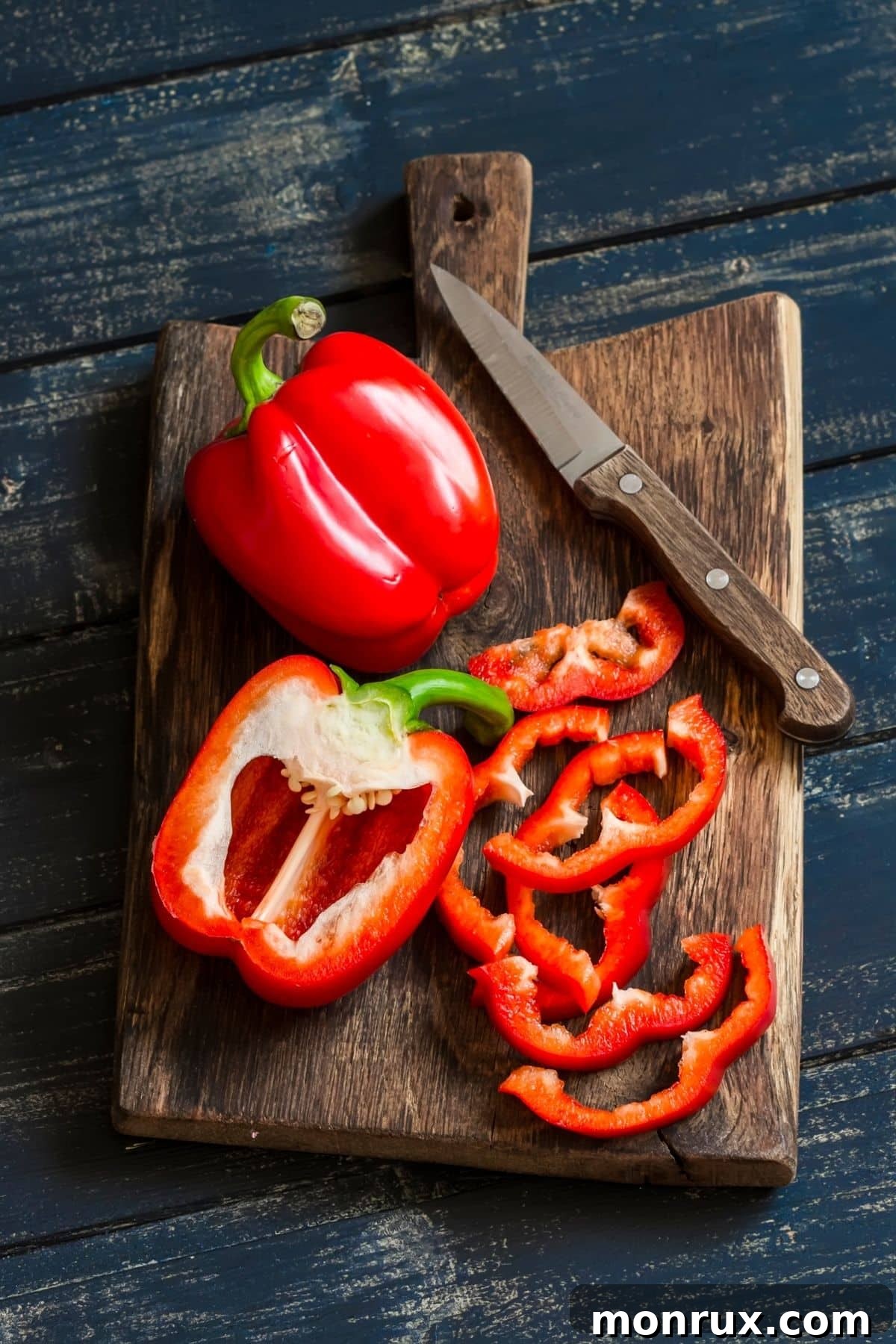
- Most fresh vegetables: Leafy greens (kale, bok choy, watercress), broccoli, cauliflower, carrots, bell peppers, zucchini, cucumber. Avoid high-histamine vegetables like spinach and tomatoes.
- Gluten-free grains: Rice, quinoa, millet.
- Healthy fats: Olive oil, coconut oil, fresh ghee (if tolerated).
The goal is to reduce the histamine load on your system. Remember that histamine levels in foods increase with age, fermentation, and certain processing methods. Therefore, freshness is paramount. For a comprehensive guide to suitable ingredients, consult our clean eating food list.
Additionally, consider gradually reducing your coffee intake, as caffeine has been observed to potentially increase histamine release in some individuals. Inflammatory foods, especially those high in added sugars, can also worsen symptoms by contributing to gut dysbiosis and systemic inflammation, making histamine issues more pronounced.
As you embark on this dietary journey, explore delicious and safe options with our curated list of low-histamine snack recipes to ensure you stay nourished and satisfied.
2. Optimize Your Indoor Environment with Air Purification
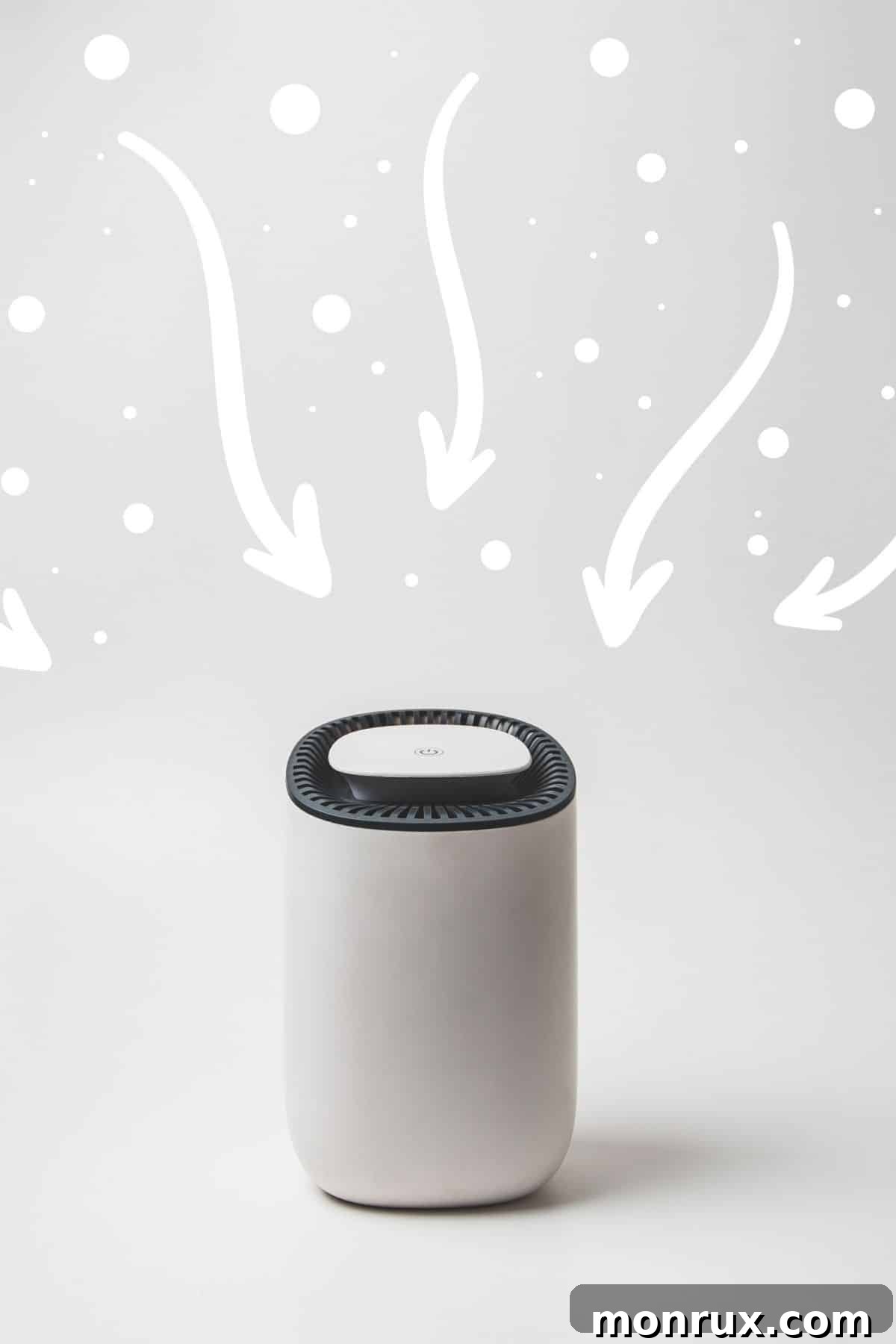
Your home environment can be a significant source of histamine-triggering allergens. Dust mites, pet dander, mold spores, and pollen infiltration can constantly assault your respiratory system, leading to chronic histamine release. Utilizing an air purifier is an effective strategy to significantly decrease your exposure to these irritating airborne particles.
High-quality air purifiers work by drawing in ambient air and passing it through a series of filters, trapping microscopic allergens before recirculating cleaner air back into the room. Investing in a high-quality air purifier equipped with a True HEPA (High-Efficiency Particulate Air) filter is crucial. HEPA filters are designed to capture at least 99.97% of airborne particles 0.3 micrometers in size, including the most common histamine-provoking allergens like pollen, pet dander, dust, and mold spores. By continuously removing these irritants, an air purifier can create a safer indoor sanctuary that is less likely to trigger a histamine reaction, promoting clearer breathing and overall comfort.
3. Minimize Pollen Exposure & Maintain Personal Hygiene
Pollen stands as one of the most prevalent and potent triggers for histamine release, particularly for individuals susceptible to seasonal allergies or hay fever. When sensitive individuals inhale pollen, the body perceives it as a threat, prompting an immediate histamine release to initiate its defensive response. Depending on your geographical location and local flora, pollen-induced irritation can occur throughout much of the year, not just in specific seasons.
To effectively mitigate pollen exposure:
- Monitor local pollen forecasts: Regularly check your weather application or local allergy reports for high pollen counts. On such days, prioritize staying indoors, especially during peak pollen hours (typically mid-morning to late afternoon).
- Keep windows and doors closed: Prevent pollen from entering your home by keeping them shut, particularly in your bedroom.
- Utilize car air conditioning: Drive with windows up and use your car’s air conditioning on recirculate mode to filter out outside air.
- Change clothes after being outdoors: Pollen can cling to your clothing, so changing into fresh indoor clothes immediately upon returning home can help prevent its spread.
- Wash your hair before bed: This is a simple yet highly effective habit. Pollen and dust can accumulate in your hair throughout the day. Washing your hair before sleeping ensures these allergens are not transferred to your pillowcase, where they could irritate you for several consecutive nights.
These seemingly small, consistent changes can collectively make a significant difference in reducing your overall allergen load and alleviating histamine-related symptoms over the long term, contributing to improved comfort and better sleep quality.

4. Eat Foods Rich in Vitamin C
Vitamin C, also known as ascorbic acid, is more than just an immune booster; it’s a potent natural antihistamine. This essential vitamin functions by decreasing histamine levels and stabilizing mast cells, which are responsible for releasing histamine in allergic reactions. It also plays a role in the detoxification processes that help break down histamine in the body.
To harness the histamine-lowering benefits of Vitamin C, prioritize consuming plenty of non-citrus foods, as many citrus fruits can be histamine liberators or high in histamine. Excellent sources of Vitamin C that are also low in histamine include:
- Bell peppers: Especially red and yellow varieties, which are packed with Vitamin C.
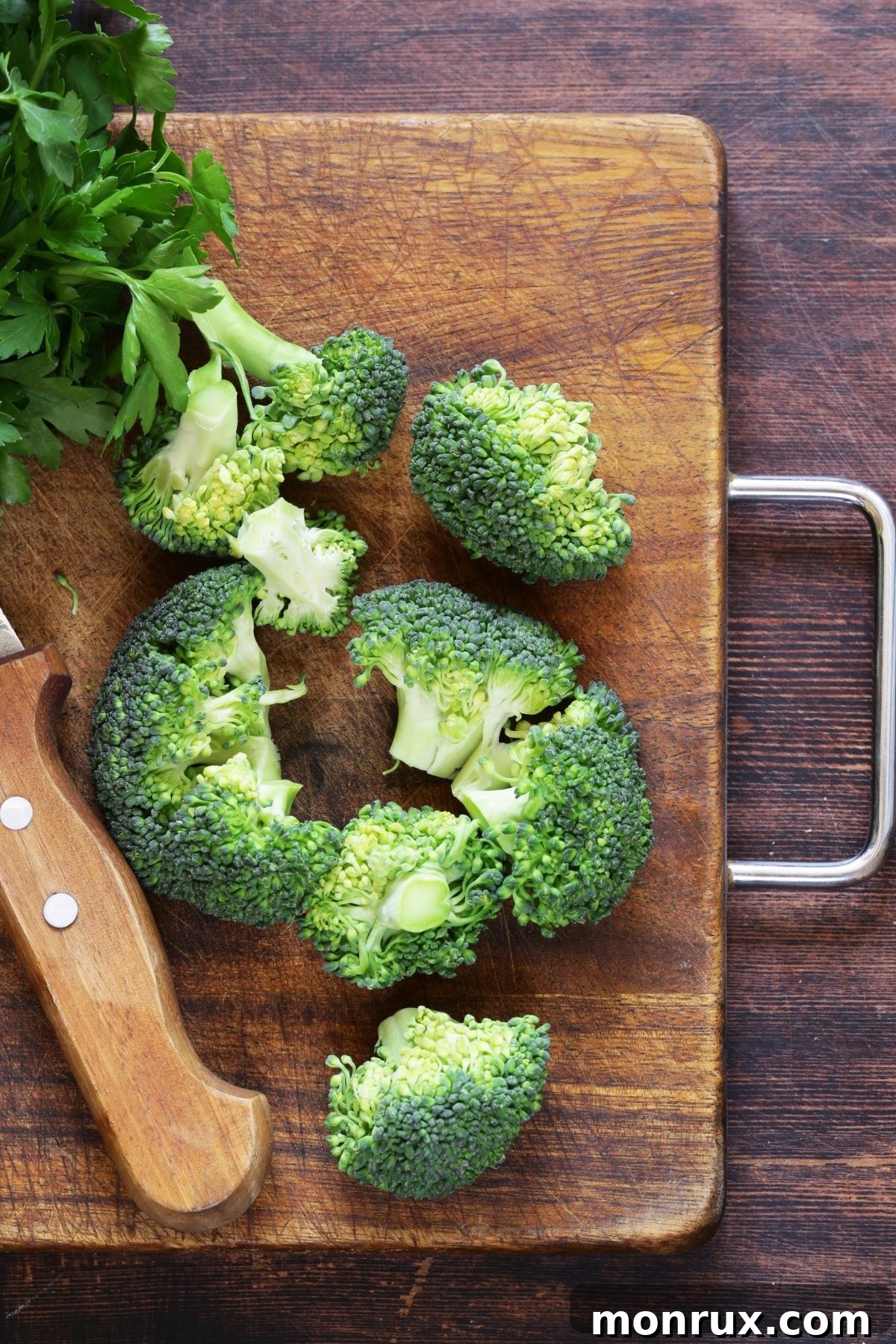
- Broccoli and cauliflower: These cruciferous vegetables offer significant amounts of Vitamin C and other beneficial compounds.
- Leafy greens: Kale, bok choy, watercress, and arugula are great additions.
- Brussels sprouts: Another excellent cruciferous option.
- Cabbage: A versatile vegetable that is also low in histamine.
- Berries: Blueberries, blackberries, raspberries (in moderation) are rich in antioxidants and Vitamin C.
- Mango: A delicious and Vitamin C-rich tropical fruit.
- Sweet potatoes: Provide Vitamin C along with other essential nutrients.
- Parsley: Often overlooked, parsley is a surprisingly good source of Vitamin C.
While a balanced diet should be your primary source, a Vitamin C supplement can be considered, especially during peak allergy season or when dietary intake is insufficient. Always opt for buffered or ester forms of Vitamin C if you have sensitive digestion. For more dietary guidance, refer to our comprehensive article on the best natural antihistamine foods.
5. Nurture Your Gut Health with Probiotics
The health of your gut microbiome is inextricably linked to your immune system and, consequently, your histamine levels. A compromised gut environment, characterized by an imbalance of beneficial bacteria (dysbiosis) or a damaged intestinal lining (often referred to as leaky gut), can significantly contribute to heightened allergic reactions and persistently elevated histamine. It’s estimated that approximately eighty percent of your immune system resides in your gut, making gut health a cornerstone of overall immunity and histamine regulation.
Crucially, the enzyme diamine oxidase (DAO), which is vital for breaking down histamine consumed in food, is predominantly produced in the intestinal lining. When the gut is unhealthy, its capacity to produce sufficient DAO can be severely impaired, leading to a build-up of histamine. Chronic allergic reactions and elevated histamine levels, in turn, can further damage the intestinal lining, creating a vicious cycle.
Incorporating a high-quality, histamine-friendly probiotic supplement or regularly consuming probiotic-rich foods can profoundly benefit your gut health. Probiotics introduce beneficial bacteria that help restore microbial balance, strengthen the gut lining, and support the production of DAO. This, in turn, empowers your body to better manage excess histamine and reduce its overall inflammatory response. When selecting probiotics, it’s important to choose strains that are known to be histamine-degrading rather than histamine-producing, as some strains can actually worsen symptoms. Consult with a healthcare professional for personalized recommendations.
For individuals focusing on digestive recovery, our articles on the Best Gut Healing Foods and the Leaky Gut Diet offer further guidance and practical strategies.
6. Strategically Avoid High-Histamine Foods
Beyond simply incorporating low-histamine options, actively avoiding foods that are naturally high in histamine or act as histamine liberators is a cornerstone of managing histamine intolerance. The most effective way to identify your specific triggers is by undertaking an elimination diet. This involves removing all suspected high-histamine foods from your diet for a period of at least thirty days. During this phase, meticulously monitor your symptoms for improvement. Following the elimination period, slowly reintroduce foods one by one, observing any return of symptoms to pinpoint your individual sensitivities.
A comprehensive list of high-histamine foods and histamine liberators that should generally be avoided includes:
- Aged and Fermented Foods: This category is notoriously high in histamine. Examples include aged cheeses (cheddar, parmesan, gouda), fermented dairy (yogurt, kefir, buttermilk – unless specifically low-histamine cultured), sauerkraut, kimchi, kombucha, vinegar (and foods containing it like pickles), soy sauce, and miso.
- Aged, Smoked, or Cured Meats: Processed meats such as salami, pepperoni, sausages, bacon, ham, and smoked fish contain significantly higher histamine levels than their fresh counterparts.
- Alcohol: All types of alcohol, especially red wine, beer, champagne, and spirits, can elevate histamine levels, either by containing histamine or inhibiting DAO activity.
- Certain Fish: Tuna, mackerel, sardines, herring, anchovies, and mahi-mahi are particularly high in histamine, especially if not consumed extremely fresh or if they have not been properly stored and handled.
- Specific Fruits: Citrus fruits (oranges, lemons, limes), strawberries, bananas, avocados, and tomatoes are known histamine liberators or contain higher levels of histamine.
- Certain Vegetables: Spinach, eggplant, and olives.
- Legumes: Lentils, chickpeas, and beans can be problematic for some individuals.
- Cocoa and Chocolate: These are common histamine liberators.
- Nuts: Walnuts and cashews are often cited as higher in histamine.
- Food Additives: Artificial colors, preservatives, and flavor enhancers can sometimes trigger histamine release.
The overarching principle is to prioritize freshness. Histamine levels in food naturally increase over time, during ripening, and especially during bacterial fermentation. Therefore, preparing meals with fresh ingredients daily and consuming them promptly is ideal when managing histamine issues. For culinary inspiration that aligns with clean eating principles, explore our list of the best clean eating websites.
7. Explore Natural Antihistamine Supplements
When dietary and lifestyle changes alone aren’t sufficient, natural antihistamine supplements can offer targeted relief and support. These compounds work through various mechanisms, including stabilizing mast cells, inhibiting histamine release, enhancing DAO activity, or providing anti-inflammatory benefits. Consider incorporating herbal medicines or supplements known for their histamine-blocking properties:
- Quercetin: A potent bioflavonoid found in many fruits and vegetables, quercetin acts as a mast cell stabilizer, preventing the release of histamine. It also boasts significant anti-inflammatory and antioxidant properties, making it a powerful ally against allergic reactions.
- Stinging Nettle Leaf: Historically used for allergy relief, stinging nettle leaf can help reduce the amount of histamine the body produces and releases, thereby mitigating symptoms like sneezing and itching.
- Vitamin D: Beyond its role in bone health, Vitamin D acts as an immunomodulator. Adequate levels are crucial for a balanced immune response, and deficiency has been linked to increased allergic reactions and inflammation.
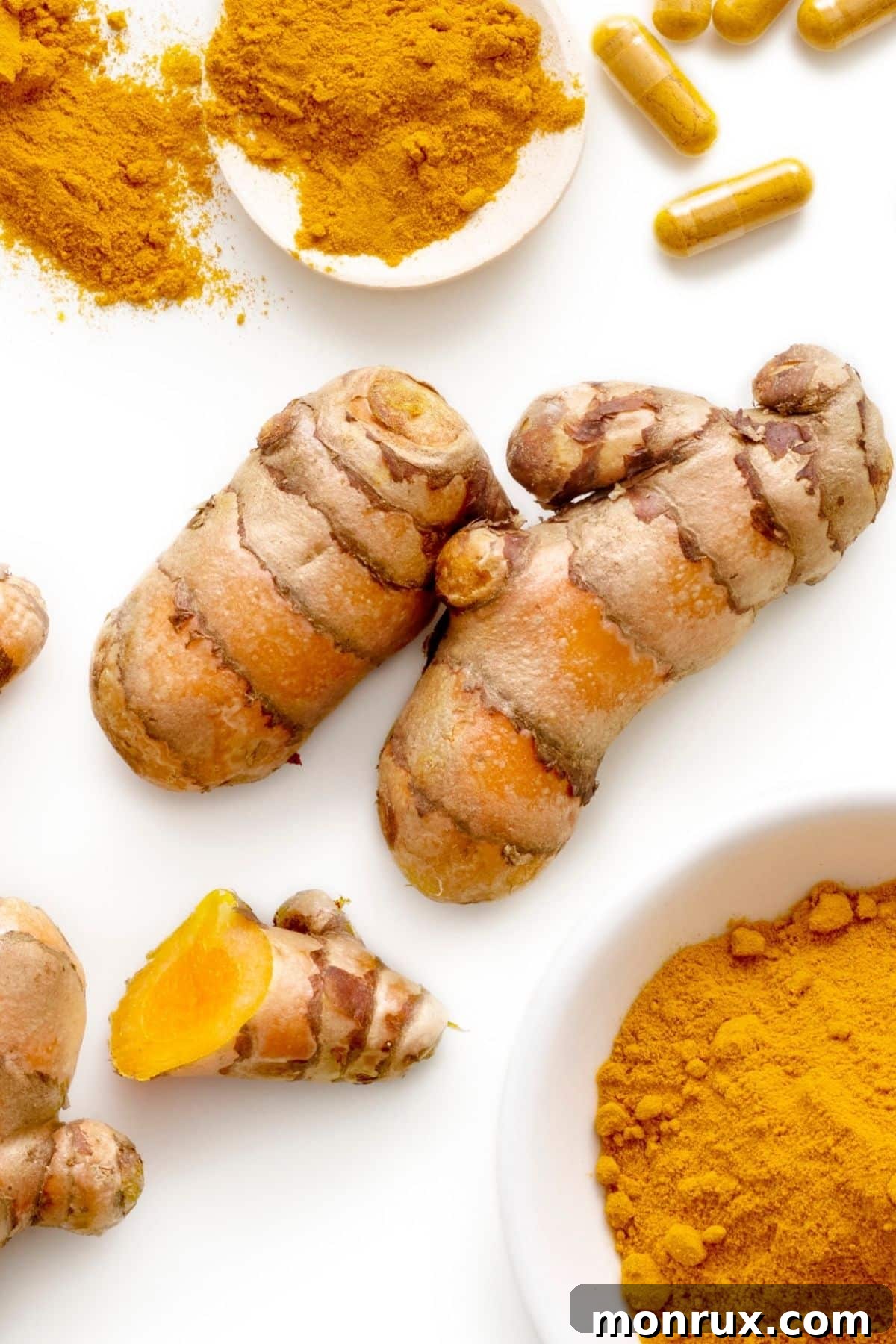
- Turmeric (Curcumin): The active compound in turmeric, curcumin, is renowned for its powerful anti-inflammatory and antioxidant effects. It can help modulate immune responses and may indirectly assist in reducing the inflammatory cascade associated with histamine release.
- Vitamin C: As discussed earlier, Vitamin C is a direct natural antihistamine and a mast cell stabilizer.
- DAO (Diamine Oxidase) Supplements: For individuals with confirmed or suspected DAO deficiency, supplementing with exogenous DAO can be incredibly beneficial. These DAO supplements provide the enzyme your body lacks, helping to break down ingested histamine before it can enter the bloodstream and trigger symptoms. They are typically taken just before meals that may contain histamine.
Before beginning any new supplement regimen, it is always advisable to consult with a healthcare professional or a registered dietitian to ensure it is appropriate for your specific health needs and to discuss proper dosage. For more information on food-based solutions, revisit our guide on the best natural antihistamine foods.
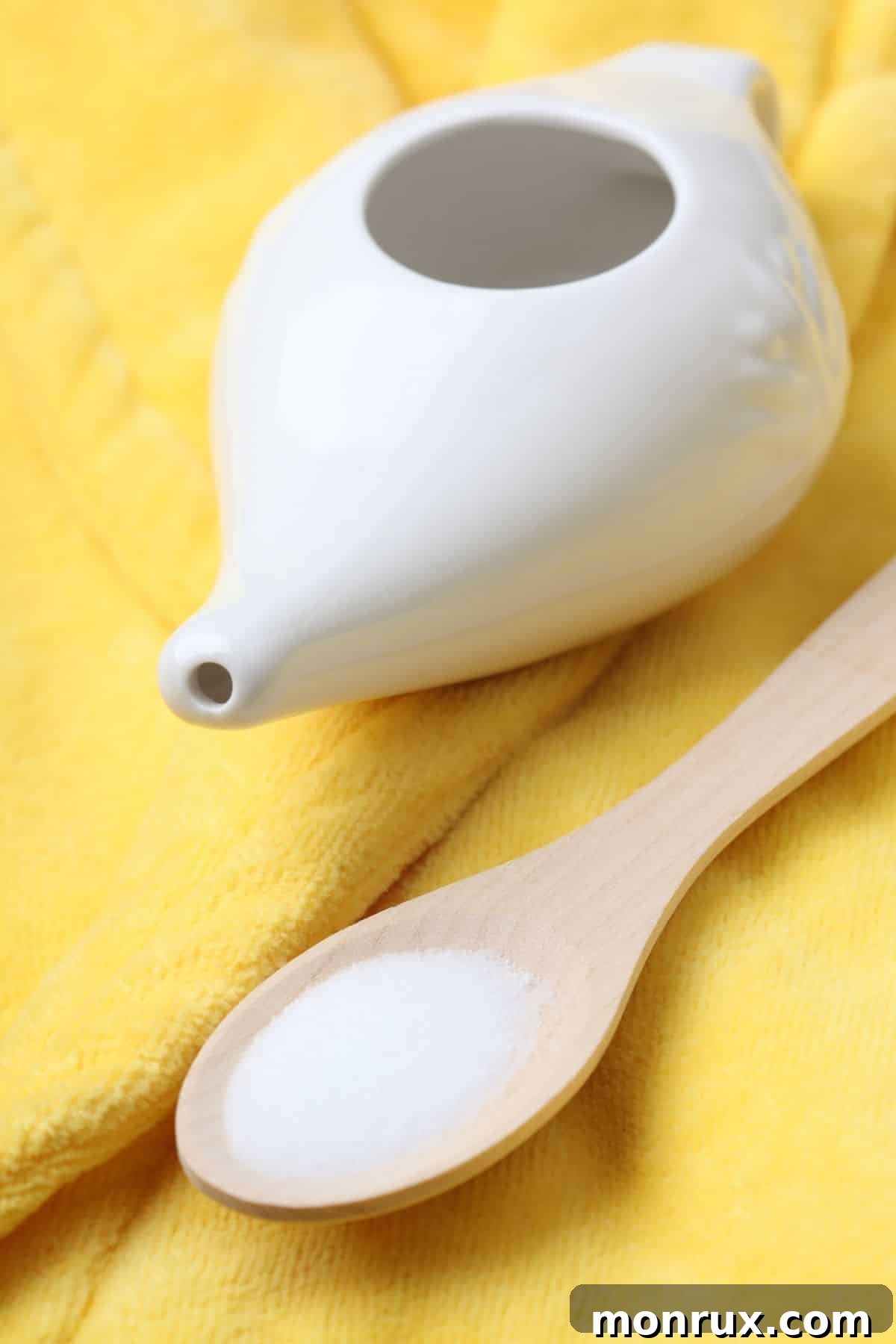
8. Integrate Nasal Rinsing with a Neti Pot
For individuals struggling with nasal congestion, runny nose, or post-nasal drip stemming from histamine reactions, a neti pot offers a simple yet remarkably effective natural remedy. Neti pots facilitate nasal irrigation, an ancient Ayurvedic practice that gently flushes the nasal passages with a saline solution. This process physically removes irritating debris, such as pollen, dust, environmental pollutants, and excess mucus, which can all trigger or exacerbate histamine release.
By regularly clearing out these irritants, a neti pot can help reduce inflammation in the nasal passages, alleviate congestion, and diminish the severity of nasal swelling. This allows for easier breathing and a significant reduction in discomfort. It’s crucial to use sterile, distilled, or previously boiled and cooled water for nasal rinsing to prevent potential infections. Regular use, particularly during allergy seasons or after exposure to known triggers, can provide substantial relief and improve overall sinus health, complementing other histamine-lowering strategies.
FAQs About Histamine Intolerance
Clearing histamine from the body primarily involves two key approaches: reducing histamine intake/production and enhancing its breakdown. Since histamine build-up can occur due to deficient DAO (diamine oxidase) levels—the enzyme responsible for breaking down ingested histamine—supporting your DAO levels is crucial. This can be achieved by ensuring your diet is rich in DAO co-factors like Vitamin C, Vitamin B6, copper, and zinc. You can also consider taking a DAO supplement, particularly before consuming foods that may contain histamine. Simultaneously, avoid DAO-blocking substances such as caffeinated beverages and alcohol. Beyond direct enzyme support, following a low-histamine diet, minimizing exposure to environmental allergens, and focusing on gut healing are fundamental steps to address the root cause of histamine accumulation and promote its clearance.
Unlike IgE-mediated allergies, there isn’t a single, universally accepted diagnostic test for histamine intolerance. Standard skin prick tests only identify immediate histamine reactions to specific allergens, not a chronic inability to break down histamine. The most reliable method to test for histamine intolerance is through a structured elimination diet. This involves strictly following a low-histamine diet for at least thirty days, during which you meticulously track any changes in your symptoms. If your symptoms significantly reduce or disappear during this period, you then slowly reintroduce high-histamine foods one by one, monitoring for the reappearance of symptoms. A clear correlation between reintroducing high-histamine foods and the return of symptoms strongly suggests histamine intolerance. Some practitioners may also use blood tests to measure DAO enzyme activity or histamine levels, but these are often used in conjunction with clinical symptoms and dietary trials.
The timeframe for lowering histamine levels and experiencing symptom relief can vary based on the individual’s histamine load, the severity of their intolerance, and the consistency of their histamine-reducing efforts. However, if you diligently follow a low-histamine diet, support your DAO levels, avoid environmental allergens, and implement other strategies, you may begin to notice a significant reduction in your histamine levels and symptoms relatively quickly. Many individuals report noticeable improvements within a short period, sometimes even less than 24 to 48 hours, especially with strict dietary adherence. For chronic issues, sustained effort over several weeks or months may be necessary to fully rebalance the system. Conversely, continued ingestion of high-histamine foods or exposure to environmental allergens will keep histamine levels elevated, prolonging or worsening symptoms.
Yes, hormones, particularly estrogen, can significantly influence histamine levels. Mast cells, which store and produce histamines, possess estrogen receptor sites. This means that estrogen can directly stimulate mast cells to produce and release histamine. Furthermore, estrogen has been shown to decrease DAO enzyme levels, which further impairs the body’s ability to break down histamine. Consequently, elevated estrogen levels can indeed lead to higher histamine levels. Progesterone, on the other hand, typically has a histamine-lowering effect. Therefore, an imbalance known as estrogen dominance (where estrogen levels are high relative to progesterone) can result in increased histamine. Understanding this connection is vital for women experiencing histamine symptoms that fluctuate with their menstrual cycle, pregnancy, or menopause. You can learn more about how to naturally reverse estrogen dominance to help manage these hormonal influences.
While collagen protein is widely recognized for its health benefits, there are anecdotal reports and some emerging discussions suggesting that it may increase histamine levels in certain sensitive individuals. The exact mechanism is not fully understood, but it is hypothesized that the amino acid profile in collagen (particularly high levels of proline and hydroxyproline) might influence histamine pathways or that impurities in some collagen products could be a factor. If you are experiencing histamine issues and regularly consume collagen, it might be beneficial to temporarily discontinue its use and observe if your symptoms improve. Learn more about collagen protein side effects and consider avoiding it if you suspect it’s contributing to your histamine challenges.
More Holistic Health Articles You Might Like
Conclusions
Living with elevated histamine levels can significantly diminish your quality of life, presenting a range of uncomfortable and often confusing symptoms. However, adopting a holistic approach that integrates dietary modifications, strategic supplementation, and mindful lifestyle practices offers a powerful pathway to managing histamine intolerance naturally. By proactively implementing these eight strategies, you can empower your body to better regulate histamine, reduce inflammatory responses, and ultimately find lasting relief, paving the way for improved health and well-being.
Don’t forget to join my newsletter list to get exclusive clean eating recipes and tips directly to your inbox. The newsletter is 100% free with no spam; you can unsubscribe anytime.
About the Author: Carrie Forrest holds a master’s degree in public health with a specialization in nutrition and is a certified holistic nutritionist. She is a prominent wellness and food blogger, attracting over 5 million annual visitors to her insightful website. Carrie shares an inspiring story of recovery from chronic illness and is deeply committed to empowering other women to transform their health journeys. You can connect with her through her contact form.
Note: This post is provided for informational purposes only and should not be considered medical advice. Always consult your healthcare provider for personalized recommendations pertinent to your individual health situation.