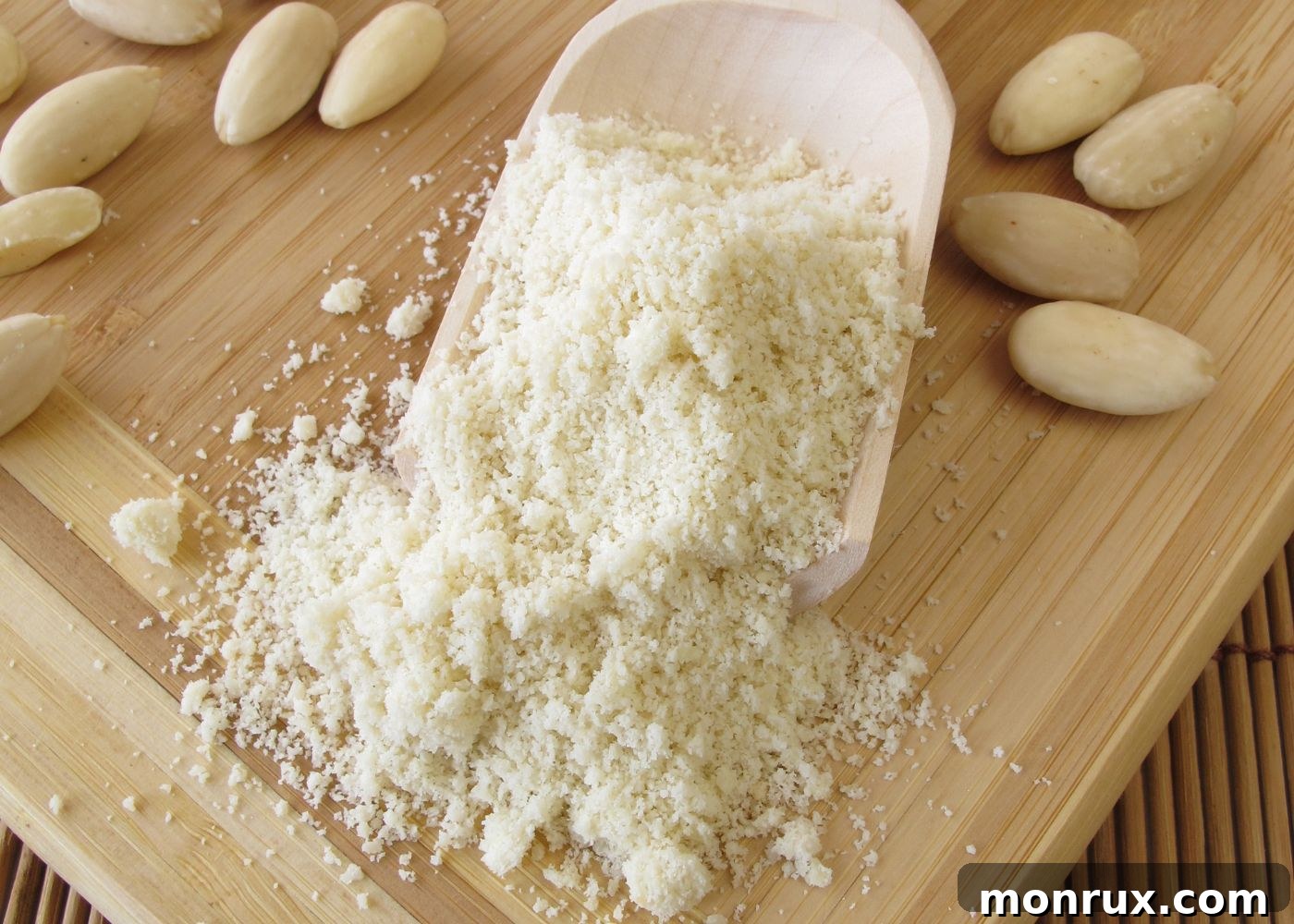
Navigating the world of gluten-free and alternative flours can be both exciting and challenging. Among the most popular options, almond flour stands out for its delicate flavor, moist texture, and impressive nutritional profile. It’s a staple in many low-carb, keto, paleo, and gluten-free diets, offering a wonderful alternative to traditional wheat flours in a vast array of recipes. However, what happens when your recipe calls for almond flour, but your pantry is bare? Or perhaps you’re dealing with a nut allergy, a different dietary preference, or simply looking to explore new textures and flavors in your baking? You’re in luck! The culinary landscape is rich with excellent alternatives that can seamlessly step in. This comprehensive guide will walk you through the best substitutes for almond flour, including popular choices like coconut, hazelnut, oat, and even all-purpose flour, alongside lesser-known but equally effective options like sunflower seed, cashew, and chickpea flour. Prepare to unlock a world of baking possibilities without missing a beat.
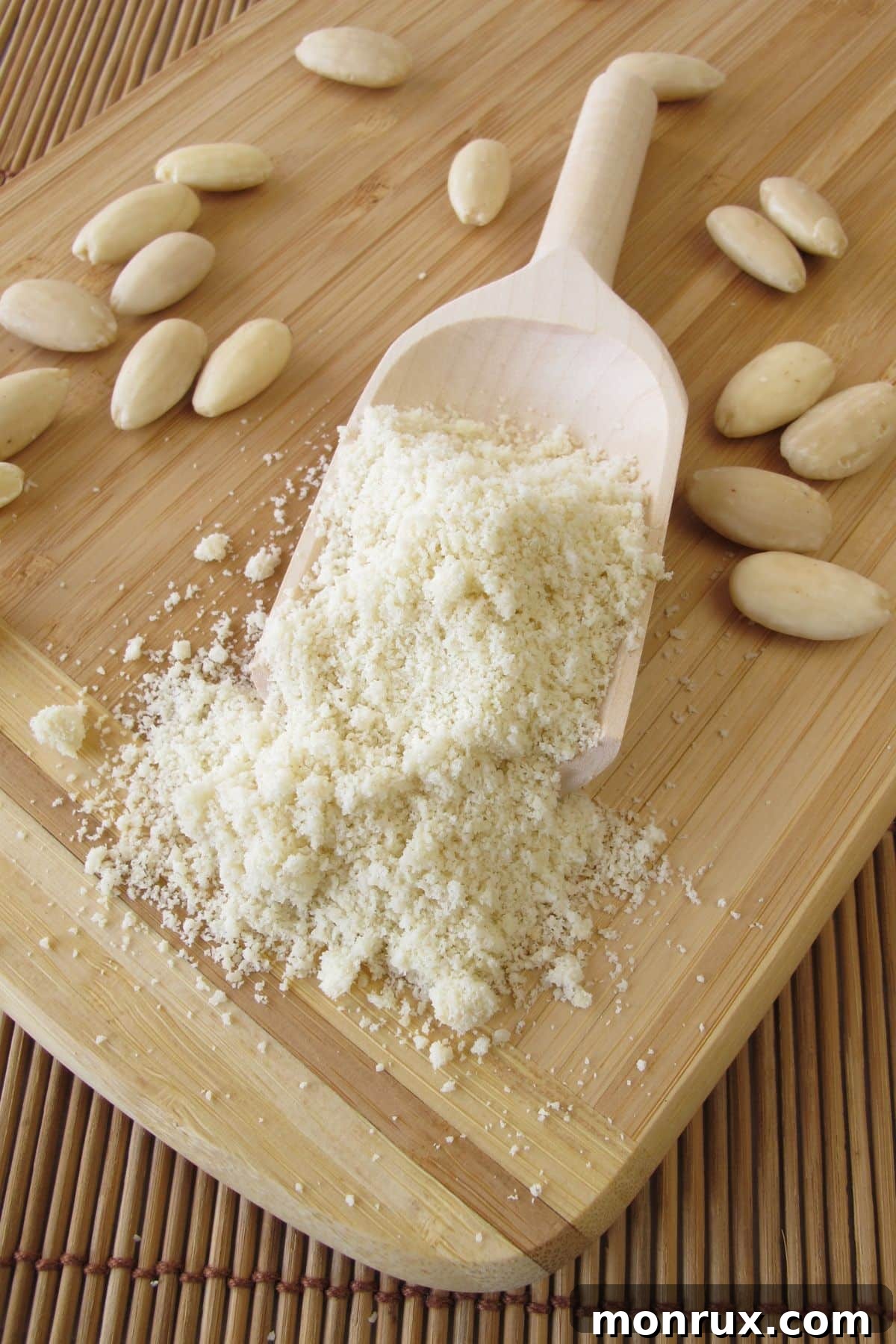
Rich in nutrients and boasting a distinctly delicious nutty flavor, almond flour has become a highly sought-after alternative to wheat flour in a wide variety of culinary applications. Its fine texture and inherent moisture contribute to wonderfully tender and moist baked goods, making it a favorite for everything from delicate macarons to hearty loaves of bread. Beyond its sensory appeal, almond flour offers significant health advantages: it is notably lower in carbohydrates than conventional wheat flour, entirely gluten-free, and grain-free. These characteristics make it an invaluable ingredient for those adhering to specific dietary regimens such as gluten-free, keto, or paleo diets, or simply for individuals seeking healthier alternatives. If you’re new to gluten-free baking or looking to diversify your flour repertoire, embracing almond flour or other nut flours can truly transform your kitchen experience. Personally, I find it exceptional in recipes like my Almond Flour Peach Cobbler, where its unique qualities truly shine.
Uses of Almond Flour
Almond flour is incredibly versatile, making it a star ingredient for various dietary needs and culinary creations. It is inherently paleo-friendly, aligning perfectly with low-carb and ketogenic diets due to its minimal impact on blood sugar levels. Furthermore, its naturally gluten-free nature makes it an excellent choice for individuals managing gluten intolerance or celiac disease, opening up a world of delicious possibilities that might otherwise be off-limits.
The super-fine texture and delightfully nutty flavor of blanched almond flour lend themselves perfectly to an extensive range of dishes. It’s renowned for producing exceptionally moist and tender results in baked goods like delicate cakes, chewy cookies, fluffy muffins, and rustic bread loaves. Beyond traditional baking, almond flour can elevate breakfast items such as pancakes and waffles by adding a subtle richness and improved texture. Its versatility extends further; it makes an excellent gluten-free coating for fried foods, serving as a crispier and more flavorful alternative to conventional breadcrumbs. Additionally, it can function as a tasty and nutritious thickener for soups and sauces, providing body without adding a heavy, floury taste. For anyone committed to a paleo or keto diet, almond flour is truly an ideal base, allowing for the creation of wholesome and satisfying meals without relying on white or regular wheat flour.
A crucial tip for extending the shelf life of your almond flour: always store it in the refrigerator or freezer. Unlike wheat flour, almond flour has a significantly higher fat content, which can quickly turn rancid if exposed to room temperature for extended periods. Proper storage ensures its freshness, preserves its delicate flavor, and maintains its quality for all your baking endeavors.
Substitutes for Almond Flour
As wonderful as almond flour is, situations arise where a substitute is necessary. Whether it’s a sudden shortage, a nut allergy concern, or simply a desire to experiment with different textures and nutritional profiles, there are several fantastic alternatives ready to step in. The key to successful substitution lies in understanding the unique characteristics of each flour – how it absorbs liquid, its flavor, and its gluten content (or lack thereof).
Below, I’ve compiled my top picks for almond flour substitutes, complete with insights into their health benefits, comparative taste, and textural properties, along with practical tips for incorporating them into your recipes.
1. Coconut Flour
Coconut flour is an excellent, eco-friendly choice, being a sustainable by-product of coconut milk production. It boasts a distinct yet mild coconut flavor that complements both sweet and savory dishes, though its presence is often subtle enough not to overpower other ingredients. A standout characteristic of coconut flour is its incredibly high absorbency. This means it draws in a significant amount of liquid, resulting in baked goods that are often softer and denser compared to those made with almond flour. This quality makes it particularly suitable for recipes where you desire a more compact crumb.
Nutritionally, coconut flour is a powerhouse. It’s exceptionally rich in dietary fiber, contributing significantly to digestive health, and provides a good amount of plant-based protein. Like almond flour, it’s remarkably low in carbohydrates and is naturally gluten-free, making it another ideal option for low-carb, keto, and gluten-free diets. Crucially, coconut flour is also suitable for those with nut allergies, offering a safe and delicious alternative where tree nuts must be avoided.
Due to its extreme absorbency, substituting coconut flour for almond flour requires careful adjustment of your recipe’s liquid content. A general rule of thumb is to use significantly less coconut flour than almond flour and to increase the amount of liquid or eggs. Specifically, for every ¼ cup of coconut flour you incorporate, it’s often beneficial to add one extra egg (or an equivalent liquid binder like flax egg) in addition to what the original recipe calls for. This helps maintain the necessary moisture and structure.
Substitution Ratio: To substitute one cup of almond flour, use approximately ¼ to ⅓ cup of coconut flour. Start with ¼ cup and add more if needed, carefully monitoring the batter’s consistency.
2. Hazelnut Flour
For those who love a robust, rich, and slightly sweeter nutty flavor, hazelnut flour is an exceptional substitute for almond flour. Its taste is just a little more pronounced and sweeter than almond flour, making it particularly outstanding in conjunction with chocolate. I find it absolutely ideal for enriching chocolate brownies and cookies, as it imparts a deeper, more sophisticated flavor profile that elevates these treats.
In terms of texture, hazelnut flour is generally coarser than finely ground almond flour. This characteristic means it tends to produce baked goods with a more crumbly, nutty texture, and it may not hold its form quite as well as almond flour in very delicate structures. Therefore, it excels in recipes where a dense, slightly crumbly texture is desirable, such as certain cookies, tarts, and dessert crusts.
Nutritionally, hazelnut flour mirrors almond flour’s impressive profile. It is naturally gluten-free, making it suitable for similar dietary needs. It’s also high in healthy monounsaturated fats, contains a moderate amount of protein, and is notably rich in Vitamin E, an antioxidant beneficial for skin health and immunity. Interestingly, you can use pecan flour in much the same way as hazelnut flour, offering a similar flavor and texture profile if hazelnuts are unavailable.
Substitution Ratio: To substitute one cup of almond flour, use one cup of hazelnut flour. This 1:1 ratio makes it a straightforward swap in many recipes, particularly those that don’t rely on the ultra-fine texture of blanched almond flour for structural integrity.
3. Oat Flour
Made from finely ground whole oats, oat flour is a remarkably versatile and nutritious substitute for almond flour, offering a lighter, milder flavor profile. It’s an excellent source of dietary fiber, which is beneficial for digestion and satiety. Scientific studies have highlighted that the beta-glucan content in oats can play a significant role in reducing the risk of diabetes and helping to lower cholesterol levels, making oat flour a heart-healthy choice.
When comparing nutritional values, oat flour tends to be lower in calories and fat than almond flour but is higher in carbohydrates. This makes it a great option for those who are not strictly low-carb but still seek a wholesome, gluten-free alternative. While oats are naturally gluten-free, it’s crucial to be aware that oat products can sometimes be cross-contaminated with gluten during agricultural harvesting or manufacturing processes. Therefore, if you require oat flour for a strictly gluten-free diet (e.g., due to celiac disease), always ensure you select products explicitly labeled as “certified gluten-free.”
In terms of baking, oat flour produces results that are typically lighter and airier than almond flour, offering a softer crumb texture. This makes it fantastic for muffins, quick breads, and certain cookies where a less dense product is desired. Its neutral flavor also means it won’t compete with other ingredients, allowing the primary flavors of your recipe to shine.
Tip: You can easily prepare fresh oat flour at home. Simply pulverize rolled oats (ensure they are certified gluten-free if needed) in a food processor or high-speed blender until you achieve a fine, flour-like consistency. This not only saves money but also ensures maximum freshness.
Substitution Ratio: To substitute one cup of almond flour, use one cup of oat flour. This straightforward 1:1 ratio simplifies recipe adjustments, though you may find that slightly more liquid is needed to achieve the desired batter consistency due to differences in absorption.
4. All-Purpose Flour
All-purpose flour is arguably the most common and widely available flour in nearly every kitchen, making it an immediate and economical substitute for almond flour. It possesses a neutral flavor profile that adapts well to almost any recipe, and its widespread availability means it’s usually on hand when you need it most. However, it’s important to understand the fundamental differences when making this swap.
Nutritionally, all-purpose flour offers less protein and healthy fats compared to almond flour and is significantly higher in carbohydrates. The most critical distinction, however, is its gluten content. All-purpose flour contains gluten, which means it is entirely unsuitable for individuals with celiac disease or gluten intolerance. When substituting, it’s imperative to consider this dietary restriction.
In baking, all-purpose flour tends to give baked goods a lighter, chewier texture than almond flour, largely due to its gluten content which provides elasticity and structure. Because almond flour contributes a good deal of moisture and fat to recipes, when using all-purpose flour as a substitute, you may find it beneficial to add a little extra liquid (such as milk or water) or an additional egg. This can help to compensate for the lack of moisture and richness that almond flour typically provides, ensuring your baked goods don’t turn out too dry.
Substitution Ratio: To substitute one cup of almond flour, use one cup of all-purpose flour. While the volume is a direct swap, remember to consider potential adjustments in liquid content to achieve the optimal texture and consistency for your recipe.
5. Cashew Flour
Cashew flour stands out as an excellent and often overlooked substitute for almond flour, primarily because of its remarkable similarity in taste and texture. It offers a very mild, subtly sweet flavor with a rich, buttery undertone that closely mimics the qualities almond flour imparts, resulting in baked goods that are wonderfully moist and tender. This makes it an ideal choice when you want to achieve a familiar outcome without using almonds.
Like almond flour, cashew flour is completely gluten-free, catering to similar dietary needs. While it is slightly higher in carbohydrates than almond flour, its fat and protein content are roughly equivalent, ensuring a comparable nutritional contribution to your recipes. One of the greatest advantages of cashew flour is its ease of use: you can typically cook and bake with it in precisely the same way as almond flour, without the need to adjust the quantities of liquids or other ingredients in your recipe. This makes it a hassle-free alternative for a wide range of dishes, from delicate pastries to robust muffins.
Substitution Ratio: To substitute one cup of almond flour, use one cup of cashew flour. This 1:1 direct swap is one of the most convenient substitutions, making your baking process smooth and enjoyable.
6. Chickpea Flour
Also widely known as garbanzo bean flour or besan, chickpea flour offers a unique and highly nutritious alternative to almond flour. It shares a similar powdery texture, making it blend well into batters and doughs. You can readily purchase chickpea flour pre-prepared at most health food stores or international markets, or you can easily make your own by finely grinding dried chickpeas in a food processor until it reaches a flour-like consistency.
A key difference from almond flour is its flavor profile: chickpea flour is not sweet and carries a delicate, earthy, bean-like taste. This characteristic makes it particularly well-suited for savory recipes rather than sweet ones, where its distinct flavor can shine. It is exceptionally good in dishes such as savory pancakes (like Indian dosas or Italian farinata), flatbreads, pizzas, and even as a binder in veggie burgers or fritters.
Nutritionally, chickpea flour is a powerhouse. It is naturally gluten-free and packed with protein—boasting over 20 grams per cup—making it an excellent plant-based protein source. It’s also rich in essential minerals such as magnesium, potassium, phosphorus, and folate, contributing to overall health and well-being. Furthermore, much like almond flour, chickpea flour has a relatively low glycemic index. This means it helps regulate blood sugar levels, contributing to sustained energy and a feeling of fullness, which can be beneficial for weight management and stable energy throughout the day.
Substitution Ratio: To substitute one cup of almond flour, use one cup of chickpea flour. While the ratio is 1:1, remember its distinct savory flavor, which makes it best suited for specific culinary applications.
7. Sunflower Seed Flour
Sunflower seed flour is another excellent and healthy option when seeking an almond flour substitute, especially for those with nut allergies. Sunflower seeds themselves are densely packed with nutrients, translating into a flour that is both beneficial and versatile. Being gluten-free and entirely safe for individuals with nut allergies, it provides an inclusive baking solution. It can often be more affordable than almond flour while offering a very similar texture, resulting in moist, tender baked goods that truly melt in your mouth.
This flour has a mild, subtly nutty flavor that doesn’t overpower other ingredients, making it suitable for a wide range of recipes, both savory and sweet. Its protein and healthy fat levels are comparable to almond flour, and it serves as a great source of Vitamin E, an important antioxidant.
There’s one unique characteristic to be mindful of when baking with sunflower seed flour: its tendency to turn green. This phenomenon is caused by the chlorogenic acid naturally present in sunflower seeds reacting with leavening agents like baking soda or baking powder during the baking process. While completely harmless and safe to consume, the green hue might be visually unappealing, especially in lighter-colored baked goods.
Fortunately, preventing this color change is simple. All you need to do is add a tablespoon of an acidic ingredient to your recipe. Common choices include lemon juice, apple cider vinegar, or even cream of tartar. This acidity neutralizes the reaction, preserving the natural color of your baked creations. However, if your recipe includes chocolate or other dark-colored ingredients, you can often omit this step, as the dark color will naturally conceal any green discoloration.
Substitution Ratio: To substitute one cup of almond flour, use one cup of sunflower seed flour. This 1:1 ratio makes it an easy swap, just remember the acidity tip for optimal color.
Bonus Substitute: Cassava Flour
While often used as a substitute for wheat flour, cassava flour also makes a fantastic stand-in for almond flour, especially when a grain-free and nut-free option is desired. Derived from the root of the cassava plant, it’s a whole-food flour that is becoming increasingly popular in gluten-free and paleo baking.
One of its biggest advantages is its versatility and ease of use: you can typically substitute cassava flour in a one-to-one ratio for almond flour (or even whole wheat flour) in many recipes. It boasts a very fine, powdery texture and a neutral flavor, meaning it won’t interfere with the intended taste of your dish. It creates a soft, pliable texture in baked goods, making it excellent for tortillas, breads, cakes, and cookies. Being naturally gluten-free and grain-free, it’s a wonderful choice for those with multiple sensitivities or simply seeking a diverse range of alternative flours. Cassava flour is becoming increasingly available and can be found in most grocery stores and health food markets.
Substitution Ratio: To substitute one cup of almond flour, use one cup of cassava flour.
FAQs About Almond Flour and Substitutes
While both almond flour and almond meal are made from ground almonds, they differ significantly in their processing, texture, and ideal uses. Almond flour is typically made from blanched almonds, meaning the almonds have had their skins meticulously removed before grinding. This process results in a much finer, smoother, and lighter-colored flour, which is highly prized for delicate baking applications like macarons, fine cakes, and light pastries where a smooth texture is paramount.
Almond meal, conversely, is made from whole, unblanched almonds, skins and all. The skins contribute to a coarser, more rustic texture and a slightly darker, speckle-flecked appearance. This makes almond meal better suited for recipes where a more substantial, crumbly texture is desired, such as in muffins, pancakes, quick breads, or as a crunchy coating. From a nutritional perspective, almond meal might offer a tiny bit more fiber due to the presence of the skins, while almond flour might be slightly higher in fat due to the concentration of the almond kernel itself. When deciding between the two, consider the desired final texture of your dish; opt for almond flour for smoothness and lightness, and almond meal for a heartier, more textured result.
Absolutely, making your own almond flour at home is a rewarding process, though it involves a few steps to achieve the ideal fine texture. My preferred method starts with soaking raw almonds (this can help with skin removal). After soaking, blanch the almonds by briefly boiling them, which makes it easy to slip off their skins. Once blanched and skinned, it’s crucial to thoroughly dehydrate the almonds to prevent clumping and ensure a fine grind. You can air dry them or use a dehydrator on a low setting. Once completely dry, grind them in a food processor or high-speed blender. The key is to pulse in short bursts, scraping down the sides, until you achieve a fine, flour-like consistency, being careful not to over-process, which can turn it into almond butter. Homemade almond flour should be stored in an airtight container in the refrigerator for up to a few weeks, or in the freezer for longer, to maintain freshness and prevent rancidity. This homemade approach ensures you have fresh, high-quality almond flour for your favorite gluten-free recipes.
There are several common reasons why you might need an almond flour substitute. The most frequent scenario is simply not having any on hand when a recipe calls for it. Beyond convenience, dietary restrictions are a major factor. For individuals with nut allergies (specifically tree nut allergies), almond flour is off-limits, necessitating a nut-free alternative like sunflower seed flour or coconut flour. Some people also find almond flour to be too expensive for regular use, making more economical options like oat flour or even all-purpose flour appealing. Additionally, different flours contribute unique flavors and textures. You might seek a substitute to experiment with a different crumb structure (e.g., airier with oat flour, denser with coconut flour) or a distinct flavor profile (e.g., savory with chickpea flour, richer with hazelnut flour) to tailor a recipe to your preferences.
More Articles About Substituting Ingredients You Might Like
Conclusions
As this guide demonstrates, the absence of almond flour in your pantry doesn’t have to halt your baking adventures. The culinary world is rich with a diverse array of excellent substitutes, almost all of which are not only delicious but also offer their own unique nutritional benefits. From the high-fiber density of coconut flour to the rich, distinctive taste of hazelnut flour, and the accessible versatility of oat or even all-purpose flour, you have a wealth of options at your fingertips.
Whether you’re navigating food allergies, adhering to specific dietary plans like keto or gluten-free, or simply looking to experiment with new textures and flavors, there’s a perfect almond flour alternative for every recipe and preference. Each substitute brings its own character to your baked goods, influencing moisture, crumb, and overall taste. I sincerely hope this comprehensive guide has empowered you to confidently explore these options, helping you discover the ideal almond flour alternative that truly enhances the taste and texture of your next culinary creation.
Don’t forget to join my newsletter list to get exclusive clean eating recipes and tips delivered straight to your inbox. The newsletter is 100% free with no spam; you can unsubscribe anytime.
About the Author: Carrie Forrest holds a master’s degree in public health with a specialization in nutrition and is a certified holistic nutritionist. She is a prominent wellness and food blogger, attracting over 5 million annual visitors to her site. Carrie shares an inspiring story of recovery from chronic illness and is deeply passionate about guiding other women on their journey to transform their health. Feel free to send her a message through her contact form.