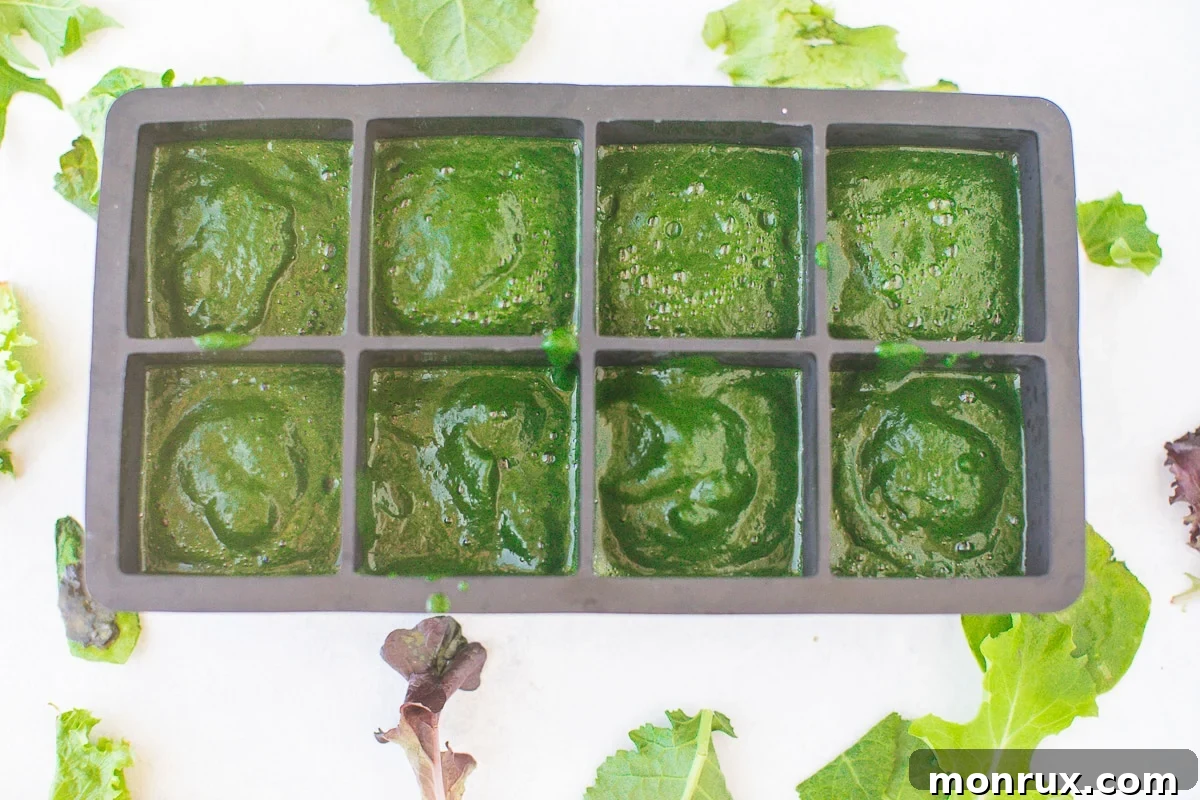
Are you frequently faced with an abundance of fresh leafy greens in your refrigerator, destined to wilt before you can use them all? This common dilemma is easily solved with a simple, effective method for preservation: freezing them into convenient cubes. Whether it’s vibrant spinach, hearty kale, robust collard greens, or tender Swiss chard, this technique ensures you always have a nutrient-packed addition ready for your next meal or smoothie. This comprehensive guide will walk you through the process, demonstrating precisely how to freeze spinach for smoothies and various other dishes, helping you minimize food waste and maximize your healthy eating habits.
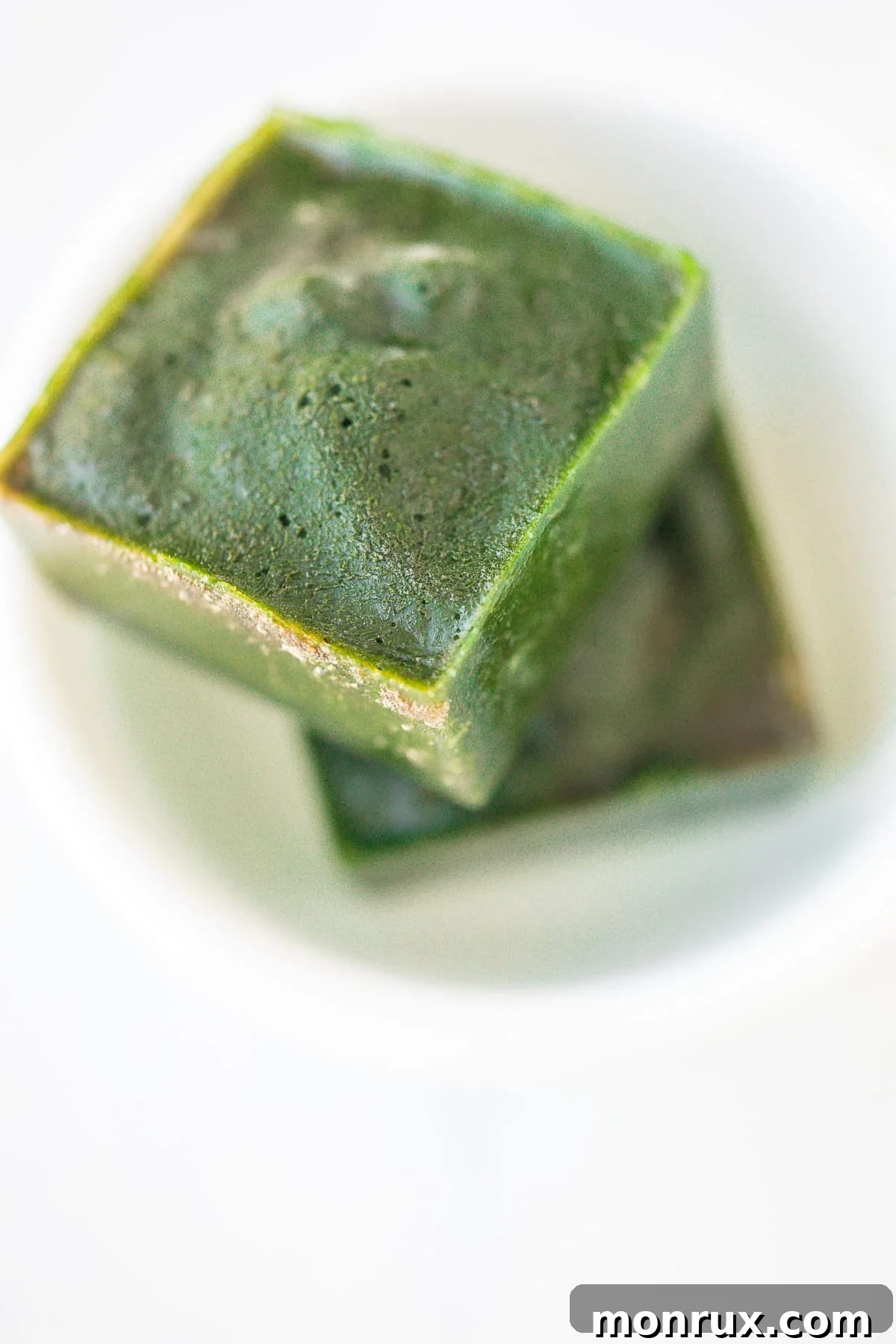
Many of us share the experience of buying a generous bunch of spinach or a large bag of kale with the best intentions, only to watch it lose its crispness and vibrancy within days. This is where the magic of freezing comes in. Freezing greens like spinach, kale, and Swiss chard is an excellent way to preserve their freshness, nutritional value, and vibrant color before they spoil. Once transformed into freezer-friendly cubes, these greens become incredibly versatile, ready to be dropped into your morning smoothie, simmered into a hearty soup, stirred into a rich stew, or even added to pasta sauces and omelets.
This tutorial is designed to simplify the freezing process, ensuring that anyone, regardless of their culinary experience, can successfully preserve their excess leafy greens. By following these straightforward steps, you’ll be able to enjoy the benefits of fresh greens all year round, reduce your grocery bill by preventing spoilage, and have a secret weapon for boosting the nutritional content of almost any dish. So, if you’re looking for an efficient and practical solution for your leftover leafy greens, you’ve come to the right place.
Why You Should Steam Greens Before Freezing
When it comes to freezing most vegetables, including leafy greens like spinach and kale, a pre-cooking step is highly recommended. This process, often referred to as blanching or steaming, serves several crucial purposes that ensure the quality and safety of your frozen produce.
- Food Safety and Bacteria Removal: Raw leafy greens can sometimes harbor bacteria on their surface. A quick heat treatment helps to sanitize the greens, significantly reducing the risk of potential contamination. While freezing itself slows bacterial growth, it doesn’t kill all bacteria, making this initial cooking step vital for safer consumption, especially when the greens might not be fully cooked later (as in a smoothie).
- Enzyme Deactivation: Vegetables contain natural enzymes that are responsible for their growth, ripening, and eventually, their decay. These enzymes continue to operate even at freezing temperatures, albeit at a much slower rate. If not deactivated, they can lead to undesirable changes in the texture, color, flavor, and nutritional content of your frozen greens over time. Steaming effectively halts this enzymatic activity, preserving the quality of your spinach and kale for longer storage periods.
- Optimizing Nutrient Retention: While both blanching (briefly boiling) and steaming can achieve enzyme deactivation, steaming is often preferred for leafy greens. Blanching involves submerging vegetables directly in boiling water, which can cause some water-soluble vitamins (like Vitamin C and certain B vitamins) and minerals to leach out into the cooking water. Steaming, on the other hand, cooks the greens using hot vapor, minimizing their direct contact with water and thus helping to retain more of these valuable nutrients. This method ensures your frozen greens remain as nutrient-dense as possible.
- Space Efficiency: Steaming causes leafy greens to wilt significantly, reducing their volume dramatically. A large bunch of raw spinach can shrink to a fraction of its size after steaming. This pre-shrinking makes the greens much easier to blend and allows you to fit a much larger quantity into your ice cube trays and freezer bags, optimizing your freezer storage space.
By taking a few extra minutes to steam your greens, you’re investing in the long-term quality, safety, and nutritional value of your frozen produce. It’s a small step that yields significant benefits for your health and your kitchen efficiency.
Preparation Steps for Freezing Leafy Greens
Freezing leafy greens like spinach and kale is a straightforward process that involves just a few simple steps. Follow this guide to ensure your greens are perfectly prepped for long-term storage and effortless use.
Step One: Prepare and Steam Your Greens
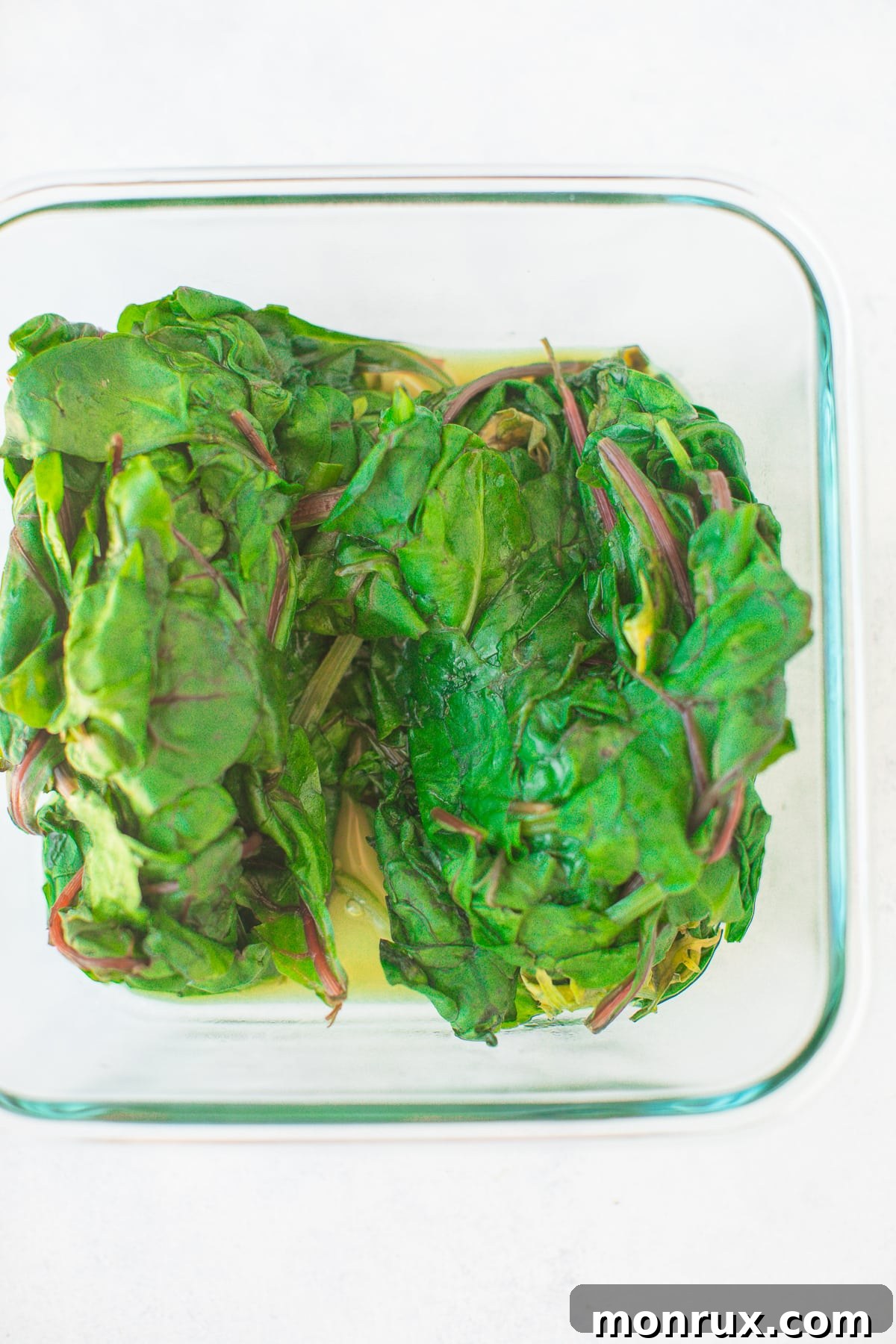
Before steaming, ensure your leafy greens are thoroughly washed. Remove any tough stems, especially from kale or collard greens, and discard any yellowed or damaged leaves. Once cleaned, place the greens in a steamer basket over an inch or two of boiling water in a pot with a tight-fitting lid. Alternatively, you can use a microwave-safe bowl with a splash of water and cover it loosely. Steam the greens until they are bright green and wilted, but not mushy. This usually takes about 3-5 minutes, depending on the type and quantity of greens. The goal is to soften them and deactivate enzymes without overcooking.
Step Two: Cool the Steamed Greens
After steaming, it’s crucial to cool the greens quickly to stop the cooking process and preserve their vibrant color and texture. You can transfer them to a glass container to cool at room temperature, or for a faster approach, plunge them into an ice bath for a minute or two before draining thoroughly. Ensure all excess water is squeezed out. This rapid cooling step prevents further cooking and helps maintain the quality of the greens.
Step Three: Puree for Convenience
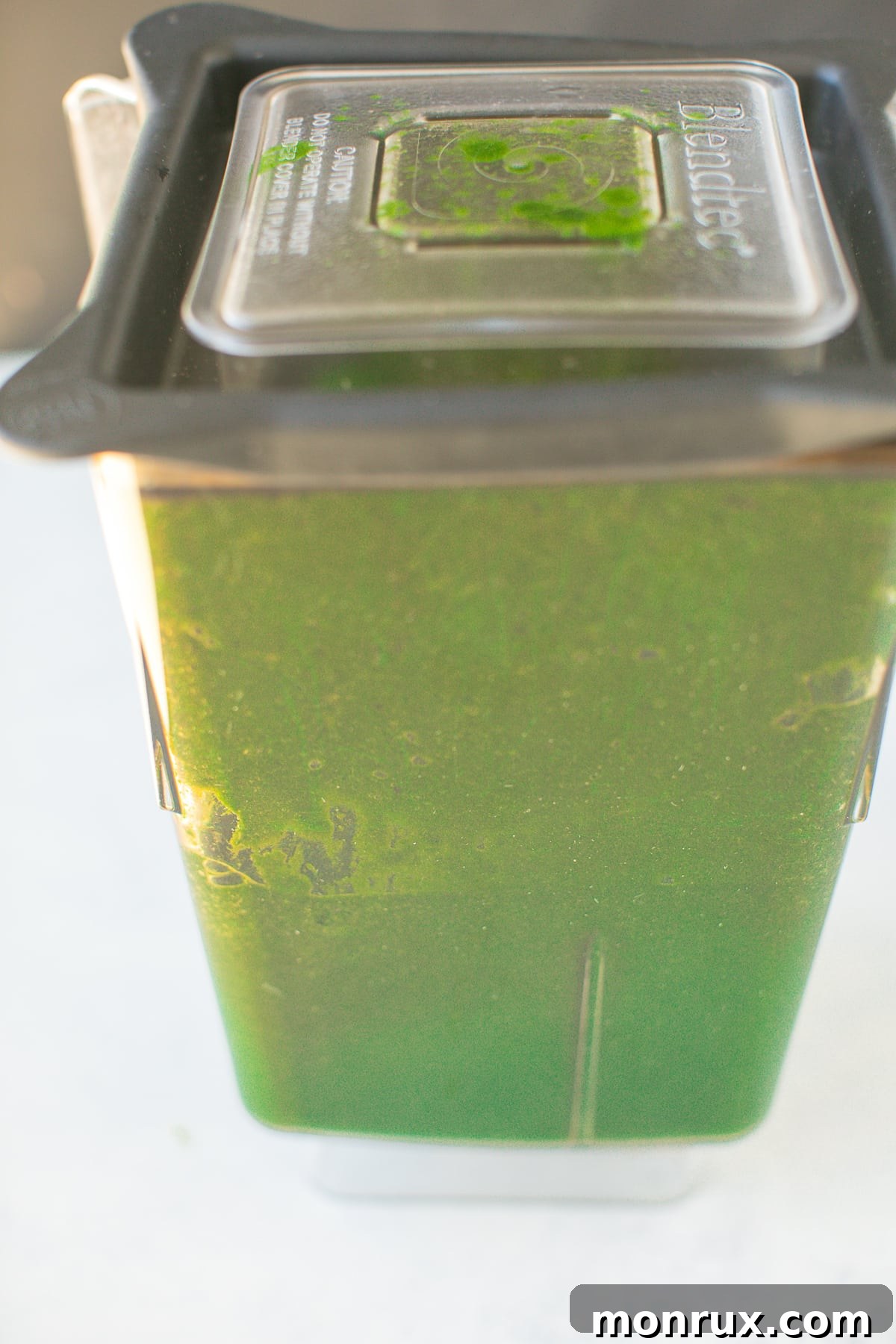
If you plan to use your greens primarily in smoothies, soups, or sauces where a smooth consistency is desired, pureeing them before freezing is highly recommended. Transfer the cooled, squeezed greens to the base of a high-speed blender or food processor. Add a minimal amount of liquid, such as a tablespoon or two of water, vegetable broth, or even a squeeze of lemon juice, to help the blades move. Blend until a smooth, thick puree forms. Pureeing your spinach and kale leaves before freezing is an excellent way to pre-prepare them for quick additions to recipes without having to deal with clumps of frozen leaves later.
Step Four: Fill Ice Cube Trays and Freeze
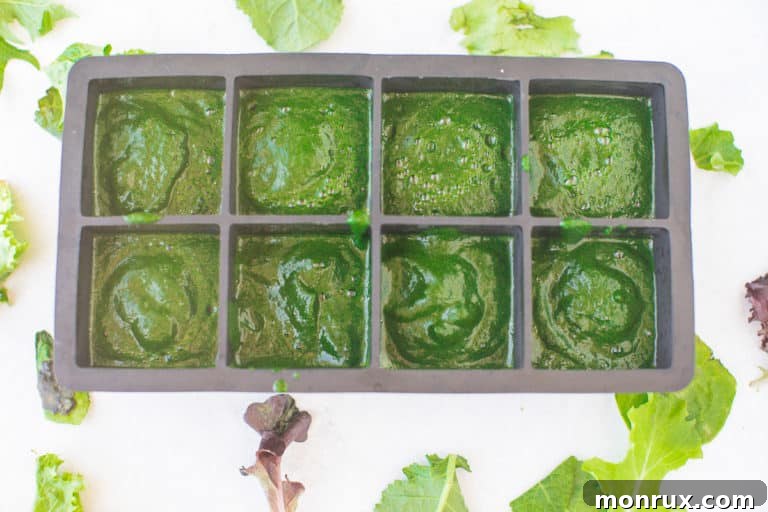
Once you have your green puree, carefully pour it into ice cube trays. Silicone ice cube trays are particularly effective for this purpose, as their flexibility makes it incredibly easy to pop out the frozen cubes later. Fill each compartment, ensuring not to overfill. For a smooth freeze, place the trays on a flat surface in your freezer. The cubes will need approximately 4-12 hours to freeze solid, depending on your freezer’s temperature and the size of your cubes. This method creates portion-controlled servings that are easy to incorporate into any recipe.
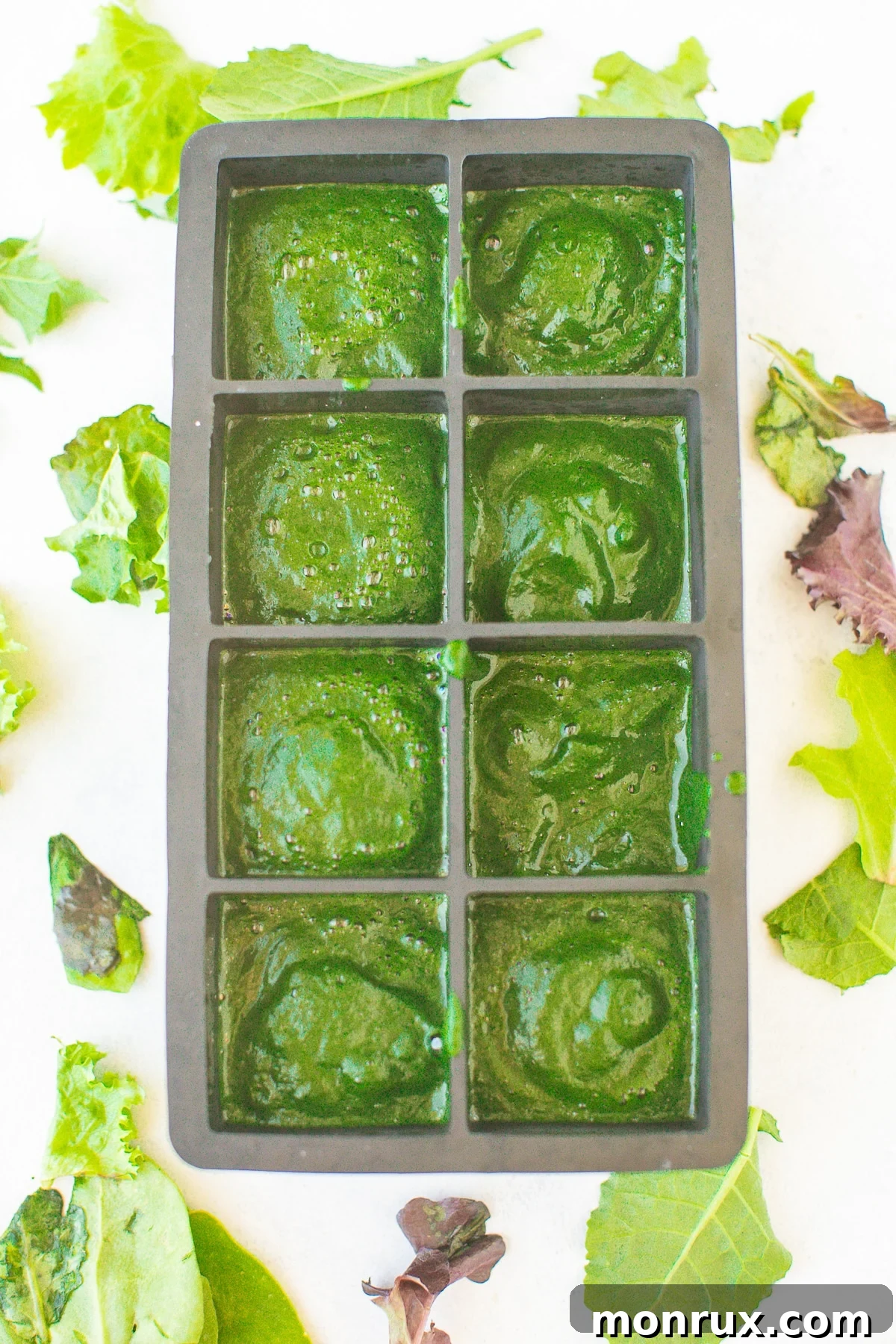
Step Five: Transfer and Store Frozen Cubes
Once your green cubes are completely frozen, gently remove them from the ice cube trays. This is where silicone trays truly shine, allowing for easy release. Transfer the frozen cubes into airtight, freezer-safe zip-top bags or rigid containers. Label each bag or container with the date and contents (e.g., “Frozen Spinach Cubes – Month/Year”). This step prevents freezer burn and keeps your greens fresh for several months. Storing them in bags also frees up your ice cube trays for future batches or other freezing projects. Proper storage ensures your healthy additions are ready whenever you are!
How to Use Frozen Spinach Cubes
One of the greatest advantages of having frozen spinach or kale cubes on hand is their incredible versatility and ease of use. Since you’ve already steamed the greens before freezing, they are essentially pre-cooked and ready to be incorporated into a wide variety of dishes without needing to be thawed first in many cases.
Here are just a few ideas for how to integrate these nutrient-dense cubes into your daily meals:
- Smoothies: This is arguably the most popular use. Simply drop one or two frozen spinach cubes directly into your blender with your favorite fruits, liquids, and protein. They will blend seamlessly, adding a nutritional boost without altering the flavor significantly or watering down your smoothie. It’s an effortless way to ensure you’re getting your daily serving of greens.
- Soups and Stews: Add a couple of cubes directly to simmering soups, stews, or chili during the last 10-15 minutes of cooking. They will melt and integrate, enriching the flavor and nutrient profile of your dish.
- Pasta Sauces: Stir frozen spinach cubes into your marinara sauce, Alfredo, or any creamy pasta sauce. They will dissolve into the sauce, making it healthier and adding a subtle green hue.
- Scrambled Eggs or Omelets: For a quick and nutritious breakfast, add a cube or two to your eggs while they are scrambling or as you’re folding your omelet. The heat will melt them right in.
- Casseroles and Bakes: Incorporate frozen spinach cubes into your favorite casseroles, lasagna, or baked pasta dishes. They will cook down and blend with the other ingredients.
- Dips and Spreads: Enhance dips like hummus, tzatziki, or a creamy spinach dip by blending in frozen spinach cubes. They can add color and an extra layer of nutrition.
- Rice or Grain Bowls: Mix a cube into warm cooked rice, quinoa, or couscous. It’s an easy way to add vegetables to a simple side dish.
- Pesto: For a nutrient-packed twist, add a frozen spinach cube or two to your homemade pesto recipe. It enhances the green color and adds extra vitamins.
The beauty of these cubes is that they eliminate the need for chopping and extend the shelf life of your greens, ensuring you always have a healthy option readily available. Experiment with different dishes and discover your favorite ways to incorporate these versatile spinach power-ups!
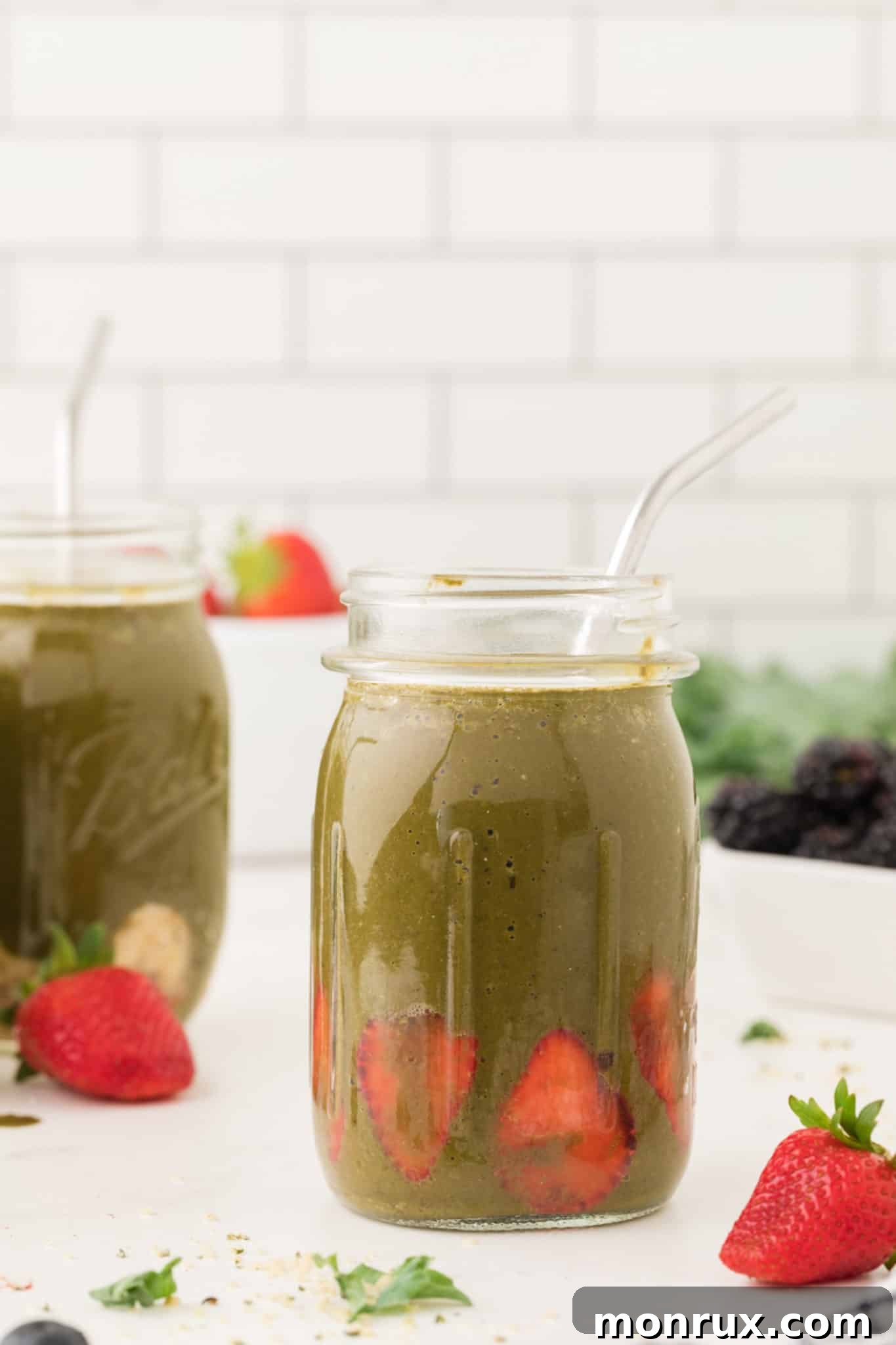
Properly stored, frozen spinach or kale cubes can last up to 3-4 months in the freezer without significant loss of quality or nutrients. This makes them a fantastic staple for consistent healthy eating.
Frequently Asked Questions About Freezing Greens
I generally recommend one to two of these smoothie cubes per serving. If you’re making a smoothie for two people, using two to three cubes would be appropriate to ensure a good nutritional boost without overpowering the other flavors.
Yes, it is strongly recommended from both a food safety and quality perspective to lightly steam or blanch almost any vegetable, including leafy greens, before freezing. This process helps to kill off any potentially harmful bacteria and, more importantly, deactivates enzymes that would otherwise cause undesirable changes in color, flavor, and texture during freezer storage. Freezing raw greens can result in a bitter taste and mushy texture upon thawing.
Absolutely! This method is highly versatile. You can apply the same steaming, pureeing, and freezing process to other leafy greens such as collard greens, Swiss chard, beet greens, turnip greens, and even bok choy. The key is to blanch or steam them until wilted but still bright green, cool them quickly, and then proceed with pureeing and freezing.
When properly prepared, pureed, and stored in airtight containers or freezer bags, frozen spinach and kale cubes can maintain their quality for about 3 to 4 months. Beyond this period, they might still be safe to consume, but you may notice a decline in texture, color, and flavor due to potential freezer burn or continued enzymatic activity, even if slowed.
A regular blender or food processor will work just fine! You might need to add a tiny bit more liquid to help it blend smoothly, and it might take a minute or two longer to achieve a consistent puree. If you don’t have either, you can still steam the greens, chop them finely, squeeze out excess water, and then freeze them in ice cube trays. They won’t be as smooth for smoothies but will still be great for soups and stews.
Print Recipe
How to Freeze Spinach for Smoothies Recipe
★★★★★
5 from 1 review
This easy tutorial shows you how to prepare and freeze spinach, kale, or any kind of leafy green into convenient cubes. Perfect for adding to smoothies, soups, or stews, this method helps you reduce food waste and always have healthy greens on hand.
-
Total Time:
4 hours, 10 minutes -
Yield:
Approximately 12 cubes (from 1 pound of greens)
Ingredients
- 1 pound of fresh spinach or kale (or any leafy green of choice)
- Optional: 1-2 tablespoons of water or vegetable broth (for blending)
Instructions
- Wash and Steam Greens: Thoroughly wash your leafy greens. Place them in a steamer basket over boiling water or in a microwave-safe bowl with a splash of water. Steam until they are wilted and bright green, about 3-5 minutes.
- Cool Greens: Once steamed, transfer the greens to a glass container to cool, or quickly plunge them into an ice bath and then drain well. Squeeze out as much excess water as possible.
- Puree Greens (Optional but Recommended): For smoother integration into smoothies and soups, transfer the cooled greens to a high-speed blender or food processor. Add 1-2 tablespoons of water or broth to aid blending. Puree until smooth.
- Freeze in Trays: Pour the green puree into ice cube trays (silicone trays work best for easy removal). Place the trays on a level surface in the freezer. Freeze for 4-12 hours, or until completely solid.
- Store Cubes: Once frozen, remove the cubes from the trays and transfer them to an airtight, freezer-safe zip-top bag or container. Label with the date. Store in the freezer for up to 3-4 months.
Notes
- These frozen cubes will last up to 3-4 months in the freezer for optimal quality.
- You can use any type of leafy green you like for this freezing method, including spinach, kale, chard, collard greens, or beet greens.
- For tougher greens like collards, you might need to steam them for a few extra minutes until tender.
- Author: Carrie Forrest, MPH in Nutrition
- Prep Time: 5 minutes
- Cook Time: 5 minutes
- Category: Side dish, Smoothie Ingredient, Meal Prep
- Method: Steaming, Freezing
- Cuisine: Homemade
- Diet: Vegan, Gluten-Free, Whole30, Paleo
Nutrition
- Serving Size: 1 cube
- Calories: 9
- Sugar: 0.2 g
- Sodium: 29.9 mg
- Fat: 0.1 g
- Saturated Fat: 0 g
- Carbohydrates: 1.4 g
- Fiber: 0.8 g
- Protein: 1.1 g
- Cholesterol: 0 mg
Note: Nutritional values are approximate and may vary based on specific ingredients and preparation methods.
More Helpful Guides to Freezing Food
Mastering the art of freezing extends beyond leafy greens. Explore these additional guides to efficiently preserve other common produce items, further reducing food waste and making healthy eating more accessible year-round.
- How to Freeze Ripe Avocados
- How to Freeze Cauliflower
- How to Freeze Cucumbers
- How to Freeze Broccoli
- How to Freeze Ripe Bananas
- How to Freeze Sweet Potatoes
- How to Freeze Zucchini Noodles
Don’t Miss These Green Smoothie Recipes!
Now that you have your frozen spinach and kale cubes ready, it’s time to put them to delicious use! These green smoothie recipes are perfect for a healthy breakfast, a quick snack, or a post-workout refuel.
Stay connected with the latest clean eating recipes and wellness tips! Join my free newsletter list today – no spam, just healthful inspiration. You can unsubscribe anytime.
About the Author: Carrie Forrest, MPH in Nutrition, is a certified holistic nutritionist and a leading wellness and food blogger, attracting over 5 million visitors annually. With a remarkable personal journey of recovery from chronic illness, Carrie is deeply committed to empowering other women to transform their health through clean eating. Feel free to reach out to her via her contact form for any inquiries or support.