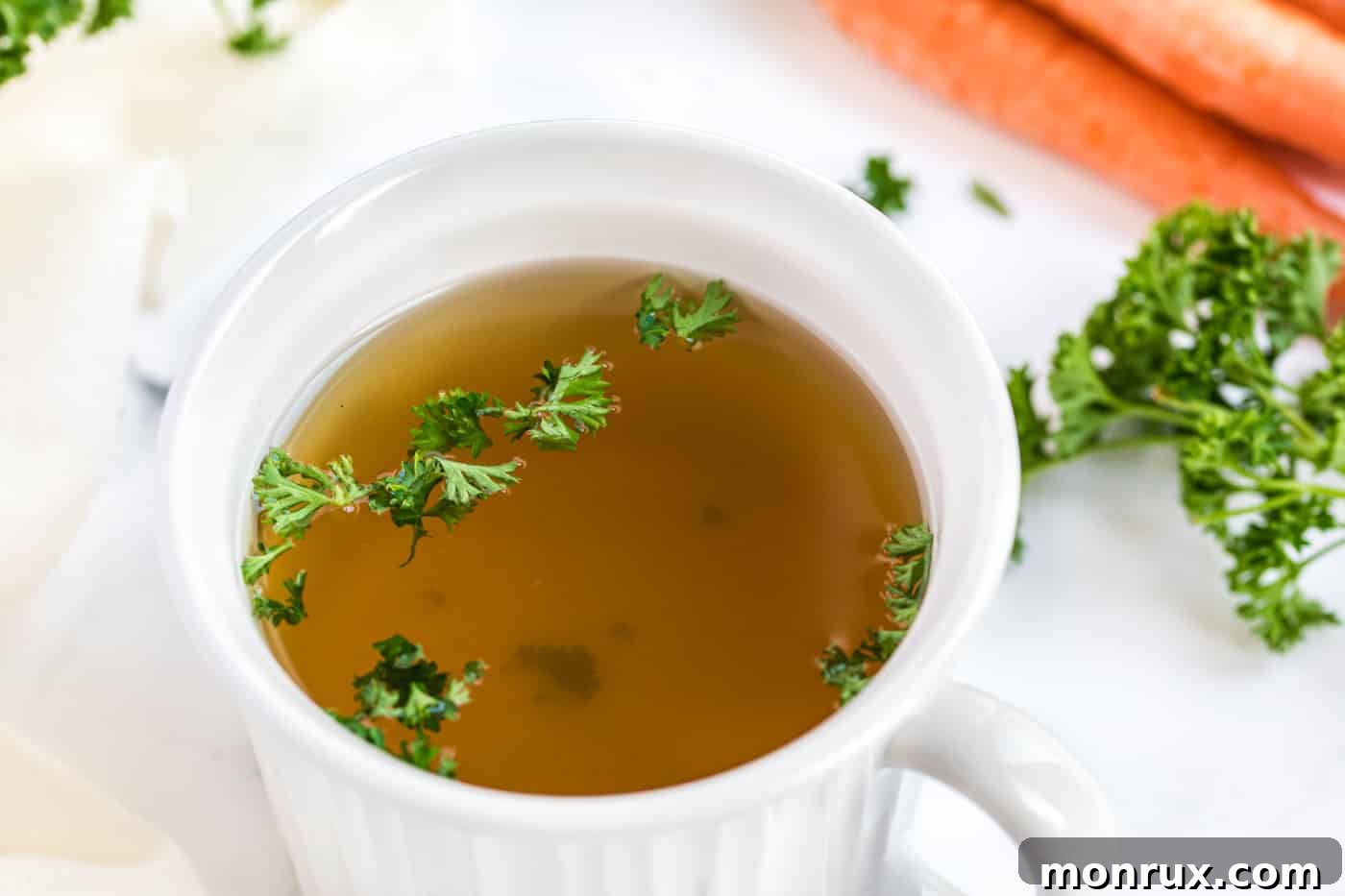
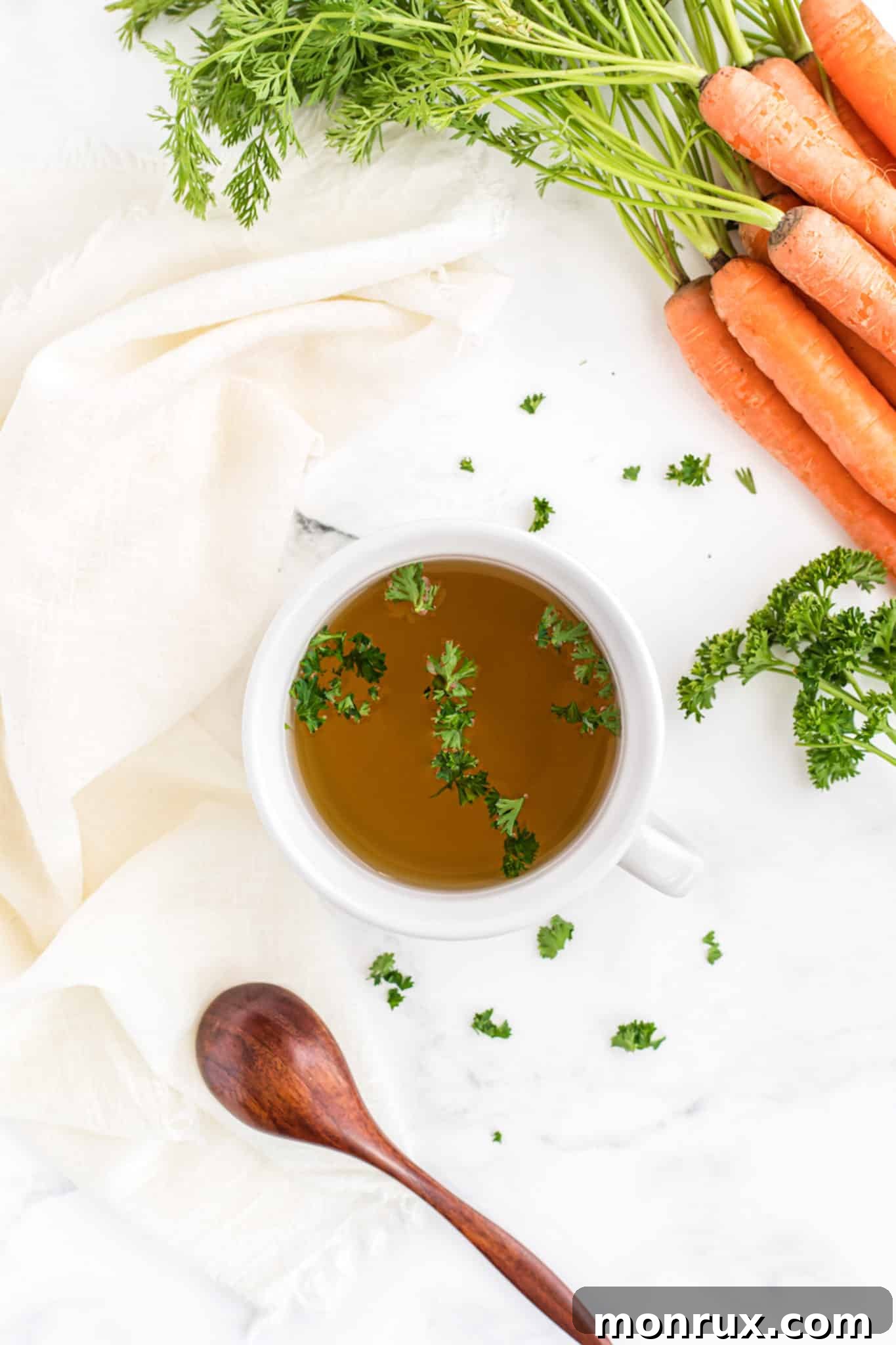
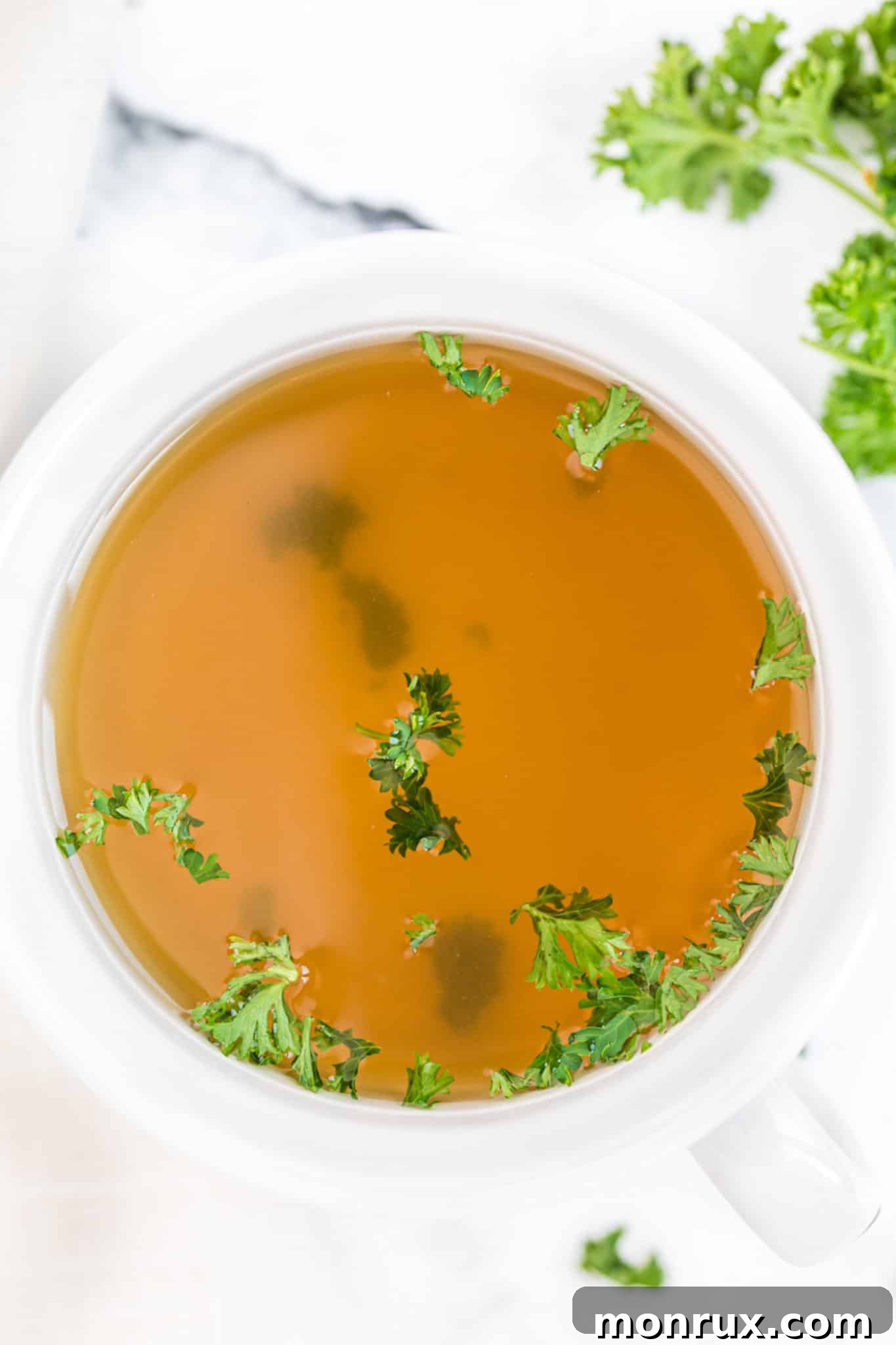
Instant Pot Vegetable Broth is a cornerstone of a well-stocked kitchen, offering a simple, budget-friendly, and incredibly wholesome foundation for countless dishes. Forget the store-bought cartons laden with additives and excessive sodium; once you experience the rich, nuanced flavor of homemade stock, there’s simply no turning back. Whether you’re utilizing whole, fresh vegetables or giving new life to forgotten veggie scraps, your Instant Pot transforms humble ingredients into liquid gold with minimal effort. This comprehensive guide will walk you through creating a flavorful, nutrient-dense vegetable broth that will elevate your cooking to new heights.
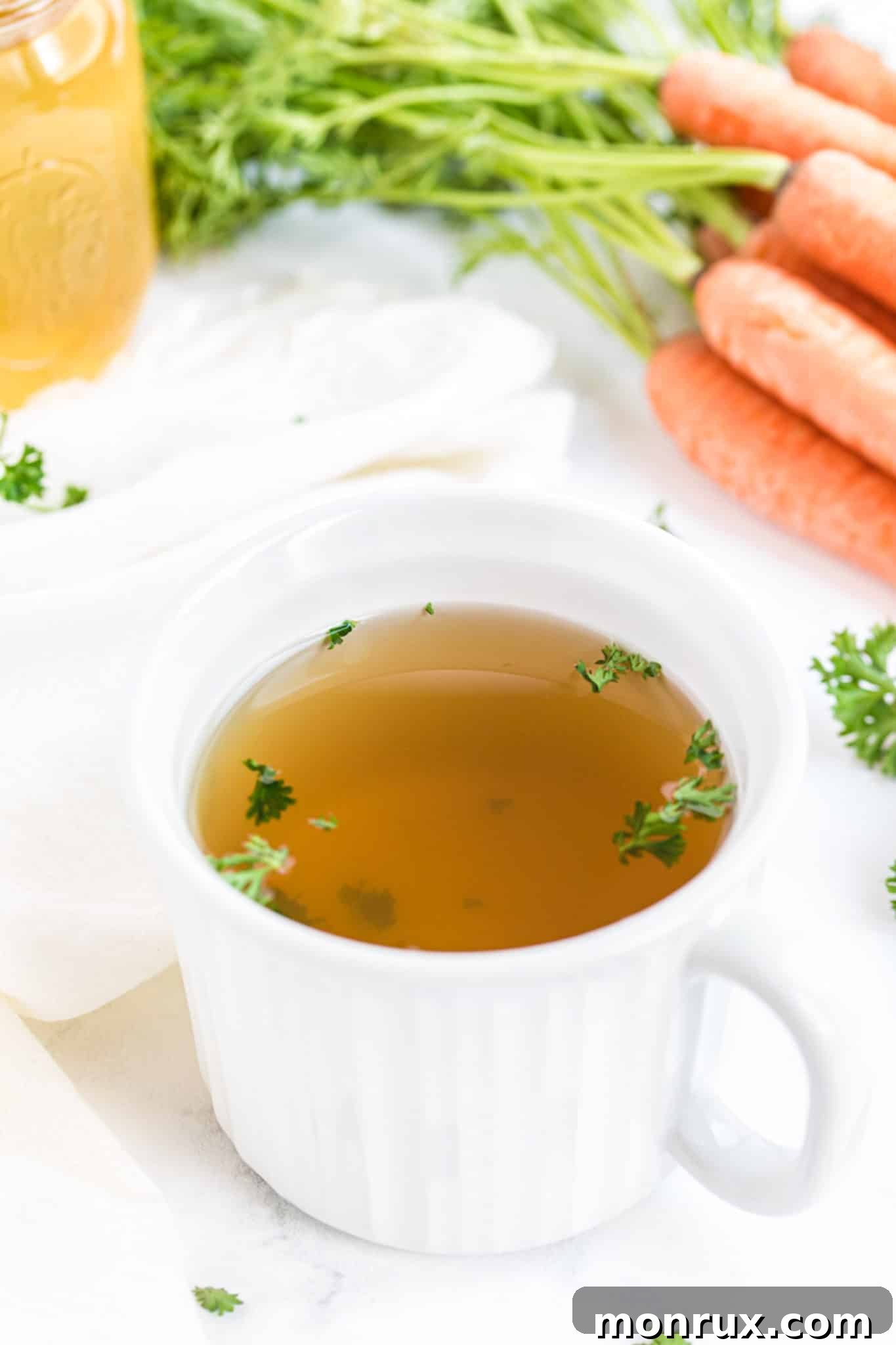
Having a readily available supply of Instant Pot Vegetable Broth is an absolute game-changer for any home cook. It’s not just a pantry staple; it’s a versatile ingredient that saves money, reduces food waste, and ensures you always have a healthy base for your meals. This recipe is designed to be flexible, allowing you to use either fresh, vibrant vegetables or the accumulated scraps from your week’s cooking. Many savvy cooks keep a dedicated freezer bag for vegetable trimmings – onion skins, carrot peels, celery ends, mushroom stems – transforming potential waste into a flavorful resource. This practice alone makes homemade broth incredibly cost-effective and environmentally friendly.
Homemade veggie stock is incredibly versatile and can be used in a myriad of ways:
- As the essential base for hearty soups, comforting stews, and warming chowders, lending depth and a vibrant vegetable essence.
- Warmed up and served on its own as a soothing, nutrient-rich beverage, perfect for a chilly day or when you need a gentle pick-me-up.
- Incorporated into any savory recipe that calls for liquid, such as cooking grains like quinoa or rice, simmering sauces, braising vegetables, or deglazing pans.
- During the colder months, it’s an ideal substitute for water in almost any recipe, infusing an extra layer of flavor without adding significant calories or fat.
For those who frequently use an Instant Pot, homemade vegetable broth is an indispensable component. Most pressure cooker recipes require a minimum of one cup of liquid to function properly, and using a high-quality broth instead of plain water significantly enhances the final dish. Imagine the elevated taste of your Instant Pot Vegetable Soup or a simple 3-Ingredient Butternut Squash Soup when infused with your own handcrafted stock.
Why Homemade Broth Is a Must
Making your own vegetable broth isn’t just a culinary endeavor; it’s a smart lifestyle choice that brings a multitude of benefits:
- Significant Cost Savings: Store-bought broths can be surprisingly expensive, especially for organic or low-sodium varieties. By using vegetable scraps that might otherwise go to waste, you’re essentially making “free” broth. This recipe helps you maximize your grocery budget and minimize food waste, turning leftover bits into a valuable ingredient. While an Instant Pot electric pressure cooker makes the process incredibly efficient, we’ve also included slow cooker instructions for your convenience.
- Batch Cooking & Freezing for Future Use: This recipe is perfect for meal prepping. You can easily make a generous batch of broth and freeze any portions you don’t need immediately. Having pre-portioned containers of homemade broth in your freezer means you’re always ready to whip up a delicious, healthy meal, even on the busiest weeknights. This eliminates the need for last-minute store runs and ensures a consistent supply of quality broth.
- Unmatched Flavor & Customization: The difference in taste between homemade and boxed broth is astounding. Commercial broths often lack depth and can contain artificial flavors or excessive sodium. With homemade broth, you have complete control over the flavor profile. Adjust seasonings, add your favorite herbs, or experiment with different vegetable combinations. You can also easily tailor it to dietary needs, such as making a low-sodium version. This versatility means your homemade vegetable stock can seamlessly replace chicken stock, beef broth, or bone broth in most savory recipes, often enhancing the overall taste without altering the core flavor profile too dramatically.
- Healthier, Cleaner Ingredients: When you make broth at home, you know exactly what goes into it. This means no preservatives, no artificial colors, no MSG, and no undesirable additives. It’s a pure, wholesome liquid rich in natural vitamins and minerals extracted from the vegetables, making it a truly nourishing base for your meals.
Essential Ingredients for the Best Broth
The beauty of making vegetable broth lies in its adaptability. While you can certainly get creative with what you have on hand, a few key ingredients form the backbone of a truly delicious and aromatic stock. Here’s a breakdown of my preferred combination, which consistently outperforms any store-bought alternative:
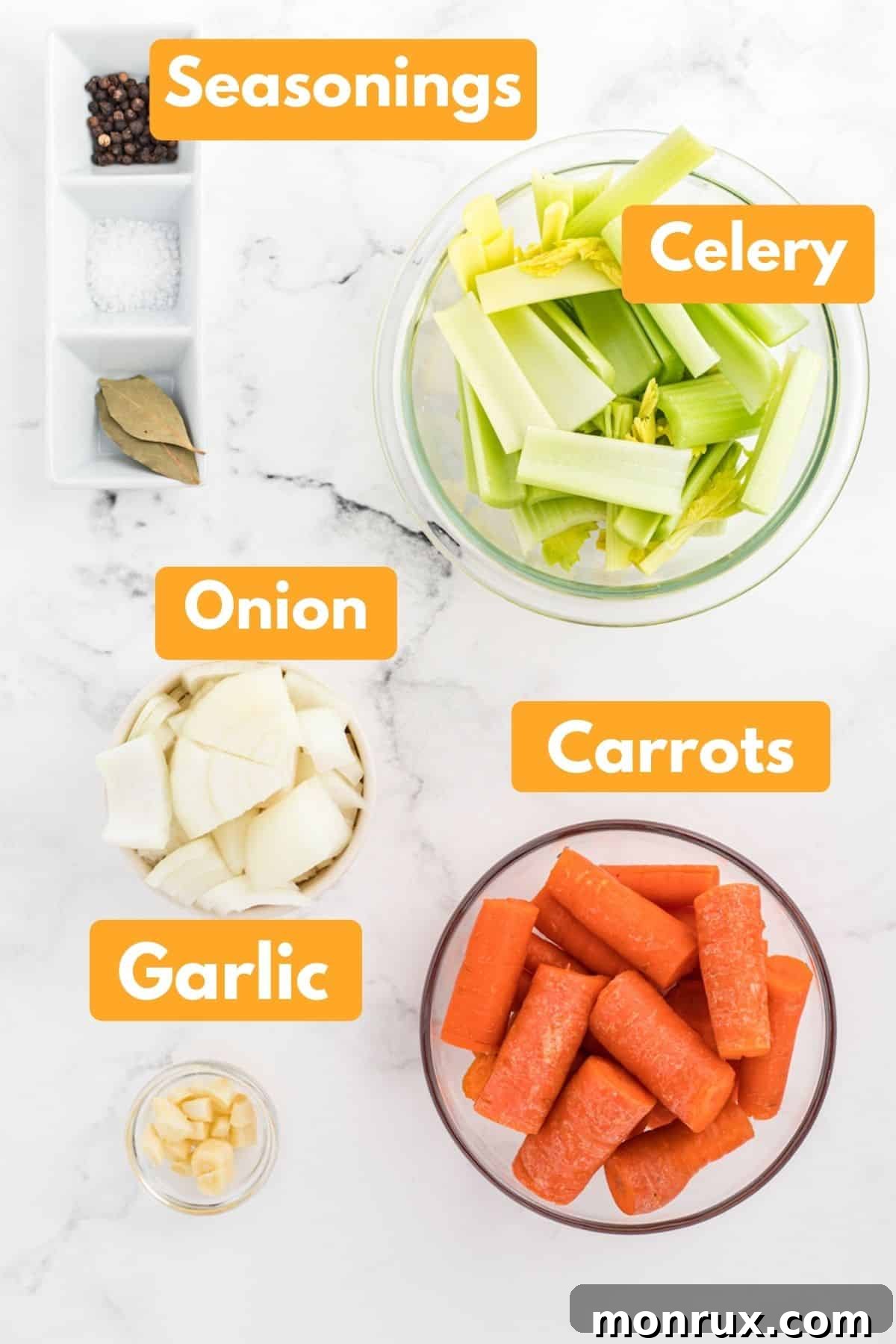
- Carrots (or Carrot Scraps): Carrots are crucial for adding a natural sweetness and a beautiful golden hue to your broth. Don’t discard the peels or even the green tops (as long as they are clean and not bitter); these parts are packed with flavor. Always give them a thorough rinse to remove any dirt or debris.
- Fresh Garlic Cloves: Garlic is a powerhouse of flavor. Using whole, unpeeled garlic cloves adds a deep, savory, and aromatic complexity that infuses beautifully into the broth.
- Onion: Onion is the aromatic foundation of almost any good stock. Whether it’s a whole onion, roughly chopped, or just the skins and ends, it provides a crucial layer of flavor. You can even use red or yellow onion skins for a richer color, just be sure they are clean.
- Celery: Celery, along with carrots and onions, forms the classic “mirepoix,” a fundamental flavor base in many cuisines. It adds a fresh, slightly peppery, and earthy note. Don’t forget to include the celery leaves – they carry a lot of flavor and contribute to the overall richness.
- Seasonings:
- Whole Black Peppercorns: Unlike ground pepper, whole peppercorns release their peppery essence slowly, adding warmth and a gentle spice without overpowering the delicate vegetable flavors.
- Sea Salt: Salt is essential for drawing out and enhancing the flavors of the vegetables. While you can certainly adjust or omit it entirely for a low-sodium broth, a little bit goes a long way in bringing everything together.
- Bay Leaves: These unassuming leaves contribute a subtle, herbaceous, and slightly floral note that is characteristic of a classic stock.
- Filtered Water: The quality of your water directly impacts the taste of your broth. Using filtered water helps to eliminate any off-flavors from chlorine or other tap water impurities, ensuring a clean, pure taste for your final product.
Please see the detailed recipe card at the end of this post for the exact quantities and precise measurements to achieve the perfect Instant Pot Vegetable Broth.
What NOT to include:
While broth is forgiving, some vegetables can negatively impact the flavor or appearance:
- Potatoes and Sweet Potatoes: These starchy vegetables can make your broth cloudy and somewhat gummy. Avoid them if you want a clear, clean stock.
- Cruciferous Vegetables (Broccoli, Cauliflower, Cabbage): While some people enjoy these, they can impart a strong, sometimes sulfurous, flavor to the broth that might not be desirable for all recipes. If you do use them, use sparingly.
- Beet Greens/Beets: These can turn your broth a vibrant red, which might be appealing for some dishes but generally undesirable for a versatile stock.
- Old or Moldy Vegetables: Always use fresh, clean scraps or vegetables. Moldy or rotting pieces will ruin the flavor and could be harmful.
Step-by-Step Guide to Instant Pot Vegetable Broth
Making delicious homemade vegetable broth in your Instant Pot is incredibly straightforward. Follow these simple steps for a rich, flavorful stock every time:
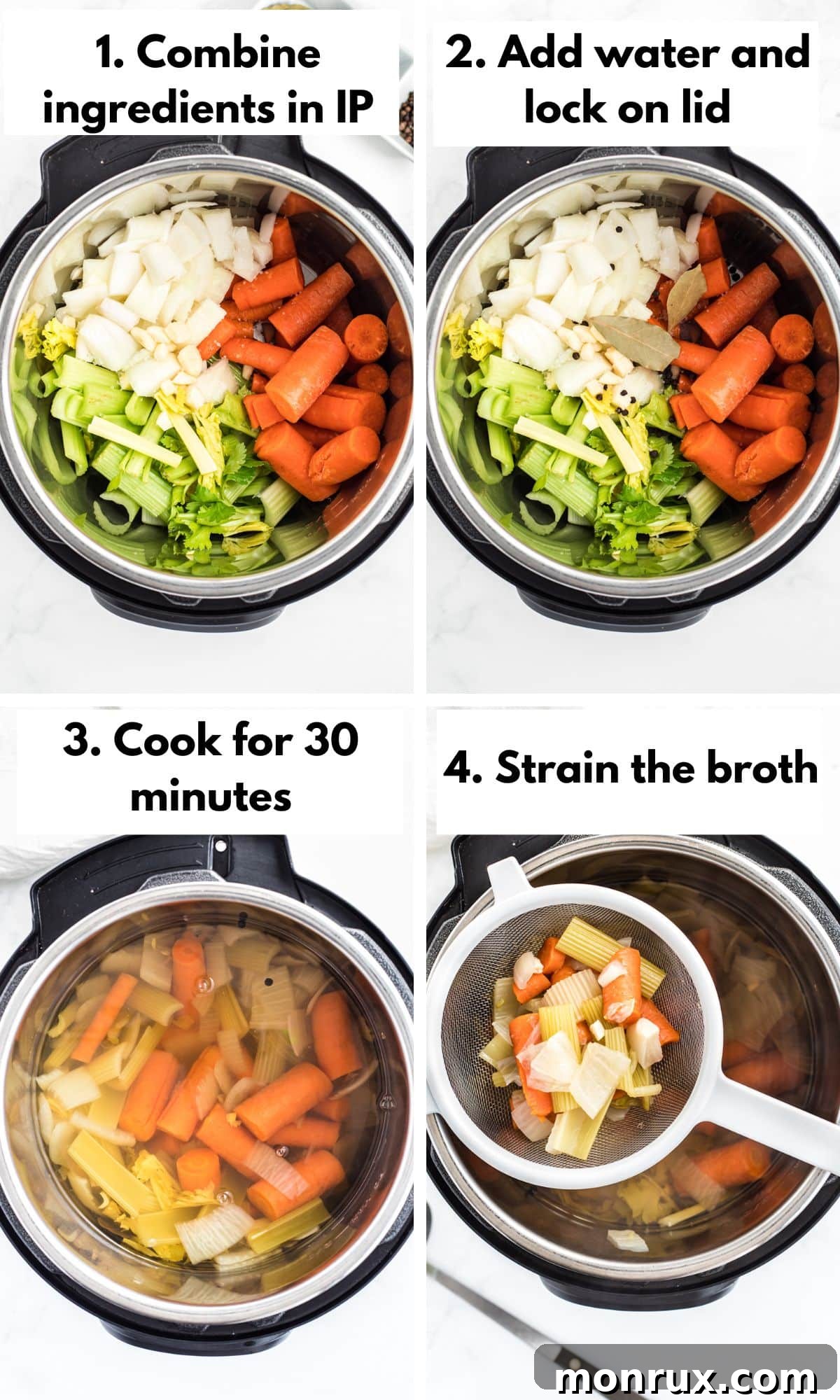
Step One: Gather and Prepare Your Vegetables and Seasonings
Begin by collecting all your chosen vegetables and seasonings. The beauty of this recipe is its flexibility: you can use a mix of fresh vegetables like carrots, onion, garlic, and celery, or repurpose about 4 cups of roughly chopped vegetable scraps. Ensure all vegetables and scraps are thoroughly rinsed to remove any dirt or impurities. If using onion skins, ensure they are clean. For fresh vegetables, a rough chop is sufficient as they will be strained out later.
Feel free to get creative here! Incorporate other root vegetables such as fennel, parsnips, or leeks for added complexity. Mushrooms also add a wonderful umami depth. However, be mindful that certain vegetables, like cruciferous ones (broccoli, cauliflower) or strong fresh herbs (dill, cilantro), can impart very distinct flavors that might dominate your finished broth. If using them, do so in moderation, or understand that the broth will carry their prominent notes. Remember, for the precise list of ingredients and measurements, refer to the recipe card at the end of this post.
Step Two: Combine Ingredients in the Instant Pot and Pressure Cook
Once your vegetables and seasonings are prepared, place them into the inner pot of your Instant Pot. Add the filtered water, ensuring that the liquid level does not exceed the maximum fill line. Secure the lid, making sure the sealing vent is in the ‘Sealing’ position. Set your Instant Pot to cook at high pressure for 30 minutes. For an even more robust and concentrated flavor, you can extend the cooking time up to 60 minutes.
Step Three: Natural Pressure Release
After the cooking cycle is complete, allow the pressure to release naturally for at least 10 minutes. This “natural release” period is crucial as it allows the broth to continue extracting flavors from the vegetables and prevents the broth from foaming up excessively when the lid is opened. After 10 minutes, carefully move the sealing vent to the ‘Venting’ position to perform a quick release, releasing any remaining pressure until the float valve drops.
Step Four: Strain and Store Your Broth
Once the pressure has fully released and the lid can be safely opened, carefully remove it. Place a fine-mesh strainer or a large colander lined with cheesecloth over a very large bowl or a clean stockpot. Carefully pour the entire contents of the Instant Pot through the strainer to separate the rich liquid broth from the cooked vegetables. Avoid pressing on the vegetables, as this can release starchy or bitter flavors and make your broth cloudy.
Discard the spent vegetables – they have given all their flavor to the broth and are no longer palatable. Allow the broth to cool significantly before transferring it to your chosen storage containers. This prevents condensation and ensures safe storage.
Expert Tips for Perfect Vegetable Broth
- Slow Cooker Alternative: Don’t have an Instant Pot? No problem! This versatile vegetable broth recipe can also be made in a slow cooker. Simply combine all ingredients in your slow cooker and cook on high for 4 hours or on low for 8 hours. The longer, gentler cooking method also yields a deeply flavored broth. Full instructions are in the recipe card below.
- Embrace Customization: The beauty of homemade broth is that you are the chef! Feel empowered to deviate from the exact recipe and experiment with different vegetables and seasonings that you love. Try adding a sprig of fresh thyme or rosemary, a dried mushroom, or a piece of kombu for extra umami.
- Filtered Water for Superior Flavor: Always opt for filtered water if possible. Tap water often contains chlorine and other minerals that can impart an undesirable taste to your delicate broth, masking the natural flavors of your vegetables.
- Smart Storage Solutions: Once cooled, store your homemade vegetable broth in airtight containers such as mason jars, glass jars, or even freezer-safe ziplock bags. It will keep beautifully in the refrigerator for up to 5 days. For longer storage, freeze it in convenient portions – ice cube trays are great for small amounts, or larger freezer bags/containers for bigger batches. Frozen broth can last for up to 2-3 months.
- Achieving a Richer Color: If you desire a darker, more visually appealing broth, consider roasting your vegetables lightly before adding them to the Instant Pot. This caramelizes their natural sugars and deepens their flavor and color.
- For a Stovetop Version: If you prefer to go old-school, there are excellent stovetop recipes available. Check out this recipe for Vegetable Stock for a traditional approach.
- Don’t Press the Veggies: After cooking, resist the urge to squeeze or press the cooked vegetables when straining. Doing so can release bitter compounds and starchy particles, resulting in a cloudy and less flavorful broth. Let gravity do the work!
Frequently Asked Questions About Vegetable Broth
While technically possible, it’s generally best to avoid using potatoes in vegetable broth. The high starch content in potatoes can make your broth cloudy and give it a slightly gummy or thick texture, which isn’t ideal for a clear, light stock. Stick to non-starchy vegetables for the best results.
Absolutely! If you’re managing sodium intake or prefer to season your dishes separately, you can easily omit the salt from the broth recipe. The flavor will still be excellent, and you’ll have more control over the final sodium content of your meals.
Many root vegetables are excellent additions to vegetable broth! Carrots, parsnips, garlic, and onions are classic choices that add depth, sweetness, and aroma. However, as mentioned, some starchy root vegetables like potatoes and sweet potatoes are best avoided due to their tendency to make the broth cloudy and starchy.
Unfortunately, no. After simmering under pressure for an extended period, the vegetables have given up most of their flavor and nutrients to the broth. They will be mushy, flavorless, and essentially spent. It’s best to discard them (composting is a great option!).
Many vegetable scraps are perfect for broth, making this a fantastic zero-waste recipe! Great options include the ends and peels of carrots, celery stalks, onion skins (especially for color!), the tough ends of asparagus, mushroom stems, leek greens, and herb stems (like parsley or thyme). Ensure all scraps are clean and free of mold or spoilage. Veggie scraps can be stored in an airtight bag in the refrigerator for about a week, or frozen for up to 2 months until you have enough to make a batch of broth.
Properly stored in an airtight container, your homemade vegetable broth will last for up to 5 days in the refrigerator. For longer storage, it can be frozen for up to 2-3 months. Always allow the broth to cool completely before refrigerating or freezing.
The terms “stock” and “broth” are often used interchangeably, but there’s a subtle distinction. Traditionally, stock is made by simmering vegetables (and sometimes bones for meat stock) with a focus on extracting gelatin and flavor, often resulting in a richer mouthfeel. Broth is typically lighter, made with vegetables and sometimes meat, and is often seasoned and ready to drink or use directly. In the context of this recipe, the terms are practically synonymous for a flavorful, clear liquid base for cooking.
More Healthy Instant Pot Recipes to Explore
Once you’ve mastered the art of homemade vegetable broth, you’ll be ready to dive into more delicious and healthy Instant Pot creations. Here are some fantastic recipes that will put your new staple to good use:
- Instant Pot Carrot Ginger Soup
- Instant Pot Quinoa Salad
- Instant Pot Vegetable Beef Soup
- Instant Pot Cauliflower Soup
- Instant Pot Vegan Stew
For even more inspiration, be sure to check out my comprehensive round-up of the best Instant Pot Soup recipes, perfect for any season or occasion.
Don’t Miss These Instant Pot Resources!
To further enhance your Instant Pot cooking skills and explore its full potential, here are some invaluable resources and related recipes:
We truly hope you enjoy making this Instant Pot Vegetable Broth recipe! If you do, please leave a comment and a starred review below to share your experience and help other home cooks discover this fantastic staple. Your feedback means the world to us!
And, to stay connected and receive more exclusive clean eating recipes, tips, and inspiration, consider following us on social media. You can find us on Facebook, Pinterest, Instagram, and YouTube! Join our community and let’s cook something amazing together.
Print
Instant Pot Vegetable Broth
5 Stars 4 Stars 3 Stars 2 Stars 1 Star
5 from 2 reviews
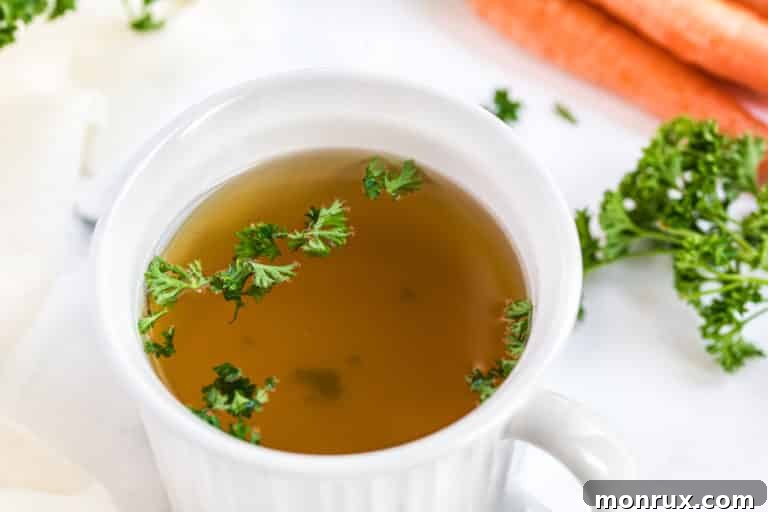
Instant Pot Vegetable Broth is a budget-friendly, wholesome, and simple way to make stock. Use whole vegetables or veggie scraps and a few simple seasonings. Once you’ve had homemade stock, you’ll never choose the boxed version again.
Total Time: 65 minutes
Yield: 8 cups 1x
Ingredients
Units
Scale
- 1 bunch of carrots, sliced into large sections (or 2 cups carrot scraps)
- 1 bunch of celery, sliced into large sections (or 1 cup celery scraps)
- 1 onion, chopped roughly (or 1 cup onion scraps/skins)
- 3 garlic cloves, chopped (or whole, unpeeled)
- 2 bay leaves
- 1 teaspoon sea salt (or to taste, optional)
- 1 teaspoon whole black peppercorns
- 8 cups filtered water
Instructions
- Combine all the prepared vegetables (carrots, celery, onion, garlic) and seasonings (bay leaves, sea salt, peppercorns) in the base of a 6-quart or 8-quart Instant Pot pressure cooker.
- Pour in the 8 cups of filtered water, ensuring that the liquid does not exceed the maximum fill line of your Instant Pot.
- Secure the lid on your Instant Pot and set the pressure release valve to the ‘Sealing’ position. Select the ‘Manual’ or ‘Pressure Cook’ setting and set the cooking time to 30 minutes at high pressure. For a deeper, more concentrated flavor, you can increase the cooking time to 60 minutes.
- Once the cooking cycle is complete, allow the pressure to release naturally for at least 10 minutes. This helps to extract maximum flavor and prevents excessive foaming. After 10 minutes, carefully perform a quick release by moving the sealing vent to the ‘Venting’ position until all remaining pressure has escaped and the float valve drops.
- Carefully remove the lid. Place a fine-mesh strainer or a colander lined with cheesecloth over a large bowl or stock pot. Pour the contents of the Instant Pot through the strainer to separate the liquid broth from the cooked vegetables. Discard the spent vegetables (do not press them).
- Allow the fresh vegetable broth to cool completely before transferring it into airtight storage containers. It can be refrigerated for up to 5 days or frozen for up to 2-3 months.
Notes
- Storage: Use immediately, or store in a tightly sealed container in the refrigerator for up to 5 days. For longer preservation, divide the cooled broth into freezer-safe containers or bags and freeze for up to 2 months. Ice cube trays are excellent for freezing small, convenient portions.
- Customization: Feel free to get creative with your vegetable choices! Beyond the core ingredients, you can include fennel, parsnips, leeks, or even dried mushrooms for added depth. Be aware that some vegetables, like broccoli and cauliflower, can impart very strong flavors to your finished broth, so use them sparingly if you prefer a neutral base.
- Using Scraps: This recipe is perfect for using clean vegetable scraps such as carrot ends and peels, celery stalk bottoms, onion skins, and mushroom stems. Ensure all scraps are free of mold. Store scraps in a freezer-safe bag in the freezer for up to 2 months until you have enough for a batch.
- Quantity of Veggies: You’ll need approximately 4 cups of roughly chopped vegetables or vegetable scraps for this recipe to achieve a rich flavor.
- Water Quality: For the best tasting broth, always use filtered water to avoid any chlorine or other tap water flavors that might affect your stock.
- Slow Cooker Instructions: To make this broth in a slow cooker, combine all ingredients in your large slow cooker. Cook on the HIGH setting for 4 hours, or on the LOW setting for 8 hours. Once cooking is complete, use a ladle or strainer to separate the liquid from the vegetables and discard the cooked vegetables. The broth can then be frozen for later use or kept in the refrigerator for up to 5 days.
- Author: Carrie Forrest, MPH in Nutrition
- Prep Time: 15 minutes
- Cook Time: 30 minutes
- Category: Soup
- Method: Instant Pot or Slow Cooker
- Cuisine: American
- Diet: Vegan
Nutrition
- Serving Size: 1 cup
- Calories: 12
- Sugar: 2 g
- Sodium: 549.9 mg
- Fat: 0 g
- Saturated Fat: 0 g
- Carbohydrates: 3 g
- Fiber: 0 g
- Protein: 0 g
- Cholesterol: 0 mg
Don’t forget to join my exclusive newsletter list to get clean eating recipes and helpful tips delivered directly to your inbox. It’s 100% free, spam-free, and you can unsubscribe anytime.
About the Author: Carrie Forrest is a renowned author with a master’s degree in public health and a specialization in nutrition. She is the author of the best-selling, Instant Pot-authorized cookbook, The Healthy Meal Prep Instant Pot Cookbook. Her website attracts over 5 million visitors annually, showcasing her expertise in healthy cooking and Instant Pot recipes. Feel free to connect with Carrie through her contact form for any inquiries or culinary discussions.