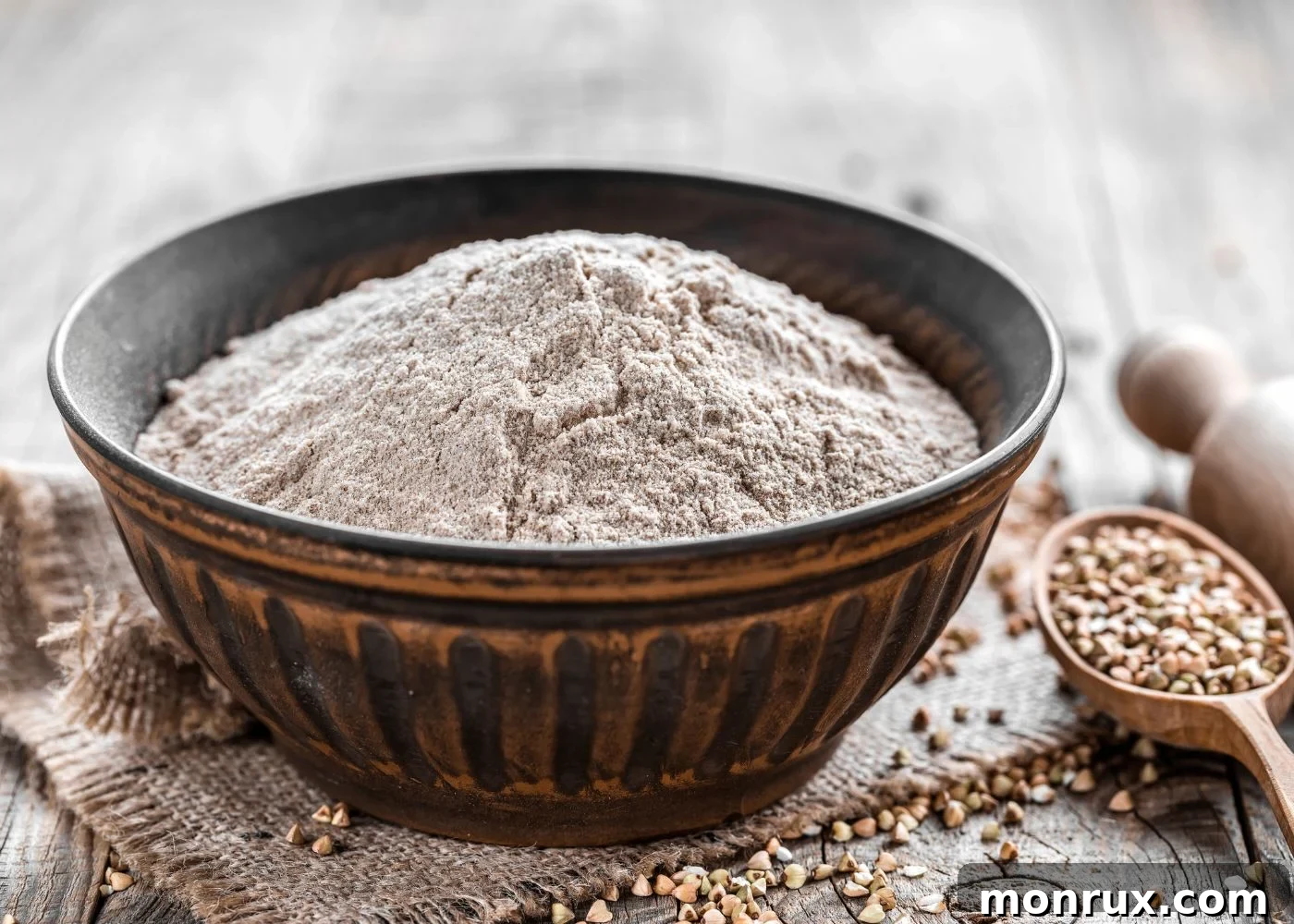
If your favorite recipe calls for buckwheat flour but your pantry is surprisingly empty, there’s no need to panic! You’re in luck, as many excellent alternatives can offer similar properties or unique characteristics to ensure your baking success. This comprehensive guide will explore the best substitutes for buckwheat flour, covering both gluten-free and gluten-containing options, to help you navigate your culinary adventures with ease and confidence.
Understanding Buckwheat Flour: Properties, Uses, and Nutritional Benefits
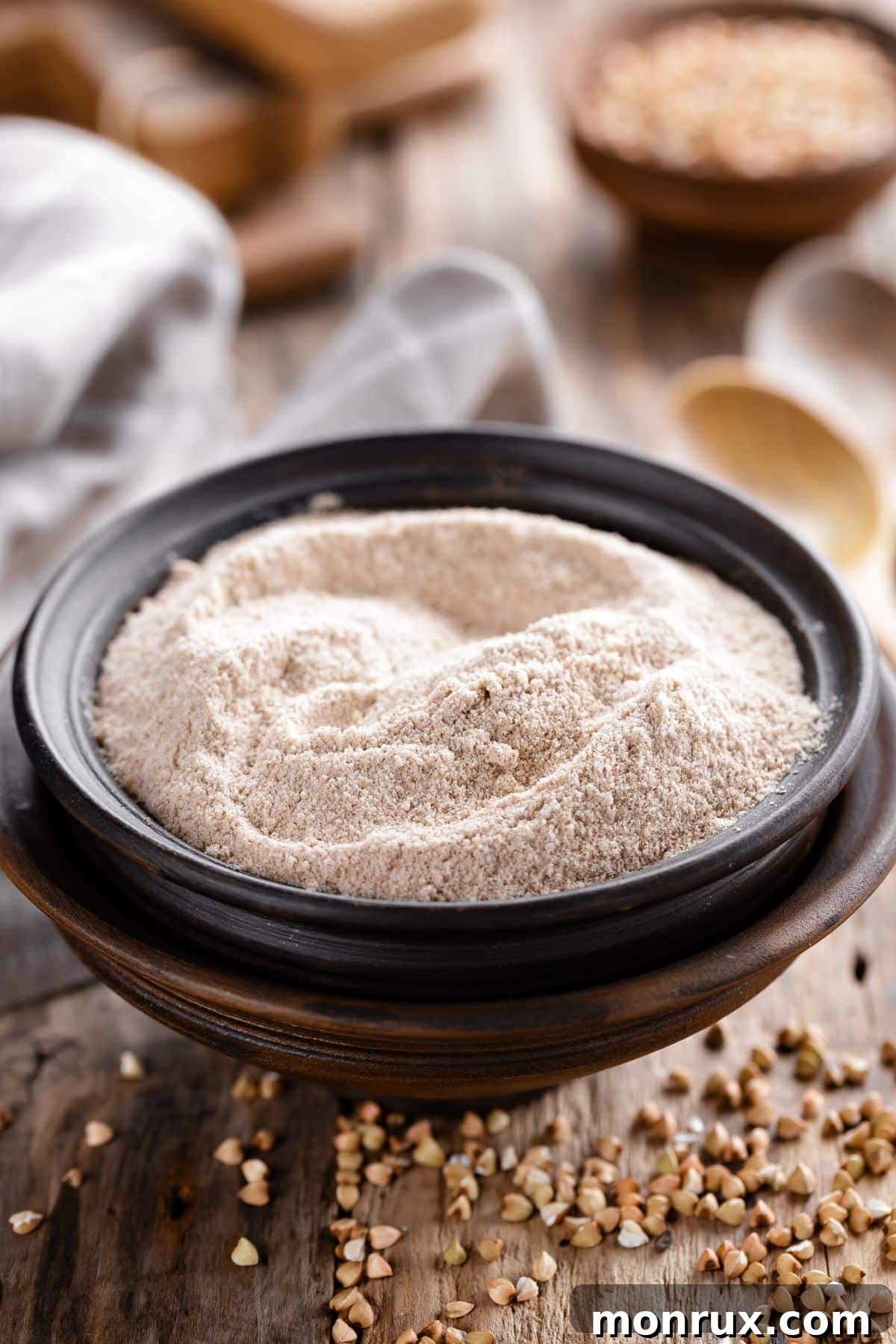
Buckwheat flour is a distinctive type of flour produced from the seeds of the buckwheat plant, a remarkable pseudo-cereal. Unlike traditional wheat, buckwheat is not a grass but rather a fruit seed, closely related to rhubarb and sorrel. These unique triangular seeds, commonly referred to as groats, are meticulously ground into a fine powder, yielding a flour that is incredibly versatile in the kitchen. It plays a starring role in a wide array of baked goods, from hearty breads and fluffy pancakes to delicate crepes and traditional soba noodles.
What truly sets buckwheat flour apart is its robust and unmistakable flavor profile – a characteristic nutty, earthy, and slightly bitter taste that imparts a unique depth to any dish. Beyond its intriguing flavor, buckwheat flour is a nutritional powerhouse. It boasts an impressive content of both high-quality protein and dietary fiber, contributing to satiety and supporting digestive health. Furthermore, it serves as an excellent source of essential minerals, including iron, vital for oxygen transport and energy, and magnesium, critical for muscle and nerve function, blood sugar control, and blood pressure regulation. Its rich antioxidant composition, including rutin, further enhances its health benefits, offering anti-inflammatory properties and contributing to overall well-being.
One of the most significant advantages of buckwheat flour, despite its name which might suggest otherwise, is its naturally gluten-free status. This makes it an invaluable ingredient and a cornerstone in the diets of individuals managing celiac disease, gluten intolerance, or those simply opting for a gluten-free lifestyle. Its ability to provide structure and a satisfying texture in baking, without the presence of gluten, is a primary reason for its increasing popularity among health-conscious consumers and those with specific dietary needs.
Finding buckwheat flour has become increasingly easy due to its rising popularity. You can typically locate it in most well-stocked grocery stores, often positioned alongside other specialty flours in the baking aisle, or prominently featured in the health food section. However, even with its widespread availability, there are times when a suitable substitute becomes necessary, whether due to a sudden shortage or a desire to experiment with different flavors and textures in your recipes.
Top Substitutes for Buckwheat Flour
When you find yourself without buckwheat flour, choosing the right alternative is paramount to preserving the intended texture, flavor, and dietary properties of your recipe. The best substitute will largely depend on whether a gluten-free option is essential, the specific flavor profile you’re aiming for, and the desired structural integrity of your finished product. Below, we delve into a variety of flours that can effectively step in for buckwheat flour, offering detailed insights into each option.
As a passionate baker, I’ve had the opportunity to experiment with many of these alternatives in my own kitchen, including my beloved Buckwheat Bread recipe. You can be confident that many of the gluten-free choices highlighted here will seamlessly integrate into your gluten-free baking projects, maintaining both flavor and form.
1. Gluten-Free Baking Flour Blends
Gluten-free baking flour, frequently marketed as an “all-purpose gluten-free blend,” is a meticulously formulated mix of various gluten-free flours. These blends typically combine ingredients like brown rice flour, potato starch, tapioca starch, and sometimes a touch of xanthan gum, specifically designed to emulate the functional properties of traditional wheat flour, without the gluten. This makes them an incredibly convenient and reliable option when a straightforward gluten-free substitute is required, especially for general baking needs.
While these blends excel at replicating the structural behavior of wheat flour, it’s important to note that they usually lack the distinctive nutty and earthy flavor profile of buckwheat. The texture they impart can also be different, often resulting in a lighter and sometimes more delicate crumb. However, for recipes where the unique buckwheat flavor is not the dominant characteristic, a high-quality gluten-free blend can provide the necessary structure, binding, and consistency. I personally use and highly recommend Bob’s Red Mill Gluten-Free Baking Flour, as it consistently delivers excellent results across a diverse range of gluten-free recipes, making it a trusted staple in my kitchen.
Substitution Ratio: You can generally substitute one cup of buckwheat flour with one cup of a gluten-free baking flour blend. It’s advisable to observe the dough or batter consistency and make minor adjustments to liquid content if the blend absorbs differently than buckwheat flour.
2. Teff Flour
Teff flour is produced from the incredibly tiny grains of the teff plant, an ancient and remarkably nutritious cereal grain indigenous to Ethiopia. For centuries, teff has served as a staple food in Ethiopian cuisine, famously used to make injera, a spongy flatbread. This naturally gluten-free flour is celebrated for its impressive nutritional composition, being particularly rich in protein, dietary fiber, and vital minerals such as iron (making it especially beneficial for those prone to anemia), magnesium, and zinc. Its darker varieties, often brown or red teff, also impart a beautiful, subtle hue to baked goods.
With its distinctive earthy, nutty flavor and a subtle underlying sweetness, teff flour shares some aromatic qualities with buckwheat, positioning it as an excellent flavor-forward substitute. While the texture of teff flour is typically finer and can result in a slightly denser crumb compared to buckwheat, its robust flavor profile makes it exceptionally suitable for hearty pancakes, savory crepes, and wholesome gluten-free breads. It also adds a unique depth and a satisfying chewiness to muffins and cookies, creating a more complex and fulfilling taste experience. Due to its high absorbency, it can contribute to a moist final product.
Substitution Ratio: A direct one-to-one swap is generally effective; use one cup of teff flour for one cup of buckwheat flour. Be prepared to make slight adjustments to the liquid content of your recipe, as teff flour has a high absorbency rate.
3. Sorghum Flour
Sorghum flour is a wholesome, naturally gluten-free flour meticulously milled from the nutrient-rich sorghum grain, an ancient cereal grain also widely recognized by its alternative name, milo. This versatile grain boasts a mild, gently nutty flavor with a delicate hint of sweetness, making it remarkably adaptable for use in both sweet and savory baking applications. It is an excellent source of dietary fiber, protein, and a rich array of antioxidants, all of which contribute to its increasing popularity in health-conscious cooking and gluten-free diets.
When compared to the more assertive flavor of buckwheat flour, sorghum flour tends to have a more neutral taste. This can be a distinct advantage in recipes where you prefer the flour’s flavor to provide a subtle base rather than dominate the overall profile. It performs admirably in recipes for light cakes, tender cookies, soft muffins, quick breads, and fluffy pancakes, offering a tender and appealing crumb. However, it’s worth noting that sorghum flour might not provide the same robust structural integrity or elasticity that buckwheat flour can, particularly in recipes requiring significant binding or rise without gluten. For optimal results in more complex recipes, it is often beneficial to combine sorghum flour with other gluten-free flours or to incorporate a small amount of a binder like xanthan gum to enhance structure.
Substitution Ratio: A straightforward one-to-one substitution is generally effective: use one cup of sorghum flour for one cup of buckwheat flour. This works particularly well for lighter baked goods.
4. Spelt Flour (Contains Gluten)
Spelt flour is an ancient grain flour, derived from spelt, a revered variety of wheat that is believed to be one of the oldest cultivated grains in human history. It has been enjoying a resurgence in popularity due to its distinct nutritional profile and unique flavor characteristics. Spelt flour offers a rich, nutty flavor with an underlying subtle sweetness, making it a truly delightful choice for a wide array of baked goods, including artisan breads, pastries, and even pasta. It is also notably higher in protein and fiber compared to many modern common wheat flours, contributing to its reputation as a hearty and nutritious grain.
It is crucial to emphasize that, unlike buckwheat flour, spelt flour *contains gluten*. While some individuals with mild gluten sensitivities occasionally find spelt flour easier to digest than modern common wheat, owing to its different gluten structure, it is unequivocally unsuitable for those diagnosed with celiac disease or who suffer from severe gluten intolerance. When placed side-by-side with buckwheat flour, spelt flour typically presents with a slightly higher calorie and complex carbohydrate content. Its texture can also be lighter and more tender, providing a different, often softer, mouthfeel. However, for bakers without gluten restrictions, its appealing flavor similarities to buckwheat and its excellent baking properties make it a commendable substitute. It can often be interchanged in a direct 1:1 ratio for many recipes like rustic breads, chewy cookies, and moist muffins, providing a slightly sweeter profile and generally a less dense final product compared to buckwheat.
Substitution Ratio: Substitute one cup of spelt flour for one cup of buckwheat flour. Always remember the gluten content when considering this option.
5. Brown Rice Flour
Brown rice flour is a naturally gluten-free, whole-grain flour made by finely grinding unpolished brown rice. This meticulous process ensures that the flour retains all three vital components of the rice grain – the bran, germ, and endosperm – making it a powerhouse of nutrition. It is packed with dietary fiber, essential B vitamins, and various minerals, providing a more nutrient-dense alternative to its refined counterpart, white rice flour. Its typically neutral, slightly nutty flavor and relatively light texture contribute to its widespread appeal and make it a highly popular choice in the realm of gluten-free baking.
As an excellent gluten-free alternative to buckwheat flour, brown rice flour distinguishes itself through its milder flavor and a lighter, less assertive texture. This characteristic makes it particularly well-suited for recipes where you want the primary ingredients and flavors to shine through, or when you prefer a less earthy or robust undertone in your baked goods. It contributes beautifully to a crisp texture in items such as cookies and crackers, and can provide a decent structure in muffins, pancakes, and certain types of gluten-free breads. However, if not very finely milled or if used in excessively high proportions without the balance of other flours, brown rice flour can sometimes impart a slightly gritty texture to the final product.
Substitution Ratio: A straightforward one-to-one substitution is highly effective; use one cup of brown rice flour for one cup of buckwheat flour. For the smoothest possible texture, consider sifting the brown rice flour before incorporating it into your recipe.
6. Oat Flour
Oat flour is a wholesome, whole-grain flour created by finely grinding rolled oats into a delicate, powdery consistency. It is highly valued for its exceptional versatility, impressive nutritional benefits, and distinct flavor profile. Rich in soluble fiber, particularly beta-glucans, oat flour is renowned for its positive impact on heart health, its ability to help regulate blood sugar levels, and its contribution to a feeling of satiety. Additionally, it provides a good source of plant-based protein, along with various essential vitamins and minerals, solidifying its status as a highly nutritious component of any balanced diet.
One of the most appealing qualities of oat flour when considering a substitute is its naturally nutty and subtly sweet flavor. This taste can beautifully complement many recipes where buckwheat flour is traditionally used, offering a comforting and familiar appeal. While oats are inherently gluten-free, it is absolutely crucial to choose “certified gluten-free” oat flour if you are baking for individuals with celiac disease or severe gluten sensitivities, as standard oats can be prone to cross-contamination with wheat, barley, or rye during harvesting and processing. Oat flour generally tends to have a slightly less dense texture than buckwheat flour and has a wonderful ability to add a lovely chewiness and moistness to baked goods. It is an ideal choice for creating tender pancakes, soft muffins, chewy cookies, and moist quick breads, often resulting in a softer crumb and a comforting flavor. Its natural binding properties are also quite effective, making it a reliable choice for a wide array of gluten-free recipes.
Substitution Ratio: You can confidently use one cup of oat flour for every one cup of buckwheat flour. Be aware that you might notice a slightly different texture in your final product, often leaning towards a softer and more moist consistency.
7. Cassava Flour
Cassava flour is a naturally gluten-free and grain-free flour derived from the entire cassava root, a starchy tuber widely cultivated in tropical and subtropical regions across the globe. It is distinct from tapioca starch, which is merely the isolated starch extracted from the root; cassava flour utilizes the whole root, which contributes more dietary fiber and a unique textural quality to the flour. It typically possesses a subtly sweet and faintly nutty flavor profile and is notably rich in resistant starch, a type of fiber that has been shown to offer beneficial effects on gut health and blood sugar management.
In the realm of baking, cassava flour is highly regarded for its ability to provide a surprisingly light texture and a pleasingly crumbly consistency when artfully combined with other gluten-free ingredients. Conversely, it can also be skillfully employed to create denser, chewier baked goods, such as specific types of cookies, robust muffins, and even certain traditional breads, depending on the precise recipe formulation and ratios used. A key differentiating factor from buckwheat flour is that cassava flour generally does not possess as strong or distinctive a flavor, making it a more neutral and adaptable base in recipes. Its texture can be inherently slightly grainy, and it exhibits a remarkably high absorbency rate, frequently necessitating more liquid than other flours. Therefore, when substituting, be prepared to meticulously adjust the liquid content to achieve the desired dough or batter consistency for optimal results.
Substitution Ratio: A one-to-one substitution of one cup of cassava flour for one cup of buckwheat flour serves as a practical starting point, but always be vigilant of its higher liquid absorption and adjust accordingly.
8. All-Purpose Flour (Contains Gluten)
All-purpose flour, universally known and often simply referred to as “regular” or “white” flour, is arguably the most common and widely utilized type of wheat flour found in kitchens around the globe. It is meticulously produced by milling a carefully selected blend of hard and soft wheat varieties, with the bran and germ meticulously removed. This refining process results in a remarkably fine texture and a light, appealing color. Its ubiquitous name perfectly reflects its exceptional versatility, as it can be confidently employed for a vast spectrum of baking and cooking applications, ranging from thickening delicate sauces to crafting delectable cakes, crispy cookies, and hearty breads.
It is absolutely vital to understand that all-purpose flour inherently *contains gluten*, a complex protein structure that is responsible for providing the elasticity, stretch, and structural integrity so characteristic of many baked goods. This fundamental characteristic renders it an unsuitable substitute for recipes where a gluten-free product is a strict requirement due to dietary restrictions, such as celiac disease or gluten intolerance. When compared to the robust profile of buckwheat flour, all-purpose flour possesses a significantly lower protein content and a much milder, less earthy, and more neutral flavor. It typically yields baked goods that are lighter, airier, and notably less dense. While it can often be substituted directly in terms of volumetric measurements, the resulting product will invariably exhibit a different flavor, a distinctly altered texture, and, most importantly, will contain gluten. Therefore, this option should only be considered if gluten consumption is not a concern and if you are amenable to accepting a noticeable change in the final product’s characteristics, moving away from the unique qualities of buckwheat.
Substitution Ratio: For textural similarity, you can generally use one cup of all-purpose flour for one cup of buckwheat flour. However, it is imperative to remember that this is NOT a gluten-free substitute.
9. Whole Wheat Flour (Contains Gluten)
Whole wheat flour is a robust, full-bodied, and highly nutrient-dense flour made from the entire wheat grain. This comprehensive milling process ensures that all three integral parts of the wheat berry – the bran, the endosperm, and the germ – are retained. Consequently, whole wheat flour offers a significantly higher content of dietary fiber, essential vitamins (particularly B vitamins), and a broader spectrum of minerals compared to its more refined counterparts like all-purpose flour. It imparts a distinctively nutty, hearty flavor and a denser, more substantial texture to baked goods, making it a preferred choice for wholesome and rustic recipes.
As with all-purpose flour, it is crucial to recognize that whole wheat flour *contains gluten*, thereby making it an unsuitable option for individuals adhering to gluten-free diets. It is considerably denser and typically possesses a higher protein content than buckwheat flour, which usually translates to a more substantial, and sometimes chewier, end product. The flavor profile is also distinctly different; while buckwheat offers a unique earthy nuttiness, whole wheat flour has a more pronounced, rustic, and often slightly bitter whole-grain taste. It truly excels in recipes that benefit from a robust flavor and a hearty texture, such as wholesome sandwich breads, rustic pancakes, and dense, nutritious muffins. If you are not avoiding gluten and are seeking a nutritious, full-bodied alternative with a character distinct from buckwheat, whole wheat flour can be a viable option. However, be fully aware of the textural and flavor differences it will introduce, as it will significantly alter the original recipe’s intended outcome.
Substitution Ratio: A direct one-to-one cup substitution can be made, using one cup of whole wheat flour for one cup of buckwheat flour. Once again, remember this is NOT a gluten-free substitute.
Bonus Buckwheat Flour Alternatives
Beyond the nine primary options detailed above, several other flours can also serve as decent substitutes for buckwheat flour, particularly if you are exploring various gluten-free options with specific flavor profiles or nutritional goals:
- Chickpea Flour (Besan/Gram Flour): This gluten-free flour offers a robust, slightly earthy, and savory flavor. It boasts excellent binding properties, making it an ideal choice for savory applications like flatbreads, fritters, and even as a thickener. Use in a 1:1 ratio, but expect a distinct, stronger flavor.
- Almond Flour: Known for its mild, subtly sweet, and rich nutty flavor, almond flour consistently delivers a moist, tender, and somewhat crumbly texture to baked goods. It is notably lower in carbohydrates and significantly higher in protein and healthy fats compared to many other flours, making it a popular choice for lighter, keto-friendly baking. Use in a 1:1 ratio, though its lower absorbency might require slight adjustments to liquid content or additional binders.
- Quinoa Flour: This gluten-free powerhouse grain provides a distinct, slightly bitter (if not properly rinsed before grinding), and nutty flavor profile. High in complete protein and packed with nutrients, quinoa flour works wonderfully in muffins, pancakes, and cookies, but is often best utilized when combined with other flours to balance its unique taste and texture. Use in a 1:1 ratio.
Conversely, it’s equally important to know which flours are generally *not* recommended as direct, one-to-one substitutes for buckwheat flour due to their vastly different functional properties and absorption rates:
- Coconut Flour: This is an extremely absorbent and dense flour, requiring significantly more liquid and often additional eggs to achieve a workable consistency. It cannot be substituted 1:1 for buckwheat flour without substantial and complex recipe alterations.
- Xanthan Gum and Potato Starch: These ingredients are primarily used as binders, thickeners, or textural enhancers, not as standalone flours. While they are often essential components within comprehensive gluten-free flour blends to improve structure, they cannot replace buckwheat flour on their own as they lack the necessary bulk, nutritional value, and primary flour characteristics for baking.
Detailed Comparison: Pros and Cons of Buckwheat Flour Substitutes
To further assist you in making an informed decision, here’s a detailed chart summarizing the key characteristics, distinct advantages (pros), and potential disadvantages (cons) of various popular buckwheat flour substitutes. This comprehensive overview aims to help you select the most appropriate alternative based on your specific dietary requirements, desired flavor profile, and the unique demands of your recipe.
| Substitute | Pros | Cons |
|---|---|---|
| Gluten-Free Baking Flour | Highly convenient, designed to mimic wheat flour properties, widely available, inherently gluten-free. Excellent for general gluten-free baking applications where a neutral base is desired. | Lacks the distinct nutty/earthy flavor of buckwheat. May slightly alter the final texture (often producing a lighter crumb), requires testing for specific recipe outcomes. |
| Teff Flour | Features a rich nutty, earthy, and subtly sweet flavor. Highly nutritious (rich in protein, fiber, and minerals like iron). Naturally gluten-free. Adds unique depth and a pleasant color to dishes. | The texture can be denser than buckwheat, potentially affecting lightness. May necessitate slight liquid adjustments due to its high absorbency. Its stronger flavor might not complement all recipes. |
| Sorghum Flour | Offers a mild, neutral, and slightly sweet flavor. Gluten-free, a good source of fiber and protein. Highly versatile for a wide spectrum of baked goods without overpowering other flavors. | Might not provide the same robust structural integrity or elasticity as buckwheat in certain recipes, potentially requiring additional binders like xanthan gum. Its flavor can be too subtle for applications where a distinctive flour taste is desired. |
| Spelt Flour | Possesses a delightful nutty, slightly sweet taste. Higher in protein and fiber than common wheat varieties. Exhibits good baking properties, providing a tender and appealing crumb. | Contains gluten, rendering it completely unsuitable for gluten-free diets. Generally higher in calories and carbohydrates compared to buckwheat. The flavor profile, while similar, is subtly different and might not be an exact match. |
| Brown Rice Flour | Provides a mild, subtly nutty flavor. Contributes to a lighter texture and a desirable crispiness in baked goods. Naturally gluten-free and a wholesome whole-grain option. Generally easily accessible. | Can sometimes result in a slightly gritty texture if not exceptionally finely ground. Its milder flavor might be perceived as too bland for recipes where buckwheat’s distinctiveness is a key component. |
| Oat Flour | Imparts a pleasant nutty, subtly sweet flavor. Adds moisture and a desirable chewiness to baked items. High in beneficial fiber (beta-glucans) and protein. Is gluten-free if certified. | Tends to be less dense than buckwheat flour, which can slightly change the overall texture and structure of baked goods. For strict gluten-free diets, a certified gluten-free variety is essential to avoid cross-contamination. |
| Cassava Flour | Offers a surprisingly light texture and a mild flavor, making it remarkably versatile. It is both grain-free and naturally gluten-free. A good source of beneficial resistant starch. | Can exhibit a slightly grainy texture if not processed finely. Its notably high absorbency often demands more liquid in recipes, necessitating careful adjustments during substitution. Lacks the distinctive nutty flavor of buckwheat. |
| All-Purpose Flour | Universally available, exceptionally versatile, and consistently provides a light and airy texture. A go-to for traditional baking techniques. | Contains gluten, making it unsuitable for individuals on gluten-free diets. Possesses a much milder flavor and significantly less nutritional density than buckwheat. Produces less dense and sometimes less robust baked goods. |
| Whole Wheat Flour | Characterized by a hearty, robust, and distinctly nutty flavor. High in fiber and a wealth of nutrients as a whole grain. Adds a substantial and wholesome texture to baked goods. | Contains gluten, making it unsuitable for gluten-free diets. Its denser texture and stronger flavor profile can sometimes overpower delicate recipes that originally called for buckwheat. |
Explore More Ingredient Substitutions
Conclusion: Finding Your Perfect Buckwheat Flour Replacement
Navigating the diverse world of flour substitutes can initially seem like a complex task, but armed with the detailed insights from this guide, you are now well-equipped to find the ideal replacement for buckwheat flour in virtually any recipe. Each of the alternatives we’ve thoroughly discussed—ranging from gluten-free powerhouses like oat, teff, and brown rice flour to traditional options such as spelt and whole wheat for those without gluten restrictions—offers its own unique flavor profile, distinct texture, and specific baking characteristics.
The fundamental key to successful substitution lies in a deep understanding of the specific properties of both buckwheat flour and your chosen alternative. Before making a swap, take a moment to consider the desired outcome of your recipe: Is a gluten-free option an absolute necessity? Are you aiming to replicate a similar nutty, earthy flavor, or do you prefer a more neutral base? What kind of texture—light and airy, dense and chewy, or crisp—are you hoping to achieve? By carefully weighing these critical factors, you can confidently select a substitute that not only aligns perfectly with your dietary needs but also elevates your final dish, perhaps even discovering new and exciting flavor combinations along the way.
Don’t hesitate to embrace the spirit of culinary experimentation and discover new favorites. With a little foundational knowledge and an adventurous spirit, you can ensure your baking endeavors are always a resounding success, even when buckwheat flour isn’t readily available. Remember, the art of successful cooking and baking is often a delightful blend of adaptability, creativity, and a willingness to explore new ingredients.
For more exclusive clean eating recipes, practical tips, and insightful dietary guidance delivered straight to your inbox, don’t forget to join my newsletter list. It’s completely free, absolutely spam-free, and you have the flexibility to unsubscribe anytime.
About the Author: Carrie Forrest holds a master’s degree in public health with a specialized focus on nutrition and is a certified holistic nutritionist. As a prominent wellness and food blogger, her site proudly welcomes over 5 million annual visitors who seek her expert advice and inspiring content. Carrie openly shares an incredibly moving story of recovery from chronic illness and is deeply committed and passionate about empowering other women to embark on and successfully navigate their own transformative health journeys. You can connect with her directly or send a message through her dedicated contact form for any inquiries, collaborations, or shared experiences.