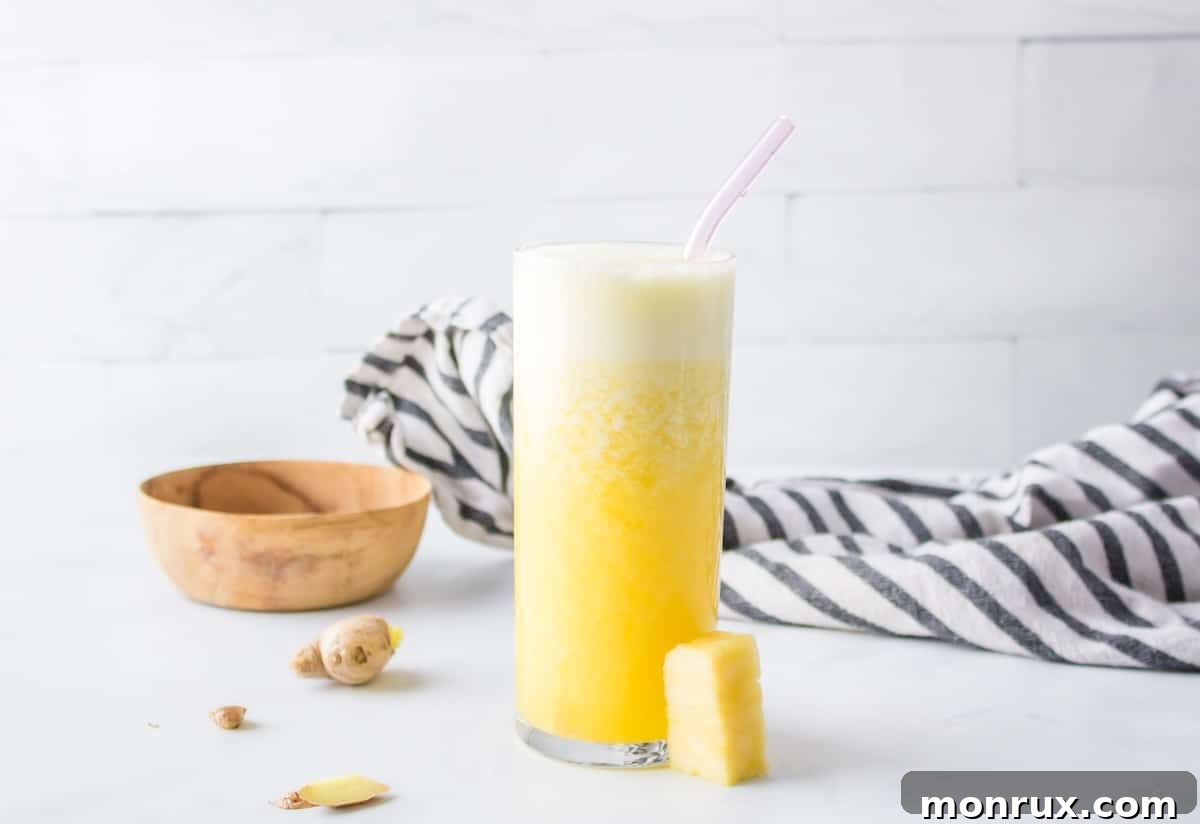
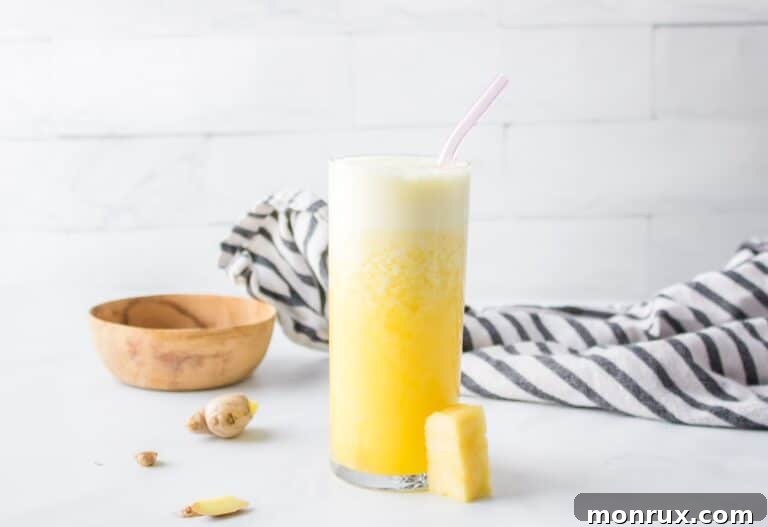
Pineapple Ginger Juice is a vibrant and immensely refreshing beverage that beautifully marries the tropical sweetness of ripe pineapple with the invigorating, spicy warmth of fresh ginger. This delightful drink is not just a treat for your taste buds but also a powerhouse of nutrients, offering a natural boost to your wellness routine. Whether you prefer the simplicity of a juicer or the versatility of a blender, crafting this delicious elixir at home is surprisingly straightforward and allows for complete customization to suit your palate. Dive in to discover how to prepare this revitalizing juice, explore its myriad health benefits, and unlock tips for making it perfectly every time.
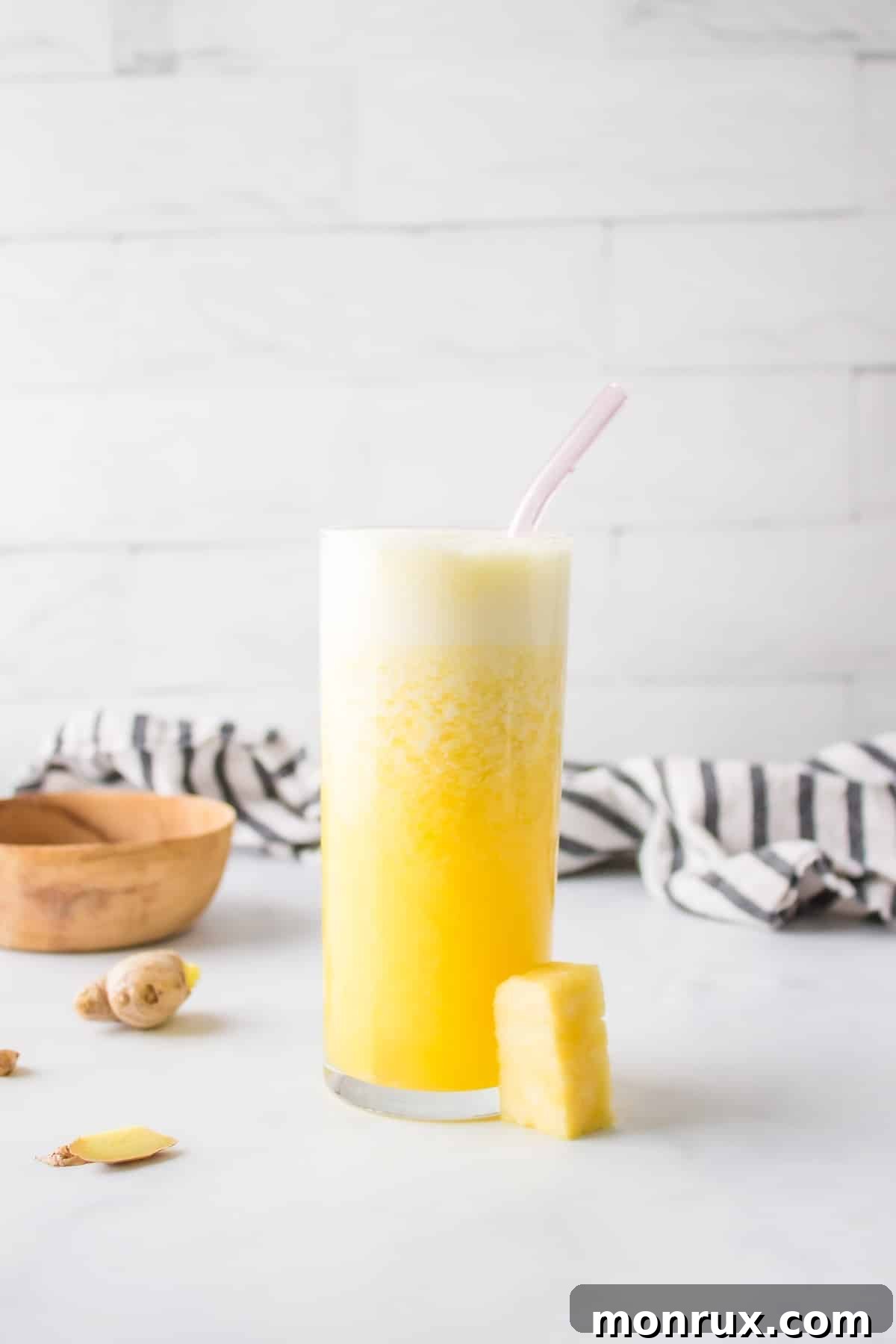
There’s a unique satisfaction that comes with preparing your own fresh juices. Making pineapple ginger juice at home ensures you have full control over the quality and freshness of every ingredient. This means no hidden sugars, no artificial flavors, and absolutely no preservatives – just pure, natural goodness. Beyond the assurance of wholesome ingredients, crafting your own juice provides the flexibility to fine-tune the sweetness, adjust the level of ginger’s spicy kick, and achieve your desired consistency. It’s a truly personalized experience that results in a more flavorful and nutrient-dense beverage, far superior to most store-bought options. This guide will walk you through both juicer and blender methods, making it accessible for everyone.
Why Make Your Own Pineapple Ginger Juice?
In today’s fast-paced world, convenience often triumphs over quality, especially when it comes to beverages. However, making your own pineapple ginger juice at home offers a multitude of advantages that go far beyond just taste. First and foremost, it grants you complete oversight of the ingredients. You can hand-pick the freshest, ripest pineapple and the most potent ginger root, ensuring that your juice is packed with maximum flavor and nutrients. This contrasts sharply with many store-bought juices, which often contain concentrate, added sugars, artificial flavors, and preservatives that detract from their nutritional value and natural taste.
Another significant benefit is the ability to customize your drink to your exact preferences. Love a bolder ginger kick? Add an extra slice! Prefer it sweeter? Opt for a super ripe pineapple or a touch of natural sweetener like honey or maple syrup. Want a thinner consistency? Add a splash more water. This level of personalization is simply not possible with pre-packaged options. Moreover, homemade juices tend to be more cost-effective in the long run, especially if you enjoy fresh juices regularly. By avoiding the markup on processed drinks, you can enjoy a premium product without breaking the bank. Finally, the process itself can be a mindful and rewarding experience, connecting you more intimately with the food you consume and fostering a healthier lifestyle.
Key Ingredients for the Perfect Blend
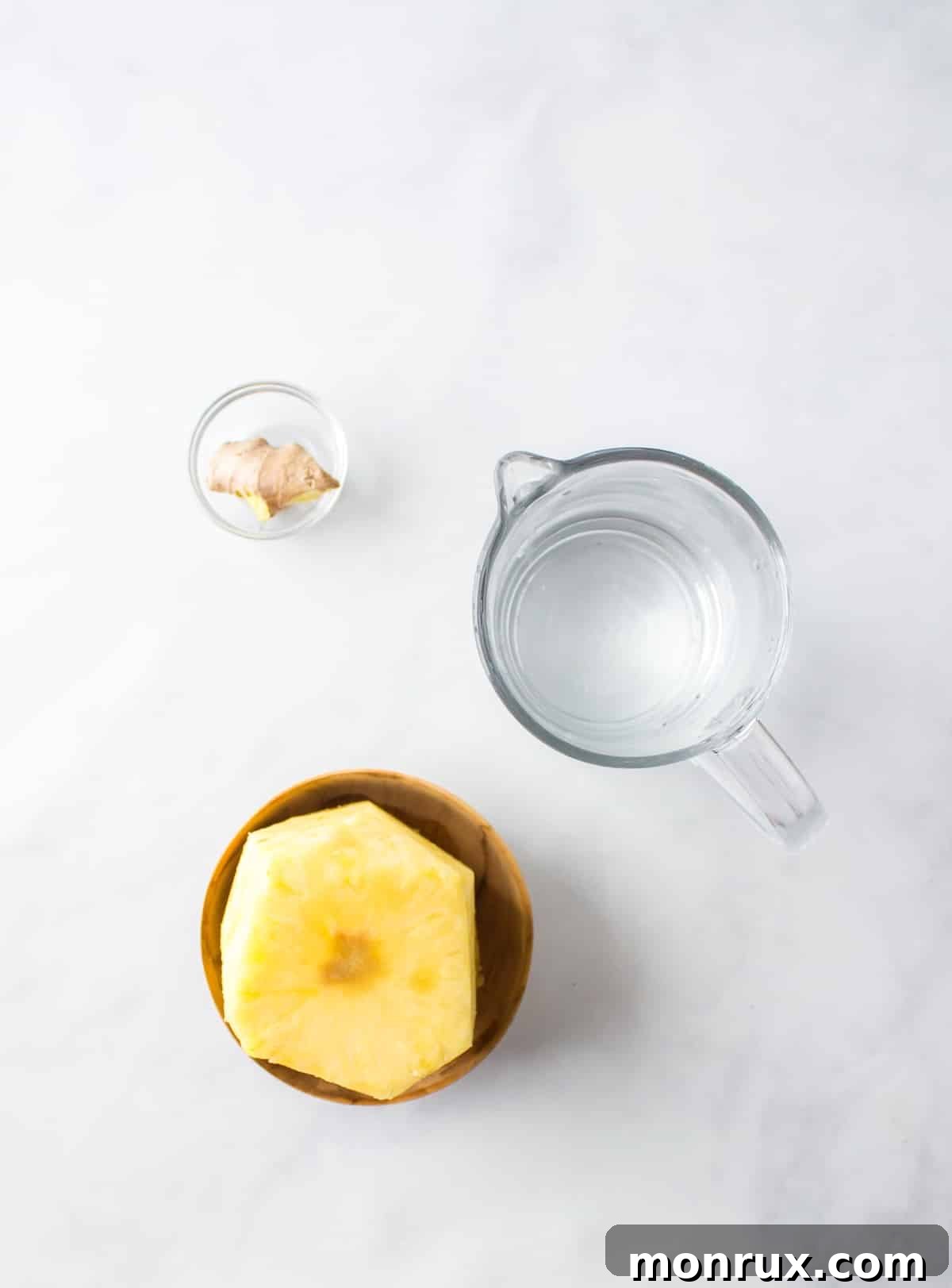
- Pineapple: This tropical fruit is the star of our show, renowned for its juicy, sweet, and tangy flavor. Beyond its delightful taste, pineapple is a nutritional powerhouse. It’s an excellent source of Vitamin C, a powerful antioxidant vital for immune health, and contains significant amounts of Manganese, which plays a role in bone health and metabolism. The most remarkable component is Bromelain, a complex enzyme mixture with well-documented anti-inflammatory and digestive properties. When selecting a pineapple, look for one that smells sweet and tropical at the base, has vibrant green leaves, and yields slightly to gentle pressure. A heavier pineapple often means it’s juicier. Always opt for fresh, ripe pineapple for the best flavor and nutrient profile in your juice.
- Ginger: The rhizome of the ginger plant delivers a distinctive spicy, pungent, and aromatic kick that beautifully complements the sweetness of pineapple. Ginger has been cherished for centuries in traditional medicine for its vast array of health benefits. It’s particularly lauded for its ability to soothe digestive discomfort, reduce nausea, and act as a potent anti-inflammatory agent. The active compounds in ginger, such as gingerols and shogaols, are responsible for its unique flavor and therapeutic effects. When choosing ginger root, look for firm, smooth skin with a fresh, spicy aroma. Avoid pieces that are shriveled or moldy. If you’re a fan of ginger, you might also love exploring other recipes like Orange Ginger Juice to expand your juicing repertoire.
- Water (for blender method): A small amount of filtered water helps achieve the desired consistency when blending, ensuring all ingredients are thoroughly pulverized into a smooth mixture before straining.
Refer to the comprehensive recipe card at the end of this article for precise measurements and detailed ingredient specifications.
Equipment You’ll Need: Juicer or Blender
The beauty of making pineapple ginger juice is its accessibility; you don’t necessarily need specialized equipment. Both a traditional juicer and a high-speed blender can yield fantastic results. Your choice depends on your existing kitchen tools, preference for juice texture, and how much pulp you’re willing to handle.
- Juicer: If you own a juicer, whether it’s a slow masticating juicer or a centrifugal model, it will efficiently separate the juice from the pulp, giving you a smooth, pulp-free beverage. Masticating juicers operate at a slower speed, which is believed to preserve more nutrients by minimizing heat and oxidation, often yielding more juice. Centrifugal juicers are faster and generally more affordable, though they can be a bit noisier and create more foam.
- Blender: A high-speed blender is an excellent alternative if you don’t have a juicer. It pulverizes the fruit and ginger into a thick purée. To transform this purée into a smooth juice, you’ll need to strain it through a fine-mesh sieve, a nut milk bag, or cheesecloth. This method allows you to retain some of the fiber if you prefer a thicker juice, or you can strain it thoroughly for a smoother consistency. A food processor can also be used as a blending device, though you might need to process in smaller batches.
- Strainer/Nut Milk Bag/Cheesecloth: Essential for the blender method to separate the juice from the pulp. A nut milk bag is often the most efficient for maximizing juice yield and achieving a silky-smooth texture.
- Sharp Knife and Cutting Board: For safely preparing the pineapple and ginger.
- Spoon (optional): Useful for easily peeling ginger skin.
Step-by-Step Recipe Instructions
Preparation is Key
- Prepare the Pineapple: Start by carefully slicing off the top crown and bottom of the pineapple. Stand the pineapple upright and use a sharp knife to carefully cut away the thick, spiky skin in vertical strips, following the curve of the fruit. Be sure to remove all the ‘eyes’ (the small brown prickly spots) by cutting shallow V-shaped grooves around them if necessary. Once peeled, cut the pineapple into manageable chunks, avoiding the fibrous core which can be tough and bitter.
- Prepare the Ginger: For the ginger root, you can either peel it or leave the skin on, depending on your preference and the ginger’s condition. The skin contains nutrients, but it can also add a slightly earthy flavor. If peeling, use the back of a spoon to scrape away the thin skin effortlessly, or a vegetable peeler for larger pieces. Slice the ginger into smaller pieces to make it easier for your blender or juicer to process.
These initial steps are crucial for ensuring a smooth and flavorful juice. Detailed measurements and ingredient list can be found in the recipe card at the end of this post.
Blender Method for Smooth, Delicious Juice
- Blend the Ingredients: Add your chopped pineapple chunks, ginger pieces, and 1 cup of filtered water to the jar of a high-speed blender. Begin blending on a low setting to break down the larger pieces, then gradually increase to high speed. Blend until the mixture is completely smooth and no large chunks remain, typically 1-2 minutes. The consistency should be thick and pulpy at this stage.
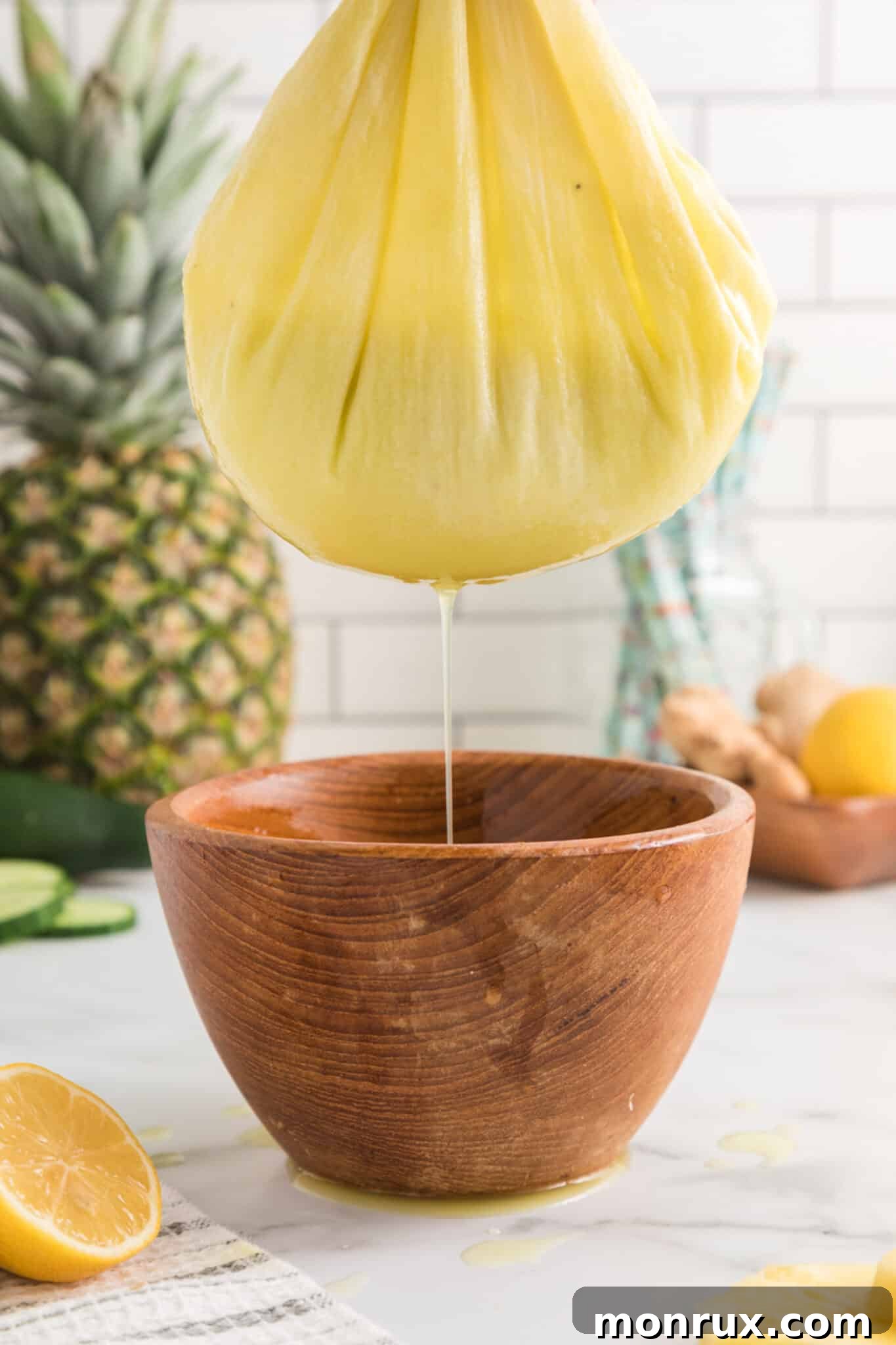
- Strain for Clarity: This step is essential for achieving a pure juice texture from your blender. Place a nut milk bag or several layers of cheesecloth over a large bowl or pitcher. Pour the blended pineapple ginger mixture into the bag. Gently gather the top of the bag and squeeze firmly to extract all the liquid. Continue squeezing until you’ve extracted as much juice as possible, leaving behind only the dry pulp. The remaining pulp can be saved for other uses (like composting or adding to baked goods) or discarded.
Juicer Method for Pure Juice Extraction
- Juice Away: If you are using a juicer, the process is even simpler. Once your pineapple and ginger are prepped and cut into appropriate sizes for your juicer’s chute, simply feed them through the juicer. The machine will automatically separate the juice from the pulp, delivering a clear, ready-to-drink juice directly into your collection pitcher. No straining required!
Serving and Enjoying
- Serve Immediately: For the freshest taste and maximum nutritional benefit, serve your homemade pineapple ginger juice immediately. Pour it into glasses, add a few ice cubes if desired, and garnish with a pineapple wedge, a slice of lime, or a sprig of fresh mint for an extra touch of elegance.
- Chilling and Storage: If you prefer your juice thoroughly chilled or wish to prepare it in advance, cover the juice tightly in an airtight pitcher or jar and refrigerate for at least an hour. This refreshing homemade juice, bursting with fresh ingredients, truly hits the spot. It’s an excellent way to hydrate, and thanks to pineapple’s digestive enzymes and ginger’s soothing properties, it’s a wonderful choice after meals or if your stomach feels a bit off. This pineapple ginger juice recipe is definitely one of my top healthy juice recipes for beginners and enthusiasts alike!
The Impressive Health Benefits of Pineapple Ginger Juice
Beyond its incredible flavor, pineapple ginger juice is celebrated for its potent health benefits, stemming from the unique properties of its two primary ingredients. This delicious drink offers a synergistic blend that supports overall well-being:
- Digestive Aid: Pineapple is rich in bromelain, an enzyme that aids in the breakdown of proteins, thereby facilitating digestion and reducing bloating. Ginger complements this by stimulating the production of digestive enzymes, alleviating gastrointestinal irritation, and helping to soothe an upset stomach. Together, they create a powerful digestive tonic.
- Potent Anti-inflammatory Properties: Both pineapple (through bromelain) and ginger (through gingerols and shogaols) possess significant anti-inflammatory capabilities. This makes the juice particularly beneficial for individuals dealing with inflammatory conditions, muscle soreness from exercise, or simply looking to reduce general inflammation throughout the body. It can contribute to joint health and overall comfort.
- Immune System Support: Pineapple is an excellent source of Vitamin C, a crucial antioxidant that boosts the immune system, protecting the body against infections and illnesses. Ginger also plays a role in immunity, thanks to its antimicrobial and antiviral properties, helping to fend off colds and flu.
- Rich in Antioxidants: The combination of pineapple and ginger provides a wealth of antioxidants. These powerful compounds combat oxidative stress caused by free radicals in the body, which can damage cells and contribute to chronic diseases. Regular consumption can help protect cells and promote overall health and longevity.
- Hydration and Electrolyte Balance: As a water-rich fruit, pineapple contributes significantly to hydration. Juicing fresh fruits and vegetables is an excellent way to replenish fluids and essential electrolytes, especially during hot weather or after physical activity.
- Detoxification Support: The diuretic properties of pineapple and the stimulating effects of ginger can support the body’s natural detoxification processes, helping to flush out toxins and promote a feeling of lightness and vitality.
Embracing this simple, natural juice can be a delicious step towards a healthier lifestyle, offering a refreshing way to incorporate powerful nutrients into your daily routine.
Expert Tips for the Best Pineapple Ginger Juice
To ensure your homemade pineapple ginger juice is nothing short of perfect, consider these expert tips:
- Select Ripe Ingredients: The ripeness of your pineapple makes a huge difference. A ripe pineapple will be sweeter and more aromatic, requiring less or no added sweeteners. For ginger, fresh and firm roots will yield the best flavor.
- Adjust Ginger to Taste: Ginger’s potency can vary. Start with a 1-inch piece and taste the juice. If you desire a stronger, spicier kick, gradually add more ginger. Remember, you can always add more, but you can’t take it out!
- Chilling is Key: While delicious at room temperature, pineapple ginger juice truly shines when served cold. Chill your prepared juice in the refrigerator for at least an hour before serving, or pour it over ice.
- Experiment with Additions: Don’t be afraid to customize! A squeeze of fresh lemon or lime juice can brighten the flavors and add extra Vitamin C. A pinch of turmeric powder can boost anti-inflammatory benefits, or a few mint leaves can add a refreshing aromatic note. Coconut water can also be a great addition for added electrolytes and a slightly creamier texture.
- Don’t Waste the Pulp: If using a blender and straining the juice, the leftover pineapple-ginger pulp is still full of fiber and nutrients. You can incorporate it into muffins, smoothies, or even savory dishes for added flavor and texture.
- Storage Matters: Fresh juice is best consumed immediately. However, if storing, pour it into an airtight container or a glass bottle with a tight-fitting lid to minimize oxidation and preserve nutrients and flavor.
Pineapple Ginger Juice Recipe FAQs
While fresh pineapple is always recommended for the best flavor and nutritional value, you can use canned pineapple as a substitute. If you do, choose varieties packed in water or their own juice, not heavy syrup, to avoid excessive added sugars. Make sure to drain the liquid from the can before blending. Be aware that canned pineapple may offer a less vibrant flavor and fewer active enzymes like bromelain due to processing.
To maintain optimal freshness and nutrient content, store the pineapple ginger juice in an airtight container or glass bottle in the refrigerator. It is best consumed within 24-48 hours. While it can last up to 4 days, its flavor and nutritional potency will gradually diminish due to oxidation. Give it a good shake or stir before serving if it has been sitting for a while, as natural separation can occur.
Absolutely. If you find the ginger flavor too strong or spicy for your liking, you have several options. You can simply reduce the quantity of ginger used in the recipe to a smaller piece (e.g., 1 inch instead of 2). Alternatively, you can increase the amount of pineapple to balance out the spiciness, or add a splash of water, a squeeze of fresh lemon juice, or even a tiny amount of natural sweetener like honey or maple syrup to mellow the intensity.
Yes, creativity is encouraged! This recipe serves as a fantastic base for experimentation. You can add other tropical fruits like mango or orange for a sweeter, more complex flavor profile. Berries, apples, or even a small piece of cucumber can also be delicious additions. For an extra health boost, consider adding a pinch of turmeric root or black pepper. Fresh herbs like mint or basil can provide a refreshing twist, and a splash of coconut water can add electrolytes and a subtle creaminess.
While pineapple ginger juice is not a magic weight-loss solution, it can certainly support a healthy weight management plan. It’s low in calories and fat, rich in vitamins and enzymes that aid digestion and metabolism, and can help you feel full and hydrated. However, it’s important to consume it as part of a balanced diet and regular exercise routine. Be mindful of natural sugar content from the pineapple, especially if you’re watching your sugar intake.
Opting for organic pineapple and ginger is always a good choice if available and within your budget. Organic produce is grown without synthetic pesticides or fertilizers, which can enhance the purity and potentially the nutrient content of your juice. However, even conventional fresh ingredients will yield a highly nutritious and delicious juice, far healthier than most processed alternatives.
We hope you enjoyed crafting this refreshing and healthy pineapple ginger juice! If you try this recipe, please leave a comment and a starred review below to let us know what you think. Your feedback helps others discover delicious and healthy recipes.
And, to stay updated with more clean eating recipes and wellness tips, consider following us on social media! Find us on Facebook, Pinterest, Instagram, and YouTube!
Print Recipe
Full Recipe Card: Pineapple Ginger Juice (Juicer or Blender)
5 Stars
4 Stars
3 Stars
2 Stars
1 Star
5 from 1 review
This Pineapple Ginger Juice is a truly refreshing and invigorating beverage that perfectly balances the sweet, tangy notes of tropical pineapple with the spicy, aromatic kick of fresh ginger. It’s not just a delight for your palate, but also a healthy powerhouse packed with digestive and anti-inflammatory benefits. Learn to make this vibrant drink using either a juicer or a blender, ensuring a fresh and wholesome beverage every time.
- Total Time: 17 minutes
- Yield: 4 servings
Ingredients
- 1 large ripe pineapple
- 1 2-inch piece of fresh ginger
- 1 cup water (if using a blender)
Instructions
- Use a sharp knife to cut off the skin of the pineapple. Then, cut it into chunks, avoiding the core.
- Use the back of a spoon to remove the skin from the ginger.
- For Blender Method: In the base of a high-speed blender, combine the pineapple chunks, ginger, and water.
- Blend on high until well combined and smooth. Then, pour the mixture through a nut milk bag or cheesecloth. Squeeze the bag over a bowl to extract all the juice, then pour the juice into a pitcher.
- For Juicer Method: Simply run the prepared pineapple chunks and ginger through your juicer according to its instructions. No straining is needed.
- Serve the juice immediately for best taste. Or, cover the juice and chill in the refrigerator for a few hours before serving. Enjoy!
- Author: Carrie Forrest, MPH in Nutrition
- Prep Time: 15 minutes
- Cook Time: 2 minutes
- Category: Juice
- Method: Blender or Juicer
- Cuisine: Homemade
- Diet: Vegan
Nutrition
- Serving Size: 1/4 of recipe
- Calories: 114
- Sugar: 22.3 g
- Sodium: 2.4 mg
- Fat: 0.3 g
- Saturated Fat: 0 g
- Carbohydrates: 29.9 g
- Fiber: 3.2 g
- Protein: 1.2 g
- Cholesterol: 0 mg
More Invigorating Juice Recipes You Might Enjoy
If you’ve enjoyed the refreshing taste and health benefits of pineapple ginger juice, you’re in for a treat! The world of homemade juices is vast and offers endless possibilities for flavor and wellness. Here are some other fantastic juice recipes that are worth exploring, each offering its unique blend of taste and nutrients:
- Ginger Lemon Shot: A concentrated dose of immune-boosting power.
- Carrot Juice with Oranges: Sweet and earthy, packed with Vitamin A.
- ACV Weight Loss Juice: A tangy concoction for metabolism support.
- Fennel Green Juice: A unique and surprisingly delicious detoxifier.
- Mango Juice: Pure tropical bliss, naturally sweet and rich.
- Strawberry Juice: A vibrant and sweet juice, perfect for berry lovers.
- Kale Green Juice: A powerhouse of greens for ultimate vitality.
Expanding your repertoire of homemade juices is a fantastic way to incorporate more fruits and vegetables into your diet, ensuring you receive a wide spectrum of vitamins, minerals, and antioxidants. Each recipe offers a different set of benefits, contributing to your overall health and well-being. So, dust off your juicer or blender and get ready to explore new flavors!
Essential Juicing Resources
Embarking on a juicing journey can be incredibly rewarding, but sometimes it helps to have the right information and tools. Whether you’re a complete beginner or looking to upgrade your setup, these essential juicing resources will guide you in making informed decisions and getting the most out of your juicing experience. From choosing the best equipment to understanding the benefits of different juice combinations, these articles are packed with valuable insights.
These resources are designed to equip you with the knowledge and confidence to make juicing a seamless and enjoyable part of your healthy lifestyle. From understanding the nuances of different juicer types to exploring recipes specifically tailored for reducing inflammation, you’ll find everything you need to become a juicing pro!
Don’t forget to join our newsletter list to receive exclusive clean eating recipes, wellness tips, and special offers directly in your inbox. Our newsletter is 100% free with a strict no-spam policy; you can unsubscribe anytime. Stay connected for continuous inspiration on your healthy eating journey!
About the Author: Carrie Forrest holds a master’s degree in public health with a specialization in nutrition and is a certified holistic nutritionist. She is a prominent wellness and food blogger, attracting over 5 million visitors to her site annually. Carrie shares an inspiring story of recovery from chronic illness and is deeply passionate about empowering other women to transform their health through wholesome food and lifestyle choices. Feel free to send her a message through her contact form if you have any questions or simply want to connect.
Note: This content is provided for informational purposes only and is not intended as medical advice. Always consult your healthcare provider for personalized recommendations pertaining to your individual health situation and needs.