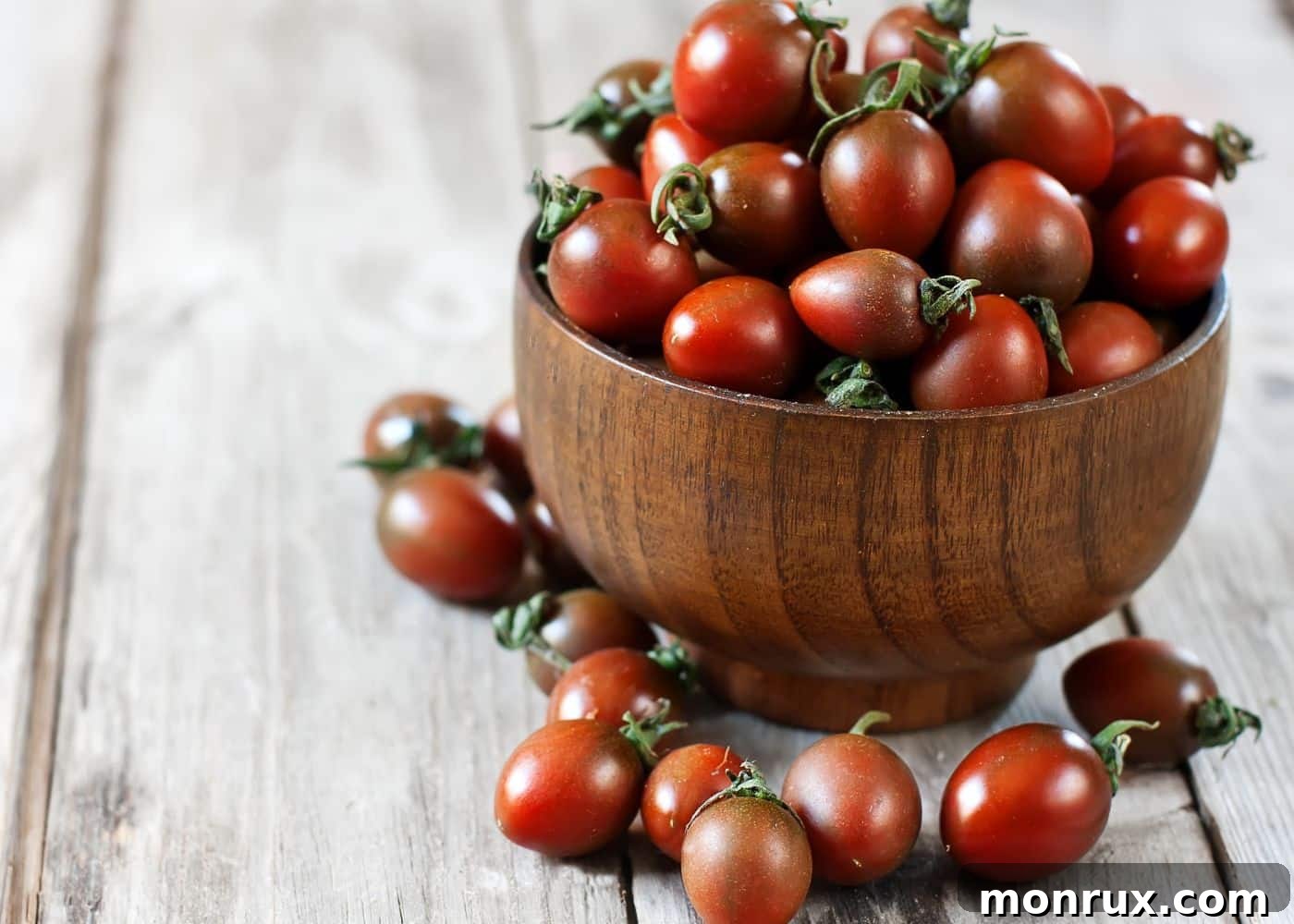
If you’re facing an abundance of juicy cherry tomatoes from your garden or a great deal at the market, you’re in luck! Learning the best ways to freeze cherry tomatoes is a game-changer for preserving this versatile fruit. Once properly frozen, these little bursts of flavor can last for months, becoming a convenient addition to a wide array of dishes, from hearty soups and savory stews to rich sauces and vibrant dressings. This guide will walk you through everything you need to know to successfully freeze cherry tomatoes, ensuring you can enjoy their goodness all year round.
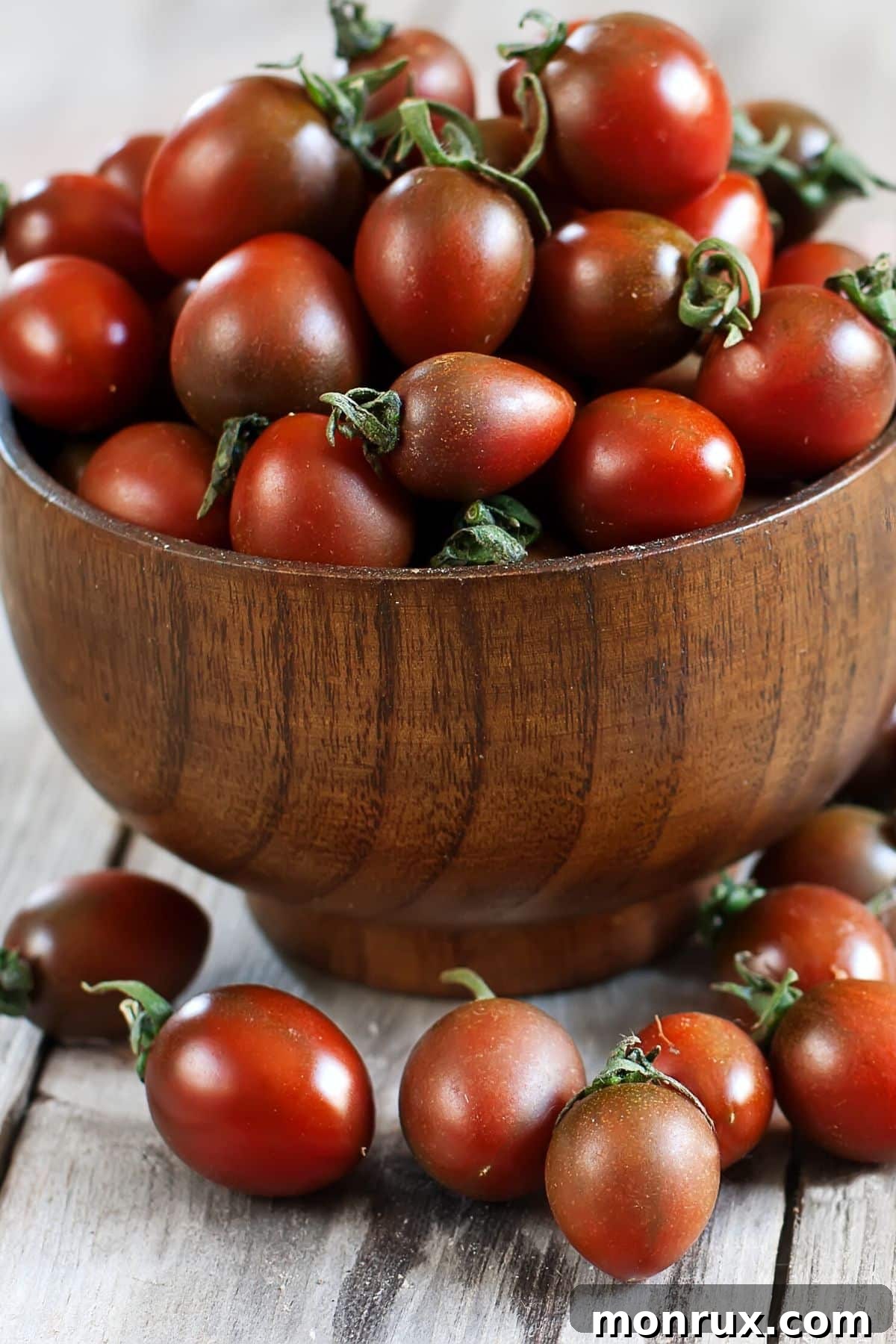
Cherry tomatoes are notorious for their prolific growth, especially in a home garden, often ripening all at once! This can lead to an overwhelming bumper crop. Alternatively, you might stumble upon an irresistible sale at the local farmer’s market or grocery store, resulting in more fresh cherry tomatoes than you can possibly consume before they start to spoil. While these sweet, plump treasures are fantastic in salads, on their own, or simmered into a quick sauce, having too many is a common and delightful dilemma.
Instead of letting any of these delicious and healthy gems go to waste, freezing them is an excellent solution. It allows you to harness the peak freshness and nutritional value of your harvest. Beyond their delightful taste and versatility, cherry tomatoes are incredibly good for you. Did you know they boast even higher concentrations of powerful antioxidants compared to many other tomato varieties? These include beneficial compounds such as flavonoids, carotenoids, and phenolic compounds. All of these contribute to anti-inflammatory effects and play a crucial role in safeguarding our cells from oxidative damage, which is linked to chronic conditions like diabetes, cardiovascular disease, and certain cancers. That’s an impressive nutritional punch packed into such a small fruit!
Why Freeze Cherry Tomatoes?
Freezing cherry tomatoes is one of the simplest and most effective ways to preserve them, offering numerous advantages:
- Effortless Preservation: Cherry tomatoes are remarkably easy to freeze. Unlike some other fruits or vegetables that require blanching or extensive preparation, these small tomatoes can be frozen whole with minimal effort, making it an ideal method for busy individuals.
- Locks in Freshness and Nutrition: The moment fresh produce is picked, its nutritional value begins to decline. Freezing acts as a pause button, locking in the essential vitamins, minerals, and antioxidants at their peak. This means your frozen cherry tomatoes will retain their health benefits, offering nutritious additions to your meals long after harvest season.
- Convenience at Your Fingertips: Imagine having ripe, flavorful tomatoes available anytime you need them. Frozen cherry tomatoes are incredibly convenient; you can easily grab just the amount you need from the freezer bag, without having to defrost the entire batch. This minimizes waste and maximizes efficiency in your kitchen.
- Reduces Food Waste: If your garden yields more cherry tomatoes than you can consume or if you bought a large quantity on sale, freezing prevents them from spoiling. This mindful approach to food preservation not only saves money but also contributes to a more sustainable lifestyle by reducing food waste.
- Year-Round Enjoyment: Freezing allows you to enjoy the taste of summer sunshine in your cooking, even in the middle of winter. Whether you’re making a cozy stew or a vibrant pasta sauce, having a stash of frozen cherry tomatoes means fresh flavor is always within reach.
Nutritional Benefits of Cherry Tomatoes
These tiny, vibrant fruits are nutritional powerhouses, packed with essential vitamins and antioxidants that contribute to overall health. Here’s a closer look at what makes cherry tomatoes so beneficial:
- Rich in Antioxidants: As mentioned, cherry tomatoes are particularly rich in antioxidants like lycopene, beta-carotene, naringenin, and chlorogenic acid. Lycopene, in particular, is responsible for the red color and has been extensively studied for its potential role in reducing the risk of heart disease and certain cancers, especially prostate cancer. Cooking tomatoes can actually increase the bioavailability of lycopene, making frozen tomatoes excellent for cooked dishes.
- Excellent Source of Vitamins: They are a great source of Vitamin C, a powerful antioxidant that supports the immune system and skin health. They also provide Vitamin K, which is vital for blood clotting and bone health, and Vitamin A (from beta-carotene), essential for vision and immune function.
- Minerals for Well-being: Cherry tomatoes contain important minerals such as potassium, which helps regulate blood pressure, and folate, crucial for cell growth and function.
- Dietary Fiber: Like most fruits and vegetables, cherry tomatoes offer dietary fiber, which aids in digestion, helps maintain healthy blood sugar levels, and contributes to a feeling of fullness.
- Hydration: With their high water content, cherry tomatoes contribute to hydration, which is essential for all bodily functions.
By freezing cherry tomatoes, you effectively “lock in” these fantastic nutrients, ensuring that your meals remain healthy and vibrant throughout the year.
Essential Equipment for Freezing Cherry Tomatoes
You’ll be pleased to know that freezing cherry tomatoes requires minimal equipment, most of which you likely already have in your kitchen. This process is designed for simplicity and efficiency.
1. A Large Baking Tray or Cookie Sheet
A large baking tray is crucial for the flash-freezing step. You need a flat surface to spread your cherry tomatoes in a single layer. This prevents them from clumping together into one large, solid block, allowing you to easily retrieve individual tomatoes later. If you don’t have a baking tray, a sturdy plastic serving tray or any other large, flat surface with raised edges will work. The edges are important to keep the round tomatoes from rolling off!
Tip: Lining your baking sheet with parchment paper or a silicone baking mat can prevent the tomatoes from sticking to the tray, making them easier to transfer once frozen.
2. A Colander
A colander makes the washing process much simpler and more efficient. It allows you to rinse a large batch of tomatoes under cool running water while ensuring proper drainage. While highly recommended for ease, a colander isn’t strictly essential. You can also wash your tomatoes by soaking them in a large bowl of water, gently swirling them to remove dirt, and then rinsing them thoroughly with clean water.
3. Freezer-Friendly Bags or Airtight Containers
For long-term storage, high-quality freezer-friendly bags are ideal. Zip-top bags specifically designed for freezing are durable and allow you to squeeze out excess air, which is key to preventing freezer burn. Alternatively, if you prefer reusable options or don’t have freezer bags, any airtight container made from glass or freezer-safe plastic can be used. Just ensure they are food-grade and can withstand freezing temperatures without cracking.
Tip: When using bags, try to remove as much air as possible before sealing. A simple trick is to insert a straw into a small opening of the bag, suck out the air, and then quickly seal it. This creates a vacuum-like seal that greatly reduces the risk of freezer burn.
Choosing the Best Cherry Tomatoes for Freezing
The quality of your frozen tomatoes largely depends on the quality of the fresh tomatoes you start with. This “recipe” has only one ingredient, so make it count!
Cherry Tomatoes
For the best results when freezing, select only the most perfect cherry tomatoes. Look for those that are:
- Ripe and Firm: They should be fully ripe, exhibiting a vibrant, healthy color characteristic of their variety (red, yellow, orange, etc.). Gently squeeze them; they should feel firm, not soft or mushy.
- Unblemished: Avoid any tomatoes with bruises, cuts, mold spots, or signs of decay. Freezing won’t improve the quality of compromised tomatoes; it will only preserve their existing condition.
- Intact Skin: The skin should be smooth and unbroken. Ruptured skins can lead to flavor loss and freezer burn.
Why quality matters: Freezing significantly alters the texture of tomatoes due to their high water content. After thawing, frozen cherry tomatoes will be much softer and somewhat mushy compared to their fresh counterparts. This is why it’s crucial to start with high-quality, firm tomatoes. If you have some less-than-perfect cherry tomatoes (a bit wrinkly or discolored), it’s best to use them immediately in a cooked dish, sauce, or soup rather than freezing them.
Important Note on Texture: Because the texture changes so dramatically after freezing and defrosting, frozen cherry tomatoes are generally not suitable for eating raw in salads or as fresh snacks. Their best use is in cooked applications where their softened texture is desirable and their concentrated flavor can shine. Don’t worry, there are countless delicious ways to incorporate them!
Did you know tomatoes are technically a fruit and not a vegetable? Explore more fascinating facts in my article on fruits that start with T.
Versatility of the Method:
- This simple freezing method works wonderfully for various small tomato types, including grape tomatoes, pear tomatoes, and other baby tomato varieties.
- You can easily scale this method to freeze several pints or even pounds of cherry tomatoes at once. Just ensure you have enough baking sheets to arrange them in a single, uncrowded layer for flash freezing.
- Always remember that the goal of freezing cherry tomatoes is for future cooked applications, where their softened texture will be perfectly at home and their flavor will enrich your dishes.
Step-by-Step Guide: How to Freeze Cherry Tomatoes
Freezing cherry tomatoes is incredibly straightforward, involving just a few simple steps. Follow this guide to ensure perfect frozen tomatoes every time.
Step One: Sort and Clean
Begin by carefully sorting through your cherry tomatoes. Select only the ripe, firm, and unblemished ones for freezing. Discard any that are soft, bruised, or showing signs of spoilage. Gently remove the stems from each tomato by hand. There’s no need to cut or slice them unless they are exceptionally large for a cherry tomato, as cutting can release their precious juices and accelerate freezer burn. Place the stemmed tomatoes into a colander and rinse them thoroughly under cool, running water to remove any dirt, dust, or garden debris.
Step Two: Dry Thoroughly
After rinsing, shake the colander gently to drain as much excess water as possible. Then, transfer the whole cherry tomatoes onto a clean kitchen towel or a layer of paper towels. Pat them completely dry with additional paper towels. This step is critical! Any moisture left on the surface of the tomatoes can lead to ice crystals forming, which contributes to freezer burn and a less desirable texture. Ensure each tomato is as dry as possible before moving to the next step.
Step Three: Flash Freeze for Best Results
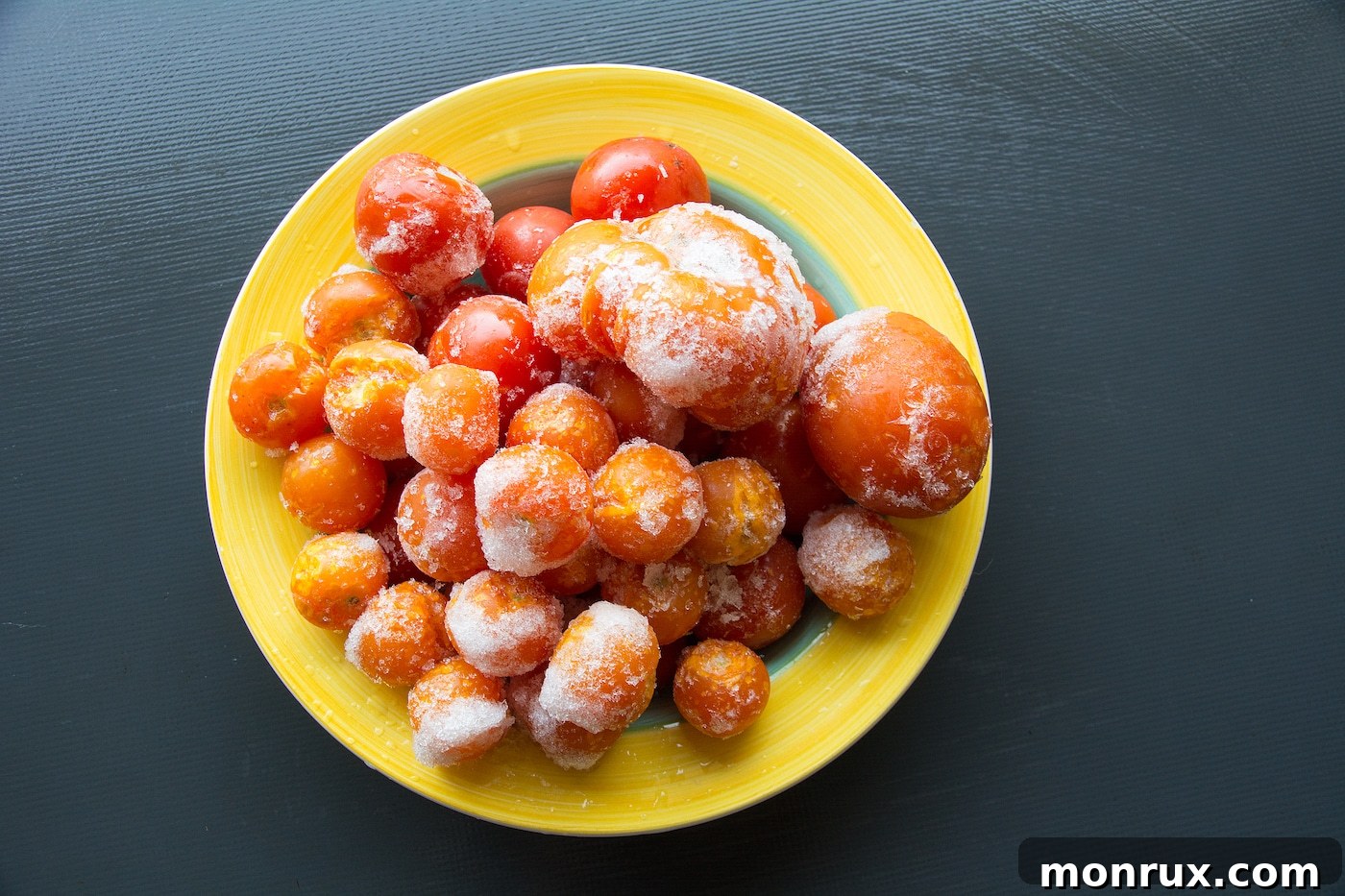
Arrange the dry cherry tomatoes in a single layer on your chosen baking sheet or cookie sheet. Make sure they are not touching each other to allow for proper air circulation during freezing. Place the baking sheet into the freezer for at least 2 hours, or until the tomatoes are solid. This “flash freezing” step is vital because it prevents the tomatoes from sticking together when transferred to a bag. It also helps preserve their individual shape (even if they soften later) and makes it easy to portion them out as needed.
Step Four: Package for Long-Term Storage
Once the cherry tomatoes are completely frozen solid (they should feel hard like marbles), quickly transfer them from the baking sheet into freezer-friendly zip-top bags or airtight containers. Work quickly to minimize exposure to room temperature. Fill the bags, leaving a little headspace if using containers. If using freezer bags, squeeze out as much air as possible before sealing to prevent freezer burn. Label the bags with the date of freezing, and then place them back into the freezer for long-term storage. They can be stored for up to 6-8 months for optimal quality.
Creative Ways to Use Frozen Cherry Tomatoes
While their texture changes upon freezing and thawing, frozen cherry tomatoes are incredibly versatile and perfect for a multitude of cooked dishes. Their concentrated flavor often intensifies during freezing, making them a fantastic ingredient. Here are some delicious ideas:
- Soups and Stews: Drop frozen cherry tomatoes directly into your simmering soups, stews, and chili. They will break down beautifully, adding a burst of sweet-tart flavor and thickening the broth. They’re excellent in minestrone, vegetable stew, or even a simple chicken noodle soup.
- Pasta Sauces: Frozen cherry tomatoes are perfect for making quick and flavorful pasta sauces. Sauté them with garlic and olive oil, and they’ll release their juices, creating a rustic sauce. Mash them slightly with the back of a spoon for a smoother texture. Add fresh herbs like basil or oregano for an authentic Italian flavor.
- Roasted Vegetables: While they won’t hold their shape like fresh tomatoes, you can roast frozen cherry tomatoes. Toss them with a little olive oil, salt, pepper, and your favorite herbs (rosemary, thyme). Roast until softened and slightly caramelized. They’ll create a delicious sweet and tangy side dish or topping for bruschetta (once the liquid is reduced).
- Casseroles and Bakes: Incorporate frozen cherry tomatoes into baked dishes like lasagna, casseroles, or gratins. Their moisture and flavor will infuse throughout the dish during cooking.
- Frittatas and Omelets: Add a handful of frozen cherry tomatoes to your morning frittatas or omelets. Sauté them briefly before adding eggs, allowing them to release their juices and mingle with other ingredients.
- Pizza Topping: While you might not want to use them whole as a fresh topping, you can cook down frozen cherry tomatoes into a quick, rustic pizza sauce. Or, slice them in half (while partially frozen for easier cutting) and scatter them over your pizza for a juicy, flavorful bite.
- Dressings and Vinaigrettes (Cooked): If you’re looking for a unique flavor profile, gently cook thawed cherry tomatoes and then blend them into a savory dressing or vinaigrette. This works especially well with roasted garlic and balsamic vinegar.
- Smoothies (Savory): For an adventurous twist, a few frozen cherry tomatoes can add a unique depth and nutritional boost to savory smoothies, especially those with other vegetables like carrots or beets. The high water content makes them blend easily.
- Tomato Paste or Puree: If you have a very large quantity, you can thaw, simmer, and reduce frozen cherry tomatoes to make your own homemade tomato paste or puree, which can then be refrozen in smaller portions.
- Homemade Broth: Add a handful of frozen cherry tomatoes to your vegetable or chicken stock as it simmers. They will contribute a wonderful depth of flavor and color to your homemade broth.
Important Tip for Cooking: When adding frozen cherry tomatoes to dishes, there’s generally no need to thaw them first unless a specific recipe calls for it. Often, adding them directly from frozen allows their juices to slowly release, enriching the dish. If thawing, do so in the refrigerator to maintain quality.
Frequently Asked Questions (FAQs) About Freezing Cherry Tomatoes
Here are answers to some of the most common questions about freezing cherry tomatoes:
For optimal quality and flavor, you can freeze cherry tomatoes for up to six to eight months. While they will remain safe to eat beyond this period, their flavor and texture might begin to degrade, becoming less sweet and intense over time. Always ensure they are stored in airtight packaging to prevent freezer burn.
Absolutely! Freezing cooked cherry tomatoes is an excellent way to prepare future meals. Roasted cherry tomatoes, especially when seasoned with herbs like rosemary, oregano, or garlic and a drizzle of olive oil, develop a wonderfully concentrated flavor. To freeze, simply roast them at around 300°F (150°C) for about 30 minutes until softened and slightly caramelized. Allow them to cool completely before transferring them to a freezer-friendly bag or airtight container. Cooked tomatoes tend to retain their texture better than raw ones after freezing.
Technically, yes, you can refreeze cherry tomatoes. However, it’s generally not recommended for optimal quality. Each freezing and thawing cycle causes more ice crystals to form, further breaking down the cell walls of the tomatoes. This results in an even softer, mushier texture and a greater loss of flavor. If you’ve thawed a large batch and only used a portion, it’s usually best to cook the remaining thawed tomatoes into a sauce or soup before refreezing, as cooking stabilizes their texture somewhat.
No, you do not need to blanch fresh cherry tomatoes before freezing them. While blanching is common for some vegetables (like green beans or broccoli) to stop enzyme activity and preserve color, it’s an unnecessary extra step for cherry tomatoes. Freezing them whole and raw works perfectly, and blanching won’t significantly improve how they keep in the freezer or their final texture for cooked applications.
No, there’s no need to peel cherry tomatoes before freezing. The skin provides protection against freezer burn. After thawing and cooking, the skins will soften significantly or can be easily removed if desired, though most people don’t find it necessary for cooked dishes like sauces or soups.
Yes, this flash-freezing method works well for other small tomato varieties like grape or pear tomatoes. For larger tomatoes (e.g., Roma, slicing tomatoes), you might want to consider slicing or dicing them first to make them more manageable and to reduce freezing/thawing time. Regardless of size, the principle remains the same: wash, dry, flash-freeze in a single layer, then transfer to airtight containers.
Tips for Long-Term Storage and Preventing Freezer Burn
To ensure your frozen cherry tomatoes remain at their best quality for as long as possible, keep these tips in mind:
- Remove Air: Air is the enemy of frozen food. When using freezer bags, press out as much air as possible before sealing. For containers, ensure they are filled to the top (leaving just a little headspace for expansion) or place a layer of plastic wrap directly on the surface of the tomatoes before sealing to minimize air exposure.
- Label and Date: Always label your bags or containers with the contents (e.g., “Cherry Tomatoes”) and the date they were frozen. This helps you rotate your stock and use older items first, ensuring the freshest possible flavor.
- Freeze Flat: If using bags, lay them flat in the freezer until they are completely solid. Once solid, you can stack them vertically to save space.
- Keep at a Consistent Temperature: A freezer that maintains a consistent temperature of 0°F (-18°C) or lower is crucial for preventing freezer burn. Avoid frequently opening the freezer door, which can cause temperature fluctuations.
- Use Good Quality Freezer Bags/Containers: Invest in heavy-duty freezer bags or containers designed to withstand freezing temperatures and resist punctures. Regular storage bags are not sufficient as they are more permeable to air.
More Guides to Freezing Foods You Might Like
- How to Freeze Ripe Avocados
- How to Freeze Cucumbers
- How to Freeze Bananas
- How to Freeze Zucchini
- How to Freeze Cauliflower Florets
- How to Freeze Raw Beets
Additional Vegetable Resources For You
Recipe: How to Freeze Cherry Tomatoes
How to Freeze Cherry Tomatoes
5 Stars
4 Stars
3 Stars
2 Stars
1 Star
5 from 1 review
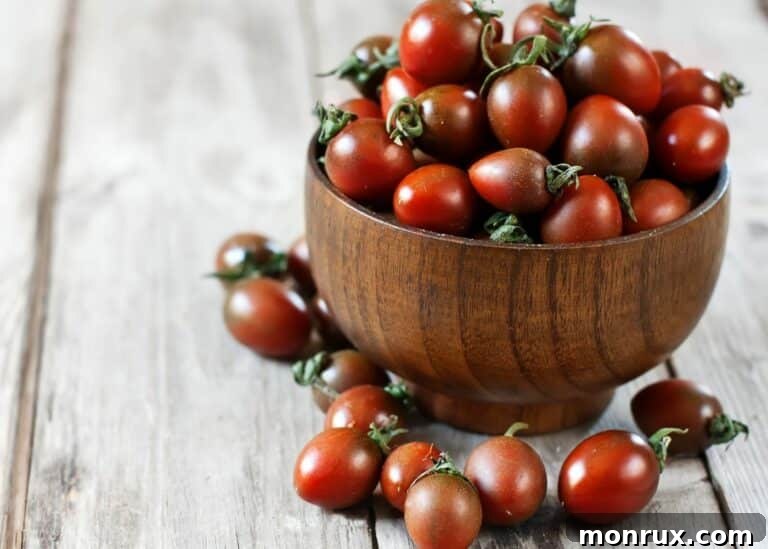
If you have too many tomatoes on hand, then you’ll want to know the best ways to freeze cherry tomatoes. Once frozen, your cherry tomatoes will last for months and can be used in soups, stews, sauces, and dressings.
- Total Time: 2 hours 5 minutes
- Yield: 4 servings 1x
Ingredients
- 1 pint ripe cherry tomatoes
Instructions
- Sort through your cherry tomatoes to select the ripe, plump, unblemished tomatoes for freezing.
- Remove the stems from your cherry tomatoes by hand. Don’t cut them; it will rupture their skins and let the flavorful juices out.
- Use a colander to wash your cherry tomatoes thoroughly under running water. Give the colander a shake and let the water drain.
- If you don’t have a colander, soak the cherry tomatoes in water for a few minutes and rinse them thoroughly afterward.
- Use paper towels or clean kitchen cloths to pat the cherry tomatoes dry. They must be completely dry before you freeze them.
- Place the dry cherry tomatoes in a single layer on the baking sheet.
- Flash-freeze the cherry tomatoes for 2 hours.
- Transfer them to freezer-friendly bags and put them back in the freezer.
- When you’re ready to use your frozen cherry tomatoes, use them from frozen or thaw them in a bowl in the refrigerator.
Notes
- You can freeze up to several pints of cherry tomatoes at once. You’ll just need enough baking sheets to arrange them in a single layer for freezing.
- Frozen and defrosted cherry tomatoes won’t have the same shape and flavor as fresh cherry tomatoes. So, they are best used in cooked foods like soups and stews as opposed to salads.
- Author: Carrie Forrest, MPH in Nutrition
- Prep Time: 5 minutes
- Freeze Time: 2 hours
- Category: Snack
- Method: Freezer
- Cuisine: Healthy
- Diet: Vegetarian
Nutrition
- Serving Size: 1/2 cup
- Calories: 13
- Sugar: 2 g
- Sodium: 3.7 mg
- Fat: 0.1 g
- Saturated Fat: 0 g
- Carbohydrates: 2.9 g
- Fiber: 0.9 g
- Protein: 0.7 g
- Cholesterol: 0 mg
I hope this comprehensive guide inspires you to freeze your cherry tomatoes! If you do, please leave a comment and a starred review below. Your feedback helps others discover these helpful tips.
And, consider following me on social media so we can stay connected. I’m on Facebook, Pinterest, Instagram, and YouTube!
Don’t forget to join my newsletter list to get exclusive clean eating recipes and tips directly to your inbox. The newsletter is 100% free with no spam; you can unsubscribe anytime.
About the Author: Carrie Forrest holds a master’s degree in public health with a specialization in nutrition and is a certified holistic nutritionist. She is a prominent wellness and food blogger, attracting over 5 million annual visitors to her site. Carrie shares an inspiring story of recovery from chronic illness and is deeply passionate about empowering other women to transform their health. Feel free to send her a message through her contact form.