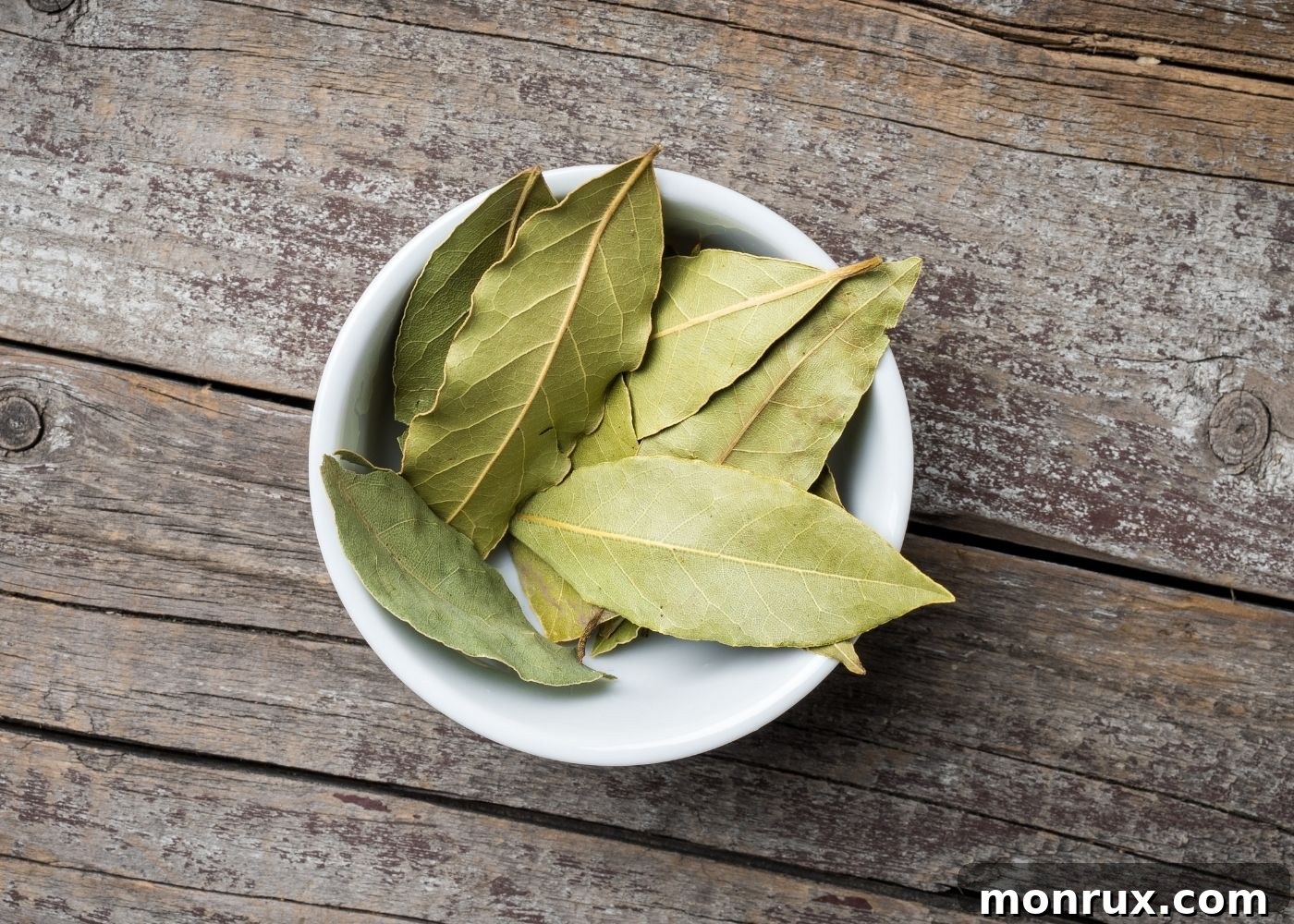
Bay Leaf Substitutes: 5 Essential Alternatives for Savory Dishes
Bay leaves are a cornerstone for enhancing the flavor of countless savory dishes, from comforting stews to rich sauces. This comprehensive guide will explore the unique qualities of bay leaves, their culinary benefits, and, most importantly, provide you with five simple, yet effective, substitutes for bay leaves when you find yourself in a pinch. Discover how these clever alternatives can still add that coveted depth of flavor to your favorite recipes.
Understanding Bay Leaves: A Culinary Essential
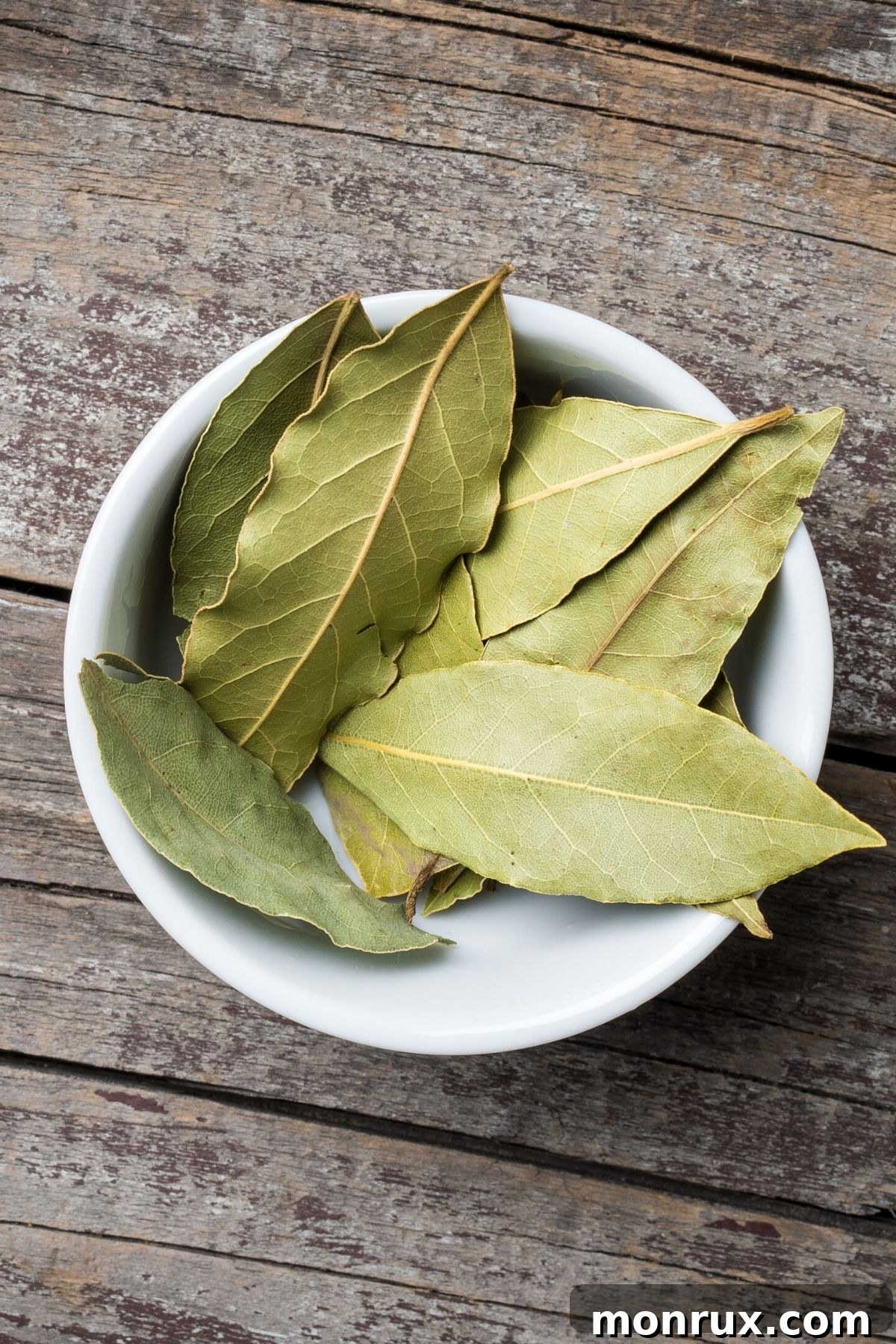
Bay leaves, often referred to as laurel leaves, are far from ordinary herbs. Unlike more overtly aromatic seasonings such as dried thyme or oregano, bay leaves possess a subtle, nuanced flavor and aroma that might not be immediately obvious. However, their contribution to a dish is profound, acting as a background enhancer that rounds out other flavors and adds a layer of sophisticated complexity.
Originating from the Mediterranean region, these aromatic leaves have graced kitchens since ancient times, cherished for their distinct characteristics. Today, bay trees flourish globally, offering varieties like California bay leaf, Indian bay leaf, and the widely popular Turkish bay leaf, each with slight variations in their flavor profile. When simmered in liquids – be it a slow-cooked stew, a hearty soup, or a delicate sauce – bay leaves impart a unique essence. Many describe this flavor as a blend of slightly bitter, minty, and spicy notes, often with hints of eucalyptus and pine, or a mild peppery undertone.
The true magic of bay leaves lies in their ability to build depth and complexity, acting as a catalyst that elevates and harmonizes the flavors of other ingredients in your recipe. They don’t overpower but rather support, creating a richer, more cohesive taste experience.
While fresh bay leaves are available, their dried counterparts are much more prevalent and convenient. Dried bay leaves are not only easier to find and more economical but also boast a more concentrated flavor, making them the preferred choice for most cooks. For optimal flavor extraction, it is always recommended to add bay leaves at the beginning of the cooking process. The longer they simmer in a liquid, the more effectively they release their aromatic compounds, allowing their subtle yet impactful flavor to fully infuse your dish.
You’ll find bay leaves indispensable in many recipes, such as comforting Instant Pot Pork Chops and Rice, savory Slow Cooked Cabbage, or aromatic Coconut Curry. But what happens when your spice rack is empty?
Bay Leaf Substitutes: Your Go-To Alternatives
It’s a common kitchen dilemma: your recipe calls for bay leaves, but your spice rack is unexpectedly bare. Fear not! While the distinct flavor of a bay leaf is truly unique, there are several excellent ingredients you can use in their place to achieve a very similar effect and prevent a last-minute trip to the grocery store. The key is to look for herbs and spices that can mimic the subtle bitterness, minty undertones, or peppery warmth that bay leaves contribute.
Because no single ingredient can perfectly replicate the full spectrum of bay leaf flavor, these substitutes aim to capture its most essential characteristics. The good news is that many of these alternatives are likely already staples in your pantry, making them convenient and accessible solutions for adding that desired depth to your soups, stews, sauces, and roasts.
1. Dried Oregano
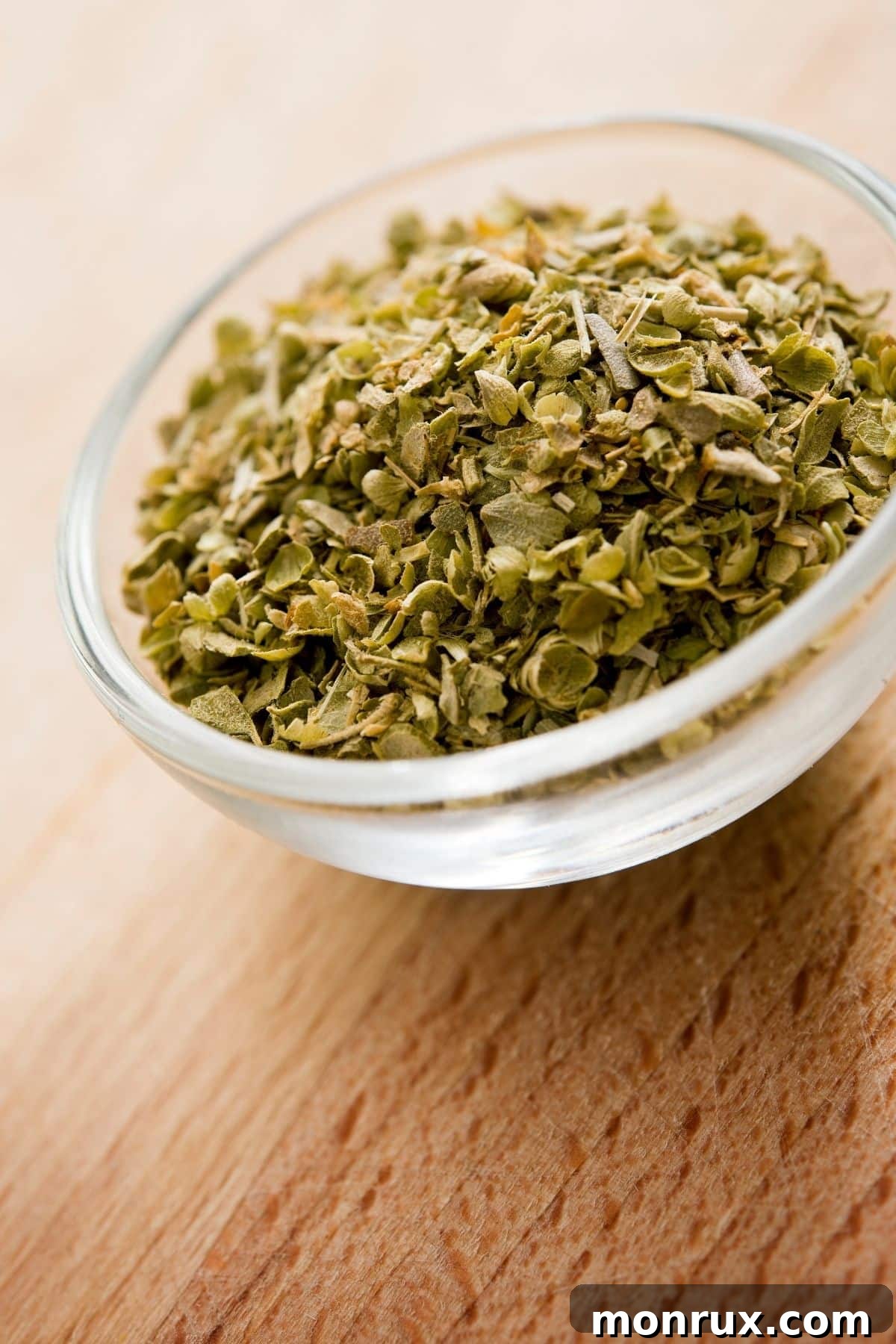
Dried oregano stands out as a fantastic bay leaf replacement, particularly due to its slightly bitter and subtly minty pungency – qualities that echo the distinctive notes of bay leaves. This versatile herb excels in a variety of dishes, making it an ideal choice for both rich, tomato-based sauces and savory meat preparations. Its mild peppery taste further enhances its suitability as a bay leaf alternative, contributing a similar warming quality to your cuisine.
Beyond its culinary prowess, oregano is also celebrated for its potential health benefits. It is a rich source of powerful antioxidants and has been traditionally used for its anti-inflammatory properties, with studies suggesting its ability to help reduce inflammation and even inhibit the growth of certain bacteria. Mexican oregano, a common variety, is readily available in most grocery stores.
Substitution Ratio: To replace 1 bay leaf, use 1/4 teaspoon of dried ground oregano. Start with this amount and adjust to your taste preferences.
2. Dried Thyme
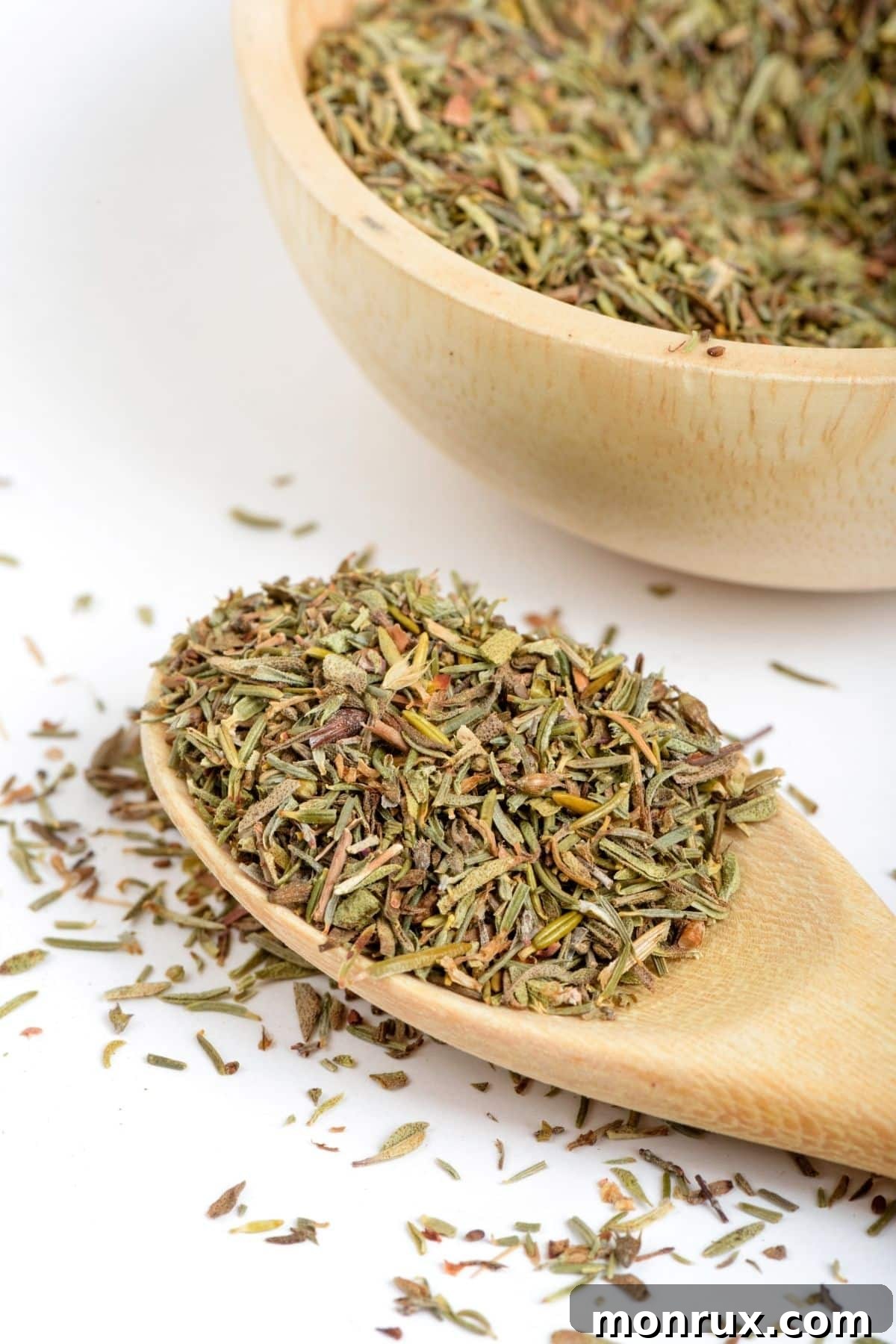
Dried thyme, a highly aromatic herb with delicate leaves, offers a wonderful alternative to bay leaves in many recipes, especially those featuring lamb and beef. Its subtle mintiness and earthy undertones provide a similar aromatic foundation that deepens the overall flavor profile of your dish without overpowering other ingredients. Thyme’s versatility makes it a staple in Mediterranean and French cuisine, perfectly complementing slow-cooked meats and vegetable stews.
Beyond its fantastic flavor, regularly incorporating thyme into your diet may offer additional benefits. Some research suggests that the compounds in thyme could potentially contribute to mood enhancement, adding a subtle boost to your well-being alongside its culinary contributions.
Substitution Ratio: To substitute 1 bay leaf, use 1/4 teaspoon of dried ground thyme. This provides a gentle infusion of flavor similar to bay leaf.
3. Dried Basil
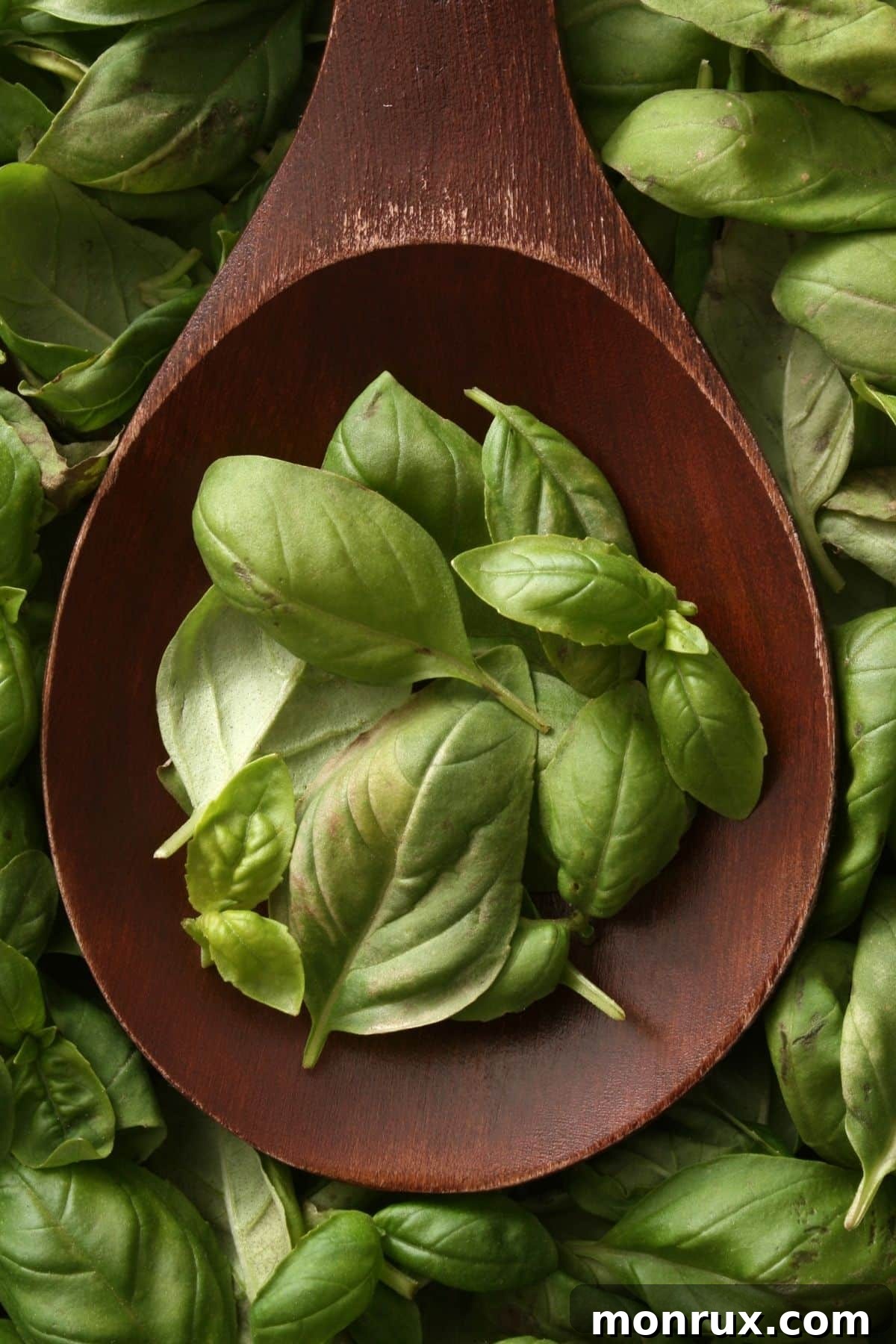
As a member of the mint family, dried basil is a logical and excellent choice when seeking a substitute for bay leaves. It carries a slight bitterness and a mild minty flavor that can effectively mimic some of the nuanced characteristics of bay leaves. However, it’s crucial to differentiate between dried and fresh basil for this purpose.
Dried basil is significantly preferred over fresh basil when used as a bay leaf substitute. Fresh basil often has a much stronger, more pronounced anise or licorice-like flavor that can drastically alter the intended taste of your finished dish. Dried basil, on the other hand, presents a more mellow and earthy profile that integrates seamlessly. It is particularly well-suited for tomato-based pasta sauces, hearty stews, and a wide array of Italian-inspired dishes where its subtle notes can shine without dominating.
Substitution Ratio: Instead of 1 bay leaf, use 1/4 teaspoon of dried basil. This quantity ensures a complementary flavor without overpowering the recipe.
4. Juniper Berries
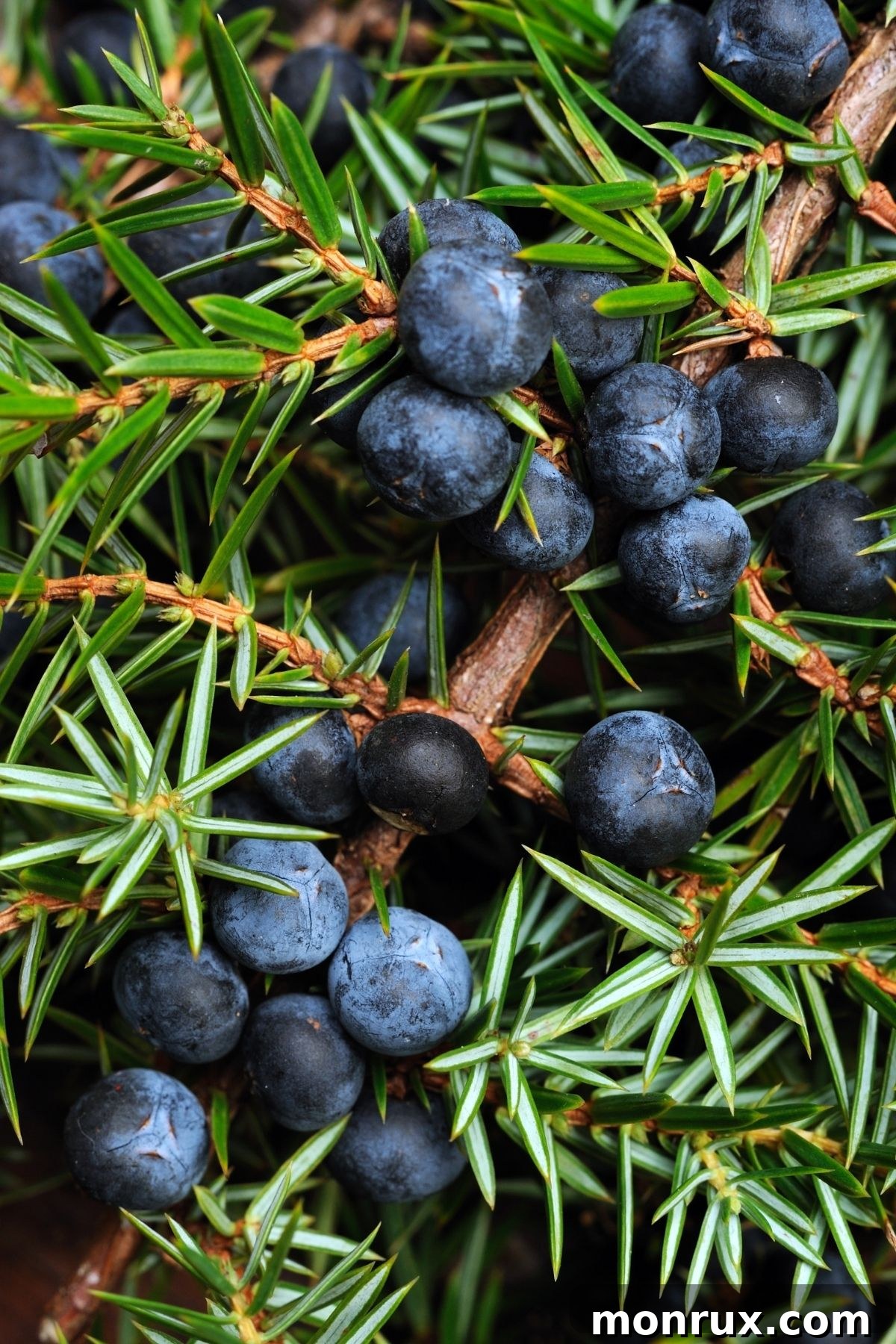
Despite their name, juniper berries are not true berries but rather the seed cones of the juniper plant. They offer a distinctive peppery, pine-like, and slightly citrusy flavor that works remarkably well in dishes that typically call for bay leaves, especially those involving game meats, roasts, or hearty braises. Their robust and aromatic qualities can introduce a similar woody depth to your cooking.
Juniper berries are quite potent, so a small quantity goes a long way. For a more subtle infusion, you might prefer to add them whole to your dish and then retrieve them before serving. If you’re aiming for a more pronounced and robust flavor, lightly crushing or grinding them before adding will release their essential oils more effectively. Remember that their flavor is strong, so use sparingly.
Important Note: While the small amounts used in cooking are generally considered safe for most adults, it’s advisable to exercise caution. You may wish to consult with a medical professional before serving foods containing juniper berries to young children or pregnant women, as their effects are not as extensively studied in these populations.
Substitution Ratio: For 1 bay leaf, substitute 3 juniper berries. Adjust according to the intensity of flavor you desire.
5. Boldo Leaves
If you have access to them in your area, boldo leaves make an exceptional replacement for bay leaves, largely because they are botanically related. Boldo leaves come from the Boldo plant, native to the coastal regions of Chile, and share several flavor characteristics with bay leaves.
Like bay leaves, boldo leaves offer a slightly bitter taste, often accompanied by strong notes of pine and a hint of camphor. However, it’s important to note that boldo leaves tend to be significantly more powerful and intensely flavored than typical bay leaves. This potency means they should be used with a light hand to prevent them from overpowering your dish. They are particularly effective when paired with lamb, where their strong flavor can stand up to richer meats, and they also complement fish beautifully, adding a unique, aromatic dimension.
Due to their stronger profile, boldo leaves are an excellent substitute when you want to ensure the “bay leaf” effect is truly noticeable. Finding boldo leaves might require a trip to a specialty spice shop or an international market, but their distinct contribution is well worth the search for adventurous cooks.
Substitution Ratio: For 1 bay leaf, use half a boldo leaf. Always start with less and taste before adding more.
Bay Leaf Substitute Summary Chart
Here’s a quick reference chart summarizing the pros and cons of using these suggested alternatives for bay leaves in your cooking, helping you make the best choice for your recipe.
| Substitute | Pros | Cons | Best For |
|---|---|---|---|
| Dried Oregano | Similar bitter, minty pungency; Rich in antioxidants; May reduce inflammation. | Stronger flavor profile than bay leaf, use cautiously. | Tomato-based sauces, red meat dishes, Mediterranean cuisine. |
| Dried Thyme | Subtle mintiness and earthy aroma; May boost mood. | Milder than bay leaf, might require slightly more for impact. | Lamb and beef dishes, stews, poultry. |
| Dried Basil | Slight bitterness and mild minty notes; Readily available. | Fresh basil’s strong anise flavor can alter the dish significantly. | Tomato-based pasta sauces, Italian cooking, vegetable stews. |
| Juniper Berries | Distinct peppery, pine-like taste; Excellent for gamey flavors. | Very strong flavor, must be used sparingly; May need removal before serving; Caution for pregnant women/children. | Game meats, roasts, hearty braises, German/Scandinavian dishes. |
| Boldo Leaves | Botanically related to bay leaves; Bitter with pine notes. | Significantly more powerful flavor; Limited availability in some regions. | Lamb dishes, fish, strong savory preparations where a bold flavor is desired. |
Bay Leaf Potential Health Benefits and Important Safety Note
Beyond their culinary appeal, bay leaves are also recognized for potential health-promoting properties that have been explored in various studies. They are rich in antioxidants and possess anti-inflammatory compounds. Some research has indicated that bay leaves could play a role in curbing the growth of certain cancer cells, while a 2008 study suggested that bay leaves can be beneficial for individuals with type 2 diabetes.
Crucial Safety Reminder: Always remember to remove bay leaves from your dish at the end of the cooking time before serving. This is a critical safety step that should never be overlooked. Unlike many other herbs that soften and become edible during cooking, bay leaves retain their rigid, brittle, and sharp texture, even after simmering for hours in a stew. Their hard, sharp edges present a significant choking hazard and have even been known to cause serious internal injuries, such as intestinal perforation. A quick visual check before serving ensures peace of mind and safety for everyone enjoying your delicious meal.
More Substitute Articles You Might Like
- Substitutes for Olive Oil
- Substitutes for Coconut Aminos
- Substitutes for Dill
- Substitutes for Italian Seasoning
- Substitutes for Lemongrass
- Substitutes for Marjoram
- Substitutes for Nutritional Yeast
- Substitutes for Oregano
- Substitutes for Sage
Don’t Miss These Helpful Cooking Articles
Conclusion
Navigating the kitchen, especially when an essential ingredient like bay leaf is missing, can be a moment of creative opportunity. While bay leaves offer a unique and irreplaceable complexity, the five substitutes explored here – dried oregano, dried thyme, dried basil, juniper berries, and boldo leaves – provide excellent ways to mimic their key characteristics and ensure your savory dishes don’t miss a beat.
Remember that experimentation is a joyful part of cooking. Don’t be afraid to try these alternatives and discover how a simple substitution can not only rescue your recipe but perhaps even introduce a new flavor dimension that you come to love. By understanding the flavor profiles of these common herbs and spices, you empower yourself with the flexibility and confidence to tackle any recipe, even without a bay leaf in sight.
Don’t forget to join my newsletter list to get exclusive clean eating recipes and tips. The newsletter is 100% free with no spam; unsubscribe anytime.
About the Author: Carrie Forrest has a master’s degree in public health with a specialty in nutrition and is a certified holistic nutritionist. She is a top wellness and food blogger with over 5 million annual visitors to her site. Carrie has an incredible story of recovery from chronic illness and is passionate about helping other women transform their health. Send her a message through her contact form.