Marshmallows are an iconic sweet treat, cherished for their unique puffy texture and versatile uses in countless desserts. From gooey s’mores around a campfire to a comforting addition to hot chocolate, their appeal is undeniable. However, for individuals navigating dietary restrictions, a common question arises: Are marshmallows dairy-free? This comprehensive guide delves into the ingredients of traditional and modern marshmallows, exploring their suitability for dairy-free diets, lactose intolerance, and even vegan lifestyles. Join us as we uncover the surprising truth behind these beloved confections and help you make informed choices.
What Are Marshmallows?
Marshmallows are more than just a sweet confection; they are a cultural phenomenon and a staple in many kitchens worldwide. These airy, pillowy treats are renowned for their distinctive soft, squishy, and slightly elastic texture, often accompanied by a delicate vanilla flavor. Their unique consistency and subtle sweetness make them incredibly versatile, capable of transforming from a simple snack into a star ingredient in complex dessert recipes.
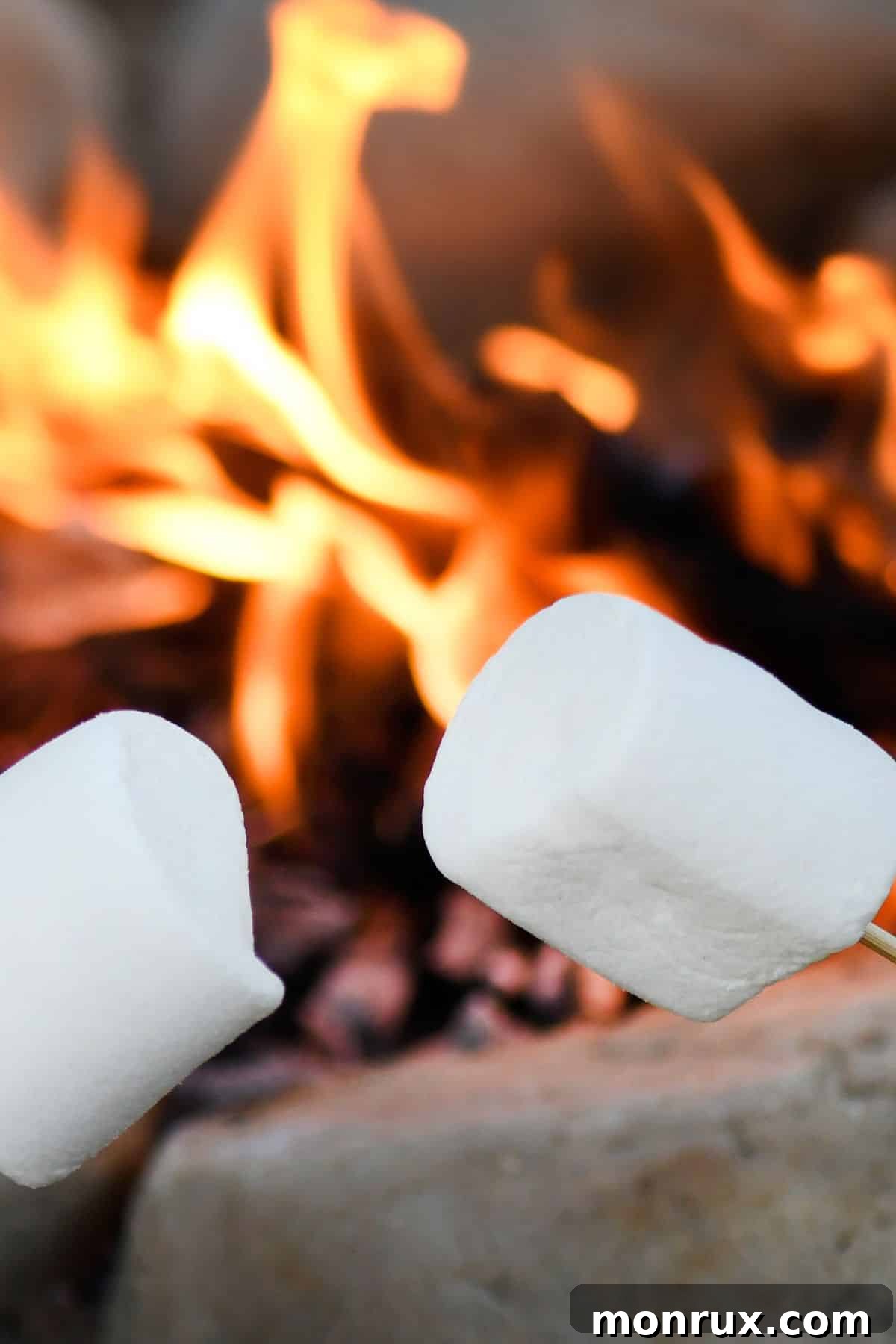
One of the most iconic ways to enjoy marshmallows is toasting them over an open flame, such as a campfire. This process, a delightful blend of chemistry and culinary art, brings out entirely new dimensions. As the sugar heats, it undergoes caramelization and the Maillard reaction, resulting in a slightly crispy, golden-brown exterior and an intensely gooey, melted interior. This transformation introduces complex nutty, fruity, and buttery notes that are utterly irresistible.
And, of course, no discussion of toasted marshmallows is complete without mentioning the legendary s’more. Picture this: a perfectly toasted, molten marshmallow, sandwiched between two crisp graham crackers and a piece of rich, dairy-free chocolate. The combination of textures and flavors creates an addictive dessert experience that epitomizes comfort and nostalgia.
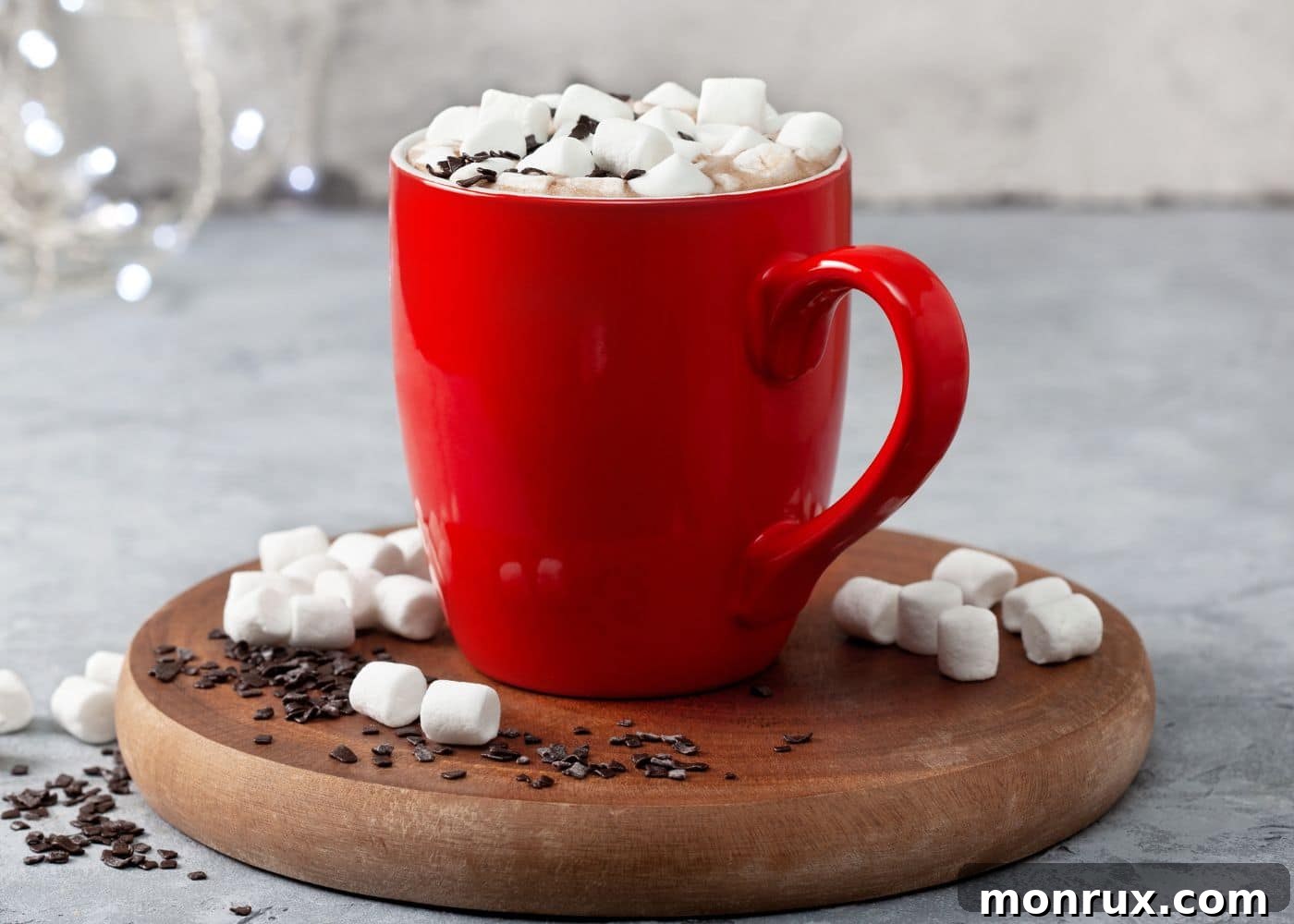
Beyond campfires, marshmallows lend their charm to a myriad of culinary creations. They are essential for classic Rice Krispie treats, adding chewiness and sweetness. They can crown a comforting sweet potato casserole, melt into a luxurious topping for ice cream, or even serve as a decadent surprise filling in baked apples. Their ability to enhance both flavor and texture makes them a beloved ingredient for home bakers and professional chefs alike. Personally, I find them exceptionally satisfying when floating atop a mug of Healthy Hot Chocolate, especially on a chilly day – a truly delightful, gooey sensation!
The Sweet History of Marshmallows
The story of marshmallows is far richer and more ancient than many realize, spanning thousands of years and evolving from a medicinal plant extract to the beloved confection we know today. It’s a journey that highlights human ingenuity and our enduring love for sweet treats.
The origins of marshmallows can be traced back to ancient Egypt, around 2000 BC. Unlike modern marshmallows, these early versions were far from the airy sweets we enjoy. They were concocted from the sap of the mallow plant (Athaea Officinalis), which grew wild in marshy areas, giving the plant – and later the confection – its name. Ancient Egyptians combined this viscous mallow sap with honey and nuts, reserving this precious concoction exclusively for royalty and gods. It was a rare delicacy, revered for its perceived medicinal properties and luxurious taste.
Centuries later, in 19th-century France, confectioners began to experiment with the mallow plant’s sap, whipping it with sugar and egg whites to create a lighter, fluffier treat. This marked a significant shift towards the confectionary marshmallow. However, the process was labor-intensive, requiring extensive manual whipping, which meant marshmallows remained an expensive delicacy accessible only to the elite. During this period, marshmallows also continued to be used medicinally, particularly for soothing coughs, sore throats, and healing wounds, often mixed into a meringue-like consistency.
The true revolution in marshmallow production came in the late 19th and early 20th centuries with the invention of the “starch mogul” system. This innovation automated the process, allowing marshmallows to be mass-produced efficiently and affordably. Instead of relying solely on mallow plant sap, manufacturers began using gelatin as a gelling agent, combined with sugar, corn syrup, and various flavorings. This technological advancement democratized marshmallows, making them widely available in grocery stores and cementing their place as a popular treat for all.
Beyond their historical roots, marshmallows have also carved out unique niches in modern culture:
- Did you know that Ligonier, Indiana, proudly holds the title of the “Marshmallow Capital of the World”? Marshmallow production is a cornerstone of the area’s economy, celebrated annually with a vibrant marshmallow festival.
- Americans’ love for marshmallows is evident in consumption statistics: over 90 million pounds are purchased each year.
- Mark your calendars: August 30th is recognized as National Toasted Marshmallow Day in America, a perfect excuse to indulge in this classic treat!
What Are Marshmallows Made Of? A Deep Dive into Ingredients
Understanding the composition of marshmallows is key to determining their suitability for various dietary needs, particularly dairy-free diets. While the ancient Egyptians relied on the mallow plant, modern manufactured marshmallows utilize a specific set of ingredients to achieve their signature taste and texture.
Every commercial marshmallow brand will have its unique recipe, but the core ingredients are largely consistent:
- Sweeteners: These form the bulk of a marshmallow and are crucial for its sweetness and texture. Common sweeteners include cane sugar, dextrose, tapioca syrup, and corn syrup (often high-fructose corn syrup). The type and blend of sweeteners contribute to the marshmallow’s chewiness, moisture, and how it behaves when heated.
- Gelatin: This is arguably the most defining ingredient for a marshmallow’s structure and elasticity. Gelatin is a protein derived from the collagen found in animal connective tissues, typically from pigs or cattle. It’s responsible for the marshmallow’s characteristic bounce and melt-in-your-mouth quality. Its presence means that most traditional marshmallows are not vegan.
- Stabilizers: Ingredients like corn starch or tapioca starch are used to prevent the marshmallows from sticking together and to help maintain their shape. They provide a dusting that keeps the exterior dry and less tacky.
- Whipping Aids: Compounds such as tetrasodium pyrophosphate are used to help incorporate and stabilize air into the mixture, creating the light, airy, and fluffy texture that marshmallows are famous for.
- Flavoring: Vanilla is the most common flavoring, often appearing as natural or artificial vanilla extract. Other flavors may be added for specialty marshmallows.
- Water: Essential for dissolving sugars and creating the syrup base.
While discussing marshmallows, it’s also worth distinguishing between solid marshmallows and marshmallow products like “marshmallow creme” or “marshmallow fluff.” Marshmallow creme typically has a thinner, spreadable texture and often uses egg whites and cream of tartar as its primary emulsifying and whipping agents instead of gelatin. This difference is important for those with specific dietary concerns, as egg whites, while not dairy, are still an animal product, making fluff non-vegan.
Upon reviewing these typical ingredients, a crucial observation emerges: traditional marshmallows and most commercial marshmallow cremes do not inherently contain dairy products. This is excellent news for those avoiding dairy due to lactose intolerance or milk allergies. However, as we’ll explore, the simplicity of these core ingredients doesn’t always tell the whole story, especially when considering “clean” eating principles or the potential for cross-contamination.
Are Marshmallows Dairy-Free? The Verdict
The short answer is: Yes, the vast majority of traditional marshmallows are dairy-free. This is fantastic news for anyone following a dairy-free diet, whether due to lactose intolerance, a milk allergy, or personal dietary choices.
Let’s break down why this is generally the case. As we’ve seen from the ingredient list, classic marshmallow recipes primarily consist of sugar, corn syrup (or other sweeteners), gelatin, water, and flavorings like vanilla. None of these core ingredients are derived from milk or milk products. You won’t find milk, cream, butter, cheese, whey, casein, or lactose in a standard marshmallow.
This absence of dairy distinguishes marshmallows from many other confections, which often rely on milk solids or butter for flavor, texture, or richness. So, if you’re concerned about avoiding dairy, marshmallows are usually a safe bet when it comes to their fundamental composition.
However, while the ingredients themselves are typically dairy-free, there are important caveats to consider:
- Cross-Contamination: This is the most significant concern for individuals with severe milk allergies. Even if a marshmallow product doesn’t list dairy ingredients, it might be manufactured in a facility that also processes dairy-containing items. Shared equipment or production lines can lead to trace amounts of dairy proteins transferring to non-dairy products. Most brands will include a “may contain milk” warning if this is a risk. For minor sensitivities, this might not be an issue, but for severe allergies, it’s a critical factor.
- Specialty and Flavored Marshmallows: Be especially vigilant with marshmallows that have additional components. Marshmallows that are chocolate-dipped, filled with creams, or feature certain “gourmet” flavorings might introduce dairy. For example, a marshmallow filled with caramel or chocolate ganache is highly likely to contain dairy. Always check the ingredient list for these types of products.
- Marshmallow-Containing Desserts: While the marshmallow itself may be dairy-free, the dessert it’s part of might not be. S’mores require dairy-free chocolate and graham crackers. Rice Krispie treats need dairy-free butter or margarine. Always ensure all components of a multi-ingredient dish comply with your dietary needs.
In conclusion, when it comes to the basic, unflavored marshmallow, you can generally enjoy them without dairy worries. The key is to be a diligent label reader, especially for those with serious allergies or when opting for specialty versions. By doing so, you can confidently indulge in these delightful treats without compromising your dairy-free lifestyle.
For more insights into the benefits of eliminating dairy, you might find my related article on the benefits of a dairy-free diet helpful.
Identifying Dairy-Free Marshmallows and What to Avoid
Navigating the grocery aisles for dairy-free products can sometimes feel like a treasure hunt. While most basic marshmallows are naturally dairy-free, knowing exactly what to look for—and what to steer clear of—is crucial for ensuring your choices align with your dietary needs.
What to Look For:
- Ingredient Lists: This is your primary tool. Scrutinize the “Ingredients” section on the packaging. Look for the absence of common dairy terms such as:
- Milk (whole, skim, low-fat, non-fat, dry milk solids)
- Cream (heavy cream, light cream, sour cream)
- Butter (butterfat, butter oil)
- Cheese (all varieties)
- Whey (whey protein, whey powder)
- Casein (caseinate)
- Lactose
A clean ingredient list with only sugar, corn syrup, gelatin, water, and vanilla is generally a good sign.
- “Dairy-Free” Labeling: Many brands now explicitly label their products as “dairy-free,” “lactose-free,” or “vegan” (which by default means dairy-free). These labels offer a quick and reliable assurance.
- Vegan Certifications: If a marshmallow is certified vegan, it will be dairy-free, as vegan products avoid all animal-derived ingredients, including dairy. Brands like Dandies are excellent examples.
- “Clean” Brands: Some brands prioritize natural ingredients and allergen-friendly production. These often explicitly state what allergens their products are free from.
What to Avoid or Be Wary Of:
- “May Contain Milk” Warnings: For those with severe milk allergies, these warnings are critical. They indicate potential cross-contamination during manufacturing, even if dairy isn’t an intentional ingredient.
- Chocolate-Dipped or Coated Marshmallows: Chocolate coatings are a common source of dairy. Unless specifically labeled as dairy-free chocolate, assume it contains milk solids.
- Filled Marshmallows: Marshmallows with creamy centers, caramel, or other fillings are very likely to contain dairy. Always check the label carefully for these gourmet varieties.
- Certain Flavors: While less common, some obscure or highly specialized flavorings could potentially have dairy components. When in doubt, stick to classic vanilla or plain options.
- Marshmallow-Containing Desserts at Bakeries/Restaurants: When purchasing desserts that include marshmallows from commercial establishments (e.g., s’mores desserts, hot chocolate with marshmallows), always inquire about all ingredients, especially if cross-contamination is a concern.
By making label reading a habit and being aware of the potential hidden sources of dairy, you can confidently choose marshmallows that fit your dietary needs. Most major grocery stores will carry suitable options, often found in the baking aisle or specialty food sections.
Popular Brands Of Marshmallows (Dairy-Free Options)
Finding dairy-free marshmallows is often easier than expected, as many popular brands fit the bill. You can typically find these in the baking aisle of most grocery stores, or conveniently shop for them online. While the majority of these options are dairy-free, it’s always crucial to check the ingredient list for any potential dairy ingredients or cross-contamination risks, especially if you have a severe allergy. Additionally, for those committed to cleaner eating, look for brands that avoid artificial flavors and preservatives.
Here are some of the most popular marshmallow brands available in the United States, highlighting their dairy-free status and other important dietary considerations:
Dandies
Dandies marshmallows are a top choice for those seeking truly clean and allergen-friendly options. They are not only dairy-free but also gluten-free, and proudly state on their website that they contain no artificial colors, corn syrup, or gelatin. The absence of gelatin, an animal product, means Dandies are also completely vegan, making them suitable for an even wider range of dietary preferences. They are widely considered to be among the best-tasting vegan marshmallows on the market.
Campfire
Campfire marshmallows are another excellent option. In addition to being dairy-free, they are also gluten-free, free from the top eight common allergens, and contain no artificial colors. This makes them a reliable choice for many families managing various food sensitivities.
Hammonds
Hammonds marshmallows offer a premium experience. They are dairy-free, gluten-free, and GMO-free, aligning with preferences for more natural ingredients. Handcrafted in the U.S., they also come in a variety of delicious and unique flavors, offering a gourmet touch to your marshmallow experience.
Kraft Jet-Puffed Marshmallows
Kraft Jet-Puffed Marshmallows are one of the most widely available and recognized brands. They are generally considered dairy-free and gluten-free by ingredients. However, it’s important to note that many widely distributed brands like Kraft often carry a “may contain” warning due to shared manufacturing facilities. Furthermore, their ingredient list typically includes corn syrup and artificial flavors, which some individuals on a “clean eating” journey may prefer to avoid.
Smashmallows
Smashmallows elevate the marshmallow experience with their focus on natural ingredients and unique flavors. These tasty treats are gluten-free, non-GMO, and free from corn syrup and artificial preservatives. They are also kosher-certified and exclusively use natural colors and flavorings. Smashmallows come in an exciting array of “fancy” flavors, with some varieties even being dipped, making them a delightful indulgence.
Peeps Marshmallows
Peeps Marshmallows, particularly known for their seasonal shapes and vibrant colors, are generally dairy-free. Most flavors are also gluten-free. As with any product, it’s always advisable to double-check the packaging, especially for new seasonal or specialty flavors, as ingredient formulations can occasionally change.
Stuffed Puffs
It’s important to include a brand that is not dairy-free as a cautionary example. Stuffed Puffs marshmallows are not dairy-free and not gluten-free. Most varieties contain dairy, wheat, and soy, making them unsuitable for individuals with dairy, wheat, and gluten allergies or intolerances. This highlights the importance of always checking labels, as specialty or filled marshmallows are more likely to contain allergens.
While the majority of these brands are dairy-free, and many are also gluten-free, it’s crucial to remember that there is always a potential risk of cross-contamination if the marshmallows are manufactured in the same facility as products containing dairy or gluten. For severe allergies, seeking out certified allergen-free products or choosing brands like Dandies that specifically address cross-contamination is the safest approach. However, for most individuals avoiding dairy, these store-bought options provide a delicious and safe way to enjoy marshmallows.
Crafting Your Own: The Joy of Homemade Dairy-Free Marshmallows
While store-bought dairy-free marshmallows are readily available, there’s a unique satisfaction and an extra layer of safety that comes with making your own at home. Crafting homemade marshmallows offers unparalleled control over ingredients, allowing you to customize flavors, textures, and most importantly, ensure they are completely free from any unwanted allergens or additives. This is particularly beneficial for those with severe food allergies or a desire for the cleanest possible ingredients.
The process of making marshmallows might seem daunting, but it’s surprisingly straightforward and incredibly rewarding. A basic homemade marshmallow recipe typically involves:
- Creating a Syrup: Sugar, corn syrup (or alternative sweeteners like maple syrup or brown rice syrup for a refined sugar-free option), and water are heated together to a specific temperature.
- Blooming Gelatin: Granulated gelatin is softened in cold water, preparing it to dissolve smoothly into the hot syrup.
- Combining and Whipping: The hot syrup is carefully poured over the bloomed gelatin, dissolving it completely. This mixture is then whipped vigorously, often in a stand mixer, for an extended period (10-15 minutes or more) until it transforms into a thick, glossy, and marshmallowy fluff. This whipping action incorporates air, giving the marshmallows their signature light and airy texture.
- Flavoring: Vanilla extract is typically added during the whipping process, but you can experiment with other extracts, zest, or even fruit purées.
- Setting: The whipped mixture is poured into a prepared pan (often dusted with powdered sugar and cornstarch to prevent sticking) and allowed to set for several hours, or overnight.
- Cutting and Dusting: Once firm, the marshmallow slab is cut into individual pieces and then dusted generously with a mixture of powdered sugar and cornstarch to keep them from sticking together.
Homemade Vegan and Dairy-Free Options:
For those who are vegan or prefer to avoid gelatin (which is animal-derived), making homemade marshmallows opens up a world of possibilities. Many fantastic vegan marshmallow recipes are available online, often replacing gelatin with plant-based alternatives:
- Agar-Agar Powder: Derived from seaweed, agar-agar is a powerful plant-based gelling agent that works similarly to gelatin. It helps achieve the chewy, elastic texture characteristic of marshmallows.
- Aquafaba: This is the liquid found in canned chickpeas. When whipped, aquafaba can mimic the properties of egg whites, creating a light, airy foam that forms the base of many vegan marshmallow recipes. It’s an ingenious and often overlooked ingredient for plant-based baking.
Using these vegan substitutes, you can create marshmallows that are not only dairy-free but also completely animal-product-free, while still achieving a delightful texture and taste. The advantages of making your own are clear:
- Ingredient Control: You know exactly what goes into your marshmallows, avoiding artificial colors, flavors, preservatives, and unwanted allergens.
- Freshness: Homemade marshmallows often boast a fresher, more vibrant flavor.
- Customization: Experiment with unique flavors, colors, and even shapes that you won’t find in stores.
- Allergy Safety: For those with severe allergies, homemade is often the safest route, as you control the entire preparation environment, eliminating cross-contamination risks.
Whether you’re looking for a fun kitchen project or seeking the safest and cleanest marshmallow option, making them at home is a wonderfully rewarding experience that guarantees a delicious, dairy-free treat.
Frequently Asked Questions About Marshmallows
We’ve compiled answers to some of the most common questions about marshmallows, addressing various dietary concerns and curiosities.
Most commercially-made marshmallows are indeed gluten-free, even if they aren’t explicitly labeled or certified as such. The basic ingredients—sugar, corn syrup, gelatin, and vanilla—are naturally free of gluten. However, vigilance is key. Some flavorings, starch dustings, or processing aids might contain gluten, so it’s always essential to meticulously read the packaging and ingredient list. For individuals with celiac disease, a wheat or gluten allergy, or extreme sensitivity, be on the lookout for hidden gluten sources like wheat starch, glucose syrup derived from wheat (though often highly processed and considered gluten-free in many regions, it’s best to confirm), or malt syrup. When in doubt about any ingredient, opting for brands that are specifically labeled or certified gluten-free, or choosing products with minimal, identifiable ingredients, is the safest and most recommended approach.
No, most traditional marshmallows are not vegan. The primary reason is the inclusion of gelatin, a common gelling agent derived from the collagen found in animal connective tissues. This makes conventional marshmallows unsuitable for a vegan diet. However, the good news for vegan marshmallow lovers is that many brands now produce excellent vegan alternatives. Brands like Dandies are specifically formulated to be vegan, typically using plant-based ingredients like tapioca syrup and carrageenan or soy protein in place of gelatin. If you have a soy allergy in addition to being vegan, don’t despair! You can explore making homemade vegan marshmallows using innovative plant-based gelling agents such as aquafaba (the liquid from canned chickpeas, which whips up much like egg whites) and agar-agar powder (a vegan gelatin derived from seaweed). These substitutes effectively replicate the stretchy, fluffy texture of traditional marshmallows.
Yes, it is! Despite its creamy appearance and milky white color, marshmallow fluff (also known as marshmallow creme) is typically dairy-free. Its main ingredients usually include corn syrup, sugar, dried egg whites, and vanilla flavoring. The egg whites are responsible for its airy, whipped consistency. While marshmallow fluff is dairy-free, it is important to note that it contains egg whites, meaning it is not vegan. For a vegan alternative to marshmallow fluff, you would need to seek out specialty brands or make your own using aquafaba.
Absolutely, you can! Making your own marshmallows at home is not only a fun and rewarding culinary project but also the best way to ensure complete control over the ingredients. There are countless recipes available online for homemade marshmallows, ranging from traditional gelatin-based versions to innovative vegan alternatives using ingredients like aquafaba and agar-agar. Crafting your own allows you to choose organic sweeteners, avoid artificial flavors and colors, and, most importantly, guarantee that your marshmallows are free from specific allergens if you have serious food allergies or intolerances. It also opens up possibilities for unique flavor combinations and custom shapes.
More Dairy-Free Resources
Conclusion: Enjoying Marshmallows on a Dairy-Free Diet
For those navigating a dairy-free lifestyle, the good news is that marshmallows can overwhelmingly remain a part of your sweet treat repertoire! The core ingredients of traditional marshmallows do not include dairy, making most store-bought brands a safe and delightful option for individuals with lactose intolerance or milk allergies. This means you can continue to enjoy them straight from the bag, as a topping for your favorite hot beverage, or as a key ingredient in countless dairy-free dessert recipes.
However, armed with the knowledge from this guide, remember to always prioritize careful label reading. While plain marshmallows are typically dairy-free, watch out for “hidden” dairy in specialty varieties, such as those that are chocolate-dipped, filled with creamy centers, or feature gourmet coatings. These additions are the most common culprits for introducing dairy into an otherwise dairy-free treat. For those with severe allergies, pay close attention to cross-contamination warnings, and consider opting for certified dairy-free or vegan brands like Dandies, which offer an extra layer of assurance.
When crafting beloved marshmallow-centric desserts like s’mores, ensure every component aligns with your dietary needs. Pair your dairy-free marshmallows with a delicious dairy-free chocolate and gluten-free graham crackers for an authentic and worry-free experience. If absolute control over ingredients is your priority, especially for multiple food allergies, making your own homemade marshmallows is a fun and empowering solution.
Embrace the versatility and joy that marshmallows bring to the world of desserts. By making informed choices and being a savvy label-reader, you can confidently indulge in these sweet, puffy delights without compromising your dairy-free commitments. Enjoy every melt-in-your-mouth moment!
Don’t forget to join my newsletter list to get exclusive clean eating recipes and tips directly to your inbox. The newsletter is 100% free with no spam; you can unsubscribe anytime.