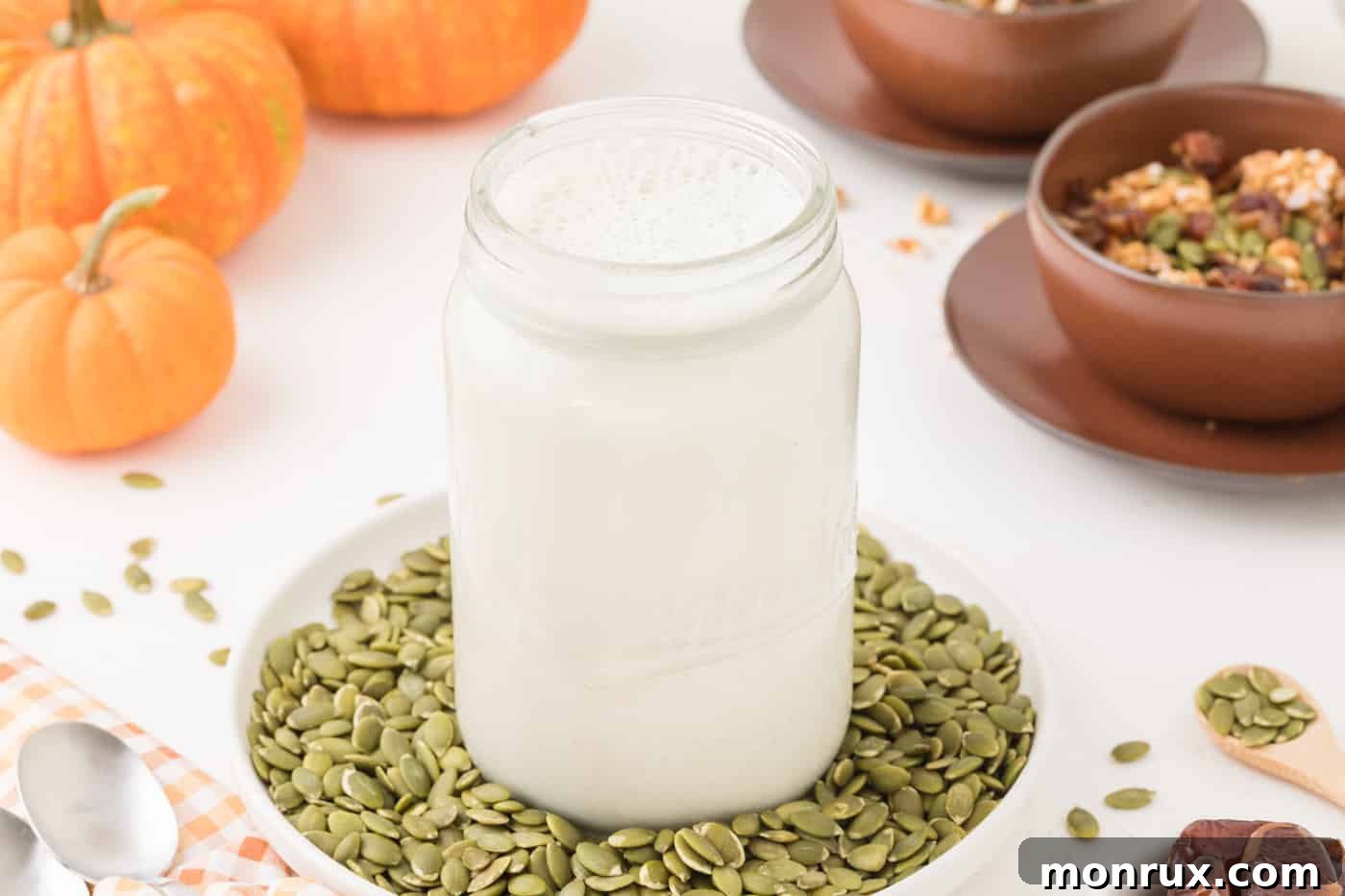
Homemade Pumpkin Seed Milk: Your Ultimate Guide to a Creamy, Dairy-Free Alternative
Discover the delightful simplicity of crafting your own **Pumpkin Seed Milk**, a remarkably creamy and lusciously smooth dairy-free option perfect for any diet. This easy-to-follow recipe offers a fantastic vegan and nut-free alternative to traditional cow’s milk, ready in under 10 minutes. Whether you pour it over your favorite granola, blend it into a refreshing smoothie, or use it as a versatile base for baking and cooking, this homemade seed milk will quickly become a refrigerator staple. It’s not just delicious; it’s also packed with nutritional goodness, making it an excellent choice for those seeking a healthier, plant-based lifestyle.
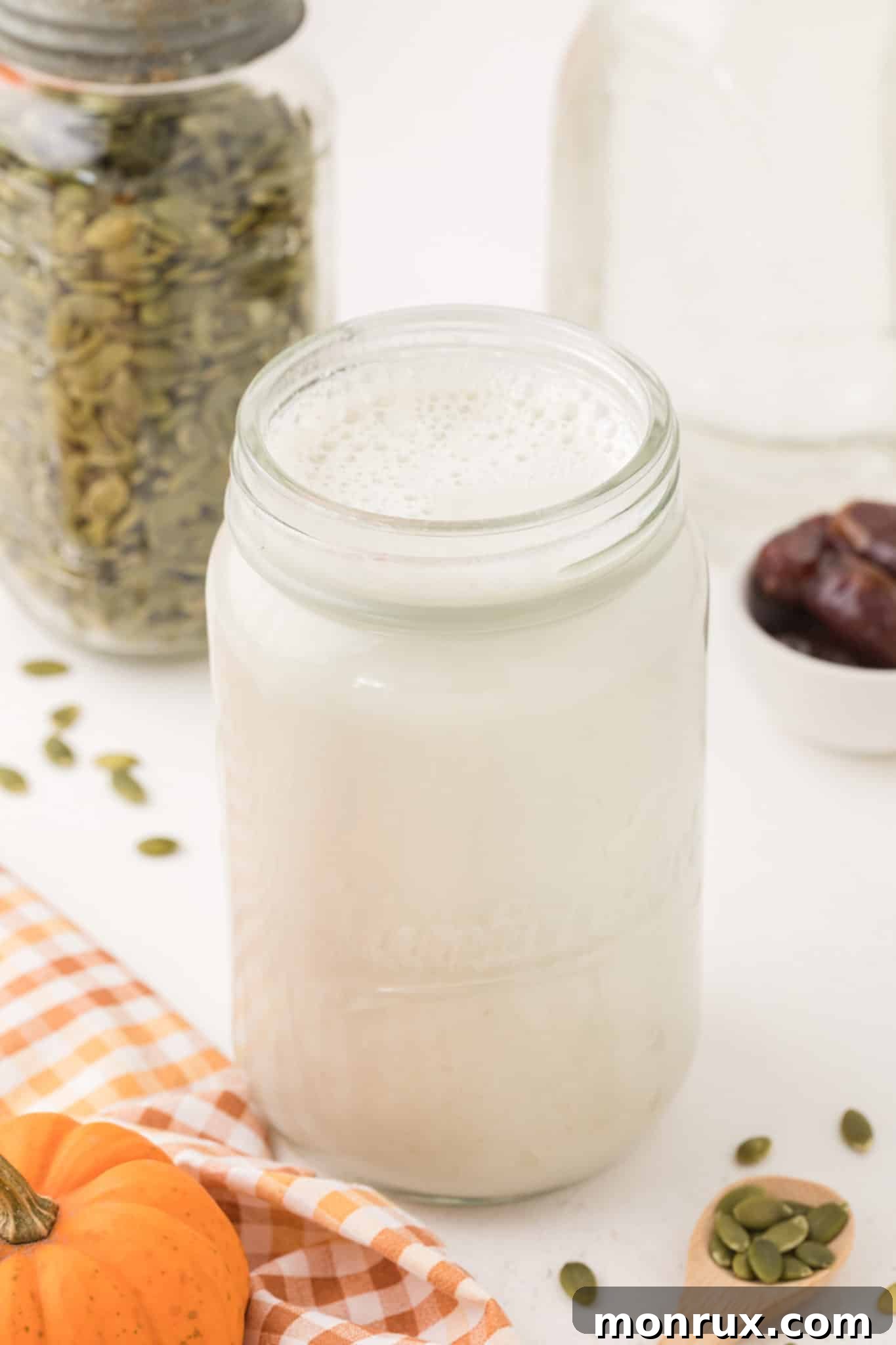
Among the vast array of plant-based milk alternatives, pumpkin seed milk truly stands out for its exceptional creaminess and subtly delicious flavor. It’s often described as having a wonderfully neutral taste, allowing it to adapt beautifully to both sweet and savory applications without overpowering other ingredients. Many find it to be one of the most satisfying dairy-free milks, providing a rich mouthfeel similar to cow’s milk but with all the benefits of a wholesome, plant-based beverage. For those embracing a vegan, nut-free, or dairy-free lifestyle, this homemade option is a game-changer.
Its versatility is unparalleled. Imagine starting your day with a bowl of crunchy cereal or granola swimming in this velvety milk. Boost your morning routine by using it as the base for vibrant, nutrient-dense smoothies. Elevate your coffee with a splash for a creamy, non-dairy creamer, or whisk it into chia puddings for a wholesome snack. You can even incorporate it into your baking recipes, from pancakes and muffins to sauces and soups, for an added layer of plant-based goodness. Keeping a jar of homemade pumpkin seed milk in your fridge ensures you always have a fresh, healthy alternative readily available for all your culinary needs.
Why Choose Homemade Pumpkin Seed Milk?
Opting for homemade pumpkin seed milk goes beyond just enjoying a delicious beverage. It’s a conscious choice that offers numerous advantages, both for your health and your wallet. Unlike many store-bought alternatives that can contain added sugars, stabilizers, or thickeners, making your own gives you complete control over the ingredients. This ensures a pure, unadulterated product free from undesirable additives.
One of the most compelling reasons to choose pumpkin seed milk is its incredible versatility and adaptability. It’s naturally:
- Dairy-Free: An obvious choice for those with lactose intolerance, dairy allergies, or simply opting to avoid dairy products.
- Vegan: Perfectly aligns with a plant-based diet, offering a creamy texture without any animal products.
- Nut-Free: A crucial benefit for individuals with nut allergies, providing a safe and delicious milk alternative where almond, cashew, or other nut milks are not an option. This makes it ideal for school lunches or households with varying dietary needs.
- Gluten-Free: Naturally free from gluten, suitable for those with celiac disease or gluten sensitivities.
- Whole30 & Paleo Friendly: With no added sugars or processed ingredients (if you omit dates or use a compliant sweetener), it fits perfectly into Whole30 and Paleo eating plans.
Furthermore, the cost-effectiveness of homemade milk cannot be overstated. Pumpkin seeds are generally more affordable than many nuts, and a small amount yields a generous batch of milk. This economic benefit, coupled with the reduction in packaging waste from store-bought cartons, makes homemade pumpkin seed milk a sustainable and budget-friendly option for your kitchen.
Key Ingredients for Pumpkin Seed Milk
Crafting this simple yet satisfying pumpkin seed milk requires only a handful of ingredients, most of which you likely already have in your pantry. The beauty of this recipe lies in its minimalist approach, allowing the natural goodness of the pumpkin seeds to shine through.
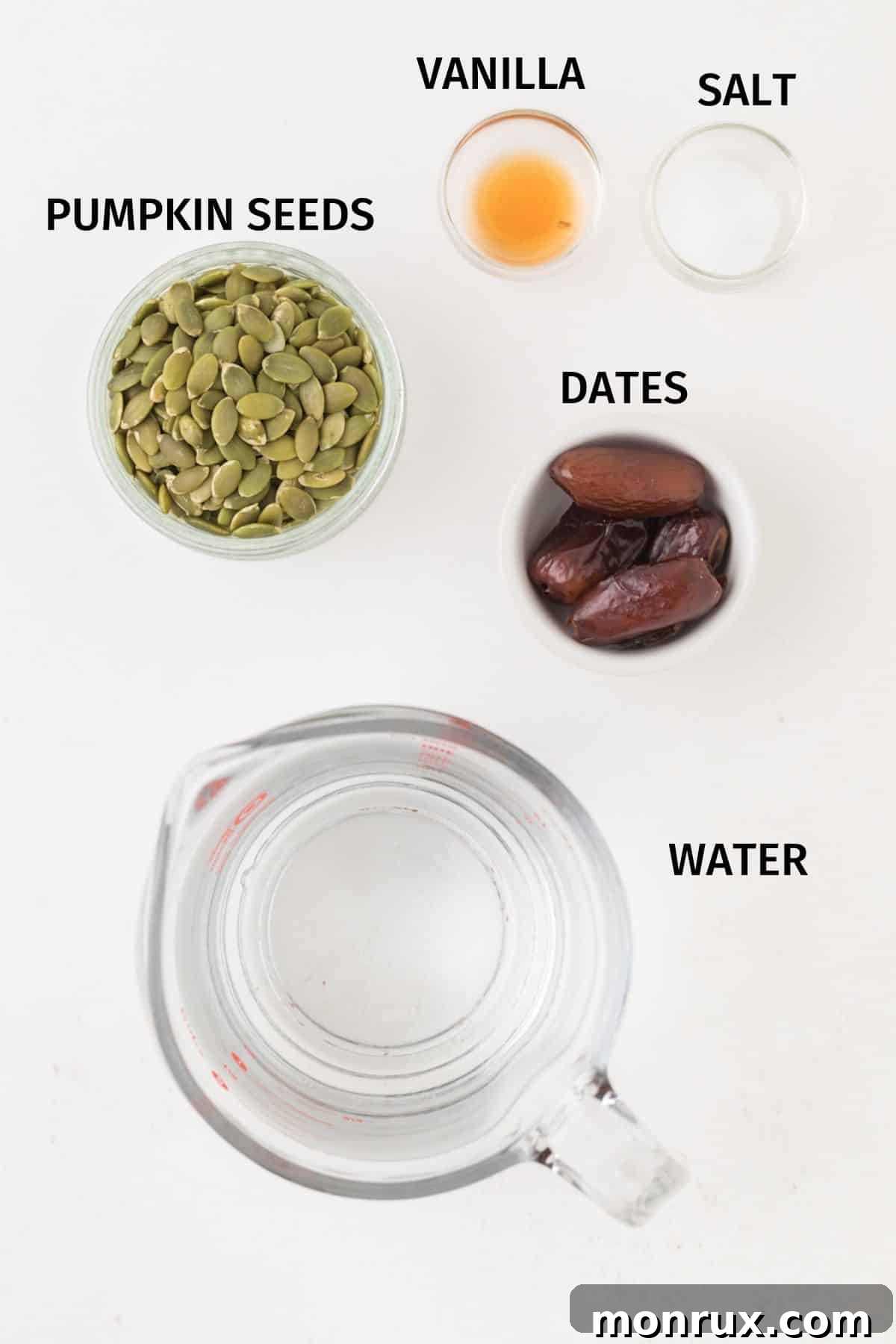
- Hulled Pumpkin Seeds (Pepitas): These are the star of our recipe. Hulled pumpkin seeds are widely available and surprisingly affordable, making them an accessible base for homemade milk. Their neutral flavor profile is a huge advantage, as it creates a milk that won’t clash with other flavors when used in various recipes. Beyond taste, pumpkin seeds are a nutritional powerhouse, boasting high levels of fiber, zinc, and magnesium – all essential for optimal health. They are also rich in antioxidants, which help protect your cells from damage, and healthy fats that support heart health. When selecting your seeds, ensure they are hulled; you can use either roasted hulled seeds for a slightly toastier flavor or raw hulled pumpkin seeds for the most neutral taste. If using salted seeds, remember to adjust or omit any additional sea salt in the recipe.
- Filtered Water: The quality of your water directly impacts the taste of your milk. Using filtered water ensures a clean, pure base that enhances the natural flavors of the seeds and prevents any unwanted mineral tastes.
- Pitted Medjool Dates: Dates serve as a natural sweetener, adding a subtle touch of caramel-like sweetness without the need for refined sugars. Beyond their sweetness, dates contribute extra nutrition, including potassium, additional fiber, and magnesium. Medjool dates are particularly soft and blend easily, ensuring a smooth milk. If you prefer your milk unsweetened or are mindful of sugar intake (e.g., following a Whole30 diet), you can simply omit the dates. Alternatively, other natural sweeteners like a touch of maple syrup or stevia can be used to taste.
- Sea Salt: A tiny pinch of sea salt works wonders to enhance and balance the flavors of the milk, much like it does in baking. It helps to bring out the subtle nuttiness of the pumpkin seeds and rounds out the sweetness from the dates.
- Vanilla Extract: A dash of vanilla extract adds a warm, inviting aroma and a hint of classic flavor that makes the milk even more enjoyable, especially when used in coffee, smoothies, or on its own. Ensure you use pure vanilla extract for the best taste.
Exact measurements for these ingredients can be found in the comprehensive recipe card at the end of this post.
Essential Equipment
Making homemade pumpkin seed milk is refreshingly simple and requires minimal specialized equipment. The most important tool you’ll need is a good blender to achieve that coveted creamy texture.
- High-Speed Blender: This is truly the key to effortlessly smooth pumpkin seed milk. A powerful blender like a Vitamix or Blendtec will break down the pumpkin seeds completely, creating a creamy emulsion that often doesn’t require straining. This saves you time and effort and results in a richer, more nutrient-dense milk.
- Airtight Container or Jar: For storing your freshly made milk, a glass jar with a tight-fitting lid (like a Mason jar) or an airtight container is essential. This will keep your milk fresh in the refrigerator for several days.
- Measuring Cups and Spoons: Standard kitchen tools for accurate ingredient measurements.
While a high-speed blender is highly recommended, it’s worth noting that if you only have a regular blender, you can still make pumpkin seed milk. In that case, soaking the pumpkin seeds in water for a few hours (or overnight) before blending will help soften them and make them easier for a less powerful blender to process. Remember to drain the soaking water and use fresh water for blending.
Step-by-Step Recipe Instructions
Making your own pumpkin seed milk is a quick and straightforward process. Follow these simple steps to enjoy fresh, homemade plant-based milk in minutes.
Step One: Combine Ingredients
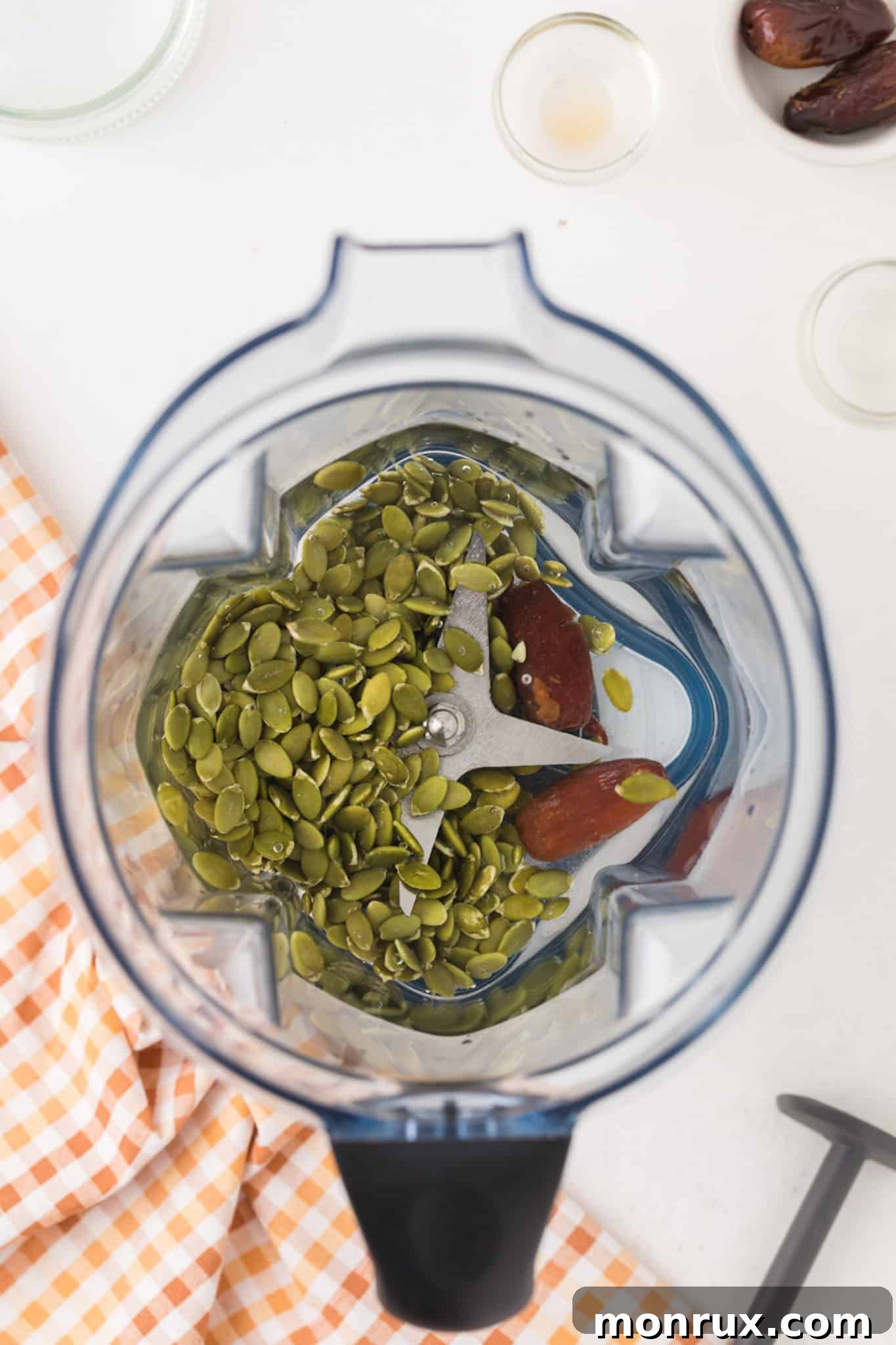
Gather all your ingredients. Into the pitcher of a high-speed blender (such as a Vitamix), add the hulled pumpkin seeds, 3 cups of filtered water, the pitted Medjool dates, a pinch of sea salt, and the vanilla extract. Ensure all ingredients are nestled securely in the blender for optimal mixing.
For precise measurements, please refer to the detailed recipe card conveniently located at the end of this post.
Step Two: Blend Until Creamy
Secure the lid on your blender and blend the ingredients on high speed for approximately 20-30 seconds. The goal is to achieve a completely smooth and creamy consistency. You’ll notice the mixture transform from individual ingredients into a uniform, milky liquid. Don’t be alarmed if your pumpkin seed milk exhibits a slight green tinge; this is entirely normal and a characteristic of pumpkin seeds, and it signifies nothing but natural goodness.
Step Three: Serve or Store
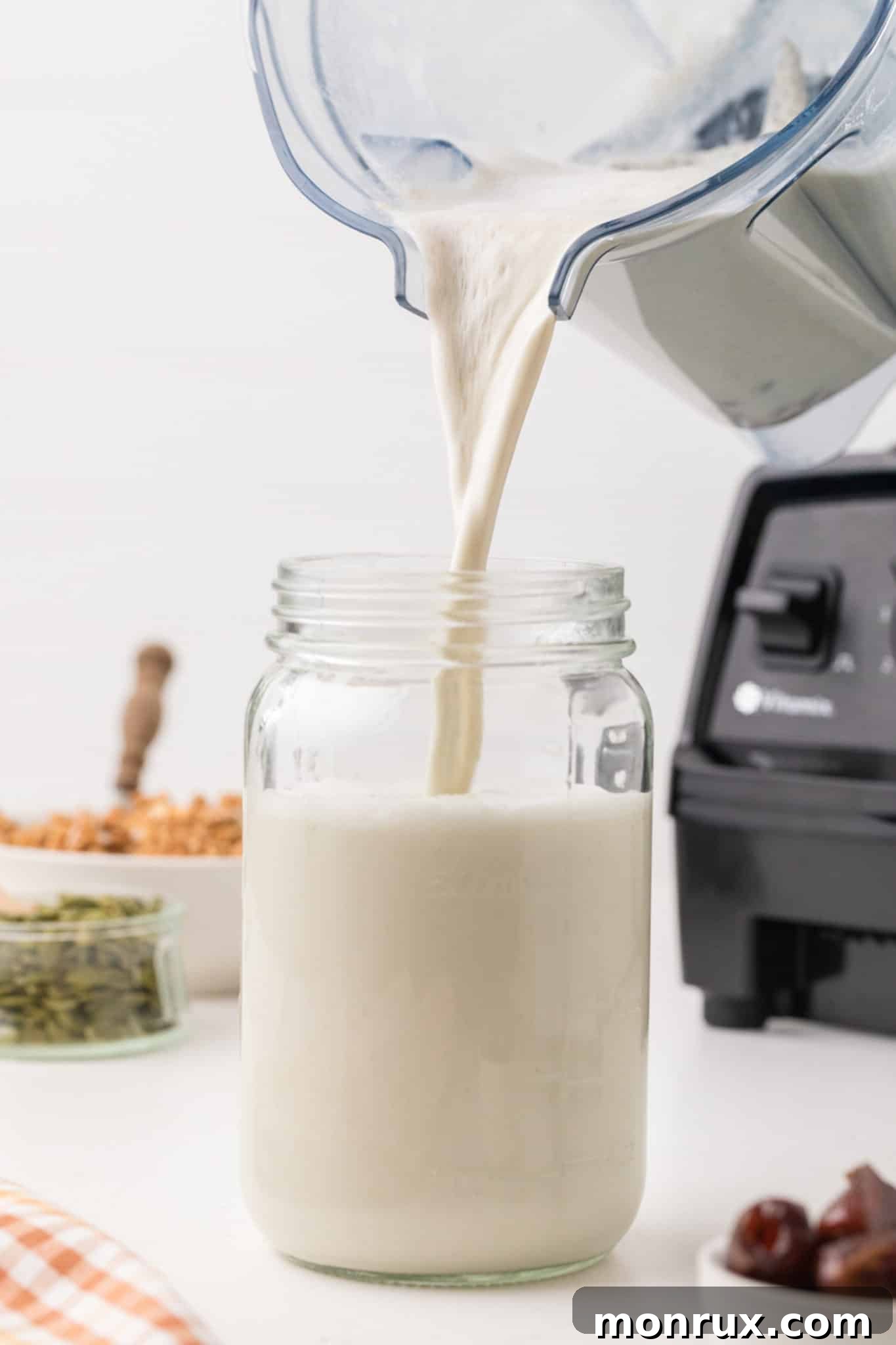
Once blended to your desired creaminess, your homemade pumpkin seed milk is ready! Transfer the fresh milk from the blender pitcher into a clean glass jar or pitcher. You can enjoy it immediately as you would regular dairy milk. It makes an excellent addition to your morning cereal or granola, forms the perfect base for your favorite smoothies, or can be used as a luscious coffee creamer. Its neutral flavor ensures it complements a wide range of dishes.
I hope you truly enjoy the rich, creamy texture and wholesome goodness of this nut-free alternative in whatever way you choose to incorporate it into your diet.
To keep your pumpkin seed milk fresh, store any leftovers in a tightly sealed container (like a glass jar) in the refrigerator. For the best quality and taste, consume your homemade milk within 5 days of preparation.
It’s common for homemade plant milks to separate a bit when stored; this is a natural process and simply means the solids have settled. Before each use, just give the jar a good shake to re-emulsify the milk and restore its creamy consistency.
Having made various homemade seed milks for many years, I can confidently say this pumpkin seed milk recipe is a personal favorite for its ease, flavor, and nutritional benefits.
Health Benefits of This Dairy-Free Recipe
Beyond its delicious taste and creamy texture, homemade pumpkin seed milk offers an impressive array of health benefits, making it an excellent addition to a balanced diet. This plant-based beverage leverages the nutritional power of pumpkin seeds, transforming them into an easily digestible and highly nutritious liquid.
- Rich in Essential Nutrients: Pumpkin seeds are naturally high in vital minerals. This homemade milk provides a significant boost of **magnesium**, crucial for muscle and nerve function, blood sugar control, and blood pressure regulation. It’s also an excellent source of **zinc**, important for immune function, wound healing, and DNA synthesis. Furthermore, you’ll benefit from healthy fats, particularly omega-6 fatty acids, and a good amount of plant-based protein, making it more satiating than many other plant milks.
- Antioxidant Powerhouse: Pumpkin seeds contain various antioxidants, including carotenoids and vitamin E. These compounds help combat oxidative stress in the body, which can reduce inflammation and protect against chronic diseases.
- Heart Health Support: The healthy fats, magnesium, and antioxidants in pumpkin seeds contribute to cardiovascular well-being. Regular consumption may help lower bad cholesterol levels and support healthy blood pressure.
- Digestive Health: With the fiber content from pumpkin seeds and dates (if included), this milk can aid in digestive regularity, promoting a healthy gut microbiome.
-
Dietary Inclusivity: This recipe is uniquely suited for a wide range of dietary preferences and needs. It is inherently:
- Vegan and Plant-Based: Ideal for ethical and health-conscious consumers avoiding animal products.
- Nut-Free: A safe and delicious option for individuals with tree nut allergies, a significant advantage over popular almond or cashew milks.
- Whole30 and Paleo Friendly: When made without dates (or with a compliant sweetener), it aligns perfectly with the strict guidelines of these diets, offering a clean, unprocessed beverage.
- Cost-Effective and Environmentally Friendly: Making your own milk at home is often more economical than buying cartons of specialized plant milks. It also significantly reduces packaging waste, contributing to a more sustainable lifestyle.
- Easy to Digest: For many, plant-based milks are easier to digest than dairy milk, reducing issues like bloating or discomfort often associated with lactose intolerance.
Embracing homemade pumpkin seed milk is not just about choosing an alternative; it’s about choosing a highly nutritious and versatile beverage that supports your overall health and well-being. Learn more about the compelling health reasons to consider going dairy-free for comprehensive insights.
Frequently Asked Questions (FAQs) About Pumpkin Seed Milk
While both are excellent plant-based options, pumpkin seed milk offers distinct advantages. A key benefit is that it generally doesn’t require straining, unlike almond milk which often needs to be filtered through a nut milk bag to remove pulp. This makes pumpkin seed milk quicker and easier to prepare. Additionally, pumpkin seed milk is naturally nut-free, making it a safe choice for individuals with nut allergies where almond milk would be unsuitable.
No, typically you do not need to strain pumpkin seed milk, especially if you use a high-speed blender. Pumpkin seeds do not have a fibrous skin like almonds or other nuts, so when blended thoroughly, they create a wonderfully creamy and smooth milk without any gritty residue. This eliminates the need for a nut milk bag, simplifying the process significantly.
Yes, absolutely! This recipe works perfectly with both regular hulled pumpkin seeds and sprouted pumpkin seeds. While sprouting can enhance nutrient bioavailability, it’s not a requirement for making delicious and creamy pumpkin seed milk. Simply use what you have on hand.
If you are using a high-speed blender, soaking the pumpkin seeds is generally not necessary as these powerful blenders can break down the seeds effectively. However, if you are using a regular blender, soaking the seeds for at least 2-4 hours (or overnight) will help soften them, making them much easier to blend into a smooth milk. If you soak them, be sure to drain the soaking water and use fresh water for blending.
Yes, you can certainly use fresh pumpkin seeds that you’ve scooped directly from a pumpkin! However, you must prepare them first. They need to be cleaned, dried, and ideally roasted before being used for milk. Roasting enhances their flavor and texture. Try this excellent recipe for Air Fryer Pumpkin Seeds as a preparatory step.
When stored in a tightly sealed container in the refrigerator, homemade pumpkin seed milk typically stays fresh for up to 5 days. Always give it a good shake before using, as natural separation is common.
Absolutely! The recipe uses dates for natural sweetness, but you have full control. For an unsweetened version, simply omit the dates. If you prefer it sweeter, you can add an extra date or two, a touch of maple syrup, or a few drops of liquid stevia to taste.
It’s completely normal for pumpkin seed milk to have a slight green tint! This is due to the natural chlorophyll content in pumpkin seeds. It does not affect the taste or quality of the milk.
We hope you’ll give this nourishing recipe a try! If you do, please leave a comment and a starred review below to share your experience with us. Your feedback helps our community thrive.
And, don’t forget to connect with us on social media for more healthy recipes, tips, and inspiration. You can find us on Facebook, Pinterest, Instagram, and YouTube!
Print Recipe
Homemade Pumpkin Seed Milk Recipe
5 Stars 4 Stars 3 Stars 2 Stars 1 Star
5 from 4 reviews
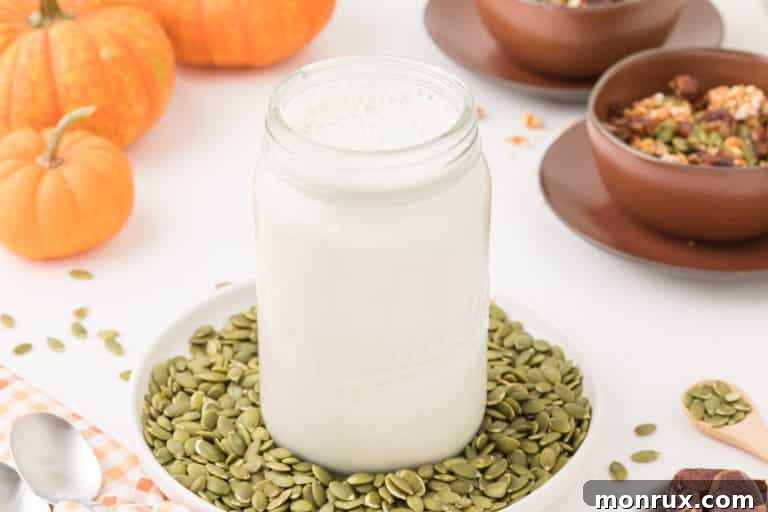
This Homemade Pumpkin Seed Milk is such a delicious and easy dairy-free recipe. Serve it with granola or cereal, or use it as the base of a smoothie! This vegan and nut-free recipe can be made in less than 10 minutes.
Total Time: 7 minutes
Yield: 8 1x
Ingredients
Units
Scale
- 1/3 cup hulled pumpkin seeds
- 3 cups filtered water
- 2 pitted Medjool dates (optional, for sweetness)
- 1/4 teaspoon sea salt
- 1/2 teaspoon vanilla extract
Instructions
- Combine the hulled pumpkin seeds, 3 cups of filtered water, pitted Medjool dates (if using), sea salt, and vanilla extract in the pitcher of a high-speed blender.
- Blend the ingredients on high speed until completely creamy and smooth, typically for about 20-30 seconds.
- Transfer the freshly blended pumpkin seed milk to a clean pitcher or airtight jar. Serve immediately or refrigerate for later use.
Notes
- Store any leftover pumpkin seed milk in a tightly sealed container (preferably glass) in the refrigerator for up to 5 days. It’s normal for the milk to separate during storage; simply give the jar a good shake before each use to re-emulsify.
- If you are managing your sugar intake or prefer an unsweetened milk, you can easily omit the Medjool dates from this recipe without affecting the texture.
- Always look for hulled pumpkin seeds (pepitas) for making milk. You can use either roasted hulled seeds or raw hulled pumpkin seeds. If your chosen seeds are already salted, reduce or completely omit the added sea salt in the recipe to avoid over-salting.
- If you do not have a high-speed blender, you can still make this milk. Simply soak the hulled pumpkin seeds in water for 2-4 hours, or overnight, to soften them before blending. Drain the soaking water and use fresh water for the recipe.
- Author: Carrie Forrest, MPH in Nutrition
- Prep Time: 5 minutes
- Cook Time: 2 minutes
- Category: Beverage
- Method: Blender
- Cuisine: Healthy
- Diet: Vegan
Nutrition Information (Approximate Per Serving)
- Serving Size: 1/8 of recipe
- Calories: 47
- Sugar: 4.1 g
- Sodium: 76.7 mg
- Fat: 2.6 g
- Saturated Fat: 0.5 g
- Carbohydrates: 5.1 g
- Fiber: 0.7 g
- Protein: 1.7 g
- Cholesterol: 0 mg
*Nutritional information is an estimate and may vary based on ingredients and preparation methods.
More Delicious Dairy-Free Milk Recipes You Might Like
If you’re exploring the world of plant-based milks, there’s a wealth of delicious and nutritious options beyond pumpkin seed milk. Expanding your repertoire can introduce new flavors and textures to your daily routine, perfect for various culinary applications. Here are some other fantastic homemade dairy-free milk recipes to inspire your kitchen adventures:
- Creamy Cashew Milk: A rich and velvety option, fantastic for coffee and creamy sauces.
- Vitamix Almond Milk: Learn to make fresh almond milk using raw nuts for a classic, wholesome flavor.
- Luxurious Macadamia Nut Milk: Known for its rich, buttery taste, perfect for gourmet beverages.
- Homemade Oat Milk Creamer: A budget-friendly and naturally sweet choice that’s great for lattes.
- Vitamix Homemade Coconut Milk: Create fresh, tropical coconut milk for a myriad of culinary uses.
- Nutrient-Rich Vanilla Hemp Milk: A quick and easy option using hemp seeds, loaded with omega-3s.
Once you master making your own dairy-free milks, you’ll open up a whole new world of culinary possibilities. For inspiration on how to best utilize your freshly made plant-based milks, be sure to check out my extensive index of Dairy-Free Smoothies. They are a fantastic way to incorporate nutrients and delicious flavors into your day!
Don’t Miss These Essential Dairy-Free Resources!
Navigating a dairy-free lifestyle can be both exciting and challenging. To help you on your journey, we’ve curated a collection of valuable resources filled with expert advice, delicious recipes, and practical tips. Whether you’re just starting out or looking for new inspiration, these guides are designed to support your dairy-free culinary exploration.
Don’t forget to join our exclusive newsletter list to receive clean eating recipes, expert tips, and wellness insights delivered straight to your inbox. It’s 100% free, spam-free, and you can unsubscribe anytime.
About the Author: Carrie Forrest holds a master’s degree in public health with a specialization in nutrition and is a certified holistic nutritionist. She is a prominent wellness and food blogger, attracting over 5 million visitors annually to her platform. Carrie shares an inspiring story of recovery from chronic illness and is deeply passionate about empowering other women to transform their health through wholesome eating and mindful living. Feel free to reach out to her via her contact form for any inquiries or collaborations.