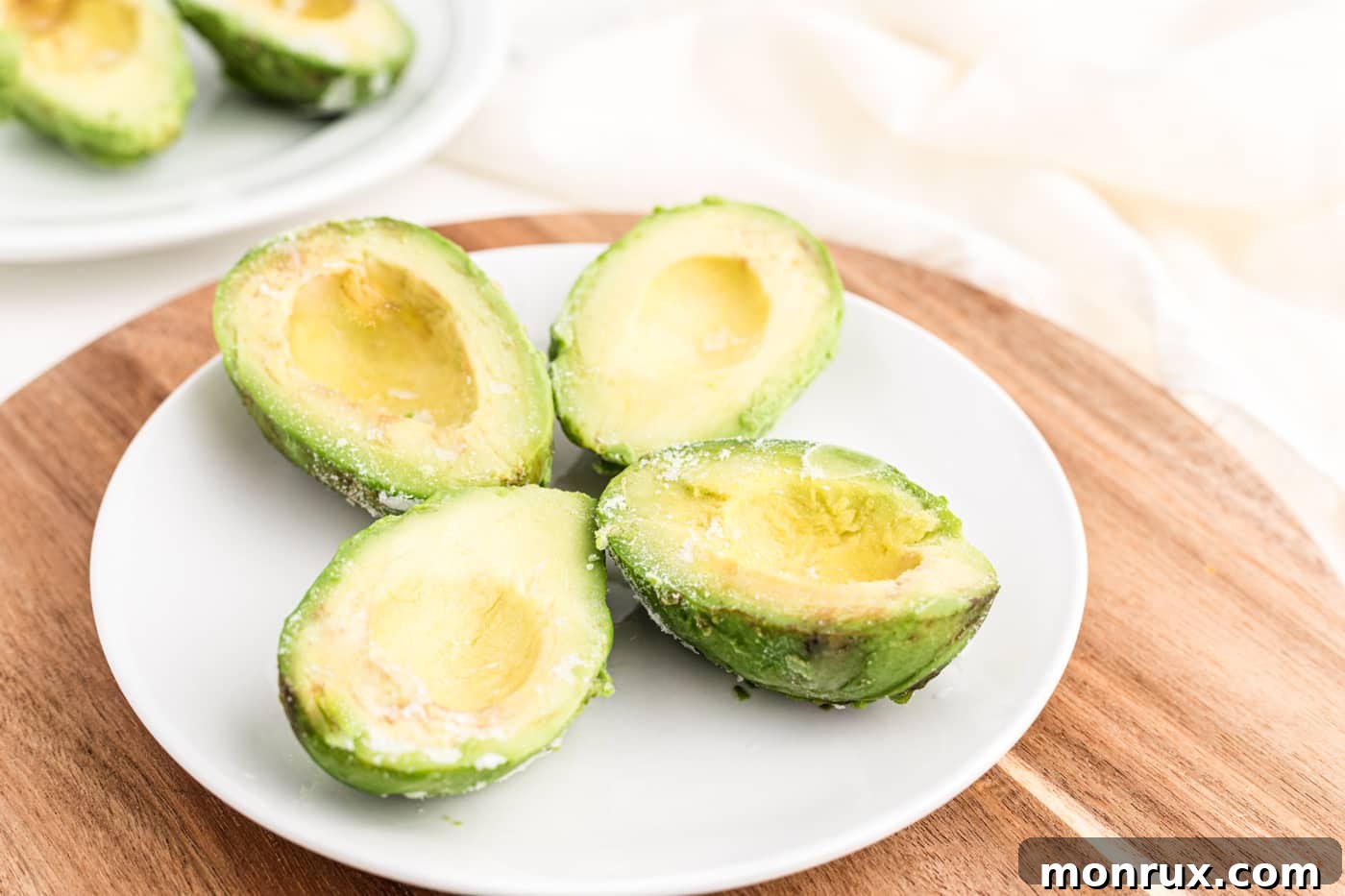
Don’t let those perfectly ripe avocados go to waste ever again! This comprehensive guide reveals exactly how to freeze avocados, ensuring you always have a supply on hand for delicious smoothies, creamy salad dressings, homemade guacamole, or even indulgent desserts like pudding. Discover the best techniques for freezing avocado halves, chunks, slices, or even mashed avocado, preserving their creamy texture and rich flavor for months to come.
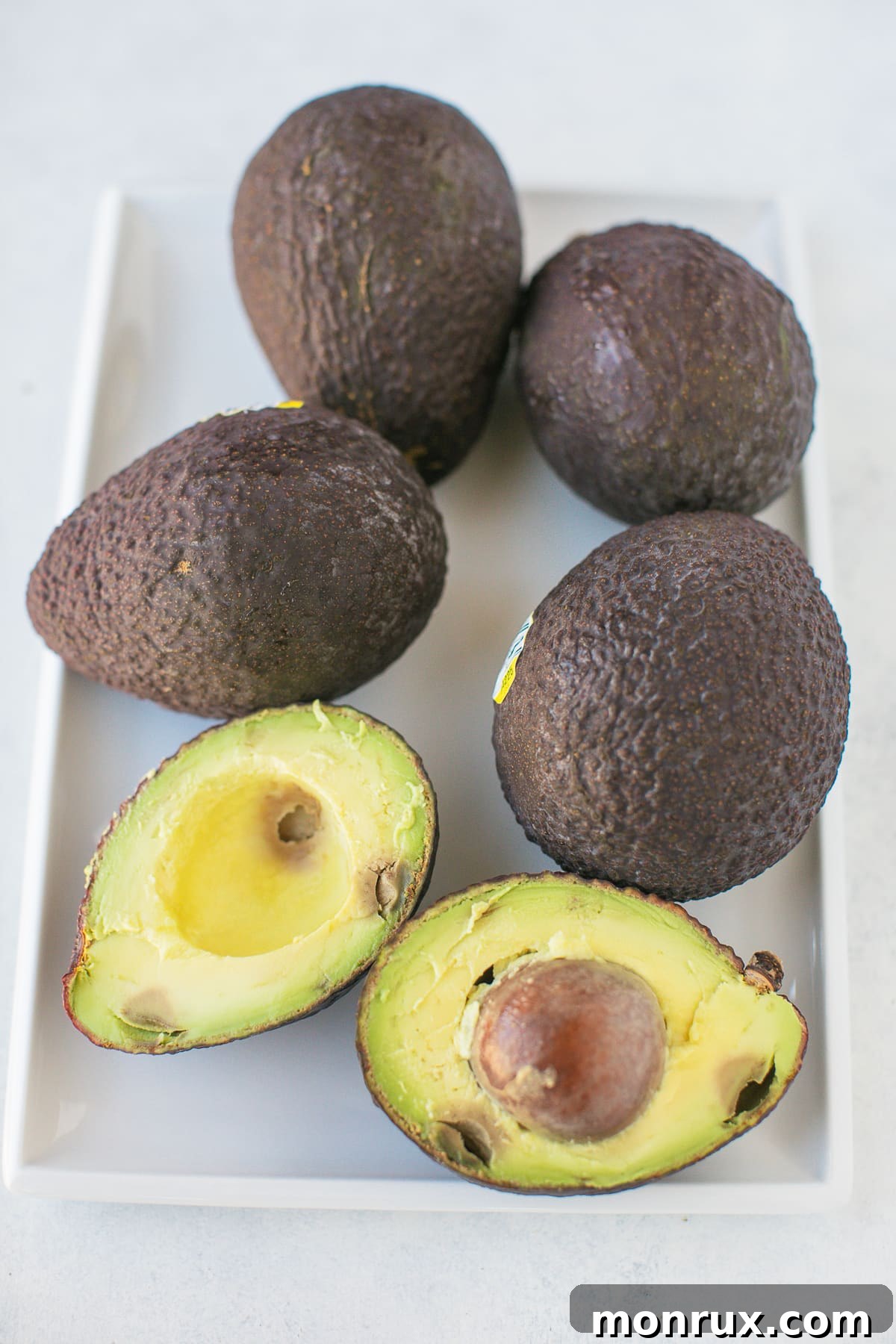
Avocados, believed to have originated in South Central Mexico thousands of years ago, have since spread across the globe, becoming a prized crop cherished for its unique taste and incredible nutritional value. Technically a fruit, the avocado is commonly enjoyed as a vegetable in savory dishes or processed into a versatile oil for cooking and cosmetics. Its creamy texture and mild flavor make it a staple in countless cuisines worldwide.
Beyond its culinary appeal, the avocado offers remarkable health benefits that profoundly impact human health and well-being. Rich in healthy fats, fiber, and essential vitamins and minerals, avocados are known to promote the reduction of risks associated with chronic conditions such as cancer, cardiovascular disease, diabetes, and other degenerative diseases. Incorporating this superfood into your diet is a simple yet effective way to boost your overall health.
Research highlights the impressive nutrient absorption benefits of avocados. At least one study has shown that consuming this popular fruit with a salad can significantly increase the absorption of carotenoid antioxidants by as much as three times, maximizing the nutritional impact of your meals. The versatility of avocados allows for countless culinary applications. Some of my personal favorite ways to enjoy them include classic Avocado Mango Salad, as a rich and creamy avocado spread (reminiscent of a lighter avocado hummus), and surprisingly delightful avocado pudding. Its incredible nutrient density earns it a spot on my list of the healthiest foods to eat every day.
Can You Freeze Avocados? The Definitive Answer
A common question among home cooks is whether avocados can be frozen, and the resounding answer is yes! You absolutely can freeze avocados, extending their shelf life and ensuring you never have to waste a perfectly ripe fruit again. However, achieving the best results requires a few specific tips and tricks. Proper freezing techniques are crucial to maintain as much of their natural moisture, creamy texture, and delicious flavor as possible once thawed. We’ll explore these methods in detail to make your freezing process a success.
Why You Should Consider Freezing Avocados
Avocados, while incredibly nutritious and versatile, can be quite expensive, especially when they’re not in season. This makes them a prime candidate for smart storage. If you happen to find them on sale at your local grocery store, stocking up is a brilliant idea. The concern about them ripening too quickly and going bad before you can enjoy them is a common dilemma. This handy guide on how to freeze avocados eliminates that worry, empowering you to capitalize on sales and prevent food waste. Freezing ensures you always have ripe avocados ready for your culinary needs, saving you money and reducing trips to the store.
Beyond cost savings, freezing avocados offers unparalleled convenience. Imagine whipping up a smoothie, a batch of guacamole, or a healthy salad dressing without having to rush to the store for a perfectly ripe avocado. With a stash of frozen avocados, healthy eating becomes effortlessly accessible, supporting your meal prep efforts and spontaneous cravings alike.
How to Identify a Perfectly Ripe Avocado for Freezing
The key to successful avocado freezing lies in starting with perfectly ripe fruit. Avocados are ripe when they feel soft to the touch, yielding gently to slight pressure without being mushy. You’ll easily recognize an unripe avocado because it will be very hard, much like a baseball. Depending on its initial state, an avocado can sometimes take up to several weeks to ripen naturally on the countertop, which can be frustrating if you need them sooner.
To accelerate the ripening process, a simple and effective method is to place the avocado in a paper bag for a few days, optionally with a banana or apple. These fruits release ethylene gas, a natural ripening agent, which helps soften the avocado more quickly. This trick can significantly reduce the waiting time, making your avocados ready for freezing sooner.
It is absolutely crucial to allow your avocados to reach full ripeness before freezing them. Once an avocado is frozen, its ripening process stops entirely. You must avoid freezing unripe avocados, as they will retain their hard, undesirable texture even after thawing, making them unsuitable for most recipes. A ripe avocado will offer the best texture and flavor once defrosted.
Essential Ingredients and Tools for Successful Avocado Freezing
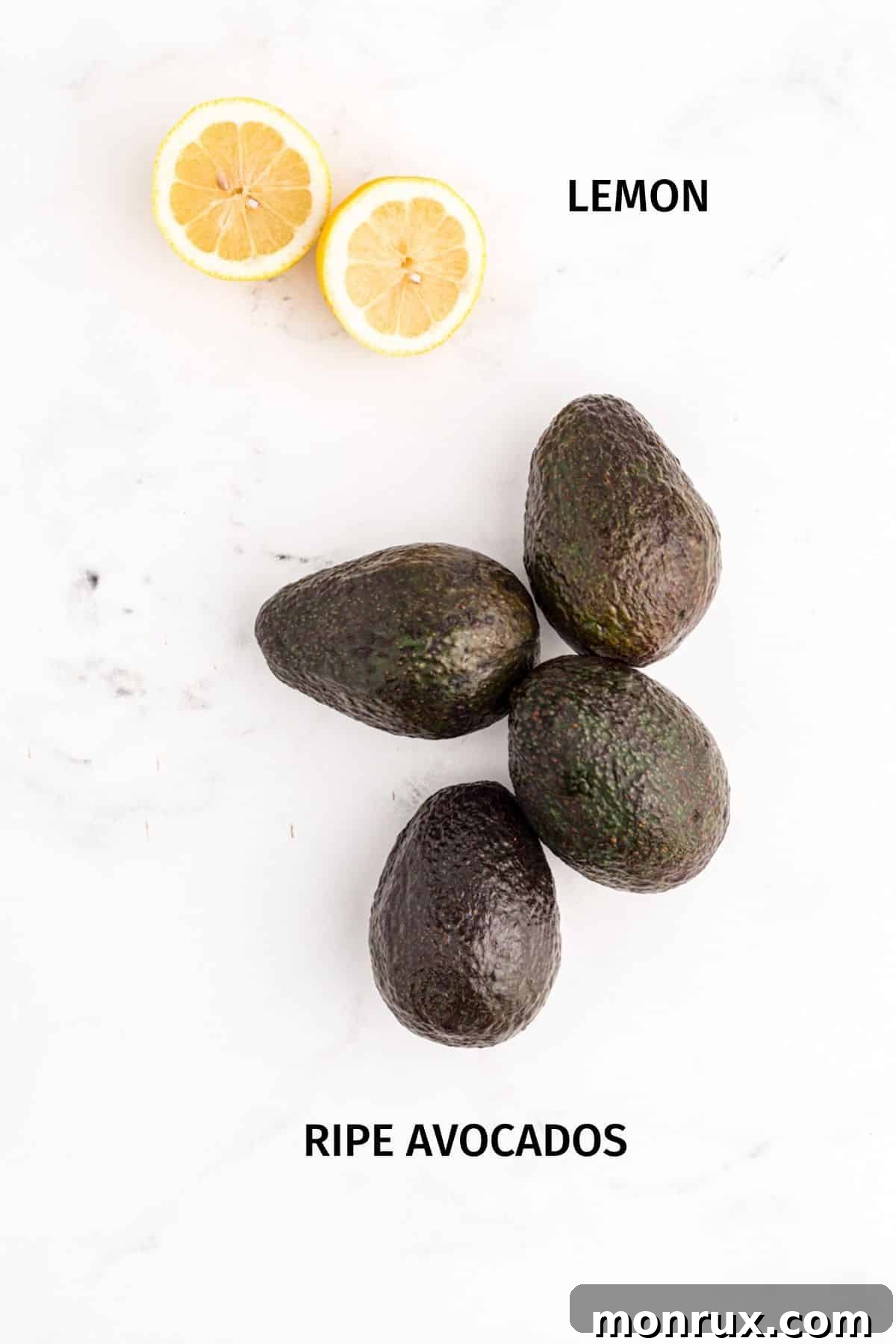
- Ripe Avocados: As emphasized, starting with ripe avocados is paramount for optimal results. This method is adaptable for freezing whole large avocados, smaller avocado pieces or diced avocado, thin slices, or even pre-mashed avocado for immediate use.
- Fresh Lemon or Lime Juice: This is a critical component for preventing oxidation and the unsightly browning that occurs when avocado flesh is exposed to air. The citric acid acts as a natural preservative, maintaining the avocado’s vibrant green color.
- Freezer-Safe Storage: You’ll need reliable containers for freezing. Options include durable plastic zip-top bags, reusable silicone bags, or airtight freezer-safe containers. For flash-freezing individual pieces, parchment paper and a baking sheet will also be invaluable.
- Sharp Knife and Spoon: For efficient preparation, a sharp knife for cutting and a sturdy spoon for scooping out the flesh and pit are essential tools.
Step-by-Step Guide to Freezing Avocados: Various Methods
Freezing avocados is surprisingly straightforward and yields excellent results for many culinary applications. Follow these simple steps to successfully preserve your ripe avocados.
Preparation and Cleaning
The first crucial step for freezing ripe avocados is to give them a thorough wash. Even though you don’t eat the skin, washing the exterior of the avocado is always a good practice before cutting into it. This helps prevent the transfer of any surface contaminants or foodborne illnesses from the skin to the edible flesh during the cutting process. Use warm water and a gentle scrub, then pat them dry with a clean cloth or paper towel.
Halving and Pitting
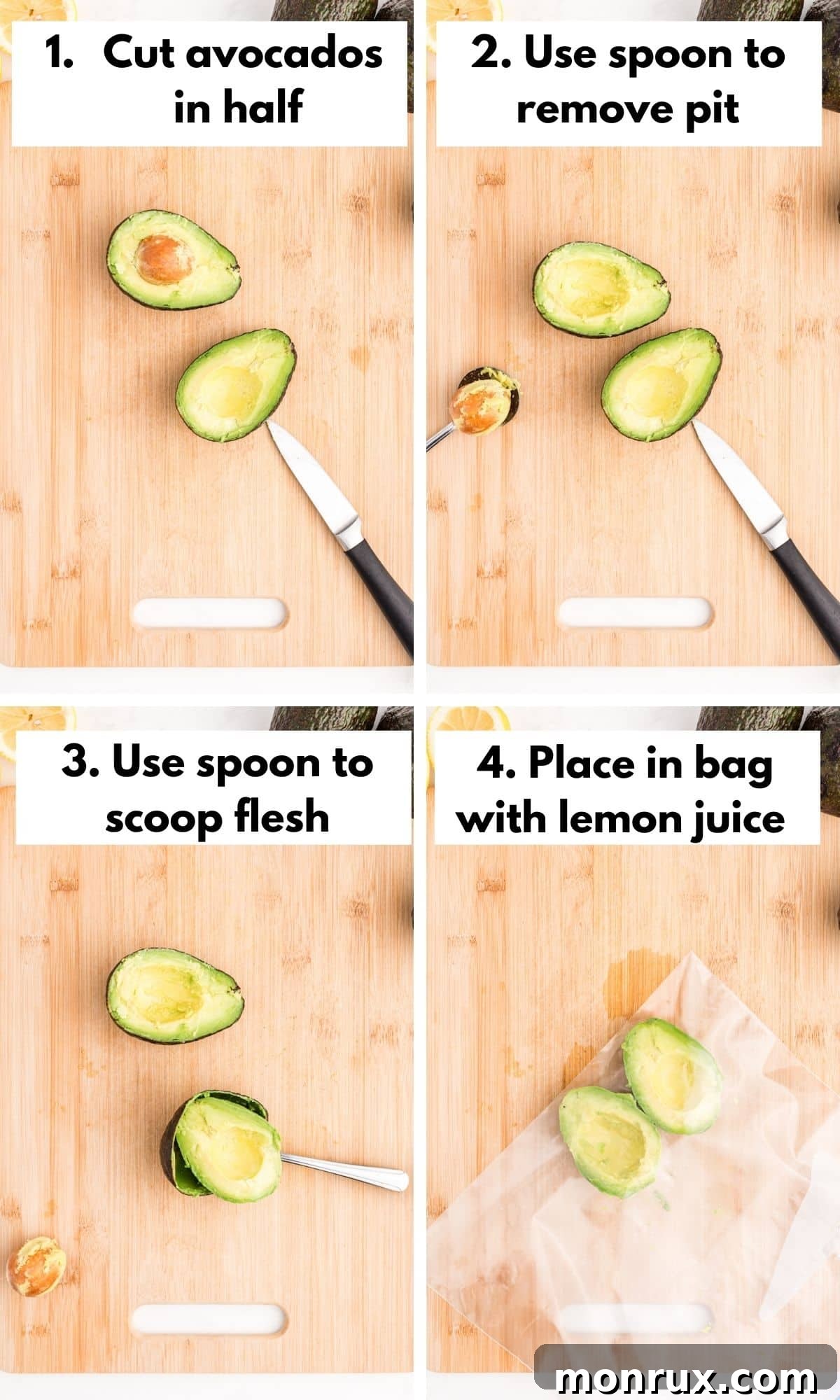
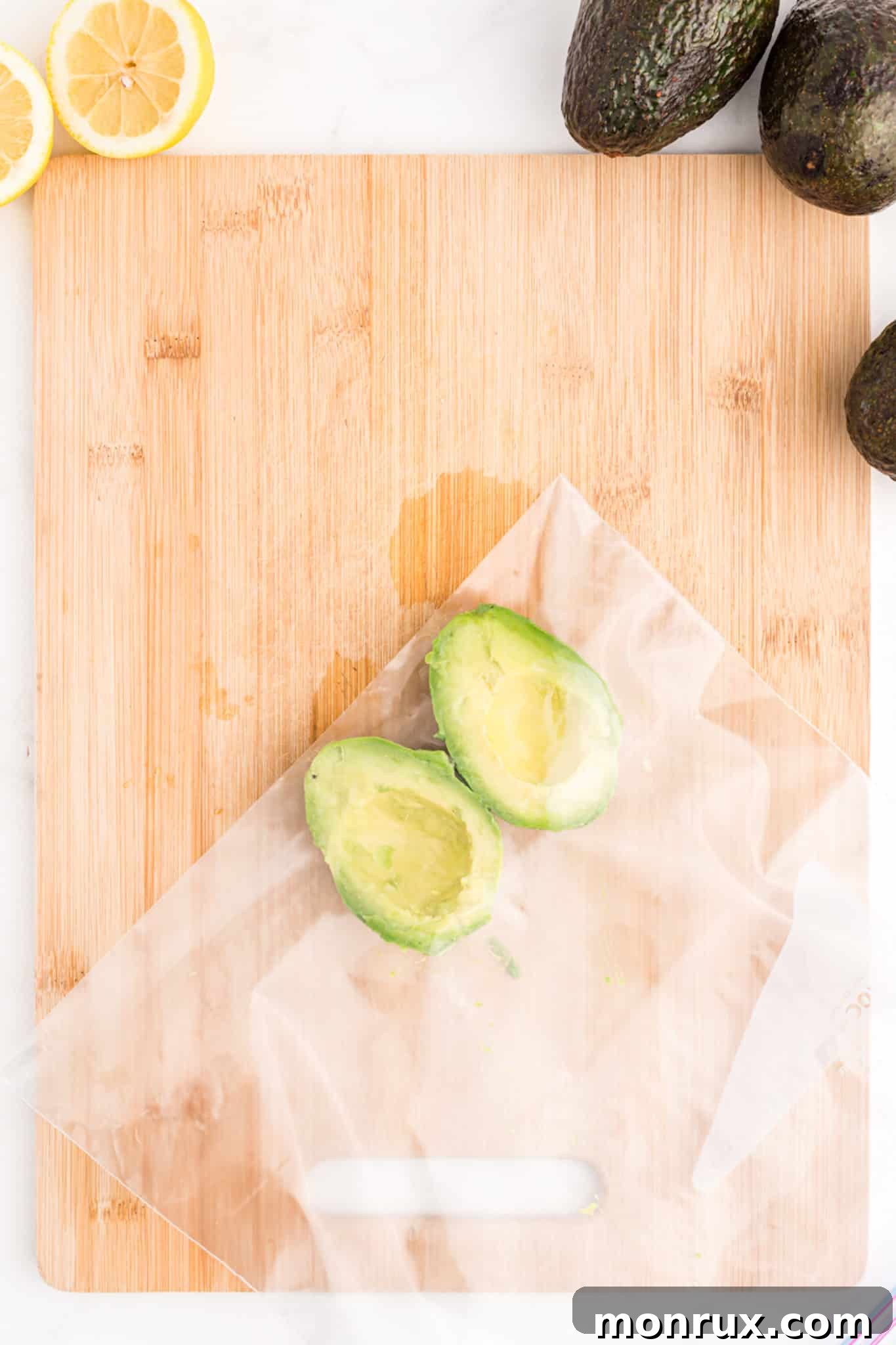
Once clean, use a sharp knife to carefully cut each avocado in half lengthwise around the large pit. Gently twist the two halves apart. The pit can then be easily removed by either carefully tapping it with the blade of your knife and twisting, or by scooping it out with a spoon. Discard the pit. For more detailed instructions on this technique, you can refer to guides like how to cut an avocado.
Packaging and Preserving
Once halved and pitted, you have several options for freezing:
- For Halves or Chunks: Use your spoon to scoop out the avocado flesh from each half. You can leave them as halves or cut them into desired chunks or slices. Transfer the avocado pieces directly to a zip-top plastic bag, a sturdy resealable bag, or a durable silicone storage bag. While some people opt for ice cube trays for smaller portions, I find bags to be less messy and more efficient for larger quantities.
- For Mashed/Pureed Avocado: If you plan to use the avocado for guacamole, spreads, or baby food, mash or puree it before freezing. Place the mashed avocado into bags or small containers.
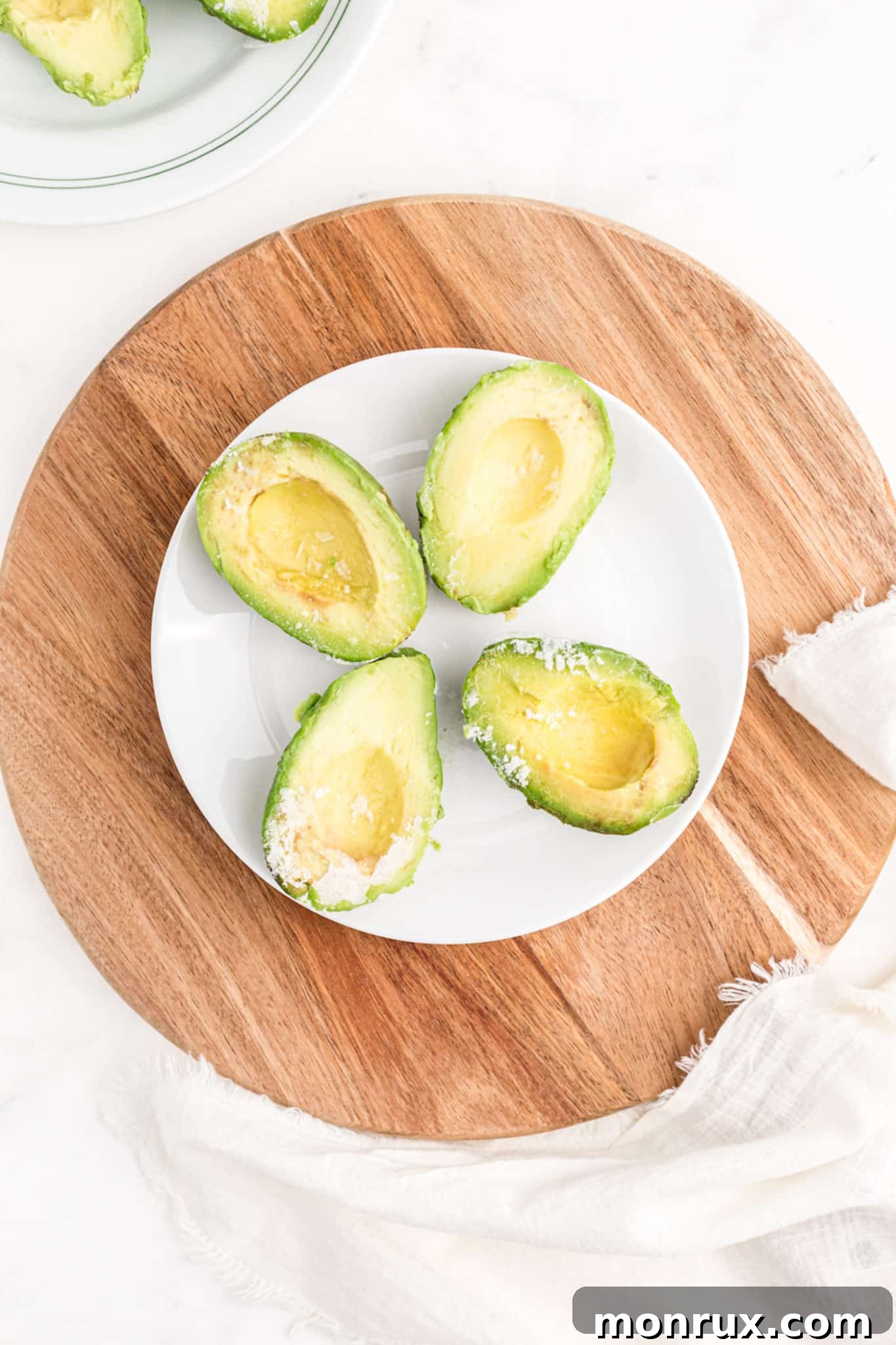
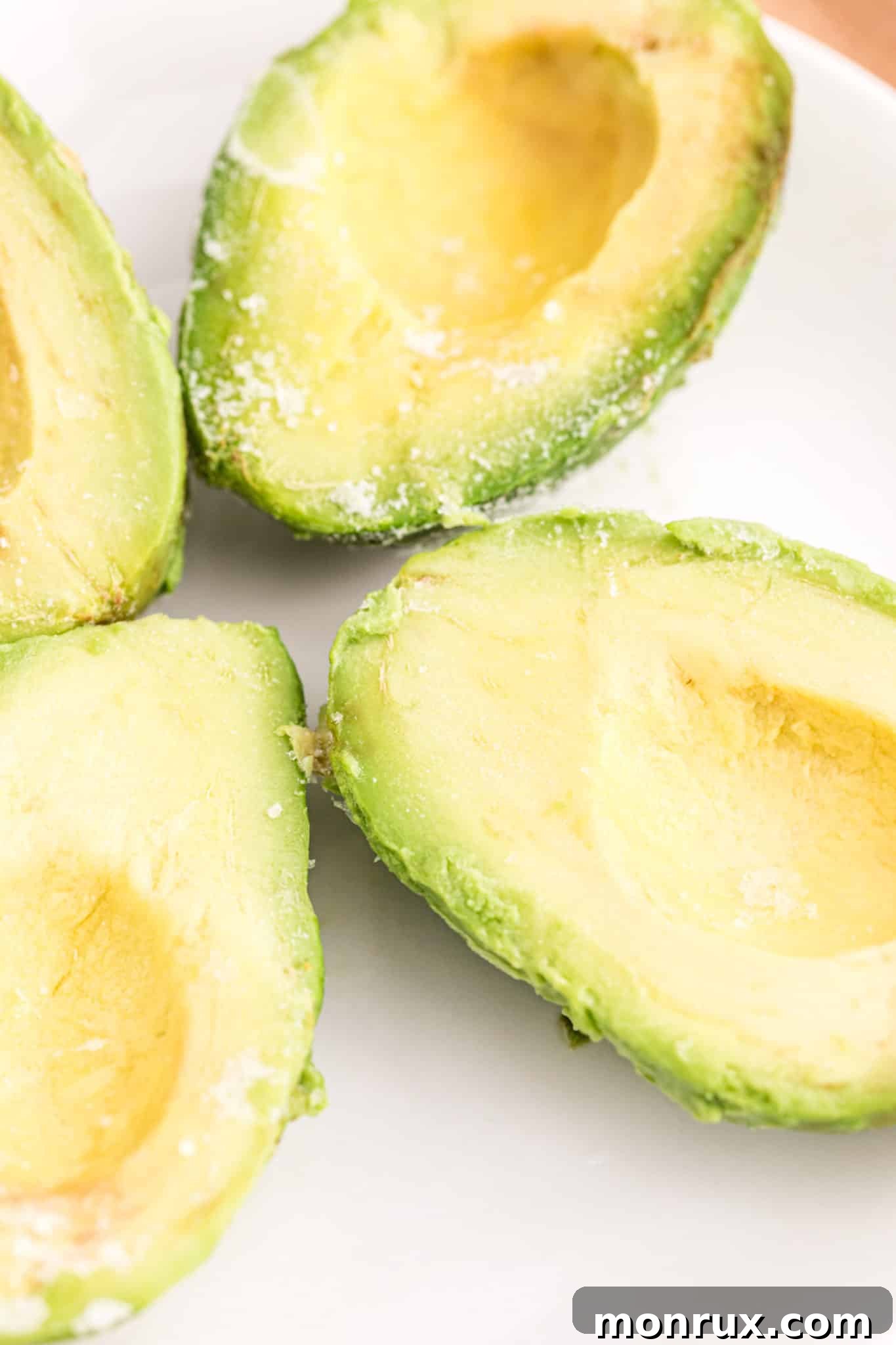
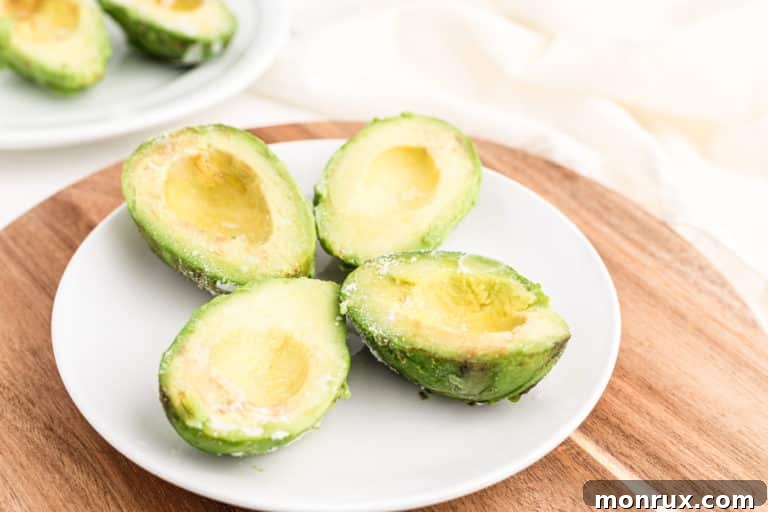
Regardless of the form, squeeze a little fresh lemon juice or lime juice directly onto the avocado flesh in each freezer bag or container. This is a crucial step! The citric acid in the fresh citrus juice is highly effective at preventing the ripe green avocado flesh from oxidizing and turning an unappetizing brown color. Aim for about a teaspoon per avocado half or per cup of mashed avocado.
After adding the juice, press out as much air as possible from the ziplock bag before sealing it. Air exposure is the enemy of frozen avocados, contributing to browning and freezer burn. If using a container, ensure it’s airtight. Label the bags or containers with the date, then place them in the freezer for optimal storage for up to 2 months.
Defrosting and Enjoying Your Frozen Avocados
To defrost your frozen avocados, simply transfer the bag or container from the freezer to the refrigerator and allow it to thaw for 12-24 hours. The slow thawing process helps preserve the texture. Once your frozen avocado has fully defrosted, you can use it just as you would a fresh avocado. While the texture might be slightly softer than fresh, it will still be incredibly creamy and flavorful, perfect for various applications:
- Guacamole: The slightly softer texture is ideal for mashing into a smooth, rich guacamole.
- Avocado Spreads: Blend into a delicious avocado spread for sandwiches or toasts.
- Soup and Salad Toppings: Add creamy avocado to hot soups or fresh salads for a nutritional boost.
- Baby Food: For an easy homemade baby food, place the defrosted avocado into a food processor and blend until it transforms into a smooth, creamy puree. Babies adore the soft texture and mild flavor.
- Desserts: Defrosted frozen avocado is also exceptional in rich desserts like Avocado Chocolate Pudding or a decadent Chocolate Avocado Ice Cream!
- Smoothies: A fantastic use for frozen avocado is directly adding it to smoothies. It creates an incredibly creamy, thick texture without the need for ice. Try it in my Liver Detox Smoothie or my indulgent Chocolate Avocado Smoothie.
Quick Summary: Freezing Avocados Made Easy
To encapsulate, the most effective way to freeze avocados involves a few simple, sequential steps. Begin by thoroughly washing your ripe avocados. Next, carefully cut each avocado in half, and use a spoon to scoop out the pit and then the creamy flesh. Transfer the halved or chunked avocado flesh into a high-quality zip-top bag or an airtight container. Crucially, add a splash of fresh lemon or lime juice to prevent oxidation and maintain its vibrant color. Remove as much air as possible before sealing. Once prepared, place it directly into the freezer. Stored correctly, these frozen avocado portions will remain fresh and ready for use for up to several months.
Pro Tips and Creative Substitutions for Frozen Avocados
- Shelf Life: Properly frozen avocados will maintain their quality and flavor in the freezer for approximately 2 months. Beyond this, they may start to develop some freezer burn or a decline in texture, though they might still be safe to eat.
- Defrosting Best Practices: For the best results, always defrost your frozen avocados in the refrigerator overnight. This slow, gentle thawing helps preserve their texture and minimize any adverse changes. Avoid thawing at room temperature for extended periods.
- Versatile Usage: Once defrosted, you can use frozen avocados in almost any way you would use a fresh one, keeping in mind the slight texture difference. They are excellent for creamy preparations. They excel in chocolate pudding, Avocado Ice Cream, guacamole, or as a luxurious spread for avocado toast. They also make a fantastic addition to soups or salads, providing a rich, creamy element.
- Freezing Slices or Chunks (Flash Freezing Method): If you prefer individual avocado slices or chunks that don’t stick together, employ the flash freezing method. Arrange the avocado slices or chunks in a single layer on a parchment-paper-lined baking sheet. Place the baking sheet in the freezer for at least 4-6 hours, or until the pieces are solid. Once frozen solid, transfer them to a zip-top bag or airtight container. This prevents clumping and allows you to grab only the amount you need. These individually frozen pieces can also be stored for up to 2 months.
- Preventing Browning: The lemon or lime juice is your best friend here. Don’t skimp on it. For mashed avocado, you can even stir a small amount directly into the mash before freezing.
- Labeling is Key: Always label your freezer bags or containers with the date of freezing. This helps you keep track of freshness and ensures you use your avocados within their optimal storage period.
Frequently Asked Questions About Freezing Avocados
Detecting a spoiled avocado is fairly easy. If your avocado emits an unpleasant or sour smell, or feels excessively mushy and watery, it’s definitely past its prime and should be discarded. While a few brown spots on the flesh are generally acceptable – as long as the majority (around 65%) remains green when cut – widespread discoloration is a red flag. If the avocado is visibly moldy, or if more than 35% of the flesh is brown or black all the way through, it’s best to throw it away. However, if your ripe avocado smells fresh and still has substantial firm, green areas, you can typically cut away any discolored parts and proceed with freezing the good portions.
Frozen avocados, once defrosted, can be used in a multitude of ways, very similar to fresh ones. The key difference is the texture. You’ll need to defrost them in the refrigerator for about 12-24 hours first. They are perfectly suited for creamy applications like classic guacamole, creamy avocado toast, delightful chocolate pudding, or as a rich topping for salads and bowls. You can even venture into making homemade Avocado Ice Cream! The texture of a frozen-then-defrosted avocado generally retains about 80% of the original fresh avocado’s creaminess. While not absolutely identical to fresh, the texture remains very good, and critically, the flavor should be completely unaffected by the freezing process, ensuring your dishes are still incredibly delicious.
Yes, it is possible to freeze a whole avocado, but for the best quality and ease of use, it is highly recommended to prepare it first. Freezing a whole avocado with its skin and pit still inside can make it difficult to peel and remove the pit once frozen and thawed. The easiest and most efficient approach is to peel the avocado, slice it in half, remove the pit, and then apply lemon juice to the flesh before freezing. This preparation ensures that when you’re ready to use it, the avocado is already peeled, pitted, and protected from browning, making it much more convenient to incorporate into your recipes.
Yes, plastic wrap can be used for freezing avocados, though it might offer slightly less protection against air exposure compared to freezer bags or airtight containers where more lemon juice can be applied. To use plastic wrap effectively, place the sliced or halved avocado in the center of a generous piece of plastic wrap. Drizzle a small amount of lemon juice (just a few drops) over the avocado. Then, wrap the avocado as tightly as possible, ensuring minimal air contact, without squishing the fruit excessively. Once tightly wrapped, you can place these wrapped portions directly into the freezer. This method helps preserve the avocado until you’re ready to use it, though for longer storage or bulk freezing, bags or containers with more lemon juice are often preferred.
More Helpful Guides for Freezing Food
Mastering the art of freezing extends beyond avocados. Explore these other helpful guides to extend the life of more of your favorite foods:
- How to Freeze Bananas
- How to Freeze Broccoli Florets
- How to Freeze Cabbage
- How to Freeze Carrots
- How to Freeze Cucumbers
- How to Freeze Cauliflower
- How to Freeze Spinach and Kale
- How to Freeze Sweet Potatoes
Don’t Miss These Avocado Recipes!
Now that you know how to perfectly freeze avocados, here are some delightful recipes to put your stash to good use:
I hope this guide helps you make the most of your avocados! If you try this method, please leave a comment and a starred review below. Your feedback is greatly appreciated.
And, consider following me on social media to stay connected and get more clean eating tips and recipes. I’m on Facebook, Pinterest, Instagram, and YouTube!
Recipe: How to Freeze Ripe Avocados (Whole or Sliced) for Maximum Freshness
5 Stars from 2 reviews
Never waste a ripe avocado again! This simple guide shows you exactly how to freeze avocados – whether halved, chunked, or mashed – to ensure you always have them ready for smoothies, creamy guacamole, or even delicious pudding.
- Total Time: 10 minutes
- Yield: 8 servings
Ingredients
- 4 ripe avocados (or as many as you want to freeze)
- 1 lemon or lime, juiced
Instructions
- Wash your avocados thoroughly with warm water and a little dish soap, then pat them dry. This crucial step helps prevent the spread of any potential food-borne pathogens from the skin to the fruit’s flesh.
- Using a sharp knife, carefully cut each avocado in half lengthwise. Gently twist the halves apart to separate them. Use a spoon to scoop out the large pit and discard it.
- With your spoon, scoop the creamy flesh from each avocado half and transfer it directly into a zip-top freezer bag or an airtight freezer-safe container.
- Squeeze approximately one teaspoon of freshly-squeezed lemon or lime juice into each bag or container of avocado. This natural acid is essential for preventing the avocado from turning brown due to oxidation.
- Press out as much air as possible from the zip-top bags before sealing them tightly. If using containers, ensure the lid forms an airtight seal. Place the prepared bags or containers into the freezer for storage.
- Frozen avocados can be stored for up to 2 months. To use, defrost them in the refrigerator overnight (unless adding directly to smoothies, where they can be used frozen for an extra thick and creamy texture).
Notes
- Frozen avocados will last in the freezer for about 2 months, maintaining their best quality.
- Always defrost your frozen avocados in the refrigerator overnight before using them in recipes that require a thawed texture.
- You can serve frozen avocados almost the same way you would a fresh avocado. Once thawed, while the texture will be slightly softer, the flavor remains excellent. They are perfect for guacamole, avocado toast, creamy chocolate pudding, or as a topping for salads. You can even create delightful Avocado Ice Cream!
- If you prefer to freeze your avocado in individual slices or chunks, first arrange them on a parchment-paper-lined baking sheet and freeze for at least 4-6 hours until solid. Then, transfer the frozen pieces to a zip-top bag for storage of up to 2 months. This method prevents the pieces from sticking together.
- Author: Carrie Forrest, MPH in Nutrition
- Prep Time: 5 minutes
- Cook Time: 5 minutes
- Category: Side dish
- Method: Freezer
- Cuisine: Healthy
- Diet: Vegan
Nutrition
- Serving Size: 1/2 of avocado
- Calories: 114
- Sugar: 0.2 g
- Sodium: 5.4 mg
- Fat: 10.5 g
- Saturated Fat: 1.4 g
- Carbohydrates: 5.9 g
- Fiber: 4.6 g
- Protein: 1.3 g
- Cholesterol: 0 mg
Don’t forget to join my newsletter list to get exclusive clean eating recipes and tips directly to your inbox. The newsletter is 100% free with no spam; you can unsubscribe anytime.
About the Author: Carrie Forrest holds a master’s degree in public health with a specialty in nutrition and is a certified holistic nutritionist. She is a highly regarded wellness and food blogger, attracting over 5 million annual visitors to her site. Carrie shares an inspiring story of recovery from chronic illness and is deeply passionate about empowering other women to transform their health through wholesome eating. Feel free to send her a message through her contact form.