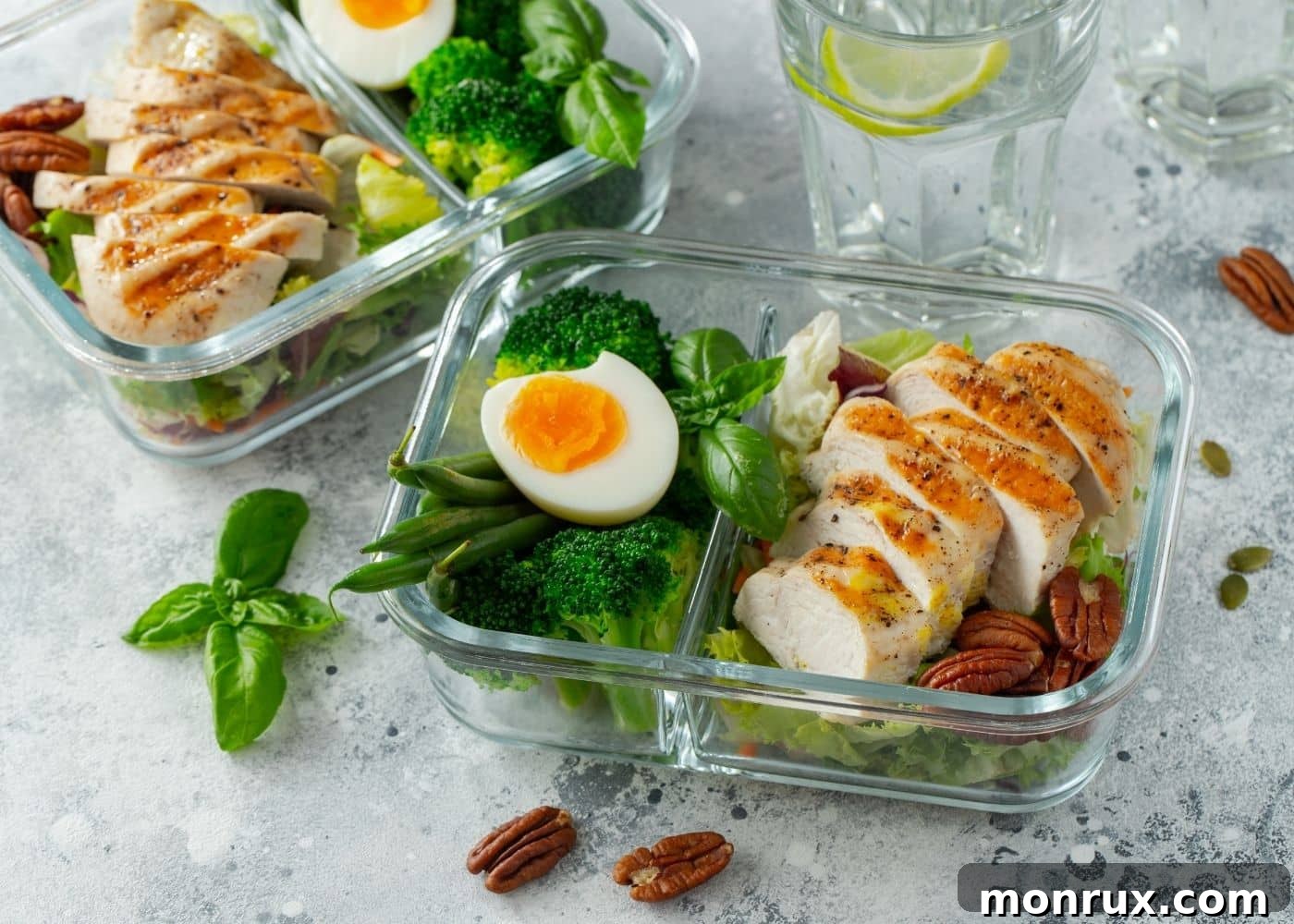
Embarking on the journey to conceive is an exciting time, and understanding the role of nutrition can be a powerful tool. This comprehensive guide delves into the essential foods for fertility, offering insights into optimizing your diet to support conception for both men and women. Discover how a carefully crafted fertility diet can boost your chances, along with delicious and wholesome fertility diet recipes designed to nourish your body.
What is The Fertility Diet?
The term “Fertility Diet” gained significant recognition following the publication of the groundbreaking book, The Fertility Diet: Groundbreaking Research Reveals Natural Ways to Boost Ovulation and Improve Your Chances of Getting Pregnant in 2007, authored by Drs. Jorge Chavarro, Walter Willett, and Patrick Skerrett. This seminal work meticulously detailed findings from the extensive Nurses’ Health Study, highlighting the profound impact a woman’s dietary choices can have on ovulatory fertility.
Beyond the book’s specific recommendations, the concept of a “Fertility Diet” has evolved. Today, functional health professionals and nutritionists worldwide refer to it as a comprehensive set of dietary guidelines focused on optimizing reproductive health. It emphasizes nutrient-dense, whole foods that support hormonal balance, egg and sperm quality, and overall well-being, creating an optimal internal environment for conception and a healthy pregnancy. This approach moves beyond mere calorie counting, focusing instead on the biological impact of specific nutrients and food groups on the intricate processes of human reproduction.
Adopting a fertility-focused diet isn’t about rigid restrictions; rather, it’s about conscious choices that provide your body with the building blocks it needs for new life. It’s a proactive step for individuals and couples looking to enhance their natural fertility. Below, we’ll explore which foods to embrace and which to limit, alongside a collection of delicious recipes to kickstart your journey.
Worst Foods for Fertility
Before diving into the foods that enhance fertility, it’s equally crucial to understand which dietary components may hinder your efforts to conceive. Making informed choices about what to avoid can significantly impact your reproductive health for both men and women.
Gluten
For individuals with diagnosed Celiac disease or non-Celiac gluten sensitivity, consuming gluten can trigger systemic inflammation, gut damage, and nutrient malabsorption, all of which can negatively impact fertility. The immune response to gluten can create an unfavorable environment for conception and early pregnancy. Even beyond diagnosed conditions, some individuals report improved well-being and reduced inflammation when limiting gluten.
Furthermore, modern wheat production in many regions, particularly in the U.S., often involves the use of pesticides like glyphosate. These chemicals have been linked to potential endocrine disruption, impacting hormone function crucial for fertility, and may even be associated with an increased risk of miscarriage. Opting for gluten-free grains or ancient, unprocessed varieties (if not sensitive) can be a beneficial consideration.
Alcohol
Alcohol acts as a significant stressor on the body, particularly impacting liver function. The liver plays a vital role in metabolizing hormones, including estrogen and progesterone, which are essential for a healthy reproductive cycle and pregnancy. When alcohol is consumed, the liver prioritizes its detoxification, diverting resources away from crucial hormone metabolism. This can lead to hormonal imbalances that interfere with ovulation in women and sperm production in men.
Studies have shown that even moderate alcohol consumption can affect fertility outcomes. For women, it can disrupt the menstrual cycle and egg quality, while for men, it can impair sperm count, motility, and morphology. Therefore, minimizing or entirely avoiding alcohol when trying to conceive is a widely recommended strategy to support efficient hormone processing and optimize your chances of a healthy conception.
Artificial Sweeteners
When planning for conception and throughout pregnancy, it’s advisable to limit or avoid artificial sweeteners found in diet sodas, sugar-free foods, and many processed items. While often marketed as healthy alternatives, research suggests that artificial sweeteners may have negative effects on gut microbiota, which in turn influences metabolism and hormone regulation. An imbalanced gut microbiome can lead to systemic inflammation and disrupt pathways crucial for fertility.
Some studies also indicate potential adverse effects on egg and sperm quality, though more research is needed in this area. Even certain natural sweeteners, if consumed in excess, could have implications for metabolic health. It’s best to discuss your individual sweetener intake with your healthcare provider or a fertility nutritionist. Prioritizing whole, unsweetened foods and using minimal natural sweeteners like stevia or monk fruit in moderation is generally a safer approach. Explore healthier alternatives with our list of the best sugar substitutes.
Excess Refined Carbohydrates and Sugar
A diet high in refined carbohydrates and added sugars can wreak havoc on your blood sugar levels. Frequent spikes and crashes in blood glucose lead to increased insulin production, potentially causing or exacerbating conditions like insulin resistance and Polycystic Ovary Syndrome (PCOS), both of which are common contributors to infertility. Insulin resistance can disrupt ovulation, affect egg quality, and contribute to hormonal imbalances critical for conception.
To optimize both your blood sugar stability and overall reproductive health, focus on incorporating complex carbohydrates, healthy fats, and adequate protein into every meal. This balanced approach helps to slow glucose absorption, maintain stable energy levels, and support healthy hormone function. For more insights on adopting a clean eating lifestyle, refer to our article on how to eat clean and discover the best no-sugar foods for your pantry. Specific fertility diet recipes that support these principles can be found further below.
Overly Restrictive Diets
While certain dietary modifications are beneficial, overly restrictive diets can inadvertently create excess stress on the body, which can be counterproductive to fertility for both partners. Severe calorie restriction or the elimination of entire food groups without careful planning can lead to nutrient deficiencies, disrupt hormonal balance, and signal to the body that it’s not a safe or opportune time for pregnancy.
For individuals attempting to conceive, the emphasis should be on nutrient adequacy and variety, rather than extreme deprivation. Embrace a wide range of healthy, whole foods that provide essential vitamins, minerals, and macronutrients. Understand that there isn’t a single, rigid “fertility diet” that suits everyone. Individual needs vary significantly based on genetics, health conditions, and lifestyle. For example, those with PCOS may benefit from specific dietary adjustments detailed in our best PCOS diet guide, while others might need to reconsider very low-carb or completely plant-based approaches if not managed properly. See related articles on who should avoid going keto and the potential dangers of a vegan diet if not well-planned for health. Always consult with a licensed healthcare professional or a fertility-focused nutritionist to tailor a diet and supplement routine that optimally supports your unique fertility needs.
Best Foods for Fertility
In contrast to foods that may hinder conception, there are specific nutrient-dense foods that play a pivotal role in promoting hormonal balance, improving egg and sperm quality, and preparing your body for a healthy pregnancy. Incorporating these “fertility foods” into your daily diet is a cornerstone of any successful fertility plan. Let’s explore the key nutrients and their best dietary sources to help you on your path to parenthood. You may also want to refer to our article on the Ten Foods to Eat to Be Healthy for broader healthy eating guidance.
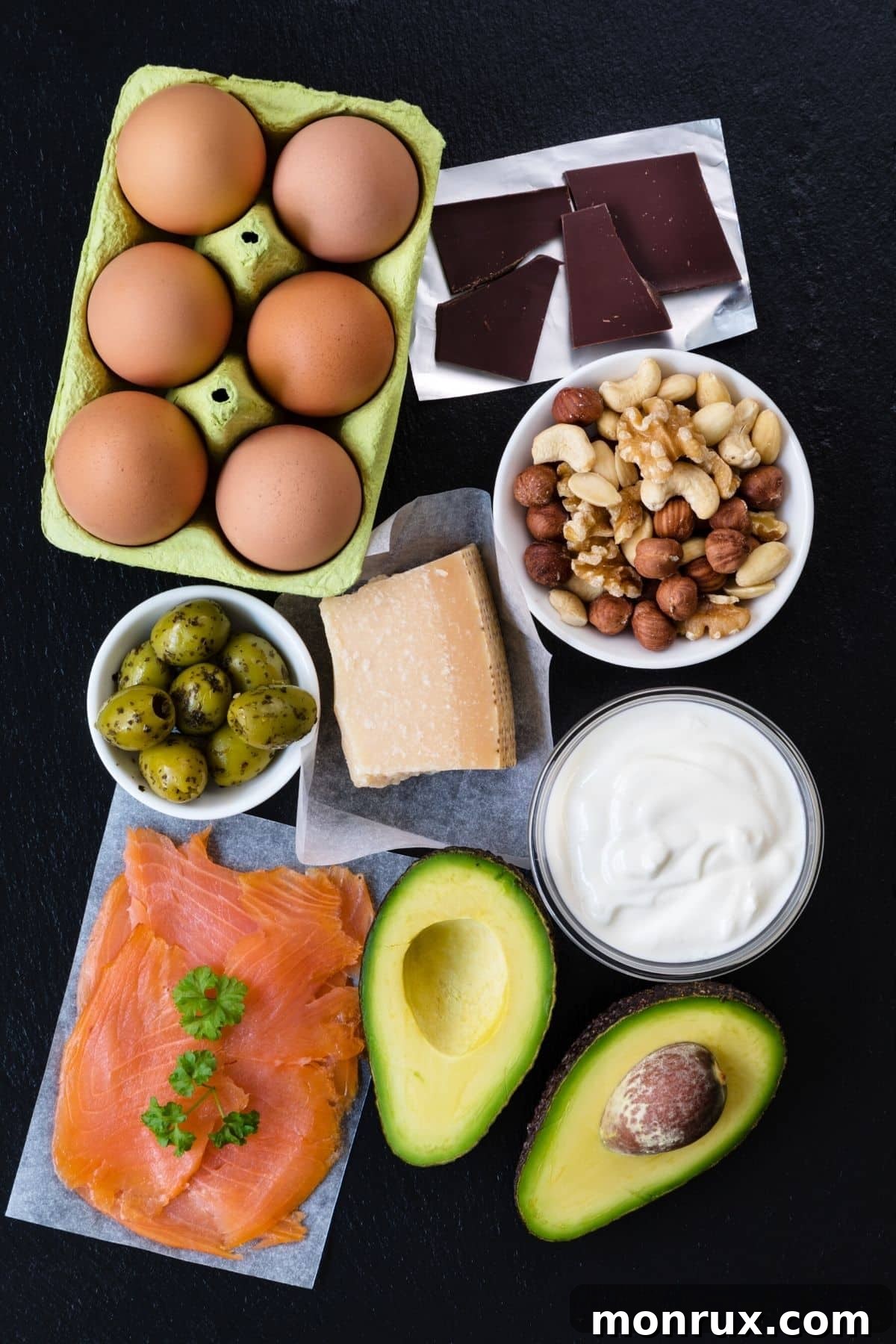
Once you are pregnant, maintaining optimal nutrition remains paramount. Consider exploring our guide on the best protein powders for pregnancy to help ensure adequate protein intake for both your and your baby’s developing needs.
Foods Rich in B-Vitamins
B-vitamins are a group of eight water-soluble vitamins crucial for numerous bodily functions, all of which indirectly or directly support fertility. They are essential for cellular energy production, DNA synthesis, red blood cell formation, and proper nerve function. Specifically, B6 aids in hormone regulation and can alleviate premenstrual symptoms, while B12 is vital for cell division and neurological development, making it critical for early embryonic growth.
A deficiency in certain B-vitamins can impact egg and sperm quality, as well as increase the risk of ovulatory disorders. Excellent sources of B-vitamins include a diverse range of whole foods: grass-fed red meat, pasture-raised chicken and eggs, sustainably-sourced fish (like salmon and tuna), avocados, bananas, leafy green vegetables (spinach, kale), nuts and seeds (almonds, sunflower seeds), legumes (lentils, chickpeas), and some whole grains (brown rice, oats). Integrating these foods regularly ensures a steady supply of these foundational nutrients.
Foods Rich in Iron
Adequate iron intake is fundamental for fertility and a healthy pregnancy. Iron is a key component of hemoglobin, the protein in red blood cells that carries oxygen throughout the body, including to the reproductive organs and a developing fetus. Sufficient iron levels in the mother can help prevent low birth weight of babies and significantly reduce the risk of maternal anemia, which can lead to fatigue and complications during pregnancy.
There are two main types of dietary iron: heme iron and non-heme iron. Heme iron, found in animal products, is more readily absorbed by the body. **Rich sources include grass-fed red meat, pasture-raised chicken and eggs, and sustainably-sourced fish.** Non-heme iron, found in plant-based foods like nuts, seeds, and legumes, requires additional co-factors like Vitamin C to enhance its absorption. To maximize non-heme iron uptake, pair plant-based iron sources with foods high in Vitamin C, such as bell peppers, citrus fruits, or berries.
Foods High in Folate
Folate, also known as Vitamin B9, is arguably one of the most critical nutrients for early pregnancy, primarily due to its pivotal role in preventing severe neural tube defects (NTDs) like spina bifida and anencephaly. Neural tube development occurs very early in pregnancy, often before a woman even knows she’s conceived, emphasizing the importance of adequate folate intake during the preconception period.
It’s crucial to distinguish between natural folate and synthetic folic acid. While folic acid is widely used in supplements and fortified foods, it is not easily converted to the active form of folate by everyone, especially those with the common MTHFR gene mutation. Therefore, prioritizing foods naturally high in folate is highly recommended. Excellent sources include: **pasture-raised chicken liver and calf’s liver, lentils, spinach, asparagus, Brussels sprouts, broccoli, and strawberries.** Incorporating these foods daily can significantly contribute to healthy fetal development.
Foods Rich in Vitamin A
Vitamin A is an indispensable nutrient for both maternal and fetal health, playing a crucial role in cell differentiation, immune function, and vision development. During pregnancy, it’s vital for bone and teeth growth, as well as the healthy development of the heart, lungs, kidneys, and eyes of the fetus. For fertility, it supports healthy reproductive tissues and hormonal regulation.
There are two forms of Vitamin A: preformed Vitamin A (retinol), found in animal products, and provitamin A carotenoids (like beta-carotene), found in plants, which the body converts into Vitamin A. **Sources of preformed Vitamin A include fish (especially fatty fish like salmon), pasture-raised organ meats (liver), eggs, and full-fat dairy.** Beta-carotene-rich foods are often brightly colored, such as yams, pumpkin, carrots, sweet potatoes, spinach, kale, and other vibrant vegetables and fruits. While both forms are important, it’s essential to consume preformed Vitamin A in moderation during pregnancy, as excessive amounts can be harmful. Beta-carotene is generally safe as the body only converts what it needs.
Foods Rich in Vitamin C
Vitamin C is a powerful antioxidant that plays a crucial role in protecting reproductive cells (eggs and sperm) from oxidative stress, which can damage DNA and impair fertility. Beyond its antioxidant properties, Vitamin C is essential for a robust immune system, helping to keep both parents-to-be healthy. It’s also vital for collagen synthesis, supporting the development of healthy tissues, blood vessels, and cartilage in the developing fetus. Furthermore, as mentioned previously, Vitamin C significantly enhances the absorption of non-heme iron from plant-based foods, which is particularly important for preventing iron deficiency.
Since Vitamin C is water-soluble and not stored in the body, a consistent daily intake is necessary. **Excellent sources include citrus fruits (oranges, grapefruits), bell peppers (especially red and yellow), berries (strawberries, blueberries, raspberries), cruciferous vegetables (broccoli, Brussels sprouts, cauliflower), and potatoes.** Aim to incorporate a variety of these foods into your diet to ensure a steady supply of this vital nutrient.
Other Key Nutrients for Fertility
While the vitamins and minerals listed above are fundamental, several other nutrients are equally vital for optimal fertility and a healthy pregnancy, often overlooked in basic dietary advice.
Omega-3 Fatty Acids
Omega-3 fatty acids, particularly EPA and DHA, are crucial for reducing inflammation, supporting healthy hormone production, and improving blood flow to the reproductive organs. For women, they enhance egg quality, regulate ovulation, and may reduce the risk of endometriosis. For men, omega-3s are essential for sperm membrane integrity, motility, and overall sperm health. They also play a critical role in fetal brain and eye development during pregnancy.
Rich sources include fatty fish like wild-caught salmon, mackerel, sardines, and anchovies. Plant-based sources such as flaxseeds, chia seeds, and walnuts provide ALA, which the body can convert to EPA and DHA, though less efficiently. Consider a high-quality fish oil supplement if dietary intake is insufficient.
Vitamin D
Often referred to as the “sunshine vitamin,” Vitamin D acts more like a hormone in the body, influencing over 200 genes, many of which are involved in reproductive health. Adequate Vitamin D levels are linked to improved ovulation, increased pregnancy rates in IVF patients, and better sperm quality and testosterone levels in men. It also plays a role in immune regulation, which is important for successful implantation and preventing pregnancy complications.
Sun exposure is the primary way our bodies produce Vitamin D. Dietary sources include fatty fish, fortified dairy products, and egg yolks. Many people, however, require supplementation, especially during winter months or if they have limited sun exposure. Regular testing of Vitamin D levels is recommended when trying to conceive.
Zinc
Zinc is a trace mineral vital for cellular growth, DNA synthesis, and immune function, all of which are critical for reproduction. In women, zinc deficiency can disrupt the menstrual cycle and egg development. For men, it is a cornerstone of sperm health; adequate zinc levels are essential for testosterone production, sperm formation, motility, and protecting sperm from oxidative damage.
Excellent sources of zinc include oysters (one of the richest sources), red meat, poultry, beans, nuts (cashews, almonds), and whole grains. Zinc from animal sources is typically more bioavailable than from plant sources.
Selenium
Selenium is another powerful antioxidant mineral that protects cells from damage, including those involved in reproduction. It is essential for healthy thyroid function, which profoundly impacts fertility. For women, selenium supports healthy follicular development and can reduce the risk of miscarriage. For men, it is critical for sperm motility and morphology, contributing to overall sperm quality.
Brazil nuts are an exceptionally rich source of selenium (just one or two nuts can provide your daily requirement). Other sources include seafood (tuna, cod), lean meats, poultry, eggs, and sunflower seeds.
Antioxidants (Vitamins E, CoQ10, Resveratrol)
Beyond Vitamin C, a broad spectrum of antioxidants is crucial for protecting egg and sperm cells from free radical damage. Oxidative stress can impair fertility by damaging cellular DNA, proteins, and lipids, leading to reduced egg quality, poor sperm function, and implantation failure.
- Vitamin E: Found in nuts (almonds, hazelnuts), seeds (sunflower seeds), leafy greens, and vegetable oils. It’s particularly important for sperm health and uterine lining integrity.
- CoQ10 (Coenzyme Q10): A powerful antioxidant and a key player in cellular energy production. Supplementation has shown promise in improving egg quality in older women and sperm parameters in men. Found in small amounts in organ meats, fatty fish, and whole grains.
- Resveratrol: Found in grapes, berries, and peanuts, this antioxidant may improve ovarian reserve and sperm motility by combating oxidative stress.
A diet rich in colorful fruits and vegetables ensures a wide array of these protective compounds, supporting robust reproductive health.
FAQs About Fertility & Diet
A fertility diet plan is a holistic approach to eating designed to optimize reproductive health and significantly increase the chances of conception. It emphasizes consuming nutrient-dense whole foods while minimizing processed items, refined sugars, and harmful fats. Beyond specific foods, it often incorporates lifestyle adjustments—such as stress management, adequate sleep, and regular exercise—and may include targeted supplementation based on individual needs. The core principle is to create an optimal physiological environment in the body that supports hormonal balance, healthy egg and sperm development, successful implantation, and a thriving pregnancy. It’s a foundational strategy for couples preparing for parenthood.
Absolutely! The responsibility and opportunity to boost fertility through diet are equally relevant for men. Male fertility is highly influenced by nutritional status, directly affecting sperm quality, count, motility, and morphology. For optimal fertility, men should adopt a diet similar to women seeking to conceive: rich in whole, unprocessed foods and low in nutrient-empty, processed items. Key nutrients like zinc, crucial for testosterone production and sperm formation; folate, which impacts sperm DNA integrity; and Omega-3 fatty acids, vital for sperm membrane health and motility, are particularly important.
Conversely, men should actively avoid or significantly limit junk food, excessive alcohol, and high caffeine intake, as these have been consistently linked to decreased sperm quality and overall fertility. Phytoestrogenic foods like soy, if consumed in large quantities, can also potentially affect hormone balance, though moderate consumption is generally not a concern. Focusing on antioxidants from fruits and vegetables, lean proteins, and healthy fats will provide the necessary building blocks for robust and viable sperm, significantly contributing to the couple’s fertility journey.
Nourishing Fertility Diet Recipes
Eating for fertility doesn’t have to be bland or complicated. Here’s a curated selection of delicious and nutrient-rich recipes designed to support healthy conception and pregnancy. These dishes are packed with essential vitamins and minerals, prioritizing whole ingredients, healthy fats, and lean proteins, all while being naturally low in added sugars. Enjoy these wholesome meals as you nourish your body on your journey to parenthood.
Fertility Diet Recipes
Here are the best Fertility Diet Recipes that are rich in nutrients that support healthy conception and pregnancy. These recipes are also low in added sugars.
This nourishing chicken stew is full of vegetables, protein, and healthy fats, perfect for a fertility-friendly meal.
Green vegetables like these air-fried green beans are an excellent source of folate, crucial for early fetal development.
Red meat in this comforting roast can help increase vital iron levels for moms-to-be, preventing deficiency.
Salmon is abundant in omega-3 fatty acids, essential for hormone balance and sperm/egg quality, making this stir-fry a fertility powerhouse.
Tuna provides healthy fats and protein, contributing to a well-rounded fertility diet. This salad offers a fresh twist.
This easy fish dish is light, satisfying, and provides lean protein and beneficial fats, perfect for a fertility-conscious meal plan.
Utilize leftover chicken to create this simple yet protein-rich salad, a quick and wholesome option for lunch or a light dinner.
These Keto Deviled Eggs contain no added sugar and are packed with protein and healthy fats, making them an excellent fertility-friendly snack.
This simple dinner is a powerhouse of micronutrients and lean protein, all made easily in one pot.
Utilize your Instant Pot to create this delicious fish stew, combining healthy fish with a medley of nutritious vegetables.
Another convenient Instant Pot salmon dish that offers a complete, balanced one-pot meal for busy schedules.
Air fryer salmon is one of the easiest and quickest ways to prepare this omega-3 rich fish, perfect for any fertility diet.
This versatile one-pot meal uses frozen salmon, making it incredibly easy and quick to prepare, even on hectic days.
Turkey is a fantastic lean protein source, rich in essential vitamins and minerals, ideal for supporting a fertility-focused diet.
This healthy, fiber-rich salad is a wonderful addition to your fertility diet, promoting gut health and nutrient absorption.
For those times you’re short on time, this canned salmon salad offers a quick and easy way to get your omega-3s and protein.
This protein-rich egg salad, made without mayo, is a perfect, satisfying lunch option that supports reproductive health.
This vibrant, plant-based quinoa salad is brimming with vegetables, offering a nutrient-dense option for your fertility diet.
Everyone loves this healthy copycat version of the famous Costco Quinoa Salad, packed with plant-based protein and fiber.
This hearty salad can be served as a main dish and includes lentils, which are an excellent source of plant-based iron and folate.
This Broccoli Smoothie is a clever way to increase your vegetable intake, providing crucial nutrients for fertility.
Swiss chard is a phenomenal source of folate and other antioxidants, making this smoothie a fertility-boosting treat.
This Apple and Spinach Smoothie is a tasty and refreshing way to incorporate your daily greens, aiding overall health.
If you’re not a fan of eating cauliflower directly, this smoothie cleverly incorporates it for added nutrients and creaminess.
This healthy chocolate smoothie is incredibly rich in healthy fats from avocado, offering a decadent yet fertility-friendly treat.
Enjoy this delicious berry smoothie that cleverly includes kale, providing a powerful punch of antioxidants and vitamins.
This “anti-cancer” smoothie is brimming with a variety of nutrient-dense veggies, supporting overall health and cellular protection.
Don’t overlook collard greens! They are packed with fiber and folate, making this smoothie an excellent fertility booster.
Conclusions & Next Steps
Adopting a mindful and nutrient-rich diet is a powerful and proactive step for any individual or couple trying to conceive. By embracing a diverse range of fertility-boosting foods and consciously avoiding those that may hinder reproductive health, you can create an optimal internal environment to support conception and a healthy pregnancy. Remember, consistency is key, and integrating these dietary principles into your lifestyle can have a profound impact on your fertility journey.
Don’t forget to join my newsletter list to get exclusive clean eating recipes and tips directly to your inbox. The newsletter is 100% free with no spam; you can unsubscribe anytime.
About the Author: Carrie Forrest holds a master’s degree in public health with a specialization in nutrition and is a certified holistic nutritionist. As a top wellness and food blogger, her site welcomes over 5 million annual visitors. Carrie’s inspiring journey of recovery from chronic illness fuels her passion for empowering other women to transform their health. Feel free to send her a message through her contact form for any inquiries.
Note: this post is for informational purposes only and is not intended as medical advice. Please consult your healthcare provider for recommendations related to your individual situation, especially when planning for conception or during pregnancy.