Navigating the various stages of a woman’s life brings unique challenges, and for many, perimenopause introduces a new frontier of experiences, including heightened anxiety. If you find yourself grappling with an unsettling sense of unease, worry, or fear during this significant hormonal transition, you’re not alone. This comprehensive guide delves into the often-overlooked connection between perimenopause and anxiety, offering insights into effective natural supplements and holistic strategies that can provide much-needed relief. We’ll explore science-backed options that have shown promise in alleviating these challenging symptoms, alongside essential information to help you navigate this distinctive phase of life with greater calm and confidence. Discover how targeted nutritional support and lifestyle adjustments can empower you to regain emotional equilibrium and enhance your overall well-being during perimenopause and beyond.
Understanding Anxiety: More Than Just Worry
Anxiety, in its essence, is a natural human emotion characterized by feelings of worry, apprehension, and fearfulness. It’s a fundamental response to stress or perceived threats, designed to help us navigate uncertain or challenging situations. Most individuals will experience fleeting moments of anxiety throughout their lives – perhaps before a major presentation, during a significant life change, or in response to unexpected news. This type of anxiety is typically temporary and subsides once the stressful situation resolves.
However, anxiety can become more pervasive and disruptive. When anxious feelings become chronic, overwhelming, and begin to significantly impact daily life, it might indicate an anxiety disorder. These conditions are characterized by persistent, excessive worry that is difficult to control and may be accompanied by physical symptoms such as increased heart rate, sweating, trembling, rapid breathing, and digestive issues. The underlying causes of anxiety disorders are complex and can stem from a combination of genetic predispositions, environmental factors, life experiences, and imbalances in brain chemistry, particularly concerning neurotransmitters like serotonin, norepinephrine, and GABA.
The Diagnostic and Statistical Manual of Mental Disorders, Fifth Edition (DSM-V), outlines various anxiety disorders, including Generalized Anxiety Disorder (GAD), Panic Disorder, Social Anxiety Disorder, and specific phobias. GAD, for instance, involves persistent and excessive worry about everyday things for at least six months. While only a qualified medical doctor or mental health professional can provide a diagnosis, understanding these distinctions is the first step toward finding appropriate support and natural solutions to help diminish anxious feelings and improve overall mental well-being.
The Connection Between Perimenopause and Anxiety
For women typically in their mid-30s to early 50s, the journey into perimenopause marks a significant biological shift. This transitional phase precedes actual menopause (defined as 12 consecutive months without a menstrual period) and is characterized by a gradual decline and erratic fluctuations in reproductive hormones, primarily estrogen and progesterone. While you may still experience menstrual cycles, these hormonal shifts often bring about a spectrum of physical and emotional changes.
One of the most commonly reported and often distressing symptoms during perimenopause is a marked increase in anxiety. These fluctuating hormone levels directly impact brain chemistry, particularly the neurotransmitters involved in mood regulation. Estrogen, for example, plays a crucial role in serotonin production and regulation, and its erratic levels can lead to serotonin imbalances, contributing to heightened feelings of anxiety, irritability, and even panic attacks. Progesterone, known for its calming effects, also declines, further exacerbating these emotional challenges.
Beyond the direct hormonal impact, perimenopause often brings other disruptive symptoms that can indirectly fuel anxiety. These include:
- Sleep Disturbances: Hot flashes, night sweats, and hormonal shifts can severely disrupt sleep quality, and chronic sleep deprivation is a well-known trigger for anxiety.
- Unexplained Weight Gain: Changes in metabolism and body composition can lead to body image concerns and stress.
- Mood Swings: Rapid shifts in mood can be emotionally exhausting and unpredictable.
- Changes in Libido: Shifts in sexual desire can impact relationships and self-esteem.
- Physical Discomfort: Joint pain, headaches, and other aches can add to overall stress levels.
These interwoven symptoms create a complex landscape where anxiety can thrive, making this phase particularly challenging for many women. Understanding these underlying connections is vital for developing effective strategies to manage perimenopausal anxiety.

Holistic Approaches to Managing Anxiety
While natural supplements can play a supportive role in managing anxiety, especially during perimenopause, it’s crucial to understand that they are most effective when integrated into a broader, holistic wellness strategy. A balanced lifestyle that addresses physical, mental, and emotional health lays a strong foundation for reducing anxiety and enhancing overall well-being. Focusing solely on supplements without addressing lifestyle factors may provide limited or temporary relief.
Here are key holistic pillars to consider for effective anxiety management:
- Nutrient-Dense Healthy Diet: Fueling your body with whole, unprocessed foods is paramount. A diet rich in fruits, vegetables, lean proteins, and healthy fats provides the essential vitamins, minerals, and antioxidants needed for optimal brain function and neurotransmitter production. Conversely, processed foods, excessive sugar, refined carbohydrates, and unhealthy fats can exacerbate inflammation and contribute to mood instability and anxiety. Prioritize foods that stabilize blood sugar and support gut health, as the gut-brain axis plays a significant role in mental well-being.
- Regular Exercise: Physical activity is a powerful antidote to stress and anxiety. Engaging in regular exercise, whether it’s walking, jogging, yoga, swimming, or strength training, helps release endorphins—natural mood elevators—and reduces stress hormones like cortisol. It also improves sleep quality and can be a fantastic way to clear your mind and reduce rumination. Aim for at least 30 minutes of moderate-intensity exercise most days of the week.
- Stress Management Techniques: Developing effective coping mechanisms for stress is critical. Techniques such as mindfulness meditation, deep breathing exercises, progressive muscle relaxation, and spending time in nature can help calm the nervous system and foster a sense of inner peace. Even short, daily practices can make a significant difference in your resilience to stress and anxiety levels.
- Adequate Sleep: Sleep is fundamental for mental health. Chronic sleep deprivation can significantly worsen anxiety symptoms. Prioritize consistent sleep schedules, create a relaxing bedtime routine, and optimize your sleep environment to ensure you get 7-9 hours of quality sleep each night. Addressing perimenopausal sleep disruptions like hot flashes may require additional strategies.
- Mind-Body Connection: Practices like yoga, tai chi, or even simple stretching can help connect your mind and body, promoting relaxation and reducing tension. Engaging in hobbies, creative pursuits, or spending quality time with loved ones can also provide emotional support and reduce feelings of isolation.
By integrating these holistic practices into your daily routine, you create a supportive environment where natural supplements can work more effectively. Remember, achieving significant improvements in anxiety levels often requires a multi-faceted approach, and always consult your healthcare provider before making any substantial changes to your diet, exercise, or supplement routine, especially if you are pregnant, breastfeeding, or taking prescription medications. They can help ensure there are no known problems or potential interactions.
Top Natural Supplements for Anxiety Relief During Perimenopause
In addition to foundational lifestyle changes, several natural supplements, herbal treatments, and micronutrients have garnered attention for their potential to diminish feelings of anxiousness, particularly during the hormonal fluctuations of perimenopause and menopause. These natural compounds can work by influencing neurotransmitter levels, modulating stress responses, or providing calming effects. As always, it is paramount to consult your healthcare provider before incorporating any new supplements into your routine to ensure they are appropriate for your individual health status, especially if you are currently taking prescription medications, are pregnant, or breastfeeding.
1. 5-HTP (5-Hydroxytryptophan)
L-5-hydroxytryptophan, commonly known as 5-HTP, is a naturally occurring amino acid that acts as a precursor to serotonin, a crucial neurotransmitter. Serotonin plays a pivotal role in regulating a wide array of bodily functions, including mood, sleep, appetite, and digestion. It is often referred to as the “feel-good” hormone due to its profound impact on feelings of well-being and happiness.
Many individuals experiencing anxiety and depression are found to be deficient in serotonin. By supplementing with 5-HTP, the body can more readily produce serotonin, thereby helping to elevate mood, promote relaxation, and significantly diminish anxious feelings. This direct pathway to serotonin synthesis makes 5-HTP one of the most highly regarded natural supplements for anxiety support.
While generally well-tolerated, it is typically recommended to take 5-HTP in the late afternoon or evening, as it can have a noticeable calming and sedative effect, which may also aid in sleep. Many individuals, myself included, find benefit in taking it both in the late afternoon and again before bedtime to maximize its mood-stabilizing and sleep-promoting properties. Always discuss appropriate dosing and timing with your doctor, especially if you are considering combining it with other mood-altering substances or medications.
2. St. John’s Wort (Hypericum Perforatum)
Hypericum perforatum, more commonly known as St. John’s Wort, is an ancient herbal remedy with a rich history of medicinal use dating back to at least the year 1525. It has been traditionally employed to treat a wide range of ailments, from inflammation and malaria to, most notably, depression and anxiety. Its efficacy in treating these mood disorders has made it a preferred natural alternative to conventional antidepressant drugs in some parts of Europe.
The primary active compounds responsible for St. John’s Wort’s antidepressant and anti-anxiety properties are hypericin and hyperforin. These compounds work similarly to selective serotonin reuptake inhibitors (SSRIs) by inhibiting the reuptake of serotonin in the brain, thereby increasing the concentration of available serotonin in the synaptic cleft. This elevated serotonin level can significantly enhance mood regulation and foster a greater sense of happiness and calm.
Uniquely, hyperforin in St. John’s Wort also appears to *increase* the number of 5-HTP receptors in the brain, potentially amplifying its mood-boosting effects. Research has specifically highlighted St. John’s Wort as one of the most effective botanical supplements for anxiety during menopause, offering targeted support during this hormonally volatile period.
Despite its natural origins, St. John’s Wort is potent and can interact with numerous medications, including hormonal birth control, antidepressants, blood thinners, and other drugs. It’s crucial to consult your healthcare provider before taking St. John’s Wort to discuss potential interactions and ensure its safe use. Personally, I have incorporated this supplement for several years throughout my perimenopausal journey, finding it beneficial not only for mood stabilization but also, anecdotally, for managing minor joint discomfort.
3. Valerian Root (Valeriana Officinalis)
Valerian root, derived from the Valeriana Officinalis plant, is a widely recognized herbal supplement, primarily celebrated for its use in treating insomnia and promoting relaxation. Its traditional use for sleep issues, nervousness, and tension dates back to the 2nd century, underscoring its long-standing reputation as a natural sedative. Valerian root exerts a mild sedative effect, making it an excellent choice for relieving generalized tension and acute anxiety.
The primary active compound in valerian root responsible for its calming properties is valerenic acid. This compound works by modulating gamma-Aminobutyric acid (GABA-A) receptors in the brain. GABA is the brain’s main inhibitory neurotransmitter, responsible for reducing neuronal excitability and promoting feelings of calm and relaxation. Valerenic acid inhibits enzymes that typically break down GABA, leading to a higher concentration of GABA available in the brain. This increased GABA activity boosts mood and fosters a profound sense of relaxation.
Studies have indicated that valerian root can effectively reduce feelings of anxiety and depression, in addition to significantly improving insomnia. Interestingly, one study even suggested that valerian root might improve anxiety symptoms more effectively than St. John’s Wort for certain individuals. Given its potential to cause drowsiness, valerian root is generally recommended for bedtime use, unless your doctor advises otherwise for daytime anxiety management. Always consult with a healthcare professional to determine the appropriate dosage and timing for your specific needs.
4. Passion Flower (Passiflora Incarnata)
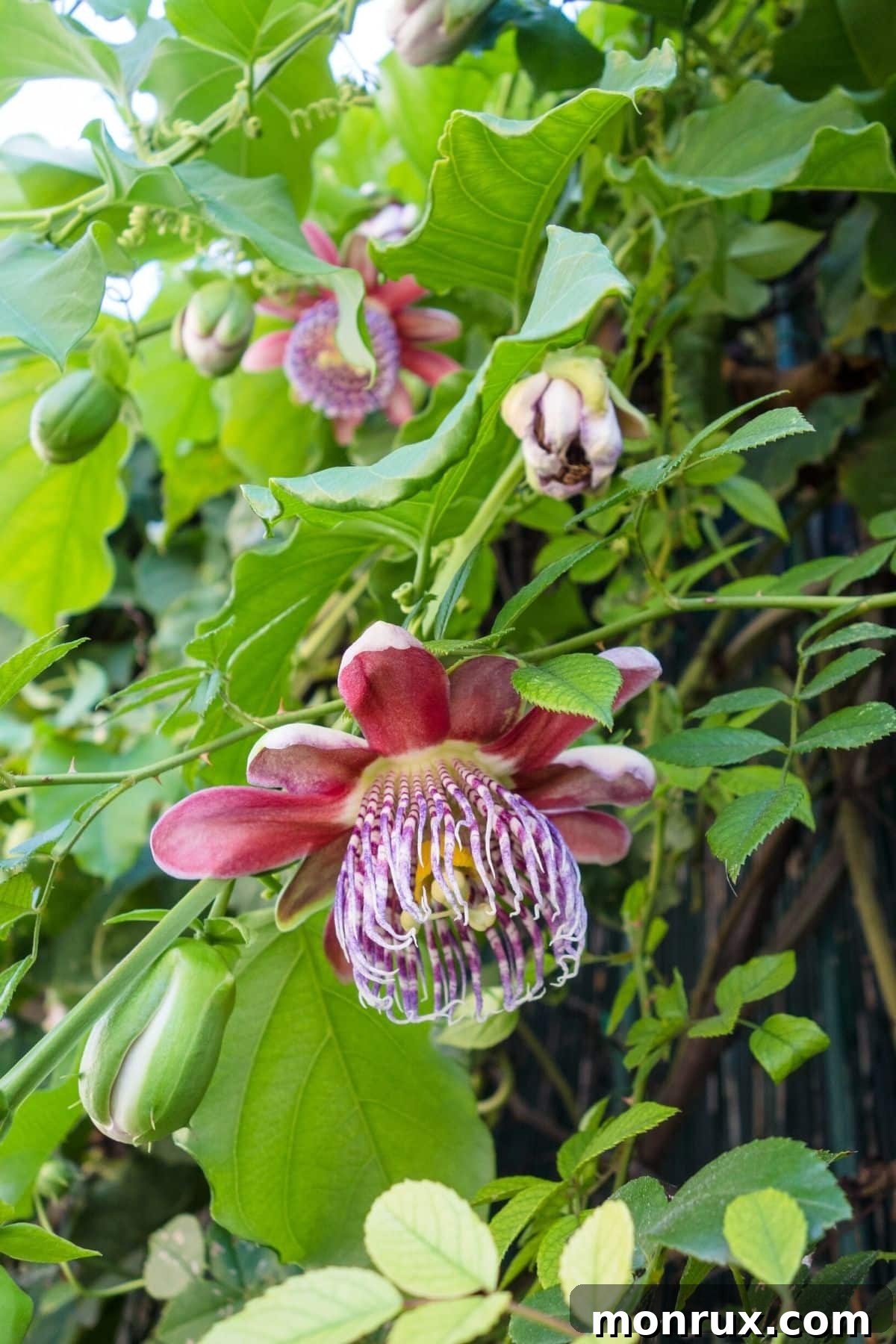
Passion flower (Passiflora incarnata) is a visually striking and intricate flower that has been utilized as a traditional herbal remedy for centuries, primarily to alleviate sleeplessness and anxiety. Its use as a mild sedative can be traced back to the 16th century, highlighting its long-standing reputation for promoting calm.
While the exact active compounds responsible for passion flower’s therapeutic effects are not yet fully identified, research suggests that it influences gamma-aminobutyric acid (GABA) levels in the brain, similar to valerian root. By increasing GABA, passion flower helps to quiet overactive brain activity, thereby reducing feelings of nervousness and promoting relaxation. Some studies have even indicated that passion flower can be as effective as certain benzodiazepines in treating generalized anxiety disorder, without the same risk of dependence or severe side effects.
Passion flower is often praised for its gentle action, making it suitable for those seeking relief from mild to moderate anxiety or occasional sleep disturbances. It can be taken as a tea, tincture, or in capsule form. Many individuals, including myself, find it beneficial for occasional use, particularly when experiencing heightened periods of stress or difficulty falling asleep. As with all supplements, consulting your healthcare provider before use is advisable, especially if you have underlying health conditions or are taking other medications.
5. Kava Kava (Piper Methysticum)
Kava Kava (Piper methysticum), a plant native to the Pacific Islands, has been traditionally revered for its anxiolytic (anxiety-reducing) properties. For centuries, it has been used in ceremonial and social settings to treat anxiety, relieve pain, and alleviate muscle spasms, including menstrual cramps. One of its distinct advantages is its ability to reduce feelings of anxiety without typically causing significant drowsiness, making it a viable option for daytime anxiety management for some individuals.
The primary active compounds in Kava Kava are known as kavalactones, including kawain and dihydrokawain. These kavalactones work through several mechanisms to exert their calming effects. Primarily, they enhance the effectiveness of Gamma-Aminobutyric acid (GABA-A) receptors in the brain and inhibit its reuptake, resulting in a higher concentration of GABA-A available. As GABA is the brain’s chief inhibitory neurotransmitter, this action leads to reduced neuronal excitability, promoting relaxation and effective mood regulation.
Beyond GABA modulation, Kava Kava may also enhance dopamine activity at certain doses, which can contribute to a mild euphoric or pleasant effect. Specific research has shown Kava Kava to reduce anxiety in perimenopausal women, suggesting its potential as a targeted support during this life stage.
However, it is crucial to approach Kava Kava with caution. There have been rare reports of liver toxicity associated with Kava Kava use, particularly with products of questionable quality or excessive dosages. Therefore, it is essential to discuss its long-term safety and appropriate use with your doctor before incorporating it into your regimen. When I have personally tried Kava Kava, it was typically in a tincture blended with other herbs, and I found it to be effective for managing mild anxiety episodes.
6. Ashwagandha (Withania Somnifera)
Withania somnifera, universally known as Ashwagandha, is a cornerstone herb in Ayurvedic medicine and one of the most celebrated adaptogens. Adaptogens are unique in their ability to help the body adapt to various stressors, promoting balance and resilience. Ashwagandha is highly valued for its effectiveness in treating anxious feelings, reducing stress, and fostering overall mental equilibrium.
Ashwagandha primarily exerts its adaptogenic effects by interacting with the hypothalamus-pituitary-adrenal (HPA) axis, which is the body’s central stress response system. By modulating this intricate system, Ashwagandha can help to normalize and reduce elevated cortisol levels—the primary stress hormone. Lowering cortisol helps the body respond more effectively to stress, preventing the “fight-or-flight” response from becoming chronically activated and contributing to anxiety.
While more extensive research is always beneficial, several human studies have consistently found that Ashwagandha significantly reduced feelings of stress and anxiety when compared to placebo groups. Participants often report improved sleep quality, increased energy, and a greater sense of calm and well-being. Furthermore, Ashwagandha has also been noted for its potential to help reduce hot flashes, a common and disruptive symptom during perimenopause that can indirectly contribute to anxiety. Its adaptogenic qualities make it particularly beneficial during periods of hormonal transition. It may also offer benefits for conditions like PCOS; for more detailed information, you can refer to my full article on PCOS and adaptogens.
7. Black Cohosh (Actaea Racemosa)
Black Cohosh (Actaea racemosa or Cimicifuga racemosa) is a perennial herb native to North America that has been a staple in traditional herbal medicine for centuries. It is most prominently recognized for its efficacy in addressing a wide array of women’s health issues, particularly those associated with the perimenopausal and menopausal transitions. Its traditional uses include alleviating common symptoms such as hot flashes, night sweats, vaginal dryness, and mood swings, which can often manifest as or exacerbate anxiety.
The exact mechanism by which Black Cohosh exerts its therapeutic effects is not fully understood, but it is believed to involve selective estrogen receptor modulation. It may bind to estrogen receptors, acting as a partial agonist in some tissues and an antagonist in others, thereby helping to balance hormonal activity without the full systemic effects of estrogen. This modulation is thought to contribute to its ability to mitigate various menopausal symptoms, including the emotional distress and anxiety that frequently accompany hormonal fluctuations.
While not directly classified as an anxiolytic in the same way some other herbs are, Black Cohosh’s ability to significantly reduce disruptive physical symptoms of perimenopause can indirectly lead to a notable decrease in anxiety. By improving sleep, reducing the frequency and intensity of hot flashes, and stabilizing mood, it can create a more comfortable physiological and psychological environment, thereby lessening anxiety triggers. Though I haven’t personally incorporated Black Cohosh into my regimen, I have heard many positive testimonials from women who have found it to be a very helpful supplement during their menopause transition.
Additional Natural Allies for Emotional Balance
- Magnesium: Often referred to as “nature’s tranquilizer,” magnesium is a vital mineral involved in over 300 biochemical reactions in the body, many of which are critical for nerve function and stress response. A significant portion of the population does not get enough magnesium from their diet, and deficiencies can contribute to symptoms of anxiety, irritability, and sleep disturbances. Supplementing with magnesium can help regulate neurotransmitters, promote muscle relaxation, and improve sleep quality, making it an invaluable aid for managing anxiety at almost any stage of life, not just perimenopause. Explore more about magnesium supplements and their benefits for PMS, anxiety, and migraines. It also features prominently on my lists for the best vitamins for women over 30 and best vitamins for women over 50. Furthermore, magnesium works synergistically with calcium to support bone health and may help reduce bone loss, a common concern during menopause.
- Probiotics and Gut Health: Emerging research continues to highlight the profound connection between your gut health and mental well-being. The gut-brain axis is a bidirectional communication system, meaning a healthy gut microbiome can positively influence brain function and mood, while an imbalance (dysbiosis) can contribute to anxiety and depression. Considering probiotics, either through fermented foods or supplements, can support a diverse and thriving gut microbiome. This, in turn, may help regulate stress responses and improve mood. Delve deeper into the world of beneficial bacteria with my articles on the best dairy-free probiotics and the best probiotic foods.
- Other Herbal & Dietary Supplements: Many other botanical remedies are frequently recommended for women navigating the perimenopausal and postmenopausal years. While their primary effects may not be directly targeted at anxiety, they can address other symptoms that, when managed, contribute to overall emotional balance. These include red clover, dong quai, primrose oil (rich in gamma-linolenic acid, or GLA), various essential oils (for aromatherapy), and wild yam. Each offers unique potential benefits, from alleviating hot flashes to supporting hormonal equilibrium. Research these options thoroughly and always consult your healthcare provider to ensure they align with your specific health profile.
- Hormone Therapy (e.g., Bioidentical Progesterone): For some women, especially when anxiety is significantly tied to severe hormonal imbalances, hormone therapy can be a game-changer. Specifically, bioidentical progesterone is often considered. As progesterone levels decline during perimenopause, many women experience increased anxiety and sleep disturbances, as progesterone has natural calming and sedative properties. Supplementing with bioidentical progesterone can help increase hormone levels, potentially reducing anxiety, improving sleep quality, and even contributing to a reduced risk of certain conditions like breast cancer. From personal experience, oral micronized progesterone has been a transformative intervention in managing my perimenopausal symptoms, offering significant relief from anxiety and boosting overall energy levels. This is a medical intervention that requires close supervision from a qualified healthcare professional.
Frequently Asked Questions About Anxiety & Supplements
Nutritional deficiencies can significantly impact mental health at any stage of life, contributing to or exacerbating feelings of anxiety. Research has linked deficiencies in several key nutrients to increased anxiety symptoms. These often include various B vitamins (especially B6, B9/folate, and B12), which are crucial for neurotransmitter synthesis and nervous system health. Low levels of essential fatty acids, particularly omega-3s, are also frequently associated with mood disorders due to their role in brain cell function and inflammation reduction. Furthermore, deficiencies in minerals like magnesium, zinc, and iron can impact energy levels, sleep, and overall stress response, all of which influence anxiety. Ensuring a balanced diet, rich in all macronutrients and micronutrients, is fundamental for promoting optimal mental well-being. For a more comprehensive guide on essential nutrients, refer to my recommendations for the best supplements for women.
Managing anxiety involves a spectrum of approaches, ranging from conventional pharmaceutical interventions to natural remedies. For some individuals experiencing severe or debilitating anxiety, prescription medications such as SSRIs (Selective Serotonin Reuptake Inhibitors) or benzodiazepines may be necessary to achieve significant relief. The decision to pursue pharmaceutical treatment should always be made in close consultation with your medical doctor, as they can assess your specific situation, potential benefits, and risks.
If you prefer a natural route, or in conjunction with medical advice, a variety of herbs and neurotransmitter precursors, as discussed in this article, can be explored. Supplements like 5-HTP, St. John’s Wort, Valerian Root, Passion Flower, Kava Kava, Ashwagandha, and Black Cohosh each offer unique mechanisms for supporting emotional balance. However, it is absolutely essential to consult with a qualified healthcare provider before starting any new supplement regimen, especially if you are taking other medications, to prevent potential interactions or adverse effects and ensure the chosen approach is appropriate for your health profile.
While there’s no single “cure” for anxiety, a complex mood disorder, effective management can significantly diminish its harmful effects on your life. A multifaceted approach is often the most successful. Many people find that a regular meditation practice is an incredibly powerful tool for cultivating inner calm and resilience, with studies showing that it can reduce feelings of anxiety. Meditation helps to train the mind to observe thoughts and emotions without judgment, thereby reducing rumination and reactivity to stress.
However, it’s also true that for some individuals, particularly those with severe anxiety or trauma, traditional sitting meditation can initially heighten feelings of anxiousness as it requires confronting internal sensations. If sitting still feels too difficult or exacerbates your anxiety, remember that meditation encompasses a broad range of practices. Consider alternative forms such as mindful movement (yoga, tai chi), walking meditations, guided meditations (which offer vocal guidance), or even repetitive mantras. The key is to find a practice that resonates with you and helps you cultivate a sense of peace and presence. Do what feels best and most accessible for your personal journey.
The foods we consume have a profound impact on our mood and cognitive function, and certain dietary choices can undeniably influence or exacerbate anxious feelings. While individual sensitivities vary, some common culprits often linked to increased anxiety include: Caffeine (especially in excessive amounts), which can trigger restlessness, nervousness, and an increased heart rate; Simple Carbohydrates and Refined Sugars, which lead to rapid blood sugar spikes and crashes that can cause mood swings and irritability; Alcohol, a depressant that can initially reduce anxiety but often leads to worse anxiety and disrupted sleep as its effects wear off; and highly processed Fast Foods, which are typically low in essential nutrients and high in unhealthy fats, sodium, and artificial ingredients, all of which can negatively impact gut health and brain function. Experimenting with eliminating or significantly reducing these types of foods from your diet can often reveal a positive shift in your anxiety levels and overall emotional stability.
Explore More Holistic Health Topics
Embracing a Balanced Approach to Perimenopausal Anxiety
In conclusion, the journey through perimenopause is a profoundly individual experience, and there is no universal, one-size-fits-all solution for managing or resolving feelings of anxiousness during this complex hormonal transition. While the intensity and nature of anxiety can vary greatly from person to person, understanding the underlying causes and exploring a range of supportive strategies can empower you to find relief and improve your quality of life. For mild to moderate anxiety, integrating natural methods such as the discussed supplements, alongside foundational lifestyle adjustments like a nutrient-rich diet, regular exercise, and stress management techniques, can be incredibly effective.
However, it is crucial to recognize when anxiety begins to significantly disrupt your daily life, your relationships, or your overall well-being. If anxious feelings become overwhelming, persistent, or are accompanied by panic attacks or deep despair, it is a clear signal to seek professional medical advice. A qualified healthcare professional can provide an accurate diagnosis, rule out other conditions, and help you determine the most appropriate course of action, which may include prescription medication, further therapeutic interventions, or a combination of approaches tailored to your unique situation. Remember, prioritizing your mental and emotional health during perimenopause is not just about coping; it’s about thriving through this significant life stage with grace and resilience.
Don’t forget to join my newsletter list to get exclusive clean eating recipes and tips. The newsletter is 100% free with no spam; unsubscribe anytime.
About the Author: Carrie Forrest has a master’s degree in public health with a specialty in nutrition and is a certified holistic nutritionist. She is a top wellness and food blogger with over 5 million annual visitors to her site. Carrie has an incredible story of recovery from chronic illness and is passionate about helping other women transform their health. Send her a message through her contact form.
Note: this post is for informational purposes only and is not intended as medical advice. Please consult your healthcare provider for recommendations related to your individual situation.