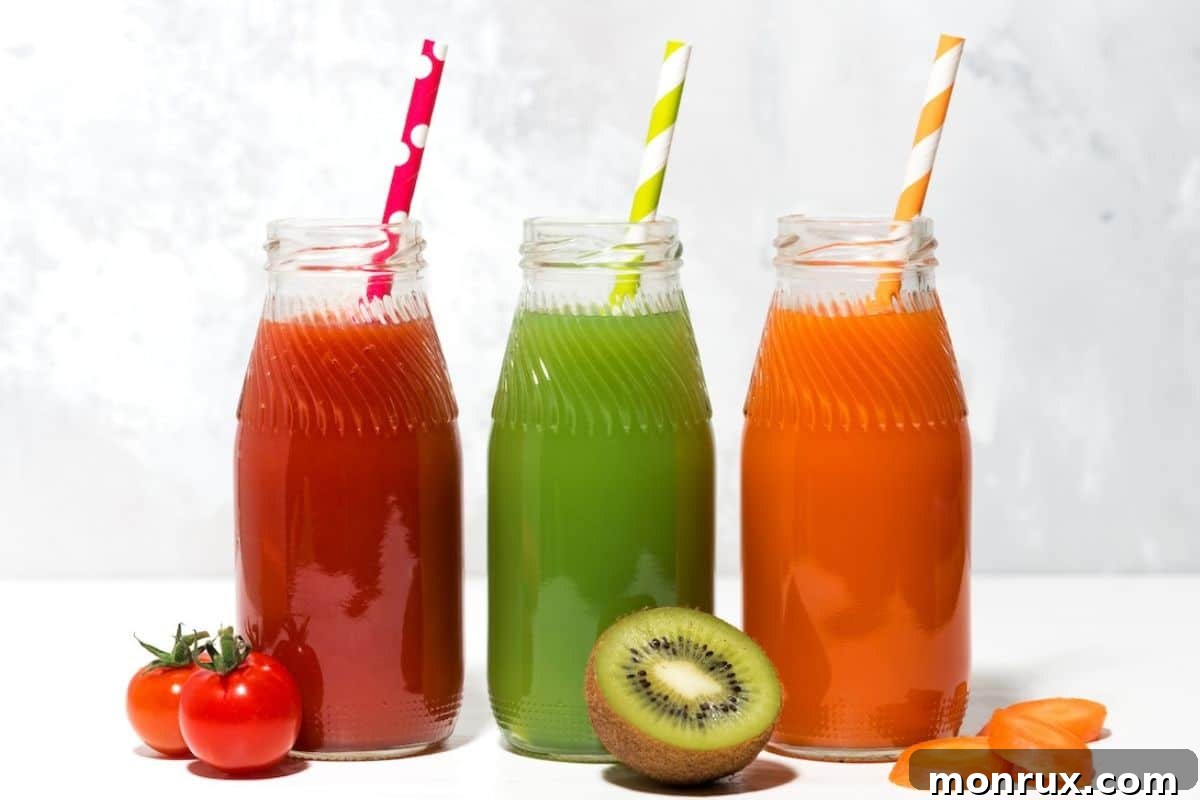
Welcome to the vibrant world of homemade fruit juices! Crafting your own juices at home offers an unparalleled opportunity to select the freshest, highest-quality ingredients, transforming them into delicious and incredibly nutritious beverages. Whether your goal is to supercharge your health, support a specific wellness objective, or simply indulge in a refreshing, natural drink, these diverse fruit juice recipes are designed to be easy, wholesome, and perfectly adaptable for any time of day. Get ready to explore a spectrum of flavors and benefits, learning how to effortlessly make your favorite fruit juices using either a dedicated juicer or a versatile blender.
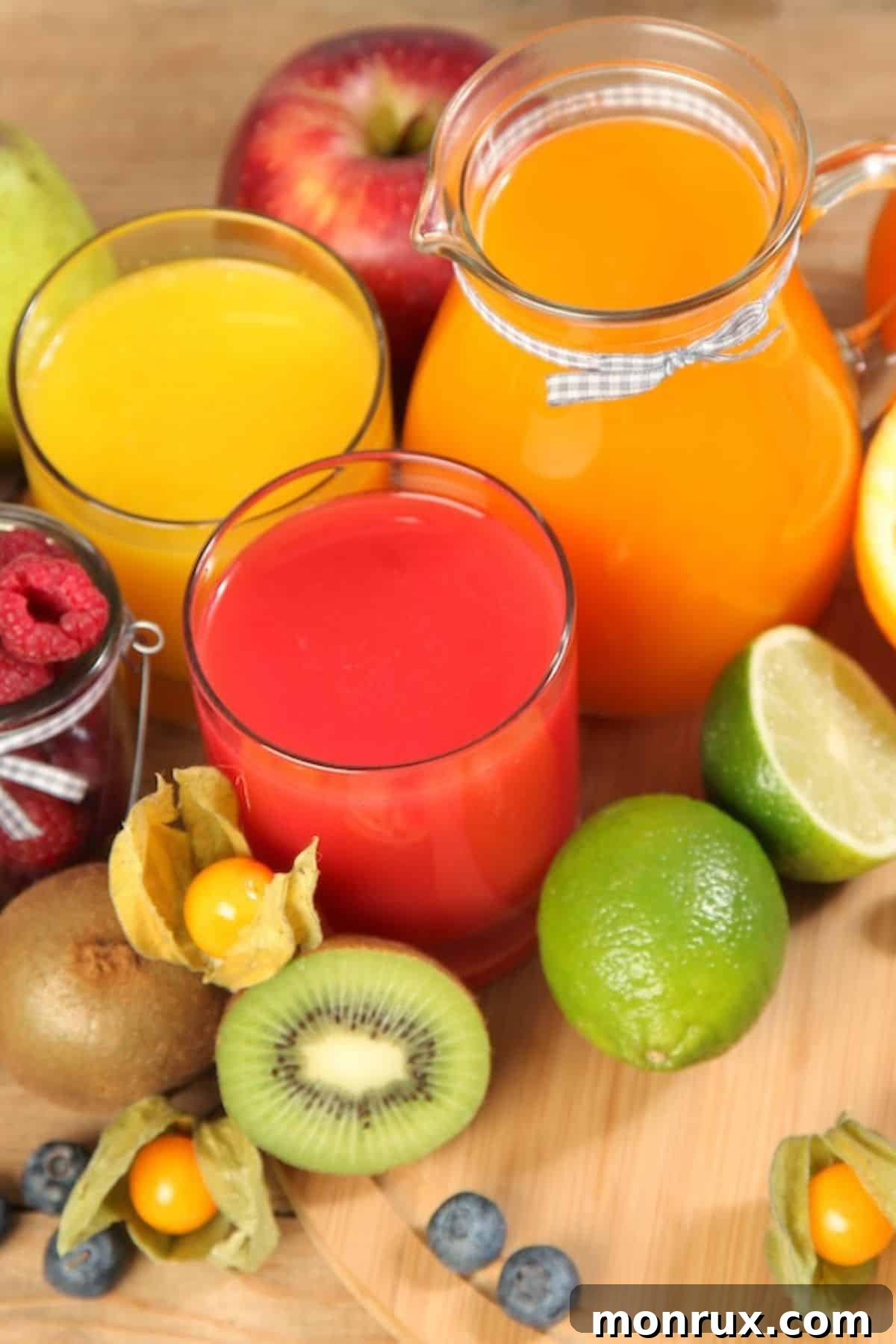
Delicious Fruit Juice Recipes for Your Juicer or Blender
Embark on a flavorful journey with these incredible fruit juice recipes, each designed to be easily made in your preferred kitchen appliance – be it a juicer or a blender. From refreshing tropical blends to invigorating green concoctions, these recipes offer a diverse range of tastes and nutritional benefits. Discover your new favorite way to enjoy nature’s bounty in a glass!
Pineapple and Cucumber Juice
Unleash a wave of tropical refreshment with this delightful Pineapple and Cucumber Juice. This vibrant blend is not only incredibly delicious but also a powerhouse of essential nutrients, including Vitamin C and potassium, crucial for immune health and electrolyte balance. Its exceptional hydrating properties make it the perfect thirst-quencher for warm weather or a post-workout recovery drink. Discover how effortlessly you can prepare this invigorating juice using either your juicer or a high-speed blender for a pure, refreshing experience.
Pear Juice (Juicer or Blender)
Savor the delicate sweetness of homemade Pear Juice, a wonderfully hydrating and nutritious beverage. Pears are an excellent source of dietary fiber, Vitamin C, and potassium, contributing to digestive health and overall well-being. This juice also delivers a beneficial dose of antioxidants, helping protect your cells. Learn the simple steps to create this naturally sweet and beneficial drink using either a juicer for a clearer consistency or a blender for a thicker, smoothie-like texture.
Kiwi Juice (Blender or Food Processor)
Dive into the tangy zest of this refreshing Kiwi Juice recipe, effortlessly prepared with a blender or food processor. Kiwis are celebrated for their exceptionally high Vitamin C content, making this juice a fantastic immune booster. Beyond its nutritional prowess, it’s wonderfully hydrating and offers a unique, vibrant flavor that’s perfect for using up an abundance of fresh kiwis. Give this delicious and easy fruit juice recipe a try today for a burst of invigorating taste!
Strawberry Juice Recipe (Juicer or Blender)
Indulge in the vibrant beauty and incredible taste of homemade Strawberry Juice. This stunning beverage is not only a feast for the eyes but also a rich source of antioxidants, dietary fiber, and Vitamin C, all vital for maintaining optimal health. Strawberries are known for their anti-inflammatory properties and ability to support heart health. Discover how simple it is to craft this delightful juice at home, whether you prefer the convenience of a juicer, food processor, or a reliable blender to extract every drop of goodness.
Carrot Mango Juice (Juicer or Blender)
Experience an explosion of flavor and a boost of nutrition with Carrot Mango Juice. This harmonious blend offers a bright, sweet, and wonderfully refreshing taste that is universally appealing. Carrots bring a wealth of Vitamin A for vision and skin health, while mangoes contribute Vitamin C and powerful antioxidants. This vibrant juice is incredibly easy to prepare, whether you opt for a juicer to create a silky-smooth liquid or a blender for a richer, pulp-included texture that retains more fiber.
Peach Juice Made in a Blender
Capture the essence of summer with this delicious Peach Juice recipe, perfectly made in a blender. Peach juice is renowned for its smooth texture and a burst of sweet, sun-kissed flavor that reminds you of warm days. Rich in vitamins and antioxidants, peaches offer a healthy and delightful way to quench your thirst. This simple yet satisfying recipe requires just two main ingredients, allowing you to quickly whip up a vibrant and naturally sweet beverage that tastes incredibly fresh.
Papaya Juice Using a Blender
Transport your taste buds to a tropical paradise with this delightful Papaya Juice, easily prepared using just a blender. Naturally sweet and wonderfully thick, papaya juice is not only a delicious treat but also an excellent aid for improving digestion, thanks to its enzyme content. This exotic beverage is packed with Vitamin C and other vital nutrients, making it a healthful choice for a morning boost or an afternoon pick-me-up. Learn how to craft this fantastic digestive-supporting juice at home.
How to Make Carrot Juice with Orange & Ginger
Elevate your juice game with this incredibly delicious homemade Carrot Juice recipe, bursting with Vitamin C and a myriad of health benefits. This ultimate healthy fresh juice combines the earthy sweetness of carrots with the bright tang of oranges and lemon, all uplifted by the spicy kick of fresh ginger. It’s a powerful immune booster and a fantastic source of antioxidants. Whether you prefer the efficiency of a juicer or the versatility of a blender, this recipe provides a nourishing and invigorating drink that’s perfect for any time of year.
Watermelon Mint Juice Recipe
Beat the heat with this exceptionally refreshing and easy Watermelon Mint Juice, a quintessential summertime beverage. Naturally sweet and incredibly hydrating, this juice requires no added sugar, allowing the pure flavors of watermelon and fresh mint to shine through. Watermelon is packed with electrolytes and lycopene, while mint adds a cooling, invigorating twist. Whether you have a juicer or a blender, you can quickly whip up this delightful drink, making it an ideal choice for poolside relaxation or a healthy family treat.
Homemade Blender Mango Juice Recipe (1-Ingredient)
Discover the pure, unadulterated sweetness of this Homemade Blender Mango Juice recipe, requiring just one star ingredient! Mango juice is a naturally sweet and thick fruit juice that bursts with tropical flavor and is brimming with Vitamin C and powerful antioxidants. This incredibly simple recipe allows you to transform ripe mangoes into a luscious, healthful beverage with minimal effort. Perfect for a quick, wholesome refreshment or as a versatile base for smoothies and cocktails.
Plum Juice Recipe (Juicer or Blender)
Uncover the sweet and tart delight of homemade Plum Juice, a naturally refreshing beverage that’s also fantastic for supporting a healthy digestive system. Plums are rich in antioxidants and fiber, making this juice a wonderful choice for promoting gut health and overall vitality. Whether you opt for a juicer to extract a clear, vibrant liquid or a blender for a richer, pulp-inclusive drink, this easy recipe allows you to enjoy the unique flavor and numerous benefits of fresh plums.
Blueberry Juice Recipe
Celebrate the sweet bounty of berry season with this exquisite Blueberry Juice recipe! Made with just two main ingredients plus water, this fresh berry juice is a seasonal delight, packed with antioxidants and flavor. Blueberries are renowned for their brain-boosting and anti-inflammatory properties, making this juice a smart and delicious choice. Learn how effortlessly you can prepare this vibrant beverage using either a high-speed blender for a wholesome, thicker juice or a food processor for a quick blend before straining.
Raspberry Juice Recipe (Blender or Food Processor)
Indulge in the bright, tart, and wonderfully sweet flavors of this Raspberry Juice recipe, a true seasonal delight. Crafted with just a few simple ingredients, this juice delivers a huge punch of flavor and is brimming with antioxidants and fiber. Raspberries are known for their anti-inflammatory benefits and rich vitamin content. Prepare this easy fruit juice recipe using either a blender for a quick, pulpy juice or a food processor to process the berries before straining for a smoother consistency.
Celery Apple Juice Recipe (Juicer or Blender)
Experience the health benefits of celery juice with a deliciously improved flavor profile in this Celery Apple Juice recipe. This simple green juice, requiring just three ingredients, makes incorporating celery into your diet both palatable and enjoyable. Celery is prized for its hydrating and anti-inflammatory properties, while apples add natural sweetness and extra nutrients. Whether you use a juicer for a crystal-clear drink or a blender for a fiber-rich beverage, this recipe is a fantastic way to boost your daily greens intake.
Apple Cider Vinegar and Lemon Juice (Weight Loss Drink)
Kickstart your day with this invigorating Apple Cider Vinegar and Lemon Juice concoction. This popular wellness drink is more than just a morning ritual; it’s a potent elixir designed to help boost your overall health. Known for its potential to lower blood sugar levels, aid in healthy weight management, and significantly improve digestion, this simple blend is a powerful addition to your daily routine. Its tangy flavor profile provides a refreshing wake-up call, setting a positive tone for your day.
Orange Lemon Ginger Juice Recipe (Immune-Booster)
Swap your ordinary orange juice for this incredibly invigorating Orange Lemon Ginger Juice, a delicious and powerful immune-booster. The harmonious blend of zesty oranges and lemons, combined with the spicy warmth of fresh ginger, creates a uniquely stimulating flavor profile that energizes your senses. Beyond its delightful taste, the ingredients are packed with Vitamin C and anti-inflammatory properties, making this juice an excellent choice for supporting your immune system and overall vitality, especially during cold and flu season.
Pineapple Ginger Juice: Great for Digestion
Revitalize your body with Pineapple Ginger Juice, a truly refreshing and invigorating beverage that perfectly balances the tropical sweetness of pineapple with the pungent, zesty spice of ginger. This vibrant drink not only offers an exquisite harmony of flavors but is also celebrated for its significant digestive and anti-inflammatory benefits, thanks to compounds like bromelain in pineapple and gingerol in ginger. Discover how simple it is to prepare this health-boosting elixir in either a juicer or a blender, making it a fantastic addition to your wellness routine.
Ginger Immunity Shot Recipe with Lemon & Cayenne
Fortify your defenses and invigorate your senses by starting your day with this bright and tangy Ginger Immunity Shot. This powerful wellness shot is remarkably easy to prepare and is packed with an impressive amount of Vitamin C, specifically designed to give your immune system a significant boost. You only need a few simple, potent ingredients like fresh ginger, lemon, and a hint of cayenne to create this concentrated, healthy juice. It’s a convenient and effective way to infuse your body with vital nutrients and warmth.
Tomato Juice Recipe Using Fresh Tomatoes
Transform your garden’s bounty into a healthy and savory beverage with this Fresh Tomato Vegetable Juice recipe. This homemade juice is the perfect way to utilize extra ripe tomatoes and other garden-fresh vegetables, turning them into a refreshing and nutritious drink. Rich in lycopene, vitamins, and minerals, fresh tomato juice supports heart health and provides powerful antioxidants. Serve it perfectly chilled or over ice with a celery stick for a delicious and revitalizing experience that’s far superior to store-bought versions.
Vitamix Orange Juice
Harness the power of your Vitamix blender to create a truly exceptional orange juice, bursting with nutrition, fiber, and unparalleled flavor. Unlike traditional juicing that discards the pulp, this blended orange juice retains all the beneficial fiber, offering a more wholesome and filling beverage. You only need fresh oranges and a little water to achieve this delicious, creamy, and wonderfully nutritious treat. It’s a simple, two-ingredient recipe that maximizes the health benefits of whole oranges in every sip.
How to Make Homemade Fruit Juices (Juicer or Blender)
Making your own wholesome fruit juices at home is a rewarding and surprisingly simple process, whether you’re a seasoned juicer or just starting out. This brief guide will walk you through the essential steps to create delicious and healthy juice recipes using either a slow juicer or a high-speed blender. While some fruits can even be pressed with a citrus press or processed with a food processor, these two methods are the most versatile. Remember to check specific recipes for detailed instructions, but here are the foundational steps to get you started on your juicing journey.
Juicer Instructions
- Prepare Your Ingredients: Begin by selecting a vibrant assortment of fresh, ripe fruits. Wash them thoroughly under cold water to remove any dirt or residues. Carefully inspect your fruits and remove any non-edible components such as tough skins, large pits, or seeds that could potentially damage your juicer or impart bitter flavors. Cut the fruits into pieces that are appropriately sized for your juicer’s feeding chute.
- Extract the Juice: Once your ingredients are prepped, assemble your juicer according to its manufacturer’s instructions. Slowly feed the fruit pieces through the juicer, allowing the machine to efficiently separate the juice from the pulp. Position a clean glass or jug beneath the juice spout to collect your freshly extracted liquid. For those who prefer a silky-smooth texture, you may strain the juice through a fine-mesh sieve or nut milk bag after juicing to remove any remaining fine pulp.
- Enjoy Fresh: Taste your homemade juice and, if desired, adjust the flavor with a squeeze of lemon or lime, or a touch of natural sweetener if necessary, though fresh fruit juice is often perfect as is. For maximum nutritional benefits and the freshest taste, it’s best to enjoy your homemade juice immediately. If you have any leftovers, store them in an airtight container in the refrigerator and aim to consume them within 24-48 hours to preserve their quality and nutrient content.
Blender Instructions
- Prep and Blend: Choose your desired fruits, ensuring they are ripe and washed clean. Peel any fruits with thick or inedible skins, and remove any seeds or pits. Cut the fruit into smaller, manageable chunks, which will help your blender process them more efficiently. Place these fruit pieces into your high-speed blender. This is a crucial step for achieving a smooth consistency: add a sufficient amount of liquid, such as water, coconut water, or even a few ice cubes (at least 1-2 cups of liquid is typically needed), to facilitate proper blending.
- Blend Until Smooth: Secure the lid firmly on your blender. Start blending on a low speed and gradually increase to high until the mixture reaches a completely smooth and uniform consistency. Keep an eye on the texture; if the blend appears too thick or chunky, add a little more liquid, a tablespoon at a time, and continue blending until you achieve your desired consistency. The goal is a pourable liquid, not a thick smoothie, unless specified otherwise.
- Strain and Serve: To transform your blended fruit mixture into a clear juice, pour it through a fine-mesh strainer, a cheesecloth-lined colander, or a nut milk bag into a clean bowl or pitcher. Gently press down on the pulp (or squeeze the cheesecloth) to extract as much liquid as possible, leaving behind the fibrous pulp. Discard the pulp or repurpose it in baked goods. Serve your homemade juice immediately for the freshest experience, or chill it in the refrigerator before serving. Cold juices often enhance the sweetness and refreshing qualities of the fruit.
Good Fruits for Juicing
Selecting the right fruits is key to creating delicious and nutrient-rich juices. Here’s a list of excellent choices that yield great flavor and provide abundant health benefits when juiced:
- Apples: An incredibly versatile and popular base for almost any juice blend. Apples add natural sweetness and a crisp flavor. Green apples, like Granny Smith, are often preferred for their lower natural sugar content and tartness, which balances richer flavors. Any size or type of apple can be juiced effectively, making them a pantry staple for juicers.
- Oranges: The quintessential classic for refreshing juice. Oranges deliver a burst of Vitamin C and a sweet, tangy profile. Always remember to remove the outer skin and pith before juicing to avoid any bitterness that can come from the peel.
- Pineapples: Infuse your juices with a vibrant tropical flair. Pineapple juice is not only wonderfully sweet and tangy but also contains bromelain, an enzyme known for its anti-inflammatory and digestive benefits. Be sure to remove the tough outer skin before juicing.
- Grapes: Offer a deliciously sweet and tangy taste, making them excellent for juicing. You can juice almost any variety, including red, green, or purple grapes, each contributing unique nuances to your drink.
- Lemons/Limes: Essential for adding a bright, zestful tang to any juice blend. These citrus powerhouses are rich in Vitamin C and act as a natural preservative, enhancing flavor and freshness. Always remove their skins before juicing to prevent bitterness.
- Berries (Strawberries, Blueberries, Raspberries): These small but mighty fruits are ideal for mixing with other juices to provide an intense burst of flavor, antioxidants, and essential vitamins. Berries are fantastic in summer fruit juices, adding a beautiful color and a tart-sweet complexity.
- Pears: Deliver a subtly sweet and mild flavor that pairs beautifully with other fruits and even some vegetables. Pears are a good source of fiber and Vitamin C, contributing to a smooth, mellow juice.
- Watermelon: Exceptionally hydrating and incredibly refreshing, watermelon is a summertime favorite for a reason. Its high water content makes it an excellent choice for a light and revitalizing juice, especially on hot days.
- Mangoes: Bring a rich, creamy, and intensely tropical sweetness to your juices. Mangoes are packed with vitamins A and C, offering a luscious texture and exotic flavor profile that is hard to resist.
- Kiwi: Adds a unique tartness and a vibrant green hue to juice blends. Kiwis are loaded with Vitamin C and K, and their distinctive flavor can brighten up a variety of fruit combinations.
Worst Fruits for Juicing
While almost any fruit can be theoretically processed, some are simply not ideal for juicing due to their texture, low juice yield, or even potential toxicity. Here are some fruits best avoided in your juicer or blender for juice:
- Bananas: These are notorious for being poor juicing candidates. Their soft, starchy texture yields a thick, unappealing puree rather than juice. Bananas are far better suited for smoothies, where their creaminess is a desirable trait, or for baking.
- Avocados: Much like bananas, avocados possess a creamy, fatty texture that results in a thick, dense puree when juiced. They lack the high water content needed for juice extraction and are best reserved for savory dishes or rich, smooth smoothies.
- Figs: The dense, seedy texture and relatively small size of figs make them inefficient for juicing. They don’t yield much liquid, and their numerous small seeds can be difficult to process. Furthermore, fresh figs tend to be quite expensive, making it more practical and enjoyable to simply eat them whole.
- Dates: Extremely sweet and incredibly sticky, dates are highly fibrous and difficult for most juicers to process. They tend to clog machines and offer a very low juice yield. Dates are best utilized as a natural sweetener in their whole form or blended into smoothies.
- Coconuts: While highly praised for its hydrating properties, coconut water is naturally found inside the fruit. The dense, fibrous flesh of the coconut does not juice well at all; it produces minimal liquid and is better enjoyed eaten fresh, shredded, or used in cooking.
- Rhubarb: Known for its intense tartness and fibrous stalks, rhubarb is more commonly used in baking for pies and crumbles rather than juicing. Its oxalic acid content can also be a concern if consumed in large quantities.
- Persimmons: Depending on the ripeness and variety, persimmons can have a mushy or astringent texture. When juiced, the flavor may not appeal to everyone, and the texture can still be somewhat thick and undesirable for a clear juice.
Potential Fruit Juice Benefits
Embracing the habit of making fresh fruit juices at home comes with a wealth of compelling benefits that can profoundly enhance your overall health and elevate your daily lifestyle. The act of creating your own beverages allows for unmatched control over ingredients and offers a direct pathway to a more vibrant, healthy you. Here are some key highlights of why home juicing is a truly fantastic practice:
- Unmatched Nutritional Control and Peak Freshness: When you craft your own fruit juices, you are in complete command of the ingredients. This means selecting only the freshest, highest-quality produce, guaranteeing that your drinks are bursting with an optimal array of vitamins, minerals, and potent antioxidants. You can confidently eliminate undesirable additions such as artificial flavors, excessive added sugars, or synthetic preservatives commonly found in store-bought options. For example, prioritizing pesticide-free or organic fruits, especially those on the Environmental Working Group’s “Dirty Dozen” list like berries, ensures a cleaner, purer juice. Many fruit juices are exceptionally rich in Vitamin C, which is scientifically proven to be a critical nutrient for bolstering the immune system.
- Customization to Your Wellness Goals and Cost-Efficiency: Homemade juicing empowers you to meticulously tailor each recipe to your unique taste preferences, specific dietary needs, and overarching health objectives. This personalization makes it significantly easier to integrate juicing into and support your wellness journey, whether you’re focusing on hydration, boosting immunity, or specific nutrient intake. Furthermore, when viewed over the long term, making your own juices is often considerably more economical than consistently purchasing pre-made, often overpriced, juices from grocery stores or specialty shops. You gain more control over your health budget without compromising quality.
- Purity, Superior Flavor, and Enhanced Nutrient Absorption: The freshness of homemade juices is unparalleled. Prepared without any preservatives, your juice is a pure, unadulterated product that delivers a superior, more authentic fruit flavor. Crucially, the nutritional content of juice is at its peak immediately after it’s made. Home juicing allows you to consume your drink at this optimal moment, ensuring you benefit from the maximum possible amount of live enzymes and bioavailable nutrients. Juicing also predigests fruits, making the vitamins and minerals more readily absorbed by your body, offering a rapid and efficient nutrient delivery system. This makes juicing a healthy and incredibly easy practice to incorporate into your daily routine, requiring only a simple blender or juicer.
- Increased Energy and Hydration: Fresh fruit juices are excellent sources of natural sugars, which provide a quick and sustained energy boost without the crash associated with processed sugary drinks. Their high water content also makes them incredibly hydrating, helping to flush toxins from your system and keep your body functioning optimally. Consistent hydration is fundamental for energy levels, cognitive function, and metabolic health.
- Support for Detoxification and Digestive Health: Many fruits used in juicing contain natural compounds that support the body’s detoxification processes. For instance, fruits rich in antioxidants help neutralize free radicals, while the enzymes in fruits like pineapple aid digestion. While juicing removes most fiber, the concentrated nutrients can still support a healthy gut microbiome and promote regular bowel movements when balanced with a fiber-rich diet.
- Improved Skin Health: The abundance of vitamins, minerals, and antioxidants in fresh fruit juices plays a significant role in promoting radiant, healthy skin. Vitamin C, in particular, is vital for collagen production, helping to maintain skin elasticity and reduce signs of aging. Antioxidants combat oxidative stress, which can lead to premature skin damage, contributing to a clearer, more glowing complexion.
Juicing FAQs
Homemade fruit juice is undoubtedly best enjoyed fresh, within moments of preparation, to capture its peak nutritional value and vibrant flavor. However, it can be safely stored in an airtight container or glass bottle in the refrigerator for up to 24-48 hours. Beyond this timeframe, the quality, nutrient content, and taste begin to noticeably decline due to oxidation.
To maximize the freshness and shelf-life of your homemade fruit juice, it’s crucial to store it correctly. Always pour your juice into an airtight container, such as a glass jar with a tight-fitting lid, or a dedicated glass juice bottle. Fill the container as close to the top as possible to minimize exposure to air, which causes oxidation. Keep it continuously chilled in the coldest part of your refrigerator.
Absolutely, freezing is an excellent method to preserve homemade fruit juice for longer periods. Pour the juice into airtight, freezer-safe containers, ensuring you leave about an inch of headspace at the top to allow for expansion as the liquid freezes. Alternatively, for convenient single servings or for use in smoothies, you can freeze juice in ice cube trays. Frozen juice maintains its quality for up to 3 months. Thaw it in the refrigerator overnight before drinking.
The decision to peel fruits before juicing largely depends on the specific fruit and your preference. For citrus fruits like oranges, lemons, and limes, it is highly recommended to remove the thick outer peel and any white pith to avoid imparting a bitter taste to your juice. However, fruits such as apples, pears, and grapes can typically be juiced with their skins on. Their skins contain additional beneficial nutrients and fiber, and they usually don’t affect the flavor adversely.
As a general rule, most large seeds and all pits should be removed from fruits before juicing. Certain seeds, such as those found in apples, cherries, and apricots, contain compounds like amygdalin, which can convert into cyanide when metabolized, making them potentially toxic in large quantities. Large pits, like those from peaches, plums, and apricots, can also severely damage your juicer’s blades or motor. However, small, soft seeds found in fruits like watermelons, grapes, strawberries, and kiwis are generally fine to juice and do not pose a risk.
Yes, absolutely! Incorporating leafy greens into your fruit juices is an excellent strategy for a healthier lifestyle. Adding greens like spinach, kale, or Swiss chard to your fruit blends is a perfect way to lower the natural sugar content of the juice while significantly boosting its vitamin, mineral, and antioxidant profile. These vegetable juices, when balanced with one or two fruits (like a green apple and a lemon), create a powerhouse drink that is fantastic for a healthy and balanced diet.
Juicing and blending both create healthy beverages but differ significantly in their process and end product. Juicing extracts only the liquid content from fruits and vegetables, separating and discarding the fibrous pulp. This results in a thinner, more concentrated drink that allows for rapid nutrient absorption. Blending, on the other hand, pulverizes the entire fruit or vegetable (excluding pits/large seeds) into a thick, smooth consistency. Blended drinks retain all the dietary fiber, which promotes digestive health and satiety, but the nutrient absorption might be slower due to the fiber content.
Don’t Miss These Juicing Resources!
Ready to deepen your juicing knowledge? Explore these helpful resources designed to guide you in choosing the best equipment, understanding ingredients, and maximizing the health benefits of your homemade juices.
Don’t forget to join my newsletter list to get exclusive clean eating recipes and tips. The newsletter is 100% free with no spam; unsubscribe anytime.
About the Author: Carrie Forrest has a master’s degree in public health with a specialty in nutrition and is a certified holistic nutritionist. She is a top wellness and food blogger with over 5 million annual visitors to her site. Carrie has an incredible story of recovery from chronic illness and is passionate about helping other women transform their health. Send her a message through her contact form.
Note: this post is for informational purposes only and is not intended as medical advice. Please consult your healthcare provider for recommendations related to your individual situation.