Your Ultimate Sugar-Free Foods Shopping List: Embrace a Healthier Lifestyle
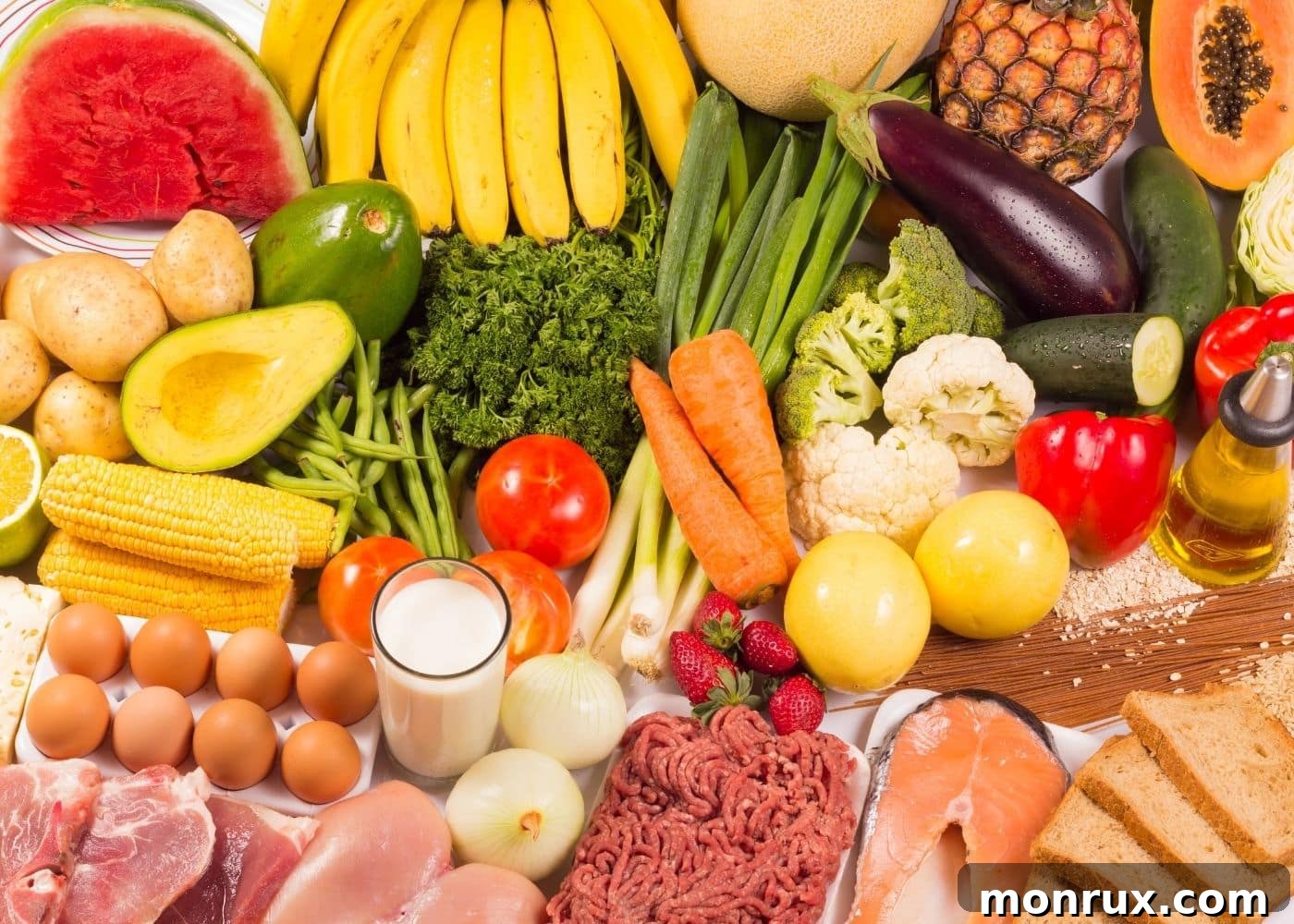
Embarking on a journey to reduce or eliminate added sugars from your diet can be a transformative step towards better health. To support you in this endeavor, we’ve meticulously compiled this comprehensive Sugar-Free Foods Shopping List. This guide will walk you through an extensive selection of foods from every essential category – including fruits, vegetables, grains, proteins, and healthy fats – all naturally free from added sugars. We understand that navigating grocery aisles for truly sugar-free options can be challenging in today’s food landscape, which is why this list is designed to simplify your shopping experience and empower you to make informed, healthier choices. As a bonus, we’ve also included a free downloadable PDF version of this indispensable sugar-free list for your convenience.
Understanding the Sugar Challenge
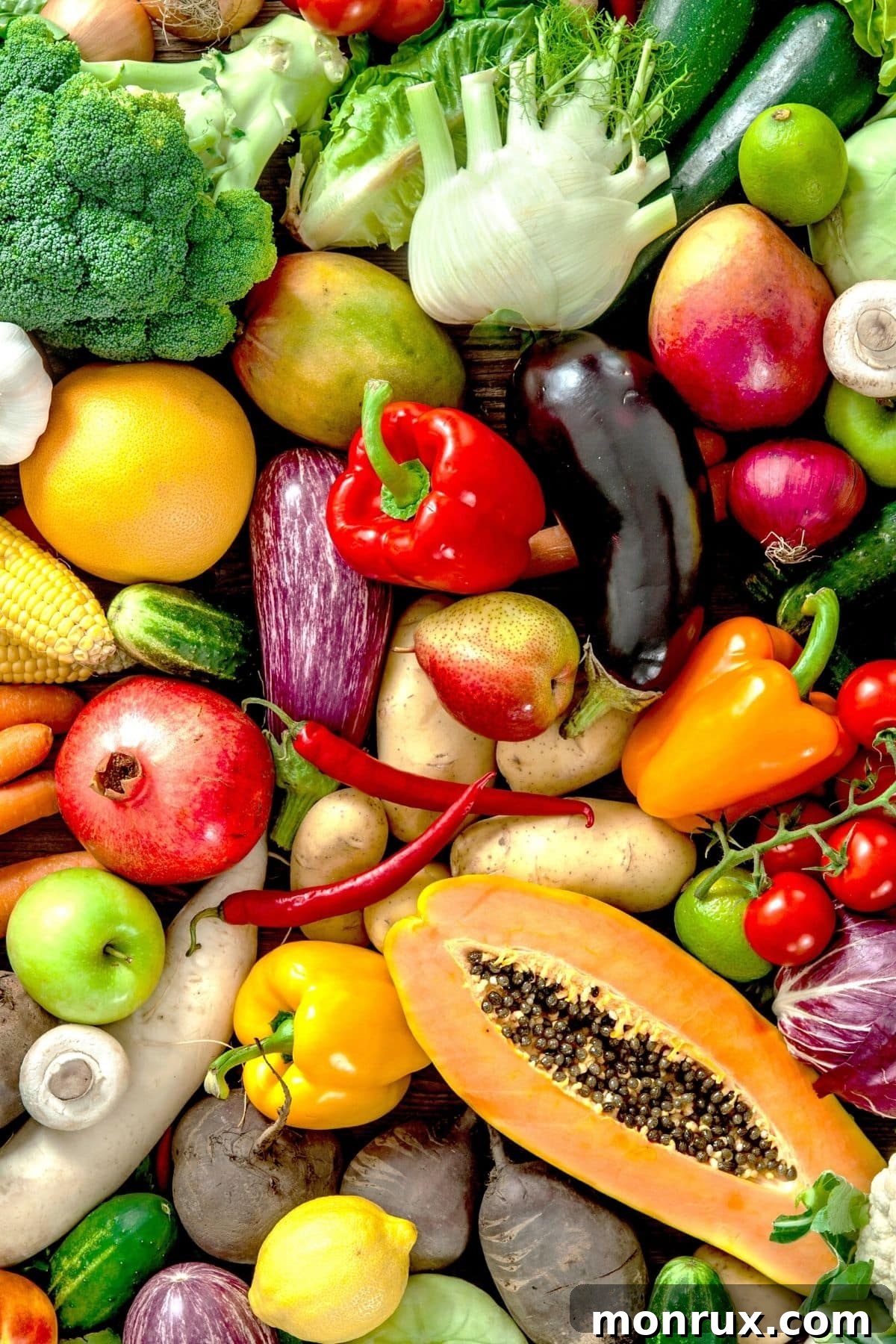
In today’s fast-paced world, navigating dietary choices can be overwhelming, especially when it comes to sugar. Added sugars lurk in a surprising number of packaged foods, from seemingly healthy breakfast cereals and yogurts to salad dressings and sauces. This pervasive presence makes it incredibly challenging for many to adhere to health recommendations, leading to a host of potential health issues. The good news is that opting for a diet rich in whole, unprocessed foods can significantly reduce your sugar intake without sacrificing flavor or satisfaction. This guide is designed to make that transition easier, helping you identify and choose delicious, naturally sugar-free options that nourish your body and support your well-being.
Essential Sugar-Free Foods List
If your goal is to significantly reduce or eliminate added sugars from your daily diet, then this meticulously curated list of no-sugar foods is your ultimate resource. Integrate these wholesome items into your next grocery run to transform your kitchen into a hub of healthy, naturally low-sugar ingredients. Embracing a diet focused on these unprocessed whole foods is a powerful step toward enhancing your overall health and vitality.
Our goal is to help you discover a wide spectrum of nutritious, low-sugar foods that contribute to a balanced diet and improved health. By consciously choosing unprocessed and unpackaged options from categories like fresh vegetables, low-sugar fruits, lean proteins, diverse legumes, nutrient-rich whole grains, and healthy nuts and seeds, you’ll naturally minimize your sugar intake while ensuring your body receives essential vitamins, minerals, and fiber.
1. Fruits
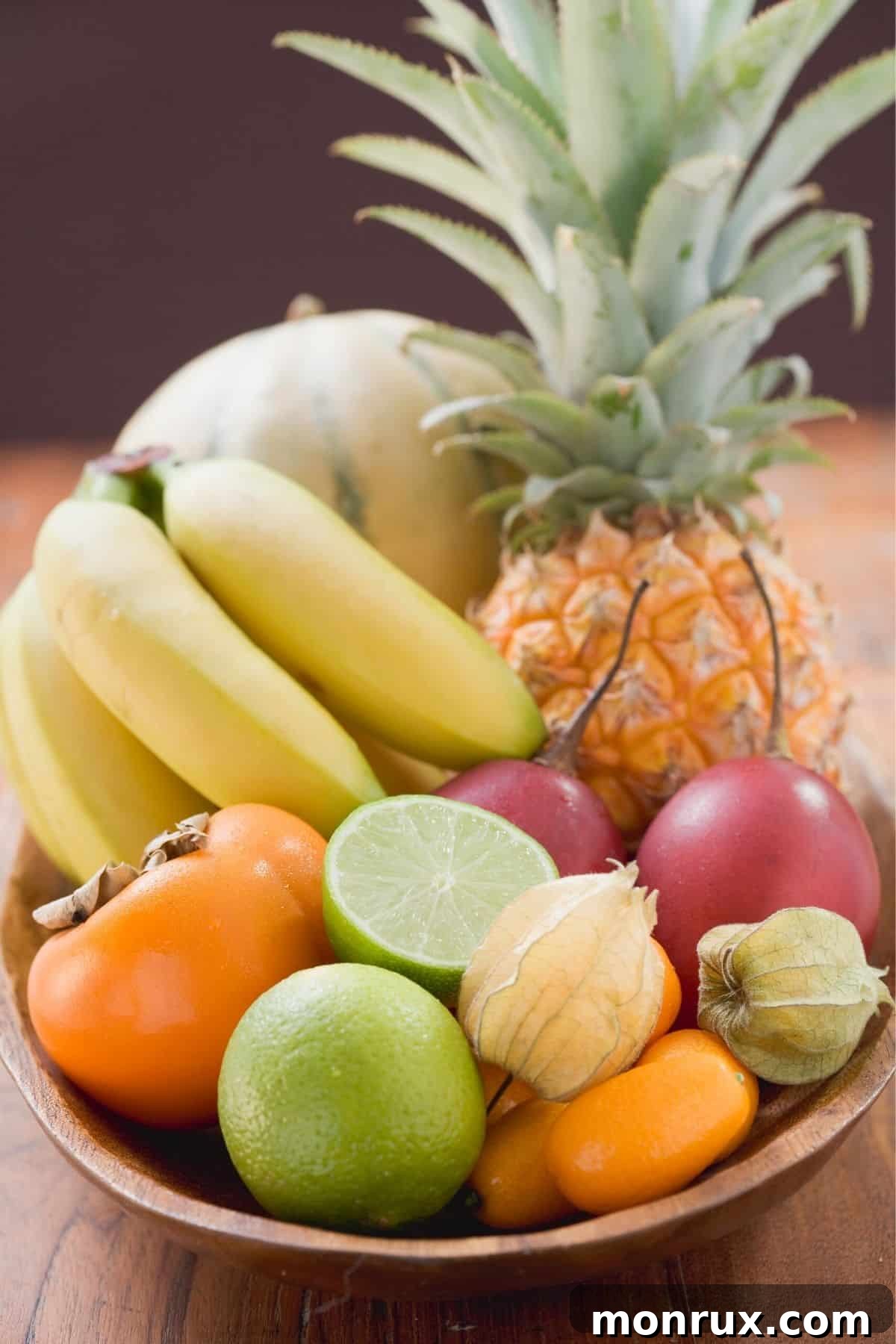
While all fresh fruits contain natural sugars, they are entirely free from added sugars and come packed with beneficial fiber, vitamins, and antioxidants. Fruits like berries (strawberries, blueberries, raspberries) and green apples typically boast the lowest natural sugar content, making them excellent choices for those closely monitoring their sugar intake. Tropical fruits (like mango, pineapple) and dried fruits will have higher concentrations of natural sugars due to water removal, but they remain a healthy choice when consumed in moderation and without any additional sweeteners.
It’s crucial to distinguish between the natural sugars found in whole fruits and the added sugars prevalent in fruit juices or processed fruit snacks. The fiber in whole fruits helps slow down sugar absorption, preventing rapid spikes in blood sugar. If you have specific health concerns like blood sugar instability or diabetes, it’s always wise to consult your healthcare provider to determine appropriate fruit servings. However, for most individuals, incorporating a few servings of diverse fresh fruits daily provides an excellent source of complex carbohydrates and essential nutrients.
To maximize variety and nutritional benefits, try to choose a wide array of fresh, seasonal fruits. Explore vibrant options like those found in our specialized lists of yellow fruits, green fruits, and fruits that start with ‘T’.
- Apples
- Apricots
- Avocados (technically a fruit, low in sugar)
- Bananas
- Blackberries
- Blueberries
- Cherries
- Dragon Fruit
- Grapefruit
- Grapes
- Green Apples
- Kiwi
- Lemon
- Lime
- Mango
- Melons (Cantaloupe, Honeydew, Watermelon)
- Nectarines
- Oranges
- Papaya
- Peaches
- Pears
- Persimmons
- Pineapples
- Pitted prunes (check for no added sugar)
- Plums
- Pomegranates
- Raspberries
- Strawberries
- Tangerines
- Watermelon
For those interested in crafting their own refreshing drinks without any added sugars, delve into our collection of healthy fruit juice recipes. You might also find our article on the digestive benefits of yellow dragon fruit particularly insightful.
2. Vegetables
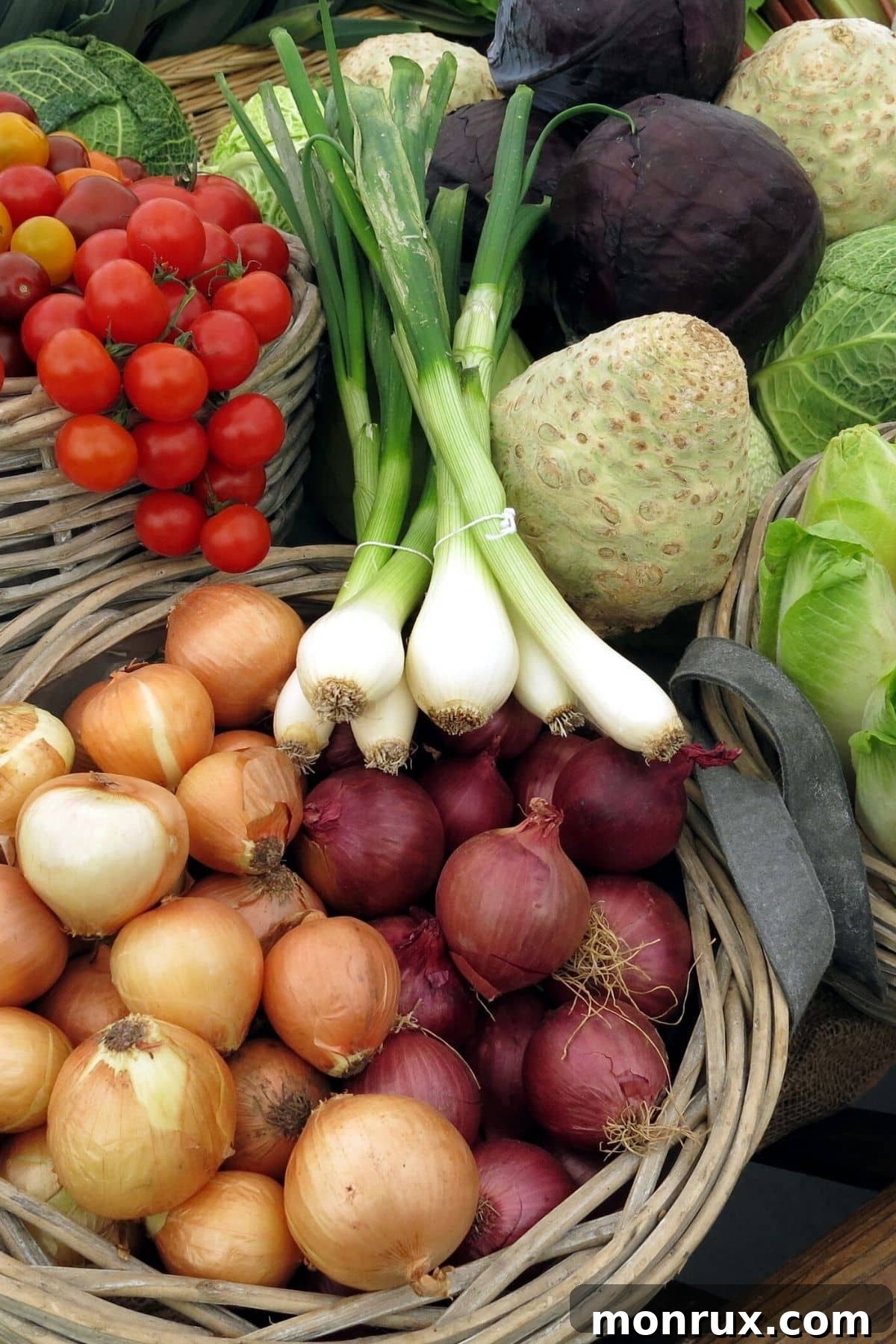
Vegetables are the cornerstone of any healthy diet and are almost universally low in total sugars. They offer a vast array of vitamins, minerals, and fiber with minimal caloric impact. Non-starchy vegetables, such as leafy greens, broccoli, and bell peppers, are particularly low in both natural sugars and carbohydrates, making them ideal for a strict sugar-free approach. Some starchy vegetables, like white potatoes, sweet potatoes, and carrots, contain higher levels of natural sugars, but their nutritional density and fiber content still make them incredibly healthy and a valuable part of a balanced diet.
All vegetables, when consumed in their natural state, fit perfectly into a sugar-free diet. When purchasing canned or frozen vegetables, always make it a habit to scrutinize the ingredient labels to ensure no sugars, sauces, or other additives have been introduced. Opt for plain, unsalted varieties to maintain their natural purity.
If you’re dealing with picky eaters or simply looking for innovative ways to enjoy your greens, consider checking out our picky eater food list for inspiration, or discover valuable tips for cooking vegetables that bring out their best flavors.
- Artichokes
- Arugula
- Asparagus
- Bell peppers (all colors)
- Broccoli
- Brussel sprouts
- Butternut squash
- Cabbage
- Carrots
- Cauliflower
- Celery
- Cucumbers
- Eggplant
- Fennel
- Garlic
- Ginger
- Green beans
- Kale
- Mushrooms
- Okra
- Onions
- Peas
- Pumpkin
- Radishes
- Romaine lettuce
- Spaghetti squash
- Spinach
- Sweet Potatoes
- Tomatoes
- Yams
- Zucchini
3. Beans, Peas, and Legumes
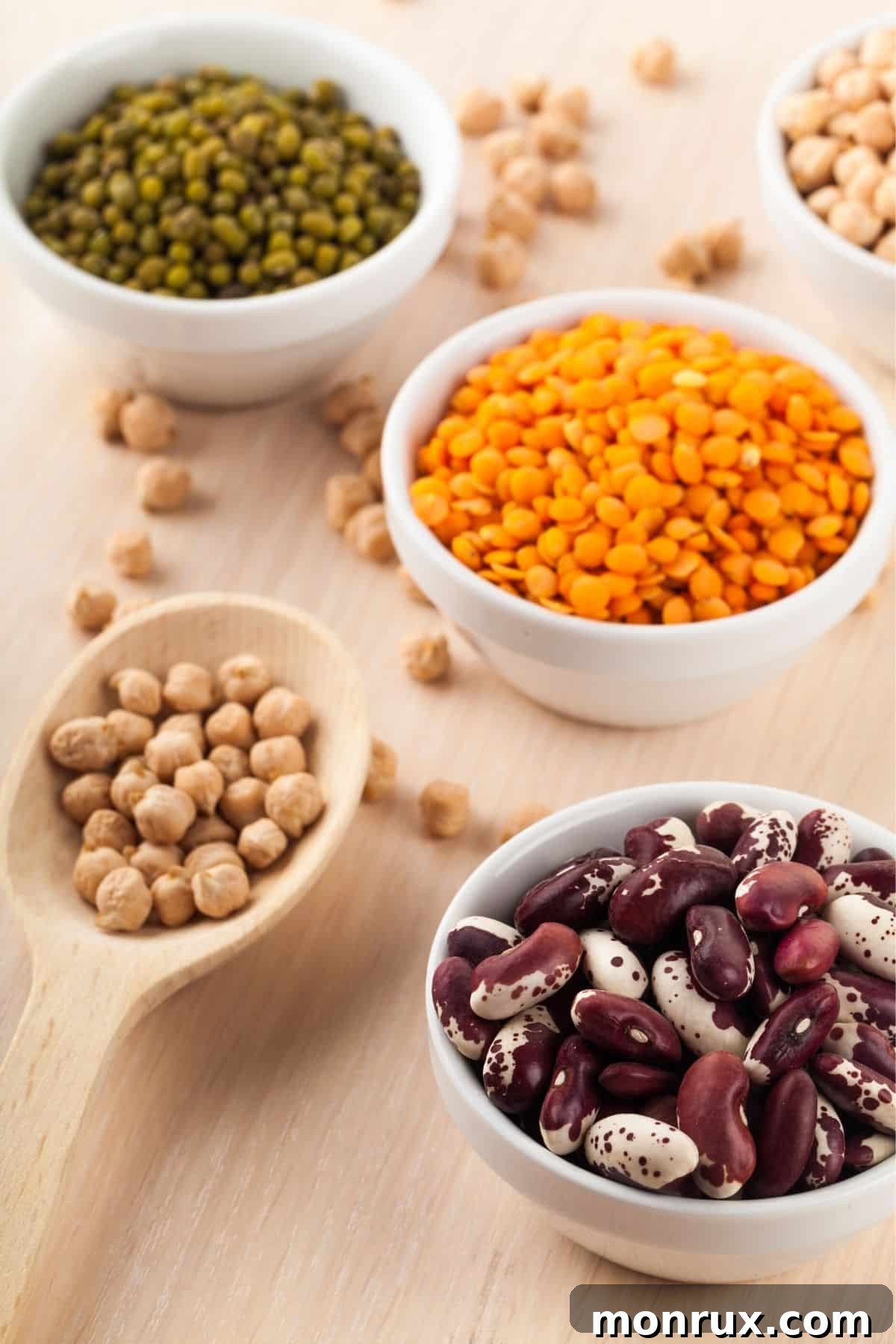
Beans, peas, and legumes are celebrated for their incredible nutritional profile. While they are a rich source of complex carbohydrates, their natural sugar content is remarkably low, and they are inherently free of added sugars. These versatile ingredients are packed with dietary fiber and plant-based protein, making them excellent for promoting satiety, supporting digestive health, and stabilizing blood sugar levels.
They are a staple in many cuisines and can be incorporated into a myriad of dishes, from hearty soups and stews to vibrant salads and savory dips. When purchasing canned varieties, it is absolutely essential to carefully read the labels. Many pre-prepared or seasoned beans (such as certain baked beans or chili beans) often contain significant amounts of added sugars, thickeners, or artificial flavors. Always opt for plain, unsalted canned beans, or better yet, cook them from their dry form to have complete control over ingredients.
- Adzuki beans
- Black beans
- Black-eyed peas
- Cannellini beans
- Chickpeas (Garbanzo beans)
- Edamame
- Great northern beans
- Kidney beans
- Lentils (all varieties: green, red, brown, black)
- Mung beans
- Navy beans
- Peas (green peas, split peas)
- Peanuts (technically a legume)
- Pinto beans
- Red beans
4. Animal & Plant Proteins

Proteins are fundamental for building and repairing tissues, producing enzymes and hormones, and providing sustained energy. Crucially, pure animal and plant proteins are naturally sugar-free and highly satiating, making them excellent allies in curbing sugar cravings and managing appetite (explore all our tips for a successful sugar-free diet). Lean protein sources are vital for meeting nutritional needs, supporting muscle maintenance, and achieving a healthy body weight.
Incorporating diverse protein sources into your meals is essential. Consider exploring popular dietary approaches like the animal-based diet, which emphasizes whole animal foods, or a plant-based approach focusing on legumes and soy. When choosing processed meat products, such as bacon or deli meats, always check labels carefully, as many contain added sugars for flavor or preservation. Look specifically for “sugar-free” or “no added sugar” versions.
- Beef (grass-fed, lean cuts)
- Bison
- Chicken (breast, thighs, whole chicken)
- Eggs (pasture-raised are ideal)
- Fish and shellfish (salmon, cod, tuna, shrimp, scallops, etc.)
- Game meats (venison, duck)
- Pork products (pork loin, tenderloin – look for sugar-free bacon and sausages)
- Soy products (tofu, tempeh, edamame – ensure unflavored and unsweetened)
- Turkey (breast, ground turkey)
5. Dairy Products & Dairy-Free Milks

Dairy products inherently contain natural sugars in the form of lactose. However, they are also rich in protein and calcium, offering significant nutritional benefits. The primary concern with dairy in a sugar-free diet arises from processed and flavored varieties, such as fruit-flavored yogurts, chocolate milk, or sweetened coffee creamers, which often contain substantial amounts of added sugars. The key is to select plain, unsweetened options.
For individuals who prefer dairy-free alternatives or have lactose intolerance, a wide range of plant-based milks is available. Again, the golden rule is to always opt for unsweetened versions, as sweetened plant milks can be laden with added sugars. Reading food labels meticulously is paramount to ensure you are choosing products without any hidden sweeteners.
Here are some dairy and dairy-free milk options to consider for your sugar-free lifestyle:
- Almond milk (unsweetened)
- Coconut milk and coconut beverage (unsweetened)
- Dairy milk (plain, unsweetened, if tolerated)
- Hemp milk (unsweetened)
- Kefir (plain, unsweetened)
- Plain Greek Yogurt (full-fat or low-fat, unsweetened)
- Rice milk (unsweetened)
- Soy milk (unsweetened)
If you’re on the hunt for a suitable addition to your morning brew, don’t forget to consult my detailed list of the best sugar-free coffee creamers.
6. Grains
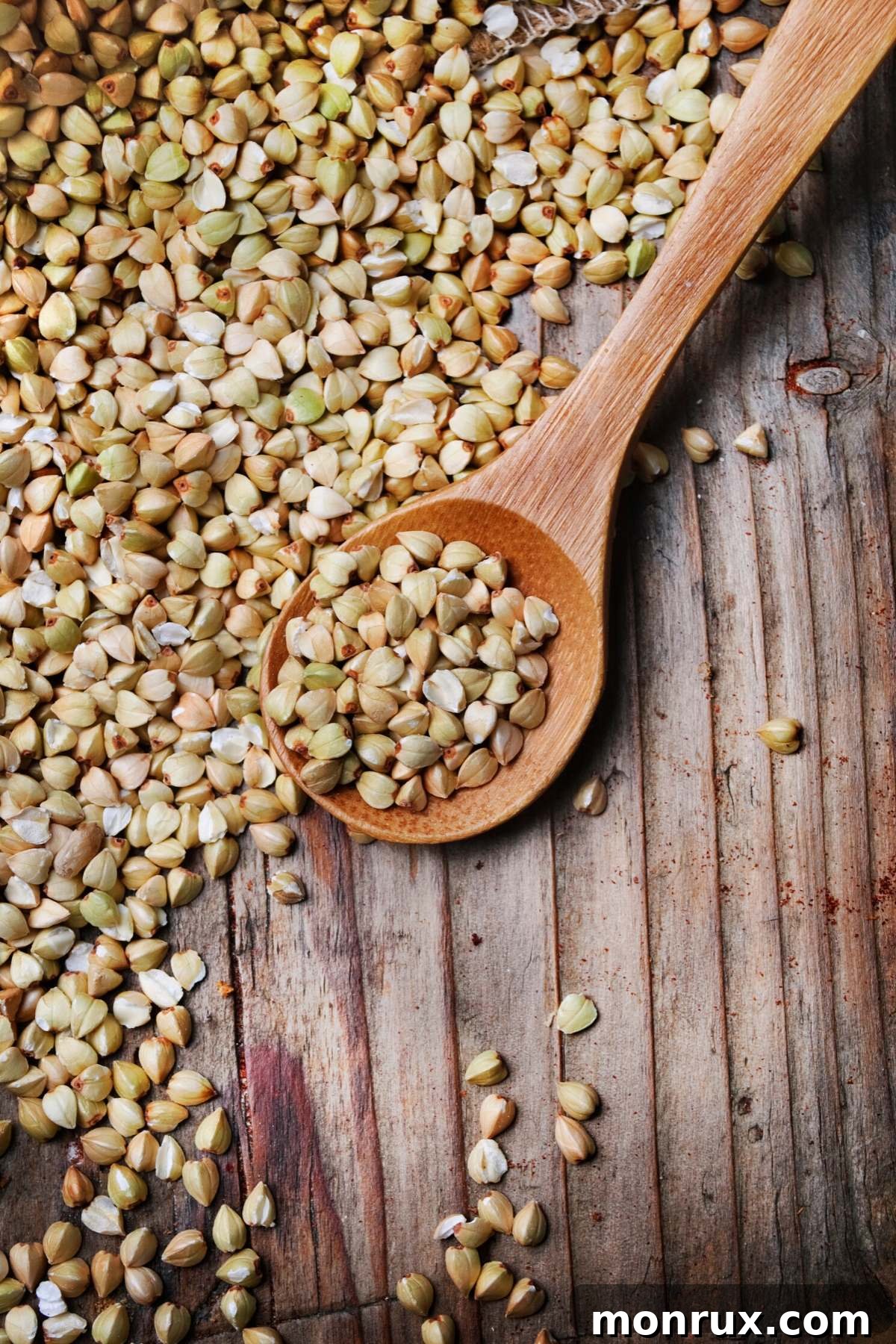
Whole grains are an essential component of a balanced diet, providing complex carbohydrates, fiber, and various B vitamins. In their unprocessed state, whole grains and grain products like pasta typically do not contain added sugars. The problem arises when grains are highly processed or packaged with added sweeteners, such as in many breakfast cereals, instant oatmeals, and refined baked goods like white bread, crackers, and cookies. These items often contribute significantly to daily added sugar intake and lack the nutritional benefits of whole grains.
To adhere to a sugar-free diet, prioritize whole grains in their most natural form. These grains offer sustained energy release due to their fiber content, helping to keep you feeling full and preventing sugar cravings. Prepare them at home and serve alongside a lean protein source and healthy fats for a truly balanced and satisfying meal.
- Amaranth
- Barley
- Brown Rice
- Buckwheat
- Corn (whole kernels or cornmeal)
- Farro
- Millet
- Oats (steel-cut or rolled, unsweetened)
- Quinoa
- Rye (whole rye berries)
- Sorghum
- Spelt
- Teff
- Wheat berries
- Wild rice
- Whole Wheat Pasta (check ingredients for added sugars)
7. Nuts & Seeds
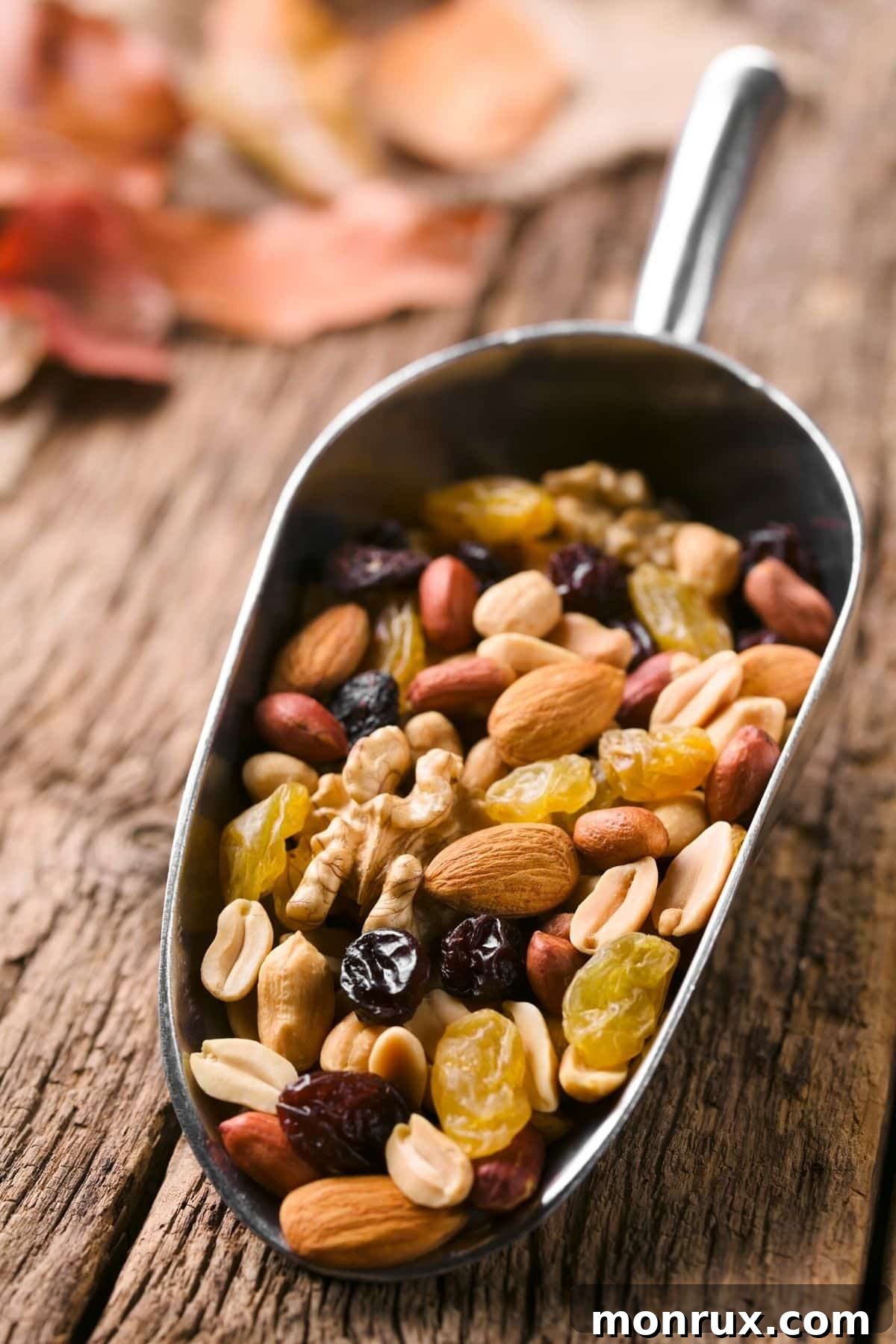
Nuts and seeds are nutritional powerhouses, offering a perfect balance of healthy fats, protein, and fiber, along with a wealth of vitamins and minerals. These characteristics make them ideal for a sugar-free diet, providing sustained energy and promoting satiety, which can effectively reduce the urge for sugary snacks. They are incredibly versatile, serving as excellent standalone snacks, crunchy additions to salads and yogurts, or as a base for homemade nut butters.
When selecting nuts and seeds, opt for raw, roasted, or lightly salted versions without any added glazes, seasonings, or sugars. Be wary of many commercial trail mixes, which often include candy pieces, sweetened dried fruits, or sugary coatings. Always read labels carefully to ensure you’re getting pure, unadulterated nuts and seeds.
Nut butters can also be a fantastic addition, but ensure they are made solely from nuts with no added oils, sugars, or artificial ingredients. I frequently incorporate unsweetened nut butters as one of my go-to healthy weight loss ingredients for smoothies, boosting both flavor and nutritional value.
- Almonds
- Brazil Nuts
- Cashews
- Chia seeds
- Flax seeds (ground or whole)
- Hazelnuts
- Hemp seeds
- Macadamia nuts
- Pecans
- Pine nuts
- Pistachios
- Pumpkin seeds
- Sesame seeds
- Sunflower seeds
- Walnuts
Bonus: Sugar-Free Snack Foods
While the detailed list of whole, sugar-free foods above provides a solid foundation for your diet, we understand that life gets busy. Having readily available, prepared sugar-free snacks is crucial for staying on track and avoiding processed temptations. These convenient options can be a lifesaver during hectic days, ensuring you always have a healthy choice at hand.
For an extensive collection of ideas that cater to various dietary needs, you can explore my comprehensive list of the best gluten-free and dairy-free snacks. This resource offers over 60 healthy snack ideas, ranging from simple hummus with fresh vegetables to nostalgic “ants on a log.”
If you’re looking for specific brand recommendations for packaged sugar-free snacks, consider referring to the list of Whole30 approved partners, known for their strict no-added-sugar policy. Alternatively, you can browse my Amazon storefront for a curated selection of clean eating snacks.
Other general sugar-free snack foods that are easy to grab or prepare include:
- Hummus (check label for no added sugar), served with carrot sticks, cucumber slices, or bell pepper strips.
- Nut butters (read the label to ensure no sugars or oils are added), paired with celery or apple slices.
- Plain yogurt (dairy or dairy-free, unsweetened) topped with a handful of fresh berries.
- Whole fruit like a sliced apple or a pear.
- Dried fruits with absolutely no added sugar (e.g., prunes, apricots – in moderation due to concentrated natural sugar).
- Cheese (various types, naturally sugar-free).
- Plain coffee or tea (black, or with unsweetened milk/creamer).
- A handful of nuts or seeds (almonds, walnuts, pumpkin seeds).
- Homemade smoothies using a paleo protein powder with no sugar, blended with water, unsweetened milk, and low-sugar fruits/veggies.
- Sparkling water flavored naturally with a squeeze of real fruit juice (lemon, lime) or fresh mint.
- Plain rice cakes (check ingredients for sugar, typically minimal) topped with avocado or nut butter.
- Hard-boiled eggs for a quick protein boost.
Average Sugar Intake of Americans & Its Impact
The statistics surrounding sugar consumption are quite stark. On average, an American adult consumes approximately 17 teaspoons of added sugars every single day. This figure is significantly higher than the recommendations set by the American Heart Association (AHA), which advises limiting added sugars to about 6 teaspoons (25 grams) per day for women and 9 teaspoons (36 grams) for men. The vast discrepancy highlights a critical public health challenge that contributes to numerous chronic conditions.
Excessive sugar intake is a known contributor to a wide array of serious health problems. Consuming too much added sugar can lead to an increased risk of chronic diseases, including heart disease, type 2 diabetes, insulin resistance, unhealthy weight gain, non-alcoholic fatty liver disease, and even certain types of cancer. Beyond these severe long-term effects, high sugar intake can also cause immediate issues such as energy crashes, mood swings, inflammation, and dental decay.
One of the primary difficulties in managing sugar intake stems from the prevalence of “hidden sugars” in processed and packaged foods. These sugars are often disguised under various names on ingredient labels (e.g., high-fructose corn syrup, dextrose, maltose, corn syrup solids, fruit juice concentrate) and are found in unexpected items like salad dressings, ketchup, bread, breakfast cereals, protein bars, and even seemingly savory items. Becoming a diligent label reader is the most effective way to identify and avoid these sneaky added sugars.
How Much Sugar is Okay? Natural vs. Added Sugars
Determining an “acceptable” amount of sugar in one’s diet hinges significantly on distinguishing between natural sugars and added sugars. Ideally, health organizations recommend that we consume less than 5-10% of our total daily calories from added sugars. For instance, if an average woman requires around 2,000 calories per day (a figure that varies based on activity levels, age, and metabolism), then fewer than 100-200 calories should originate from added sugars daily.
To put this into perspective, a single 12-ounce can of soda typically contains about 11 teaspoons (44 grams) of sugar. This amount already surpasses the recommended daily maximum of added sugar for both men and women, demonstrating how quickly one can exceed healthy limits without even realizing it. The problem with added sugars, such as high-fructose corn syrup, sucrose, or corn syrup, is that they provide empty calories without any nutritional benefits and can lead to rapid blood sugar spikes.
In contrast, natural sugars found in whole, unprocessed foods like fruits and vegetables are generally not a cause for concern for most individuals. The key difference lies in the accompanying nutrients. Whole fruits, for example, contain natural sugars along with substantial amounts of fiber, vitamins, minerals, and antioxidants. The fiber helps to slow down the absorption of sugar into the bloodstream, leading to a more gradual rise in blood glucose levels and preventing the sudden energy crashes often associated with added sugars. Thus, while a mango contains natural sugar, its fiber content makes it a far healthier choice than a candy bar with the same amount of sugar.
However, it is crucial to acknowledge that some individuals may need to exercise greater caution. People with pre-diabetes, diabetes, or other metabolic conditions might need to monitor not only added sugars but also their intake of natural sugars, particularly from higher-sugar fruits and starchy vegetables. In such cases, the nutritional guidance of a licensed healthcare provider or registered dietitian is invaluable for developing a personalized eating plan that safely manages sugar consumption.
To further deepen your understanding, learn more about the critical differences between natural sugars vs. added sugars.
No-Sugar Foods FAQs
On a sugar-free diet, your plate will be anything but boring! The core principle is to focus on “real foods” – ingredients that are whole, unprocessed, and naturally free from added sugars. This includes a vast array of delicious options: fresh fruits, all types of vegetables (both starchy and non-starchy), whole grains like quinoa and oats, lean animal proteins (chicken, fish, beef), diverse plant proteins (beans, lentils, tofu), eggs, unsweetened dairy products, healthy nuts and seeds, and avocados. A fantastic strategy for success is to prioritize home cooking, as homemade meals almost invariably contain less added sugar than their packaged counterparts. For endless culinary inspiration, refer to the detailed list above or explore my extensive clean eating recipe index.
Many foods are naturally low in sugar, offering excellent options for a healthy diet. Generally, these are foods that are high in protein, healthy fats, or fiber, and contain minimal amounts of natural or added sugars. For instance, most animal proteins, including beef, poultry, and seafood, are carbohydrate and sugar-free. Non-starchy vegetables such as spinach, kale, arugula, broccoli, cauliflower, bell peppers, and zucchini are exceptionally low in both carbohydrates and sugars, while being rich in fiber. Fruits like berries (strawberries, raspberries, blueberries) and green apples also have a lower natural sugar content compared to tropical fruits. Starchy vegetables such as sweet potatoes, carrots, and plantains contain more natural sugars but are still highly nutritious and can be enjoyed in moderation. If you have specific metabolic conditions like pre-diabetes or diabetes, it is crucial to consult your healthcare provider for personalized dietary recommendations.
For most individuals without pre-existing conditions like diabetes or pre-diabetes, consuming several servings of whole fruits per day is not only acceptable but highly recommended on a sugar-free diet. Whole fruits contain natural sugars, but these are bundled with essential fiber, vitamins, and antioxidants, which contribute to a healthy blood sugar response. The fiber helps to slow down sugar absorption, preventing rapid spikes. However, if you find that eating certain fruits triggers sugar cravings or if you have specific blood sugar sensitivities, you might opt for fruits with lower natural sugar content, such as berries (raspberries, strawberries) or green apples, in the initial stages of your sugar-free journey. Always prioritize whole fruits over fruit juices, which strip away beneficial fiber.
To determine if a food contains added sugar, you must diligently read the ingredient labels of any processed or packaged items. Natural sugars, like lactose in milk or fructose in fruit, are not listed as ingredients but contribute to the “Total Sugars” count on the nutrition facts panel. Added sugars, however, will be explicitly listed in the ingredient list under various names. Common aliases for added sugar include high-fructose corn syrup, sucrose, dextrose, maltose, corn syrup, fruit juice concentrate, molasses, cane sugar, brown rice syrup, and many more. Be aware that some products also contain artificial sweeteners (e.g., sucralose, aspartame, saccharin, stevia, erythritol), which, while not sugar, you may also wish to avoid depending on your dietary goals.
For optimal hydration on a sugar-free diet, water should be your primary beverage choice. Beyond that, it’s critical to scrutinize the labels of all packaged beverages. Avoid any drinks with added sugars, including most sodas, sweetened teas, fruit punches, sports drinks, and many flavored waters. You may also choose to avoid drinks containing artificial sweeteners, depending on your personal dietary philosophy. Excellent sugar-free drink options include plain coffee (black or with unsweetened milk/creamer), plain tea (hot or iced, unsweetened), sparkling water (plain or flavored with a squeeze of fresh lemon, lime, or cucumber), and homemade infused water. For those exploring therapeutic beverages, you might consider juicing for inflammation or exploring juice recipes for weight loss, but always consult your healthcare provider first to ensure juicing is appropriate and safe for your individual health needs.
More Sugar-Free Resources Including Free Download
Clean Eating Kitchen is dedicated to providing extensive resources for anyone looking to reduce or eliminate sugar from their diet. We believe in empowering you with the knowledge and tools to make lasting, healthy changes.
To help you navigate the journey, check out this informative article on how to beat sugar cravings effectively. You might also find valuable insights in our articles outlining a comprehensive sugar-free diet plan and exploring the myriad health benefits of going sugar-free.
If you’re finding it challenging to transition and need some assistance with occasional cravings, I’ve also compiled a helpful list of the best sugar substitutes that can be used judiciously.
And finally, as a special gift to support your sugar-free journey, I’ve created a free downloadable PDF of this sugar-free shopping list. This printable document is designed to be your handy companion in the grocery store!
For even more exclusive tips, delicious recipes, and ongoing support, consider joining my Sugar-Free VIP mailing list.
Don’t Miss These Helpful Sugar-Free Articles!
Conclusion
Embracing a sugar-free lifestyle doesn’t mean enduring deprivation; rather, it opens the door to a world of delicious, nutritious, and wholesome foods. Use this comprehensive list of no-sugar foods as your essential shopping guide to stock your pantry and refrigerator with ingredients that support optimal health and well-being. By choosing a diverse array of real, unprocessed foods, you’ll naturally reduce your intake of harmful added sugars and discover the incredible benefits of clean eating.
Don’t forget to join my newsletter list to receive exclusive clean eating recipes and tips directly in your inbox. It’s 100% free with no spam, and you can unsubscribe anytime.
About the Author: Carrie Forrest holds a master’s degree in public health with a specialization in nutrition and is a certified holistic nutritionist. She is a prominent wellness and food blogger, attracting over 5 million annual visitors to her site. Carrie shares an inspiring story of recovery from chronic illness and is deeply passionate about empowering other women to transform their health. Feel free to send her a message through her contact form.
Note: this post is intended for informational purposes only and should not be considered medical advice. Always consult your healthcare provider for personalized recommendations pertinent to your individual health situation.