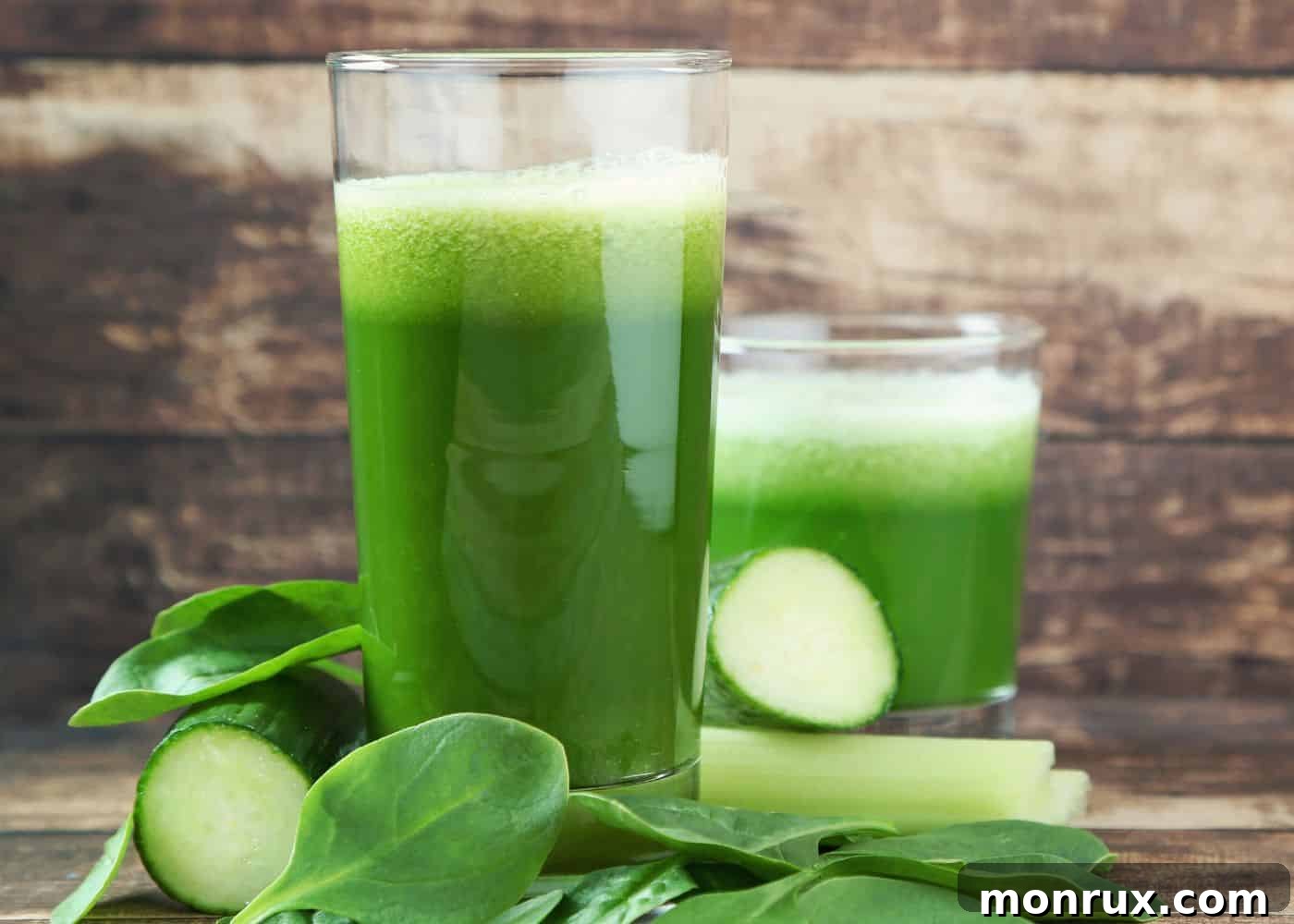
Are you looking to effortlessly boost your daily intake of essential fruits and vegetables? Juicing offers a fantastic solution, transforming fresh produce into delicious, nutrient-packed beverages. Whether you’re a juicing novice or an experienced enthusiast, knowing which vegetables to juice can significantly enhance your health and taste experience. This comprehensive guide will explore the top picks for your juicer, delving into their unique benefits, flavor profiles, and ideal pairings. We’ll also cover the worst vegetables to juice, helping you avoid common pitfalls and create truly enjoyable, beneficial concoctions.
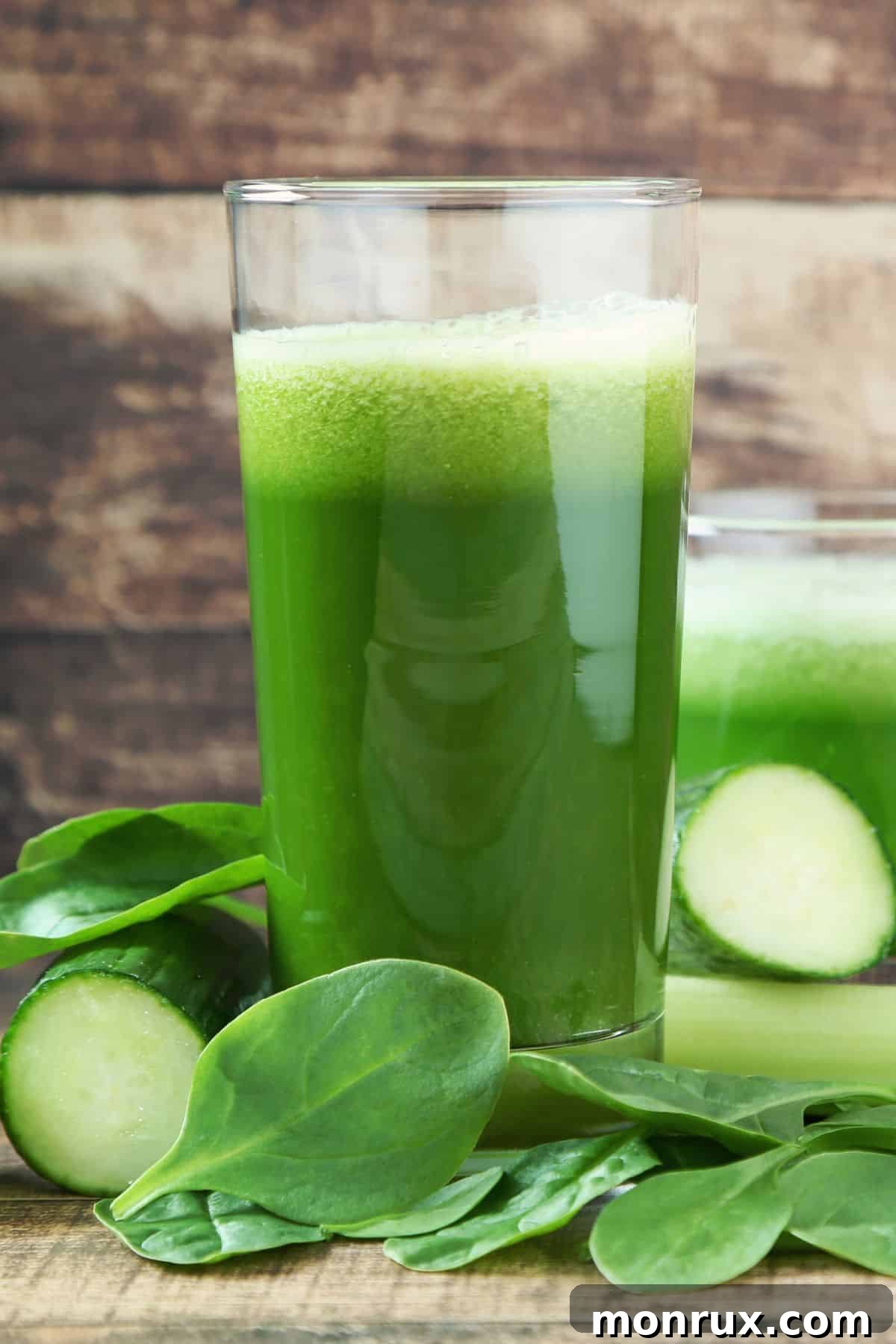
Embracing vegetable juicing can unlock a myriad of health benefits, from fortifying your immune system to ensuring your body receives a broad spectrum of vital vitamins, minerals, and antioxidants. It’s an excellent way to consume larger quantities of vegetables than you might eat raw, making it easier to meet your daily nutritional goals and potentially aiding in detoxification and energy levels.
However, not all vegetables are created equal when it comes to juicing. Some may be too bitter, fibrous, or simply lack the desirable water content or flavor profile for a palatable juice. This guide aims to be the most comprehensive resource available on the best vegetables to juice, ensuring you maximize flavor, nutrition, and value with every glass. We’ll also highlight which vegetables to steer clear of, saving you from less-than-ideal juicing experiments and ensuring a consistently delicious outcome.
Top Vegetables for Juicing: A Quick List
Choosing the right vegetables is key to creating nourishing and delicious homemade juices. The best options generally boast high water content, a balanced flavor, and a rich nutritional profile that efficiently transfers to liquid form. Here is a curated list of vegetables that consistently perform well in a juicer, offering a great starting point for your healthy beverage journey.
- Carrots
- Beets
- Celery
- Ginger
- Spinach
- Kale
- Cucumber
- Collard Greens
- Swiss Chard
- Dandelion Greens
- Fennel
- Cabbage
- Sweet Potatoes
- Wheatgrass
- Lettuce (Romaine)
- Mint
- Parsley
- Cilantro
- Broccoli
- Bok Choy
- Asparagus
- Zucchini
For those looking to diversify their liquid nutrient intake even further, you might also be interested in my guide to the best herbs for juicing, which can add powerful flavor and benefits.
In-Depth Guide to the Best Juicing Vegetables & Recipe Ideas
Let’s dive deeper into each of these stellar juicing vegetables. Below, you’ll find more information on their potential health benefits, flavor characteristics, and expert suggestions for creating delectable and effective juice combinations. My decades of experience with vegetable juicing have informed this definitive list, focusing on factors like water content, ease of juicing, and overall nutritional impact.
1. Carrots
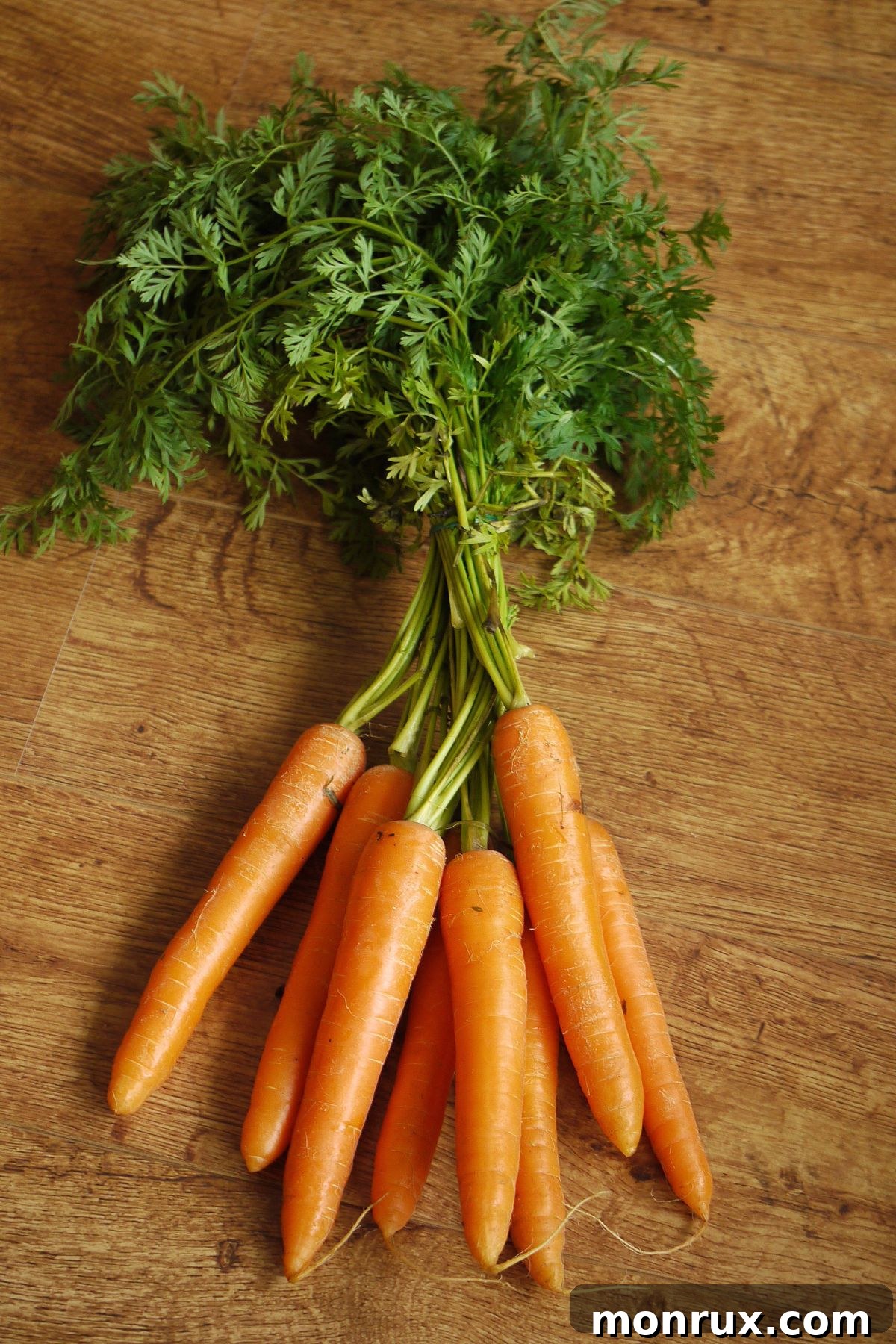
Carrots are a perennial favorite for juicing, celebrated for their natural sweetness and incredible versatility. These root vegetables are nutritional powerhouses, packed with antioxidants, carotenoids (especially beta-carotene, responsible for their vibrant orange hue), polyphenols, and a good amount of soluble fiber. They’ve been linked to a variety of health improvements, including helping to lower cholesterol levels and offering significant protection against age-related macular degeneration, crucial for maintaining eye health.
Carrot juice is wonderfully delicious on its own, offering a naturally sweet and earthy flavor. However, its mild profile makes it an excellent base for various combinations. It pairs exceptionally well with fruits like apples, oranges, and pineapple, adding a delightful sweetness. For an herbaceous twist, consider adding basil or parsley. Spices like cinnamon and a pinch of cayenne pepper can also elevate the flavor and add a metabolic boost.
For a truly invigorating blend, try my favorite recipe for Carrot Juice with orange and ginger. This vibrant juice is also a top contender on my list of the best juicing recipes for energy, providing a natural pick-me-up.
2. Beets
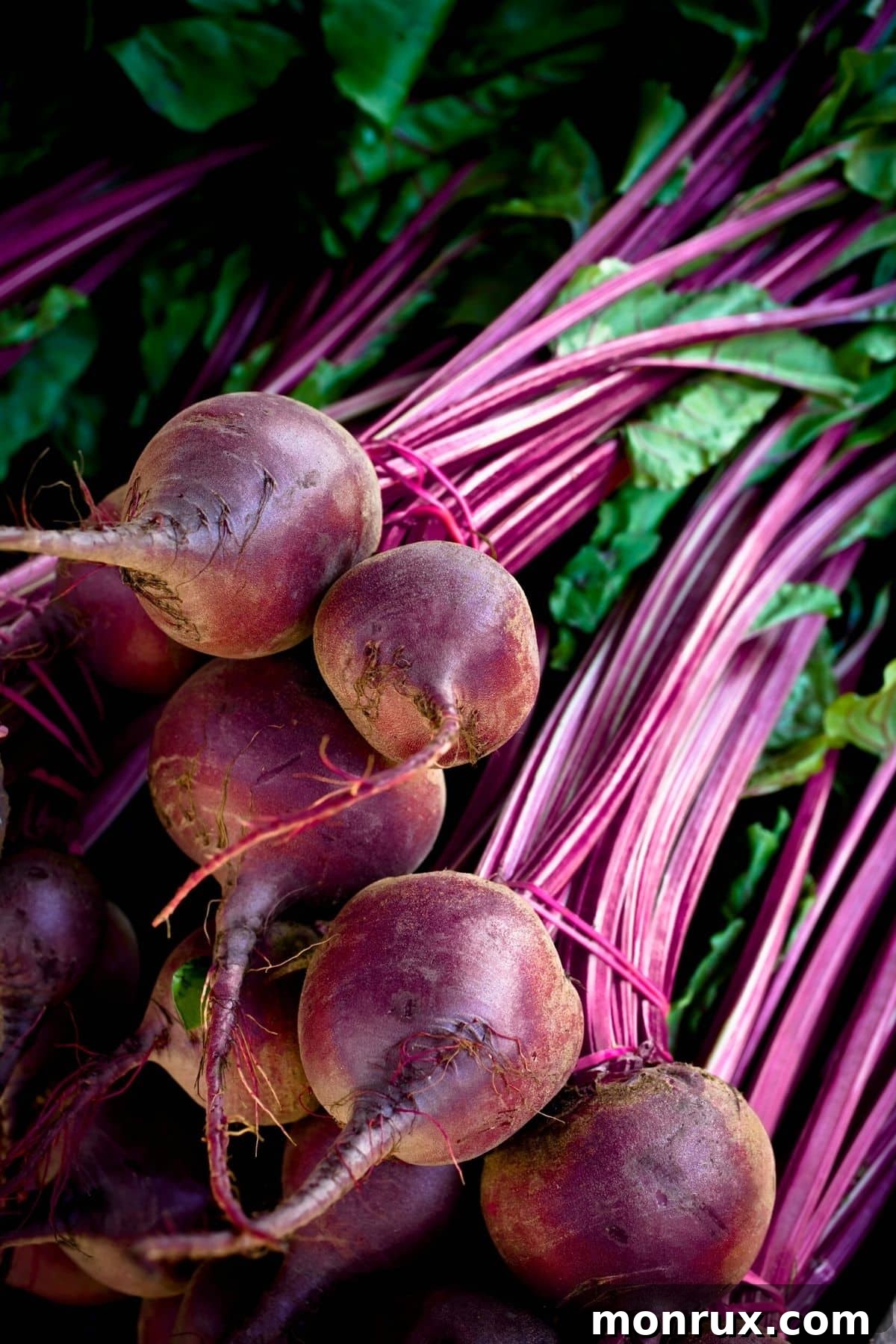
While beets can be a bit messy to prepare due to their intense color, the immense health benefits they offer make them absolutely worth the effort. Research consistently highlights the broad spectrum of health benefits associated with beets and beet juice. These include potential roles in cancer prevention, reducing blood pressure, and enhancing cognitive function and exercise performance due to their high nitrate content, which converts to nitric oxide in the body.
Beets introduce a distinctive earthy sweetness and a stunning color to your juices. Their flavor profile is surprisingly versatile, complementing a wide array of other ingredients. A popular combination involves juicing beets with apples, celery, and a small piece of peeled fresh ginger for a balanced and zesty drink. They also blend beautifully with carrots and watermelon for a refreshing, sweet, and incredibly nutritious juice.
If you’re keen to learn more about the specific advantages, I’ve dedicated an entire article to the health benefits of beet juice. And for a truly delicious experience, don’t miss my very popular Beet Juice Recipe, which consistently receives rave reviews for its amazing taste.
3. Celery
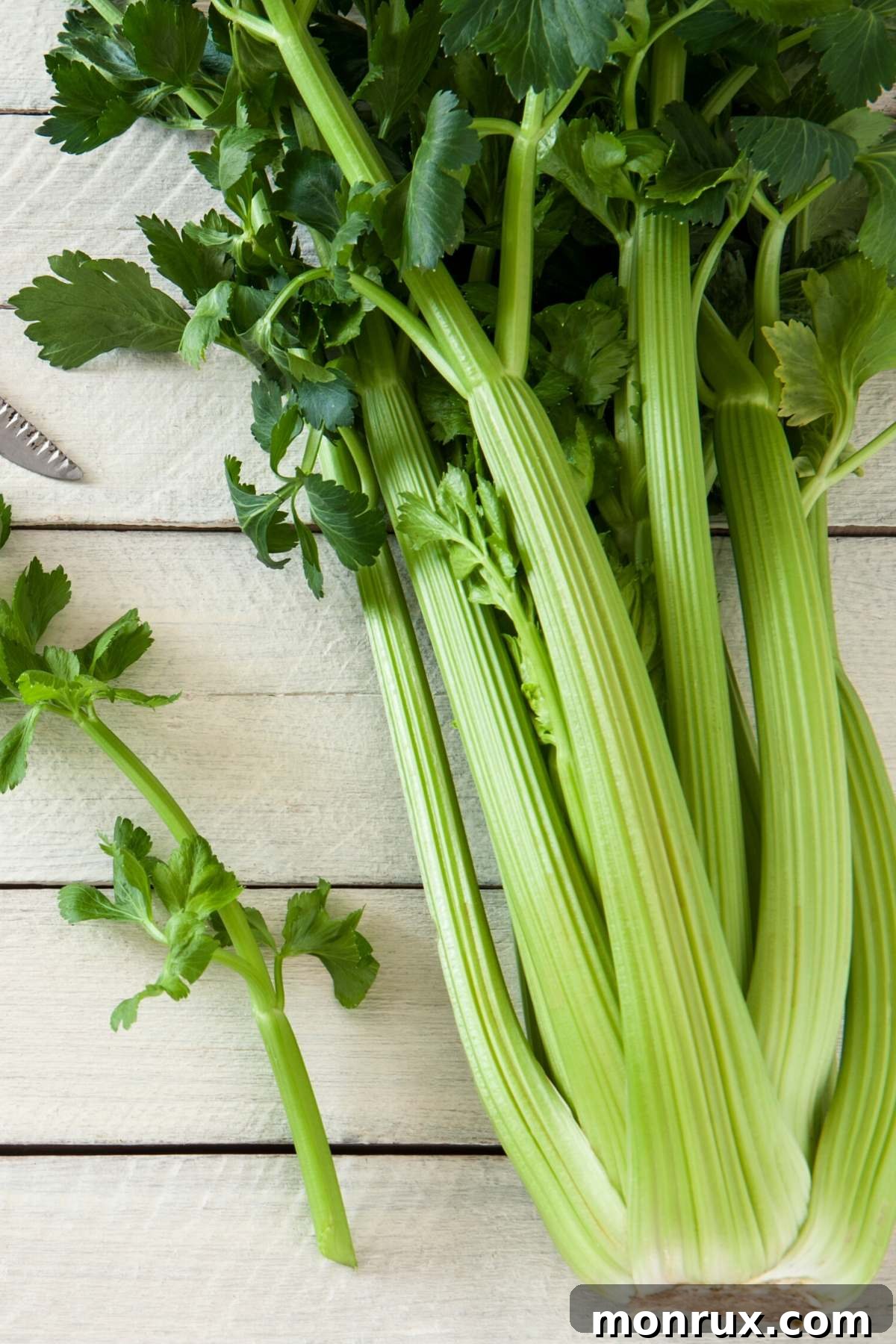
Celery, often underestimated, is an incredibly healthy vegetable brimming with nutritional advantages. It’s a natural diuretic, known for its hydrating properties and high electrolyte content. Scientific studies have demonstrated that celery possesses properties beneficial for heart health, alongside notable antibacterial, antifungal, and anti-inflammatory effects, making it a powerful addition to any juicing regimen.
While straight celery juice has gained immense popularity for its purported health benefits, some individuals find its flavor slightly bland or a touch salty. For a more balanced and palatable experience, I highly recommend blending it with other complementary ingredients. Excellent choices include crisp apples for sweetness, fresh lemon juice for a bright tang, a small piece of fresh ginger for a spicy kick, or hydrating cucumber for a milder profile.
To experience one of the most popular recipes on my entire website, make sure to try my top-ranked Celery Juice recipe. It’s a simple yet effective way to enjoy the maximum benefits of this remarkable vegetable.
4. Ginger
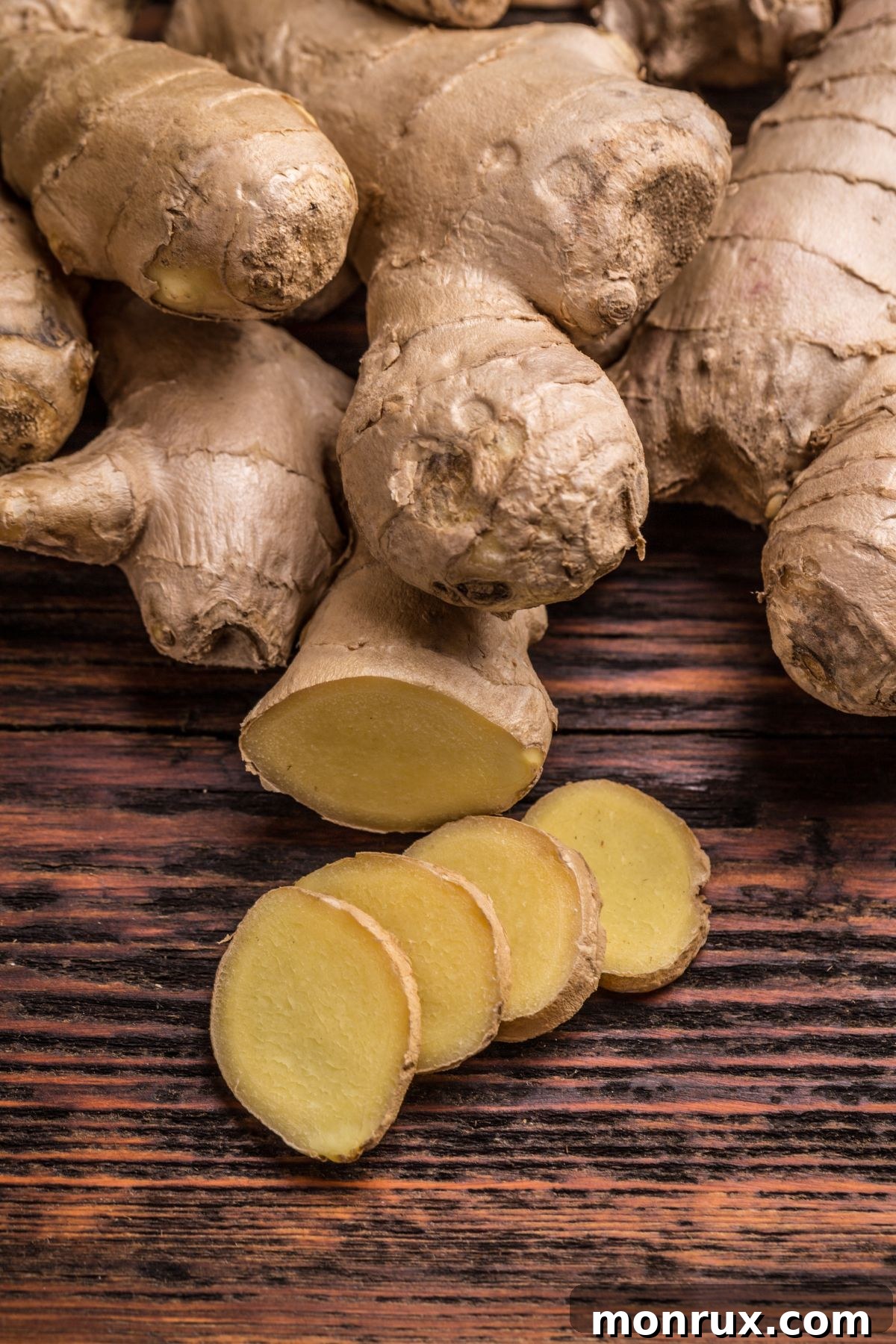
Adding fresh ginger to your juice is one of the most potent actions you can take for your overall health and well-being. This distinctively spicy root boasts a myriad of benefits for human health, including offering protection against certain types of cancer, assisting in the management of type 2 diabetes, and even significantly reducing menstrual pain. Ginger is perhaps most renowned for its remarkable digestive properties, with studies showing its ability to accelerate stomach emptying, making it an excellent remedy for nausea and indigestion.
For optimal flavor and to avoid bitterness, I always recommend peeling ginger before juicing. While the skin isn’t harmful, it can impart an undesirable taste. Straight ginger juice is often too potent for most palates, so it’s typically best enjoyed diluted with water or coconut water. A touch of honey can also add a pleasant sweetness. Ginger’s robust flavor pairs exceptionally well with a variety of ingredients, including refreshing mint, bright lemon, earthy beets, and leafy greens like spinach, creating truly invigorating and therapeutic blends.
Explore some of my favorite juice recipes that feature the incredible benefits of ginger:
- Lemon & Ginger Green Juice
- Kale Juice
- Ginger Lemon Shot
- Anti-Inflammatory Green Juice
5. Spinach
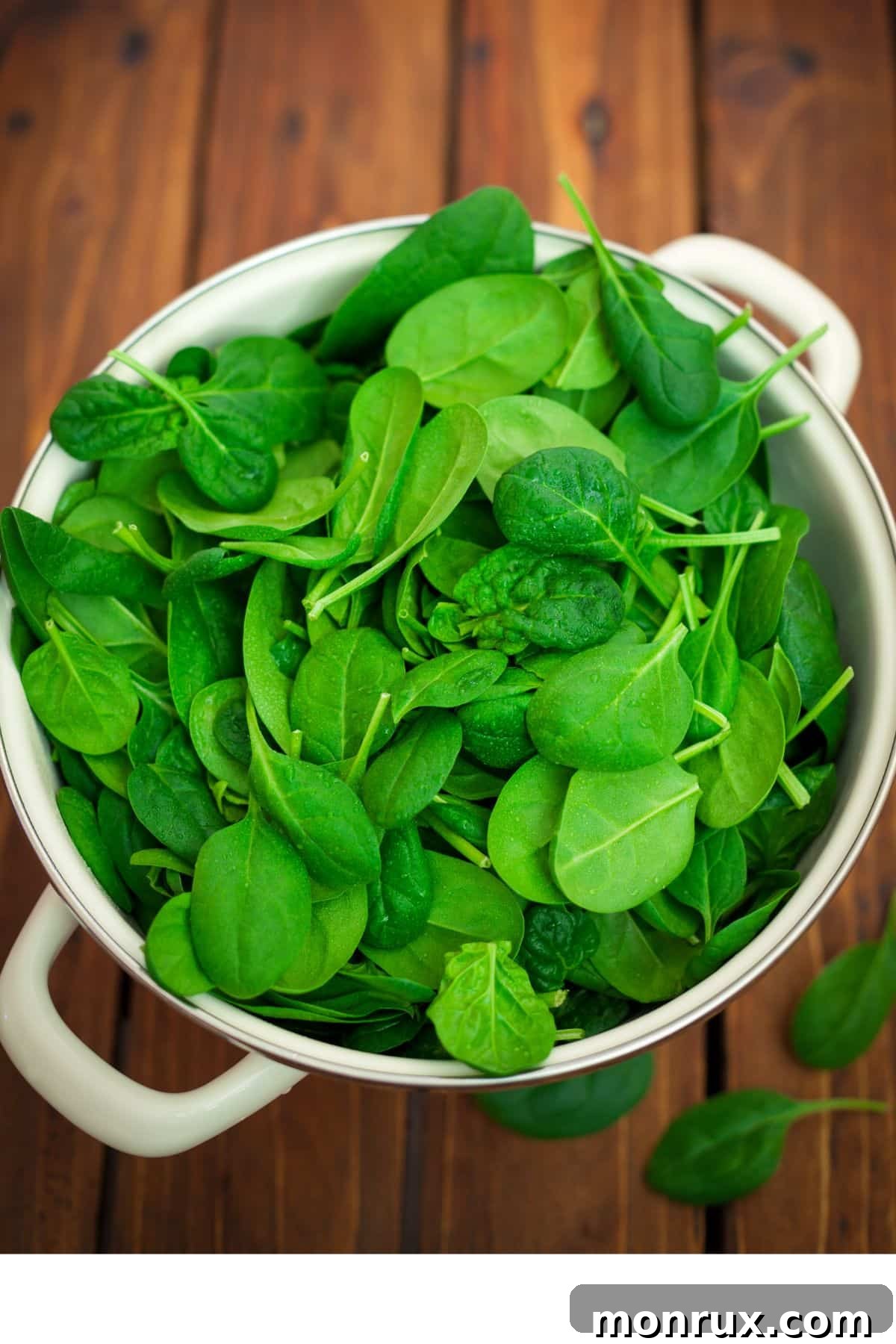
Tender, bright green spinach leaves are perfectly suited for juicing, yielding a drink with a relatively mild and palatable flavor compared to some other robust leafy greens. Spinach is extraordinarily nutrient-dense, boasting high levels of vitamin C, various carotenoids (like lutein and zeaxanthin), folic acid, calcium, and iron. Much like carrots, spinach contains powerful compounds that can protect your eye health as you age, helping to prevent conditions such as macular degeneration.
If you find the taste of pure spinach juice a bit too earthy or grassy for your preference, there are numerous ways to enhance its flavor. Juicing it with sweet apples is a universally popular method, but other excellent choices include hydrating cucumber, fresh parsley, bright lemon, zesty ginger, and naturally sweet carrots. You can confidently juice both baby spinach and mature, full-sized spinach, including their stems, to extract maximum nutrients.
For a refreshing and nutritious option, try my Green Vegetable Juice recipe, which prominently features spinach. Alternatively, for a focused spinach experience, I recommend this dedicated Spinach Juice recipe!
6. Kale
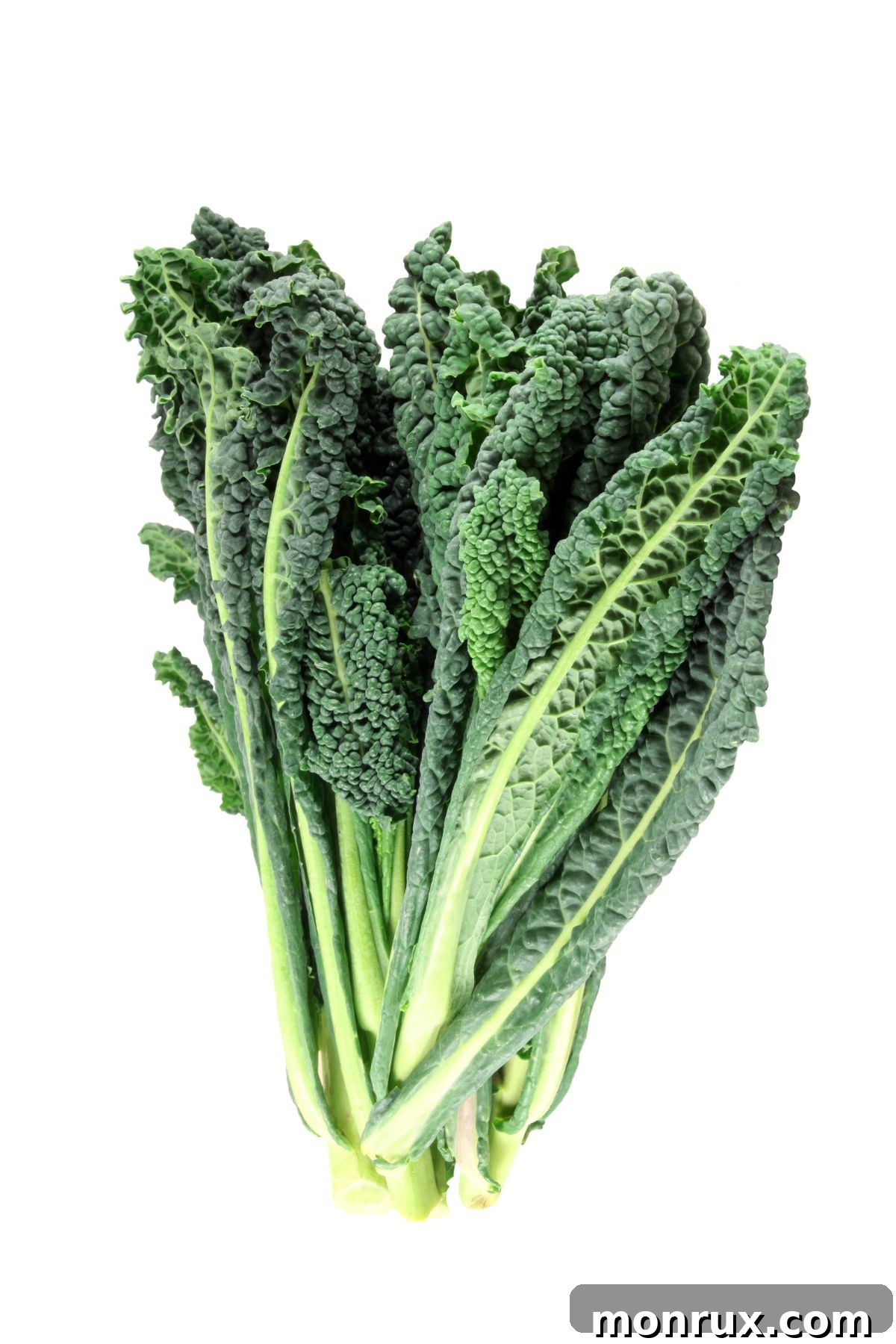
Kale juice sometimes receives an unfair reputation for being unpleasantly bitter, but with a few simple tricks, you can easily temper its strong flavor – and there are countless reasons why you absolutely should! Kale is considered one of the most nutrient-dense foods on the planet, containing an impressive spectrum of vitamins (especially K, A, and C), along with powerful carotenoids, dietary fiber, and folate. Its remarkable nutritional profile can contribute to lower cholesterol levels and offer robust protection against various cancers.
If the taste of raw kale proves challenging, a clever technique to reduce its bitterness before juicing is to gently massage the leaves with your hands until they appear slightly wilted – a surprisingly effective method! Alternatively, blend it with naturally sweet fruits like crisp apples or tropical pineapple. The acidity of citrus juice, such as lemon, also works wonders; rather than exacerbating the bitterness, it actually neutralizes it, making the kale flavor more agreeable. All varieties of kale, including Lacinato (Dinosaur) and baby kale, are excellent for juicing.
Dive into my favorite Kale Juice recipe and explore more about the extensive benefits of juicing kale.
7. Cucumber
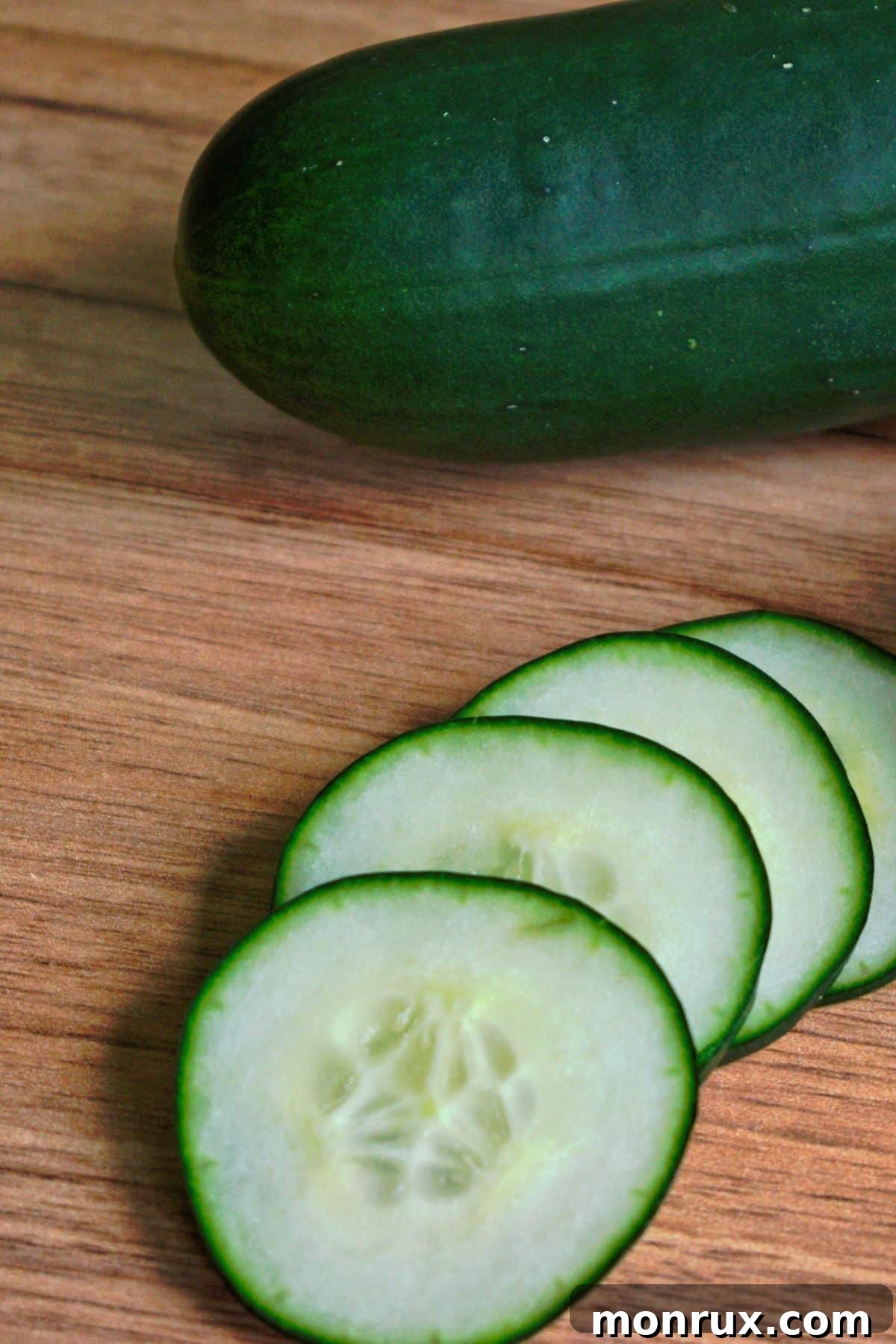
If you’ve ever thought cucumber was too watery to offer substantial nutrition, prepare to be pleasantly surprised! Belonging to the same family as melons, cucumbers are incredibly hydrating and possess a range of health benefits, including helping to regulate blood pressure, aiding digestion, and potentially offering protection against certain cancers. They are rich in vitamin K, antioxidants, and anti-inflammatory compounds.
While some people prefer to remove the skin before juicing, I strongly recommend leaving it on. The skin is a concentrated source of vitamins, minerals, and beneficial phytonutrients, and it also contributes to a beautiful green hue in your juice. Straight cucumber juice is wonderfully refreshing and intensely hydrating, though its flavor can be quite mild. To elevate its taste, consider pairing it with a variety of fruits and herbs.
Excellent partners include crisp apples, sweet pineapple, juicy watermelon, or a zesty combination of lemon and fresh mint. Ginger adds a lovely warmth, while herbs like basil and thyme can introduce an aromatic complexity. You can juice virtually any type of cucumber, from English to Persian varieties. For a purely hydrating drink, try my simple Cucumber Juice recipe. If you prefer a sweeter profile, this Pineapple Cucumber Juice recipe is an absolute must-try.
8. Collard Greens
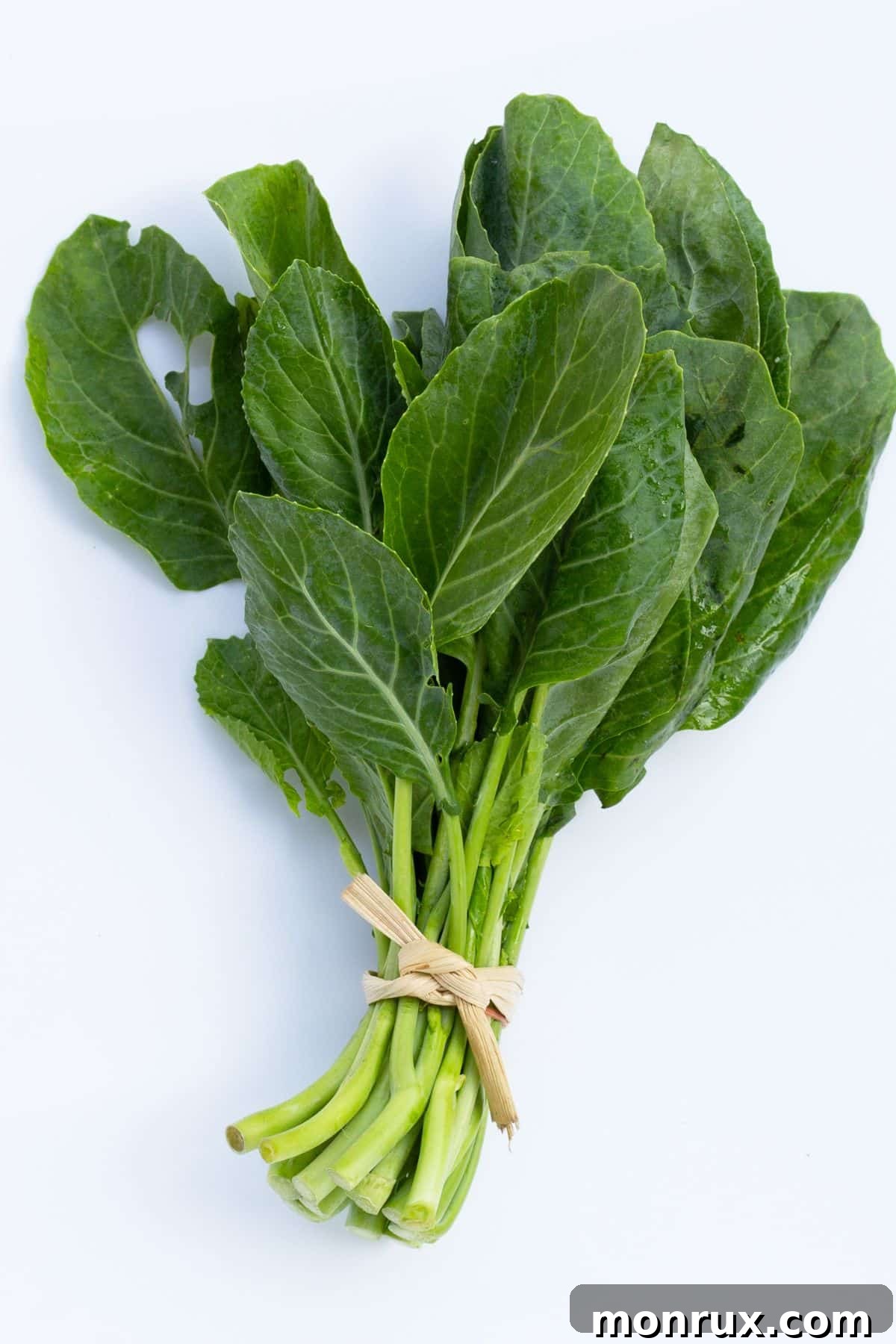
Part of the diverse cabbage family, collard greens feature smooth, flat leaves brimming with antioxidants, vitamins (especially K and A), and essential minerals. While scientific research specifically on collard greens is continuously expanding, they are widely regarded as being just as beneficial as other cruciferous vegetables. This means they can offer significant protection against serious diseases like cancer and robustly support heart health, thanks to their high fiber and nutrient content.
When juicing, it’s best to select tender, young collard greens, as older leaves can impart a noticeably bitter flavor. Even young leaves can produce a juice that’s a bit too strong for some palates. To make it more palatable and enjoyable, try blending it with sweeter ingredients. A mix with apple and beet juice can create a balanced and delicious drink. For a refreshing tropical twist, consider adding mango juice, which beautifully masks any bitterness.
For a dedicated recipe that focuses on harnessing the power of these greens, don’t miss my targeted Collard Juice recipe, designed to deliver maximum benefits with great taste.
9. Swiss Chard
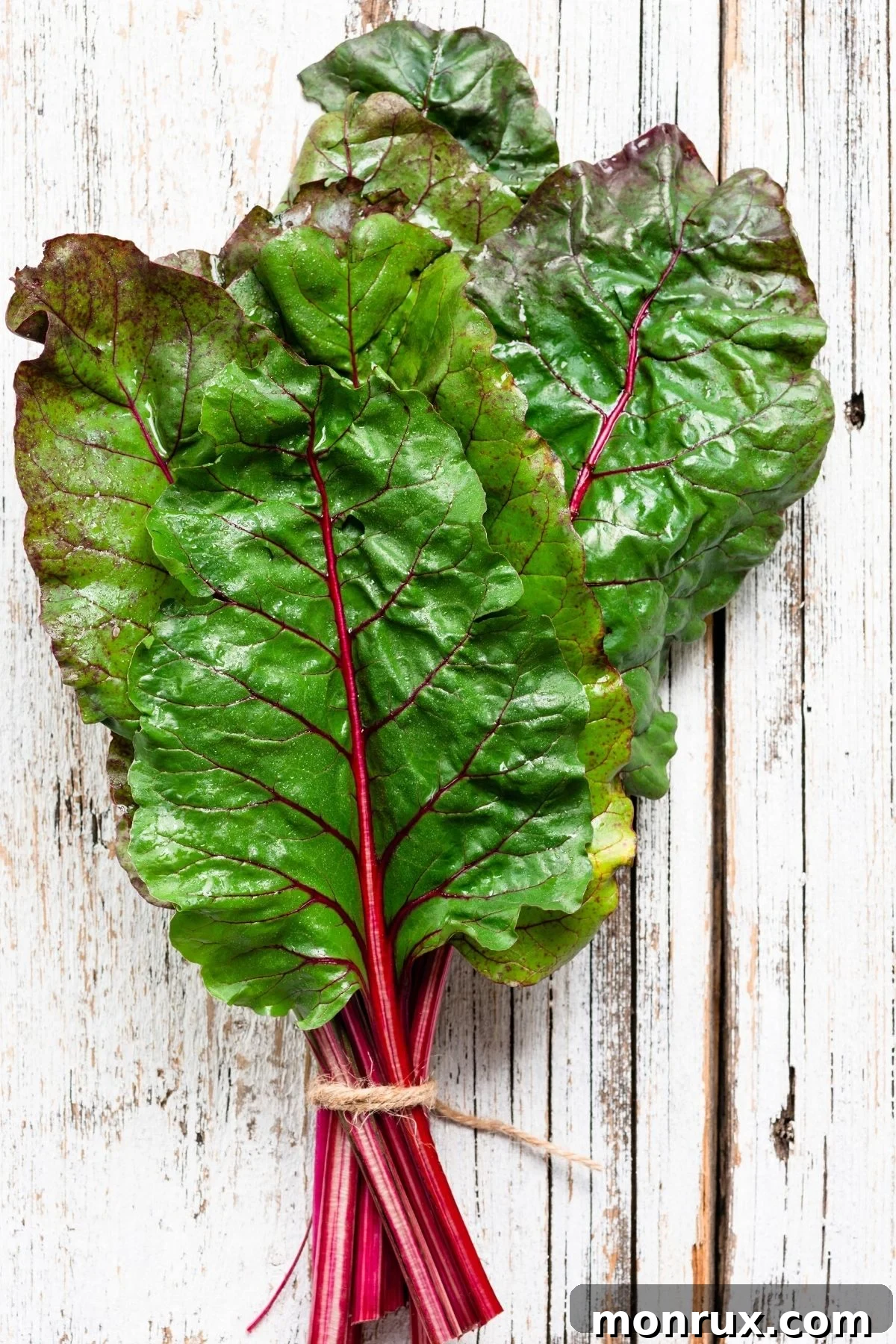
With its strikingly crisp and brightly colored stems, Swiss chard is not only one of the prettiest vegetables but also one of the healthiest. It offers a rich bounty of antioxidants, including the powerful compound kaempferol, along with a good dose of fiber, various vitamins (like K, A, and C), and essential minerals such as magnesium and potassium. These nutrients contribute to bone health, blood sugar regulation, and powerful anti-inflammatory effects.
The flavor profile and even the appearance of Swiss chard can vary slightly between different varieties. Generally, chard has a distinct earthy flavor that some individuals might find a bit bitter, especially when juiced raw. If you’re not fond of its direct taste, consider blending the juice with milder, sweeter options. Cucumber and carrots are excellent choices for balancing the earthiness, while adding crisp apple can introduce a refreshing sweetness. Fresh ginger also tastes fantastic with Swiss chard, adding a warming, spicy note that complements its natural flavors.
10. Dandelion Greens
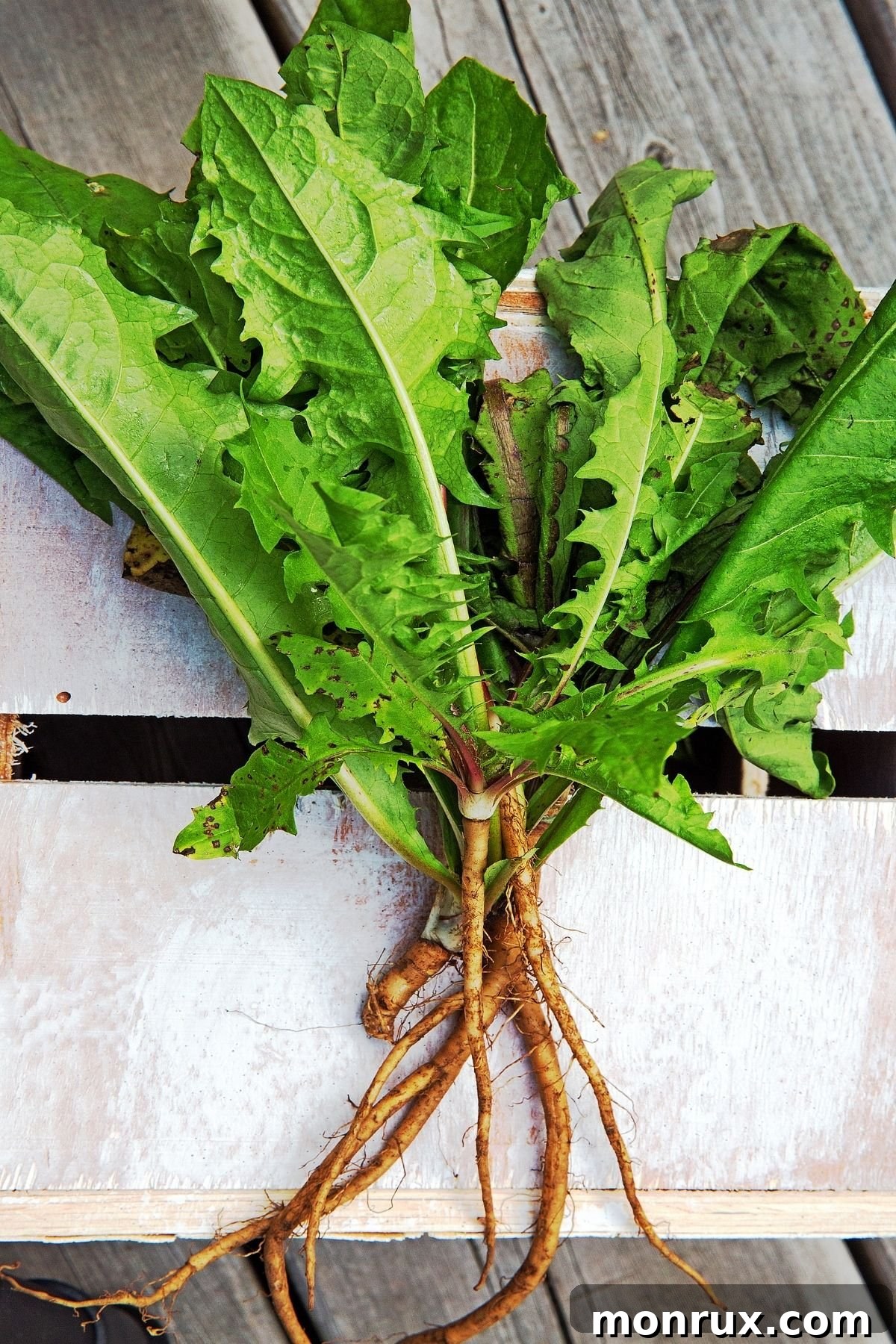
If you’ve never considered them, you might be astonished to discover that the long, verdant leaves that grow around dandelion flowers are not only edible and tasty but also incredibly packed with nutrients! Traditionally used in herbal medicine, recent studies have shown their potential utility in controlling inflammation and may even contribute to lowering cholesterol levels. Dandelion greens are rich in vitamins A, C, and K, as well as calcium and iron, making them a fantastic detoxifying ingredient.
Due to their somewhat bitter flavor, similar to endive or radicchio, dandelion leaves haven’t yet reached mainstream popularity for juicing. However, it would be a missed opportunity to bypass their incredible nutrient profile, especially since their bitterness is so easily disguised! To make dandelion juice more palatable and enjoyable, try blending it with naturally sweet or tangy ingredients. Any combination of crisp apple, refreshing cucumber, zesty ginger, or bright lemon juice works wonderfully. Fresh pineapple also complements the greens beautifully, adding a tropical sweetness that cuts through the bitterness.
Ready to give it a try? Check out my specific recipe for Dandelion Green Juice!
11. Fennel
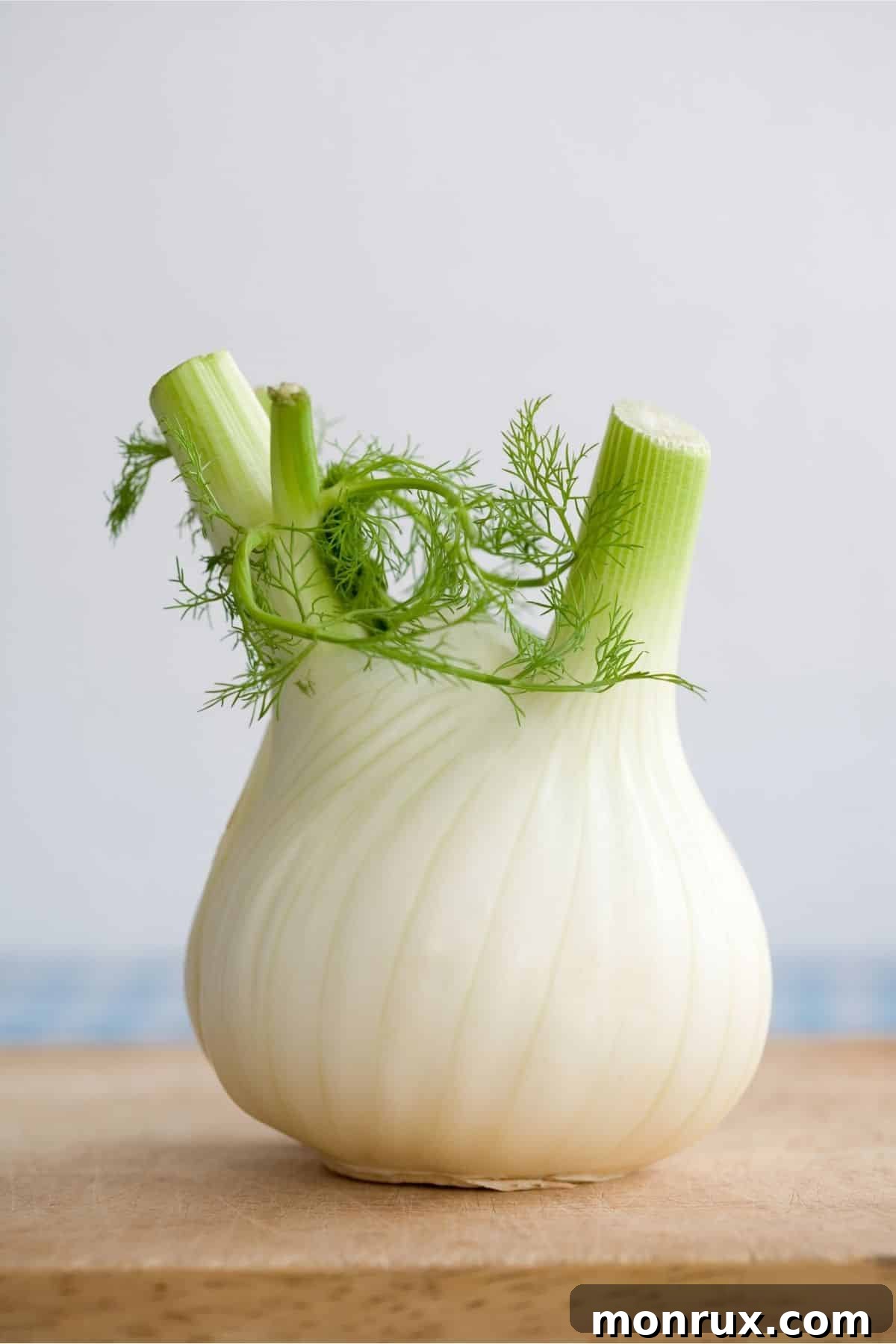
Fennel, a distinctive member of the carrot family, stands apart with its unique flavor profile. The crisp, bulbous base and feathery fronds possess a strong aniseed or licorice-like taste, particularly when raw, which tends to elicit strong opinions – people either love it or hate it! However, fennel delivers some truly impressive health benefits, making its juice well worth exploring. It has a long history of medicinal use, safely and effectively addressing a range of conditions from abdominal pains and flatulence to mouth ulcers and even insomnia. It’s also a good source of vitamin C, fiber, and potassium.
Unless you’re a devoted fan of the anise/licorice flavor, you might prefer not to consume straight fennel juice. However, many find that blending it with other ingredients significantly improves its palatability. Excellent companions include crisp apples, earthy beets, refreshing celery, or hydrating cucumber, all of which can mellow its intense flavor. Don’t forget to include the delicate, feathery fronds from the top of the fennel bulb in your juicer, as they are also packed with flavor and nutrients.
Discover a delicious way to incorporate this unique vegetable with my dedicated Fennel Juice recipe.
12. Cabbage
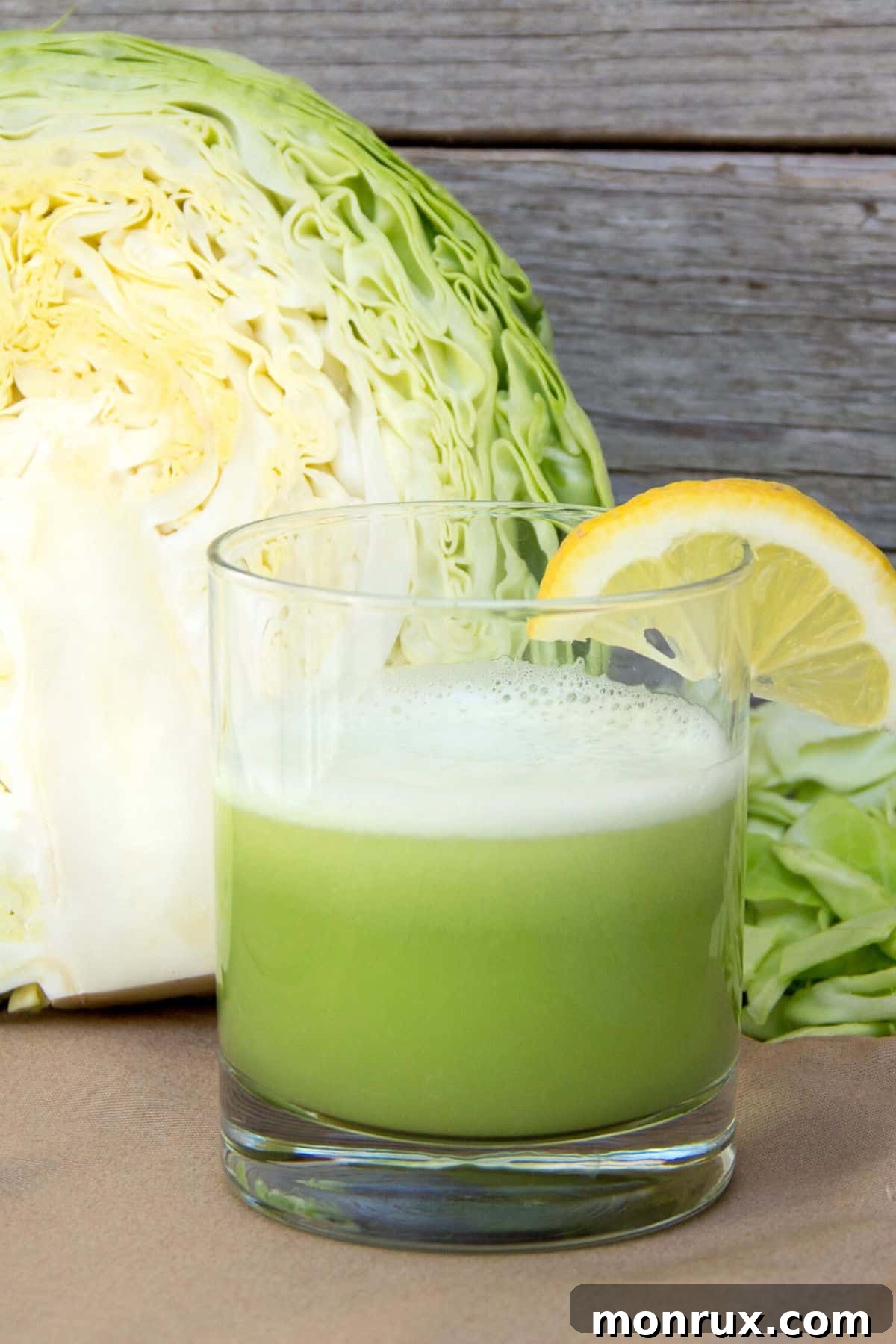
Cabbage, often overshadowed by trendier vegetables like kale, still holds its own as a powerhouse of nutrition and an excellent choice for juicing. This humble cruciferous vegetable plays a crucial role in promoting health, capable of helping to protect against oxidative stress, thereby limiting the progression of heart disease and aiding in cancer prevention. Furthermore, cabbage can significantly help prevent inflammation throughout the body and contains beneficial soluble fiber, which is essential for a thriving, healthy gut (for more on this, see my list of the best gut healing foods).
Cabbage juice has a strong, distinct flavor that is typically best enjoyed when paired with a sweeter, more mellow counterpoint. Crisp apples and naturally sweet carrots are ideal choices, as they beautifully balance cabbage’s robust taste. Fresh orange juice also works remarkably well, adding a bright, citrusy sweetness that creates a more palatable and enjoyable drink.
Experiment with my dedicated recipe for Cabbage Juice using green cabbage, or for a visually stunning and equally nutritious option, try my Purple Cabbage Juice recipe.
13. Sweet Potatoes

While you might not immediately think of juicing sweet potatoes, it’s a truly ingenious way to harness the incredible array of nutrients they contain! Recognized as a genuine superfood, sweet potatoes are an exceptional source of beta-carotene (a precursor to vitamin A), along with impressive amounts of vitamins A, B6, and C, plus essential minerals like potassium and dietary fiber. This makes them excellent for vision, immunity, and overall vitality.
One of their best attributes is their delicious, natural sweetness! The juice they produce stands out from most vegetable juices due to its wonderfully creamy texture. It’s delightful when enjoyed on its own, but its adaptable flavor also lends itself beautifully to a wide variety of combinations. Try mixing sweet potato juice with carrot juice for an enhanced beta-carotene boost or with citrus juice for a zesty, bright flavor. It also tastes incredible with the addition of warming spices, especially cinnamon, anti-inflammatory turmeric, and zesty ginger, creating a comforting and highly nutritious beverage. Always peel the sweet potato before juicing its vibrant orange flesh raw.
14. Wheatgrass

Wheatgrass, the vibrant young shoots of the wheat plant, has soared in popularity for juicing due to its astounding nutritional density. Rich in a vast array of vitamins (A, C, E, K, B-complex) and minerals (iron, magnesium, calcium), it may significantly help to lower blood sugar levels and even demonstrates potential in inhibiting cancer cell growth in laboratory studies. It’s often lauded for its powerful detoxifying properties, particularly for the liver.
Wheatgrass definitely has an acquired taste – a unique, pungent flavor that leaves no doubt you are consuming grass. Some describe it as sweet, while others find it bitter, but it is undeniably intense. If you find the flavor challenging, you can easily dilute the juice with refreshing coconut water or add a squeeze of lemon for a brighter taste. It also blends surprisingly well with carrots, apples, grapes, or oranges, which can mask its strong grassy notes and add natural sweetness.
To fully benefit from its potent properties, always consume wheatgrass juice within 15 minutes of making it, as its delicate enzymes degrade quickly. It’s also important to note that despite its name, pure wheatgrass juice is considered gluten-free, as it is derived from the grass itself, not the wheat grain. To get the most out of this powerful green, explore my list of the best wheatgrass juicers, specifically designed to extract juice efficiently from fibrous greens.
15. Lettuce (Romaine)

While its bland cousin, iceberg lettuce, might appear on my list of vegetables to avoid for juicing, Romaine lettuce proudly earns its title as one of the best choices. Romaine is the most nutrient-rich of all common lettuce varieties, containing a wide array of vitamins (especially A and K) and minerals. Notably, it boasts folate levels comparable to those found in powerhouse leafy greens like spinach and kale, making it excellent for cell function and overall health.
Romaine juice is exceptionally refreshing, hydrating, and remarkably mild in flavor. This makes it an ideal mixing agent; you can blend it with other juices without significantly altering their taste. For a savory and alkalizing green juice, try combining it with celery or cucumber juices. If you prefer a sweeter treat, mix it with crisp apple juice or vibrant orange juice, creating a delightfully light and nutritious beverage. Its high water content also ensures a good juice yield.
16. Mint
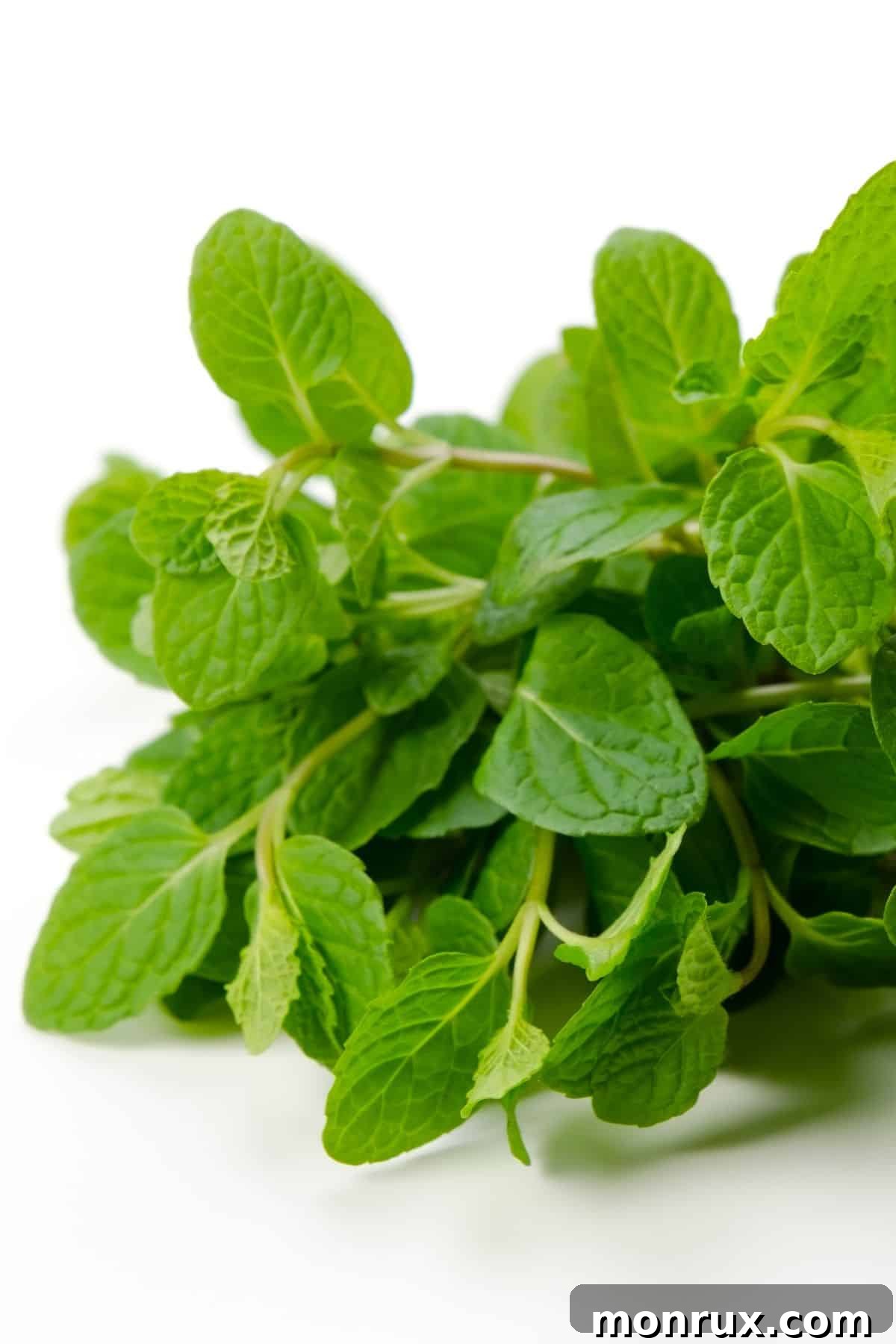
The health benefits of consuming fresh mint are impressively vast and varied. These small, aromatic green leaves possess significant antimicrobial and anti-inflammatory properties. They also offer protective effects against certain cancers and actively support cardiovascular health. Mint is particularly renowned for its excellent digestive aid capabilities, soothing upset stomachs and promoting healthy digestion. You can learn more about its soothing properties with my recipe for how to make mint tea from fresh mint leaves.
In the context of juicing, mint truly shines when combined with other ingredients, as its potent flavor can be quite strong on its own. It pairs beautifully with a range of produce, including other leafy green vegetables like spinach or kale, hydrating cucumber, or naturally sweet apples. For a surprisingly delightful and refreshing combination, try juicing mint with fresh pineapple, creating a vibrant and invigorating drink that’s perfect for warm weather or a digestive boost.
17. Parsley
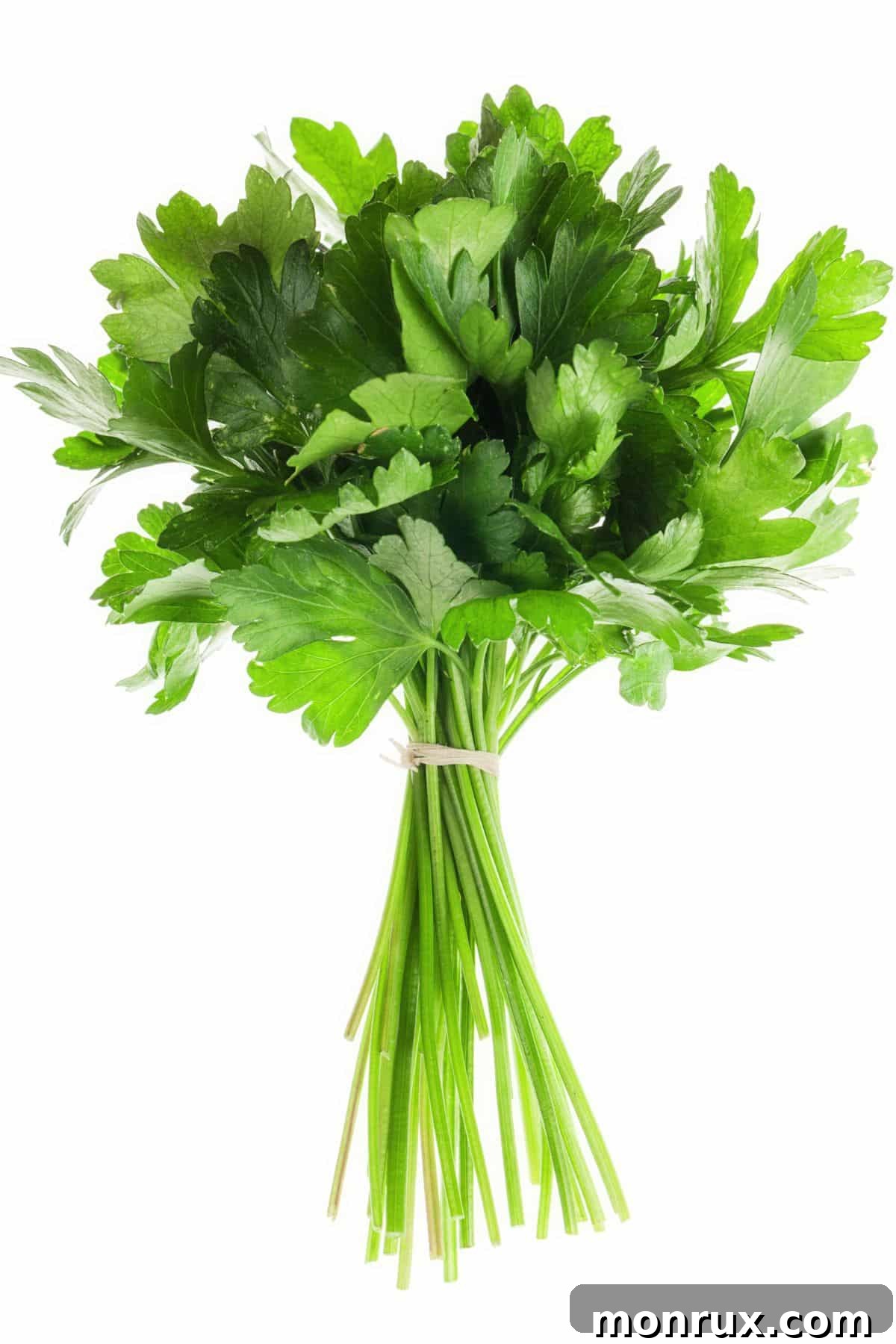
Far more than just a decorative garnish, parsley is a powerhouse herb with an abundance of health benefits to offer when incorporated into your diet, especially through juicing. It has been shown to be useful in preventing cardiovascular disease and is incredibly rich in potent antioxidants. Furthermore, parsley is packed with vitamin K, a critical nutrient that plays a vital role in blood clotting and robustly supports bone health.
Both the delicate, feathery leaves and the fibrous stems of parsley can be efficiently juiced, ensuring you extract maximum nutrients. Its fresh, slightly peppery flavor blends wonderfully with other nutrient-dense vegetables. It tastes great when paired with spinach, kale, or carrots, adding a refreshing green note. For those who prefer a sweeter juice, try combining parsley with crisp apples, which perfectly balance its herbaceous notes.
To experience a truly refreshing and beneficial blend, try my favorite Parsley Juice recipe, which harmoniously combines parsley with apple, cucumber, and lemon for a balanced and invigorating drink.
18. Cilantro
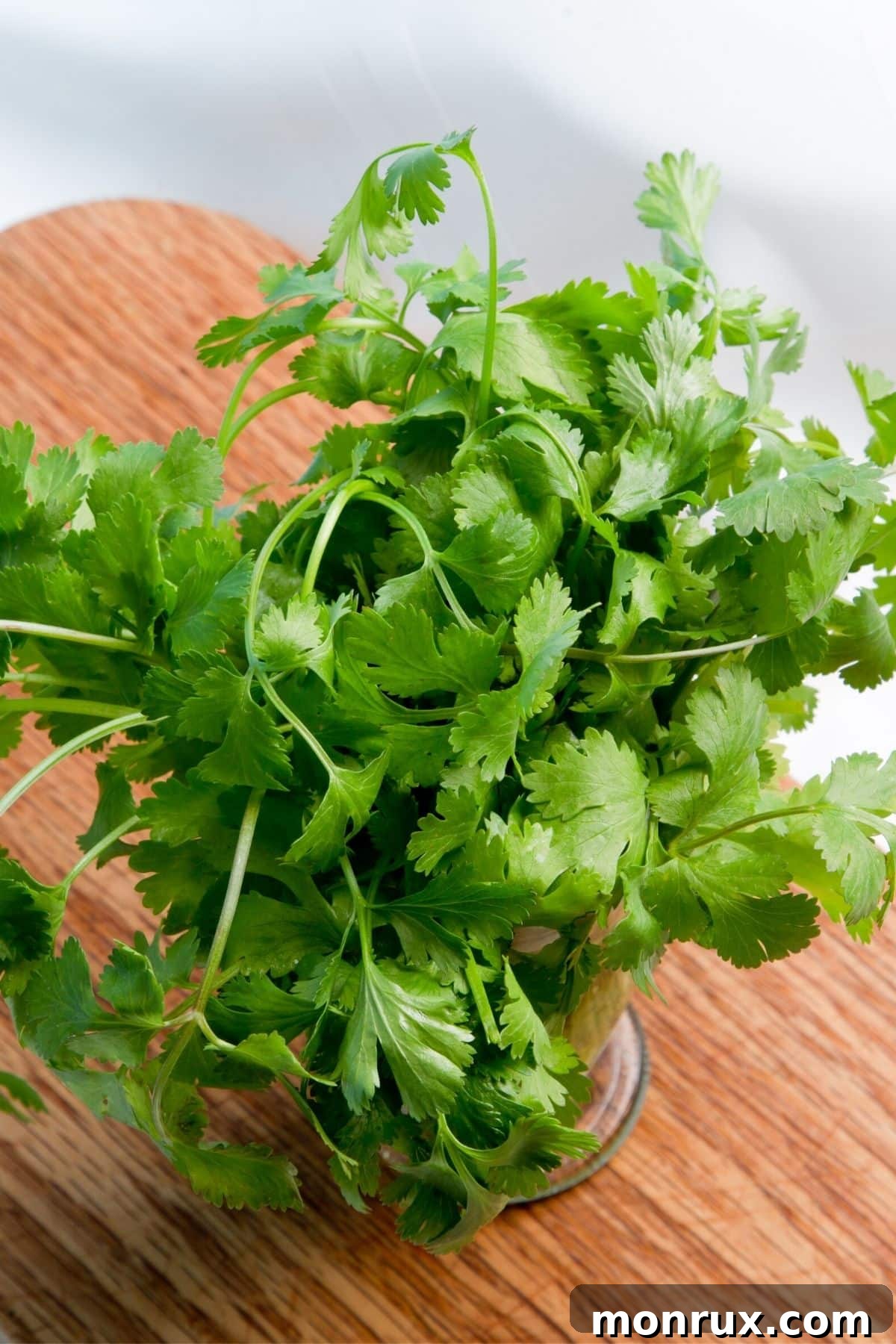
Love it or find its flavor challenging, there’s no denying that cilantro makes a remarkably healthy and beneficial addition to your juicing repertoire! This aromatic herb is more than just a flavor enhancer; its leaves contain a wide spectrum of vitamins (especially K and A) and essential minerals. Furthermore, studies have indicated that cilantro may help improve memory and offer neuroprotective effects, potentially making it useful in the fight against neurodegenerative diseases like Alzheimer’s.
Juicing cilantro is an excellent way to incorporate more of this powerful herb into your daily diet. If you are one of those individuals who perceive its flavor as somewhat “soapy,” don’t despair! Its unique taste can be beautifully balanced by juicing it with refreshing cucumber, zesty ginger, and bright lime juice, which together create a more harmonious and palatable blend. Both the delicate leaves and the robust stems of cilantro are suitable for juicing, ensuring you extract all its goodness. Always remember to wash it thoroughly before adding it to your juicer to remove any impurities.
19. Broccoli
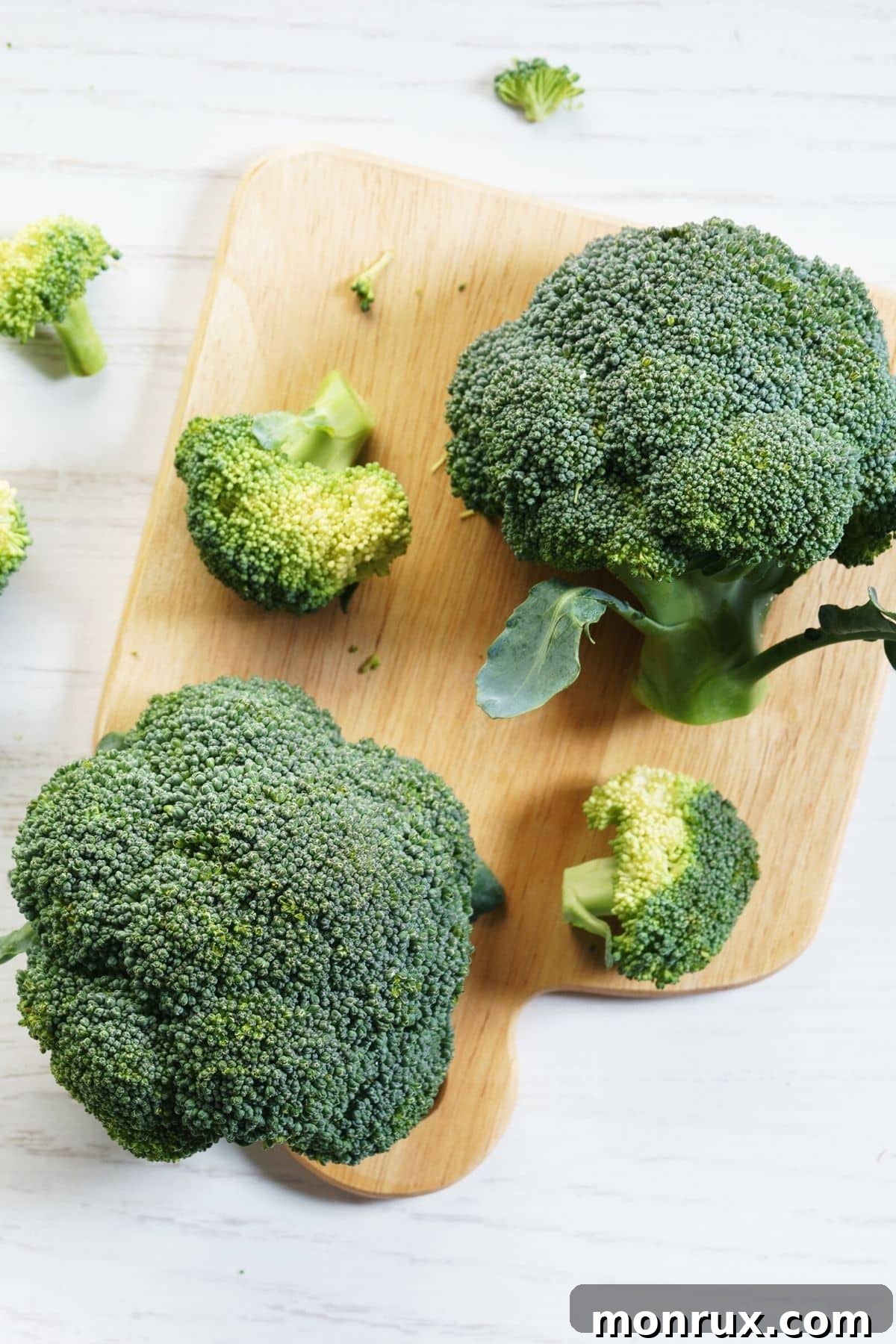
Few foods are quite as nutritious and beneficial as broccoli, making it a powerful contender for your juicing blends! All parts of this remarkable cruciferous vegetable – including the florets, leaves, and stems – possess potent antioxidant properties and offer significant protection against various cancers due to compounds like sulforaphane. As an excellent source of vitamin C, broccoli can also effectively reduce inflammation in the body, help control blood sugar levels, and crucially promote a healthy gut microbiome.
Straight broccoli juice can be intensely strong in flavor, and its raw form can sometimes be challenging for the body to digest, potentially leading to gas or bloating in sensitive individuals. For these reasons, I highly recommend blending it with other healthy but sweeter ingredients. Crisp apples or sweet carrots are ideal partners, as they beautifully balance broccoli’s robust taste and improve overall palatability. You may also want to incorporate a piece of fresh ginger, which is renowned for its digestive aid properties and can help minimize any potential digestive upsets. Both the florets and the sturdy stems of a head of broccoli can be juiced effectively, ensuring no part of this nutrient-dense vegetable goes to waste.
20. Bok Choy
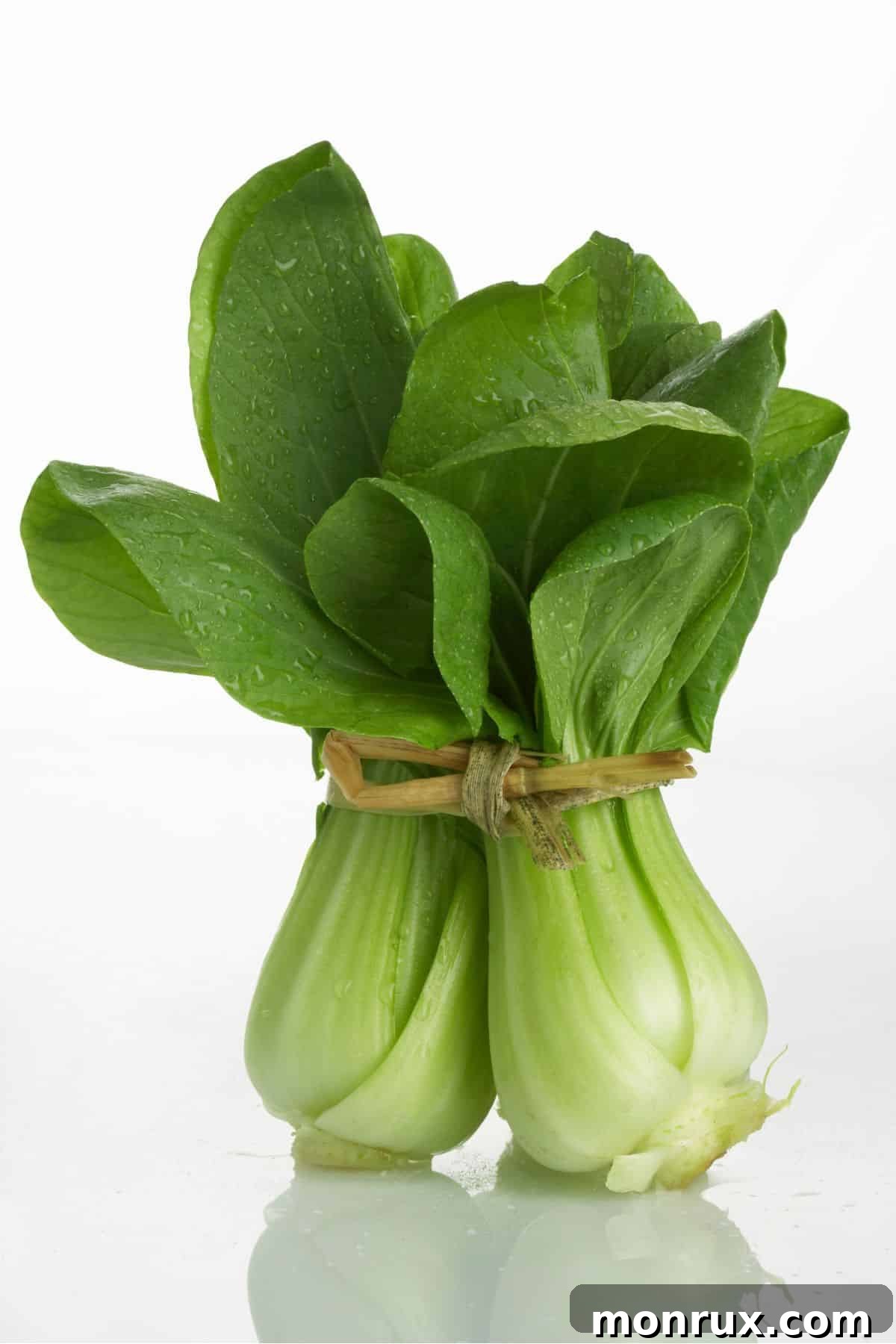
Also recognized as pak choi, this variety of Chinese cabbage is a staple in many Asian cuisines and an excellent choice for juicing due to its numerous health benefits. Bok choy is incredibly rich in essential minerals and vitamins (especially A, C, and K), and also contains a good amount of dietary fiber. Studies have robustly demonstrated that regular consumption of bok choy can significantly reduce the risk of certain cancers and actively help prevent thyroid disease, thanks to its unique phytonutrient profile.
Bok choy is particularly well-suited for juicing because of its relatively mild and slightly sweet flavor. This allows you to enjoy it straight or effortlessly mix it with a variety of other juices without overpowering them. A combination of crisp apples and bok choy yields a fantastic, refreshing taste. It also pairs wonderfully with pear and ginger for a subtly sweet and spicy blend. For a more savory and alkalizing angle, consider mixing it with hydrating cucumber, mild zucchini, and a zesty squeeze of lime, creating a truly revitalizing green juice.
21. Asparagus
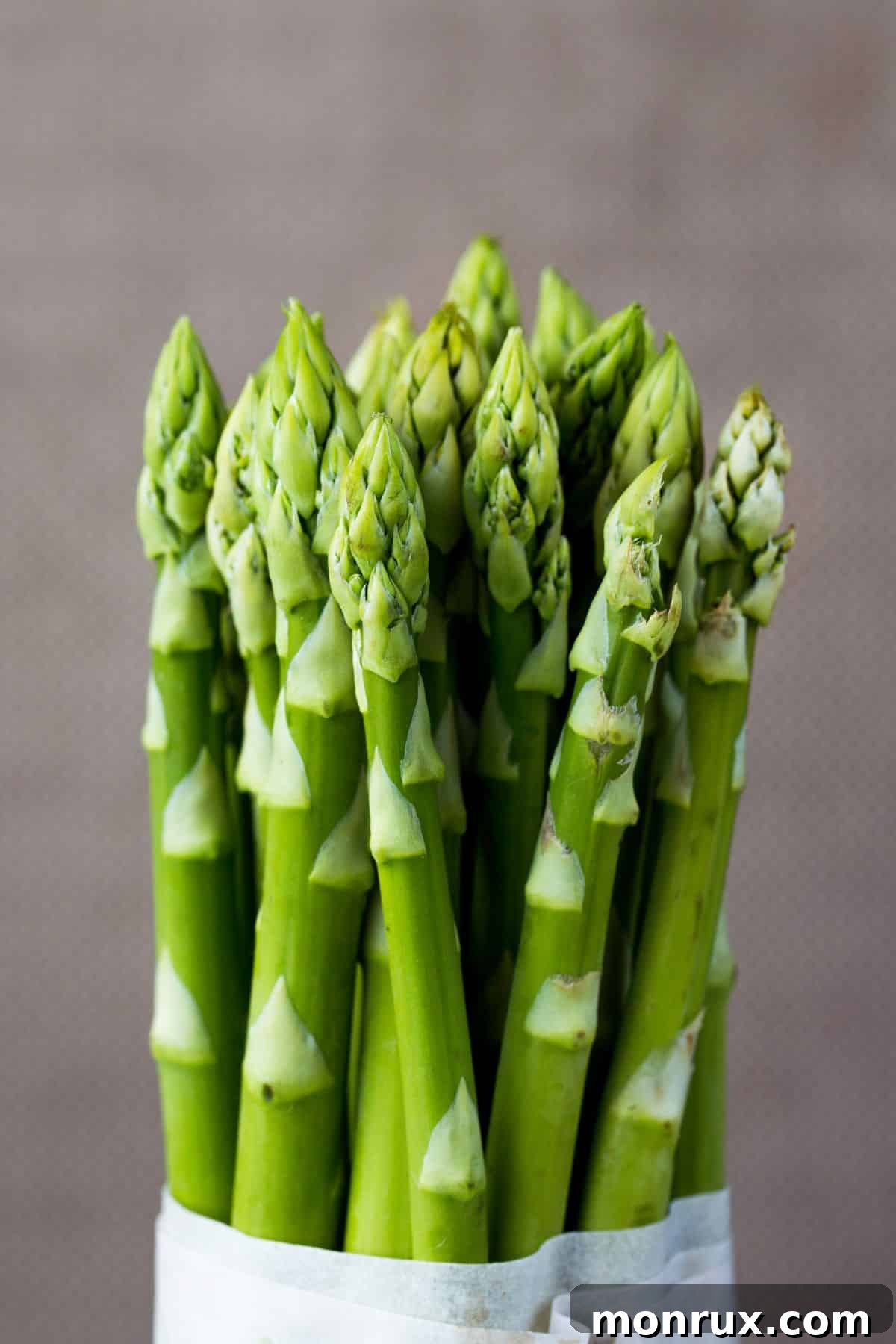
Asparagus spears, the tender young shoots of a cultivated lily plant, are widely regarded as a seasonal delicacy and a fantastic addition to your juicing routine. They are exceptionally high in dietary fiber, folate (crucial for cell growth), and a broad spectrum of vitamins (A, C, E, K, B6). Asparagus also contains high levels of potassium, making it particularly useful in lowering blood pressure and acting as a natural diuretic. Its rich antioxidant profile, including compounds like glutathione, contributes to its detoxifying properties.
The concept of asparagus juice might initially seem unconventional, but considering it’s sold bottled or canned in some parts of the world, its suitability for juicing really depends on cultural perspective! Asparagus juice doesn’t have an overpoweringly strong flavor, but many find that its taste profile significantly benefits from the addition of other ingredients. If you find the straight juice a bit too earthy or subtly grassy for your liking, try juicing it with sweet apples or earthy carrots. These additions can transform it into a surprisingly refreshing and palatable beverage, allowing you to easily enjoy its myriad health benefits.
22. Zucchini
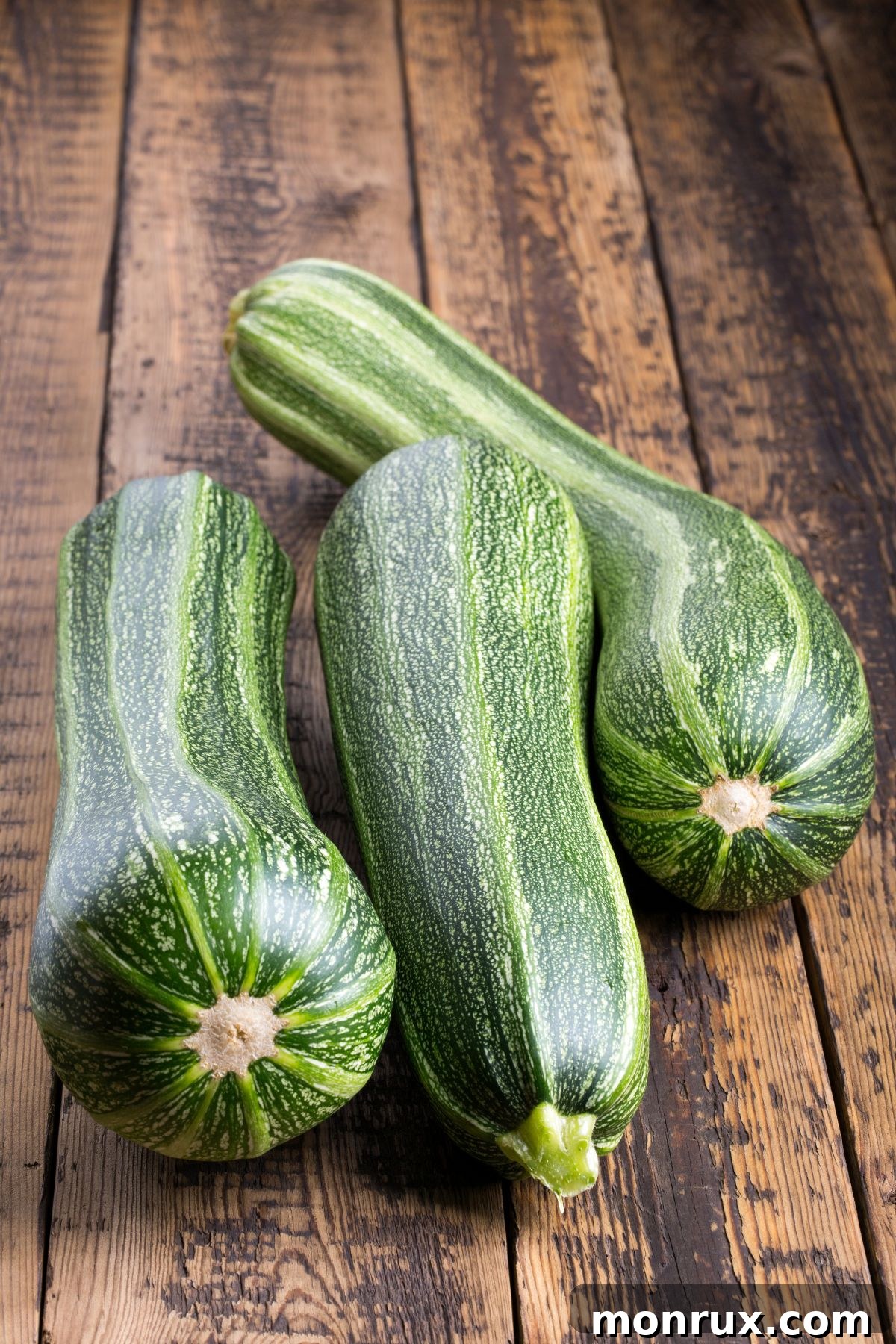
While zucchini might not carry the “superfood” label of some other vegetables, it is undoubtedly a highly beneficial and versatile ingredient worth including in your homemade juices! Also known as summer squash, zucchini is remarkably rich in antioxidants, particularly when consumed raw, and serves as a good source of vitamin C. It also contains beta-carotene, an essential nutrient vital for maintaining eye health, and some research suggests it may help stabilize thyroid hormone levels, contributing to overall endocrine balance.
With its relatively mild and neutral flavor, zucchini seamlessly integrates into both savory and sweet juice recipes, making it an incredibly adaptable base. For a refreshing and slightly spicy blend, try mixing it with fresh ginger and bright lemon. For a truly interesting and unique flavor combination, juicing zucchini with crisp apples and invigorating mint yields a surprisingly delicious and revitalizing drink. Beyond juicing, I also love to freeze zucchini to incorporate into my Strawberry Zucchini Smoothie, adding creaminess and nutrients without altering the flavor.
Exploring Beyond the Essentials: Bonus Juicing Vegetables
This extensive list is just the beginning of the best veggies to juice! The world of produce offers endless possibilities for experimentation. Don’t hesitate to try other nutrient-dense options like fresh dill for a unique herbaceous note, vibrant red cabbage for stunning color and antioxidants, or the slightly peppery broccoli rabe. The key is to explore what you enjoy and what’s available seasonally at your local grocery store or farmer’s market. Experiment with various leafy greens and hearty root vegetables to discover your next favorite homemade vegetable juice recipe!
Frequently Asked Questions About Vegetable Juicing
Drinking vegetable juice daily can be a highly beneficial way to significantly increase your nutrient intake and support overall health. However, it’s essential to ensure a wide variety in your vegetable choices to avoid excessive consumption of certain nutrients and to gain a broad spectrum of benefits. Always be mindful that while juicing extracts vitamins and minerals, it typically removes most of the beneficial fiber found in whole vegetables. Opt for juices without added sugars and consider rotating the vegetables you use to ensure a diverse and balanced nutrient profile. As with any significant dietary change, if you have specific health concerns or medical conditions (such as a history of kidney stones), it’s always best to speak to your healthcare provider for personalized recommendations.
Yes, absolutely! You can easily make fresh vegetable juice without a dedicated juicer by using a high-speed blender. Simply blend your desired fruits and vegetables with a small amount of water until the mixture is completely smooth. Once blended, strain the liquid through a fine-mesh strainer, a nut milk bag, or several layers of cheesecloth to separate the pure juice from the pulp. This method is effective and can even retain slightly more fiber than traditional juicing, while still providing a smooth, juice-like consistency. For a complete guide, see my detailed instructions on how to make juice with a blender.
Balancing the bitterness of strong-flavored vegetables like kale is simple and makes your juice much more enjoyable. The most effective strategy is to combine them with sweeter vegetables or fruits. Carrots and apples are excellent choices as they provide natural sweetness without adding too much sugar. Hydrating cucumbers also help dilute strong flavors, creating a milder, more palatable drink. A squeeze of lemon or lime juice can also work wonders, as the acidity surprisingly neutralizes bitterness rather than enhancing it, making bitter greens taste much smoother.
Both juicing and eating whole vegetables offer distinct health advantages, and neither is inherently “better” than the other; they serve different purposes within a balanced diet. Juicing provides a rapid and efficient way to consume a large quantity of concentrated vitamins, minerals, and enzymes, making it easier to absorb nutrients. However, eating whole vegetables is generally superior for maintaining adequate fiber intake, which is crucial for digestive health, regulating blood sugar levels, and promoting satiety. For optimal health, it’s best to incorporate both forms into your diet. Always consult your healthcare provider for personalized dietary advice tailored to your individual needs and health goals.
Vegetables to Avoid When Juicing: The Worst Choices
While juicing is a fantastic way to boost your nutrient intake, not all vegetables are suitable for this method. Some may yield very little juice, others have an overpowering or unpleasant flavor when raw, and some can even cause digestive discomfort. Here are some vegetables you should generally avoid putting through your juicer, along with better alternatives for consumption.
- Mustard greens – These peppery green leaves from the mustard plant are indeed highly nutritious, packed with antioxidants and beneficial phytonutrients. However, when juiced raw, they possess an overpoweringly strong, pungent, and intensely bitter flavor that is incredibly difficult to mask in any juice blend. It often makes the drink unpalatable, even in small quantities.
- Microgreens – Microgreens are the young seedlings of various herbs and vegetables, celebrated as superfoods and a concentrated source of vitamins and minerals. Some varieties contain up to nine times more nutrients than their mature counterparts. The main issue with juicing microgreens is their minuscule yield – you’d need an impractical amount to produce even a tiny shot of juice, making it simply not worth the effort or cost. They are far better enjoyed added fresh to salads, sandwiches, or as garnishes. Learn more about the best microgreens to grow at home for culinary use.
- Avocado – Creamy, delicious, and considered a true superfood, avocados are loaded with healthy fats, fiber, and a wide spectrum of nutrients, including vitamins K, C, B6, and E. However, their unique, rich, and dense texture makes them entirely inappropriate for juicing. Juicers are designed to extract liquid, not emulsify fats. Instead, avocados are perfect for creating incredibly healthy, thick, and satisfying smoothies (like this decadent Avocado Chocolate Smoothie), or enjoyed whole in salads and dips.
- Cauliflower – Another member of the cruciferous vegetable family, cauliflower is rich in vitamin C, vitamin K, and various powerful antioxidants. However, juicing raw cauliflower can be quite difficult for the digestive system, frequently causing significant gas and bloating due to its complex sugars. Moreover, its raw juice has a very strong, sulfurous, and often unpleasant flavor that can be overwhelming and difficult to enjoy. It’s best to save your cauliflower for savory cooked dishes or blend it into smoothies (like this surprisingly tasty Peanut Butter Cauliflower Smoothie), where its flavor is muted.
- Brussels sprouts – Brussels sprouts offer a fantastic nutritional profile, providing a good array of vitamins (including B vitamins and vitamin K), essential minerals, and plenty of dietary fiber. Despite their health benefits, their flavor when juiced raw is exceptionally strong, pungent, and sulfurous – far more intense and less pleasant than when they are cooked. They are much better enjoyed whole, roasted, steamed, or sautéed as part of a meal, where their robust flavor can be properly appreciated.
- Iceberg lettuce – While iceberg lettuce provides a refreshing, crisp texture to your salads, it is primarily composed of water and offers very little in the way of significant nutrients compared to other leafy greens. Juicing it would result in a bland, watery liquid with minimal nutritional value, making it an inefficient choice for your juicer and your health goals. Opt for Romaine or other darker leafy greens instead.
- Rhubarb – Rhubarb is a good source of vitamin K, antioxidants, and fiber. However, it is inherently very sour due to its high oxalic acid content, making it an unpalatable choice for juicing on its own. Furthermore, its exceptionally fibrous texture makes it very difficult for most juicers to process efficiently. Attempting to juice rhubarb can yield very little liquid and potentially damage your juicer, especially slow masticating models. It’s better suited for cooking into tarts, crumbles, or sauces where its tartness can be balanced with sweetness.
More Delicious Vegetable Juice Recipes to Try
Once you’ve mastered the basics and explored some of the best vegetables for juicing, you might be eager to expand your recipe repertoire. Here are some more fantastic vegetable juice recipes that are both nutritious and bursting with flavor, perfect for any time of day:
- Refreshing Carrot and Cucumber Juice
- Powerful Liver Cleanse Juice
- Homemade Tomato Juice
- Immune-Boosting Turmeric Shot
- Balancing Adrenal Cocktail
Essential Juicing Resources
To further enhance your juicing journey and ensure you’re getting the most out of your efforts, explore these valuable resources. They cover everything from choosing the right equipment to advanced juicing techniques.
Final Thoughts on Your Juicing Journey
I sincerely hope this comprehensive guide has not only inspired you but also empowered you to explore and enjoy juicing a wider variety of vegetables! As we’ve seen, the world of vegetable juices offers an abundance of wonderful flavor combinations and incredible health benefits. By choosing nutrient-dense ingredients, you can significantly enhance your health, boost your energy, and support your overall well-being in countless ways. Don’t be afraid to experiment, discover new favorites, and make juicing a vibrant part of your healthy lifestyle.
Don’t forget to join my exclusive newsletter list to receive clean eating recipes, expert tips, and wellness insights directly to your inbox. It’s 100% free, spam-free, and you can unsubscribe anytime.
About the Author: Carrie Forrest holds a master’s degree in public health with a specialization in nutrition and is a certified holistic nutritionist. She is the founder of a leading wellness and food blog, attracting over 5 million visitors annually. Carrie’s inspiring journey of recovery from chronic illness fuels her passion for empowering other women to transform their health through wholesome nutrition. Connect with her via her contact form for more insights and guidance.
Note: This post is for informational purposes only and should not be considered medical advice. Please consult your healthcare provider for personalized recommendations pertinent to your individual health situation and medical history.