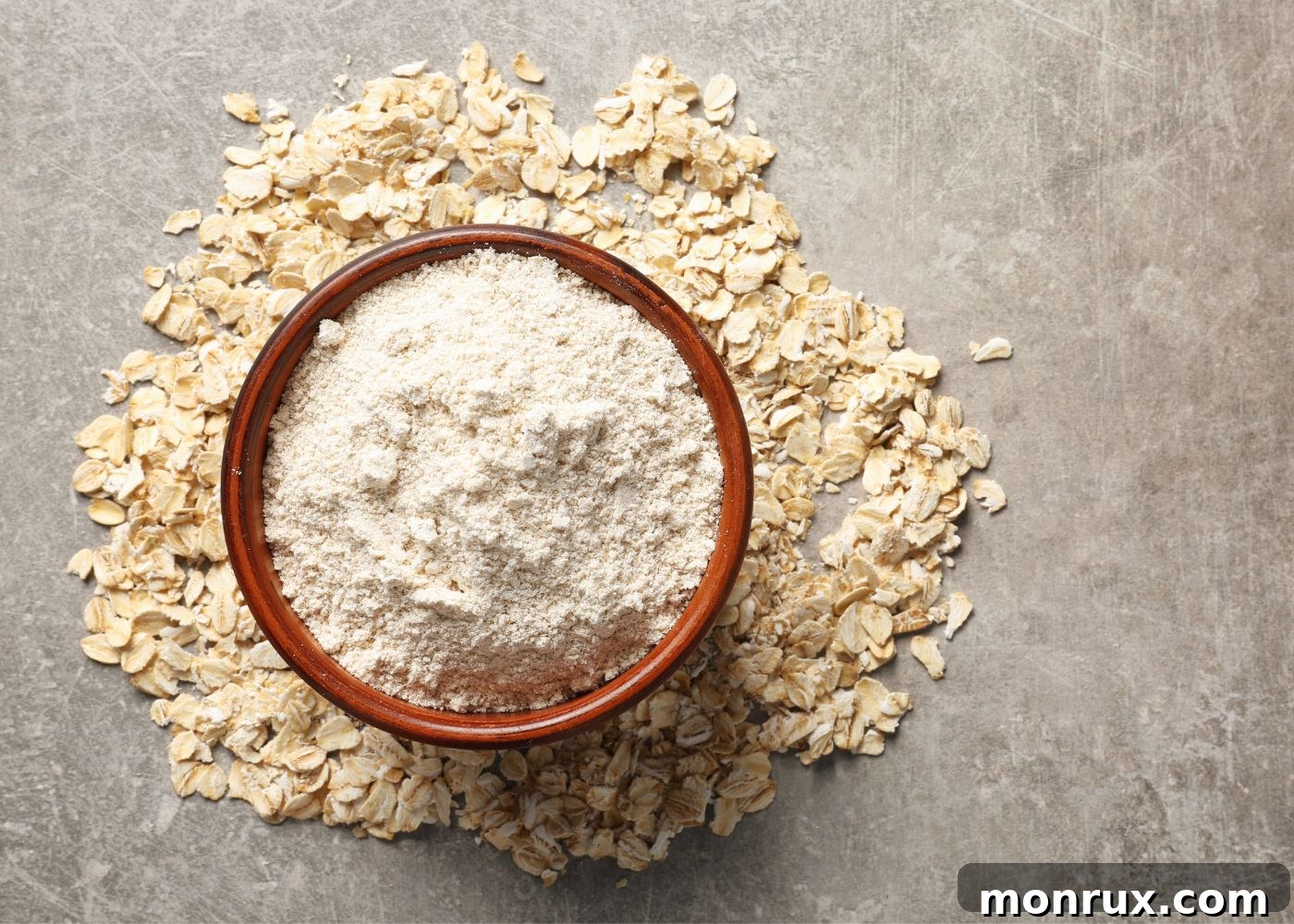
Oat flour, a remarkably versatile ingredient, is crafted from finely ground rolled oats. Revered in the world of baking, it serves as an excellent gluten-free alternative to traditional wheat flour, lending a distinct texture and subtle nutty flavor to countless dishes. Its nutritional profile, rich in fiber and essential minerals, makes it a popular choice for health-conscious bakers and those with dietary sensitivities. But what if a beloved recipe calls for oat flour and your pantry shelves are bare? The good news is that you don’t have to put your baking plans on hold. The culinary landscape offers a variety of fantastic oat flour substitutes, ensuring your creations remain delicious and align with your dietary needs.
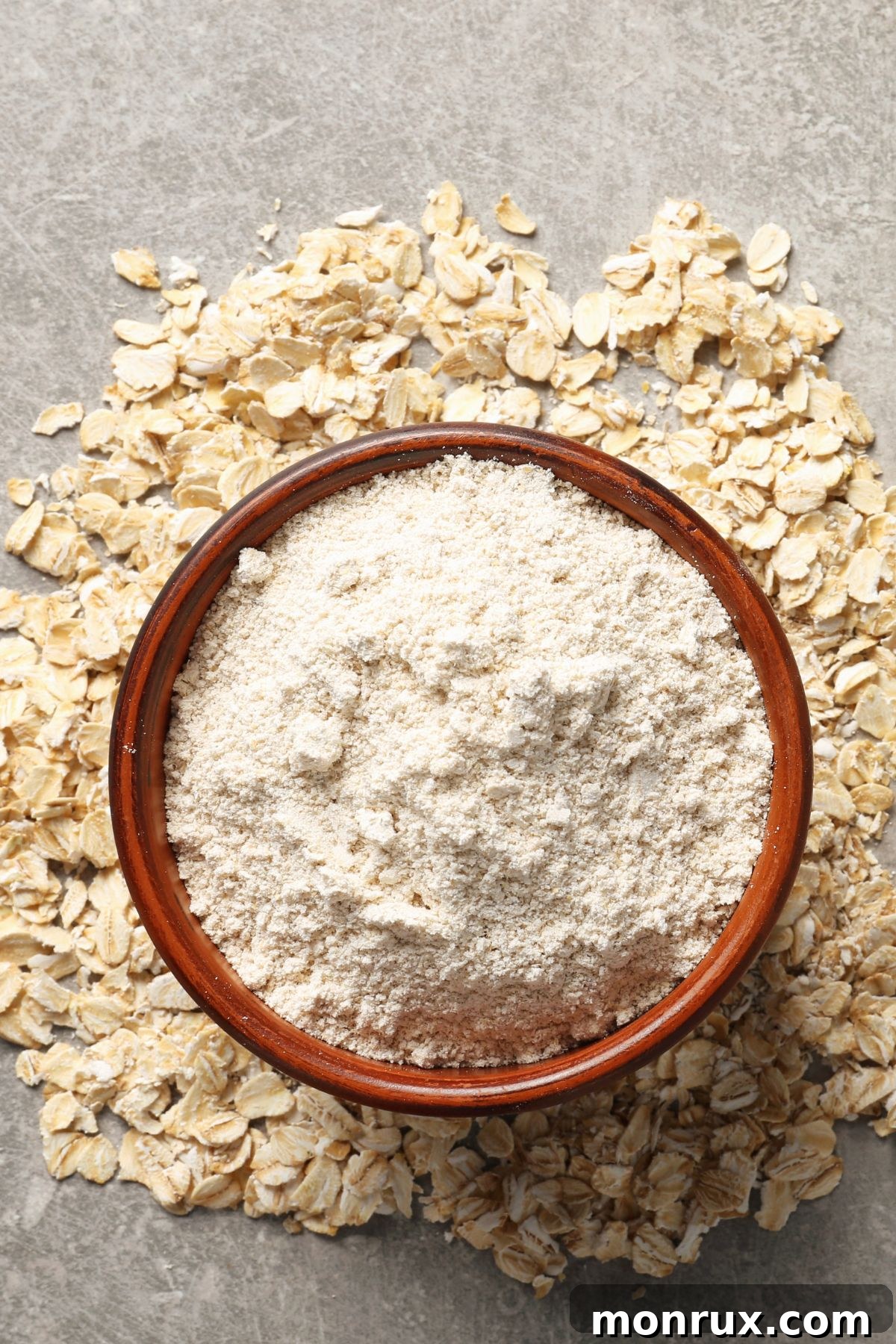
The Best Oat Flour Substitutes for Gluten-Free Baking and Beyond
Oat flour has earned its place as a staple in many kitchens, particularly among those seeking gluten-free alternatives or simply aiming for a more nutritious approach to baking. Its ability to add moisture, a tender crumb, and a delightful chewiness to baked goods makes it unique. However, its popularity also means that it can sometimes be difficult to find, or you might just run out at the most inconvenient time. Understanding suitable replacements is key to ensuring your culinary adventures never hit a snag.
Why You Might Need an Oat Flour Substitute
There are several compelling reasons why you might find yourself searching for an oat flour substitute. Perhaps you’re experimenting with new dietary restrictions, such as a stricter gluten-free diet, or you’re exploring different flavors and textures in your baking. Availability can also be a factor; some specialty flours are not always stocked in local grocery stores. Regardless of your reason, having a comprehensive list of effective alternatives at your fingertips can transform a potential baking crisis into an opportunity for culinary creativity. From ensuring your recipes remain gluten-free to simply using what you have on hand, these substitutes are invaluable for any home baker.
Top Oat Flour Substitutes for Every Baker
When a recipe calls for oat flour, and you don’t have it readily available, don’t despair! Many excellent alternatives can step in, offering similar results and sometimes even adding unique characteristics to your final product. From simple pantry staples to specialized gluten-free options, here are the best oat flour substitutes, complete with usage tips and substitution ratios to help you bake with confidence.
1. Rolled Oats (Homemade Oat Flour)
The absolute best substitute for oat flour is, without a doubt, making your own. If you have rolled oats (also known as old-fashioned oats) in your pantry, you are just minutes away from fresh oat flour. This method not only guarantees you a truly gluten-free product if you use certified gluten-free oats, but it also allows you to control the fineness of the grind, which can influence the texture of your baked goods. Oats are a powerhouse of nutrition, offering an excellent source of soluble fiber, which aids digestion, and essential minerals like iron and magnesium. Homemade oat flour retains all these benefits, making it an incredibly wholesome choice. Avoid using steel-cut oats or oat groats as they are too coarse and won’t blend into a fine flour suitable for baking.
To substitute one cup of oat flour, use one cup of rolled oats, finely ground in a blender or food processor.
2. All-Purpose Flour
For those without gluten sensitivities, conventional all-purpose flour is a convenient and widely available alternative. Made from a blend of hard and soft wheat, it possesses a balanced protein content that makes it suitable for a vast array of baked goods, from fluffy cakes and chewy cookies to sturdy muffins and artisan breads. While it doesn’t offer the unique flavor or nutritional profile of oat flour, its neutral taste and reliable structure make it a dependable stand-in. Keep in mind that all-purpose flour behaves differently in terms of liquid absorption compared to oat flour, which tends to absorb more moisture. Therefore, a slight adjustment in quantity is necessary.
To substitute one cup of oat flour, use 3/4 cup of all-purpose flour. This adjustment helps prevent your baked goods from becoming too dry or dense.
3. Gluten-Free All-Purpose Baking Flour Blend
If maintaining a gluten-free status is paramount, a high-quality gluten-free all-purpose baking flour blend is an excellent choice. These blends are typically formulated from a combination of gluten-free grains and starches, such as rice flour, potato starch, tapioca starch, and sometimes sorghum or millet flour, often with the addition of xanthan gum to mimic the elasticity of gluten. The primary advantage of these blends is their convenience; they are designed to be a direct, cup-for-cup replacement for wheat flour or, in this case, oat flour, in many recipes. This makes them incredibly user-friendly, removing much of the guesswork from gluten-free baking. Brands like Bob’s Red Mill Gluten-Free 1-to-1 Baking Flour are highly regarded for their consistent results.
To substitute one cup of oat flour, use one cup of gluten-free all-purpose baking flour.
4. Almond Flour
Finely ground from blanched almonds, almond flour is a popular low-carb and gluten-free flour known for its moist texture and rich, nutty flavor. It’s an exceptional choice for adding depth and tenderness to baked goods like macarons, quick breads, and cookies. Beyond its delicious taste, almond flour is packed with protein, healthy fats, and vitamin E, making it a nutritious alternative. Its high fat content means it can make baked goods more tender and moist, but it also absorbs more liquid than traditional flours. This higher absorbency requires a careful adjustment in your recipe to achieve the desired consistency and prevent a gummy texture. It’s often recommended to start with a smaller amount and add more as needed.
To substitute one cup of oat flour, use 3/4 cup of almond flour. Be prepared to slightly increase liquid ingredients or add an extra egg if the batter seems too thick.
5. Buckwheat Flour
Despite its name, buckwheat is not related to wheat and is entirely gluten-free. It’s actually a fruit seed, making it a pseudocereal. Buckwheat flour, made from grinding these small, triangular seeds, boasts a distinctive earthy, nutty flavor that can add a unique dimension to your baking. It’s widely used in crepes, pancakes, and certain types of noodles and breads around the world. Nutritionally, buckwheat flour is a good source of protein, fiber, and various minerals, including manganese and copper. Its robust flavor pairs well with stronger ingredients like chocolate, spices, or dark fruits. It provides excellent structure, though it can sometimes produce a slightly denser texture than oat flour.
To substitute one cup of oat flour, use one cup of buckwheat flour. For lighter textures, you might combine it with another gluten-free flour.
6. Rice Flour (White or Brown)
Rice flour, a staple in many Asian cuisines, is a finely milled flour made from either white or brown rice. It is naturally gluten-free and has become a go-to alternative for individuals with celiac disease or gluten sensitivities. White rice flour is lighter and has a neutral flavor, producing a crisp texture, while brown rice flour retains more of the grain’s nutrients and offers a slightly nutty taste with a coarser texture. Both types are high in resistant starch, a type of fiber that can offer health benefits such as improved gut health. Rice flour can make baked goods somewhat drier and crumbly if used alone, so it’s often best when combined with other flours or when additional moisture is present in the recipe. It’s particularly good for thickening sauces, making shortbread, or in delicate Asian desserts.
To substitute one cup of oat flour, use one cup of rice flour (white or brown).
7. Chickpea Flour (Gram Flour / Besan)
Also known as gram flour or besan, chickpea flour is made from ground chickpeas and is a nutritional powerhouse. It’s naturally gluten-free and exceptionally high in protein and dietary fiber, making it a fantastic choice for adding a nutritional boost to your baking. Chickpea flour is a common ingredient in Indian and Middle Eastern cooking, used in savory dishes like falafel, pakoras, and flatbreads, but it can also be incorporated into baked goods. It has a distinct, earthy, and slightly savory flavor that can be quite strong. Therefore, it’s best utilized in recipes that can stand up to its robust profile, such as savory muffins, flatbreads, or dense, spiced cakes, where its unique taste can be an asset rather than a distraction. It also provides excellent binding properties.
To substitute one cup of oat flour, use 3/4 cup of chickpea flour. Its strong flavor means you might want to blend it with a milder flour for some recipes.
8. Tigernut Flour
Tigernut flour is an ancient superfood flour, gluten-free, grain-free, and nut-free, making it an excellent option for those with multiple allergies. It’s made from ground tigernuts, which are small, fiber-rich root vegetables, not actual nuts. Tigernut flour has a naturally sweet, slightly nutty, and earthy flavor, reminiscent of coconut and almonds, which adds a unique taste to baked goods. Its slightly sticky texture works well in cookies, cakes, and breads, helping to bind ingredients and add moisture. It’s also a great source of prebiotic fiber, beneficial for gut health. While it might be less common in mainstream supermarkets, it’s increasingly available online and in health food stores. Its natural sweetness means you might be able to reduce the sugar content in your recipes.
To substitute one cup of oat flour, use one cup of tigernut flour.
9. Cassava Flour
Derived from the whole cassava root, cassava flour is another fantastic gluten-free and grain-free alternative. Unlike tapioca starch (which is extracted from the same root), cassava flour utilizes the entire root, resulting in a flour that is higher in fiber and boasts a consistency surprisingly similar to wheat flour. It has a mild, slightly sweet taste and a fine, soft texture that blends seamlessly into a wide range of recipes, from breads and pancakes to cookies and other baked delights. Its neutral flavor and binding capabilities make it one of the most versatile gluten-free flours. When combined with other gluten-free flours, cassava flour can produce remarkably light and fluffy baked goods, often indistinguishable from their wheat-based counterparts.
To substitute one cup of oat flour, use one cup of cassava flour.
Comparing Oat Flour Substitutes: Pros and Cons
Choosing the right oat flour substitute depends on your dietary needs, the specific recipe, and the desired texture and flavor. This table provides a quick overview of the advantages and disadvantages of each alternative, helping you make an informed decision for your next baking project.
| Substitute | Pros | Cons |
|---|---|---|
| Rolled Oats (Homemade) | Fresh, retains all oat benefits, customizable fineness, excellent fiber source. | Requires grinding equipment, may yield a slightly coarser texture than commercial flour. |
| All-purpose Flour | Widely available, neutral flavor, familiar baking properties, cost-effective. | Contains gluten (not suitable for gluten-free diets), different liquid absorption. |
| Gluten-free Baking Flour | Direct 1:1 replacement, specifically designed for gluten-free baking, convenient. | Composition varies by brand, results can differ, often more expensive. |
| Almond Flour | Moist texture, rich nutty flavor, high in protein and healthy fats, low-carb. | More absorbent, requires recipe adjustments (less flour or more liquid), higher calorie content. |
| Buckwheat Flour | Gluten-free, distinctive earthy-nutty flavor, nutrient-dense (fiber, protein). | Strong flavor may not suit all recipes, can result in denser baked goods. |
| Rice Flour | Gluten-free, neutral flavor (white), good for crisp textures. | High in starch, can make baked goods dry or crumbly if not combined, may require more liquid. |
| Chickpea Flour | High in protein and fiber, gluten-free, good binder. | Strong, savory flavor (best for specific recipes), can be dense. |
| Tigernut Flour | Gluten-free, grain-free, nut-free, naturally sweet, good source of prebiotic fiber. | Less common, potentially harder to find, unique flavor profile. |
| Cassava Flour | Gluten-free, grain-free, neutral flavor, similar texture to wheat flour, high in fiber. | Can be sticky, absorbs a lot of moisture, may yield a slightly grainy texture. |
Understanding Oat Flour: Benefits and Uses
Oat flour is a wonderfully versatile ingredient that has gained immense popularity, especially in the health-conscious baking community. Its subtle nutty flavor and slightly coarse yet tender texture contribute uniquely to various recipes. Beyond taste and texture, oat flour offers significant nutritional advantages. It is an excellent source of soluble fiber, particularly beta-glucans, which are known for their cholesterol-lowering properties and ability to regulate blood sugar levels. Additionally, oat flour provides a good amount of protein, B vitamins, and essential minerals like manganese, phosphorus, magnesium, and iron. When made from certified gluten-free oats, it becomes an invaluable resource for gluten-free baking, opening up a world of possibilities for those with dietary restrictions.
How Oat Flour is Used in Baking
Oat flour excels in recipes where you desire a tender, chewy crumb and a hint of rustic flavor. It’s a fantastic choice for making moist muffins, soft cookies, hearty pancakes, and tender quick breads. Due to its high fiber content and unique molecular structure, oat flour absorbs more moisture than traditional wheat flour, which means recipes often require additional liquid to achieve the correct consistency. This absorbent quality helps create baked goods that stay moist and fresh for longer. It can also be used as a natural thickener in soups, stews, and gravies, or added to smoothies for an extra nutritional boost. When experimenting, start by replacing a portion of wheat flour with oat flour to get accustomed to its properties before going for a full substitution.
Making Your Own Oat Flour at Home
Making oat flour at home is incredibly simple and cost-effective, ensuring you always have fresh, high-quality flour on hand. All you need are rolled oats (old-fashioned oats) and a high-speed blender or food processor. Simply add the oats to your appliance and blend on high until a fine, powdery flour forms. It’s important not to over-blend, as this can generate heat and begin to cook the oats, which isn’t ideal for raw flour. Stop blending once you achieve a consistent flour-like texture, usually within 30 seconds to a minute, depending on your equipment. For truly gluten-free oat flour, always use oats that are certified gluten-free to avoid cross-contamination.
Frequently Asked Questions About Oat Flour Substitutes
While oats themselves are naturally gluten-free, they can often be cross-contaminated with gluten-containing grains like wheat, barley, or rye during farming, harvesting, transportation, or processing in facilities that handle other grains. Therefore, if you require a strict gluten-free diet due to celiac disease or severe gluten sensitivity, it is crucial to choose oat flour products that are explicitly labeled as “certified gluten-free.” This certification ensures they have been processed in dedicated gluten-free facilities and meet strict purity standards.
Yes, you can absolutely use quick-cooking oats to make your own oat flour. Quick-cooking oats are simply rolled oats that have been pre-steamed and rolled thinner, resulting in a quicker cooking time. Because they are already thinner and partially processed, they will likely require less blending time in your food processor or blender compared to old-fashioned rolled oats to achieve a fine flour consistency. Just be careful not to over-blend to prevent heating the flour.
Using coconut flour as a direct substitute for oat flour is generally not recommended as it’s considerably more challenging. Coconut flour is extremely absorbent, far more so than oat flour, and typically requires a significant increase in liquid and often additional eggs in a recipe. A small amount of coconut flour can absorb a surprising amount of moisture, leading to very dry or crumbly baked goods if the recipe isn’t drastically adjusted. It’s often best to stick to the alternatives listed above that have a more comparable absorption rate to oat flour.
Oat flour imparts a distinct, slightly nutty and wholesome flavor to baked goods. In terms of texture, it tends to create a wonderfully tender and moist crumb, often resulting in a chewiness that is highly desirable in cookies, muffins, and quick breads. Its high fiber content contributes to this tenderness and also helps retain moisture, keeping your baked goods fresh for longer. However, due to its absorbency, it can sometimes lead to denser results if not enough liquid is added to the recipe, so balancing moisture is key when baking with oat flour.
Beyond Substitutes: More Baking Resources
More Articles About Substituting Ingredients
Don’t forget to join my newsletter list to get exclusive clean eating recipes and tips directly to your inbox. The newsletter is 100% free with no spam; you can unsubscribe anytime. Happy baking!
About the Author: Carrie Forrest holds a master’s degree in public health with a specialization in nutrition and is a certified holistic nutritionist. She is a prominent wellness and food blogger, attracting over 5 million annual visitors to her site. Carrie shares an inspiring story of recovery from chronic illness and is deeply passionate about empowering other women to transform their health through nourishing food. You can connect with her through her contact form for questions or collaborations.