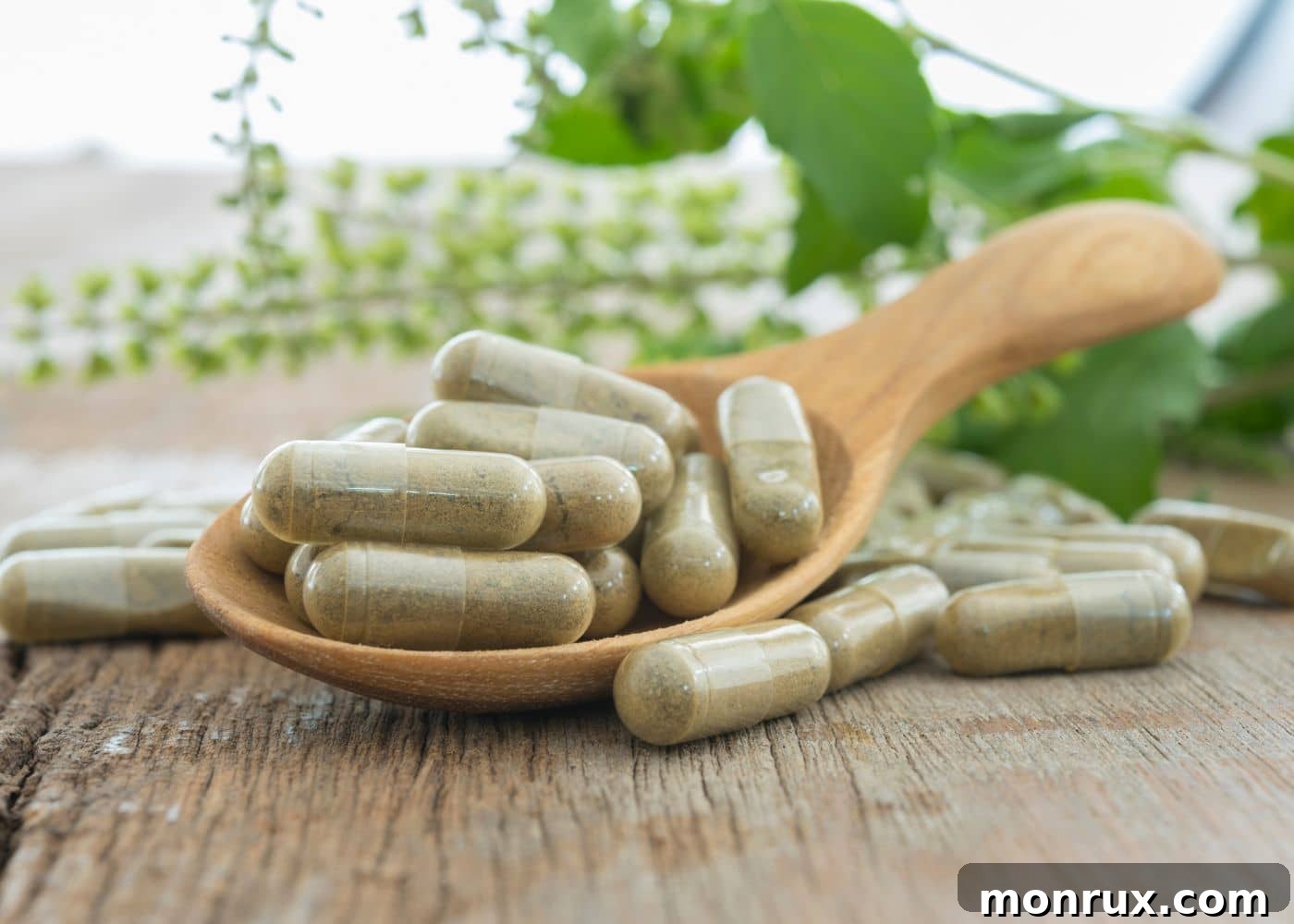
In the quest for optimal well-being, gut health has emerged as a cornerstone of overall vitality. A balanced gut microbiome, teeming with beneficial bacteria, plays a crucial role in everything from digestion and nutrient absorption to immune function and even mood regulation. This growing understanding has led many to consider incorporating probiotics into their daily routine. However, for individuals adhering to a vegan lifestyle or those with dairy sensitivities and allergies, a critical question often arises: Are all probiotic supplements and foods truly dairy-free? Navigating the world of probiotics can be complex, but this comprehensive guide aims to demystify the process, empowering you to make informed choices for your gut health journey without compromising your dietary needs.
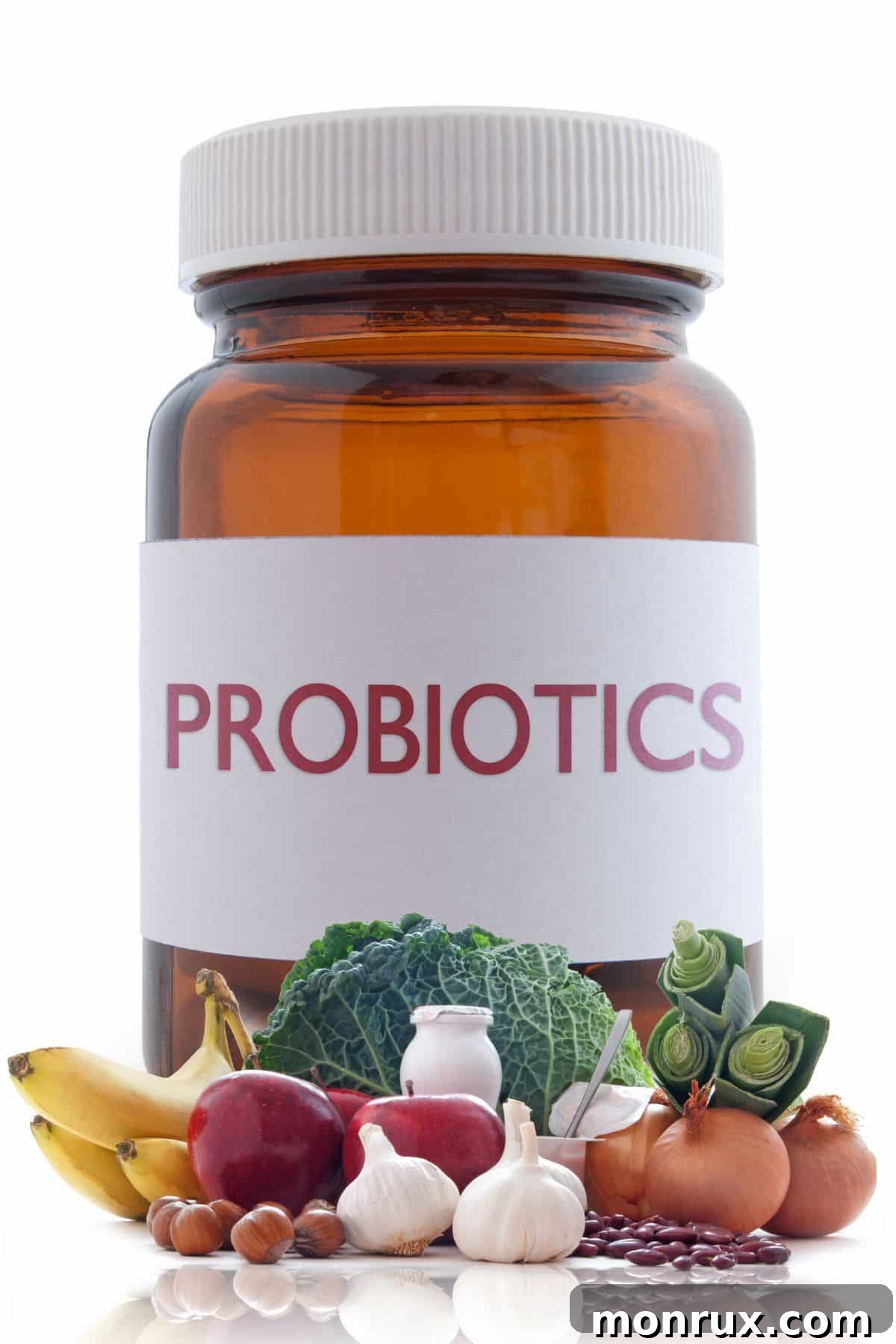
Understanding Probiotic Supplements and Their Role in Gut Health
The term “probiotic” originates from the Greek phrase “pro bios,” meaning “for life.” This etymology perfectly encapsulates the essence of these microscopic allies. Probiotics are defined as live microorganisms, primarily specific strains of bacteria and yeasts, which, when administered in adequate amounts, confer a health benefit on the host.
Within your digestive system, a complex ecosystem known as the gut microbiome thrives. It comprises trillions of microorganisms, both beneficial and potentially harmful. Probiotics are the “good” or “friendly” bacteria that help maintain a healthy balance within this ecosystem. While naturally present in your gut, various factors can disrupt this delicate equilibrium. Illnesses, stress, dietary changes, and especially the use of certain medications like antibiotics, can deplete beneficial bacteria. In such scenarios, introducing external probiotics through foods or supplements can be highly effective in restoring balance, supporting digestive function, and promoting overall health.
The health benefits attributed to probiotics are diverse, with scientific research continually expanding our understanding. Some of the most well-supported claims include their efficacy in managing and controlling certain types of diarrhea, particularly antibiotic-associated diarrhea. Furthermore, specific probiotic strains have shown promise in alleviating symptoms of Irritable Bowel Syndrome (IBS), such as bloating, abdominal pain, and irregular bowel movements. Emerging research also explores their potential role in enhancing immune responses, reducing inflammation, and even influencing mental health through the gut-brain axis. While claims regarding conditions like eczema or the common cold may have less robust scientific backing and are often anecdotal, the general consensus is that probiotics are safe for most individuals with healthy immune systems, making them a worthwhile consideration for personal experimentation.
When selecting a probiotic supplement, one key metric to consider is the CFU count. CFU stands for Colony-Forming Units, which indicates the number of live and active microorganisms present in each dose. Generally, a higher CFU count is often recommended to ensure a sufficient number of bacteria survive the journey through the digestive tract and colonize the gut. However, the ideal CFU count, as well as the specific probiotic strains (e.g., Lactobacillus, Bifidobacterium), can vary significantly based on your individual health goals and the condition you are aiming to address. Some individuals may benefit from a single-strain probiotic for a targeted effect, while others might thrive on a multi-strain formula. Given the complexity and personalization involved, it is highly advisable to consult with a healthcare professional before adding any new probiotic or dietary supplement to your regimen. They can help you determine the most appropriate type and dosage for your specific needs.
The Hidden Dairy: Where It Might Appear in Probiotics
A common misconception is that probiotics themselves are dairy products. In reality, the live yeasts and bacteria that constitute probiotics are microorganisms, inherently free from dairy components. They are simply living entities, much like those found naturally in our environment and our own digestive systems. The challenge for dairy-free and vegan individuals arises not from the probiotics themselves, but from the way they are processed, formulated, and delivered in supplements and foods.
Probiotic supplements, whether in capsule, powder, or tablet form, require additional ingredients to create a stable, viable, and consumable product. These “inactive ingredients” can unfortunately be derived from dairy. The most frequent culprit is lactose, a milk sugar, which is often used as a filler, binder, or flow agent in capsules and tablets. Other dairy-derived components to watch out for include whey, casein, milk solids, and even milk protein concentrates, which may be present in the coatings or excipients. These ingredients should be meticulously listed on the product label under the “other ingredients” or “inactive ingredients” section.
Beyond the final product formulation, another less obvious point of concern is the manufacturing process. Many probiotic strains are commercially grown on a culture medium. Historically, and often still today, these growth mediums are dairy-based, such as milk or whey. While the probiotic microorganisms are harvested and purified from this medium, the risk of cross-contamination remains, particularly for individuals with severe dairy allergies. For those with lactose intolerance, the minuscule traces of lactose from the growth medium are usually not enough to cause symptoms, as the probiotics themselves consume much of the lactose during fermentation. However, for strict vegans or individuals with a pronounced IgE-mediated dairy allergy, this cross-contamination risk is a significant factor to consider. If a product is not explicitly labeled as vegan or dairy-free certified, it’s wise to inquire about the manufacturer’s specific culturing methods and purification processes.
It’s also important to distinguish between probiotic supplements and probiotic-fortified foods. Many traditional and commercially available fermented foods that contain probiotics are inherently dairy-based. Products like yogurt, kefir, some cheeses, and even certain infant formulas rely on dairy as their base and use probiotic cultures during their production. While these offer fantastic probiotic benefits, they are clearly not suitable for a dairy-free diet. The good news is that with increased consumer demand, the market has responded with an abundance of innovative dairy-free probiotic foods, drinks, and supplements. These alternatives leverage plant-based mediums and ingredients, making them accessible to everyone. For a deeper dive into the health advantages of eliminating dairy, you might find my related article on the benefits of a dairy-free diet insightful.
Embracing Dairy-Free Probiotic Foods for a Healthy Gut
While supplements offer a convenient way to boost your probiotic intake, incorporating probiotic-rich foods into your diet is a delicious and natural approach to nurturing your gut microbiome. Fortunately, the world of dairy-free fermented foods is vibrant and growing, offering a plethora of tasty options to explore.
1. Dairy-Free Yogurt and Kefir
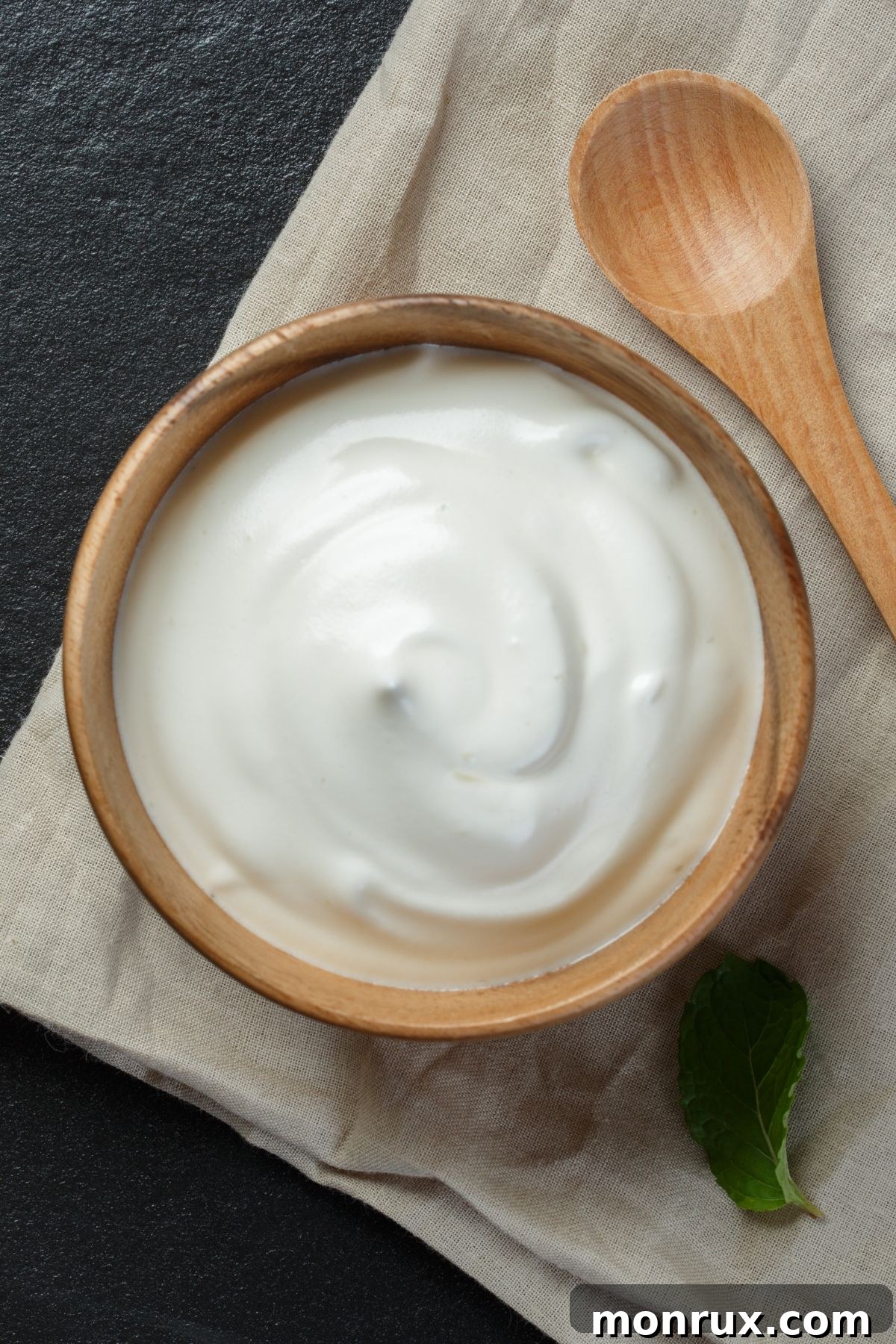
Gone are the days when yogurt and kefir were exclusively dairy products. Today, supermarket shelves are brimming with an exciting array of dairy-free varieties crafted from coconut milk, almond milk, soy milk, oat milk, and cashew milk. These plant-based alternatives are not only delicious but are also often fortified with diverse strains of live and active beneficial bacteria, similar to their dairy counterparts. They serve as excellent bases for smoothies, breakfast bowls, or enjoyed simply on their own. Look for labels that specifically state “live and active cultures” to ensure you’re getting the probiotic benefits.
Probiotic drinks, including various forms of dairy-free kefir and other fermented beverages, have also soared in popularity. They are readily available in the refrigerated section of most grocery stores, offering a quick and refreshing way to consume beneficial bacteria.
2. Sauerkraut
A classic fermented food, sauerkraut is made by lacto-fermenting finely shredded cabbage in its own brine. The naturally occurring Lactobacillus bacteria on the cabbage leaves convert sugars into lactic acid, creating a tangy flavor and preserving the cabbage while also producing a wealth of probiotics. Beyond its probiotic content, sauerkraut is an impressive source of vitamins (especially C and K), minerals, and fiber.
With its distinctive crunchy texture and pleasantly sour taste, sauerkraut is incredibly versatile. It makes a fantastic topping for sandwiches, hot dogs, and salads, and can be incorporated into soups or served alongside roasted vegetables. To maximize probiotic benefits, always choose unpasteurized, refrigerated varieties, as heat pasteurization can destroy the beneficial bacteria. Even better, try making your own at home – numerous simple recipes are available online.
3. Kimchi
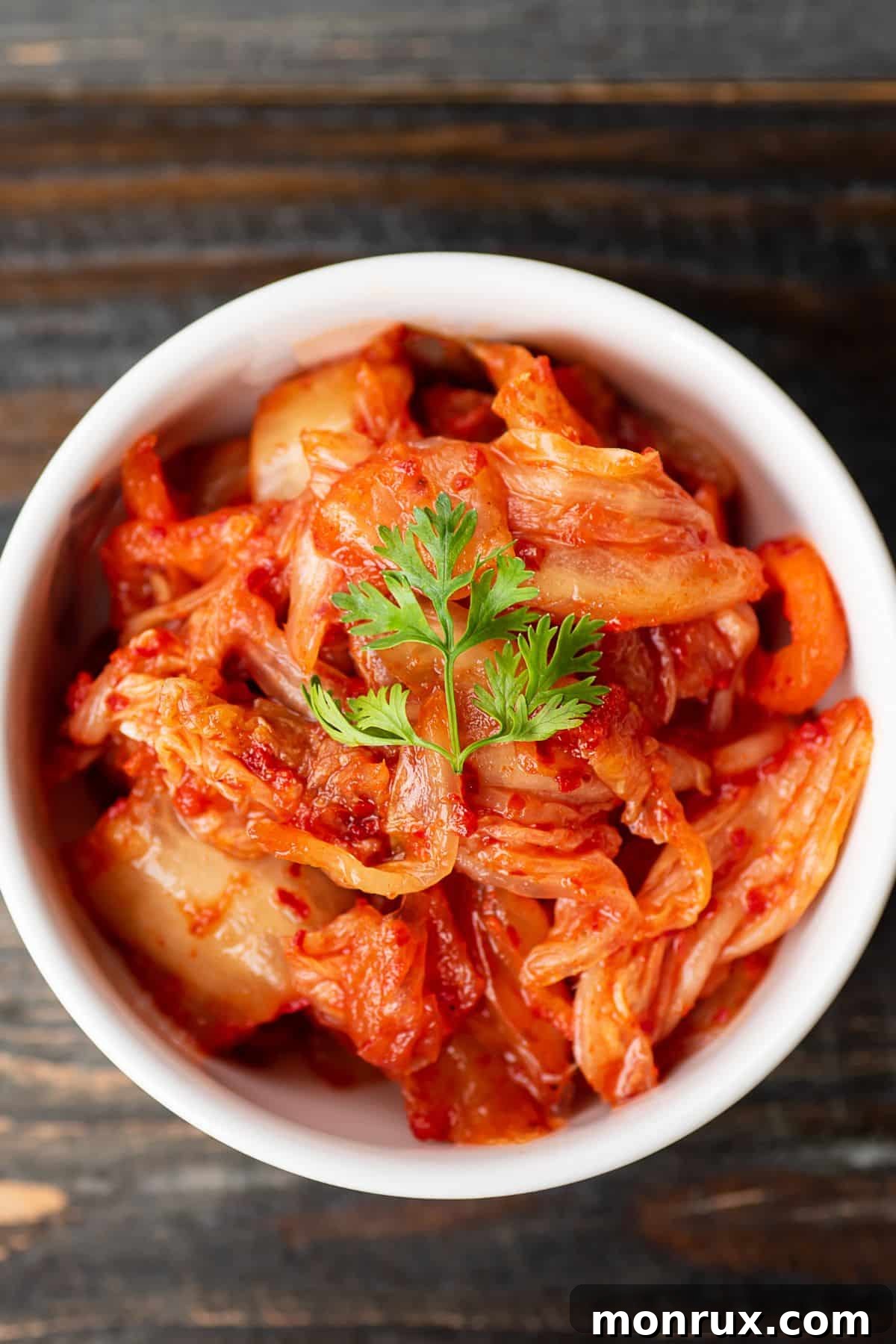
Hailing from Korea, kimchi is another vibrant and flavorful fermented cabbage dish, often featuring a medley of other vegetables like radish, cucumber, and scallions. It’s typically seasoned with a potent mix of garlic, ginger, chili flakes (gochugaru), and sometimes fish sauce or salted shrimp. If you’re following a strict vegan diet, always check labels carefully to ensure no animal products are included.
Kimchi is a powerhouse of nutrition, rich in probiotics, vitamins A, B, and C, and antioxidants. Its spicy, tangy, and umami-rich flavor profile makes it a staple side dish in Korean cuisine, accompanying almost every meal. Experiment with adding kimchi to stir-fries, fried rice, noodle dishes, or even enjoying it straight from the jar for a flavorful kick.
4. Miso
Miso is a traditional Japanese seasoning produced by fermenting soybeans with salt and koji (a type of fungus), and sometimes rice, barley, or other grains. This savory paste is inherently dairy-free and a cornerstone of vegan cuisine. Miso is remarkably healthy, packed with essential vitamins (particularly B vitamins), minerals, and a significant source of beneficial bacteria.
The world of miso is incredibly diverse, with varieties ranging in color, texture, and flavor profile. White or light miso, fermented for a shorter period, tends to be sweeter and milder, making it ideal for dressings, light sauces, and marinades. Red or dark miso, aged longer, offers a more robust, salty, and earthy umami flavor, perfect for hearty soups and glazes. Even soy-free miso brands, often made from chickpeas or other legumes, are available for those with soy sensitivities. To preserve the live cultures, it’s best to add miso to dishes after they’ve been removed from direct heat, especially in soups.
5. Tempeh
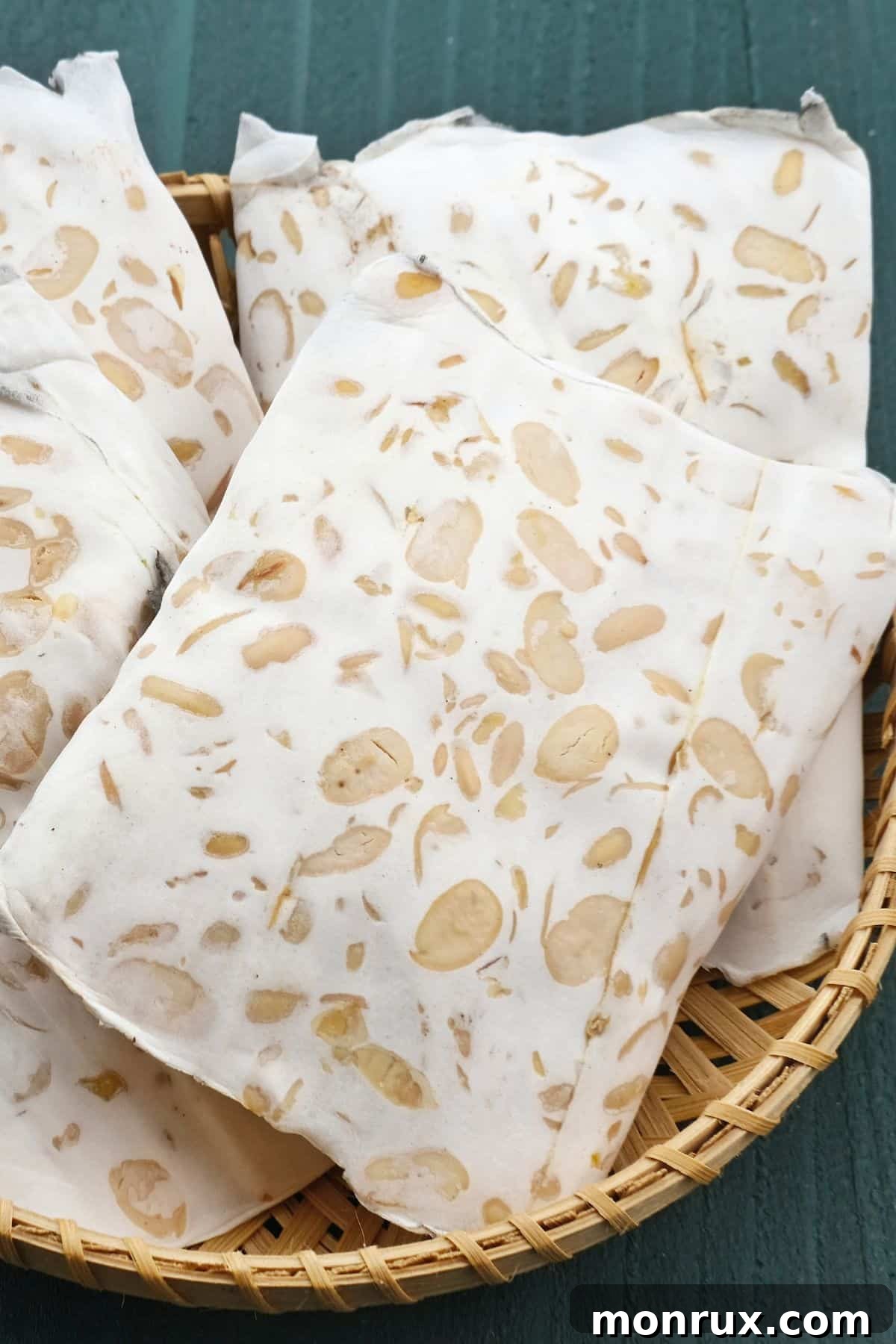
Another incredible fermented soybean product, tempeh originated in Indonesia. Unlike tofu, which is made from coagulated soy milk, tempeh is made from whole, cooked soybeans that are fermented with a fungal starter. This process binds the soybeans into a dense, firm cake with a distinctive nutty, earthy, and sometimes mushroom-like flavor, along with a rich umami note.
Tempeh is a nutritional powerhouse, offering not only probiotics but also an exceptional source of plant-based protein, dietary fiber, B vitamins, and minerals like iron and magnesium. Its firm, chewy texture makes it incredibly versatile in the kitchen, absorbing marinades beautifully. It’s a popular meat alternative, perfect for grilling, frying, baking, or crumbling into stir-fries, salads, and sandwiches.
6. Pickles (Lacto-Fermented)
While many store-bought pickles are simply vegetables preserved in vinegar, true probiotic pickles are made through lacto-fermentation, similar to sauerkraut and kimchi. This method uses brine to encourage the growth of beneficial lactic acid bacteria, transforming ordinary vegetables into probiotic-rich treats. Popular choices for lacto-fermentation include cucumbers, carrots, cauliflower florets, green beans, and bell peppers.
The fermentation process not only introduces probiotics but also enhances the flavor, creating a delightful tang. These pickles can be seasoned with various spices like garlic, dill, peppercorns, and bay leaves. When selecting pickles, ensure the label specifies “lacto-fermented,” “live and active cultures,” or “refrigerated” to confirm they haven’t been pasteurized or preserved with vinegar, which would destroy the beneficial bacteria.
7. Sourdough Bread
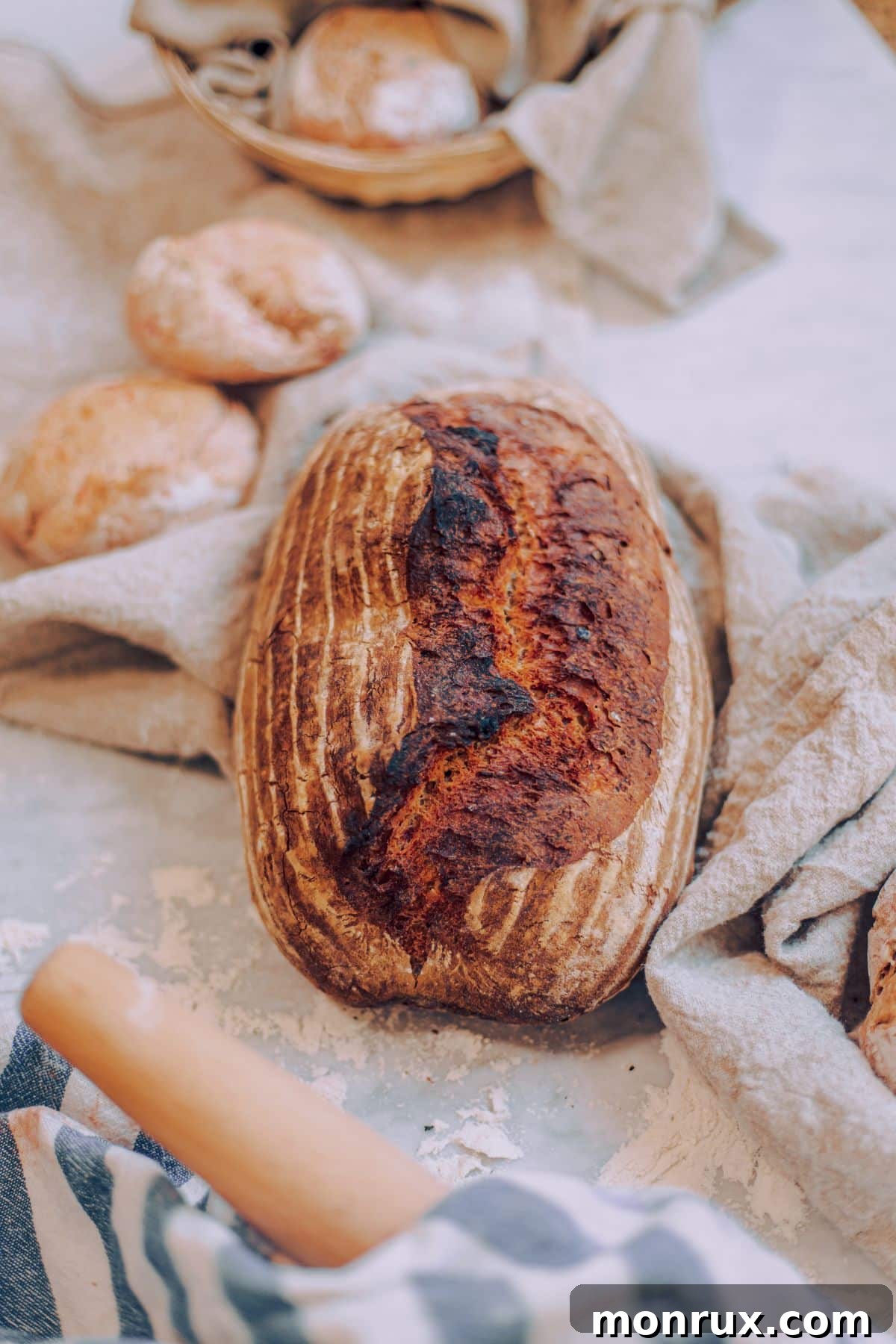
Authentic sourdough bread stands apart from commercially produced loaves due to its unique fermentation process. It is made using a “sourdough starter,” a symbiotic culture of wild yeasts and lactic acid bacteria cultivated from flour and water. This starter ferments the dough, breaking down carbohydrates and gluten, which can make the bread easier to digest for some individuals.
While the high temperatures of baking reduce the number of live probiotics in the final product, the fermentation process itself imparts a distinct, pleasantly sour flavor and creates beneficial compounds. It’s important to seek out traditionally made sourdough from artisanal bakeries, as many mass-produced “sourdough” breads use commercial yeast and flavorings without the true fermentation process. Enjoy sourdough as you would any other bread – toasted, as sandwiches, or alongside your favorite meals.
8. Kombucha
Kombucha is a fizzy, fermented tea beverage made by combining sweetened tea with a SCOBY (Symbiotic Culture of Bacteria and Yeast). The SCOBY consumes the sugar and produces a range of beneficial compounds, including organic acids, antioxidants, and, of course, probiotics. The resulting drink is effervescent, with a distinctive sweet and tangy, mildly acidic flavor that can range from fruity to vinegary.
While generally safe, homemade kombucha or some commercially brewed varieties can contain trace amounts of alcohol, sometimes enough to be classified as beer, due to the fermentation process. For this reason, it may not be suitable for pregnant or breastfeeding individuals, or those who avoid alcohol. Kombucha is widely available in grocery stores, often in a variety of flavors, or you can venture into brewing your own with a starter kit for a more personalized experience.
Top Dairy-Free Probiotic Supplements Recommended
For many, probiotic supplements offer a convenient and targeted way to introduce specific strains and high concentrations of beneficial bacteria into their gut. These supplements typically contain dormant probiotic cultures within a capsule or powder form, designed to awaken and thrive once they reach the digestive tract. The specific strains and their quantities (CFUs) will vary widely between brands, so always ensure you’re choosing a product aligned with your health goals and, ideally, after consulting with a healthcare professional regarding dosage and suitability.
When selecting dairy-free probiotics, pay close attention to the ingredient list. Look for certifications like “vegan,” “dairy-free,” or “lactose-free.” Additionally, for those avoiding all animal products, ensuring the supplement comes in a vegetarian or vegan capsule (often made from cellulose) is crucial.
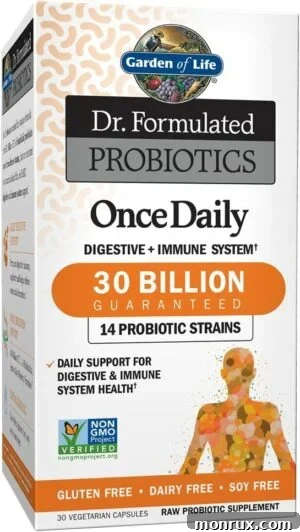
1. Garden of Life Dr. Formulated Probiotics Once Daily
This popular and highly regarded supplement from Garden of Life is an excellent choice for individuals seeking dairy-free, gluten-free, and vegetarian options. It delivers a potent dose of 30 billion CFU from 14 diverse probiotic strains, including well-known powerhouses like Lactobacillus acidophilus and various Bifidobacterium strains, which are highly effective for comprehensive digestive support. Beyond probiotics, it also incorporates organic potato and organic acacia prebiotic fiber. Prebiotics serve as food for probiotics, helping to nourish and replenish the healthy bacteria already present in your gut, thereby enhancing the overall efficacy of the supplement.
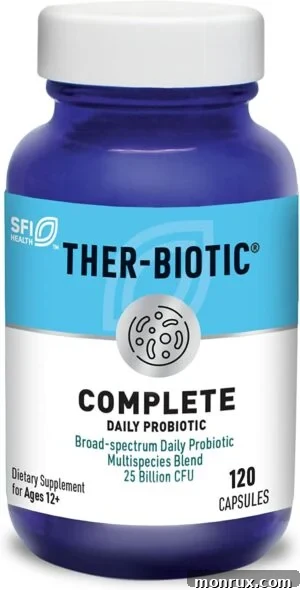
2. Klaire Labs Ther-Biotic Complete
Klaire Labs holds a respected reputation in the professional supplement industry, known for its high-quality, hypoallergenic formulations. Their Ther-Biotic Complete offers a robust 25 billion CFU per capsule, featuring a carefully selected blend of probiotic strains. This daily supplement is specifically designed to be non-GMO and free from artificial colors, flavors, and preservatives, appealing to those with sensitivities. It uses a base of chicory-derived prebiotic inulin, which provides essential nourishment for the probiotic cultures, helping them to flourish and exert their beneficial effects within the gut. Its hypoallergenic nature makes it a suitable option for individuals with multiple dietary restrictions.
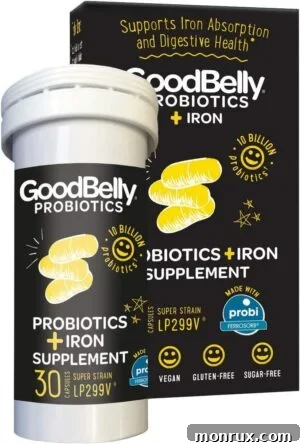
3. GoodBelly® Probiotic Supplement for Digestive Support & Iron Deficiency
GoodBelly, a brand often recognized for its popular probiotic juices, also offers an effective supplement in capsule form. This product features 10 billion live and active cultures of the unique and highly researched LP299V (Lactobacillus plantarum) probiotic strain. This specific strain is celebrated not only for its significant digestive health benefits, including supporting bowel regularity, but also for its proven ability to enhance the absorption of iron in the gut. Being dairy-free, vegan, gluten-free, and soy-free, it caters to a wide range of dietary needs while offering dual benefits for both gut health and nutrient assimilation.
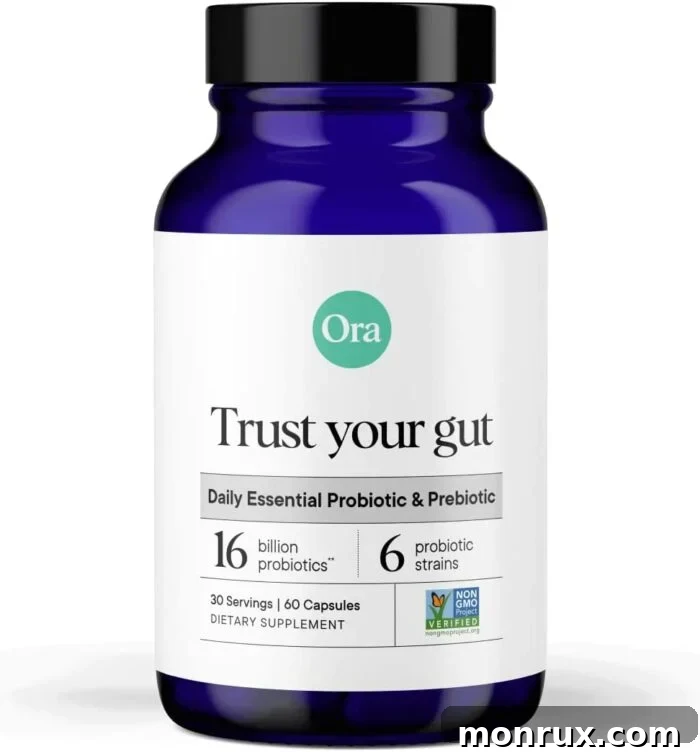
4. Ora Organic Probiotics with Prebiotics
Ora Organic provides a meticulously developed probiotic supplement that is certified organic, ensuring purity and environmental responsibility. Cultivated using plant-based mediums, this product is proudly free from gluten, dairy, GMOs, and soy, making it an ideal choice for the most stringent dietary preferences. It combines multiple beneficial probiotic strains with organic prebiotics sourced from Jerusalem artichoke. These prebiotics act as vital nourishment, creating an optimal environment for the beneficial bacteria to thrive and multiply within the digestive system. The supplement is encapsulated in easy-to-swallow vegan pullulan capsules, further emphasizing its commitment to plant-based ingredients and clean formulation.
Frequently Asked Questions About Dairy-Free Probiotics
For excellent vegan probiotic supplements, refer to the list provided above, which features brands explicitly formulated to be dairy-free and suitable for a vegan diet. For food sources, focus on fermented plant-based options like dairy-free yogurt and kefir, sauerkraut, kimchi, miso, tempeh, lacto-fermented pickles, and kombucha.
Not all sour pickles are probiotic-rich. The key distinction lies in the preparation method. Pickles made by lacto-fermentation (using salt and water, allowing natural bacteria to thrive) contain beneficial probiotics. However, most commercially available sour pickles are made with vinegar, which preserves the vegetables but destroys the live bacteria, rendering them non-probiotic. Always check labels for phrases like “lacto-fermented,” “live cultures,” or “refrigerated” to ensure probiotic content.
Probiotics are the live beneficial bacteria themselves, introduced to the gut to replenish or enhance the existing microbiome. Prebiotics, on the other hand, are non-digestible fiber compounds that act as “food” for these beneficial bacteria. They selectively stimulate the growth and activity of good bacteria in the colon, thereby creating a favorable environment for them to thrive. Many dairy-free probiotic supplements now include prebiotics for enhanced effectiveness.
While many fermented foods are excellent sources of probiotics, not all fermentation processes yield viable live cultures that survive digestion and provide a health benefit. For example, baked sourdough bread has gone through fermentation, but the baking process largely destroys the live bacteria. Similarly, pasteurized fermented foods will not contain live cultures. Always look for “live and active cultures” on labels, especially for refrigerated products, to ensure you’re getting the desired probiotic benefits.
More Resources to Consider
Conclusion: Navigating Your Dairy-Free Probiotic Journey
The landscape of gut health and dietary options has undergone a significant transformation. What was once a challenge – finding reliable sources of dairy-free probiotics – is now a readily achievable goal. The burgeoning demand for plant-based and allergen-friendly options has spurred innovation, resulting in a wide array of dairy-free probiotic foods and meticulously formulated supplements.
For individuals committed to a dairy-free or vegan lifestyle, or those managing dairy allergies and sensitivities, this evolution is incredibly empowering. It means you no longer have to compromise on supporting your digestive system and, by extension, your holistic health and well-being. By understanding how to identify dairy-derived ingredients in supplements, consciously choosing lacto-fermented plant-based foods, and selecting reputable dairy-free probiotic brands, you can confidently embark on a journey towards a thriving gut.
Remember that a balanced approach, combining diverse probiotic-rich foods with potentially targeted supplementation (under professional guidance), often yields the best results. Your gut is unique, and finding what works best for you is a personal exploration. With the wealth of dairy-free options available today, achieving optimal gut health has never been more accessible.
Don’t forget to join my newsletter list to get exclusive clean eating recipes and tips delivered straight to your inbox. It’s completely free, and you can unsubscribe at any time.
Note: This article is intended for informational purposes only and does not constitute medical advice. Please consult with your healthcare provider for personalized recommendations regarding your individual health situation and before making any changes to your diet or supplement regimen.