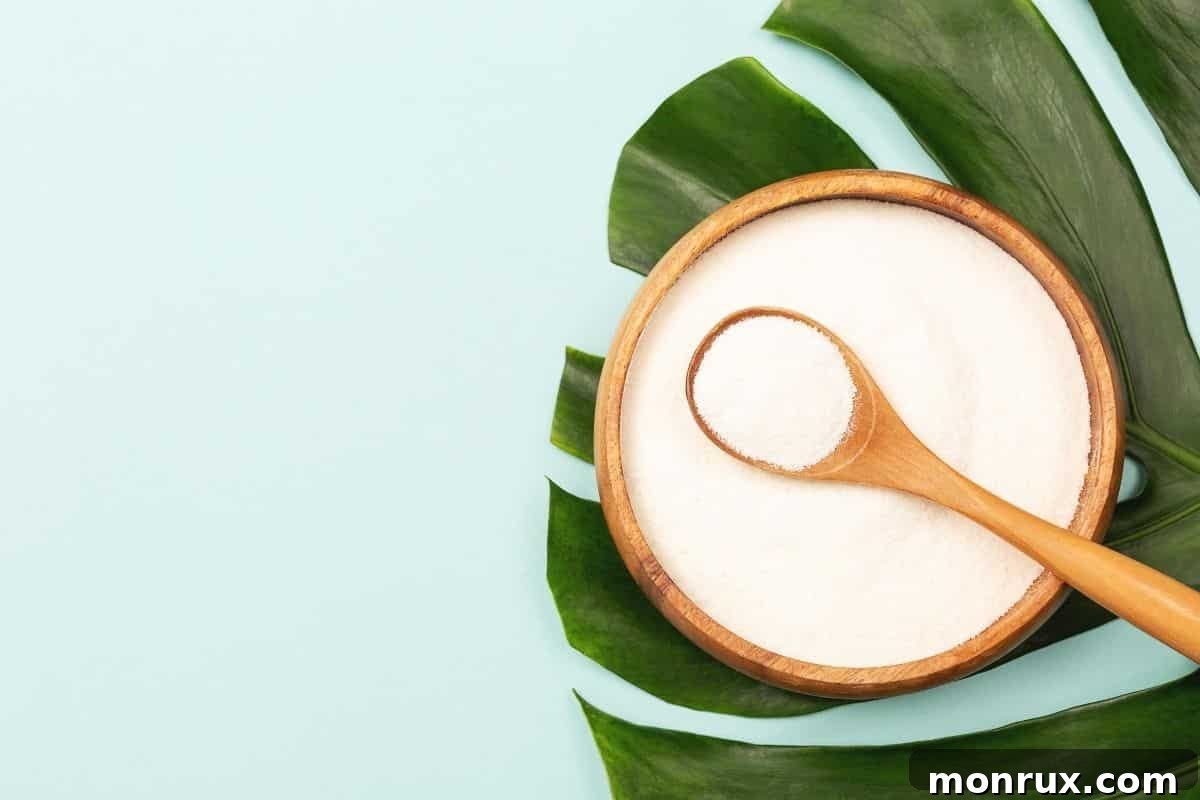
Collagen protein has become a cornerstone of health and wellness discussions, frequently lauded for its profound benefits to skin, hair, nails, and joint health. As the most abundant protein in the human body, understanding collagen’s role, its various forms, and how to effectively incorporate it into your diet is crucial. This comprehensive guide delves into ten essential tips for adding collagen protein to your daily routine, exploring everything from its sources and types to potential side effects and dietary considerations, helping you navigate the world of collagen with confidence.
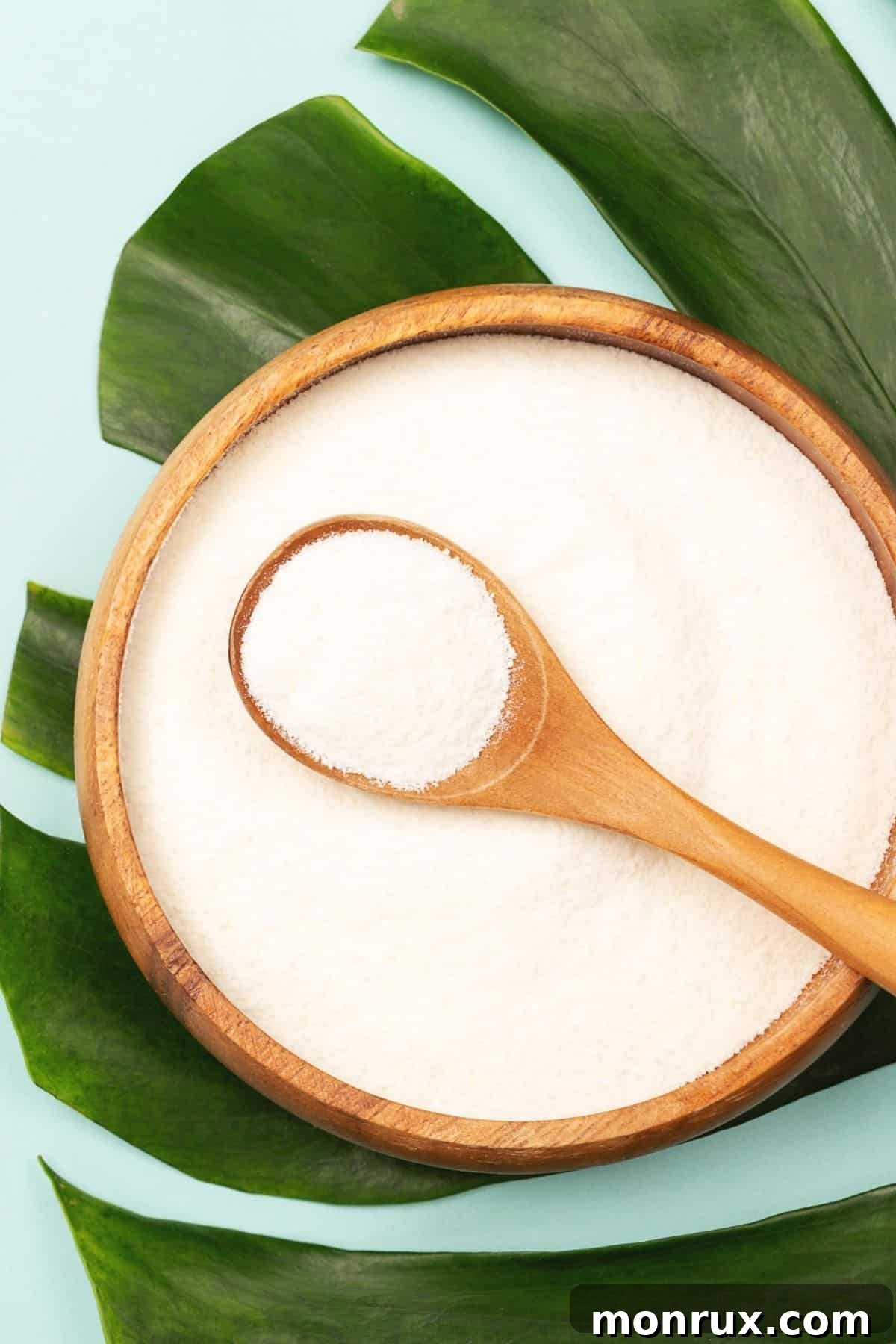
Collagen stands as the structural bedrock of our bodies, forming the scaffolding for our hair, skin, nails, blood vessels, digestive system, and musculoskeletal framework. It is the vital component that imbues our skin with elasticity, facilitating its renewal and youthful appearance. Furthermore, collagen is the primary constituent of our joints and tendons, providing the necessary strength and flexibility to connect bones and enable safe, fluid movement throughout our lives.
Composed of 19 distinct amino acids, often referred to as “nonessential” because our bodies typically synthesize them, collagen production can be hampered by the demands of modern living. Factors such as chronic stress, illness, and diets lacking in nutrient diversity can inhibit our natural ability to produce these crucial amino acids. Consequently, supplementing with dietary collagen has emerged as a popular and effective strategy to maintain the integrity and health of our bones, skin, gut, and cardiovascular system.
10 Essential Tips for Incorporating Collagen Protein
Considering the widespread interest in collagen, it’s essential to approach its supplementation with informed awareness. While collagen offers a myriad of potential health benefits, it’s equally important to understand its nuances, including potential side effects. Some individuals may experience reactions such as anxiety, headaches, heart palpitations, or other allergy symptoms. In the following sections, we’ll guide you through crucial aspects of collagen supplementation: why it might be beneficial for you, who should exercise caution or avoid it, and how to manage any adverse reactions, ensuring a safe and effective integration into your wellness regimen.
1. Understanding Collagen Sources and Types
Collagen, an insoluble fibrous protein, is predominantly found in the animal kingdom, serving as the main structural component of connective tissues and cartilage. Its presence is also significant in muscle tissue, contributing to muscle elasticity and integrity. When considering commercial collagen protein, the most common sources are bovine (cow), though marine (fish) and chicken sources are also widely available.
The extraction process typically involves cooking cartilaginous animal materials like bones, connective tissue, and skin. This animal-derived nature means collagen protein is inherently unsuitable for individuals adhering to strict vegetarian, vegan, or kosher dietary practices. Different types of collagen exist, each with varying compositions and benefits:
Collagen Peptides & Hydrolyzed Collagen
This is arguably the most prevalent form of collagen supplement found in health stores. Products labeled “peptides” or “hydrolysate” refer to collagen protein that has undergone hydrolysis, a process that breaks down collagen into smaller, more easily digestible amino acid chains. This enzymatic process makes hydrolyzed collagen the most bioavailable form for human absorption. Collagen peptides are renowned for being odorless, tasteless, and dissolving effortlessly in both hot and cold liquids, making them a versatile addition to your daily diet. Many enthusiasts incorporate collagen peptides into their morning coffee, smoothies, or even oatmeal, enhancing the nutritional profile of their meals without altering flavor or texture.
Marine Collagen
Derived from the scales and bones of fish, marine collagen is another form of hydrolyzed collagen. It is particularly rich in Type I collagen, which is the most abundant type found in the human body, playing a crucial role in skin, bone, tendons, and ligaments. Marine collagen is also celebrated for its excellent digestibility and bioavailability, often favored by those who prefer pescatarian sources or have dietary restrictions concerning bovine products. Its benefits are primarily associated with skin health, offering support for elasticity and hydration.
Gelatin
Gelatin is essentially cooked collagen. Unlike hydrolyzed collagen, gelatin forms a gel-like consistency when mixed with cold liquids and sets when chilled. It’s the ingredient responsible for the texture of jello-type desserts. While it shares many of the same amino acids as hydrolyzed collagen, its different molecular structure means it’s processed differently in the body. Gelatin is excellent for gut health, aiding in digestive repair and promoting satiety. It’s often used in homemade gummies, broths, and other recipes where its setting properties are desired.
Collagen Pills
For those who prefer a convenient, straightforward method of supplementation, collagen pills offer an excellent alternative. These capsules are simply filled with collagen protein, allowing for easy consumption without altering the taste or texture of food and beverages. They are ideal for individuals who are constantly on the go or prefer not to mix powders into their drinks or meals, providing a precise dosage of collagen with minimal effort.
2. Collagen’s Protein Profile: Not a Complete Source
While collagen is an excellent source of protein, especially for those who consume animal products, it’s crucial to understand its nutritional limitations. By volume, collagen is almost entirely protein, yet it is not considered a complete protein. A complete protein contains all nine essential amino acids that the human body cannot produce on its own. Collagen notably lacks tryptophan, one of these essential amino acids.
This distinction means that while collagen provides a robust profile of beneficial amino acids, it should be consumed as part of a varied diet that includes other complete protein sources. If you’re seeking a protein supplement that offers both collagen benefits and a complete amino acid profile, you might consider beef protein powder. This alternative often includes collagen while providing all essential amino acids, making it a more comprehensive protein source. Typically, one tablespoon of collagen powder delivers approximately 6-7 grams of protein, which is readily absorbed into the bloodstream, making it an efficient way to boost your daily protein intake.
3. Prioritizing Quality: The Importance of Collagen Sourcing
The origin of your collagen protein is a critical factor that can significantly impact its quality and your health. Consumers should be highly discerning about the sourcing of their collagen supplements. Concerns have been raised regarding collagen derived from conventionally raised animals, particularly those from Concentrated Animal Feeding Operations (CAFOs).
Historically, organizations like the Consumer Wellness Center (CWC) have conducted tests revealing that collagen products not sourced from organic livestock could contain residues of CAFO byproducts. These potentially harmful substances may include endocrine-disrupting chemicals, prescription drugs, and antibiotics, which are commonly used in conventional animal agriculture. While the specific findings and methodologies of some of these early studies have been subject to scientific scrutiny and re-evaluation, the underlying principle remains valid: the health of the source animal directly influences the purity and safety of the collagen product.
To mitigate these risks and ensure you are consuming a high-quality product, it is strongly advisable to seek collagen protein explicitly labeled as pasture-raised or grass-fed. These labels indicate that the animals from which the collagen is derived have been raised in more natural environments, typically without the routine use of antibiotics, hormones, and other pharmaceutical interventions common in CAFOs. Choosing pasture-raised or grass-fed collagen not only supports more ethical and sustainable farming practices but also helps you avoid potential exposure to undesirable byproducts, ensuring a cleaner and more wholesome supplement for your body.
4. Unlocking Benefits: Ingesting Collagen for Optimal Results
The beauty industry frequently highlights the benefits of topical collagen, with countless skincare products promising to rejuvenate your skin by applying collagen directly. However, it’s essential to understand that the molecules in topical collagen are typically too large to penetrate the skin’s barrier effectively and provide systemic benefits. The most effective way to harness collagen’s full spectrum of advantages for skin, hair, and nails is through ingestion.
When collagen is consumed, particularly in its hydrolyzed peptide form, it is efficiently absorbed by the body. Clinical studies have consistently demonstrated that daily collagen consumption leads to significant improvements in skin elasticity, hydration, and overall texture. Upon ingestion, collagen peptides act as signals to the body, stimulating fibroblasts—the cells responsible for collagen production in the connective tissues of the skin—to ramp up the synthesis and reorganization of new collagen fibers. This internal process leads to visible improvements in skin firmness and a reduction in the appearance of wrinkles.
Beyond skin health, the rich array of amino acids found in collagen plays a crucial role in strengthening hair and nails. Regular intake can lead to stronger, less brittle nails and more vibrant, resilient hair. Therefore, while topical products might offer superficial hydration, the profound and lasting benefits of collagen for your skin, hair, and nails are best achieved by nourishing your body from within.
5. Bolstering Bone and Joint Health with Collagen
Collagen is not just for beauty; it’s a fundamental component of our skeletal system, comprising approximately 90% of our bone mass. This makes collagen supplementation a critical factor in promoting and maintaining robust bone health throughout life. Beyond its role in bone density, studies consistently show that supplementing with collagen can significantly benefit joint health, offering relief from joint pain and reducing inflammation.
The remarkable benefits for joints are largely attributed to specific amino acids abundantly found in collagen, such as glycine and proline. These amino acids possess potent anti-inflammatory properties that help soothe and repair inflamed, weak, or aching joints. Since our joints, tendons, and ligaments are predominantly composed of collagen, ensuring an adequate supply through diet or supplementation helps maintain their structural integrity and elasticity. This support can improve mobility, reduce stiffness, and enhance overall joint function, making daily activities more comfortable and enjoyable.
The rich source of amino acids provided by collagen protein may actively contribute to the rebuilding of joint cartilage, cushioning the joints and promoting their long-term health. Incorporating collagen into your diet, perhaps through nourishing bone broth or a daily supplement, can be a proactive step toward supporting your musculoskeletal system and maintaining an active lifestyle.
6. Enhancing Digestion and Promoting Satiety
Collagen is an unsung hero for digestive health, playing an indispensable role in maintaining a robust and healthy intestinal lining. The villi, tiny finger-like projections that line your intestines and are crucial for nutrient absorption, are predominantly made of collagen. Moreover, collagen aids in repairing loose junctions in your gut, effectively strengthening the gut barrier and preventing “leaky gut” syndrome. It is undeniably a must-have protein for optimal gut health, making it a key component in a list of the best gut healing foods or a supportive leaky gut diet.
The unique amino acid profile of collagen provides profound soothing and reparative properties for the entire digestive tract. Glycine, one of the most abundant amino acids in collagen protein, has been shown to stimulate stomach acid production. Adequate stomach acid is vital for breaking down food, absorbing nutrients, and defending against pathogens, thereby significantly improving overall digestion and nutrient assimilation.
Beyond its direct impact on gut integrity, collagen also offers remarkable benefits for weight management through its role in promoting satiety. A compelling clinical study illustrated that individuals who consumed collagen protein for breakfast, as opposed to other protein sources like soy and whey, reported feeling up to 400% more satiated. This increased feeling of fullness led to a significant reduction in subsequent food intake, with participants eating 20% less at lunchtime. This makes collagen an excellent dietary addition for those looking to manage their appetite and support healthy weight goals.
7. Potential Histamine Reactions
While generally well-tolerated, collagen protein may trigger negative reactions in individuals who suffer from histamine intolerance. This potential link stems from the way collagen protein is processed from animal products, which can sometimes lead to an accumulation of histamines. For most people, consuming collagen protein poses no serious side effects, and adverse reactions are relatively uncommon.
However, there have been instances where patients have self-reported increased histamine responses after initiating collagen peptide supplementation. These reactions are more likely to occur in individuals with a pre-existing or severe form of histamine intolerance, such as Mast Cell Activation Syndrome (MCAS). In such cases, the body’s inability to properly break down histamine can lead to an accumulation that triggers a variety of symptoms. Potential collagen protein side effects associated with elevated histamine levels include:
- Anxiety
- Headaches
- Heart palpitations
- Skin hives and rashes
- Other generalized allergy symptoms like itching or nasal congestion
If you have a known histamine intolerance or suspect you might be sensitive to histamine, it is crucial to exercise caution and consult with a healthcare provider before incorporating collagen protein into your diet. Exploring natural ways to lower histamine levels might also be beneficial if you experience such sensitivities.
8. Considering Tryptophan and Mood
A lesser-known aspect of collagen’s composition involves its amino acid profile, specifically its lack of tryptophan. Tryptophan is an essential amino acid and a direct precursor to serotonin, a crucial neurotransmitter that plays a significant role in regulating mood, sleep, and overall well-being. Interestingly, collagen has been utilized in tryptophan-depletion studies, where its consumption helped researchers temporarily lower serotonin levels to better understand the relationship between serotonin and behavior.
What does this imply for regular collagen consumption? For most individuals, this aspect is unlikely to cause issues. However, some patients have anecdotally reported experiencing mood disorders as a negative side effect after integrating collagen protein into their diet. This could potentially be linked to an imbalance if collagen intake significantly outweighs other tryptophan-rich protein sources in sensitive individuals, or if underlying mood vulnerabilities exist.
If you are prone to mood disorders such as anxiety or depression, or if you notice any changes in your mood after starting collagen supplementation, it is prudent to be cautious. Monitoring your body’s response and discussing any concerns with a healthcare professional can help you determine if collagen protein is suitable for your unique physiological and psychological profile.
9. Glutamine Sensitivity and Digestive Concerns
Collagen is frequently recommended for individuals diagnosed with digestive disorders, particularly Leaky Gut Syndrome, due to its gut-healing properties. However, a specific subset of the population needs to exercise caution when consuming collagen protein: those who are sensitive to glutamine. Glutamine is an amino acid found in significant abundance within collagen protein and is generally considered beneficial for gut health and immune function.
For some individuals, especially those with a more severe presentation of Leaky Gut Syndrome, high amounts of glutamine (which can be converted to glutamic acid) may pose an issue. In a compromised intestinal lining, glutamic acid might leak into the bloodstream at elevated levels. This influx of glutamic acid can potentially trigger a range of neurological symptoms in sensitive individuals, as it can act as an excitatory neurotransmitter when present in excess outside of the brain’s protective barriers.
Elevated levels of glutamic acid in the bloodstream for sensitive individuals may manifest as symptoms such as brain fog, migraines, headaches, mood swings, more serious mood disorders (including heightened anxiety or irritability), and even seizures if there’s a predisposition. Therefore, while glutamine is a powerful amino acid for gut repair, awareness of individual sensitivity is key. If you experience any of these symptoms after consuming collagen, it’s vital to consult your healthcare provider to assess for glutamine sensitivity and discuss alternative strategies for gut support.
10. Sourcing Collagen from Whole Foods
While collagen supplementation offers a convenient way to boost your intake, it’s empowering to remember that nature provides an abundant supply of collagen and its building blocks in whole, unprocessed foods. Ideally, a perfectly balanced, nutrient-dense diet should provide sufficient collagen, rendering supplementation unnecessary for some. However, since few of us maintain such a pristine diet consistently, integrating both whole food sources and supplements can be a strategic approach to ensure adequate collagen levels. Individuals following a pescatarian diet, for instance, might opt for marine collagen supplements to complement their dietary intake and prevent potential deficiencies.
Here are five exceptional food sources rich in collagen or its essential cofactors:
Bone Broth and Gelatin
Perhaps the most celebrated dietary source of collagen, bone broth is a nutrient-dense liquid derived from simmering animal bones, connective tissues, and cartilage for extended periods (typically 12-48 hours). Adding a splash of apple cider vinegar during simmering helps extract minerals and collagen more efficiently. The slow cooking process breaks down collagen into gelatin, which imparts a rich mouthfeel and is packed with amino acids like glycine, proline, and glutamine, vital for gut healing, joint support, and skin health. This traditional food is a powerhouse of bioavailable collagen and essential minerals.
Organ Meats
Often overlooked in modern diets, organ meats from grass-fed and pasture-raised animals are among the most nutrient-dense foods available. These include liver, heart, and kidneys. While collagen is especially abundant in the tendons, bones, and joints of these animals, organ meats themselves are rich in vitamins and minerals that boost the body’s natural collagen production. For instance, liver is an excellent source of Vitamin A, which is a key cofactor in collagen synthesis, contributing to skin and connective tissue health.
Eggs, Muscle Meats, and Fish
Products from grass-fed, pasture-raised animals and wild-caught fish are naturally high in collagen and the amino acids necessary for its synthesis. Eggs, particularly the membranes and yolks, contain significant amounts of collagen and proline, an amino acid crucial for collagen formation. Muscle meats, while not as high in collagen as bones and connective tissues, provide a complete profile of amino acids that support the body’s protein synthesis, including its collagen-building capacity. Fish, especially with skin and bones (like sardines or canned salmon), are excellent sources of marine collagen.
Berries and Leafy Greens
These vibrant fruits and vegetables don’t contain collagen directly, but they are absolutely vital for its production. They are loaded with antioxidants and Vitamin C, which is an indispensable cofactor for collagen bioavailability and synthesis. Without adequate Vitamin C, the body cannot properly form the strong, stable collagen triple helix. Antioxidants further protect existing collagen from degradation caused by free radicals, providing potent anti-aging benefits for skin and connective tissues. Incorporating a rainbow of berries and dark leafy greens into your diet ensures your body has the raw materials and protection needed for healthy collagen maintenance.
Spirulina
This nutrient-dense blue-green algae is a fantastic option for vegetarians and vegans seeking to support their body’s collagen production. While spirulina itself does not contain animal-derived collagen, it is rich in amino acids like glycine, proline, and lysine, which are the fundamental building blocks for collagen synthesis. It effectively provides the necessary precursors that enable the body to produce its own collagen. It’s important to distinguish that spirulina is a “collagen-boosting” or “collagen-supportive” food, rather than a direct source of collagen. Beware of products misleadingly marketed as “vegan collagen,” as true collagen, by definition, is animal-derived. Spirulina stands as a testament to how plant-based foods can profoundly contribute to optimal structural health.
Frequently Asked Questions
Side effects from collagen supplementation are generally rare but can vary. Some individuals report no adverse effects, while others might experience mild digestive upset, a feeling of anxiety or jitters, or mood changes. It is always best to begin with a small dose, perhaps 1/2 to 1 teaspoon, to observe how your body reacts before gradually increasing your intake.
If you experience a noticeable and strong response to collagen, particularly symptoms like anxiety, it’s advisable to discontinue use and consult your healthcare provider. For most people, any mild effects should typically subside within a few hours as the collagen is metabolized and cleared from your system. However, individual reactions can vary based on sensitivity and overall health.
No, there is no such thing as truly vegan collagen protein. Collagen is, by definition, an animal-derived protein. Any plant-based product marketed directly as “collagen protein” is a marketing misrepresentation. Plant-based products can contain ingredients that *support* your body’s natural collagen production (like spirulina or vitamin C-rich foods), but they do not contain actual collagen itself.
Yes, it is absolutely possible to be allergic to collagen protein. If you have a known allergy to common food sources like bovine (cow) protein, poultry (chicken), or seafood, you should strictly avoid collagen products derived from those respective animal sources. For instance, if you have a fish allergy, you must avoid marine collagen. That being said, most individuals do not have allergies to these foods and can tolerate collagen protein supplements without any issues.
Final Thoughts
Whether sourced from whole foods or quality supplements, integrating collagen into your diet can offer a wealth of health benefits. From bolstering joint and bone integrity to enhancing skin elasticity and supporting a healthy gut, collagen is a vital nutrient for overall well-being. While most individuals tolerate it well, being aware of potential side effects such as histamine reactions or glutamine sensitivity is important. If adverse reactions occur, consider adjusting your dosage or discontinuing use and consult with a healthcare professional to find the best approach for your individual needs.
Don’t forget to join my newsletter list to get exclusive clean eating recipes and tips. The newsletter is 100% free with no spam; unsubscribe anytime.
About the Author: Carrie Forrest has a master’s degree in public health with a specialty in nutrition and is a certified holistic nutritionist. She is a top wellness and food blogger with over 5 million annual visitors to her site. Carrie has an incredible story of recovery from chronic illness and is passionate about helping other women transform their health. Send her a message through her contact form.
Note: this post is for informational purposes only and is not intended as medical advice. Please consult your healthcare provider for recommendations related to your individual situation.