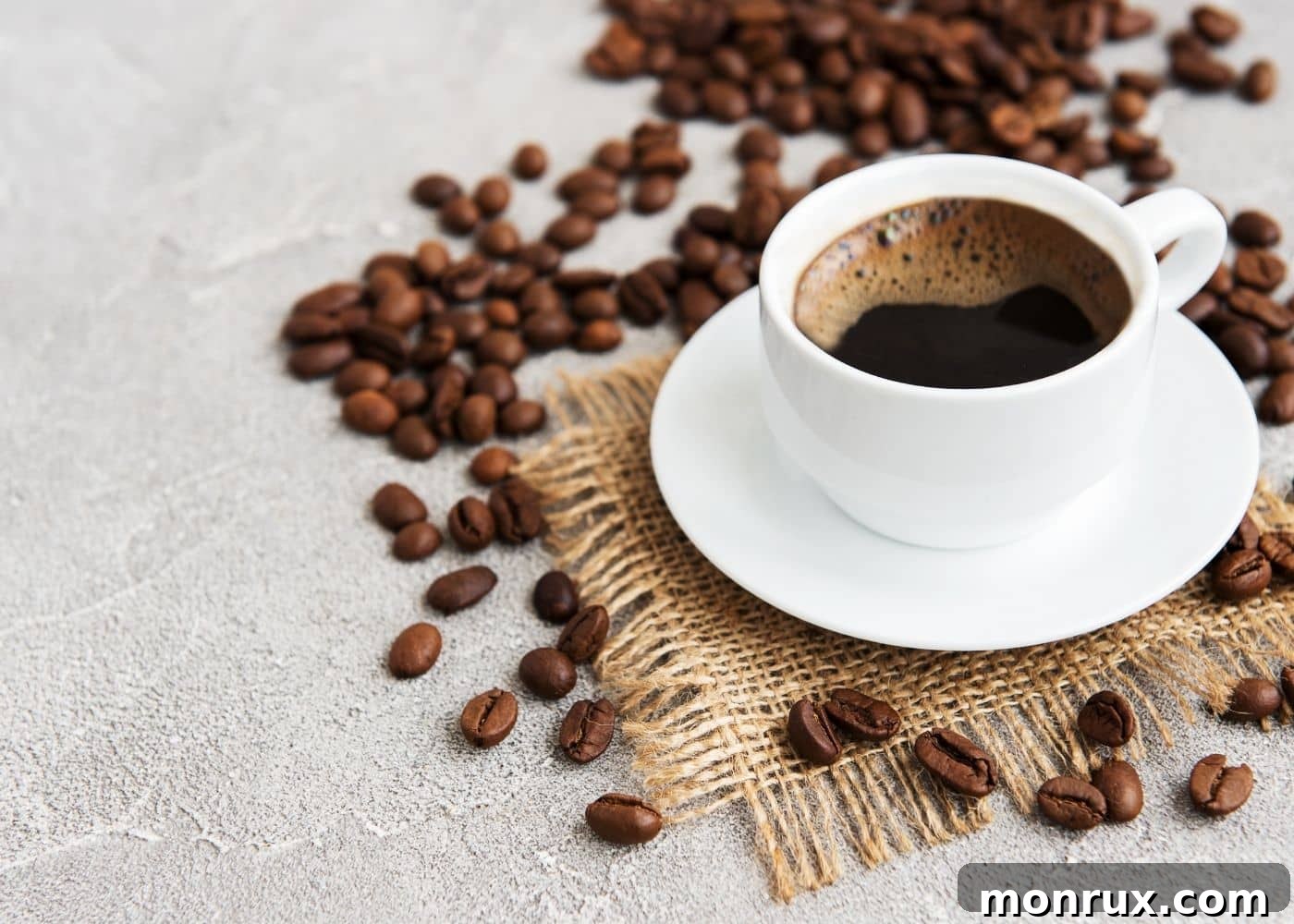
Discover the Healthiest Organic Coffee Brands for a Cleaner Lifestyle
It might sound incredibly appealing, but for most individuals, coffee is a genuinely healthy beverage! Packed with powerful antioxidants like polyphenols and other beneficial compounds, high-quality, organic coffee can be a delightful and vital component of an overall healthy lifestyle. This comprehensive guide will explore the **healthiest organic coffee brands**, covering a range of options including whole beans, pre-ground coffee, and convenient coffee pods. We’ll delve into what makes a coffee truly “healthy” and how to make the best choices for your well-being.

Tips for Choosing Healthy Coffee
As a devoted coffee enthusiast, I constantly explore various organic brands to discover the perfect harmony of value, exquisite taste, and uncompromising quality. Fortunately, the market now offers a wide array of organic (and often fair-trade) coffee in whole beans, ground form, and even convenient coffee pods. Making an informed choice about your coffee goes beyond just taste; it involves considering several critical health and ethical factors.
Why Organic Coffee Matters
- It’s paramount to select high-quality coffee beans that have not been exposed to harmful pesticides or herbicides. Conventional coffee farming often employs a significant amount of synthetic chemicals, which can leave residues on the beans and impact the environment. By opting for certified organic beans, you gain peace of mind knowing your coffee is cultivated without these potentially detrimental substances, ensuring a cleaner cup. Organic farming practices also promote soil health and biodiversity, contributing to a more sustainable agricultural system.
The Importance of Fair-Trade and Direct-Trade
- Many conscious consumers also choose to go an extra step by selecting coffee beans that are both organic and fair-trade certified. Fair-trade certification guarantees that the coffee farmers receive a living wage for their hard work, improving their quality of life and empowering their communities. Beyond fair-trade, some brands engage in “direct-trade,” establishing direct relationships with farmers. This often results in even better prices for farmers and greater transparency regarding farming practices and bean quality, fostering sustainable long-term partnerships.
Understanding Mycotoxins and Mold in Coffee
- Finally, a crucial consideration for truly healthy coffee is ensuring it has been certified free from mycotoxins and mold. Mycotoxins, such as ochratoxin A, are toxic compounds produced by certain fungi (molds) that can grow on coffee beans during harvesting, processing, or storage, especially in humid conditions. While standard roasting processes can reduce mycotoxin levels, choosing brands that actively test for and guarantee mycotoxin-free coffee offers an added layer of assurance for those sensitive to these compounds or seeking the purest possible brew.
Roast Levels and Their Impact on Health
The roasting process significantly alters coffee’s chemical composition and flavor. Lighter roasts tend to retain more of coffee’s original characteristics and higher levels of chlorogenic acids, a powerful antioxidant. Darker roasts, while having a bolder flavor and often lower acidity, may have reduced levels of some heat-sensitive antioxidants. Consider your personal preference and any sensitivity to acidity when choosing a roast. Many health-focused brands offer medium roasts, aiming for a balance of flavor and beneficial compounds.
Freshness and Preparation Methods
For the ultimate taste and maximum health benefits, freshly roasted and freshly ground coffee is unparalleled. Buying whole beans and grinding them just before brewing preserves volatile aromas and antioxidants that quickly degrade once coffee is ground. A quality coffee grinder is a worthwhile investment. Additionally, the water quality used for brewing plays a significant role; filtered water will enhance your coffee’s flavor and reduce unwanted contaminants.
Top Healthy Organic Coffee Brands
In this section, I’ll highlight some of the best coffee brands that are certified organic, often with additional certifications like fair-trade or mold-free verification. Remember, for the freshest and most flavorful cup, investing in whole roasted beans and a good grinder is always recommended.
Note: This post is not sponsored by any specific brand mentioned; all opinions are based on extensive research and personal experience.
1. Healthiest Coffee Overall: Equip Foods Clean Coffee
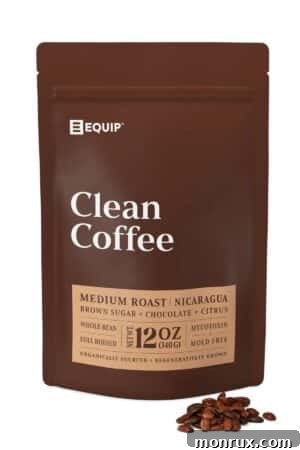
This “clean coffee” from Equip Foods stands out as my number one recommendation for the healthiest coffee on the market. Equip Foods takes a holistic approach to coffee quality, ensuring that their beans meet the highest standards.
This brand truly offers everything discerning coffee lovers seek: it’s certified organic, rigorously tested to be mold-free, and sourced from regenerative farms. Regenerative agriculture goes beyond organic, focusing on practices that restore soil health, enhance biodiversity, and sequester carbon, making it an environmentally conscious choice. Beyond its impressive credentials, Equip Clean Coffee boasts an incredible flavor profile that is both rich and smooth, with a distinct absence of the bitterness often found in lower-quality beans. It’s a coffee you can feel good about enjoying every single day.
Note: I am an affiliate with Equip Foods (and a huge fan of their clean protein powder). You can use my exclusive code **CLEANEATING** for 15% off your order.
2. Value Brand: Amazon Fresh Organic Fair Trade Sumatra Ground Coffee
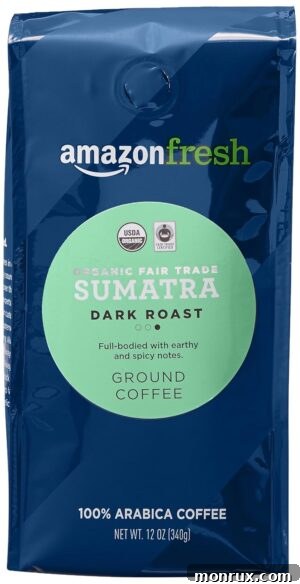
For those mindful of their budget without wanting to compromise on ethical sourcing and organic quality, Amazon Fresh Organic Fair Trade Sumatra Ground Coffee is an excellent choice. This dark roast offers a robust and satisfying flavor, characterized by earthy notes typical of Sumatran beans, making it a favorite for many. It is not only affordably priced but also certified organic and fair trade, ensuring that your daily cup supports both your health and the well-being of the coffee farmers. It’s a reliable, accessible option for daily enjoyment.
3. Organic “Half Caf” Blend: Lifeboost Coffee Whole Bean Half Caff Coffee
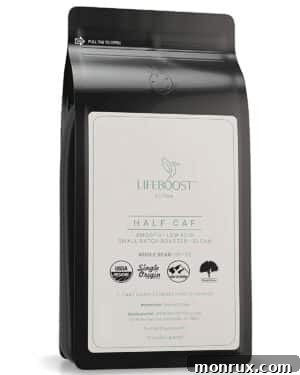
Lifeboost Coffee goes above and beyond in its commitment to quality and health. This organic whole bean coffee is not only certified organic but also proudly single origin, non-GMO, and subjected to rigorous 3rd party testing for mycotoxins, pesticides, and heavy metals. This meticulous testing ensures an exceptionally clean and pure cup.
While Lifeboost offers a variety of blends, their “Half Caff” blend is particularly noteworthy. It provides a perfect solution for those who enjoy the ritual and taste of coffee but want to reduce their caffeine intake without sacrificing flavor. This blend also boasts low acidity, making it gentle on sensitive stomachs. Grown at high altitudes in the rich soils of South America, Lifeboost coffee is roasted in small batches to preserve its distinct aroma and complex flavor notes. The high-altitude cultivation often results in denser, more flavorful beans.
4. Organic Decaf: No Fun Jo by Jo Coffee
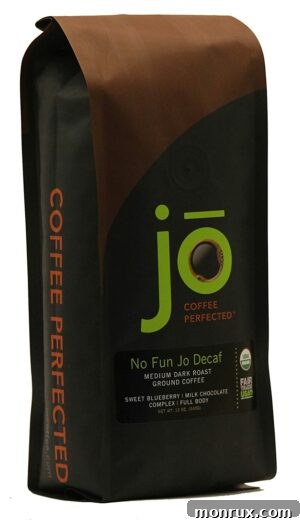
Choosing a healthy decaffeinated coffee requires attention to two key factors. First and foremost, you should seek coffee that has been decaffeinated using the **”Swiss water process”**. This method uses only water to gently remove caffeine, avoiding harsh chemical solvents often employed in conventional decaffeination processes. The Swiss water process preserves more of the coffee’s natural flavor and aroma while ensuring a chemical-free product.
Secondly, it is crucial to buy **organic decaf coffee**. Combining organic certification with the Swiss water process provides the cleanest possible decaf option, free from both synthetic pesticides and chemical decaffeination agents. No Fun Jo by Jo Coffee embodies both of these principles, offering a rich and satisfying decaf experience. For a more extensive exploration of chemical-free decaf options, check out my related list of the Best Organic Decaf Coffee Brands.
5. Organic Coffee Pods: Bulletproof Organic Pods
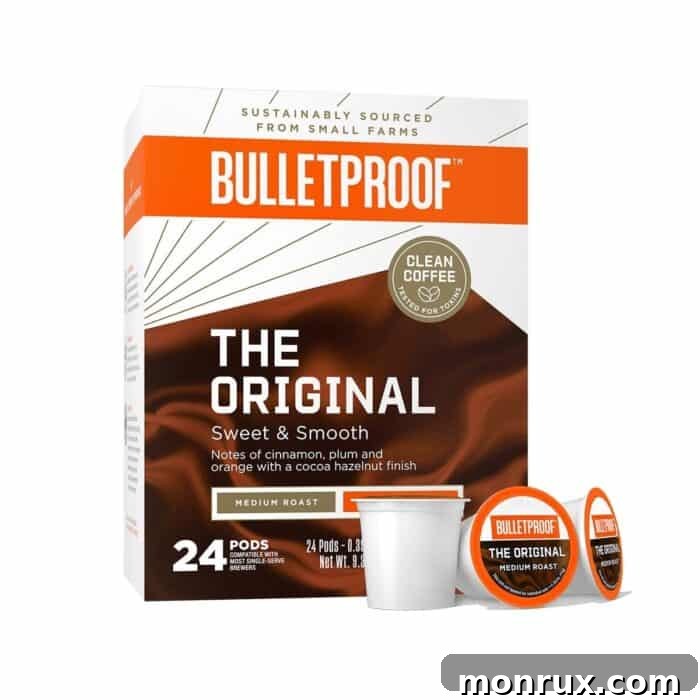
While grinding your own whole coffee beans at home undeniably yields the freshest and most robust flavor, many of us appreciate the unparalleled convenience that coffee pods offer, especially on busy mornings. For those seeking a quick and easy solution without compromising on quality or organic standards, Bulletproof Organic Pods are an excellent choice.
I have been a steadfast fan of Bulletproof products for over a decade, ever since attending their insightful conference back in 2014. Their commitment to high-quality, mold-tested ingredients extends to their coffee pods, ensuring a clean and energizing brew. These pods offer a convenient way to enjoy a performance-enhancing coffee, aligning with the principles of clean eating. In fact, my Bulletproof-inspired Butter Coffee recipe remains one of the most popular recipes on my site, demonstrating the widespread appeal of their approach to coffee.
Potential Health Benefits of Coffee
Far from being a mere pick-me-up, coffee has been extensively studied and shown to offer a remarkable array of health benefits for most individuals when consumed in moderation. It is particularly rich in a type of antioxidant known as **polyphenols**, especially chlorogenic acids, along with other protective compounds that contribute to its disease-fighting properties.
Extensive research indicates that regular coffee consumption can help protect against various chronic diseases. Studies have linked coffee intake to a reduced risk of liver diseases (including cirrhosis), colon cancer, type 2 diabetes, and neurodegenerative conditions such as Parkinson’s disease and Alzheimer’s disease. Coffee’s bioactive compounds can also positively influence gut health, reduce inflammation, and even enhance athletic performance by improving focus and reducing perceived exertion.
Beyond these significant benefits, coffee can also boost cognitive function, improve mood, and even contribute to metabolic health. You can even explore unique preparations, like making a simple Rosemary Coffee, which combines the benefits of coffee with rosemary’s potential memory-enhancing properties.
However, it’s important to remember that individual responses to coffee can vary, largely due to genetic factors influencing caffeine metabolism. Listening to your body and moderating your intake is key to harnessing coffee’s benefits without adverse effects.
Coffee FAQs
Defining the “healthiest coffee” involves several considerations:
- Individual Tolerance: First, you must **determine if coffee suits your body**. If you experience jitters, anxiety, or digestive upset after drinking coffee, consider adjusting your intake, trying a lower-caffeine option like a half-caf or decaf blend, or experimenting with different roasts (darker roasts typically have less caffeine). Some people find drinking coffee after a meal, rather than on an empty stomach, helps. If coffee truly doesn’t agree with you, exploring alternatives like my Herbal Coffee recipe might be beneficial.
- Quality of Beans: Secondly, prioritize a **high-quality brand**. Opt for certified organic coffee to avoid beans treated with synthetic pesticides, herbicides, or genetically modified organisms (GMOs). Additionally, look for brands that are fair-trade certified, sourced from regenerative farms, and, ideally, tested and certified free from molds and mycotoxins. These factors collectively ensure a cleaner, more ethically produced, and nutrient-dense product.
- Additives and Preparation: Lastly, **be mindful of what you add to your coffee**. Excessive sugar or creamers laden with hydrogenated oils, artificial flavors, and sweeteners can negate coffee’s health benefits. Instead, choose quality dairy milk, healthy plant-based milk alternatives (like unsweetened almond or oat milk), or healthy fats like grass-fed butter or MCT oil (for “bulletproof” style coffee). If you prefer sweetness, try natural sweeteners such as stevia, monk fruit, or a touch of raw honey, as highlighted in my list of the 10 Best Natural Sweeteners.
While the science generally shows that coffee consumption is healthy for most people, the brewing method can matter, especially for those with specific health concerns. Individuals with **high cholesterol** should generally opt for filtered coffee and avoid French press or other unfiltered brewing methods. Unfiltered coffee methods, such as French press, Turkish coffee, or espresso, allow natural compounds called diterpenes (cafestol and kahweol) to pass into your cup. These diterpenes have been shown to raise LDL (“bad”) cholesterol levels. Paper filters effectively trap these compounds, offering a cholesterol-neutral brew. For most people without cholesterol concerns, either method is fine, but those monitoring their lipid levels should stick to filtered coffee.
Instant coffee is essentially dehydrated coffee, typically made through spray-drying or freeze-drying processes. It can indeed be a healthy option, provided you select **organic versions** to avoid chemical residues from conventional farming. The key is also to avoid adding large amounts of unhealthy ingredients like artificial creamers, excessive sugar, or highly processed syrups. While some instant coffees might have a slightly different antioxidant profile compared to freshly brewed coffee due to processing, high-quality organic instant coffee, like this brand of organic instant coffee, can still offer many of coffee’s benefits in a convenient format. Look for brands that are transparent about their sourcing and processing.
Coffee’s acidity can be a concern for individuals with sensitive stomachs, acid reflux, or irritable bowel syndrome. Factors affecting acidity include bean origin, roast level (darker roasts are generally less acidic), and brewing method (cold brew is significantly less acidic than hot brew). If acidity is an issue, consider low-acid coffee brands, dark roasts, or cold brew methods. Adding a pinch of baking soda to your brew can also subtly reduce acidity.
The optimal amount of coffee varies greatly by individual. Generally, up to 400 milligrams of caffeine per day (equivalent to about four 8-ounce cups of brewed coffee) is considered safe for most healthy adults. However, factors like genetics, body weight, pregnancy, and sensitivity to caffeine can influence this. Pay attention to how your body responds: if you experience restlessness, insomnia, increased heart rate, or digestive issues, it’s a sign to reduce your intake. Consulting a healthcare professional for personalized advice is always recommended.
More Coffee Resources You’ll Love!
Conclusion
Navigating the world of coffee can seem complex, but once you understand the nuanced terminology of organic, fair-trade, direct-trade, and mold-tested certifications, you’ll truly appreciate the profound importance of choosing high-quality coffee. This commitment extends beyond just achieving the best flavor; it embodies a dedication to supporting sustainable agricultural practices, protecting our planet, and ensuring fair compensation for dedicated farmers globally. From the lush regions of Central America to the diverse landscapes of Latin America, a vast array of exceptional organic coffee beans awaits your discovery.
By experimenting with the esteemed brands featured in this guide, you can embark on a flavorful journey to pinpoint your preferred roasts, origins, and brewing methods. Always prioritize certified organic products over conventionally grown coffee to eliminate exposure to the toxic chemicals frequently used in traditional coffee production. Making informed choices about your coffee not only elevates your daily ritual but also contributes to a healthier you and a more equitable, sustainable world.
Don’t forget to join my newsletter list to get exclusive clean eating recipes and tips delivered straight to your inbox. The newsletter is 100% free with no spam; you can unsubscribe anytime.
About the Author: Carrie Forrest holds a master’s degree in public health with a specialization in nutrition and is a certified holistic nutritionist. She is a highly respected wellness and food blogger, attracting over 5 million annual visitors to her site. Carrie shares an inspiring story of recovery from chronic illness and is deeply passionate about empowering other women to transform their health journeys. Feel free to send her a message through her contact form.
Note: This post is intended for informational purposes only and should not be construed as medical advice. Please consult your healthcare provider for recommendations pertinent to your individual health situation.