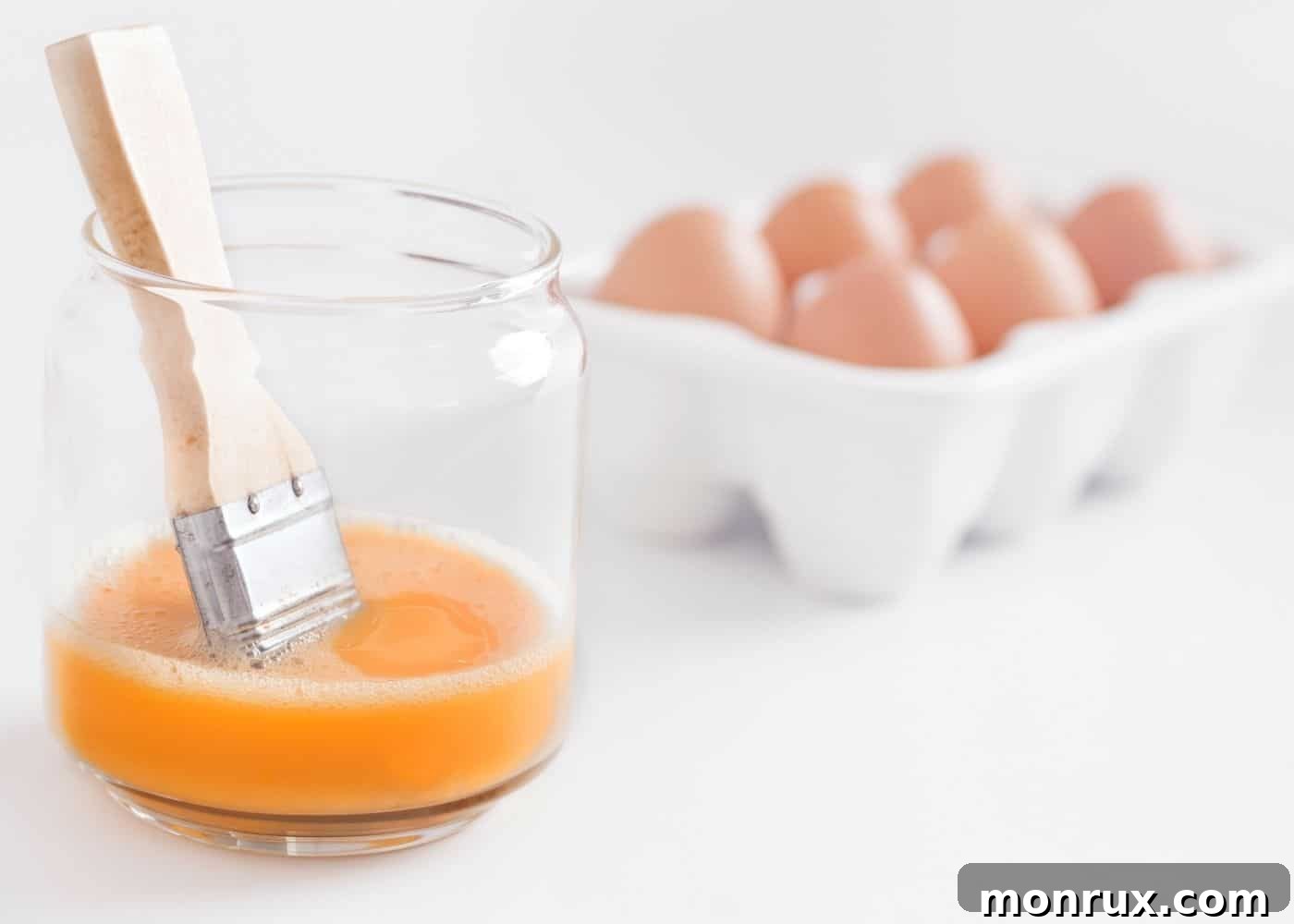
Egg wash has long been a baker’s secret weapon, transforming humble dough into visually stunning, golden-brown masterpieces with a tantalizingly crisp exterior. Traditionally made from whisked eggs, often diluted with water or milk, it provides a desirable sheen and promotes even browning on various baked goods, from flaky pies and pastries to savory bread and rolls. However, with the growing popularity of plant-based diets and increasing awareness of food allergies, many home bakers and culinary professionals are seeking effective and delicious vegan egg wash substitutes. This comprehensive guide explores a variety of plant-based alternatives that deliver comparable results, ensuring your vegan creations are just as beautiful and appetizing as their conventional counterparts.
Overview of Egg Wash and Its Purpose
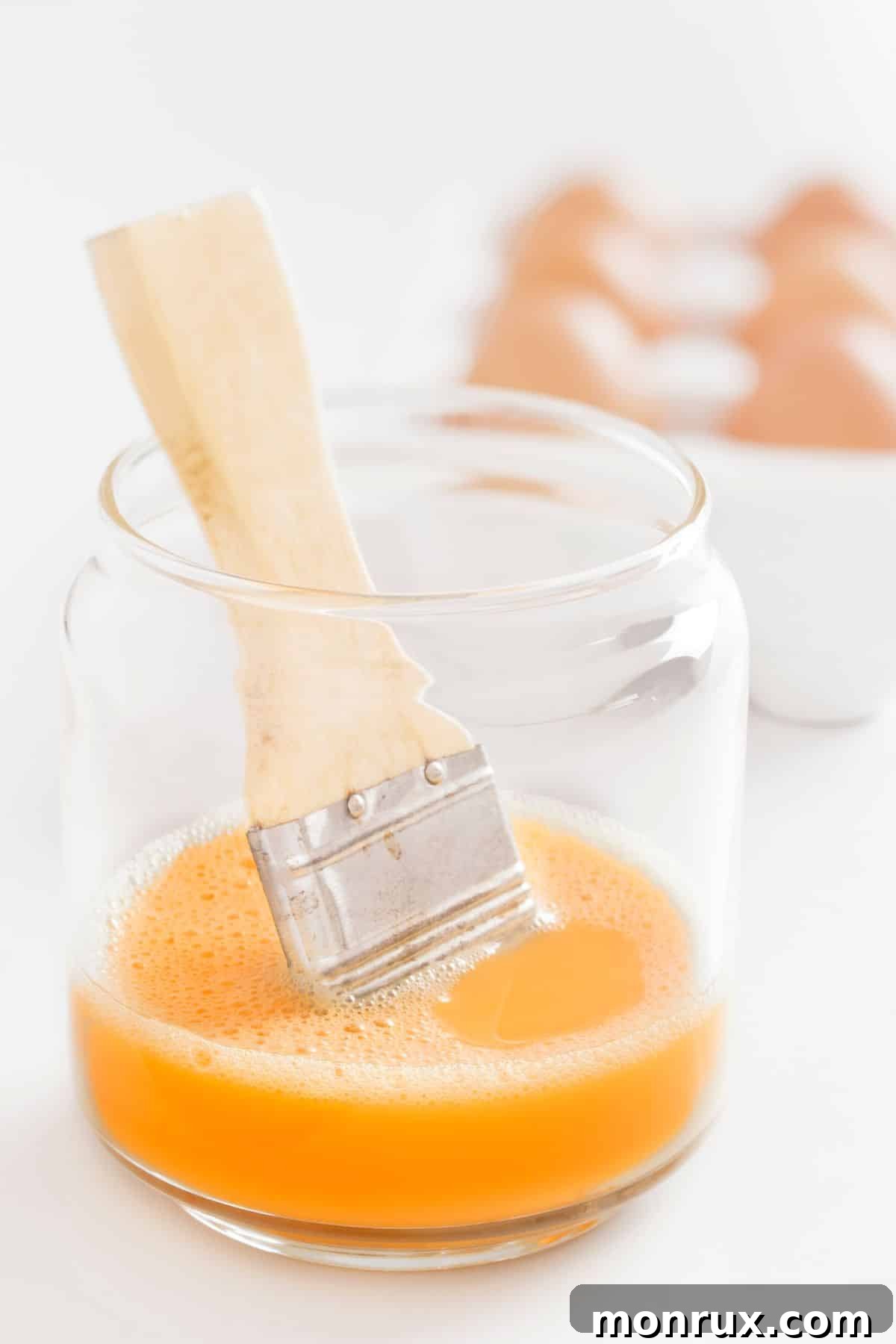
In the culinary world, egg wash is more than just a simple coating; it’s a multi-functional ingredient that significantly enhances the visual appeal and texture of baked goods. While it adds minimal flavor, its impact on the final product’s appearance is undeniable. Understanding its traditional role helps us appreciate how plant-based alternatives can effectively replicate these functions.
What Does Egg Wash Do?
The primary purposes of an egg wash are:
- Golden Browning: The proteins and sugars in egg, when exposed to oven heat, undergo the Maillard reaction, resulting in that coveted golden-brown hue and delicious savory flavor development on the surface of bread, pastries, and savory pies.
- Shiny Finish: The protein in the egg creates a smooth, glossy surface as it coagulates during baking, giving products a professional, appealing look. This is especially true when using just egg yolk, which yields the brightest shine.
- Crisp Exterior: A thin layer of egg wash can contribute to a delightful crispness on the crust of baked items, adding an extra textural dimension.
- Adherence: Egg wash acts as a natural glue, helping toppings like seeds, nuts, or coarse sugar stick to the surface of baked goods. It also seals edges, like on turnovers or pie crusts, preventing fillings from escaping.
An egg wash is typically a simple mixture of whisked whole eggs, egg yolks, or egg whites, often thinned with water, milk, or cream. The ratio and type of egg component determine the final effect – more yolk for shine, more white for crispness, and whole egg for a balance of both.
The Rise of Vegan Baking and the Need for Alternatives
The culinary landscape is constantly evolving, with a significant shift towards plant-based eating. Whether due to ethical considerations, environmental concerns, health reasons, or simply food allergies and intolerances, more and more people are adopting vegan diets or reducing their consumption of animal products. This has led to an increased demand for plant-based alternatives for every ingredient imaginable, including those as seemingly indispensable as egg wash.
For individuals avoiding eggs, finding suitable replacements is crucial for continuing to enjoy baking without compromising on appearance or texture. Fortunately, the world of vegan ingredients has expanded dramatically, offering a wealth of options that can mimic the functions of traditional egg wash with impressive results. These substitutes not only cater to dietary needs but also open up new avenues for creative baking.
Best Vegan Egg Wash Substitutes for All Your Baking Needs
If you’re embracing a vegan lifestyle, have an egg allergy, or simply find yourself out of eggs, there’s no need to despair. The following plant-based alternatives offer excellent ways to achieve that desired golden color, beautiful shine, and crisp texture on your baked goods. Experiment with these options to find your favorite for puff pastry, bread, savory pies, and sweet treats.
1. Vegan Egg Substitute (e.g., JUST Egg)
Modern vegan egg substitutes like JUST Egg are revolutionary for plant-based cooking. Made primarily from mung bean protein, these liquid egg alternatives are designed to mimic the texture, taste, and functional properties of real eggs very closely. They are cholesterol-free, sustainable, and entirely animal-product-free.
How it works as an egg wash: Because of their similar protein composition, these substitutes behave much like traditional egg wash when baked. They provide a rich golden-brown color and a beautiful glossy sheen, making them ideal for almost any application where a conventional egg wash would be used.
Application: Whisk a small amount of the vegan egg substitute in a bowl. Using a pastry brush, apply an even, thin layer over your baked goods before placing them in the oven. For a thicker glaze or darker color, you can apply a second coat.
Ratio: For a direct replacement, use approximately one tablespoon of vegan egg substitute for every one tablespoon of egg wash required.
Best for: Puff pastry, savory pies, bread rolls, croissants, and any recipe where a pronounced golden-brown finish and shine are desired.
2. Unsweetened Plant Milk
Unsweetened plant milk is one of the most accessible and versatile vegan egg wash substitutes. Options abound, including almond milk, soy milk, oat milk, rice milk, and cashew milk. Each offers a slightly different flavor profile and fat content, which can subtly affect the final result.
How it works as an egg wash: The natural sugars and proteins in plant milk, particularly soy and oat milk, caramelize during baking, contributing to a lovely golden color. While it may not provide the same intense shine as an egg wash or a dedicated vegan egg substitute, it offers a pleasant, matte golden finish and helps promote browning.
Application: Pour a small amount of unsweetened plant milk into a shallow dish. Using a pastry brush, apply a generous, even coating to your baked goods. For enhanced browning and a slightly richer finish, you can mix in a tiny pinch of turmeric for color or a dash of maple syrup for added caramelization (be mindful of adding sweetness to savory items).
Ratio: Use two tablespoons of unsweetened plant milk for every one tablespoon of egg wash.
Best for: Bread loaves, rolls, biscuits, savory pastries, and anything where a gentle browning and soft crust are desired. Soy milk tends to yield the best browning due to its protein content.
3. Aquafaba
Aquafaba, the viscous liquid from canned chickpeas or other white legumes, is a truly remarkable discovery in vegan baking. Its ability to mimic egg whites makes it an excellent binder, emulsifier, and leavening agent, and it performs admirably as an egg wash substitute.
How it works as an egg wash: Aquafaba, especially when lightly whisked, creates a thin, glossy layer that helps items brown and develop a subtle shine. Its protein content contributes to a crisp texture, similar to how egg whites would perform. It’s flavor-neutral, so it won’t impact the taste of your baked goods.
Application: Lightly whisk the aquafaba until it’s slightly frothy – this helps activate its properties and ensures better coverage. Apply a thin, even coat with a pastry brush. For a more pronounced shine, you can whisk in a tiny amount of agave nectar or maple syrup, especially for sweet applications.
Ratio: Use two tablespoons of aquafaba for every one tablespoon of egg wash.
Best for: Pastries, pie crusts, savory tarts, and items where a light, crisp finish and a good shine are desired. It’s particularly effective for sealing pie crusts or crimped edges.
4. Vegan Butter
Vegan butter, crafted from plant-based oils like coconut, olive, or avocado oil, is a fantastic dairy-free alternative to traditional butter. When melted, it provides richness and helps achieve a beautiful golden-brown color on baked goods.
How it works as an egg wash: Melted vegan butter contributes to browning through its fat content and any minor sugars/proteins present in its formulation. It imparts a rich, golden hue and can help create a slightly crisp crust. It also adds a subtle buttery flavor, which can be desirable for many baked items.
Application: Gently melt your preferred vegan butter. Using a pastry brush, apply an even layer over the surface of your dough or pastry. Be careful not to use too much, as excessive oiliness can lead to a greasy finish rather than a golden crisp one.
Ratio: Use two tablespoons of melted vegan butter for every one tablespoon of egg wash.
Best for: Dinner rolls, biscuits, bread sticks, savory scones, and pastries where a buttery flavor and a deep golden crust are appreciated. It works especially well on items that don’t require an intense shine.
5. Chia Egg or Flax Egg
Chia eggs and flax eggs are staple egg replacers in vegan baking, known for their binding properties. They are made by combining ground chia or flax seeds with water, which forms a gelatinous mixture.
How it works as an egg wash: While primarily used as binders within recipes, these “eggs” can also function as an egg wash. The mucilage (gel-like substance) created by the seeds provides a light sheen and helps with browning. They also contain fiber and omega-3s, adding a nutritional boost.
Preparation: To make one “egg,” combine 1 tablespoon of ground chia seeds or ground flax seeds with 3 tablespoons of water. Stir well and let it sit for about 5 minutes, or until it reaches a gel-like consistency. For a smoother wash, you might want to strain out the seeds, or use a finer grind.
Application: Apply the chia or flax egg mixture with a pastry brush. The texture might be slightly thicker than other washes, so aim for a thin, even layer. It might leave tiny specks of the seeds on the surface, which can add a rustic aesthetic.
Ratio: Use one tablespoon of prepared chia egg or flax egg for every one tablespoon of egg wash.
Best for: Whole grain bread, rustic loaves, muffins, and items where a slightly textured, hearty appearance is welcome. Less ideal for delicate pastries where a perfectly smooth finish is paramount.
6. Maple Syrup
Pure maple syrup, with its natural sugars and beautiful amber color, is an excellent choice for a sweet vegan egg wash, providing both shine and a delightful caramelization.
How it works as an egg wash: The sugars in maple syrup caramelize intensely under heat, resulting in a rich, dark golden-brown finish and a lovely shine. It adds a distinct, pleasant sweetness, making it perfect for dessert-oriented baked goods.
Application: Ensure you use pure maple syrup, not pancake syrup, which is often laden with high-fructose corn syrup and artificial flavors. Brush a thin, even layer of maple syrup over your sweet baked goods before baking. You can also dilute it slightly with a teaspoon of water for a thinner consistency if preferred.
Ratio: Use two tablespoons of maple syrup for every one tablespoon of egg wash. For less intense sweetness or stickiness, dilute with a small amount of water or plant milk.
Best for: Sweet pastries, fruit tarts, sweet bread, cinnamon rolls, and anything where an added touch of sweetness and deep, caramelized color would be an asset. Agave nectar or agave syrup can be used similarly for a slightly milder sweetness.
7. Olive Oil
Olive oil is a kitchen staple that can surprisingly step in as a simple yet effective vegan egg wash, particularly for savory applications.
How it works as an egg wash: While it doesn’t provide the same binding properties as egg, olive oil gives baked goods a subtle sheen and promotes a lovely crisp exterior. Its fat content aids in browning and can contribute to a desirable crust. It’s also incredibly convenient, as most kitchens are already stocked with it.
Application: Lightly brush a thin layer of olive oil over your dough or pastry. Be cautious with the amount; too much oil can make your baked goods greasy. For savory items, you might even infuse the olive oil with herbs like rosemary or garlic powder for an extra layer of flavor.
Ratio: Use two tablespoons of olive oil for every one tablespoon of egg wash. For a more neutral flavor, opt for a light olive oil rather than extra virgin, which can have a strong flavor profile.
Best for: Savory bread, focaccia, pizza crusts, savory tarts, and items where a slight crispness and a hint of Mediterranean flavor are welcome. It’s a quick and easy solution when other options aren’t available.
Choosing the Ideal Vegan Egg Wash for Your Recipe
With so many excellent vegan egg wash substitutes available, deciding which one to use can depend on the specific outcome you’re hoping to achieve. Consider the following factors:
- Desired Finish:
- High Shine: Vegan egg substitute (like JUST Egg), aquafaba (especially whisked with a touch of agave).
- Golden-Brown Color: Vegan egg substitute, unsweetened plant milk (especially soy or oat), melted vegan butter, maple syrup.
- Crisp Exterior: Aquafaba, olive oil, vegan butter.
- Rustic Look: Chia/flax egg (with visible seeds).
- Sweet vs. Savory:
- Sweet Baked Goods: Maple syrup, plant milk (can be sweetened), vegan butter, vegan egg substitute.
- Savory Baked Goods: Olive oil, aquafaba, unsweetened plant milk, vegan butter, vegan egg substitute.
- Flavor Profile: Consider if you want the wash to be neutral (aquafaba, some plant milks, vegan egg substitute), or to add a subtle flavor (maple syrup for sweetness, olive oil for savory notes, vegan butter for richness).
- Ingredients on Hand: Often, the best substitute is the one you already have in your pantry!
Don’t be afraid to experiment. Baking is an art, and finding your favorite vegan egg wash often comes down to personal preference and the specific recipe you are working with. Sometimes, a combination (like plant milk mixed with a tiny bit of melted vegan butter) can yield exceptional results.
Summary of Vegan Egg Wash Alternatives
Here’s a convenient chart summarizing the best vegan substitutes for egg wash, along with their respective pros and cons, to help you make an informed choice for your next baking project.
| Substitute | Pros | Cons | Best Use Cases |
|---|---|---|---|
| Vegan Egg Substitute | Closest in texture and visual appeal to real eggs; excellent shine and browning. | May be harder to find and typically more expensive. | Puff pastry, savory pies, enriched bread. |
| Unsweetened Plant Milk | Widely available, easy to use, promotes gentle browning. | Thinner consistency; may not achieve high gloss; results vary by milk type. | Bread loaves, rolls, biscuits, savory pastries. |
| Aquafaba | Similar to egg whites for binding and crispness; good shine potential; flavor-neutral. | Needs to be lightly whisked for best results; may require straining for smoothness. | Pastries, pie crusts, items needing a light crisp and shine. |
| Vegan Butter | Gives a rich golden shine and buttery flavor; helps create a crisp crust. | Can be oily if too much is used; may not provide strong adherence for toppings. | Dinner rolls, savory scones, enriched bread, items where buttery flavor is desired. |
| Chia or Flax Egg | Good binding properties, adds nutrients; provides a rustic finish. | May alter texture slightly; can leave visible seed specks; less shine. | Whole grain bread, rustic loaves, muffins. |
| Maple Syrup | Adds beautiful deep caramelization and sweetness; easy to use. | Adds sweetness, not suitable for savory dishes; can be sticky. | Sweet pastries, fruit tarts, cinnamon rolls, sweet bread. |
| Olive Oil | Easily available, gives a subtle shine and helps crisping; savory flavor. | Can affect flavor (use light olive oil for neutral taste); might be too oily if over-applied. | Savory bread, focaccia, pizza crusts. |
Don’t Miss These Articles on Substituting Ingredients
Final Thoughts on Vegan Egg Washes
Embracing vegan baking doesn’t mean sacrificing the beautiful golden crusts and shiny finishes that an egg wash traditionally provides. As we’ve explored, a diverse array of plant-based ingredients can effectively step in as vegan egg wash substitutes, each offering unique benefits for different types of baked goods. From the realistic results of dedicated vegan egg replacers to the subtle browning power of plant milk and the sweet caramelization of maple syrup, there’s a perfect alternative for every recipe and dietary need.
The key to successful vegan baking lies in understanding the properties of these substitutes and experimenting to find what works best for your specific dish and desired outcome. Whether you’re aiming for a glossy sheen on a sweet pastry, a rustic golden crust on a loaf of bread, or a crisp finish on a savory pie, these plant-based options ensure that your vegan creations are not only delicious but also visually appealing. So go ahead, grab your pastry brush, and confidently bake up a storm, knowing that gorgeous, egg-free results are well within reach.
Don’t forget to join my newsletter list to get exclusive clean eating recipes and tips. The newsletter is 100% free with no spam; unsubscribe anytime.
About the Author: Carrie Forrest has a master’s degree in public health with a specialty in nutrition and is a certified holistic nutritionist. She is a top wellness and food blogger with over 5 million annual visitors to her site. Carrie has an incredible story of recovery from chronic illness and is passionate about helping other women transform their health. Send her a message through her contact form.