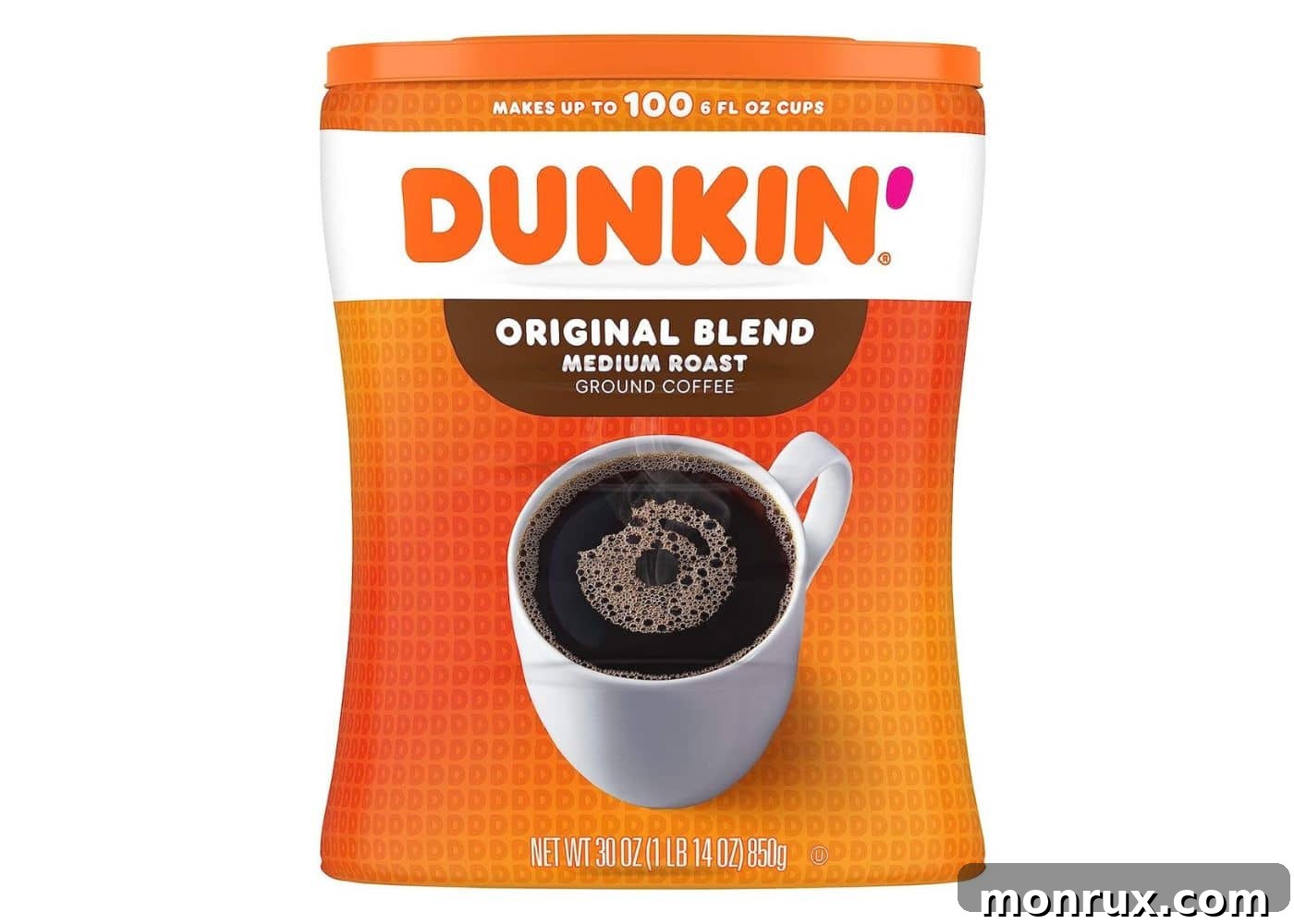
Is Dunkin’ Donuts Coffee Healthy? A Deep Dive into Its Nutrition
For countless coffee aficionados, a daily visit to Dunkin’ is an ingrained ritual. Yet, as awareness about nutrition and well-being grows, a pertinent question arises: Is Dunkin’ Donuts Coffee a healthy choice? This comprehensive article aims to dissect the nutritional landscape of Dunkin’s extensive coffee menu, from their classic black brews to their elaborate, flavored beverages. We will delve into the ingredients, analyze their potential health implications, and offer actionable advice to empower you in making informed decisions about your cherished cup of coffee.
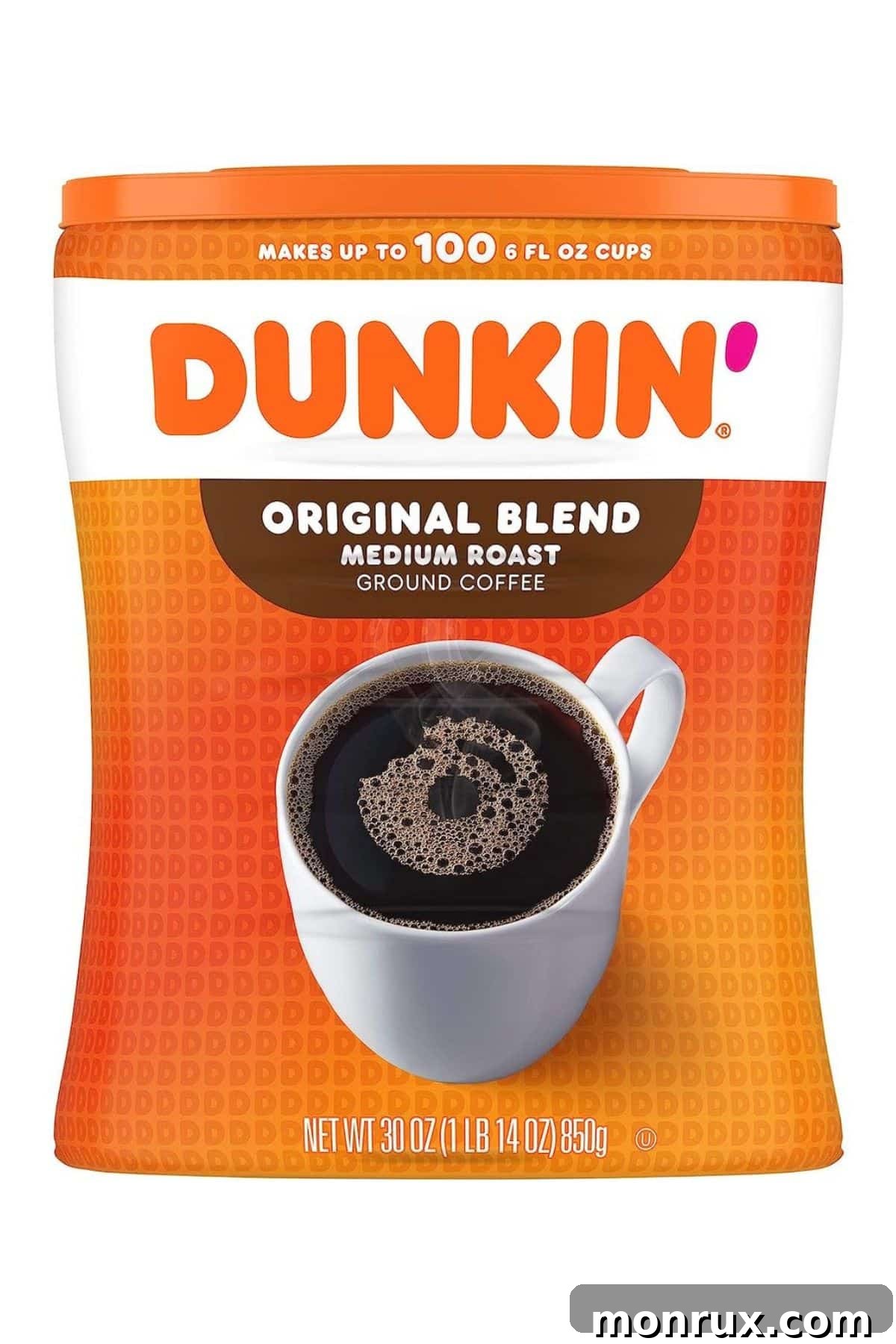
Dunkin’ Donuts Coffee: From Donuts to Dominance
Founded in 1950, Dunkin’ has undergone a significant transformation, evolving from its origins as a beloved donut purveyor to a global coffee chain that rivals industry giants. With an impressive footprint of thousands of restaurants across the United States and extending into 36 other nations, Dunkin’ has firmly cemented its status as a primary destination for coffee lovers. This strategic pivot has seen coffee overtake donuts as its signature offering, cementing its place in daily routines worldwide.
At the heart of Dunkin’s coffee program lies its steadfast dedication to using 100% Arabica beans. Arabica beans are universally celebrated for their nuanced flavor profile, aromatic richness, and typically lower acidity compared to their Robusta counterparts. This commitment to a higher-quality bean forms the fundamental basis when assessing the overall health aspects and sensory experience of their diverse coffee selection.
Dunkin’ prides itself on a diverse menu, meticulously crafted to cater to every individual preference, offering an impressive scope for customization. Whether your preference leans towards a steaming hot brew or a refreshing iced concoction, a robust shot of espresso or a creamy, milky blend, a sweetened indulgence or an unsweetened simplicity, Dunkin’ provides an option. The popular categories on their menu include:
- Hot Coffee: The timeless, straightforward brewed coffee, a staple for millions.
- Iced Coffee: A chilled iteration of their classic brew, perfect for warmer days or those who prefer their coffee cold.
- Cold Brew: A distinct preparation method involving steeping coffee grounds in cold water for an extended period, yielding a naturally smoother, less acidic, and often sweeter concentrate with a potent caffeine kick.
- Americano (Hot & Iced): A pure coffee experience crafted from espresso shots diluted with either hot water or cold water and ice, offering the intensity of espresso without the dairy.
- Latte (Hot, Iced, & Signature): A harmonious blend of espresso and steamed or cold milk, frequently crowned with a layer of foam. Signature Lattes elevate this classic with pre-formulated flavor swirls and decorative toppings.
- Macchiato (Hot & Iced): A minimalist espresso-based drink, traditionally featuring a shot of espresso “marked” with a dash of foamed milk or, in some preparations, milk “marked” with espresso.
- Cappuccino (Hot & Iced): A perfectly balanced trio of espresso, steamed milk, and a substantial layer of airy milk foam.
- Espresso: The concentrated essence of coffee, serving as the potent foundation for many specialty beverages on the menu.
While each drink begins with brewed coffee, its nutritional footprint can fluctuate significantly depending on factors such as serving size, the type of milk chosen, and the inclusion of flavorings and sweeteners. A thorough understanding of these choices is paramount for making health-conscious selections within the Dunkin’ menu.
Deconstructing Dunkin’ Coffee: A Close Look at Ingredients
In its most unadulterated form, a plain Dunkin’ coffee consists of nothing more than 100% Arabica coffee and water. This simplicity, however, is often overshadowed by the myriad of additions customers choose. To truly gauge the health impact of a Dunkin’ beverage, it’s imperative to scrutinize the common accompaniments that transform a basic cup into a more complex concoction.
The Coffee Bean and Caffeine: Benefits & Risks
Beyond being a mere morning stimulant, coffee is a remarkably intricate beverage brimming with bioactive compounds. Its primary active component, caffeine, is a natural psychoactive substance that has been extensively researched for its widespread effects on the human body. When consumed responsibly and in moderation, caffeine can confer several impressive health advantages:
- Cognitive Enhancement: Caffeine is renowned for its ability to sharpen alertness, improve focus, quicken reaction times, and boost overall cognitive performance. It achieves this primarily by blocking adenosine, a neurotransmitter that induces feelings of drowsiness and relaxation.
- Improved Physical Performance: By stimulating the central nervous system, increasing adrenaline levels, and facilitating the breakdown of stored body fat for energy, caffeine can significantly enhance endurance and overall athletic capabilities.
- Potent Antioxidant Source: Coffee stands as one of the richest dietary sources of antioxidants in many diets. These powerful compounds play a crucial role in neutralizing harmful free radicals, thereby combating oxidative stress and inflammation at a cellular level.
- Reduced Risk of Chronic Diseases: Consistent, moderate coffee intake has been associated with a lower incidence of several severe health conditions, including neurodegenerative diseases like Parkinson’s and Alzheimer’s, type 2 diabetes, various liver ailments (such as cirrhosis and liver cancer), and even certain forms of cancer.
- Mood Upliftment: Emerging research suggests that coffee consumption may be linked to a reduced risk of depression and an overall improvement in mood, potentially even lowering the risk of suicide.
Notwithstanding these benefits, caffeine remains a potent substance, and excessive consumption can precipitate a range of adverse effects. These include a heightened heart rate and elevated blood pressure, increased anxiety, jitteriness, sleep disturbances (insomnia), digestive discomfort (such as acid reflux or heartburn), and in some cases, dependency with associated withdrawal symptoms like headaches and irritability. Certain individuals, particularly those with pre-existing heart conditions, anxiety disorders, or a heightened sensitivity to stimulants, along with children and pregnant women, should exercise extreme caution or completely abstain from caffeine. The generally recommended daily caffeine limit for most healthy adults is up to 400 milligrams, roughly equivalent to four 8-ounce cups of standard brewed coffee.
A significant point of consideration regarding Dunkin’ coffee is that while it proudly utilizes 100% Arabica beans, it is generally not certified organic. Conventional coffee cultivation often involves the application of synthetic pesticides, herbicides, and fungicides. For consumers prioritizing organic produce due to concerns about chemical residues, this non-organic status may be a drawback, suggesting that brewing organic, fair-trade beans at home might align better with a clean eating philosophy.
Milk and Dairy Alternatives: What Are You Adding?
The choice of milk or dairy alternative can drastically alter the nutritional composition and caloric load of your Dunkin’ coffee. Dunkin’ offers several options:
- Dairy Milks:
- Skim Milk: This fat-free option removes much of the natural fat, but can sometimes be higher in natural sugars (lactose) and is typically more processed than whole milk to achieve its texture and stability.
- Whole Milk: Containing natural milk fats, whole milk is generally considered less processed than its skim counterpart. It provides essential fat-soluble vitamins (A, D, E, K) that are crucial for absorption and overall health. For individuals who consume dairy, whole milk is often preferred for its more natural profile and richness.
- Cream: A high-fat dairy product, cream substantially increases the calorie and saturated fat content of any beverage, transforming a coffee into a richer, more indulgent treat.
- Plant-Based Milks:
- Almond Milk: Often chosen for its lower calorie count, commercial almond milk typically includes added sugars, various thickeners (e.g., gellan gum, locust bean gum), emulsifiers (such as sunflower lecithin), and a range of fortifying vitamins and minerals to compensate for its nutritional thinness.
- Oat Milk: Popular for its creamy texture and perceived health benefits, Dunkin’s oat milk often contains added oils (like sunflower oil for creaminess), stabilizers (such as guar gum), and frequently, added sugars, in addition to being vitamin-fortified.
- Coconut Milk: While offering a distinctive tropical flavor, the coconut milk option at Dunkin’ usually incorporates additives like gellan gum, other synthetic vitamins, and locust bean gum. These ingredients render it a more processed product compared to pure, unsweetened coconut milk found in specialty stores or homemade versions.
While plant-based milks serve as excellent alternatives for individuals with lactose intolerance, dairy allergies, or those adhering to vegan dietary principles, a careful review of their ingredient lists is paramount. Unlike minimalistic, homemade plant milks, commercial varieties available at coffee shops are often formulated with a blend of additives. These ingredients are included to enhance texture, extend shelf-life, and improve flavor, but they invariably contribute to a more processed final product, potentially introducing unwanted sugars, unhealthy fats, and synthetic chemicals into your drink. For a healthier approach, consider enjoying your coffee black or, if feasible, bringing your own preferred unsweetened, minimally processed plant milk from home.
Flavorings and Sweeteners: The Hidden Dangers
This category typically represents the most significant nutritional pitfalls of many favored Dunkin’ beverages. While a plain coffee can indeed be a healthy choice, the moment flavorings and sweeteners are introduced, the beverage’s nutritional integrity often deteriorates significantly.
- Artificial Colors and Flavors: A considerable number of Dunkin’s flavor swirls and syrups are loaded with artificial colors and flavors. These synthetic additives have been linked to a variety of health concerns, including allergic reactions (such as hives, eczema, and asthma exacerbations), behavioral issues in children (notably hyperactivity and symptoms resembling ADHD), and potential neurotoxic effects. Specific food dyes like Red 40, Yellow 5 (Tartrazine), and Yellow 6 (Sunset Yellow) are frequently cited in research for their adverse health associations. The lack of detailed information from Dunkin’ regarding the precise artificial additives used makes it difficult for consumers to fully assess their exposure risks. Even seemingly innocent flavors like “French vanilla” or “hazelnut” are often chemically derived rather than sourced from natural extracts.
- Preservatives: To ensure extended shelf life and maintain product stability, many syrups and flavorings contain preservatives. While the safety profiles of different preservatives vary, as a general rule, they are not considered health-promoting. Chronic or excessive exposure to certain preservatives has been implicated in respiratory problems, headaches, digestive disturbances, and potential negative impacts on gut microbiota and overall metabolic health.
- Sweetened Condensed Milk: This ingredient, commonly found in indulgent signature lattes and specialty drinks, is essentially cow’s milk from which most of the water has been removed, combined with substantial quantities of added sugar. It is an extremely concentrated source of both fat and sugar, contributing significantly to a beverage’s caloric content. Regular consumption can lead to undesirable health outcomes such as unhealthy weight gain, sharp fluctuations in blood sugar levels, an increased risk of dental caries, and a heightened risk of cardiovascular diseases due to its high fat and sugar load.
- High Fructose Corn Syrup (HFCS): A pervasive sweetener in numerous processed foods and beverages, HFCS is a highly refined and controversial ingredient. Scientific research indicates that HFCS, especially in its liquid form, may be metabolized differently by the body compared to standard table sugar (sucrose). This difference in metabolism could contribute to a spectrum of metabolic disorders. Its consumption has been linked to increased appetite, a predisposition to obesity, insulin resistance, the development of type 2 diabetes, non-alcoholic fatty liver disease (NAFLD), and elevated triglyceride levels. The presence of HFCS in Dunkin’s flavored options represents a significant nutritional drawback.
- Other Added Sugars: Beyond HFCS and sweetened condensed milk, many flavorings and syrups simply contain generous amounts of refined sugar. These sugars offer only empty calories, devoid of any nutritional benefit. Excessive sugar intake is a leading global health concern, strongly correlated with obesity, type 2 diabetes, heart disease, and chronic inflammation throughout the body.
It becomes strikingly evident that while the fundamental coffee bean offers numerous benefits, the incorporation of these widespread additions in most flavored Dunkin’ drinks fundamentally alters their nature. They transform from a potentially healthy beverage into one laden with ingredients that are often contrary to principles of clean eating. To mitigate these risks, always inquire about ingredient information or proactively select simpler, unsweetened options.
Nutritional Advantages of Choosing Dunkin’ Coffee (The Pros)
When approached in its most pristine form—as a plain, black coffee—Dunkin’s offerings present several commendable health benefits:
- Quality 100% Arabica Beans: Dunkin’s dedication to using Arabica beans signifies a commitment to quality. Arabica coffee is generally celebrated for its smoother, more refined taste, and a superior balance of beneficial compounds compared to the more robust Robusta variety. This often translates to a richer antioxidant profile.
- Abundant in Antioxidants: Coffee, by its very nature, is a rich source of powerful antioxidants, including chlorogenic acids, quinides, and melanoidins. These compounds are vital in combating oxidative stress and inflammation, thereby protecting the body’s cells from damage caused by free radicals.
- Benefits of Moderate Caffeine Intake: As extensively discussed, consuming caffeine in moderation can significantly enhance cognitive functions such as alertness and focus, boost physical performance, and offer neuroprotective effects against debilitating diseases like Parkinson’s and Alzheimer’s. Furthermore, it has been associated with a reduced risk of type 2 diabetes and various liver conditions.
- Naturally Low-Calorie (Black Coffee): A plain black coffee, whether served hot or iced, contains virtually negligible calories, fats, or sugars. This makes it an exemplary beverage choice for individuals focused on weight management and overall health, provided it is enjoyed without any additional caloric or sugary embellishments.
In essence, the closer your Dunkin’ coffee remains to its natural, unadulterated state, the more effectively you can capitalize on its inherent health-promoting properties.
Health Considerations and Potential Downsides (The Cons)
While the intrinsic qualities of coffee beans offer several advantages, numerous factors can swiftly diminish the health appeal of a Dunkin’ beverage:
- Non-Organic Sourcing: The absence of organic certification for Dunkin’s coffee beans implies that they may have been cultivated using synthetic pesticides, herbicides, and chemical fertilizers. For individuals concerned about ingesting chemical residues, this non-organic status represents a notable drawback.
- Alarming Levels of Added Sugars: The most significant health concern stems from the exorbitant quantities of added sugars found in flavored lattes, various swirls, and specialty coffee concoctions. These sugars contribute to empty calories, trigger rapid blood sugar spikes, promote weight gain, and significantly elevate the risk of developing chronic diseases such as heart disease, type 2 diabetes, and non-alcoholic fatty liver disease. Many popular customized drinks at Dunkin’ can easily exceed the recommended daily sugar intake guidelines.
- Prevalence of Artificial Ingredients: Flavorings are frequently saturated with artificial colors, synthetic flavors, and chemical preservatives. These man-made additives have been scientifically linked to adverse reactions, including allergic responses, hyperactivity and behavioral issues in children, and other potential long-term health risks, all while offering zero nutritional value.
- Processed Plant Milks: Although plant-based dairy alternatives are increasingly popular, the varieties offered by Dunkin’ often contain a range of stabilizers, emulsifiers, added oils, and sugars. These additives make them significantly more processed than either whole dairy milk or unsweetened, homemade plant-based options. Such ingredients can subtly increase the calorie and sugar content and may even contribute to digestive discomfort for some sensitive individuals.
- Elevated Calorie Counts: Many customized Dunkin’ beverages, particularly larger sizes adorned with multiple pumps of syrup, flavor swirls, and whipped cream, can astonishingly accumulate hundreds of calories. This transforms what should be a simple coffee into a dessert-like indulgence that can easily undermine dietary goals and contribute to excess calorie intake.
- Caffeine Sensitivity and Variability: While caffeine offers benefits for many, its stimulating effects can be detrimental for individuals sensitive to it, potentially leading to anxiety, sleep disturbances, or gastrointestinal upset. Furthermore, the actual caffeine content can vary substantially based on the drink type, size, and preparation method, making it challenging for consumers to regulate their intake precisely.
Ultimately, the perceived healthiness of a Dunkin’ coffee is profoundly shaped by the choices made during the customization process. Opting for anything beyond a plain black coffee almost invariably introduces one or more of these potential nutritional downsides.
Dunkin’ Coffee Nutrition FAQs
The most basic forms of Dunkin’ Donuts Coffee – specifically, plain black regular coffee, espresso, or cold brew without any added sugars, artificial flavors, or processed milks – can be considered a relatively healthy beverage for the majority of adults who do not experience caffeine sensitivity. These options provide beneficial antioxidants and the positive effects of caffeine. However, it’s important to note that Dunkin’ coffee is generally not organic. In contrast, most customized Dunkin’ drinks, due to their significant amounts of added sugar, artificial ingredients, and high calorie counts from flavorings and non-dairy milks, are typically far less healthy. For the absolute healthiest choice, consider brewing organic, high-quality coffee beans at home, which also often proves more economical.
No, it is not universally safe. Coffee naturally contains caffeine, which can be unsafe for certain demographics such as young children, pregnant or breastfeeding women, and individuals with specific health conditions (e.g., heart issues, anxiety disorders) or those who are highly sensitive to stimulants. Caffeine can induce symptoms like an increased heart rate, heightened anxiety, and insomnia in susceptible individuals. Moreover, the broad spectrum of ingredients in customized Dunkin’ beverages, particularly the artificial flavors and high sugar content, may pose risks for people with allergies, sensitivities, or those managing conditions like diabetes or cardiovascular disease. It is always advisable to review ingredient information carefully and consult with a healthcare provider if you have any specific health concerns.
Plain black Dunkin’ coffee, encompassing hot coffee, iced coffee, espresso, Americano, and cold brew, is inherently sugar-free. However, the sugar content can become substantial the moment you incorporate flavor swirls, syrups, sweetened milks (like sweetened condensed milk), or even some of their commercially prepared plant-based milk alternatives. Many flavored drinks at Dunkin’ are loaded with significant amounts of refined sugar or high fructose corn syrup, dramatically increasing their caloric and sugar load. To effectively manage your sugar intake, always specify “unsweetened” when ordering and do not hesitate to ask for detailed ingredient information regarding any flavorings you consider adding.
The healthiest coffee selections at Dunkin’ are those with the absolute fewest added ingredients: plain black hot coffee, iced coffee, a simple espresso shot, or a straightforward Americano. These options contain zero grams of added sugar and are minimally caloric. If you prefer to add milk, opt for a small splash of unsweetened whole milk. Be aware that Dunkin’s commercially offered plant-based milks frequently contain added sugars, oils, and thickeners. As alternative healthy beverage choices at Dunkin’, consider unsweetened iced green tea or unsweetened hot tea, which provide antioxidants without the added sugars or artificial ingredients often found in coffee flavorings.
Making Smart, Healthier Choices at Dunkin’
Navigating the extensive Dunkin’ menu while keeping your health goals in mind is entirely achievable with a few deliberate and strategic choices:
- Embrace Black Coffee: The most straightforward and undeniably healthiest option is plain black coffee, whether served hot or iced. This allows you to fully appreciate the rich flavor and inherent health benefits of the 100% Arabica beans, free from any added sugars, unhealthy fats, or artificial ingredients.
- Always Go Unsweetened: If plain black coffee isn’t to your taste, make it a habit to request your drink unsweetened. This provides you with complete control over any additional sweeteners you might choose to add, allowing you to opt for minimal amounts of natural alternatives if desired.
- Be Mindful of Milk Choices: For dairy, a small amount of unsweetened whole milk is generally a less processed option compared to skim milk. When considering plant-based milks, remember the common additives they contain. Ideally, for ultimate control over ingredients, consider bringing your own unsweetened, minimally processed plant milk from home, or simply stick to black coffee to avoid commercial additives.
- Steer Clear of Flavor Swirls and Syrups: These are the primary culprits for significantly increasing the sugar content, introducing artificial colors, and synthetic flavors. Even if a flavor sounds tempting, its ingredient list is highly likely to be less appealing from a health perspective.
- Opt for Simpler Espresso-Based Drinks: Espresso, Americano, or a plain latte (made with unsweetened milk) are far superior choices than the elaborate “Signature Lattes” or blended beverages, which often function more as decadent desserts than healthy drinks.
- Consider Your Size: Naturally, selecting smaller drink sizes will result in fewer calories, less sugar, and a lower overall caffeine intake, making it easier to manage your consumption.
- Brew at Home: For unparalleled control over the quality of ingredients, preparation methods, and cost-efficiency, brewing your coffee at home using organic, high-quality beans and your preferred unsweetened additions is consistently the healthiest and most economical solution.
Final Thoughts: Is Dunkin’ Coffee for You?
At its core, grounded in 100% Arabica beans, Dunkin’ Donuts Coffee possesses the inherent potential to be a relatively healthy component of your daily routine. Plain black coffee, consumed in moderation, delivers a wealth of beneficial antioxidants and offers the well-documented cognitive and physical advantages of caffeine. However, the reality is that the vast majority of customized Dunkin’ menu items, which are frequently laden with excessive added sugars, artificial flavorings, and processed dairy alternatives, quickly transform this potentially healthful beverage into a less desirable, calorie-dense indulgence. It is unequivocally not a suitable drink for children or individuals who exhibit high sensitivity to caffeine, nor does it carry an organic certification, which is a significant consideration for many health-conscious consumers.
The determining factor in whether Dunkin’ coffee contributes positively to your health lies almost entirely within your customization choices. By consciously opting for plain black coffee, or by meticulously selecting unsweetened and minimally altered options, you can effectively harness coffee’s inherent benefits while skillfully avoiding the pitfalls of unnecessary additives. For those who prioritize the purest, most cost-effective, and health-optimized coffee experience, brewing organic, high-quality coffee at home consistently remains the superior choice.
Don’t Miss These Coffee Articles!
Don’t forget to join my newsletter list to get exclusive clean eating recipes and tips. The newsletter is 100% free with no spam; unsubscribe anytime.
About the Author: Carrie Forrest holds a master’s degree in public health with a specialization in nutrition and is a certified holistic nutritionist. She is a prominent wellness and food blogger, attracting over 5 million annual visitors to her website. Carrie shares an inspiring personal story of recovery from chronic illness and is deeply committed to empowering other women to transform their health journeys. You can reach out to her via her contact form.
Disclaimer: This article is provided for informational purposes only and should not be considered as medical advice. Please consult with your healthcare provider for personalized recommendations pertinent to your individual health situation.