Welcome to the ultimate guide for exploring vegetables that start with T! Whether you’re a culinary enthusiast, a parent looking to expand your family’s palate, playing a challenging word game, or simply seeking new, nutrient-rich additions to your diet, this comprehensive list is designed for you. From the fiery kick of a Tabasco pepper to the earthy goodness of a turnip, the world of ‘T’ vegetables is incredibly diverse and packed with flavor and health benefits. Dive in to discover familiar favorites and exciting new ingredients that will inspire your next meal.
Discovering Vegetables That Start with T
Embark on a culinary journey by exploring these incredible vegetables, all beginning with the letter ‘T’. While some may be staples in your kitchen, others might be exotic finds at your local international market. Each offers a unique blend of flavors, textures, and impressive health benefits, making them valuable additions to any balanced diet. From crisp leafy greens to hearty root vegetables and vibrant peppers, prepare to be inspired by the versatility of these plant-based treasures. Incorporating them into your meals is an excellent way to boost your fiber intake, essential vitamins, and minerals, contributing to overall wellness.
1. Tabasco Pepper
The Tabasco pepper is a small, vibrant chili pepper renowned for its intense heat and distinctive flavor. Originating in Mexico, it is famously used to make Tabasco sauce, but its versatility extends far beyond. These peppers typically ripen from green to a brilliant red, signaling their peak flavor and spice. With a Scoville Heat Unit (SHU) rating of 30,000 to 50,000, they offer a significant punch without being overwhelmingly hot, making them a favorite for adding a zesty kick to salsas, hot sauces, and various Mexican and Cajun dishes. Beyond their spice, Tabasco peppers also contribute a fresh, slightly smoky undertone.
2. Tahitian Spinach
Tahitian spinach, also known as bele or island spinach, is a lesser-known leafy green vegetable cherished in tropical regions, particularly in Tahiti and other Pacific islands. Thriving in warm, humid climates, this plant produces large, heart-shaped leaves with a remarkably mild and pleasant flavor, often described as a delicate version of conventional spinach. Unlike some greens, Tahitian spinach maintains its texture well when cooked, making it excellent for stir-fries, stews, and traditional Polynesian dishes. It’s a nutritious choice, offering vitamins, minerals, and antioxidants, perfect for adding a touch of the tropics to your meals.
3. Tamarillo
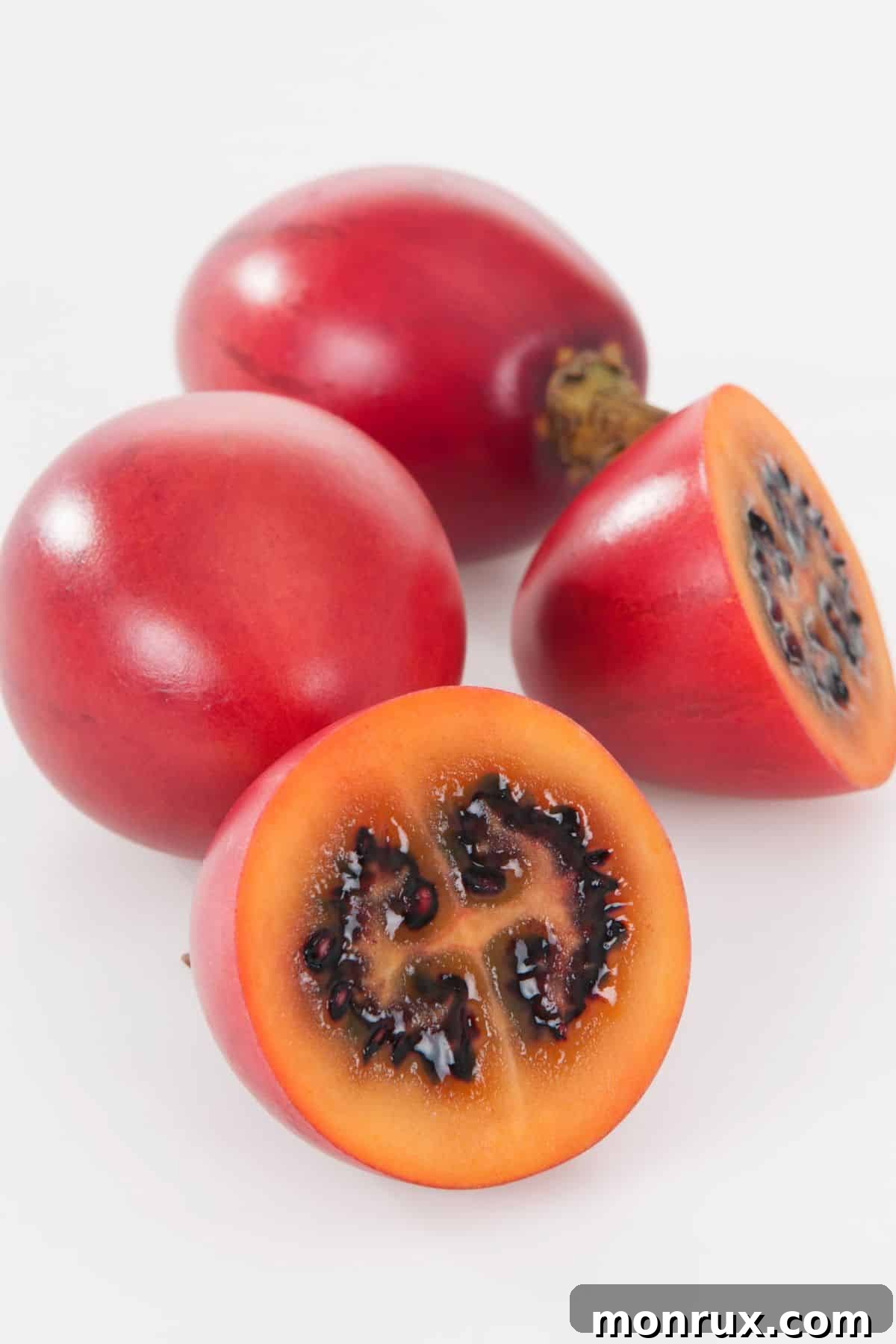
The tamarillo, often called tree tomato, is a captivating egg-shaped fruit native to South America, though botanically a fruit, it is frequently used in savory culinary applications, earning its place on this list. It typically sports smooth, glossy skin in shades of red, orange, or yellow. The flesh is juicy and vibrant, offering a complex flavor profile that blends sweetness with a distinct tartness and sometimes a savory tang. Tamarillos are incredibly versatile: they can be enjoyed raw in salads, cooked into chutneys, jams, or sauces, and even incorporated into savory stews or roasts, adding a unique, exotic twist.
4. Tamarind Leaves
While the fruit of the tamarind tree is widely known for its sweet-sour pulp, the tender young leaves are also a cherished ingredient, especially in various African and Asian cuisines. These delicate leaves boast a distinctly sour yet subtly sweet taste, making them an excellent natural souring agent. They are often used fresh in soups, curries, and stews, imparting a refreshing tang that brightens dishes. Beyond their culinary appeal, tamarind leaves are also recognized for traditional medicinal properties, including anti-inflammatory benefits. They offer a unique flavor dimension that can elevate a wide range of savory recipes.
5. Taro
Taro is a starchy root vegetable that serves as a staple food for millions across tropical and subtropical regions, including Hawaii, Africa, and Asia. It’s identifiable by its rough, fibrous brown skin, while its interior flesh can range from white to light purple. With a texture similar to a potato but a milder, nuttier flavor, taro must be cooked thoroughly before consumption due to the presence of calcium oxalate crystals, which are easily neutralized by heat. Once cooked, it becomes creamy and slightly sweet, making it ideal for mashing, frying, boiling, or incorporating into stews and traditional dishes like Hawaiian poi. Taro is also a good source of dietary fiber and complex carbohydrates.
6. Tarwi
Tarwi is a remarkable Andean legume with a rich history, cultivated in the highlands of Peru for thousands of years. Known for its exceptional nutritional profile, tarwi seeds are packed with protein, making them an invaluable food source in their native region. Traditionally, tarwi requires extensive soaking and rinsing to remove bitter alkaloids, but modern varieties and processing methods have made it more accessible. Once prepared, the seeds have a distinct nutty flavor and a firm texture, making them a versatile ingredient in various dishes, from stews and soups to salads and even as a meat substitute. Tarwi represents a powerful, ancient superfood worthy of rediscovery.
7. Tatsoi
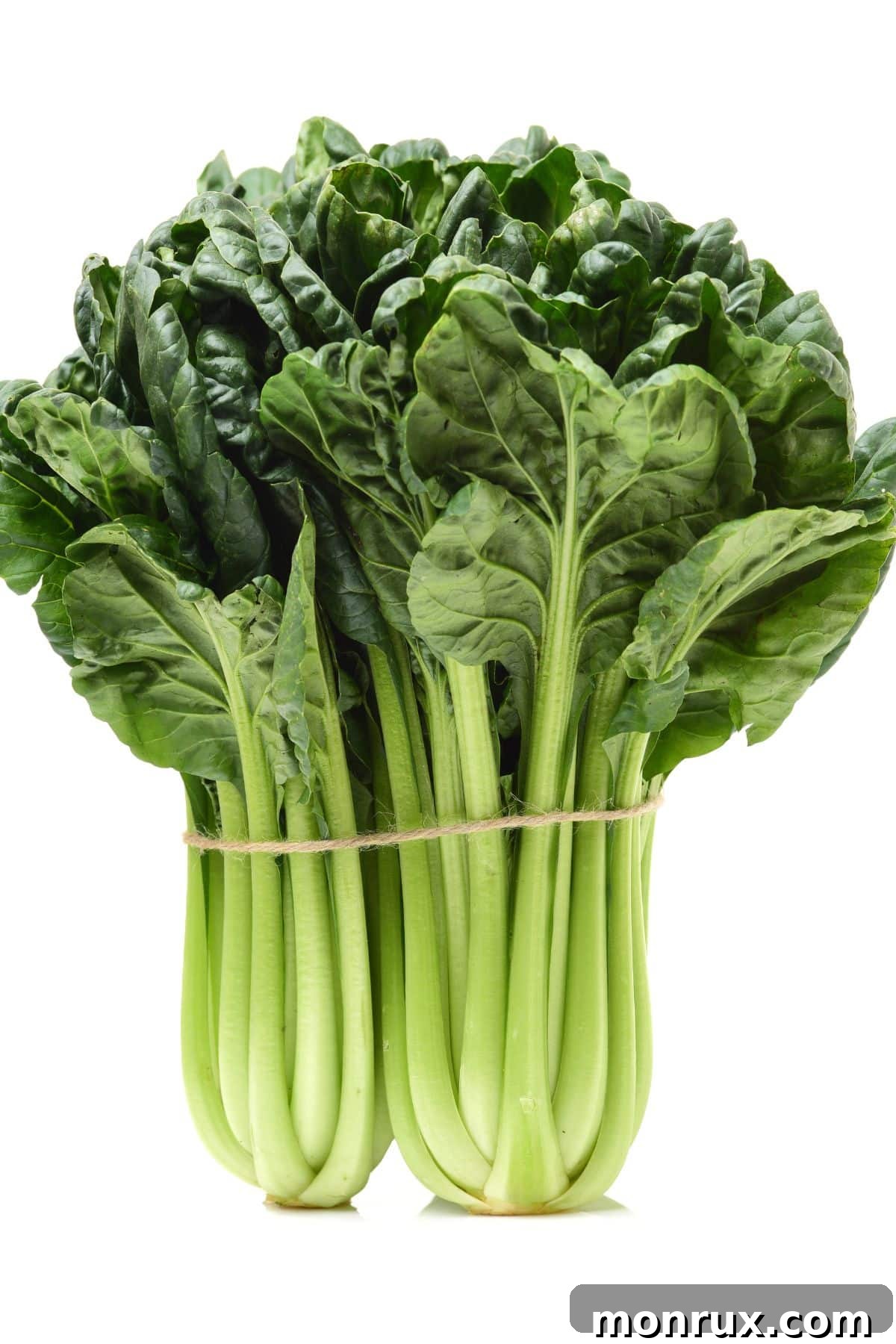
Tatsoi is an elegant and nutritious leafy green vegetable, native to Asia, particularly popular in Chinese, Japanese, and Korean cuisines. It forms beautiful, compact rosettes of small, dark green, spoon-shaped leaves with tender stems. The flavor profile is a delightful blend of slightly sweet, nutty, and subtly mustard-like notes, less peppery than some other Asian greens. Tatsoi is incredibly versatile: it can be enjoyed raw in salads, adding a delicate crunch and flavor, or quickly cooked in stir-fries, soups, and sautéed dishes, where its leaves wilt beautifully while retaining a slight bite. As a cruciferous vegetable, tatsoi is a powerhouse of vitamins (A, C, K) and antioxidants, making it a healthy addition to any meal.
8. Tepary Bean
The tepary bean is a drought-resistant legume indigenous to the arid regions of the southwestern United States and northern Mexico, where it has been a crucial food source for indigenous peoples for centuries. These small, oval beans come in various colors, most commonly brown, white, or black, and possess a distinct earthy, nutty flavor. They are highly nutritious, boasting a rich content of protein, fiber, and essential minerals, making them an excellent choice for a healthy diet. Tepary beans are wonderfully versatile in the kitchen, perfect for hearty soups, flavorful stews, robust chilis, and even as a nutritious side dish or blended into dips.
9. Thai Basil
Thai basil is a distinct variety of basil, celebrated for its unique aromatic profile and beautiful appearance, commonly found in Southeast Asian cuisine, especially Thai and Vietnamese dishes. Unlike its Italian counterpart, Thai basil features sturdy purple stems, deep green leaves, and often purple flowers, offering a striking visual appeal. Its flavor is a complex blend of sweet, spicy, and anise-like notes, with a hint of licorice, making it instantly recognizable. It holds up well to cooking and is a quintessential ingredient in curries, stir-fries, and noodle dishes like pho, adding an unparalleled fragrance and depth of flavor.
10. Thai Chili Pepper
Thai chili peppers encompass a wide range of small, slender, and intensely hot chili varieties primarily used in Thai cuisine and other Southeast Asian dishes. These peppers typically range in color from green to red or yellow as they ripen, and their heat level can vary significantly, often falling between 50,000 to 100,000 SHU. They are essential for imparting the characteristic fiery flavor to popular dishes like curries, stir-fries, and spicy salads. Their concentrated heat and vibrant flavor make them a powerful ingredient, used either fresh, dried, or pounded into chili pastes to create authentic and exhilarating culinary experiences.
11. Thai Eggplant
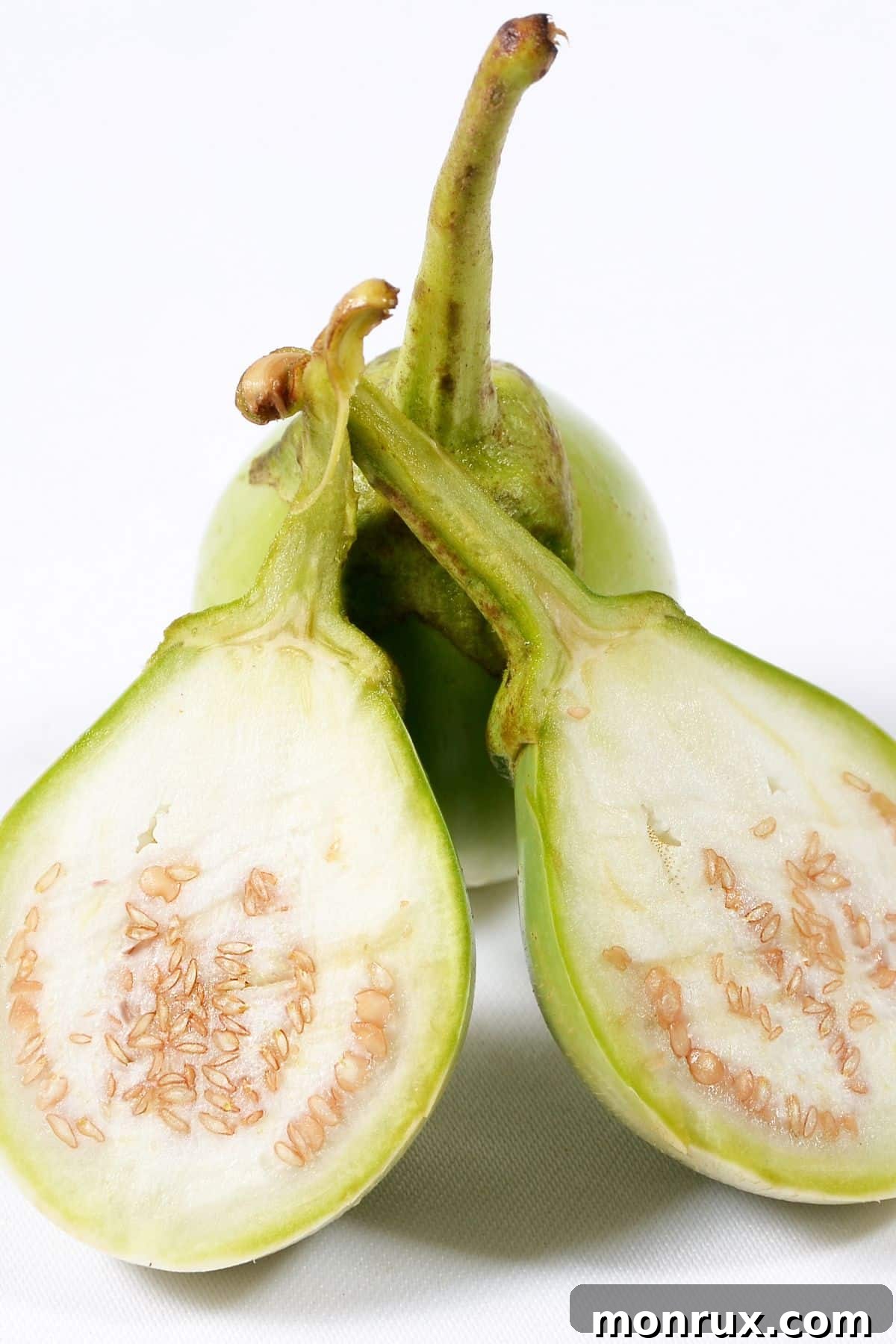
Thai eggplant refers to several varieties of eggplant commonly found in Southeast Asian cooking. Unlike the larger, darker Western eggplants, Thai eggplants are typically smaller, round or oval, and come in a spectrum of colors including green, white, or purple, sometimes with stripes. They possess a milder, slightly sweeter flavor and a firmer texture that holds up well during cooking, preventing them from becoming mushy. This makes them a preferred choice for curries, stir-fries, and traditional stews, where they absorb the rich flavors of the sauces beautifully. They add both substance and a subtle sweetness to many beloved Asian dishes.
12. Three-cornered Leek
The three-cornered leek, also known as wild garlic or onion weed, is an edible wild plant native to Europe and Asia. Recognized by its distinctive triangular stems and long, narrow, grass-like leaves, it produces delicate white bell-shaped flowers. Every part of the plant – the leaves, flowers, and small triangular bulbs – is edible. It offers a pungent, delightful flavor that lies somewhere between garlic and onion, making it a fantastic addition to spring foraging. It can be used raw in salads, pestos, or as a garnish, or cooked gently in soups and stir-fries, lending a fresh, piquant aroma to dishes.
13. Tigernut
Despite its name, the tigernut is not a nut but a small, fibrous tuber (root vegetable) native to Africa and parts of Asia. These tiny, wrinkled brown tubers have a naturally sweet, earthy, and slightly nutty flavor, often described as a cross between coconut and almond. Tigernuts are incredibly popular in the paleo and gluten-free communities due to their nutritional density. They are an excellent source of prebiotic fiber, which supports gut health, and contain resistant starch. Tigernuts can be enjoyed raw as a snack, soaked and blended to make traditional horchata, or ground into flour, offering a versatile, nutrient-rich alternative for baking and cooking. You can explore the best substitutes for tiger nut flour in a related article.
14. Tindora
Tindora, also widely known as ivy gourd or little gourd, is a small, elongated, cucumber-like vegetable that is a staple in Indian and other Asian cuisines. Grown on a vine, tindora is typically harvested when young and green, boasting a crisp texture and a mild, slightly bitter taste that becomes sweeter upon cooking. It is highly valued for its ability to absorb flavors, making it excellent in stir-fries, curries, and various dry vegetable preparations. Beyond its culinary uses, tindora is also recognized in traditional medicine for its potential health benefits, particularly in managing blood sugar levels.
15. Tomaccio Tomato
The Tomaccio tomato is a unique hybrid variety of cherry tomato developed in Israel, specifically bred for its exceptional sweetness and concentrated flavor. These small, oblong tomatoes are characterized by their deep red color and firm texture. They offer an intensely sweet taste with just a hint of balancing acidity, making them a delightful snacking tomato right off the vine. Tomaccios are also ideal for drying, as their low moisture content and high sugar levels yield a wonderfully chewy and flavorful dried tomato product. They enhance salads, appetizers, and can even be roasted to bring out their incredible natural sugars.
16. Tomatillo
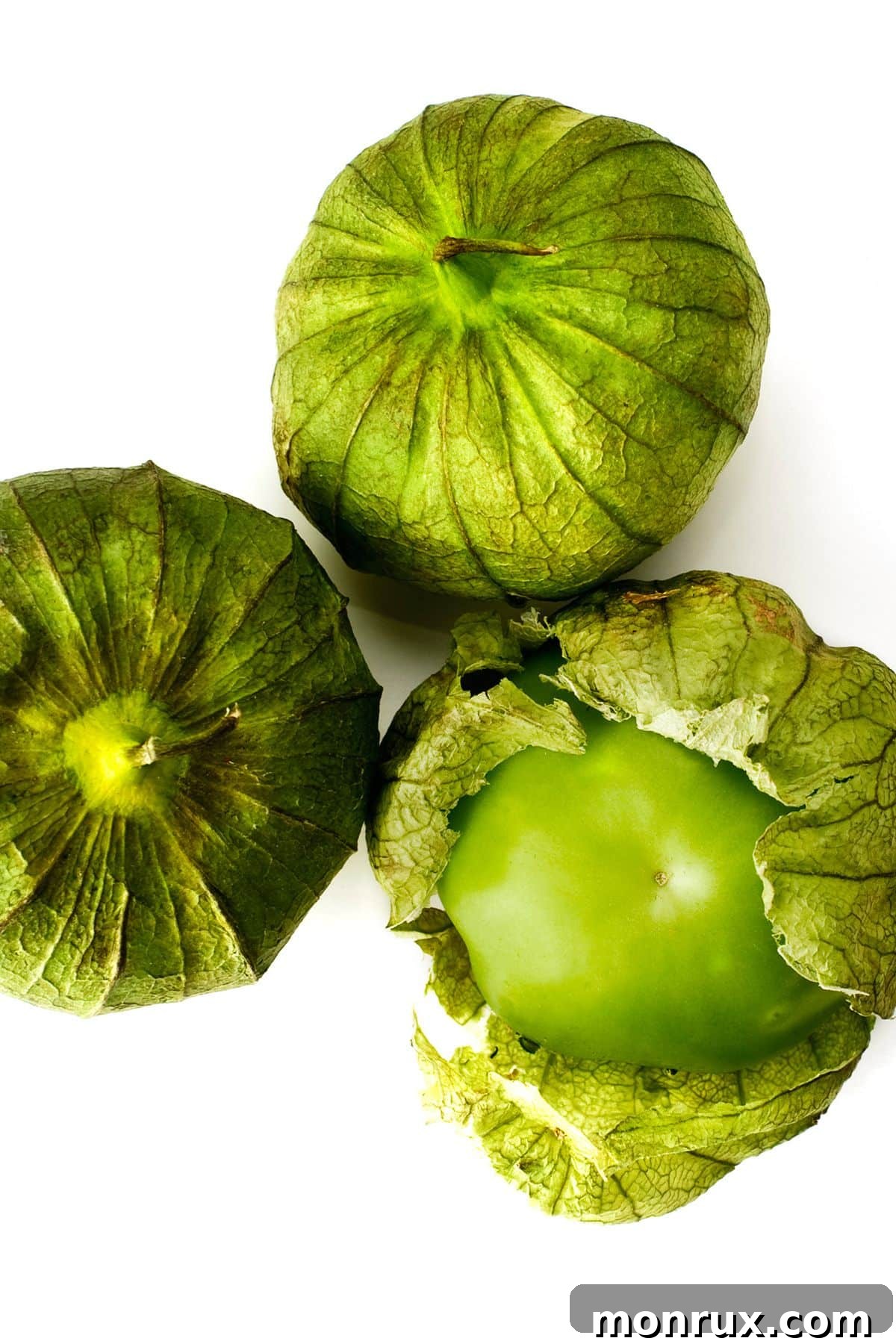
The tomatillo, meaning “little tomato” in Spanish, is a staple of Mexican and Central American cuisine, though it’s botanically distinct from a common tomato. Encased in a papery husk that must be removed before use, tomatillos are typically small, round, and green, with a firm texture. Their flavor is tart, bright, and slightly lemony, offering a refreshing and uniquely savory profile with a hint of earthy sweetness. Tomatillos are the star ingredient in authentic salsa verde, but their culinary applications are broad, including sauces, stews, and various Mexican dishes, where their tanginess adds a crucial depth of flavor.
17. Tomato
The tomato is a globally beloved and incredibly versatile ingredient, sparking the age-old debate of whether it’s a fruit or a vegetable (botanically a fruit, culinarily a vegetable). Available in an astonishing array of varieties—from tiny cherry tomatoes to large beefsteaks, and colors spanning red, yellow, green, and even purple—tomatoes are cultivated worldwide. They offer a mildly sweet, slightly acidic, and juicy flavor that adapts beautifully to almost any cuisine. Rich in Vitamin C and the powerful antioxidant lycopene (especially when cooked), tomatoes are essential for sauces, salads, sandwiches, and countless cooked dishes, making them one of the most indispensable items in the kitchen.
18. Topinambur
Topinambur, more commonly known as the Jerusalem artichoke or sunchoke, is a unique root vegetable native to central North America. Despite its name, it’s not related to artichokes but is a species of sunflower, with its edible part being the tuberous root. It has a knobby, irregular brown skin and crisp, white flesh. When raw, it offers a sweet, nutty, and slightly earthy flavor, often compared to a cross between a water chestnut and an artichoke heart. Cooked, it develops a creamy texture and a richer, sweeter taste, making it excellent for roasting, mashing, soups, or thinly sliced in salads. Topinambur is also a good source of inulin, a prebiotic fiber beneficial for gut health.
19. Tree Onion
The tree onion, also known as walking onion or Egyptian walking onion, is a fascinating perennial allium that stands out for its unique method of propagation. Instead of flowering, it produces bulbils (small aerial bulbs) at the top of its stalks, which eventually become heavy and cause the stalk to bend to the ground. These bulbils then root, creating new plants a short distance away, hence the “walking” moniker. Native to Egypt and North Africa but grown globally, tree onions have a strong, pungent flavor similar to a robust shallot or a very intense spring onion, making them an excellent choice for adding a bold, fresh onion flavor to various dishes, both raw and cooked.
20. Trinidad Moruga Scorpion Pepper
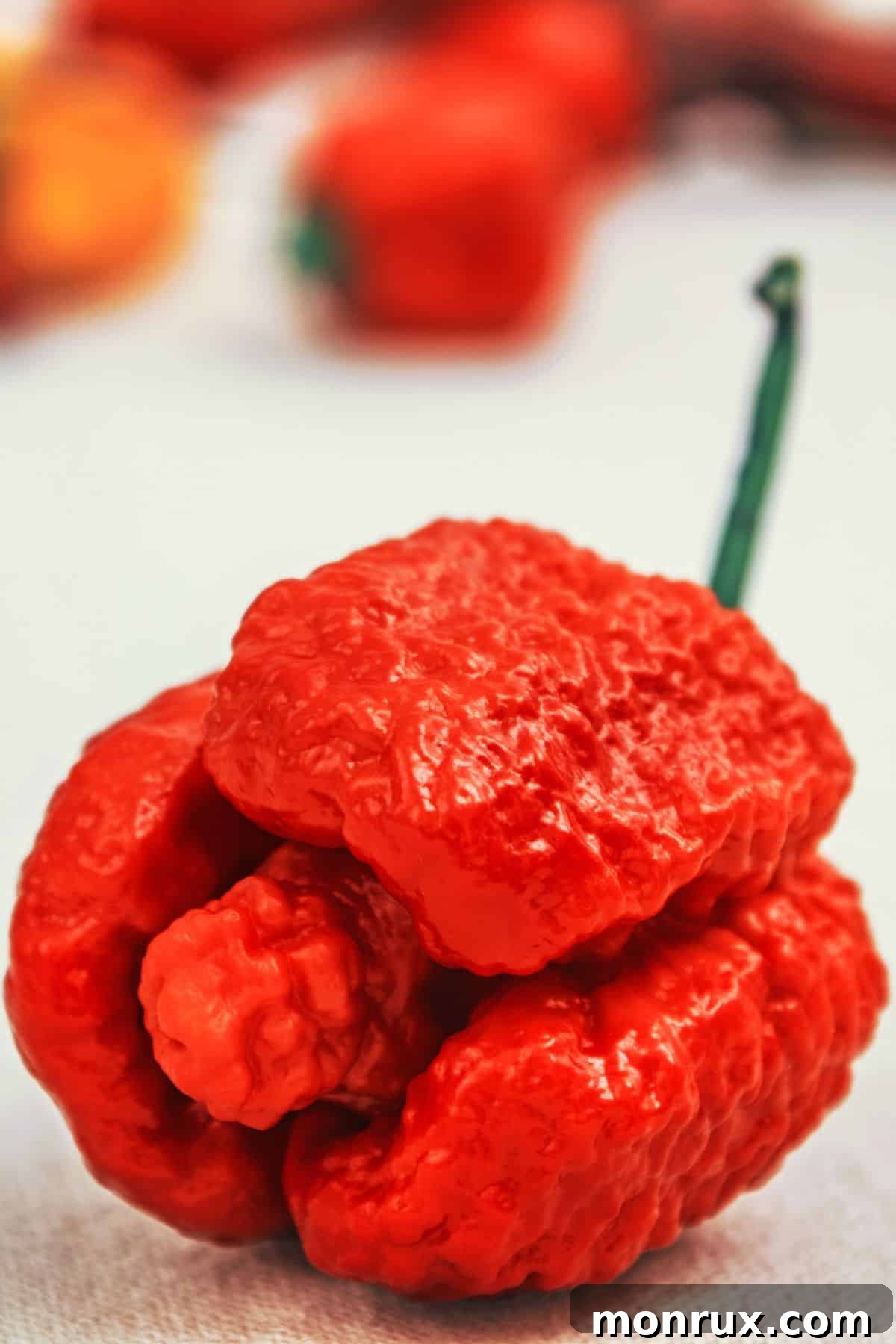
For those who dare to embrace extreme heat, the Trinidad Moruga Scorpion pepper is a formidable chili. Hailing from Trinidad and Tobago, this pepper was once considered the hottest in the world, with a scorching Scoville Heat Unit rating of over 2 million. Small, wrinkled, and often with a pointed “scorpion’s tail,” these peppers ripen to a fiery red. Their flavor, beneath the intense heat, is surprisingly fruity and floral. Due to their extreme potency, Trinidad Moruga Scorpion peppers are typically used in very small quantities to make intensely hot sauces, spice rubs, or in specialized culinary applications where a powerful heat kick is desired, always with extreme caution.
21. Turban Squash
Turban squash, often referred to as French turban or Japanese pumpkin, is a decorative and edible winter squash known for its distinctive, often whimsical appearance. It has a round or oblong shape, characterized by a “turban” or “cap” growth on its blossom end, and comes in vibrant colors like orange, green, and white. The flesh inside is typically orange or yellow, offering a sweet, nutty, and somewhat buttery flavor, reminiscent of pumpkin or butternut squash. Turban squash is excellent for roasting, stuffing, or pureeing into soups and baked goods, and its unique shape also makes it a popular choice for seasonal centerpieces before it’s cooked and enjoyed.
22. Turmeric
Turmeric is a revered spice derived from the rhizome (underground stem) of the Curcuma longa plant, widely celebrated for its vibrant deep orange-yellow color and powerful health benefits. Native to Southeast Asia, it is a cornerstone of Indian, Middle Eastern, and Southeast Asian cuisines. The flavor of fresh turmeric root is earthy, slightly bitter, and subtly peppery, while dried ground turmeric has a more concentrated, warm aroma. It is a vital ingredient in curries, stews, and lentil dishes, and is increasingly popular in lattes and health shots for its potent anti-inflammatory compound, curcumin. Learn more about creative uses, like in a Turmeric Shot recipe, and discover the best substitutes for turmeric.
23. Turnip
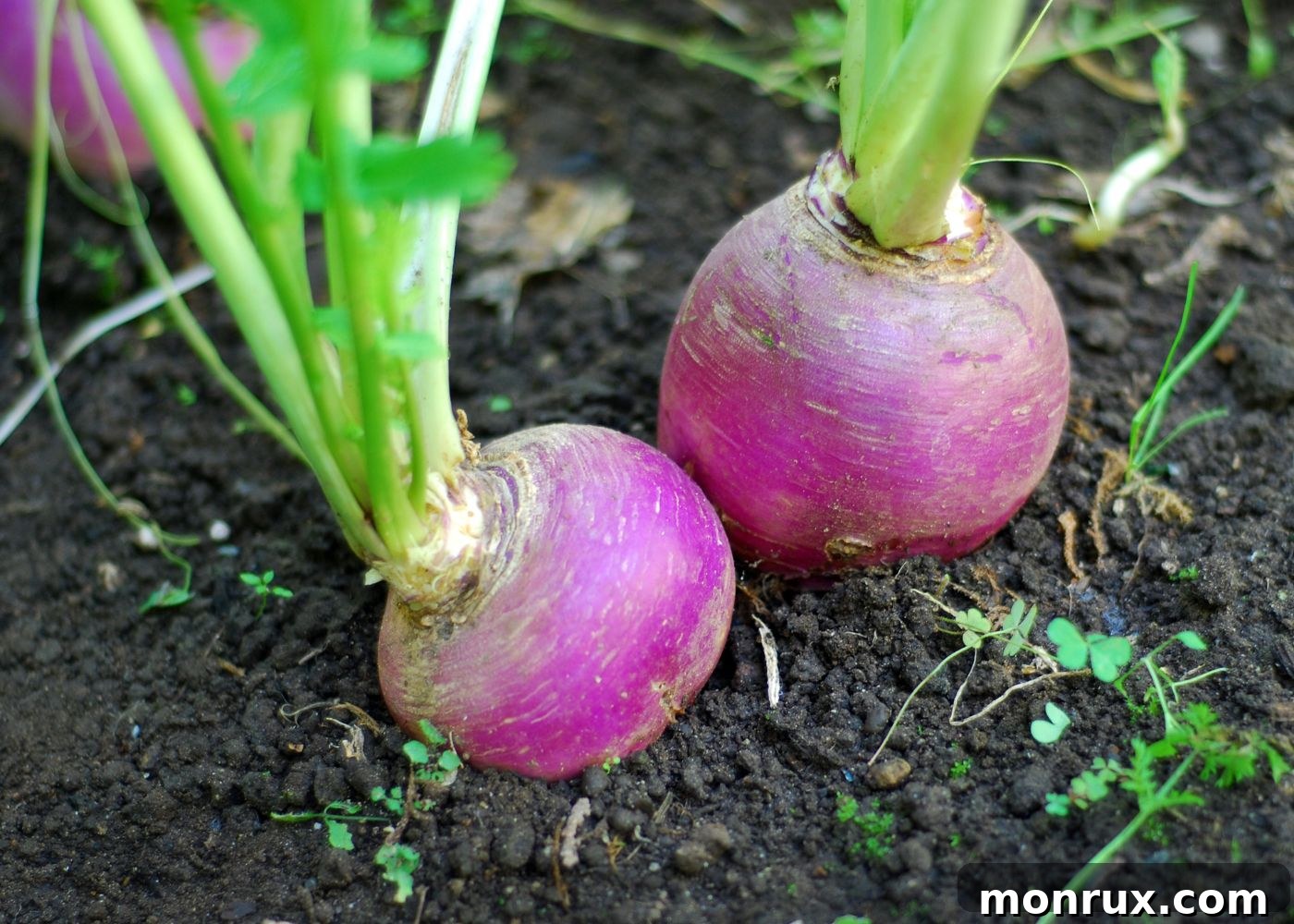
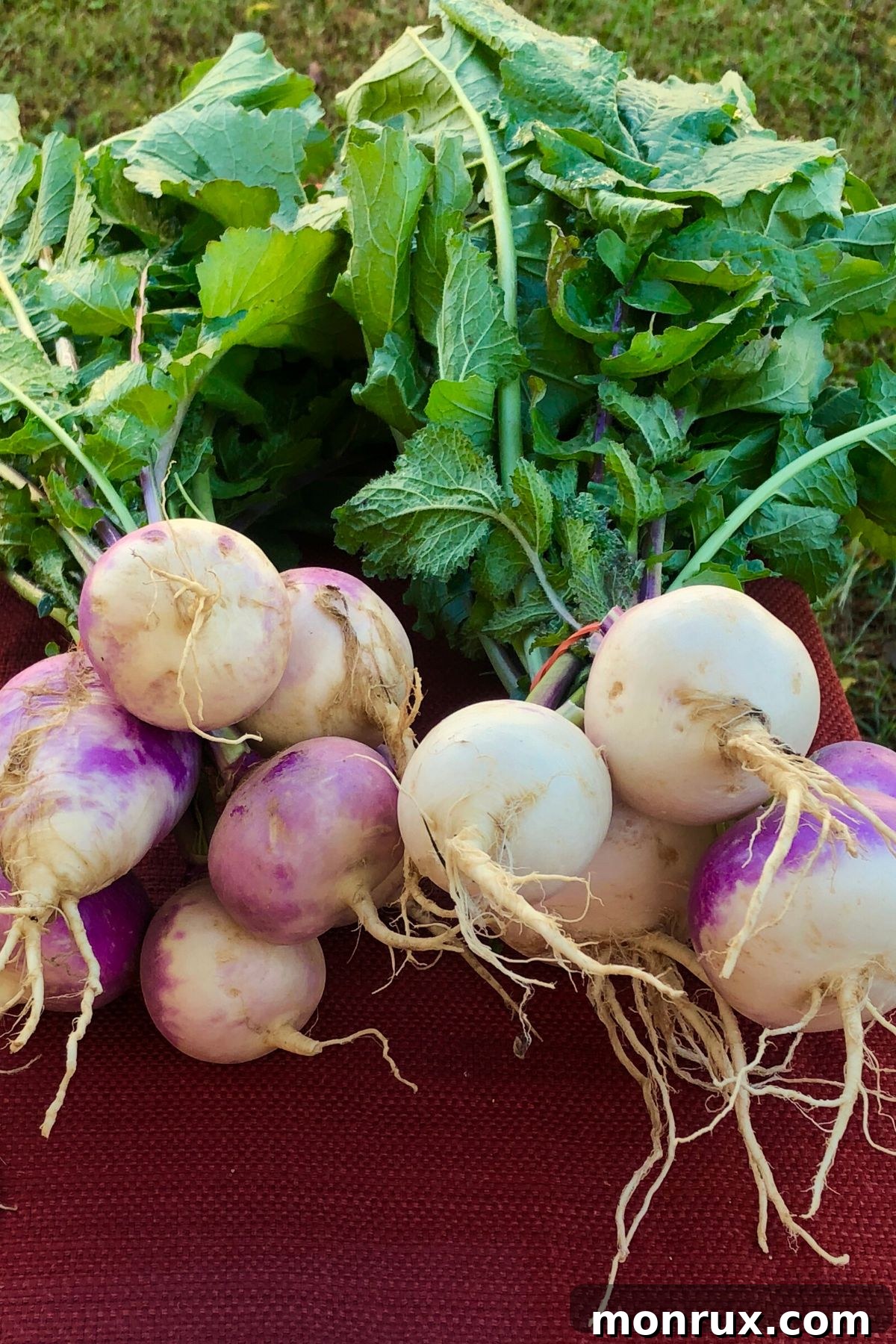
The turnip is a versatile root vegetable with a long history of cultivation, grown in temperate climates around the world. Typically round with white flesh and sometimes a purple top where it’s exposed to sunlight, turnips offer a distinct flavor profile. When raw, they have a crisp texture and a slightly peppery, pungent taste. When cooked, especially roasted or boiled, their flavor mellows considerably, becoming sweeter and more earthy, with a creamy texture. Turnips are excellent in stews, soups, mashed as a lower-carb alternative to potatoes, or roasted alongside other root vegetables, providing a good source of Vitamin C and dietary fiber.
24. Turnip Greens
Often overshadowed by the turnip root, turnip greens are the leafy tops of the turnip plant and are a highly nutritious and flavorful vegetable in their own right. Particularly popular in Southern American cuisine, these vibrant green leaves have a robust, slightly bitter, and peppery flavor, more intense than spinach or kale. When cooked, their bitterness softens, revealing an earthy, savory taste. Turnip greens are typically braised or sautéed with ingredients like garlic, onions, or smoked meat to balance their strong flavor. They are an exceptional source of vitamins K, A, and C, as well as folate and calcium, making them a true nutritional powerhouse.
25. Tuscan Kale
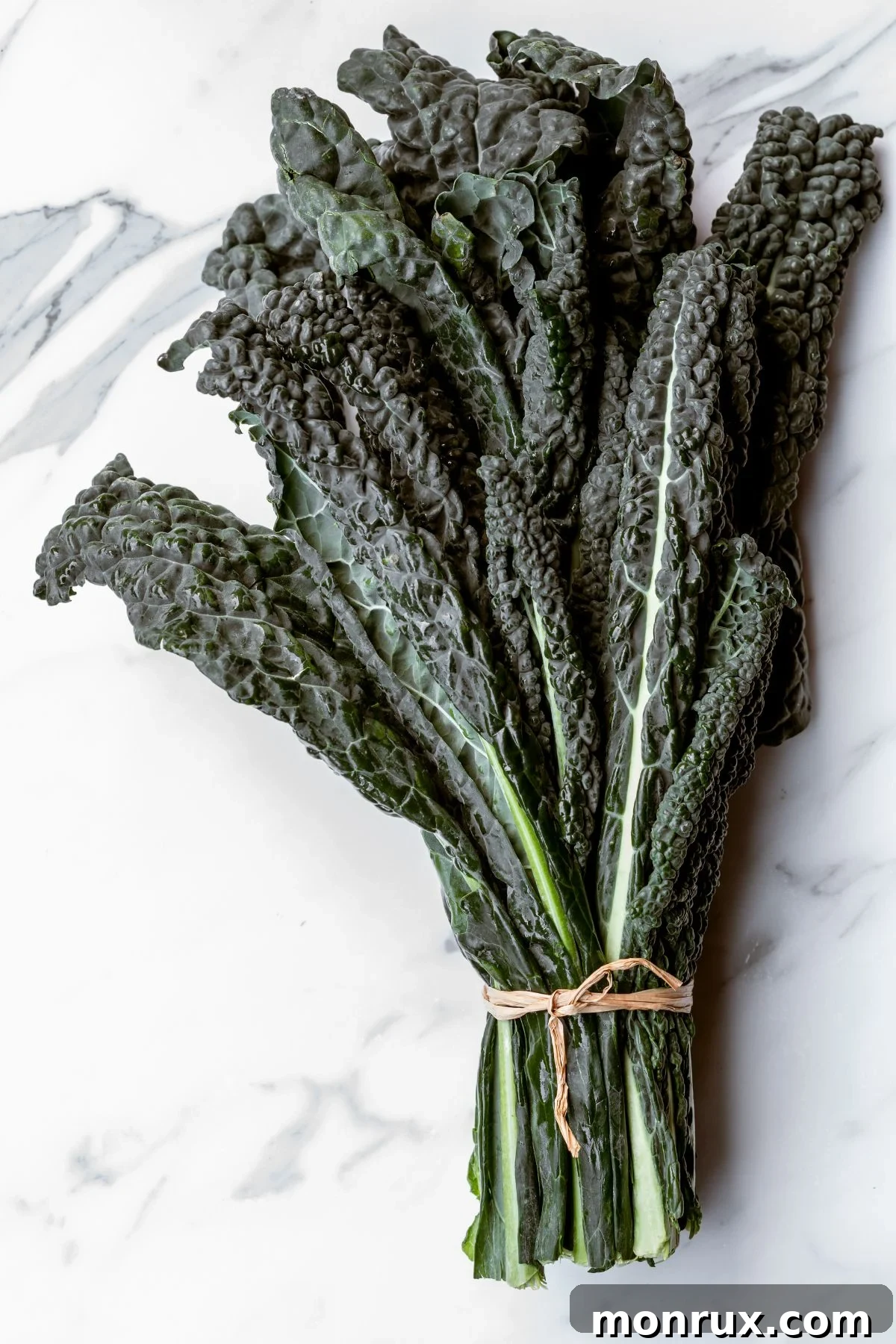
Tuscan kale, also known as Lacinato kale or dinosaur kale, is a distinctive and highly prized variety of kale originating from Tuscany, Italy. It is easily recognizable by its long, narrow, dark blue-green leaves with a deeply textured, almost crinkled appearance, reminiscent of dinosaur skin. Compared to common curly kale, Tuscan kale boasts a milder, sweeter, and more delicate flavor, making it incredibly versatile. It’s fantastic raw in salads (especially when massaged with dressing), lightly sautéed, braised in soups like minestrone, or even crisped into kale chips. Rich in vitamins K, A, and C, and a host of antioxidants, Tuscan kale is both a culinary delight and a nutritional champion. Interestingly, Lacinato kale is also featured on our list of veggies that start with L!
Expand Your Palate: Other Vegetable Lists
Ready to discover even more amazing vegetables? Broaden your culinary horizons and explore our other popular vegetable guides. These curated lists offer even more inspiration for healthy eating, helping you discover new favorites and expand your repertoire of delicious, plant-based meals.
Final Thoughts on T-Starting Vegetables
As we’ve explored, the world of vegetables beginning with the letter ‘T’ is rich with diversity, offering an impressive array of flavors, textures, and nutritional benefits. From the familiar comfort of tomatoes and turnips to the exotic intrigue of tamarillos and Tatsoi, these plants hail from various corners of the globe, each bringing its unique contribution to healthy eating. Whether you’re aiming to spice up your meals with a Thai chili pepper or incorporate more gut-friendly fiber with tigernuts, there’s undoubtedly a ‘T’ vegetable to suit every palate and culinary adventure. Embrace the opportunity to experiment with new ingredients and enjoy the countless ways these vegetables can enhance your diet and overall well-being. Expand your knowledge, try a new recipe, and savor the journey of healthy, delicious eating!
Don’t miss out on exclusive clean eating recipes and valuable tips designed to simplify your healthy lifestyle. Join my newsletter list today! It’s completely free, spam-free, and you can unsubscribe anytime.