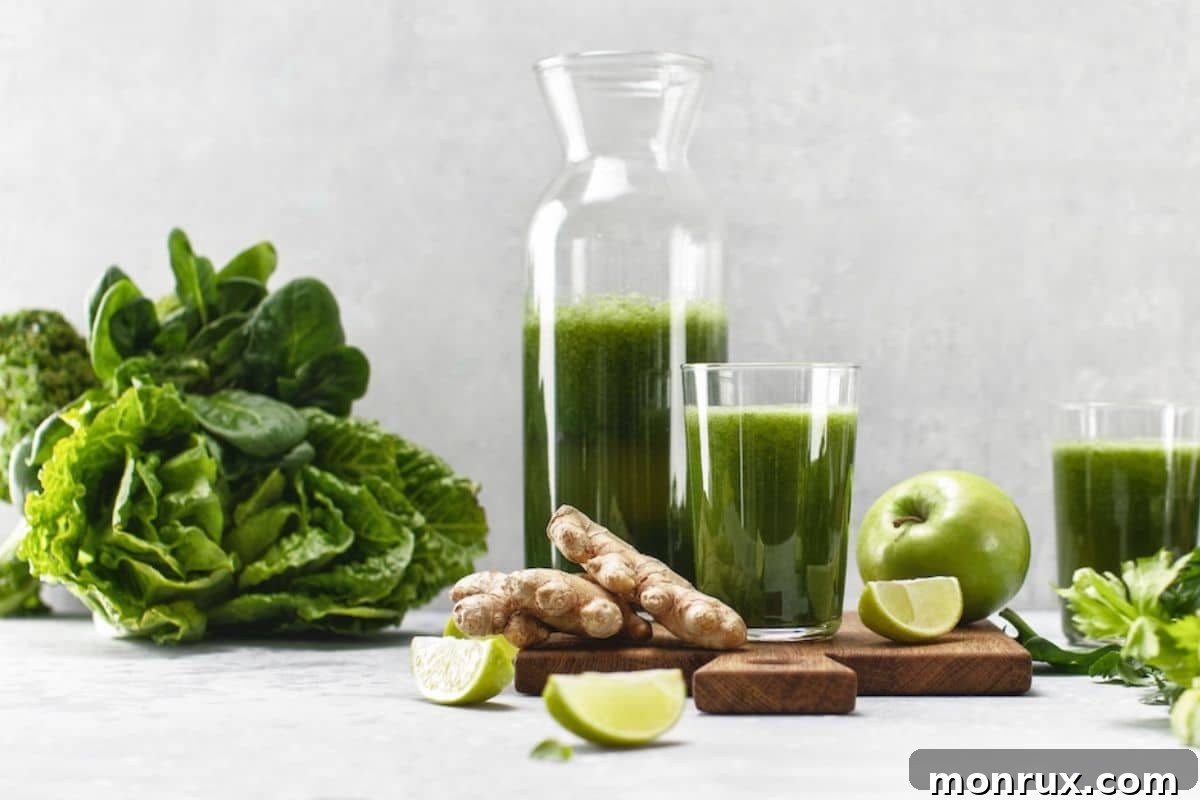
Embark on a journey to vibrant health with this **Lettuce Juice Recipe**, a light, refreshing, and nutrient-dense green juice. Whether you’re a seasoned juicer or new to the world of liquid nutrition, this simple recipe offers a fantastic way to invigorate your body. Enjoy this invigorating vegetable juice as a standalone pick-me-up or as a perfect complement to any meal. We’ll show you exactly how to prepare it using either a dedicated juicer or a standard blender, making healthy living accessible to everyone.
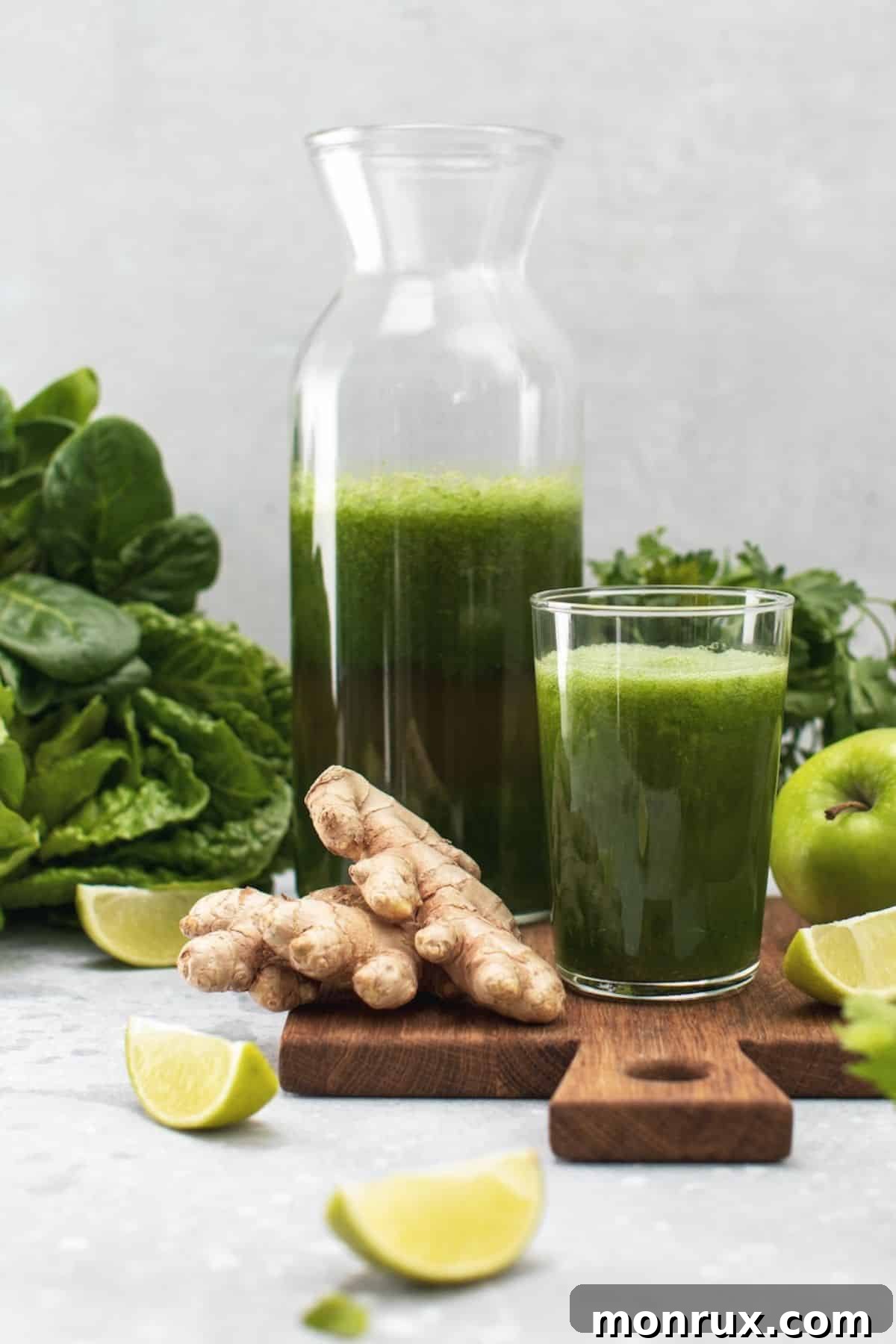
Incorporating fresh greens into your daily diet is a cornerstone of optimal health, and juicing lettuce stands out as an exceptionally effective and enjoyable method. It transforms leafy greens into a highly digestible and wonderfully refreshing beverage. Lettuce, often overlooked in the juicing world, possesses a subtly mild flavor profile, making it an ideal base. Its gentle taste harmonizes beautifully with a diverse range of fruits and vegetables, allowing for endless customization and experimentation to suit your palate.
Beyond its versatility, lettuce boasts a remarkably high water content. This characteristic means that when you juice lettuce, you extract a significant volume of liquid, offering more yield for your effort and produce compared to many other green vegetables. This makes lettuce not only a healthy choice but also a cost-effective one for regular juicers. Indeed, its hydrating properties, mild taste, and excellent juice yield firmly place lettuce among the top recommendations for the best vegetables for juicing, providing a nutrient powerhouse in every glass.
Lettuce Juice Ingredients: A Detailed Look
Creating a balanced and delicious green juice starts with selecting the right ingredients. For our refreshing lettuce juice, we’ve carefully chosen components that not only complement each other in flavor but also amplify the nutritional impact. Here’s a closer look at what goes into this vibrant concoction:
- Lettuce: The star of our recipe, lettuce, particularly green or red leaf varieties, provides an incredibly mild and hydrating foundation. Its gentle flavor ensures the juice isn’t overpowering, making it an excellent choice for those new to green juices. Rich in vitamins A and K, and a good source of folate, lettuce contributes significantly to overall wellness. It’s undeniably one of the best veggies to juice for its high water content and subtle taste.
- Celery: Adding a crisp, slightly savory note, celery is a powerhouse of hydration and electrolytes. It helps to mellow out the green flavor of the juice while boosting its alkalizing properties. While my celery juice recipe is a popular standalone, integrating it here creates a more complex and palatable flavor profile. Celery is known for its anti-inflammatory compounds and digestive support.
- Lime: A burst of bright, tangy citrus is essential for lifting the flavors of any green juice. Lime not only adds a zesty kick but also introduces a significant dose of Vitamin C, a powerful antioxidant. Its slight sweetness is often preferred over lemon for a smoother taste. Fresh lime juice can also help preserve the juice’s freshness and color.
- Ginger: For an invigorating and warming element, fresh ginger root is indispensable. It imparts a spicy, aromatic essence that beautifully contrasts the coolness of the greens and citrus. Beyond its distinctive flavor, ginger is renowned for its digestive aid properties, helping to soothe the stomach and reduce inflammation.
- Green Apple: To perfectly balance the earthiness of the vegetables and the tang of the lime, a green apple provides a touch of natural sweetness. Green apples are lower in sugar compared to red varieties and offer additional fiber (if blended) and antioxidants. They are an excellent choice for adding a pleasant depth to green juices. Discover more about the best apples to use in juice for optimal flavor and nutritional benefits.
These thoughtfully selected ingredients combine to create a juice that is not only delicious but also incredibly beneficial for your health. For precise measurements, please refer to the detailed recipe card conveniently located at the end of this article.
Step-by-Step Guide to Making Lettuce Juice
Creating your own fresh lettuce juice is a straightforward process, whether you opt for a juicer or a blender. Follow these easy steps to prepare your nourishing beverage:
Step One: Prepare Your Produce
Begin by thoroughly washing all your ingredients under cold running water. It’s crucial to remove any dirt or residues, especially from leafy greens like lettuce and celery. Once clean, chop your vegetables and fruit into manageable pieces. The size of the pieces will depend on your equipment: larger chunks are suitable for a wide-mouthed juicer, while smaller, more uniform pieces will work best for a blender to ensure a smooth consistency.
The exact quantity of each ingredient is provided in the comprehensive recipe card at the conclusion of this guide.
Step Two: Process Your Ingredients
Carefully add all your prepared ingredients into your chosen appliance. If you are using a juicer, simply feed the pieces one by one into the chute. If you are using a blender, remember to add the specified amount of water to facilitate blending and achieve the desired liquid consistency. The water helps the blades break down the fibrous ingredients efficiently.
Step Three: Blend or Juice
For juicer users, allow the machine to extract all the liquid, collecting the fresh juice in a pitcher or glass. If you’re using a blender, blend the mixture on high speed until it reaches a smooth, uniform consistency, typically for 20-30 seconds. Ensure there are no large chunks remaining, as this will affect the final texture and yield.
Step Four: Strain, Chill, and Serve
This final step is crucial for achieving a smooth, pulp-free juice when using a blender. Pour the blended mixture through a fine-mesh sieve lined with a nut milk bag or cheesecloth. Gently squeeze the bag from top to bottom to extract all the liquid, leaving the pulp behind. For juicer users, this step is often unnecessary unless you prefer an ultra-smooth consistency. Once strained, chill your fresh juice for at least 15-20 minutes, or serve immediately over ice for maximum refreshment. This simple process allows you to enjoy the nutritional benefits of vegetables quickly and effortlessly, contributing to a healthier lifestyle and diet.
For more in-depth information on the health advantages of consuming green juices, explore our related article on the health benefits of green juices.
Unveiling the Benefits of Lettuce Juice
Embracing lettuce juice as part of your routine offers a multitude of health advantages, transforming simple greens into a potent wellness elixir. Here are some key benefits you can expect from this invigorating drink:
- Exceptional Hydration and Refreshment: Both lettuce and celery are celebrated for their remarkably high water content. This makes lettuce juice an outstandingly hydrating beverage, perfect for replenishing fluids and electrolytes, especially on warm days or after physical activity. Its naturally refreshing quality is a delightful way to quench thirst and revitalize your system from within.
- Potent Digestive Support: The inclusion of ginger and lime in this recipe is not just for flavor; these ingredients are well-regarded for their digestive properties. Ginger is known to soothe the digestive tract and reduce nausea, while lime aids in stimulating digestive enzymes. Together, they create a synergistic effect that supports a healthy gut, promotes efficient digestion, and can help alleviate discomfort. The fresh citrus also provides a boost of Vitamin C, further contributing to overall health.
- Calorie-Conscious Nutrient Boost: For those focused on weight management or simply maintaining a healthy weight, this lettuce juice is an excellent choice. It is naturally low in calories yet brimming with essential vitamins, minerals, and antioxidants. This allows you to nourish your body with vital nutrients without adding significant caloric load, making it a smart and satisfying addition to any diet. Explore more options with our list of juice recipes for losing weight.
- Rich in Vitamins and Minerals: Beyond hydration and digestion, lettuce juice delivers a concentrated dose of crucial micronutrients. Lettuce is particularly rich in Vitamin K, essential for blood clotting and bone health, and Vitamin A (in the form of beta-carotene), vital for vision and immune function. It also provides folate, important for cell growth and metabolism, and various B vitamins, manganese, and potassium. Celery adds even more vitamins and minerals, including Vitamin C and potassium, contributing to electrolyte balance and cardiovascular health.
- Anti-Inflammatory Properties: The combination of ginger, lettuce, and celery provides a powerful anti-inflammatory effect. Chronic inflammation is linked to numerous health issues, and consuming foods rich in anti-inflammatory compounds can help mitigate this. Ginger is a well-known anti-inflammatory agent, and the antioxidants in lettuce and celery further support the body’s natural defense mechanisms against inflammation.
- Alkalizing Effects: Green juices, including lettuce juice, are highly alkalizing. They help to balance the body’s pH levels, which can often become acidic due due to modern diets rich in processed foods. Maintaining a more alkaline state is believed to support cellular health, boost energy, and enhance overall vitality.
By regularly incorporating this delicious lettuce juice into your diet, you’re not just enjoying a tasty drink; you’re actively investing in your hydration, digestion, nutrient intake, and overall well-being.
Common Questions About Lettuce Juicing (FAQs)
Yes, you absolutely can use various types of lettuce for juicing, offering a spectrum of flavors and nutritional nuances. Romaine lettuce is an excellent choice due to its slightly crisp texture and robust nutrient profile, including good amounts of vitamins A and K. Butter lettuce or loose-leaf varieties like green or red leaf lettuce are also fantastic, providing a mild, sweet flavor and a good liquid yield. Each type contributes slightly different minerals and vitamins, but all can be used to create a refreshing and nourishing juice. However, I generally advise against juicing iceberg lettuce. While hydrating, it offers significantly less nutritional value compared to other lettuce varieties, making it a less optimal choice for a nutrient-dense juice.
Some green juices can have a slightly bitter edge, and while lettuce is generally mild, certain combinations might enhance it. To effectively reduce any bitterness and create a more palatable drink, consider adding naturally sweeter fruits. Green apples, as used in this recipe, are ideal as they provide sweetness without overpowering the green flavors. Pears are another excellent option, offering a smooth, subtle sweetness. Additionally, incorporating bright, tangy ingredients like lime or ginger, also featured in this recipe, can beautifully balance the flavors. The acidity of citrus can cut through bitterness, while ginger’s spicy notes can distract from it, creating a more harmonious and enjoyable juice profile. Experimenting with these additions will help you find your perfect balance.
Freshly made juice is always best consumed immediately to capture its peak nutritional value and flavor. However, if you need to store it, transfer the juice into an airtight container, preferably a glass bottle with a tight-fitting lid. Fill the container to the very top to minimize air exposure, which can lead to oxidation and nutrient degradation. Stored this way in the refrigerator, your lettuce juice can typically maintain its quality for up to 24-48 hours. Beyond this, its nutritional content and freshness will begin to diminish.
Both juicers and blenders can be used to make lettuce juice, each with its own advantages. A dedicated juicer (especially a slow masticating juicer) will extract pure liquid, resulting in a pulp-free juice that is highly concentrated in nutrients and easy for your body to absorb quickly. This method yields a thinner, smoother consistency. A blender, on the other hand, processes the entire vegetable or fruit (minus the very tough fibers you strain out), creating a thicker beverage that retains some of the dietary fiber. While a blender requires an extra step of straining with a nut milk bag, it’s a more accessible option if you don’t own a juicer. The choice depends on your preference for texture, fiber content, and equipment availability.
Looking for more expert insights and essential tools for your juicing journey? Discover my curated Vegetable Juicing Essentials list on my Amazon storefront, featuring my favorite juicers and accessories!
I genuinely hope you take the opportunity to make this refreshing lettuce juice recipe! If you do, please consider leaving a comment and a starred review below to share your experience. Your feedback is greatly appreciated.
Furthermore, I invite you to follow me on social media to stay connected and receive regular updates, delicious clean eating recipes, and wellness tips. You can find me on Facebook, Pinterest, Instagram, and YouTube! Let’s build a community of healthy eating enthusiasts together.
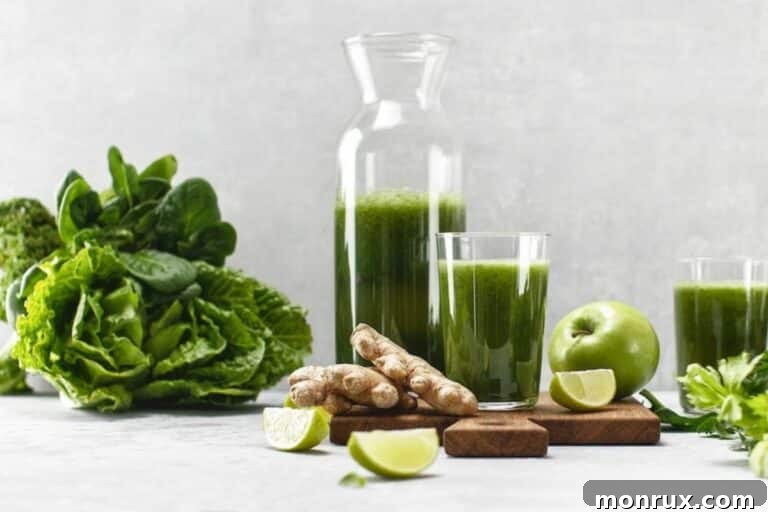
Lettuce Juice Recipe (Juicer or Blender)
5 from 1 review
This Lettuce Juice Recipe is a light and refreshing green juice packed full of nutrition and flavor. It’s an ideal beverage to enjoy with a meal or on its own for a quick health boost. Discover how easy it is to make this revitalizing drink using either a juicer or a blender, bringing fresh, vibrant goodness straight to your glass.
-
Total Time:
15 Minutes -
Yield:
2 Servings
Ingredients
- 1 head of green or red leaf lettuce, thoroughly washed and chopped (approximately 6–8 cups)
- 5 celery stalks, chopped into pieces
- 1 green apple, cored and chopped
- 1 lime, peeled for juicing
- 1-inch piece of fresh ginger, peeled
- 1 cup water (only if using a blender to aid blending)
Instructions
- Prepare the Produce: Wash all vegetables and fruit thoroughly. Cut celery and apple into pieces small enough to fit comfortably into your juicer’s feeding tube. If using a blender, chop all produce into smaller, more uniform pieces to ensure smoother blending.
- Juicer Method: If you are using a juicer, feed the prepared vegetable and fruit pieces through the juicer, alternating between softer and harder ingredients for optimal extraction. Collect the freshly extracted juice in a pitcher. For best taste and nutrient retention, chill the juice or serve immediately over ice.
- Blender Method: If you are using a blender or food processor, add the chopped lettuce, celery, apple, peeled lime, ginger, and the specified cup of water to the base. Blend on high speed for approximately 20-30 seconds, or until the mixture appears smooth and well-processed with minimal visible chunks.
- Strain (Blender Method Only): For a smooth, pulp-free juice from the blender, pour the blended mixture through a fine-mesh sieve lined with a nut milk bag. Gather the top of the bag and gently squeeze it from the top down, pressing out all the liquid into a clean pitcher or bowl. Discard the remaining pulp, or save it for other culinary uses like adding to compost, baking, or soups.
- Serve Immediately: For the freshest taste and maximum nutritional benefits, serve the lettuce juice immediately after preparation. Enjoy its vibrant flavors and refreshing qualities.
Notes
- While green or red leaf lettuce is recommended, romaine lettuce can also be used as a good alternative. Avoid using iceberg lettuce due to its significantly lower nutritional value compared to other varieties.
- This recipe is easily scalable. Feel free to double or triple the ingredients to prepare a larger batch for multiple servings or to share.
- Freshly made juice is always superior in taste and nutrients. However, if you need to store it, transfer the juice to an airtight container and refrigerate for up to 2-3 days. Oxidation may occur, potentially reducing nutrient content over time.
- Author: Carrie Forrest, MPH in Nutrition
- Prep Time: 5 Minutes
- Cook Time: 10 Minutes
- Category: Beverage
- Method: Juicer or Blender
- Cuisine: Homemade
- Diet: Vegan
Nutrition Facts
- Serving Size: 4 ounces
- Calories: 35
- Sugar: 6.1 g
- Sodium: 17 mg
- Fat: 0 g
- Saturated Fat: 0 g
- Carbohydrates: 9.2 g
- Fiber: 1.4 g
- Protein: 0.6 g
- Cholesterol: 0 mg
Tips for Optimal Juicing and Flavor
To ensure you get the most out of your lettuce juice, consider these additional tips and tricks for both preparation and enjoyment:
- Choose Fresh, Organic Produce: The quality of your ingredients directly impacts the taste and nutritional value of your juice. Opt for organic lettuce, celery, apples, limes, and ginger whenever possible to minimize pesticide exposure. Ensure your produce is fresh, crisp, and free from wilting or blemishes.
- Experiment with Greens: While this recipe highlights lettuce, feel free to experiment with other leafy greens such as spinach, kale (in smaller quantities to avoid bitterness), or cucumber for variations in flavor and nutrient profiles. Lettuce makes a great base for almost any green blend.
- Adjust Sweetness to Taste: The amount of green apple can be adjusted based on your preference for sweetness. If you find the juice too tart, add a little more apple. For a less sweet option, reduce the apple or omit it entirely if you prefer a purely savory green juice.
- Serve Chilled for Best Experience: Fresh juice is always most refreshing when served cold. Store your prepared juice in the refrigerator for at least 30 minutes before serving, or pour it over ice. This enhances the crispness of the flavors.
- Clean Your Equipment Immediately: Juicers and blenders can be tricky to clean once pulp dries. For ease of cleaning, rinse your equipment thoroughly with warm water immediately after use. This prevents residue build-up and keeps your machines in top condition.
- Consider Pulp Usage: Don’t discard the pulp from your juicer or blender (if you’ve strained it). While most of its liquid and some nutrients are gone, it still contains dietary fiber. You can repurpose vegetable pulp in various ways, such as adding it to compost, incorporating it into muffins or crackers, or even using it as a base for vegetable broth.
By following these tips, you’ll not only perfect your lettuce juice but also elevate your overall juicing experience, making it a sustainable and enjoyable part of your healthy lifestyle.
Discover More Juicing Resources!
Explore Other Delightful Juice Recipes
If you’ve enjoyed the simplicity and health benefits of this lettuce juice, you might be interested in expanding your juicing repertoire with these equally delicious and nutritious recipes:
- Celery Juice Recipe
- Green Cabbage Juice
- Spinach Juice Recipe
- Blueberry Juice Recipe
- Carrot Orange Ginger Juice Recipe
Don’t miss out on exclusive clean eating recipes and invaluable wellness tips! Make sure to join my newsletter list. It’s 100% free, completely spam-free, and you can unsubscribe at any time. Stay inspired on your journey to a healthier lifestyle!
About the Author: Carrie Forrest is a highly respected expert in the field of nutrition, holding a master’s degree in public health with a specialization in nutrition, and she is also a certified holistic nutritionist. As a prominent wellness and food blogger, her site attracts over 5 million annual visitors seeking guidance for healthier living. Carrie shares an extraordinary story of personal recovery from chronic illness, which fuels her profound passion for empowering other women to achieve transformative health. Feel free to connect with her directly by sending a message through her contact form.