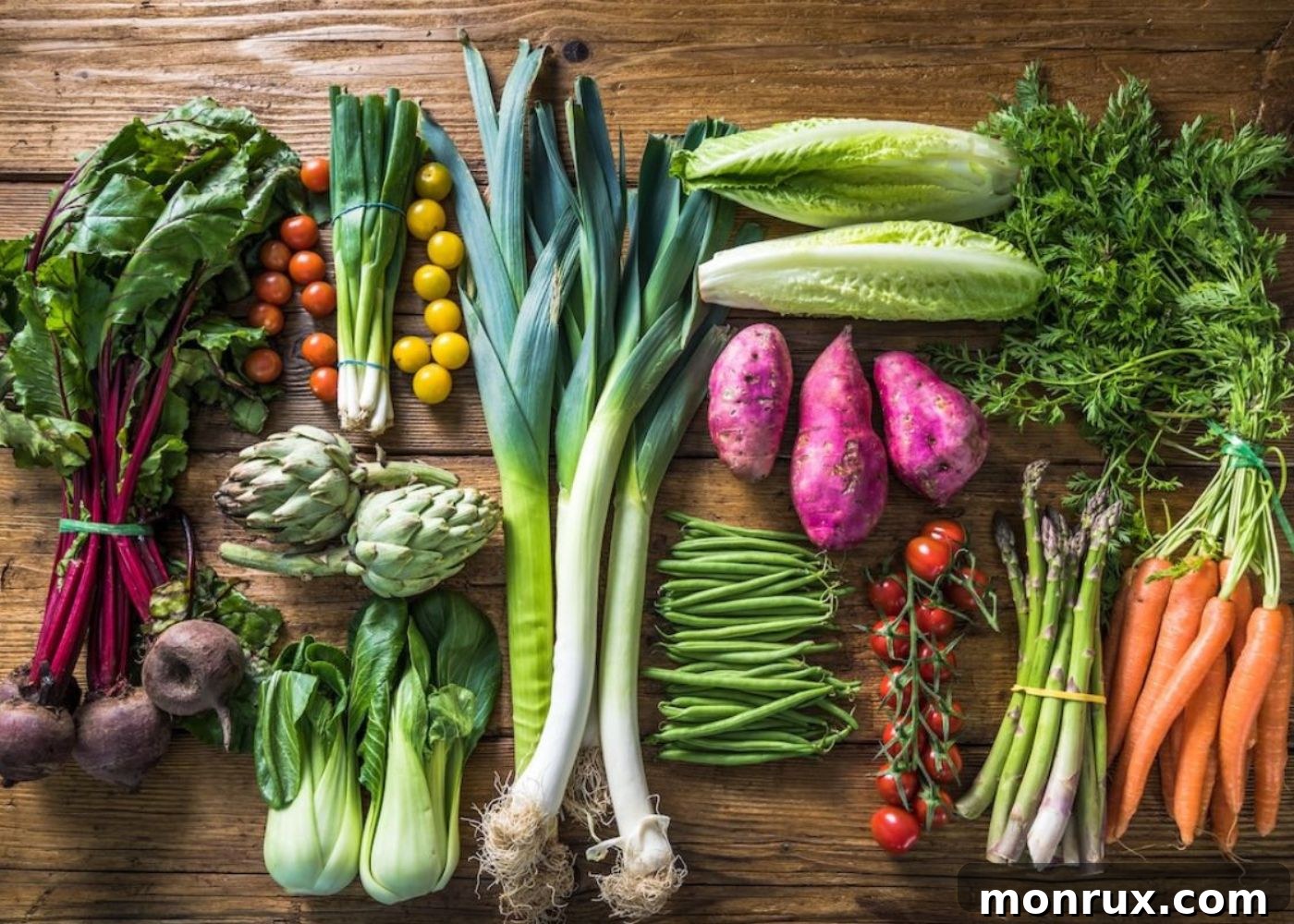
For optimal health and well-being, incorporating a diverse array of vegetables into your daily diet is paramount. Yet, for many, the very thought of vegetables conjures up images of bland, unappetizing dishes. If you find yourself among those who struggle with the taste of greens, fear not! This comprehensive guide is specifically designed to transform your perception, offering seven foolproof strategies on how to make vegetables taste good, ensuring even the most discerning palates can savor their incredible benefits.
The Undeniable Health Benefits of Vegetables
Consuming a wide array of vegetables is undeniably crucial for maintaining a robust and healthy diet. These natural powerhouses are incredibly rich in essential vitamins, minerals, and dietary fiber, forming the bedrock of good nutrition. These vital nutrients are not merely beneficial; they are indispensable for countless bodily functions, playing key roles in bolstering your immune system, optimizing digestive health, regulating blood sugar levels, and significantly lowering the risk of chronic diseases such as heart disease, type 2 diabetes, and certain cancers.
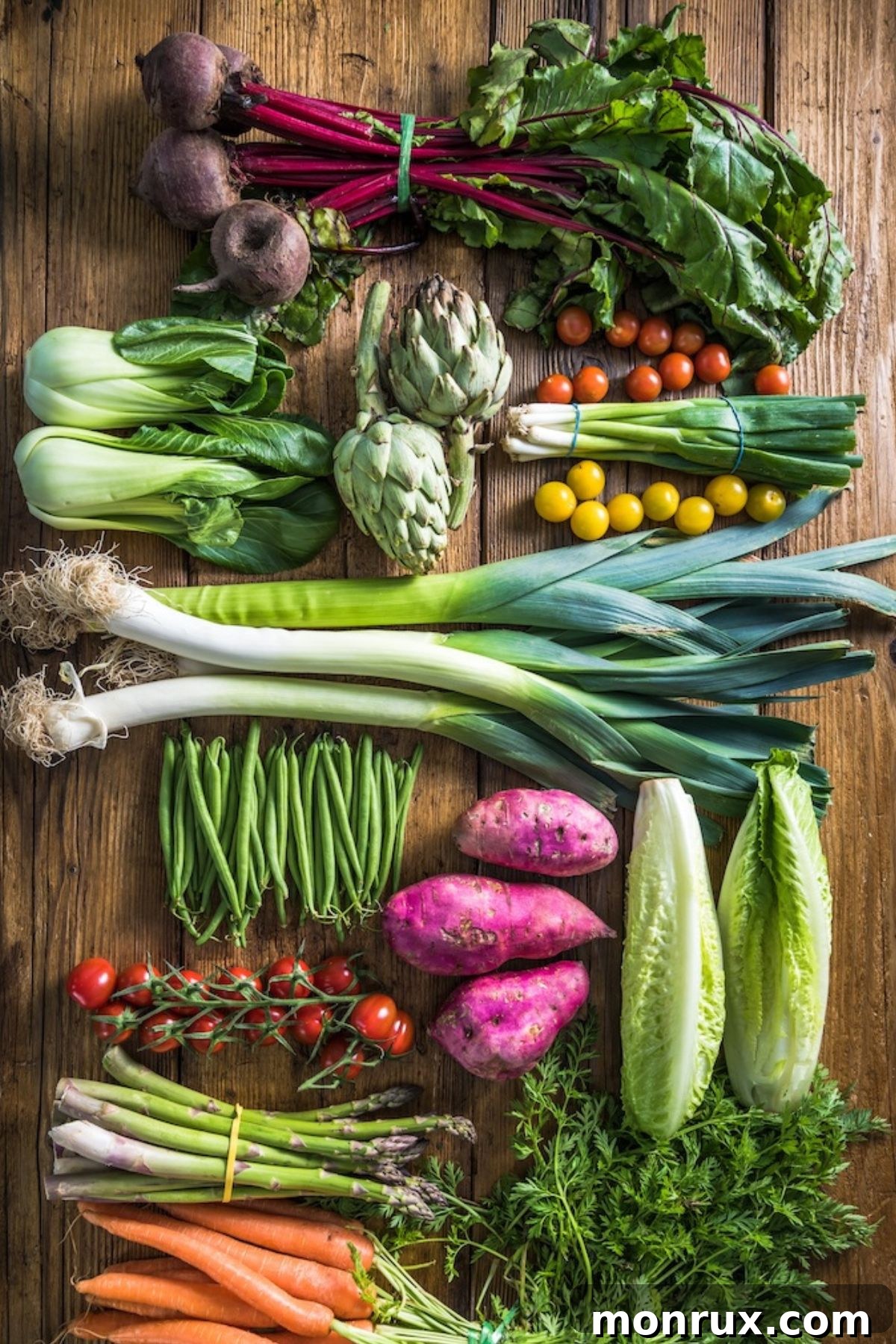
The popular adage, “eat the rainbow,” serves as a brilliant guiding principle for vegetable consumption. This vibrant philosophy encourages you to integrate a spectrum of colorful vegetables into your meals as frequently as possible. Each color typically signifies a different set of powerful antioxidants and phytochemicals, offering distinct health advantages. For instance, red vegetables like tomatoes are rich in lycopene, crucial for heart health; green leafy vegetables boast folate and vitamin K; orange and yellow varieties, such as carrots and bell peppers, are packed with beta-carotene, important for vision and skin; and purple vegetables like eggplant provide anthocyanins, known for their anti-inflammatory properties. By diversifying your intake across these colors, you ensure a comprehensive absorption of protective compounds.
Most reputable dietary guidelines, including those from leading health organizations, consistently recommend that adults aim to consume at least 2-3 cups of vegetables daily. This isn’t just a suggestion; it’s a vital target for achieving and sustaining optimal health. The beauty of this variety extends beyond physical benefits, as it also introduces an exciting range of flavors, textures, and aromas to your meals, transforming healthy eating from a chore into a genuinely enjoyable culinary experience. Embracing this diversity helps prevent dietary boredom and encourages a more adventurous approach to food.
However, despite the overwhelming evidence of their benefits, a significant hurdle for many remains their perceived dislike for the taste of vegetables. It’s a common predicament: plain steamed vegetables, often served without imagination, can indeed come across as bitter, bland, or unappetizing. This perception often discourages individuals from reaching their daily recommended intake. But here’s the excellent news: the inherent blandness or bitterness of many vegetables can be entirely transformed with the right culinary techniques and a dash of creativity. This article will unveil simple yet effective tips and tricks to make these nutritional giants not just tolerable, but truly delicious, proving that healthy eating doesn’t have to sacrifice flavor. You’ll be surprised by how easily you can elevate humble vegetables into star dishes!
Mastering the Art of Delicious Vegetables: 7 Transformative Tips
Embark on a culinary journey to transform ordinary vegetables into extraordinary dishes. These simple yet impactful tips are your secret weapon against blandness, designed to make even the most “boring” vegetable taste absolutely delicious.
1. Elevate with Expert Seasoning
One of the quickest and most effective ways to infuse vegetables with irresistible flavor is through thoughtful seasoning. Don’t underestimate the power of herbs, spices, and aromatics. Start by experimenting with different combinations to discover what tantalizes your taste buds. For example, sautéed green beans or asparagus come alive with a simple blend of minced garlic, a hint of red pepper flakes, and a drizzle of extra virgin olive oil. Roasted root vegetables like carrots, parsnips, and potatoes benefit immensely from earthy spices like cumin, coriander, and smoked paprika, perhaps with a touch of chili powder for warmth.
Beyond the basics, consider fresh herbs such as rosemary, thyme, oregano, or dill, which can add a bright, fragrant dimension. A squeeze of fresh lemon juice or a splash of apple cider vinegar can also brighten flavors without adding significant calories. And yes, salt is your friend (unless dietary restrictions dictate otherwise). A judicious sprinkle of sea salt or kosher salt after cooking can dramatically enhance a vegetable’s natural flavors. For an extra layer of complexity, explore gourmet salts like garlic salt, onion salt, or various citrus-infused salts. Remember, seasoning isn’t just about adding salt; it’s about building layers of complementary flavors that make each bite exciting.
2. Perfect Your Cooking Technique
The difference between a lackluster vegetable dish and a truly delicious one often lies in the cooking method and timing. Overcooked vegetables quickly lose their vibrant color, firm texture, and vital nutrients, becoming mushy and bland. To avoid this common pitfall, strive to cook your vegetables until they reach a state of “al dente”—tender yet still possessing a slight crispness. This preserves their natural crunch and ensures maximum flavor retention.
Understanding carryover cooking is key here. Most vegetables will continue to cook for a few minutes even after being removed from the heat source. Therefore, it’s often best to slightly undercook them initially, allowing them to finish cooking to perfection as they rest or are transferred to serving dishes. For instance, when steaming broccoli or green beans, remove them just as they turn bright green and are still firm. For stir-fries, ensure your vegetables are crisp-tender, adding them in stages based on their cooking time. Mastering this simple timing adjustment will elevate your vegetable dishes from merely edible to truly enjoyable, ensuring they retain their appealing texture and robust flavor.
3. Explore Diverse Cooking Methods
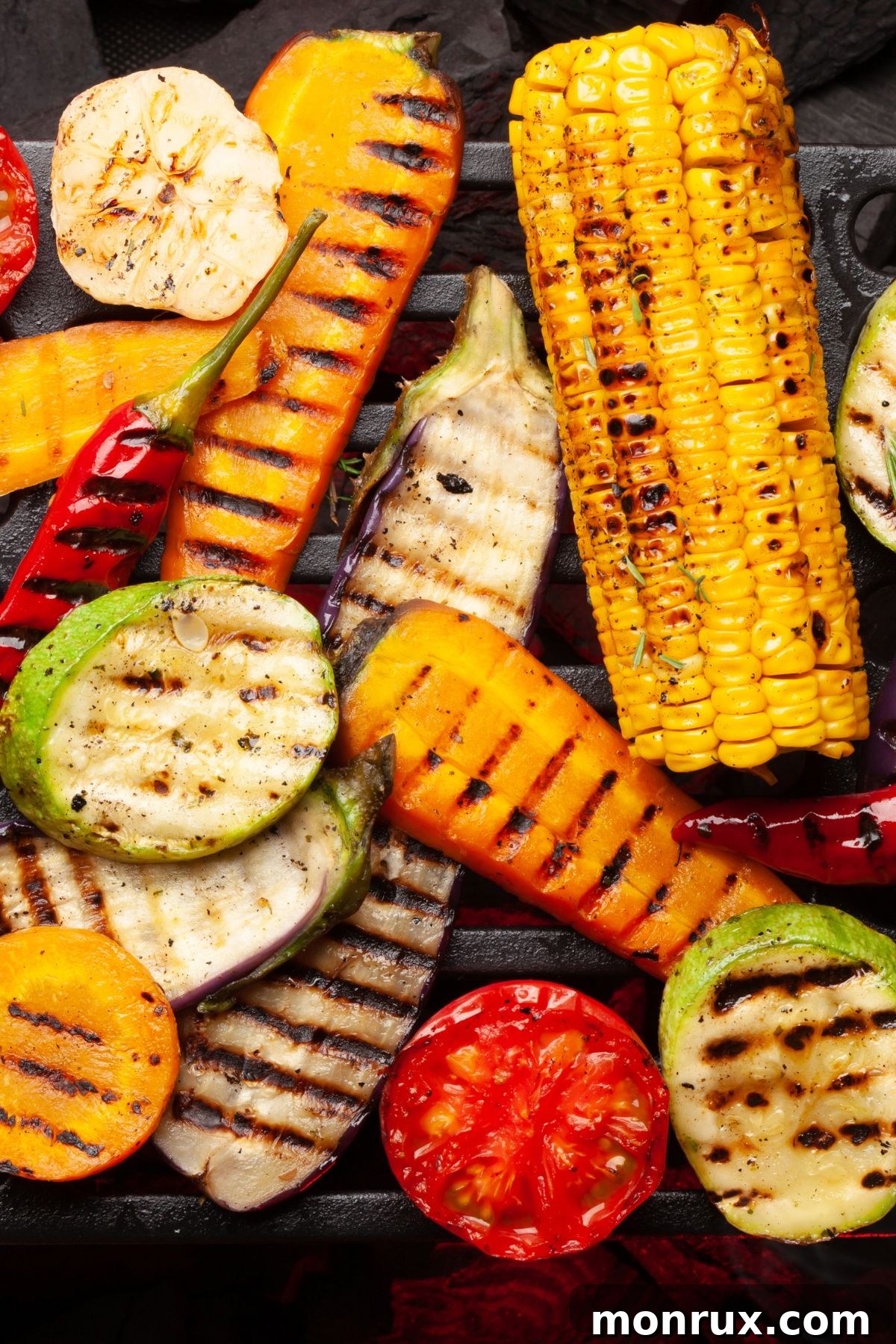
The way you cook vegetables profoundly impacts their flavor and texture profile. Different cooking methods can unlock unique taste dimensions, transforming even the simplest produce into something extraordinary. For example, roasting vegetables in a hot oven is a culinary revelation. The high heat encourages the caramelization of natural sugars (the Maillard reaction), resulting in a sweet, nutty, and deeply savory flavor that steamed or boiled vegetables simply can’t achieve. This method is particularly effective for root vegetables like sweet potatoes, carrots, and parsnips, as well as cruciferous vegetables such as Brussels sprouts, broccoli, and cauliflower, making them incredibly appealing even to hesitant eaters.
Grilling is another fantastic option, imparting a distinctive smoky char that adds incredible depth. Bell peppers, zucchini, eggplant, and corn on the cob become exceptional when kissed by the flames. Sautéing in a pan with a good quality fat (like olive oil or butter) allows vegetables to brown slightly, developing a rich, savory crust while remaining tender inside. For a modern twist, the air fryer has emerged as a game-changer, quickly crisping vegetables with minimal oil, creating delightful textures reminiscent of deep-frying without the excess fat. It’s perfect for green beans, asparagus, and even root vegetable fries. Don’t be afraid to experiment with these various techniques to discover which ones you and your family enjoy the most. Each method offers a unique opportunity to enhance flavor and texture, turning once-dreaded veggies into highly anticipated components of your meals.
For more insights on encouraging healthy eating habits in younger family members, consider exploring dedicated healthy eating tips for kids.
4. Harmonize with Complementary Flavors
Pairing vegetables with flavors that naturally complement them is an art form that can elevate a dish from good to unforgettable. Certain ingredients act as natural partners, enhancing and balancing a vegetable’s intrinsic taste. Consider the classic combination of broccoli with melted butter and grated Parmesan cheese; the richness of the butter and the salty, umami notes of the cheese perfectly counteract broccoli’s slight bitterness, making it wonderfully palatable. Similarly, a squeeze of fresh lemon juice or a zest of orange can brighten the natural sweetness of roasted root vegetables, adding a refreshing counterpoint.
Think about herbs: rosemary pairs beautifully with potatoes and mushrooms, while fresh basil is a star alongside tomatoes and zucchini. Spices like a hint of nutmeg can enhance spinach, and a dash of cinnamon can bring out the sweetness in roasted squash. Don’t limit yourself to savory pairings; fruits can also be excellent companions. Apples or pears roasted with Brussels sprouts can create a surprising and delightful sweet-savory balance. Explore different flavor profiles – sweet, sour, salty, bitter, and umami – and consider how they interact. A touch of balsamic glaze with grilled asparagus, a sprinkle of feta cheese with roasted bell peppers, or a dollop of creamy goat cheese with beets can all transform a simple vegetable into a gourmet experience. Experimentation is key to discovering your favorite flavor synergies.
5. Embrace the Freshness of Raw Vegetables
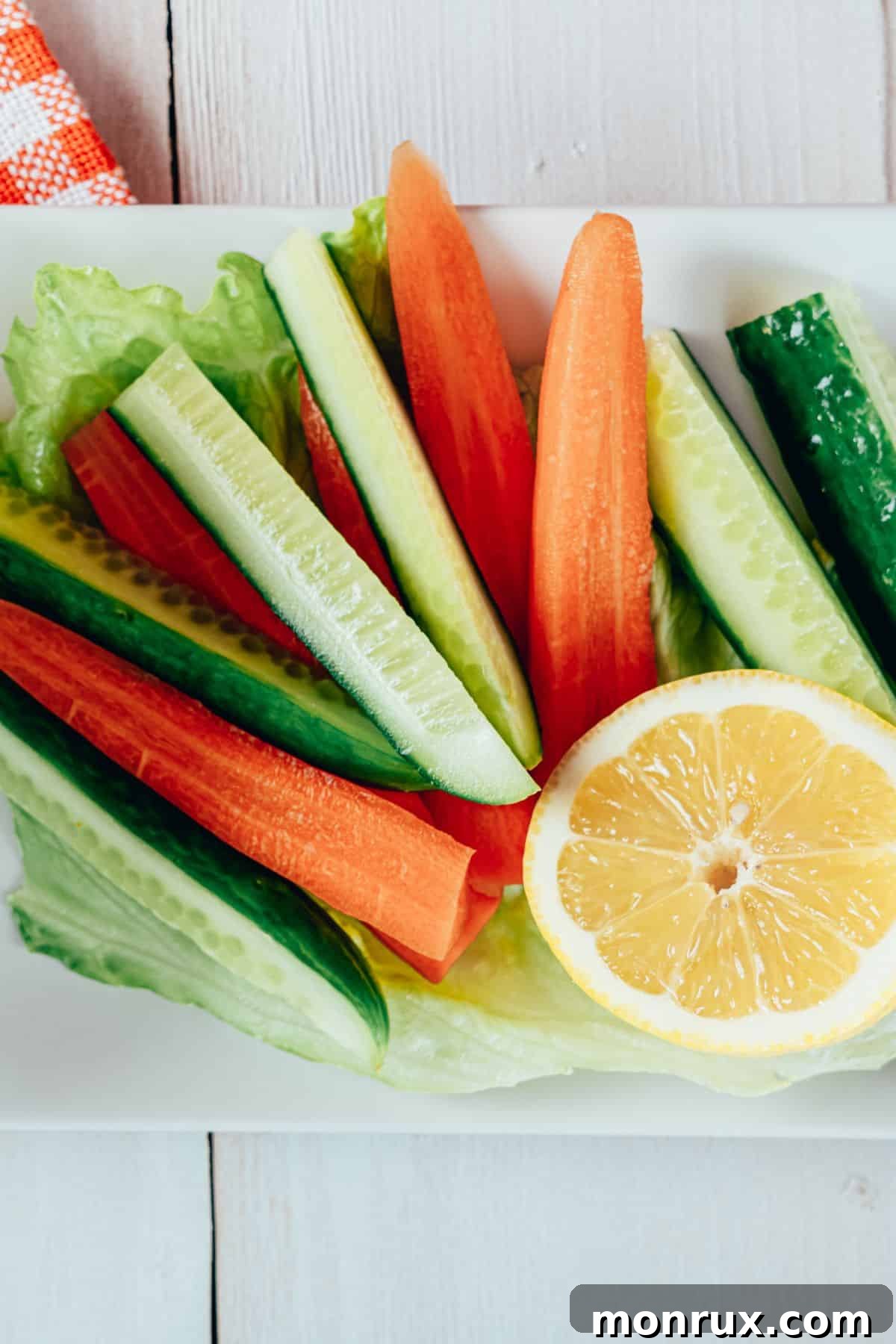
If the texture or taste of cooked vegetables isn’t your preference, consider embracing them in their raw form. Many vegetables offer a delightful crunch, crispness, and fresh flavor when eaten uncooked, making them an excellent entry point for those new to healthy eating or simply seeking variety. Carrots, bell peppers of all colors, crisp cucumbers, celery sticks, and cherry tomatoes are fantastic examples of vegetables that are incredibly satisfying raw. Their natural sweetness and vibrant textures can be a revelation.
Beyond simply munching on them, raw vegetables can be transformed into appealing dishes. Create vibrant raw vegetable salads, perhaps with a light vinaigrette, or serve them as crudités with a flavorful dipping sauce. Hummus, guacamole, a creamy Greek yogurt dip seasoned with herbs, a spicy peanut sauce, or even a simple vinaigrette can dramatically enhance the appeal of raw veggies. For a savory twist, try nut butters with celery or bell pepper slices, or a zesty hot sauce for those who enjoy a kick. Even a good quality store-bought salad dressing can make raw vegetables a more enjoyable snack or side dish. The key is to find dips and sauces that complement their natural flavors and add an element of excitement. For guidance on which vegetables are particularly well-suited for raw consumption, explore our curated list of Vegetables for Picky Eaters.
6. Incorporate Healthy Fats
Fat, often unfairly demonized, is actually a crucial component in making vegetables more appealing and satisfying. Healthy fats not only act as excellent flavor carriers, helping to distribute seasonings more effectively, but they also contribute to a sense of satiety and aid in the absorption of fat-soluble vitamins (A, D, E, K) found abundantly in vegetables. A simple drizzle of high-quality extra virgin olive oil over your vegetables before roasting or sautéing can transform their texture and amplify their taste, creating a beautiful golden-brown exterior and a tender interior.
Beyond olive oil, consider adding a pat of grass-fed butter to steamed or sautéed vegetables for a rich, creamy finish. Avocado oil is another excellent choice for high-heat cooking due to its neutral flavor and high smoke point. For those who enjoy a more robust, savory note, cooking vegetables in a small amount of rendered bacon grease can infuse them with an irresistible smoky depth. Even a sprinkle of toasted nuts or seeds (like almonds, walnuts, or pumpkin seeds) can add healthy fats along with a delightful crunch and nutty flavor. Remember, the goal isn’t to drown your vegetables in fat, but to use it strategically to enhance their natural goodness and make them a more enjoyable and nourishing part of your diet.
7. Dare to Experiment with New Varieties
One of the most exciting aspects of incorporating more vegetables into your diet is the sheer endless variety available. Don’t limit yourself to the same few types you grew up with. The produce section of your grocery store, or even better, a local farmers’ market, is a treasure trove of diverse flavors, textures, and nutritional profiles waiting to be discovered. Be brave and try new vegetables! You might be pleasantly surprised by how much you enjoy something you’ve never tried before.
Look for intriguing options like vibrant fennel, with its subtle anise flavor, or the various members of the cruciferous family beyond broccoli and cauliflower, such as kohlrabi, rapini, or different types of cabbage. Explore unique root vegetables, leafy greens, and even fresh herbs like cilantro or parsley, which can serve as foundational elements for new dishes. A great way to try several new varieties at once is to create a large skillet stir-fry. Chop up an assortment of fresh seasonal vegetables – perhaps some bell peppers, snap peas, bok choy, mushrooms, and a new vegetable you’ve never cooked before – and sauté them quickly with a flavorful sauce. This method allows you to experience a medley of tastes and textures, expanding your palate and making vegetable consumption an ongoing adventure rather than a repetitive task. Embracing new vegetables keeps your meals exciting and ensures you’re getting a broader spectrum of nutrients.
Frequently Asked Questions About Making Vegetables Taste Better
To infuse vegetables with rich flavor without significantly increasing their calorie count, lean heavily on aromatic herbs and bold spices. Garlic, basil, oregano, thyme, cumin, and paprika are fantastic choices. A generous splash of fresh lemon juice, lime juice, or a high-quality vinegar (like balsamic or apple cider vinegar) also provides a bright burst of flavor with minimal caloric impact. Incorporating low-calorie ingredients like onion, ginger, or chili flakes can also dramatically elevate the taste profile.
For children, making vegetables fun and flavorful is key. Roasting vegetables like carrots, sweet potatoes, or broccoli with a light drizzle of olive oil and a sprinkle of a mild seasoning blend (or even a tiny bit of brown sugar) can bring out their natural sweetness. The caramelization from roasting makes them significantly more appealing. Adding a light dusting of their favorite cheese, like Parmesan or mozzarella, immediately adds a familiar and comforting flavor that many kids adore, making the vegetables feel less alien and more like a treat.
Leafy greens often benefit from specific cooking techniques to soften their texture and mellow out any bitterness. Sautéing is an excellent method: heat a skillet with a tablespoon of olive oil, then add minced garlic and finely chopped onion until fragrant before tossing in your greens. The fat helps carry flavor, and the aromatics mask bitterness. A pinch of salt and a final squeeze of fresh lemon juice at the end can significantly brighten and enhance their taste, making them far more enjoyable.
Steamed vegetables can be transformed from bland to brilliant with a few simple additions. After steaming, immediately toss them with a drizzle of high-quality extra virgin olive oil or a small knob of butter. Freshly chopped herbs like parsley, chives, or dill add a wonderful aroma and fresh flavor. A sprinkle of your favorite seasoning blend (such as Italian seasoning, everything bagel seasoning, or even a simple lemon pepper blend) provides an instant flavor boost without overpowering the vegetable’s natural essence. Don’t forget a touch of sea salt and freshly ground black pepper!
To make raw vegetable salads truly shine, focus on variety, texture, and a superb dressing. Combine a diverse range of colorful vegetables for visual appeal and varied nutrients. Craft a homemade vinaigrette using olive oil, a good vinegar (like balsamic or red wine), Dijon mustard, and a mix of dried or fresh herbs and spices. The fresh, vibrant flavors of homemade dressing are unmatched. Additionally, incorporating crunchy elements like toasted nuts, seeds (e.g., sunflower or pumpkin), or croutons, and a sprinkle of a flavorful cheese (like crumbled feta or goat cheese), can significantly enhance both the flavor and textural complexity of your salad.
Explore More Irresistible Vegetable Recipes
Elevate Your Plate: The Power of Flavorful Vegetables
Transforming your perception of vegetables from a necessary evil to a delightful culinary experience is entirely within reach. By thoughtfully applying these tips—focusing on expert seasoning, precise cooking, diverse methods, complementary flavor pairings, embracing raw options, utilizing healthy fats, and daring to experiment—you can unlock a world of delicious possibilities. Eating several servings of flavorful vegetables per day will not only profoundly boost your health and well-being but also infuse your everyday meals with vibrancy, excitement, and incredible taste, actively promoting a wholesome and genuinely enjoyable lifestyle. Make the commitment today to elevate your plate and savor the incredible power of truly delicious vegetables.
To receive exclusive clean eating recipes, invaluable nutrition tips, and direct insights, don’t forget to join my free newsletter list. It’s 100% free, entirely free of spam, and you can easily unsubscribe at any time.
About the Author: Carrie Forrest holds a master’s degree in public health with a specialized focus on nutrition and is a certified holistic nutritionist. She is a highly regarded wellness and food blogger, attracting over 5 million visitors to her website annually. Carrie’s personal journey includes an inspiring story of recovery from chronic illness, fueling her profound passion for empowering other women to transform their health. Feel free to connect with her through her contact form for further inquiries or support.
Note: This post is provided strictly for informational purposes only and should not be considered as medical advice. For personalized recommendations pertaining to your individual health situation, please consult with your healthcare provider.