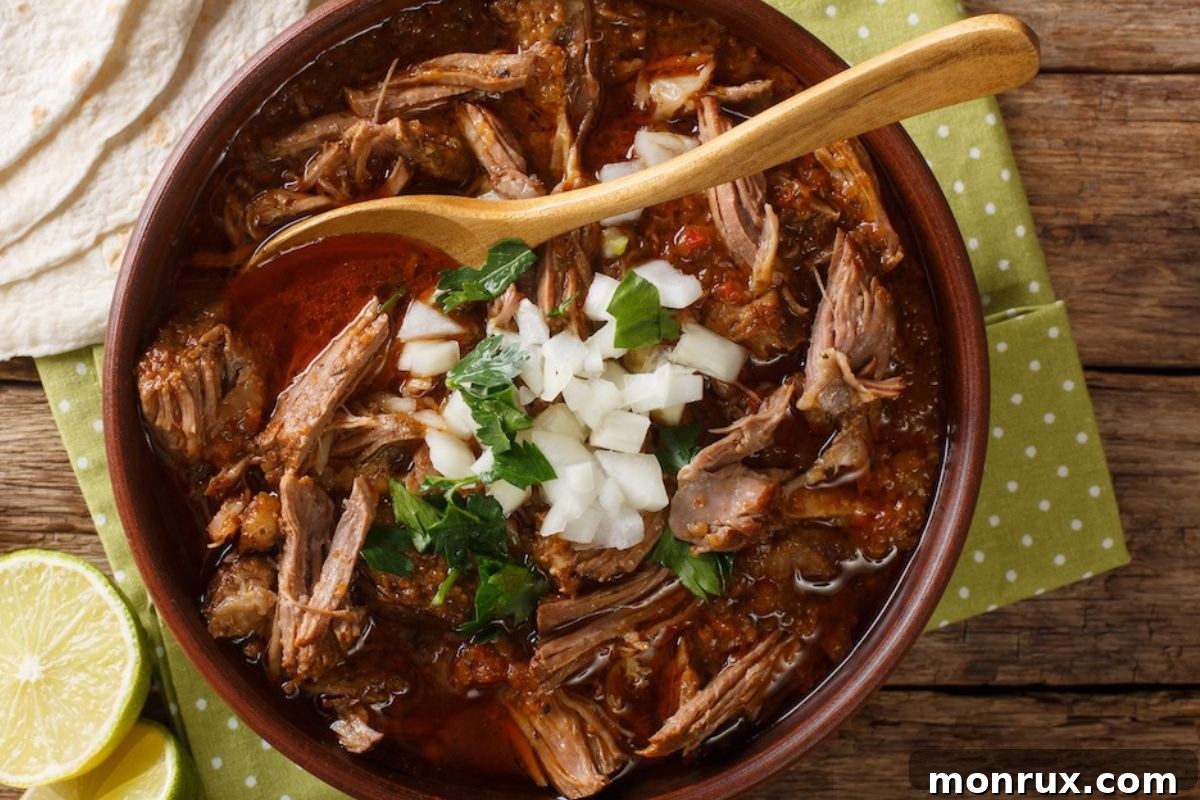
Welcome to a flavorful journey into the heart of Mexican cuisine, where we explore the beloved dish known as birria. Often celebrated for its rich, aromatic broth and tender, slow-cooked meat, birria has captivated palates worldwide. But beyond its undeniable deliciousness, a common question arises for health-conscious food lovers: Is birria healthy? In this comprehensive guide, we’ll delve deep into the nutritional landscape of birria, uncovering its various health benefits and potential drawbacks. We’ll examine its core ingredients, traditional preparation methods, and how different variations can impact its overall health profile. By the end, you’ll have a clear understanding of birria’s place in a balanced diet, along with practical tips for enjoying this exquisite dish in the healthiest way possible.
Birria Facts
Birria is a quintessential Mexican culinary masterpiece, renowned for its spicy, savory, and deeply satisfying character. At its core, it’s a stew or soup featuring slow-cooked meat simmered in a highly aromatic and intensely flavored broth. Historically, birria was traditionally prepared with goat meat, a practice that continues in many parts of Mexico, particularly in its birthplace. However, its evolution has seen it embrace a wider variety of meats, including beef, mutton, lamb, and even chicken, catering to diverse preferences and regional availability.
The magic of birria lies in its preparation. The selected meat undergoes a meticulous marination process, soaking up the vibrant flavors of a rich, smoky adobo sauce. This sauce is a complex blend of ingredients, typically featuring vinegar for tang, a medley of fragrant spices, fresh herbs, robust garlic, and an assortment of dried chili peppers. These chilies not only impart a characteristic heat but also contribute depth and color to the broth. After marination, the meat is slow-cooked, often for several hours, until it achieves a succulent, fall-apart tender consistency, allowing all the flavors to meld beautifully.
While birria has gained immense popularity across the United States and other international culinary scenes, its roots are firmly planted in Guadalajara, the capital and largest city of the Mexican state of Jalisco. The dish boasts a fascinating history that dates back to the 16th century, during the period of the Aztec Empire’s conquest by the Spanish. Indigenous peoples found themselves with a surplus of goats, introduced by the Spanish Conquistadors who, surprisingly, had little regard for goat meat due to its strong smell and texture.
However, the ingenuity of the native cooks transformed this perceived “worthless” meat into something extraordinary. Through their sophisticated marination techniques and slow-cooking methods, they created birria. The irony is that the Spanish word “birria” at the time literally meant “worthless” or “trifling thing,” a testament to the Conquistadors’ initial dismissal of this now-cherished dish. Today, birria stands as a proud symbol of Mexican culinary heritage, a testament to resilience and adaptation.
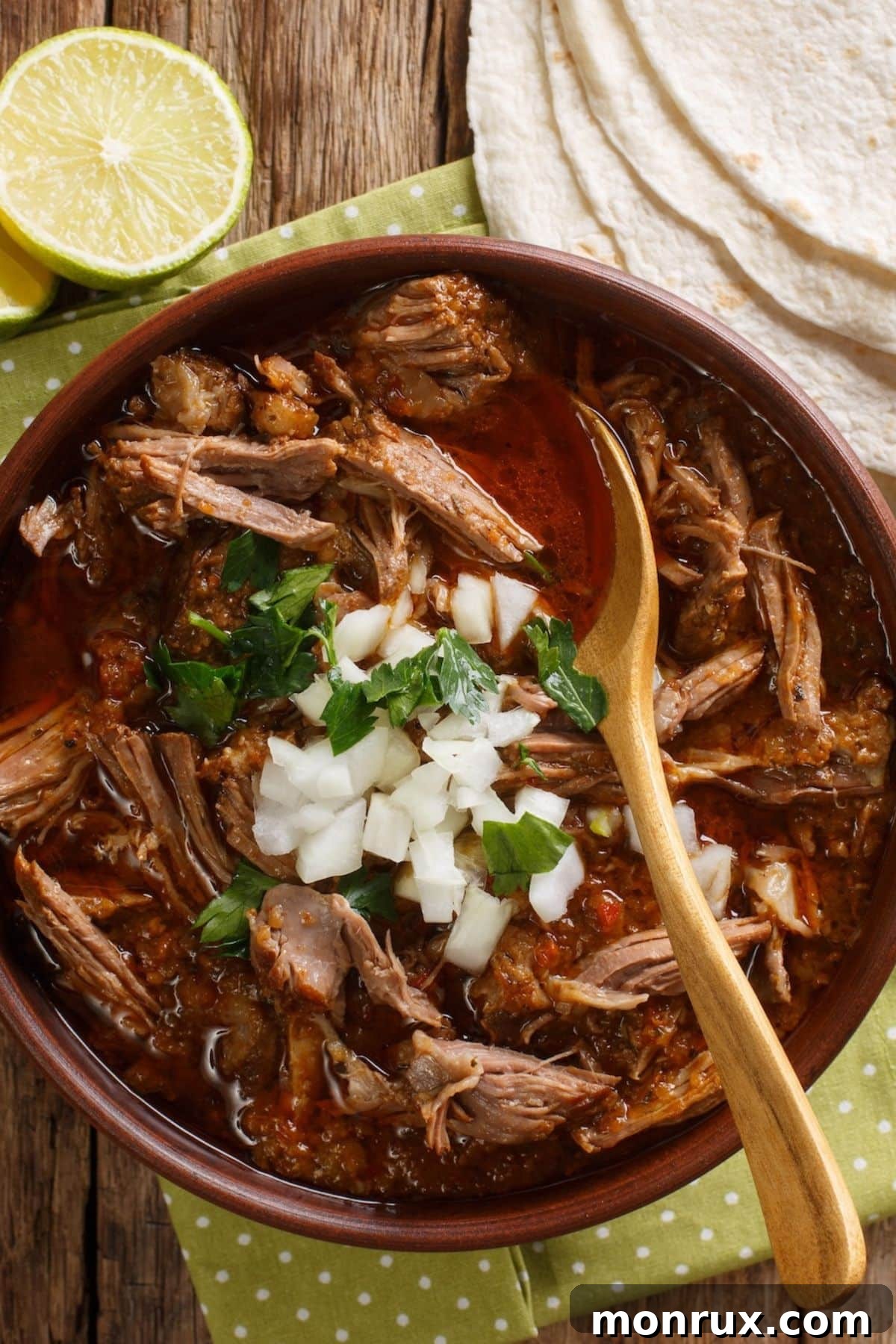
Birria is often a highlight at Mexican special occasions, family gatherings, and holidays such as Christmas and Easter. It’s a celebratory dish that brings people together. Beyond festive events, you can readily find birria at bustling food trucks, authentic Mexican restaurants, and it’s also a popular dish for home cooks to prepare. It’s traditionally served in a bowl, garnished with fresh cilantro, finely chopped white onion, and a squeeze of fresh lime juice, creating a symphony of contrasting flavors and textures. Warm corn tortillas are an essential accompaniment, perfect for scooping up the tender meat and soaking up the rich, flavorful consommé.
The versatility of birria has led to several exciting variations, particularly in the vibrant street food scene. One of the most popular innovations is the quesabirria taco, where birria-filled corn tortillas are griddled with melted cheese, creating a crispy, savory delight often served with a side of consommé for dipping. Other adaptations might include birria served in flour tortillas, or even incorporating a dollop of sour cream for added richness. These variations demonstrate birria’s enduring appeal and its ability to inspire new culinary creations while staying true to its delicious essence.
Birria Nutrition Highlights
Beyond its incredible taste and cultural significance, birria offers a spectrum of valuable nutrients, making it more than just a culinary indulgence. While the exact nutritional profile can vary based on the type of meat, cut, and preparation methods, birria generally stands out as a robust source of essential macronutrients and micronutrients. Let’s take a closer look at the key nutritional components that contribute to the overall healthfulness of this popular Mexican dish.
Protein
As a dish primarily centered around meat, birria is an exceptionally rich source of high-quality protein. Protein is a fundamental macronutrient vital for numerous bodily functions, including building and repairing tissues, making enzymes and hormones, and providing a sustained source of energy. The protein found in animal products, like the meat used in birria, is classified as a “complete protein.” This means it contains all nine essential amino acids that your body cannot synthesize on its own and must obtain through dietary intake. Consuming adequate protein helps promote satiety, keeping you feeling fuller for longer and potentially aiding in weight management by reducing the urge for unhealthy snacking between meals.
Iron
Birria, especially when prepared with red meats such as beef or goat, is an excellent source of iron. Iron is a crucial mineral involved in oxygen transport throughout the body. Animal products provide “heme iron,” a form that is significantly more bioavailable and readily absorbed by the human body compared to the “non-heme iron” found in plant-based sources. Adequate iron intake is essential for preventing iron-deficiency anemia, a condition that can lead to fatigue, weakness, and impaired cognitive function. By incorporating birria into your diet, you can effectively boost your iron levels and support healthy red blood cell production.
Vitamins and Minerals
The diverse array of ingredients used in birria contributes to its rich vitamin and mineral content. Garlic, various spices, aromatic herbs, and chili peppers used to create the flavorful broth are packed with beneficial micronutrients and antioxidants. Beyond these plant-based contributions, the high meat content of birria makes it a superb source of zinc, a mineral vital for immune function, wound healing, and DNA synthesis. If prepared with chicken, birria also becomes a good source of potassium, which is important for maintaining fluid balance, nerve signals, and muscle contractions.
Furthermore, birria is particularly rich in several B vitamins, including Vitamin B12, riboflavin (B2), and niacin (B3). These B vitamins play critical roles in energy metabolism, helping your body convert food into usable energy. Vitamin B12, predominantly found in animal products, is essential for nerve function and red blood cell formation, making birria a valuable dietary component for those seeking to maintain optimal neurological health and energy levels.
Fats
The luxurious, rich taste and velvety texture that birria is celebrated for largely stem from the natural fats present in the meat. These fats not only contribute significantly to the dish’s flavor profile but also aid in satiety and the absorption of fat-soluble vitamins (A, D, E, K). The specific fat content of birria, however, can vary considerably depending on the type of meat used and the particular cut. For instance, cuts from lamb tend to be fattier than those from goat or leaner cuts of beef. Birria contains both saturated and unsaturated fats. While saturated fats should be consumed in moderation, unsaturated fats (monounsaturated and polyunsaturated) are known for their health benefits, including supporting heart health.
For those looking to enjoy birria as part of a healthier diet, opting for leaner cuts of meat or selecting chicken can help reduce the overall fat content. Using high-quality, grass-fed beef, for example, can also contribute to a healthier fat profile. Additionally, excess fat can often be skimmed off the surface of the broth after it has cooled, allowing you to enjoy the flavor with reduced fat intake.
Collagen and Gelatin
One of the often-overlooked yet highly beneficial aspects of birria, especially when made with bone-in cuts of meat, is its remarkable content of collagen and gelatin. The prolonged, slow-cooking process required for birria allows the collagen in the connective tissues and bones to break down. This collagen then melts into a nutrient-rich gelatin, which enriches the cooking liquid. This transformation adds an incredible depth of flavor and a luxurious mouthfeel to the broth, giving it that characteristic viscosity.
Beyond taste and texture, gelatin is a powerhouse of amino acids, particularly glycine, proline, and hydroxyproline, which are crucial for various bodily functions. These components are excellent for supporting joint health, promoting the elasticity and strength of skin, hair, and nails, and contributing to gut health by supporting the integrity of the digestive lining. Consuming birria thus offers a holistic benefit, nourishing your body from the inside out with these valuable proteins.
Nutrition Pros
Birria, when enjoyed thoughtfully, offers a wealth of nutritional advantages that align well with a balanced diet. Its rich composition of protein, vitamins, and minerals contributes to several key aspects of health and well-being. Let’s explore the primary health benefits that make birria a surprisingly healthy choice for most individuals.
Satiety and Weight Management
Due to its high protein content, birria is incredibly satisfying and helps you feel full for longer periods. Protein takes more time to digest than carbohydrates, which means it can effectively curb hunger pangs and reduce the likelihood of reaching for unhealthy snacks between meals. This makes birria an excellent meal choice for individuals focusing on weight management or those who simply want to maintain consistent energy levels without experiencing sudden crashes or intense cravings. The combination of protein and healthy fats contributes to a robust feeling of fullness that can support mindful eating habits.
Keto-Friendly Option
For individuals following ketogenic or low-carb dietary lifestyles, traditional birria can be an ideal meal choice. It is naturally high in fat (from the meat) and very low in carbohydrates, especially when served without carb-heavy accompaniments like tortillas, rice, or beans. The rich fat content provides a sustained energy source, which is a cornerstone of the ketogenic diet, helping the body enter and maintain ketosis. As long as it’s prepared without added sugars or excessive starches, birria seamlessly fits into a low-carb eating plan.
Better Muscle Health
The high protein content in birria, coupled with its beneficial fats, plays a crucial role in supporting optimal muscle health. Protein is essential for the synthesis, repair, and maintenance of muscle tissue. The amino acids provided by the meat are the building blocks your body needs to rebuild muscle fibers after physical activity and to maintain overall muscle mass as you age. Furthermore, the fats present in birria are not merely a source of energy but also aid in the absorption of fat-soluble vitamins (like Vitamin D) that are integral for muscle function and recovery. For athletes or anyone leading an active lifestyle, birria provides excellent fuel for muscle growth and repair.
Increased Energy Levels
Birria is a potent source of nutrients that can significantly boost and sustain your energy levels. The heme iron, primarily found in red meat birria, is critical for the production of hemoglobin. Hemoglobin is the protein in red blood cells responsible for transporting oxygen from your lungs to all the tissues and organs throughout your body. Efficient oxygen delivery is vital for cellular energy production, and sufficient iron intake helps prevent fatigue and reduces the risk of iron-deficiency anemia, which is characterized by low energy. Additionally, the B vitamins (such as B12, riboflavin, and niacin) found in abundance in birria are co-factors in metabolic pathways that convert food into energy, offering a direct boost to your vitality. The healthy fats provide a dense and prolonged source of energy, helping to keep you feeling energized for hours.
Strong Immune System
The combination of vital minerals and antioxidants in birria makes it an excellent dish for bolstering your immune system. Zinc, plentiful in the meat, is a powerhouse mineral essential for immune cell development and function, helping your body ward off infections. Iron also supports immune responses. Furthermore, the herbs, spices, and chili peppers used in the adobo sauce are rich in antioxidants, which help protect your body’s cells from damage caused by free radicals and oxidative stress. This cellular protection is crucial for reducing inflammation and lowering the risk of chronic diseases. Healthy fats also play a role in immune function by supporting the structural integrity of cell membranes, including those of immune cells, ensuring they function properly.
Healthy Skin, Hair, and Joints
The collagen and gelatin derived from the slow-cooking process of birria meat offer remarkable benefits for connective tissues throughout the body. These proteins are fundamental for maintaining the elasticity and strength of your skin, contributing to a more youthful appearance and reducing the signs of aging. They also play a vital role in supporting joint health, providing the building blocks for cartilage and promoting joint lubrication, which can alleviate discomfort and improve mobility. The B vitamins from the meat further benefit the health and vibrancy of your hair, nails, and skin, while the presence of healthy fats ensures optimal absorption of fat-soluble vitamins, many of which are essential for dermatological health.
Nutrition Cons
While birria offers a compelling array of health benefits, it’s also important to consider certain aspects of its traditional preparation that might pose nutritional drawbacks for some individuals. A balanced perspective requires acknowledging both the pros and cons to make informed dietary choices. Understanding these potential downsides allows for healthier modifications without sacrificing the essence of this beloved dish.
High Fat Content and Saturated Fats
The most significant nutritional consideration for traditionally prepared birria is its potentially high fat content. The luscious richness for which the dish is famous often comes from fattier cuts of meat and the cooking oils used. Birria typically contains both unsaturated and saturated fats. While unsaturated fats (monounsaturated and polyunsaturated) are generally considered heart-healthy, excessive consumption of saturated fats has been linked to increased levels of LDL (bad) cholesterol and an elevated risk of heart disease. The exact amount of fat can vary enormously based on the type of meat (lamb tends to be fattier than goat or lean beef), the specific cut (e.g., brisket vs. lean shank), and the quantity of fat rendered during cooking.
For individuals monitoring their fat intake, especially those with cardiovascular concerns or looking to manage their weight, it’s crucial to consume traditional birria in moderation and pay attention to portion sizes. To mitigate this, consider choosing leaner cuts of meat like chicken, turkey, or leaner beef cuts. Allowing the birria to cool after cooking, then skimming off the solidified fat layer from the surface of the broth, is another effective way to reduce its overall fat content without compromising flavor. Making birria at home provides greater control over the ingredients, allowing for healthier oil choices and leaner meat selections.
Sodium Content
Another potential concern with birria, particularly when consumed at restaurants or from food trucks, is its sodium content. Salt is a key component in seasoning the meat and broth, essential for enhancing flavor. However, traditional preparation methods can sometimes result in a dish with a relatively high sodium level. For individuals who need to monitor their sodium intake, such as those with hypertension (high blood pressure) or kidney issues, this can be a significant consideration. High sodium consumption is a known contributor to increased blood pressure, which in turn raises the risk of heart disease and stroke.
If you are mindful of your sodium intake, it’s advisable to moderate your consumption of commercially prepared birria. When making birria at home, you have complete control over the amount of salt added. You can opt for low-sodium broths or stocks, reduce the amount of salt used in the marinade and cooking process, and rely more on herbs, spices, and chilies to build flavor. Always tasting as you go and adjusting seasoning to your preference can help ensure the dish remains delicious while being healthier for your cardiovascular system.
Birria Nutrition FAQs
The calorie and fat content in traditional birria can vary quite substantially, but a standard 1 to 1.5 cup serving typically ranges from 300 to 500 calories or even more, with at least 15-25 grams of fat. This wide range is primarily due to the significant impact of the specific meat chosen, the cut, and the cooking methods. For instance, lamb, often used in birria, tends to have the highest fat content, even its leaner cuts possess more marbling than comparable cuts of goat or beef. Goat meat is generally considered one of the leanest red meats, offering a lower fat profile. Beef, depending on the cut (e.g., a fatty brisket vs. a leaner chuck roast), can fall somewhere in between lamb and goat. Chicken is consistently the best low-fat and low-calorie option, making it a popular choice for healthier birria. Additionally, the amount and type of oil used during the searing or cooking process can also contribute significantly to the final calorie and fat count. Therefore, while birria is calorie-dense due to its richness, opting for leaner meats can considerably reduce its overall caloric and fat load.
Modifying traditional birria recipes for a healthier profile while preserving its authentic taste is entirely achievable with a few strategic adjustments. First, the choice of protein is crucial:
- Meat Selection: Swap out fattier red meats for leaner alternatives. Chicken or turkey are excellent low-fat, low-calorie options that still absorb the rich adobo flavors beautifully. If you prefer red meat, opt for lean cuts of beef (like top round or sirloin) or lean goat meat. Alternatively, for a vegetarian or vegan twist, consider using hearty mushrooms, jackfruit, or plant-based meat substitutes, which can offer a similar texture and absorb the complex spices.
- Fat Reduction During Cooking: After the birria has finished cooking and begins to cool, a layer of fat will rise to the surface and solidify. Skimming this fat off before reheating or serving can significantly reduce the overall fat content without compromising the flavor of the broth. Using a slow cooker or instant pot can make this process even easier. You can also brown the meat with minimal oil and then drain any excess fat before adding the adobo sauce.
- Sodium Control: Reduce the amount of salt added during the cooking process. Instead, rely more heavily on the rich blend of herbs, spices, and chilies to build flavor. Using low-sodium chicken or beef broth as your liquid base can also help keep sodium levels in check. Taste and adjust seasoning gradually.
- Healthier Sides: Traditional birria is often served with carb-rich accompaniments like corn tortillas, rice, and refried beans, which add calories and carbohydrates. To create a more balanced and lower-calorie meal, swap these for fresh, vibrant toppings and sides. Think crisp salads, steamed or roasted vegetables, or a side of cauliflower rice. Serving birria over a bed of shredded lettuce or in lettuce cups can also be a delicious and low-carb alternative to tortillas.
By implementing these modifications, you can enjoy the delicious, authentic flavors of birria while making it a more health-conscious addition to your diet.
More Food Reviews You Might Like
Conclusions
In conclusion, birria is far more than just a delicious and comforting Mexican stew; it’s a dish that offers a substantial array of nutritional benefits for most individuals. Its foundation of slow-cooked meat provides a rich source of high-quality protein, essential for muscle health, satiety, and overall bodily functions. Beyond protein, birria is packed with vital micronutrients such as iron, zinc, and a spectrum of B vitamins, all contributing to increased energy levels, a robust immune system, and the health of your skin, hair, and joints.
However, like many rich and flavorful dishes, traditionally prepared birria does come with considerations regarding its fat and sodium content. These elements, while contributing to its signature taste, warrant mindful consumption. For those managing fat, calorie, or sodium intake, it’s advisable to enjoy birria in moderation. The good news is that with simple yet effective modifications—such as choosing leaner cuts of meat, skimming excess fat, controlling salt during home preparation, and opting for healthier accompaniments—you can easily transform birria into an even more health-conscious meal without sacrificing its authentic and beloved flavor. Embrace this versatile dish, make informed choices, and savor the incredible taste and nourishing qualities of birria as part of a balanced and healthy diet.
Don’t forget to join my newsletter list to get exclusive clean eating recipes and tips. The newsletter is 100% free with no spam; unsubscribe anytime.
About the Author: Carrie Forrest has a master’s degree in public health with a specialty in nutrition and is a certified holistic nutritionist. She is a top wellness and food blogger with over 5 million annual visitors to her site. Carrie has an incredible story of recovery from chronic illness and is passionate about helping other women transform their health. Send her a message through her contact form.
Note: this post is for informational purposes only and is not intended as medical advice. Please consult your healthcare provider for recommendations related to your individual situation.