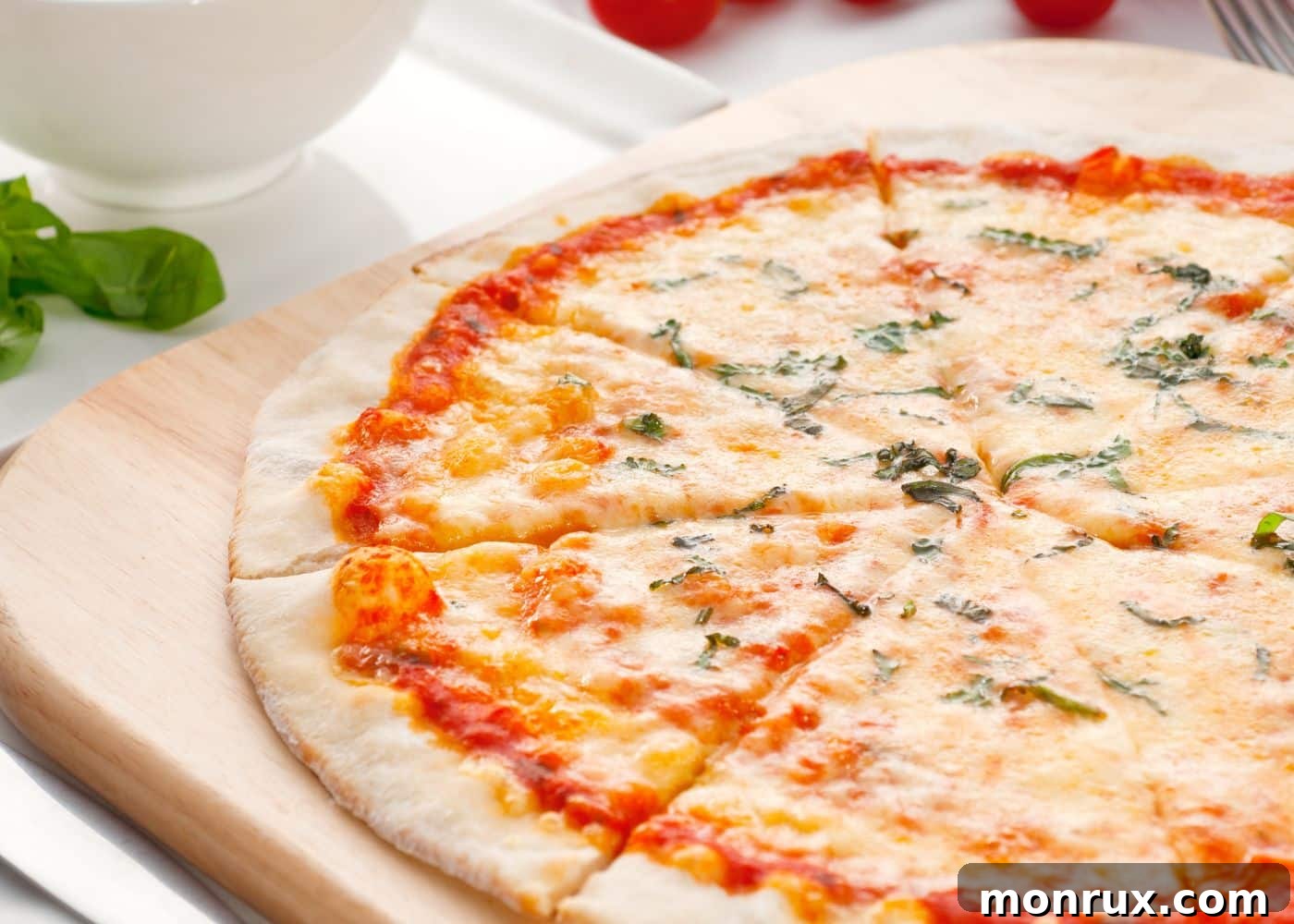
Welcome to the ultimate guide for creating a delightful Cassava Flour Pizza Crust – a truly game-changing recipe for anyone seeking a gluten-free, grain-free, and yeast-free option. This isn’t just another alternative crust; it’s a robust, flavorful, and incredibly satisfying base that makes homemade pizza accessible and enjoyable for a wide range of dietary needs. Whether you’re following a paleo diet, avoiding yeast, or simply looking for a wholesome way to indulge in your favorite comfort food, this recipe delivers a delicious experience that rivals traditional pizza.
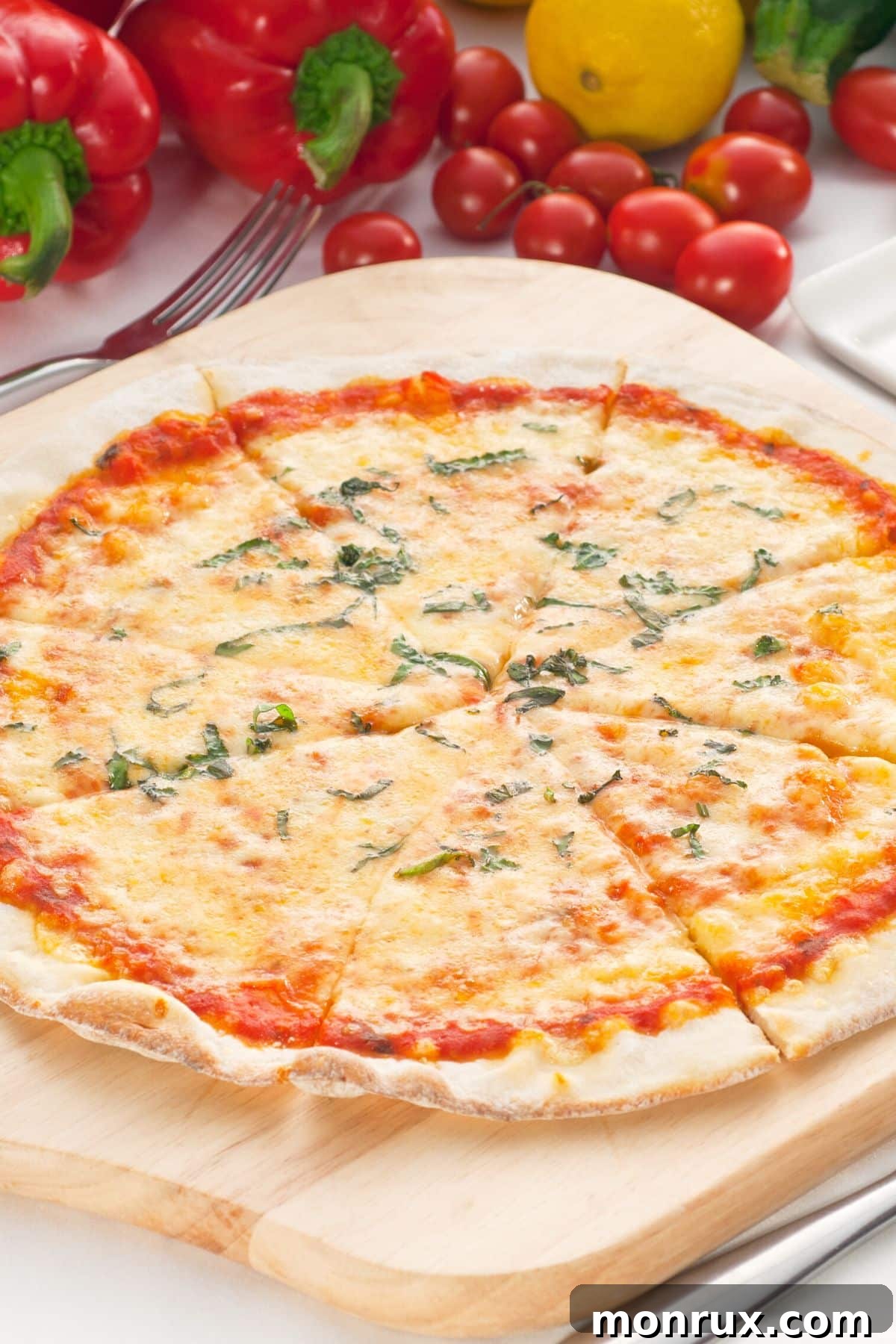
Discovering the Magic of Cassava Flour
For individuals navigating the complexities of grain-free or gluten-free diets, cassava flour emerges as an incredible culinary marvel. Derived from the root of the cassava plant, a starchy tuber similar to a potato or yam, this flour is naturally free from common allergens like gluten and grains. It’s a foundational ingredient in many traditional cuisines worldwide and has gained significant popularity in health-conscious communities for its unique properties.
What sets cassava flour apart is its remarkable versatility and ease of use. Unlike some other gluten-free flours that can result in gritty textures or overwhelming flavors, cassava flour boasts a delicate, light texture and a beautifully neutral flavor profile. This neutrality is key, as it allows the other ingredients in your recipe to shine without any earthy or unusual undertones. Perhaps its most appealing characteristic is its ability to often be substituted for wheat flour or all-purpose flour in a convenient 1-to-1 ratio, making it an ideal choice for adapting beloved recipes like this pizza crust.
This root-based flour doesn’t just mimic wheat flour; it offers a substantial and satisfying mouthfeel, contributing to a truly authentic pizza experience without any of the dietary concerns. Embrace the goodness of cassava flour and unlock a world of delicious, grain-free possibilities in your kitchen!
Why This Cassava Crust Is a Must-Try
- Satisfy Cravings, Guilt-Free: The allure of a warm, cheesy pizza is undeniable, but adhering to a paleo, autoimmune-friendly, or general gluten-free diet often means sacrificing this comfort food. This Cassava Flour Pizza Crust recipe is the ultimate solution, allowing you to indulge in your pizza cravings without compromising your dietary principles. It brings back the joy of pizza night, making it a delicious and healthy reality.
- Effortless and Yeast-Free Preparation: Many homemade pizza dough recipes can be intimidating due to the reliance on yeast, which requires careful handling, specific temperatures, and significant rising time. This recipe cleverly bypasses yeast altogether, using eggs to achieve a slight lift and structure. This not only simplifies the process, making it much faster and more forgiving for beginners, but also makes it suitable for those who need or prefer a yeast-free diet. You’ll be amazed at how quickly you can go from ingredients to a ready-to-bake pizza base.
- Unleash Your Topping Creativity: One of the greatest joys of homemade pizza is customizing it to your heart’s content. This cassava crust serves as a perfect canvas for any topping combination you can imagine. Whether you’re dairy-free, vegetarian, vegan, or simply have specific preferences, this crust accommodates them all. Load it up with vibrant vegetables, plant-based cheeses, a zesty marinara, or go classic with pepperoni and mozzarella. The neutral flavor of the cassava flour ensures your chosen toppings are always the star of the show, allowing for endless culinary exploration.
- Wholesome and Nutrient-Dense: Beyond being allergy-friendly, this cassava flour crust offers a more wholesome alternative to many processed pizza bases. Cassava is a good source of carbohydrates, providing energy, and contains vitamin C. By making it from scratch, you have complete control over the quality of your ingredients, avoiding unwanted additives, preservatives, and unhealthy oils often found in store-bought options. It’s a choice that feels good for your body and tastes fantastic.
Mastering Your Homemade Pizza Dough: Step-by-Step
Once you experience the satisfaction of crafting your very own pizza dough from scratch, you’ll likely find yourself saying goodbye to store-bought, pre-made crusts forever. This recipe makes the process incredibly straightforward, ensuring a perfect pizza for your next family dinner or casual gathering.
Step One: Gather and Combine Your Dry Ingredients
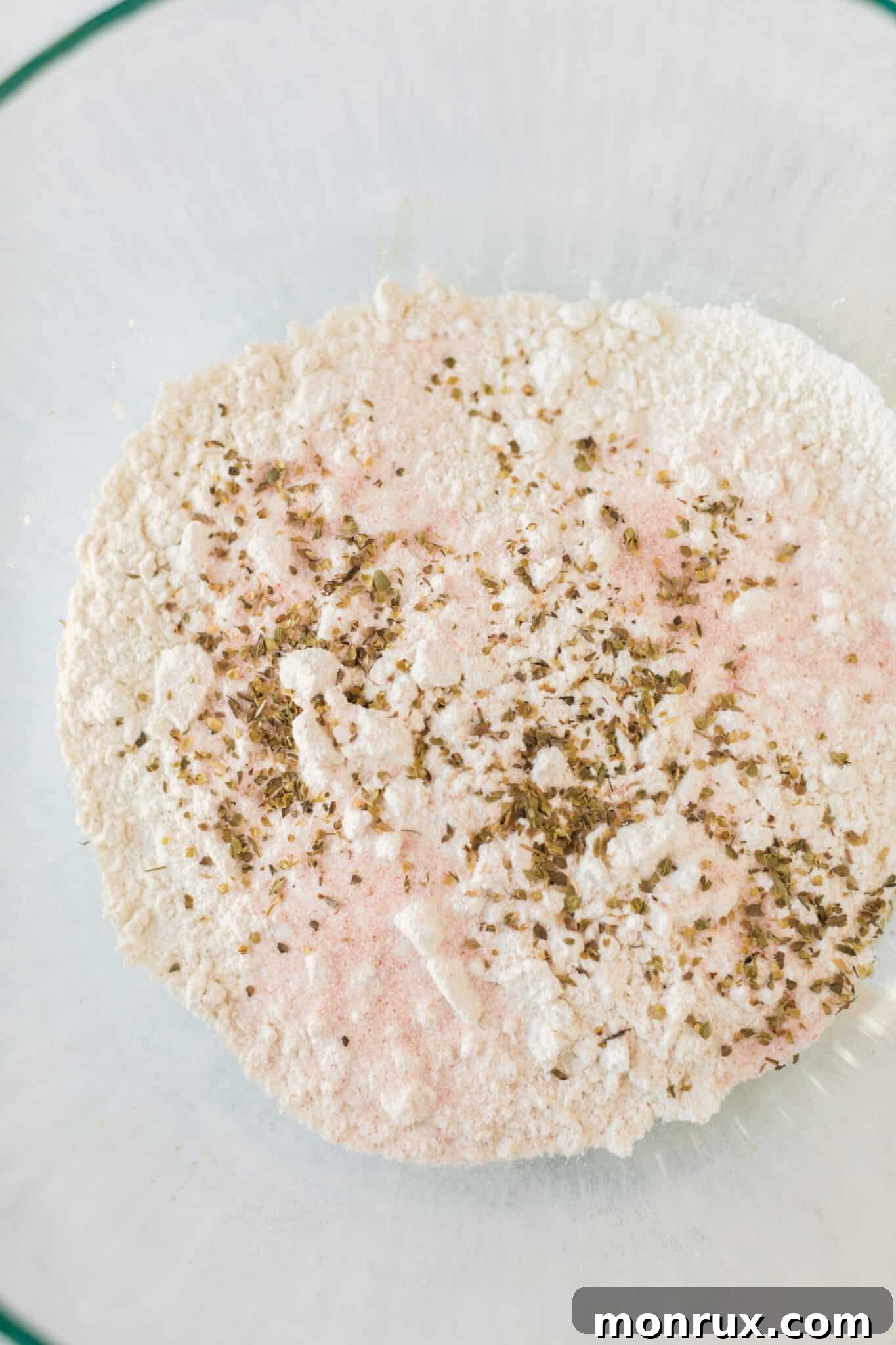
The foundation of any great pizza starts with quality ingredients. For this unique crust, we’ll be using a balanced blend of cassava flour and arrowroot starch (sometimes labeled as arrowroot flour). Cassava provides the bulk and structure, while arrowroot contributes to a lighter, crispier texture. In a medium mixing bowl, combine 1 cup of cassava flour, ½ cup of arrowroot flour, 1 teaspoon of sea salt, and 1 teaspoon of baking powder. The baking powder is crucial here, as it acts as our leavening agent in place of yeast, providing a lovely lift to the crust. Whisk these dry ingredients thoroughly to ensure even distribution.
Step Two: Incorporate Wet Ingredients and Form the Dough
Next, it’s time to bring the dough to life. Into your dry mixture, add 2 beaten eggs, ½ cup plus 1 tablespoon of water, and 3 tablespoons of olive oil. The eggs not only add richness but also act as a binder and contribute to the dough’s lift and elasticity. Olive oil adds flavor and helps create a tender crumb. You can use a food processor for ease, pulsing until a cohesive dough forms, or simply use a large mixing bowl and incorporate the ingredients with a sturdy spoon and then your hands. Once combined, use your hands to gently knead and form the batter into one or two smooth balls.
After your cassava flour dough is ready, it’s highly recommended to chill it for about an hour in the refrigerator. This step is a secret weapon for working with gluten-free doughs. Chilling allows the flours to fully hydrate, making the dough less sticky and significantly easier to roll out without tearing. Place the dough ball(s) in an oiled bowl, cover it with plastic wrap or a lid, and let it rest. While not strictly mandatory if you’re in a rush, chilling will greatly improve your rolling experience and the final texture of the crust.
Step Three: Roll Out Your Perfect Pizza Base
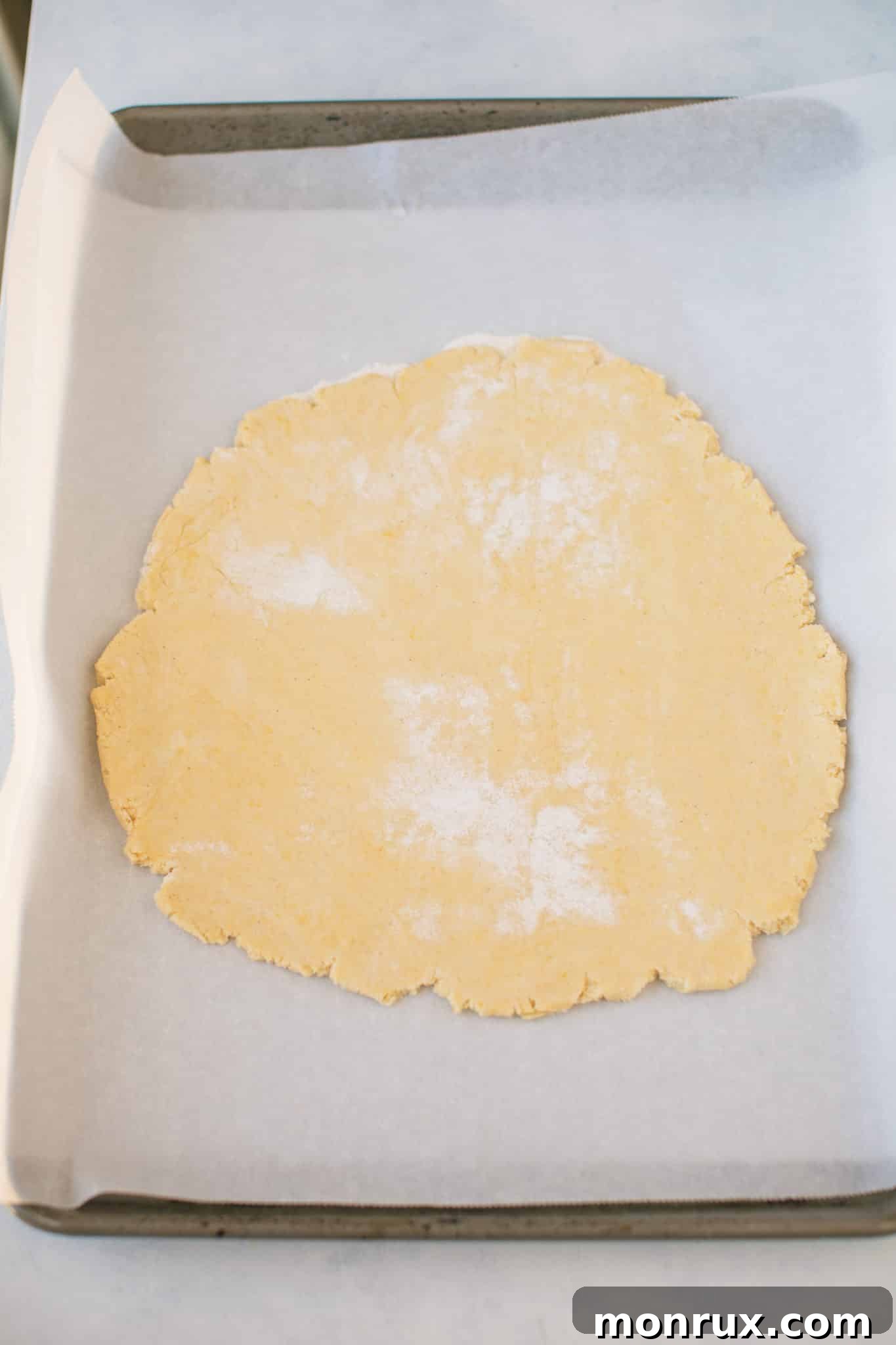
Once your dough is sufficiently chilled and rested, it’s time to prepare it for baking. Lightly dust a piece of parchment paper with the extra 2 tablespoons of cassava flour – this is key to preventing sticking. Place your dough ball on the floured parchment and use a rolling pin to carefully roll it out to your desired thickness and shape. Aim for about ¼ inch thick for a traditional thin crust. The parchment paper will be your best friend here, allowing for easy transfer to a baking sheet or pizza pan without the dough sticking. Trim any excess parchment paper if needed.
Step Four: Top, Bake, and Serve!
With your crust perfectly rolled out, the fun truly begins – it’s time to add your favorite toppings! This is where you can let your culinary creativity shine. For a paleo and dairy-free option, you might consider a vibrant homemade vegan pesto sauce, fresh basil, sliced mushrooms, bell peppers, and a sprinkle of nutritional yeast for a cheesy flavor. Or, if you’re like me, a classic combination of rich pizza sauce, savory pepperoni, and dairy-free mozzarella is always a winner. Feel free to use your go-to pizza sauce, fresh vegetables, plant-based or regular cheeses, and any other delicious additions.
Once your masterpiece is topped, bake your pizza in a preheated oven at 425°F (220°C) for approximately 15 minutes, or until the crust is golden brown and the toppings are bubbling and fragrant. The exact baking time may vary slightly depending on your oven and the thickness of your crust, so keep an eye on it. When it’s perfectly baked, carefully remove the pizza from the oven and allow it to cool for a few minutes before slicing. This brief cooling period helps the crust set and makes for easier, cleaner slices. Get ready to enjoy your incredible homemade cassava flour pizza!
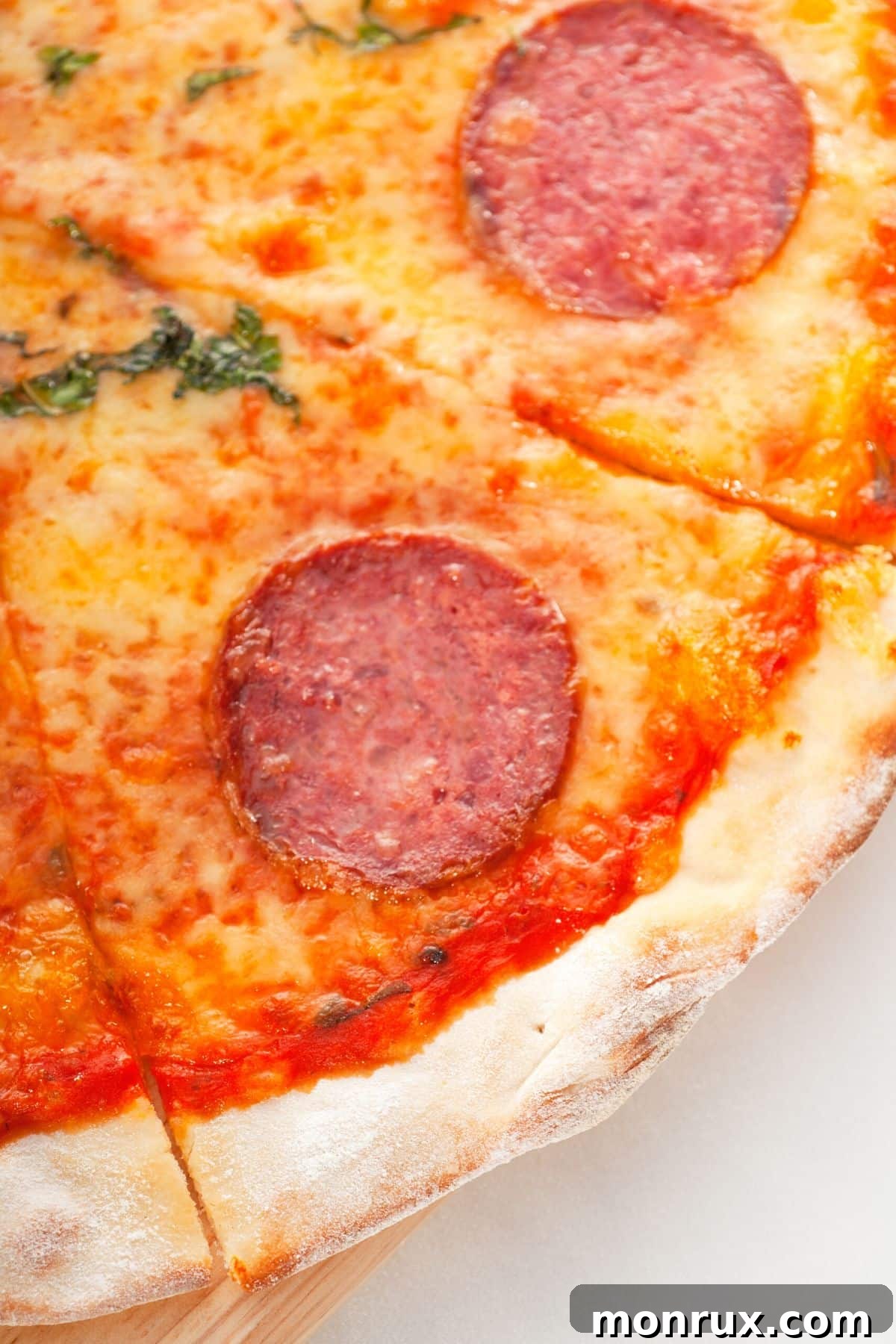
Creative and Delicious Pizza Topping Ideas
This versatile cassava flour crust is the perfect foundation for an endless array of pizza creations. Here are some inspiring topping combinations, keeping various dietary preferences in mind:
- Classic Supreme (Dairy-Free/Meat Option): Marinara sauce, dairy-free mozzarella, pepperoni, sausage, sliced bell peppers, red onion, black olives, and mushrooms.
- Mediterranean Delight (Vegetarian/Vegan Option): Pesto sauce, sun-dried tomatoes, artichoke hearts, Kalamata olives, spinach, and crumbled plant-based feta or regular feta if not dairy-free.
- BBQ Chicken (Paleo/Grain-Free Option): Sugar-free BBQ sauce base, shredded cooked chicken, red onion, cilantro, and a drizzle of olive oil.
- Veggie Garden: Olive oil base, thinly sliced zucchini, cherry tomatoes, fresh basil, roasted garlic, and a sprinkle of sea salt and pepper.
- Spicy Pineapple & Ham: Marinara sauce, cooked ham (or plant-based ham), pineapple chunks, and a sprinkle of red pepper flakes for a kick.
Don’t be afraid to experiment with your favorite sauces, cheeses, proteins, and vegetables to make a pizza that’s uniquely yours!
Frequently Asked Questions About Cassava Pizza Crust
Making a gluten-free and grain-free pizza crust might raise a few questions. Here are some common inquiries to help you succeed.
Is tapioca flour the same as cassava flour?
No, tapioca flour and cassava flour are not the same, though they both come from the cassava root. Cassava flour is a “whole food” flour made from the entire cassava root, which is peeled, dried, and ground. It contains more fiber and behaves differently in baking. Tapioca flour, also known as tapioca starch, is primarily the starch extracted from the cassava root. It’s much finer, whiter, and typically used to add chewiness or crispiness, often in combination with other flours. For this recipe, it’s crucial to use cassava flour for the desired texture and structure.
Does this recipe require xanthan gum?
Many gluten-free baking recipes call for xanthan gum, a common additive used to replicate the elasticity and binding properties of gluten. However, this particular cassava flour pizza crust recipe is designed not to require xanthan gum. The combination of cassava flour, arrowroot starch, and eggs provides sufficient binding and structure, resulting in a perfectly pliable and delicious crust without the need for additional gums.
Can I use a pizza stone to bake the crust?
Absolutely! Using a preheated pizza stone can help achieve an extra crispy crust due to the intense, even heat transfer. If you have one, feel free to use it. Simply preheat the stone in your oven before placing the pizza on it (you might still want to use parchment paper for easier transfer and cleanup). If you don’t have a pizza stone, a regular baking sheet works just as well and will still yield a fantastic pizza.
Can I prepare the dough ahead of time?
Yes, you can! The dough can be prepared up to 24 hours in advance. After forming the dough balls in Step Four, cover the bowl tightly with plastic wrap and store it in the refrigerator. When you’re ready to make your pizza, remove the dough from the fridge about 15-20 minutes before rolling to allow it to warm up slightly, making it more pliable.
Expert Tips for a Perfect Cassava Flour Pizza Crust
- Don’t Overwork the Dough: While you want to form a cohesive ball, avoid excessive kneading. Overworking gluten-free dough can make it tough. Mix until just combined and smooth.
- Chill Time is Your Friend: The hour of chilling in the refrigerator is highly recommended. It allows the flours to hydrate properly, making the dough less sticky and much easier to roll out without tearing.
- Use Parchment Paper: Always roll out your cassava dough between two sheets of parchment paper or directly on a well-floured piece of parchment. This prevents sticking and simplifies transferring the delicate crust to your baking sheet.
- Generous Flour for Rolling: Don’t be shy with the extra cassava flour when rolling out the dough. It helps prevent sticking and allows for a smoother, more even crust.
- Preheat Your Oven Thoroughly: A hot oven (425°F/220°C) is essential for a crispy crust. Ensure your oven is fully preheated before placing the pizza inside.
- Customize Your Toppings: Feel free to get creative! This crust is a blank canvas. Adapt toppings to your dietary needs – whether dairy-free, vegetarian, or meat-lover.
- Storage & Reheating: Store any leftover cooked pizza in an airtight container in the refrigerator for up to 4 days. Reheat slices in a toaster oven, conventional oven, or air fryer for best results, ensuring a crispy crust.
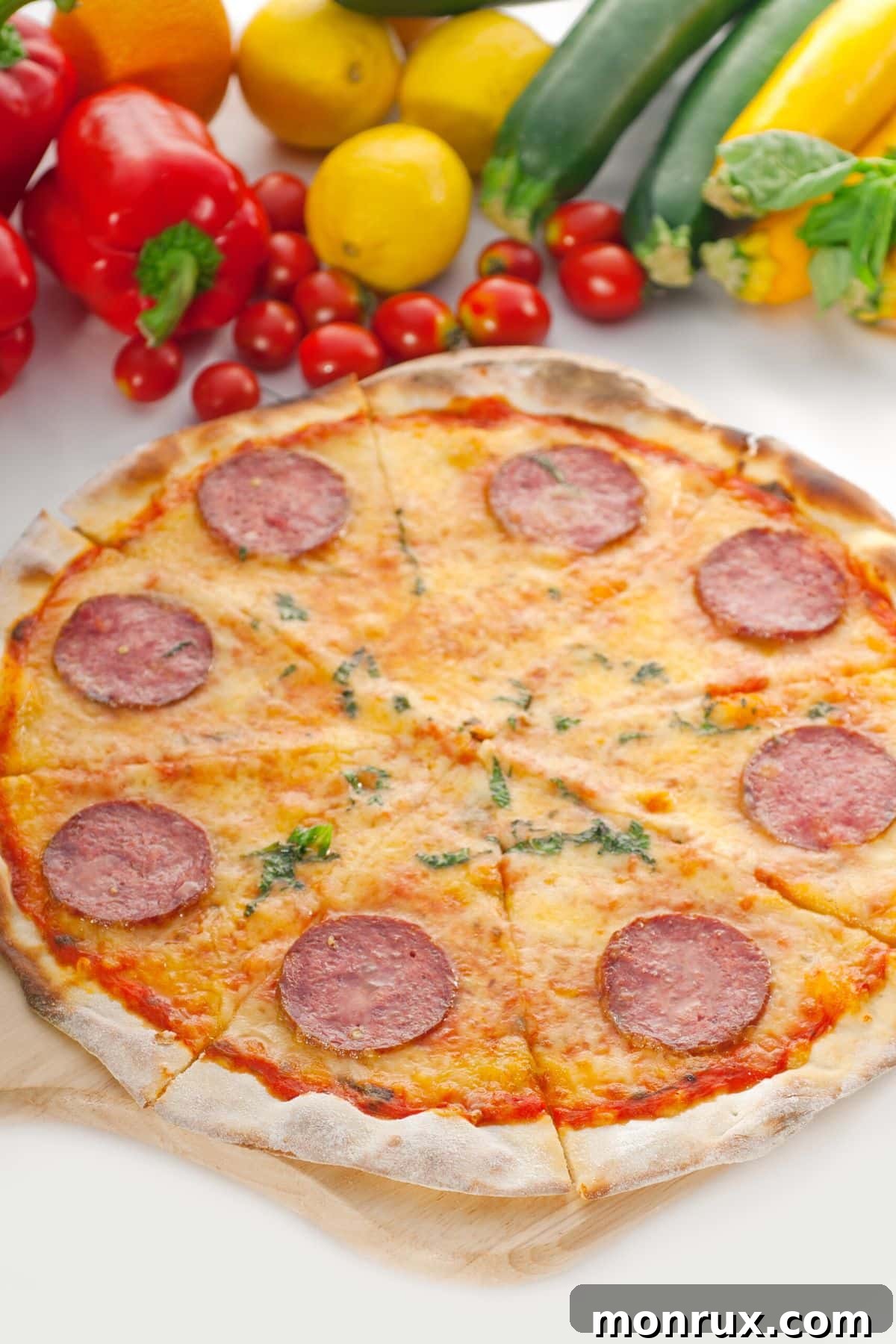
More Gluten-Free and Grain-Free Recipes to Explore
- Anti-Inflammatory Veggie Bowls with Tahini Sauce
- Chili’s Shrimp Fajitas (Copycat)
- Chicken Lettuce Tacos with Mango Salsa
- Creamy Coconut Shrimp
- Gluten-Free & Dairy-Free Meatballs
Don’t Miss These Grain-Free Recipes!
We hope you’ll give this incredible Cassava Flour Pizza Crust a try! If you do, please leave a comment and a starred review below to share your experience.
Stay connected with us for more clean eating inspiration and recipes! You can find us on Facebook, Pinterest, Instagram, and YouTube. We love hearing from our community!
Print Recipe
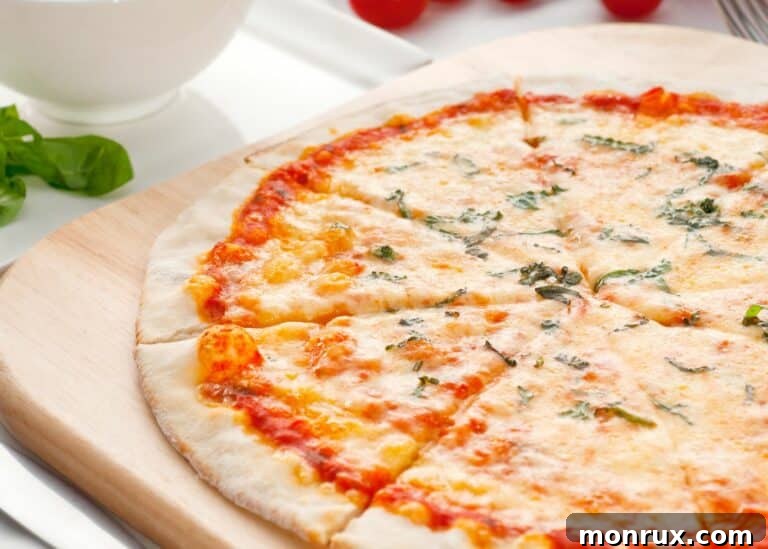
Cassava Flour Pizza Crust (Yeast-Free Recipe)
5 out of 5 stars from 2 reviews
This Cassava Flour Pizza Crust is your go-to recipe for a delicious, homemade pizza that’s entirely gluten-free, grain-free, and yeast-free. Perfect for paleo and yeast-free diets, this crust offers a satisfying texture and neutral flavor, making it the ideal base for all your favorite pizza toppings.
- Total Time: 90 minutes
- Yield: 4 servings
Ingredients
- 1 cup + 2 tablespoons of cassava flour
- 1/2 cup arrowroot flour
- 1 teaspoon sea salt
- 1 teaspoon baking powder
- 2 eggs, beaten
- 1/2 cup + 1 tablespoon water
- 3 tablespoons olive oil
Instructions
- Preheat your oven to 425°F (220°C). Line a baking sheet with parchment paper and set aside.
- In a medium mixing bowl, combine 1 cup of the cassava flour, arrowroot flour, sea salt, and baking powder. Stir well to combine all dry ingredients evenly.
- Next, pour in the beaten eggs, water, and olive oil. Stir until a wet dough forms.
- Use your hands to gently gather the dough and form it into one or two smooth balls.
- Cover the bowl containing the dough with a lid or plastic wrap and place it in the refrigerator to chill for at least one hour. This step is crucial for easier handling.
- When you are ready to roll out the dough, sprinkle the remaining 2 tablespoons of cassava flour onto the parchment paper. Place one dough ball on top and use a rolling pin to carefully roll out the dough to your desired thickness (approximately ¼ inch for a thin crust).
- Transfer the rolled dough on the parchment paper to your prepared baking sheet. Add your favorite pizza sauce and toppings.
- Bake the pizza for 15 minutes, or until the crust is golden brown and the toppings are hot and bubbly. The crust should start to rise slightly.
- Once baked, remove from the oven and allow to cool for a few minutes before slicing and serving hot. Enjoy your delicious homemade pizza!
Notes
- Store any leftover cooked pizza in a tightly sealed container in the refrigerator for up to 4 days. Reheat in a toaster oven, conventional oven, or air fryer for best texture.
- For a crispier crust, consider preheating a pizza stone in your oven before placing the pizza on it.
- Author: Carrie Forrest, MPH in Nutrition
- Prep Time: 15 minutes
- Cook Time: 15 minutes
- Category: Main Dish
- Method: Oven
- Cuisine: Grain-Free
- Diet: Gluten Free, Paleo, Yeast-Free
Nutrition
- Serving Size: 1/4 of crust
- Calories: 299
- Sugar: 0.2 g
- Sodium: 621.3 mg
- Fat: 13.2 g
- Saturated Fat: 2.3 g
- Carbohydrates: 39.3 g
- Fiber: 1.4 g
- Protein: 6.4 g
- Cholesterol: 93 mg
Don’t forget to join my newsletter list to get exclusive clean eating recipes and tips delivered straight to your inbox. It’s 100% free with no spam; you can unsubscribe anytime.
About the Author: Carrie Forrest holds a master’s degree in public health with a specialty in nutrition and is a certified holistic nutritionist. She is a prominent wellness and food blogger, attracting over 5 million visitors to her site annually. Carrie shares an inspiring story of recovery from chronic illness and is deeply committed to empowering other women to transform their health through nourishing food. Feel free to reach out to her through her contact form with any questions or comments.