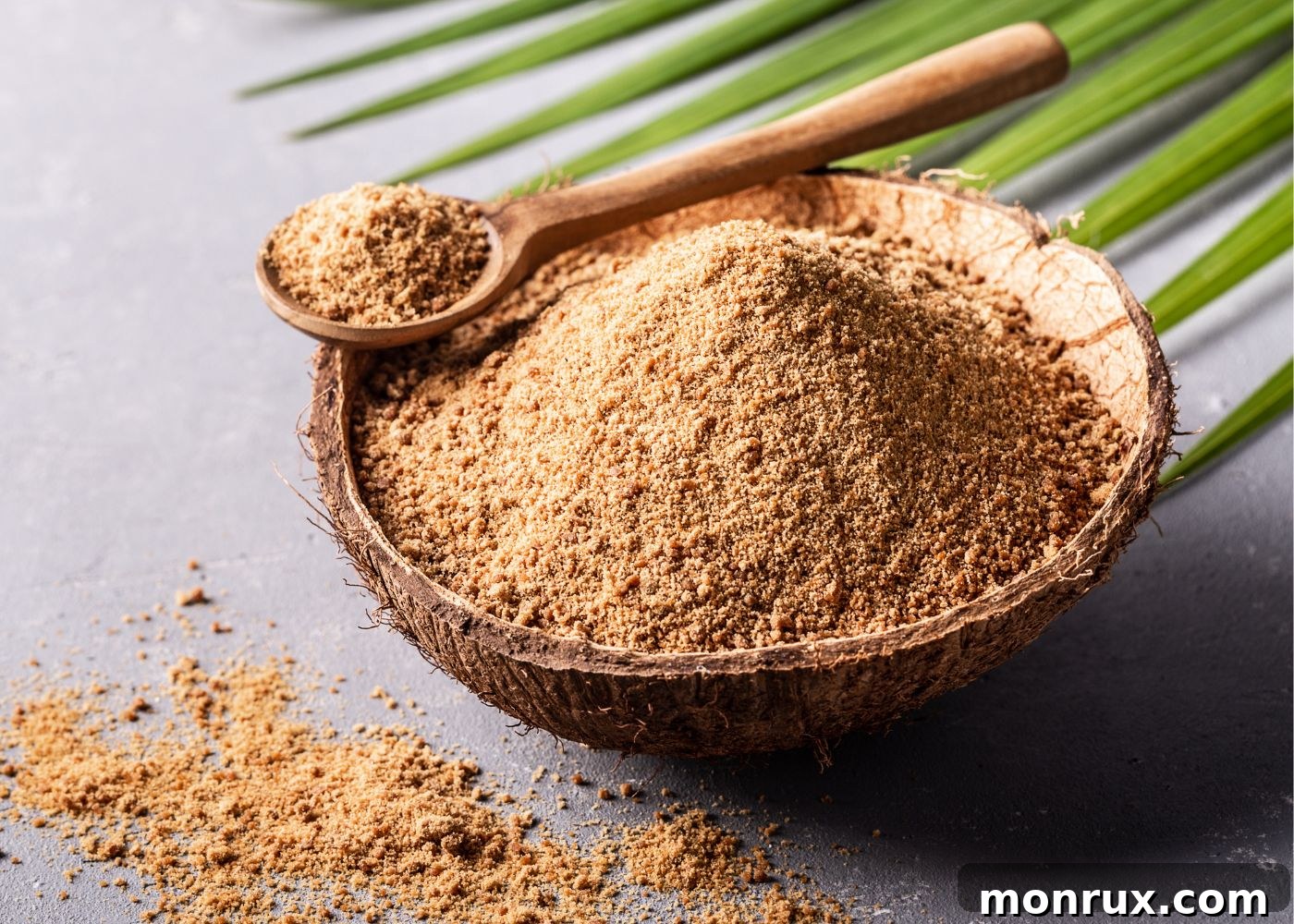
Coconut sugar, often celebrated as a lower-glycemic alternative to regular granulated sugar, is derived from the nutrient-rich sap of the coconut palm tree flowers. Its unique caramel notes and subtle sweetness make it a fantastic choice for a wide range of baking and cooking applications. But what happens when you’re mid-recipe and realize your pantry is bare of this popular sweetener? Don’t let a missing ingredient derail your culinary plans! This comprehensive guide explores several excellent substitutes for coconut sugar, detailing their distinct characteristics, ideal uses, and the precise measurements you’ll need for successful substitution.
Understanding Coconut Sugar: Origin, Flavor, and Nutritional Profile
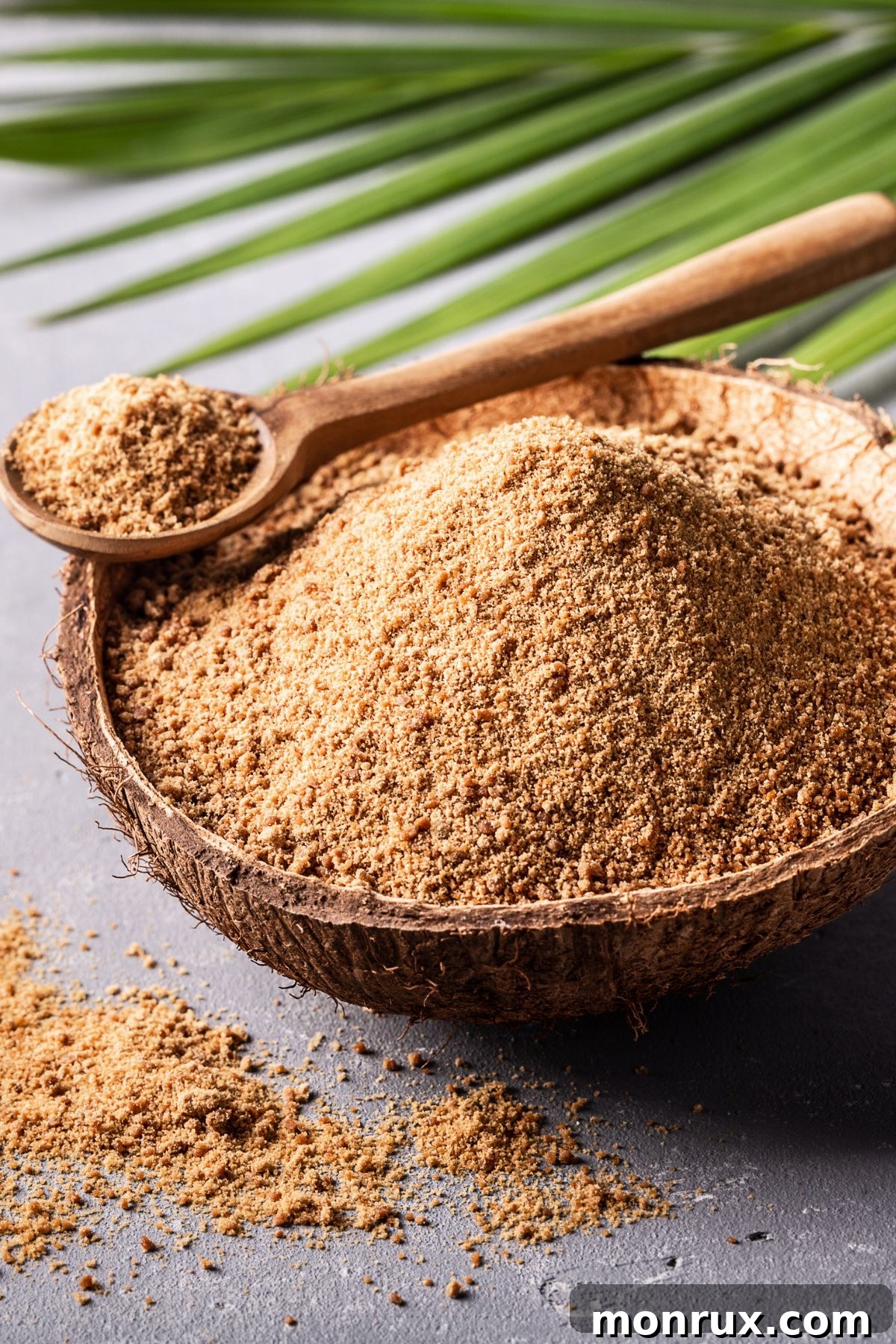
Before diving into substitutes, let’s understand what makes coconut sugar unique. The process of creating this popular sweetener involves collecting the sap from the coconut palm tree flowers. This sap is then gently boiled until the water evaporates, thickening and crystallizing into the granular form we know. This minimally processed approach helps retain some of the sap’s inherent nutrients, making it more than just an empty calorie sweetener.
Also known interchangeably as coconut palm sugar, it boasts a rich, slightly toasted caramel flavor that is less intensely sweet than typical refined sugar. This distinct flavor profile makes it a favorite in many health-conscious kitchens, adding depth to baked goods, beverages, and savory dishes alike. While it does contain trace amounts of minerals like iron, zinc, calcium, and potassium, alongside some antioxidants, it’s crucial to remember that coconut sugar is still a sugar. It provides calories and carbohydrates and, like all sugars, should be consumed in moderation as part of a balanced diet.
Many turn to coconut sugar for its reported lower glycemic index (GI) compared to table sugar. The GI measures how quickly a food raises blood sugar levels. While research on coconut sugar’s GI can vary, it is generally considered to be lower, which may lead to a slower and steadier rise in blood glucose. This makes it an appealing option for those monitoring their blood sugar, though it’s important to consult a healthcare professional for specific dietary advice.
Top Substitutes for Coconut Sugar
1. Cane Sugar (Granulated White Sugar)
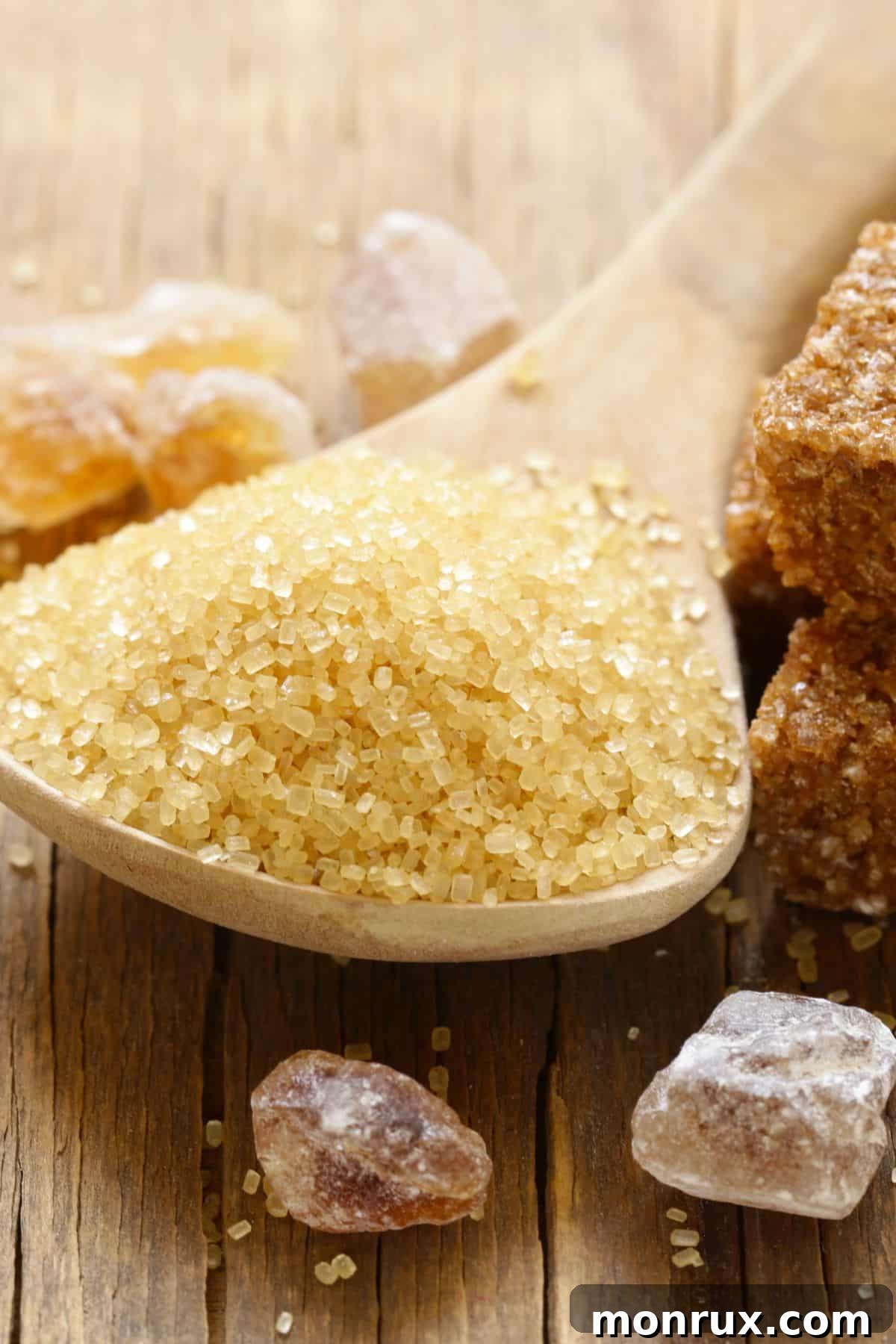
Cane sugar, commonly known as granulated white sugar or sucrose, is a refined sweetener extracted from sugar cane plants. Originating from New Guinea and cultivated for centuries, sugar cane juice is boiled to remove water, forming a thick syrup that is then crystallized into the familiar white granules. It’s the most widely used sugar globally, prized for its pure sweetness and versatility in food and beverages.
When it comes to substituting coconut sugar, cane sugar is an excellent and readily available option that will not alter the fundamental flavor profile of your recipe. Its neutral taste allows other ingredients to shine, making it a reliable choice for any dish where coconut sugar is called for. The consistency and crystalline structure are also very similar, ensuring your baked goods maintain their intended texture.
To substitute one cup of coconut sugar, use one cup of cane sugar. No other adjustments are typically necessary, making this a straightforward swap for most recipes.
2. Brown Sugar
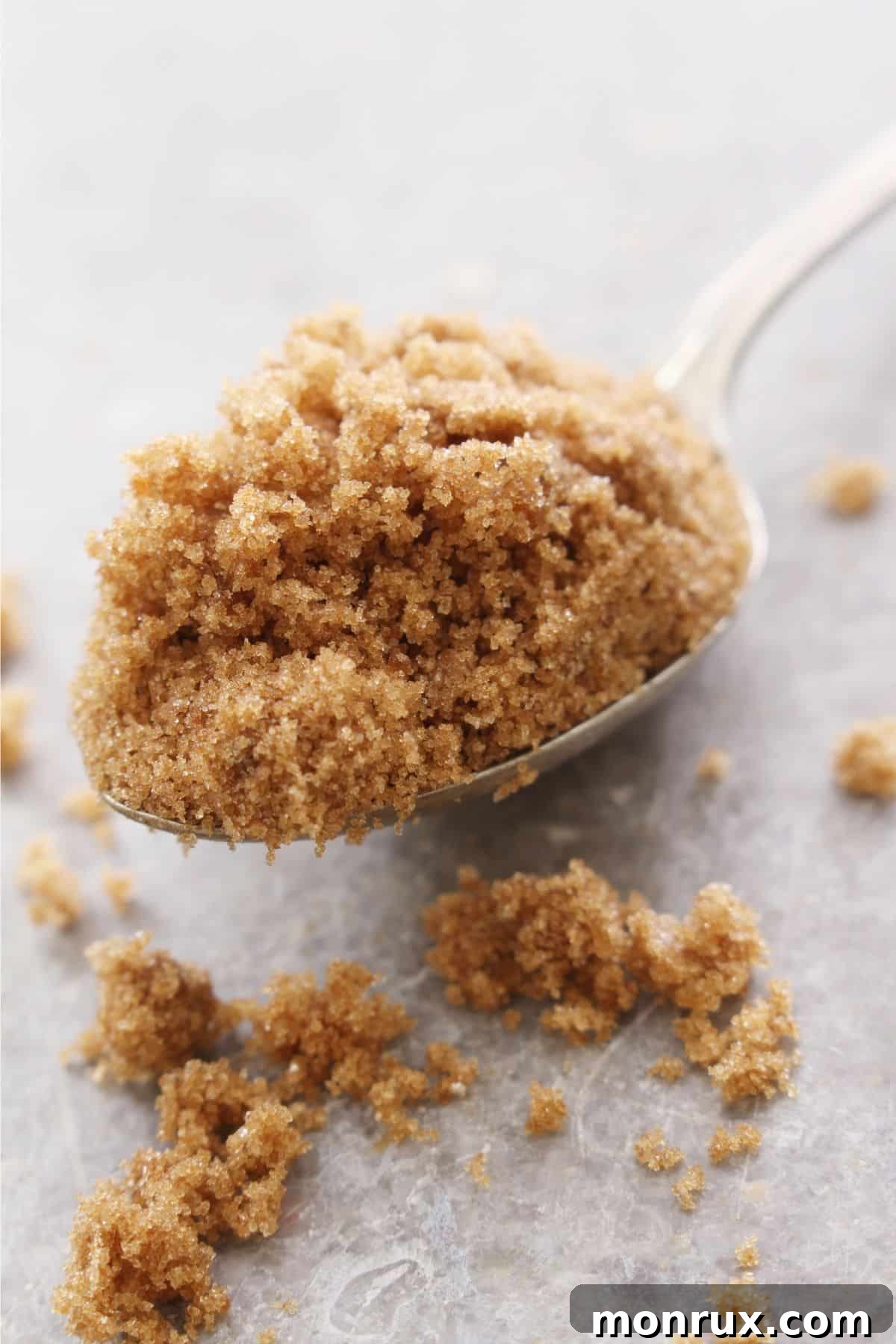
Brown sugar is white granulated sugar with molasses added back in, giving it its characteristic brown color and moist texture. It comes in light and dark varieties, with dark brown sugar containing more molasses and having a richer, more intense flavor. Its slightly sticky, clumpy nature is due to this molasses content, which also contributes to its distinct aroma and taste.
This sweetener is frequently used in baking to add moisture, a chewy texture, and a deeper, caramel-like flavor, especially in cookies, cakes, and glazes for meats like ham. Coconut sugar already possesses subtle caramel notes, so brown sugar makes for a highly compatible substitute. While it will impart a slightly more pronounced molasses flavor than coconut sugar, this can often enhance the overall taste of your dish, especially in recipes like gingerbread, oatmeal cookies, or sauces.
To substitute one cup of coconut sugar, use one cup of brown sugar (either light or dark, depending on your desired molasses intensity). The moisture content of brown sugar may slightly affect the final texture of your baked goods, potentially making them a little chewier or softer, but generally, no major recipe adjustments are needed for a 1:1 swap.
3. Maple Sugar
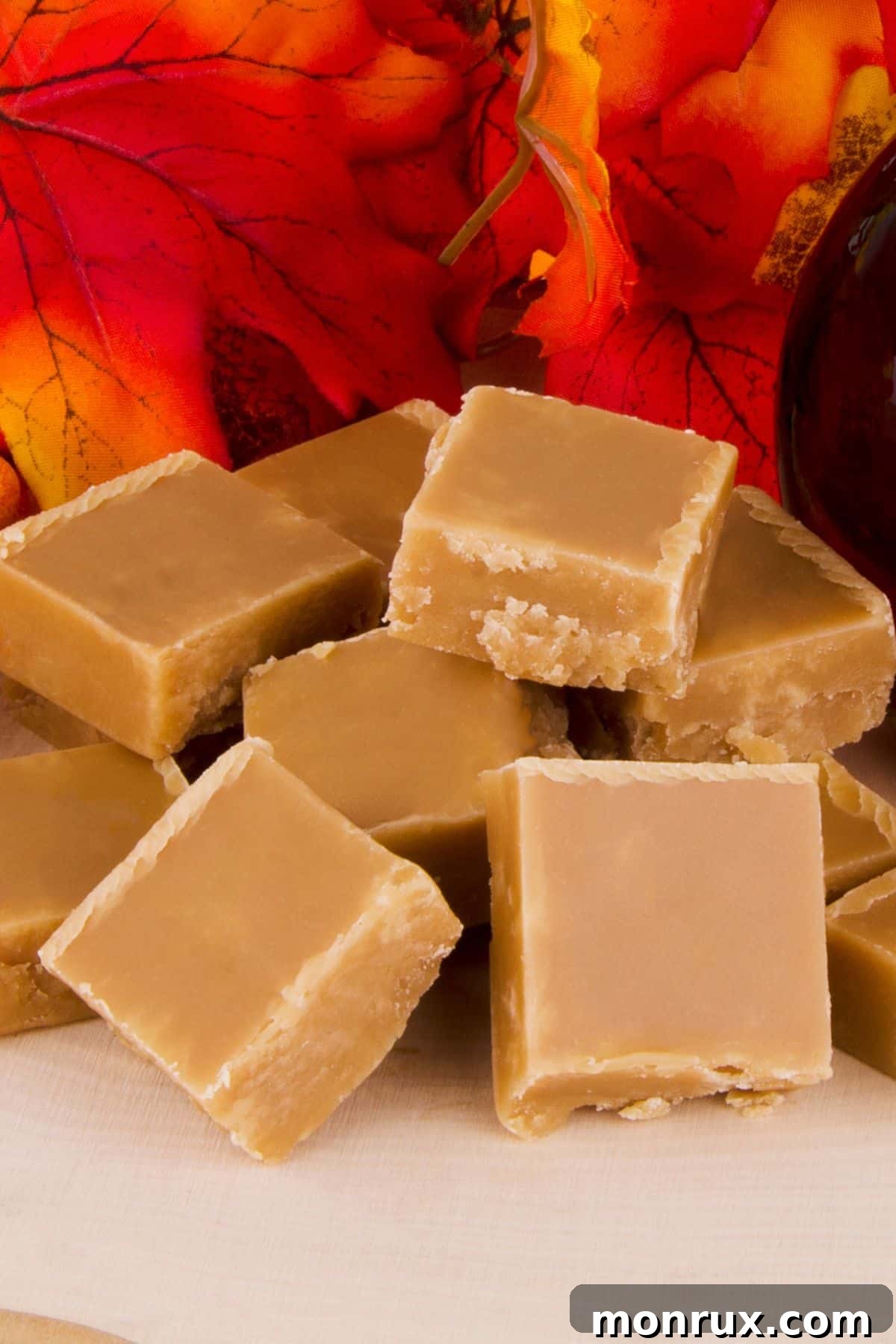
Maple sugar is a natural sweetener derived entirely from the sap of maple trees, primarily sugar maples. Its production involves boiling down maple sap beyond the syrup stage until all the water has evaporated, leaving behind pure maple crystals. This process concentrates the unique flavor of maple, offering a delightful alternative to refined sugars. Depending on how it’s processed, pure maple sugar can also contain trace amounts of minerals like manganese and zinc.
Visually and texturally, maple sugar often resembles coconut sugar, making it an excellent granulated substitute. Its flavor profile is distinctly maple, with warm, earthy notes that can complement many recipes where coconut sugar is used. It’s particularly fantastic in autumnal baked goods, granola, or anywhere a hint of maple flavor would be welcome. It offers a slightly different caramel undertone than coconut sugar but is generally a very harmonious swap.
To substitute one cup of coconut sugar, use one cup of pure maple sugar. This is another direct 1:1 swap that usually requires no additional modifications to your recipe, providing a natural sweetness and distinct flavor that elevates your dishes.
4. Date Sugar
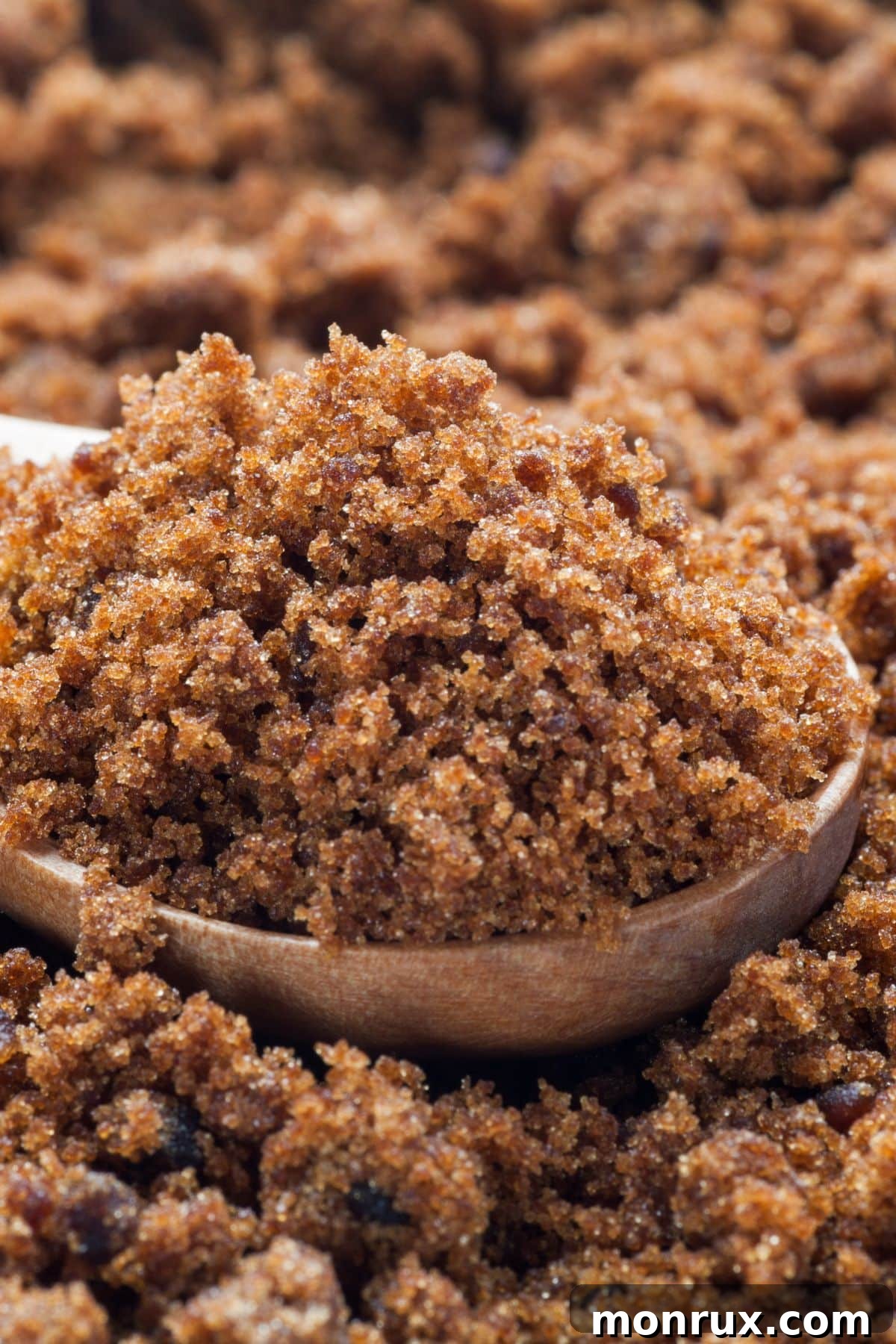
Date sugar is an all-natural sweetener made from finely ground, dried dates. This means it retains all the nutritional benefits of whole dates, including dietary fiber, potassium, magnesium, and antioxidants, distinguishing it from more refined sugars. Unlike other granulated sugars, date sugar doesn’t fully dissolve in liquids or when melted due to its fiber content, which gives it a unique texture.
With its rich, caramel-like sweetness and slightly fruity undertones, date sugar is a wonderful, nutrient-dense alternative to coconut sugar. It’s particularly beneficial for those seeking whole-food sweeteners and a lower glycemic impact, as the fiber helps slow down sugar absorption. While it’s an excellent choice for recipes where its slightly coarse texture won’t be an issue (like cookies, muffins, or crumbles), it might not be ideal for very smooth sauces or glazes.
To substitute one cup of coconut sugar, use one cup of date sugar. Keep in mind that date sugar tends to be slightly less sweet than coconut sugar, so you might find your final product a touch less sweet. Additionally, its fibrous nature means it will add a subtle texture to your baked goods, which can be a desirable quality in many recipes.
5. Raw Sugar (Turbinado Sugar)
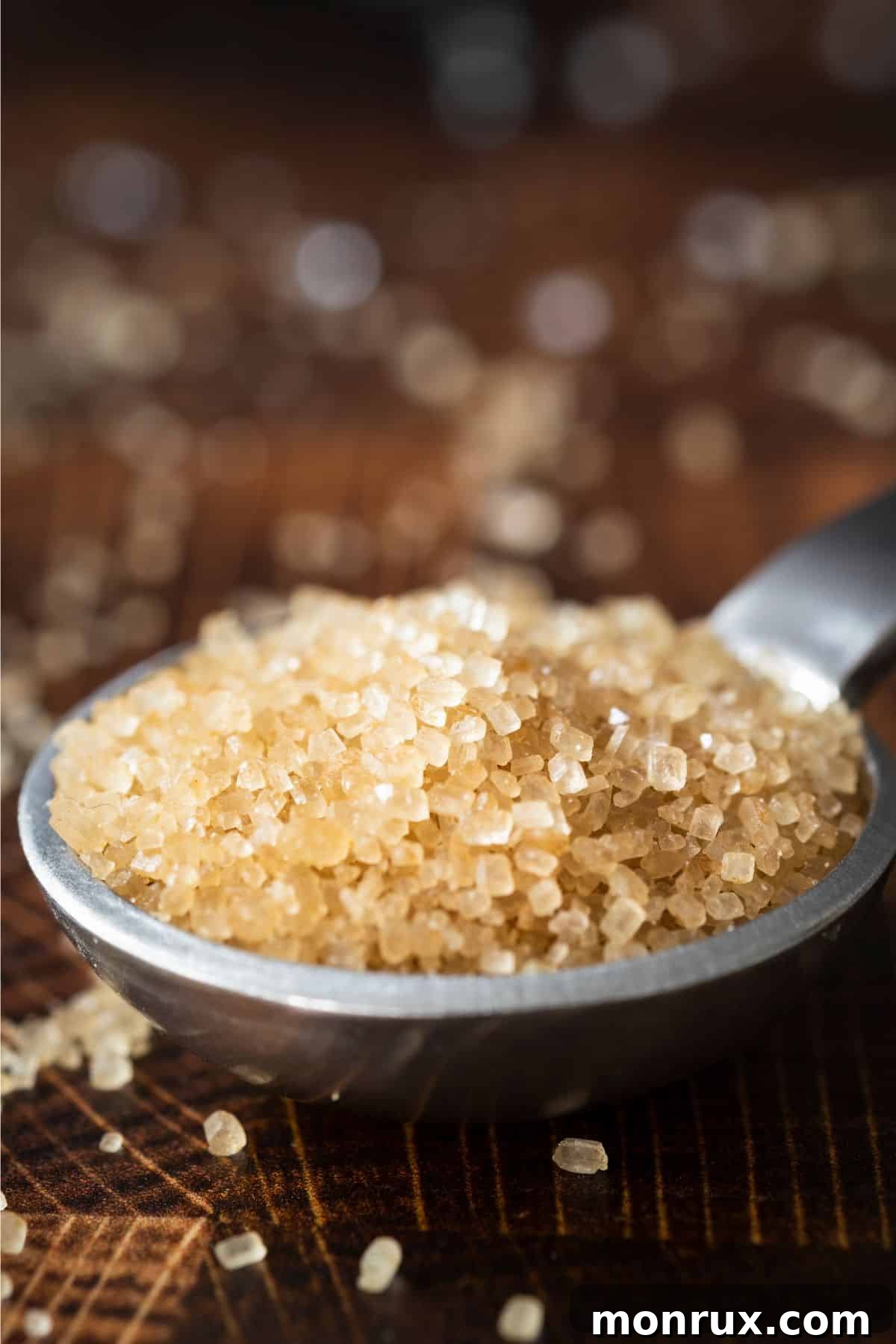
Raw sugar, often sold as turbinado sugar, is a minimally processed sugar cane product. It’s produced by pressing sugarcane to extract its juice, which is then boiled and spun in a centrifuge (a turbine, hence “turbinado”) to remove most of the molasses and impurities. This process leaves behind large, coarse crystals with a light golden-brown color and a mild, delicate caramel flavor, similar to coconut sugar but typically less intense.
Because it’s less refined than white sugar, raw sugar retains some of its natural molasses, contributing to its distinct taste and slightly crunchy texture. This makes it a great textural addition as a topping for baked goods. As a substitute for coconut sugar, raw sugar is quite comparable in terms of sweetness and flavor profile. Its larger grain size means it may not dissolve as quickly or completely as finer sugars, which is a consideration for smooth batters or delicate pastries.
To substitute one cup of coconut sugar, use one cup of raw sugar. Ensure you allow ample mixing time for the larger crystals to dissolve, especially in recipes where a smooth consistency is important. Raw sugar will lend a subtle caramel note and possibly a hint of crunch, which can be a pleasant addition to many recipes.
6. Maple Syrup
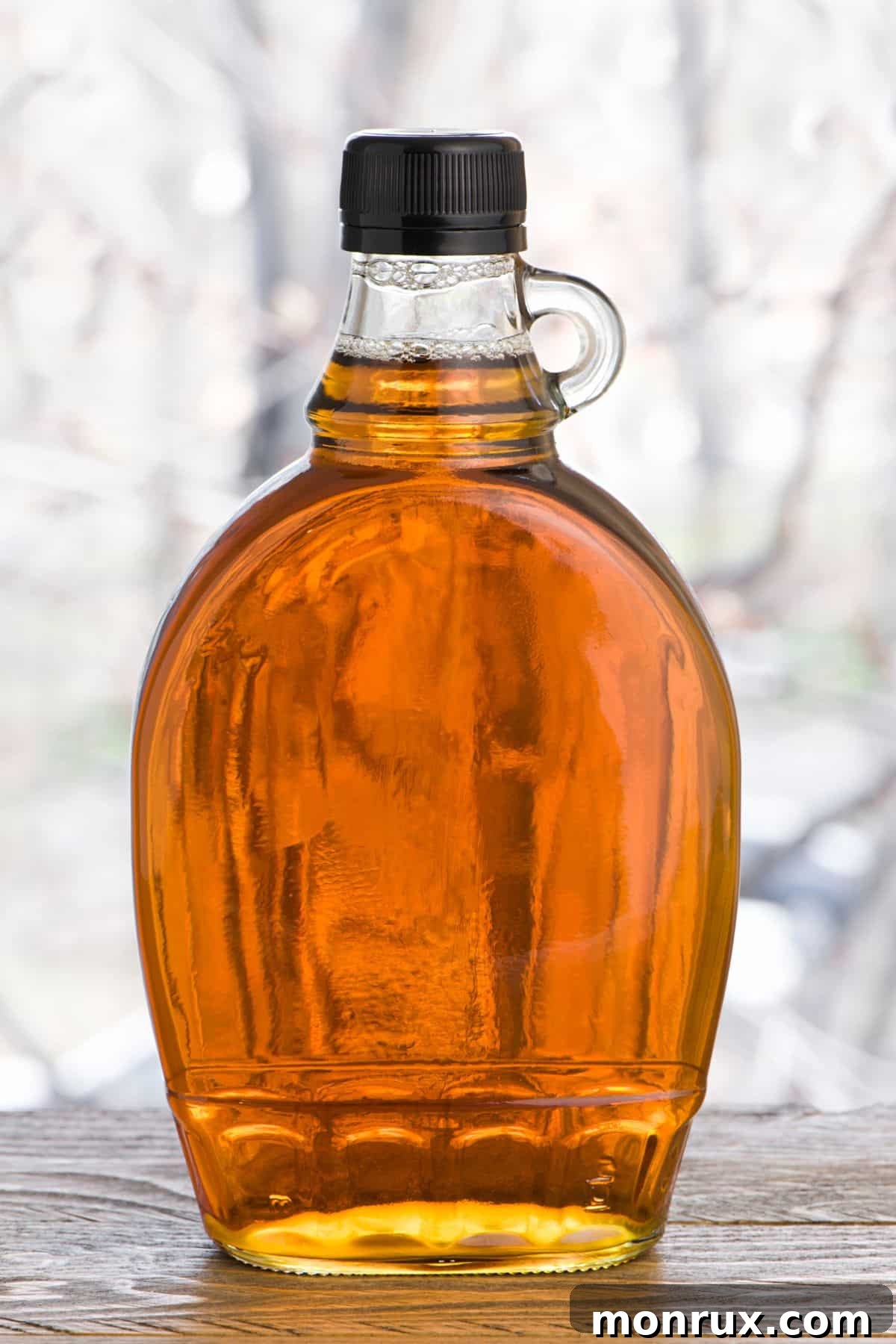
Maple syrup is a beloved natural liquid sweetener derived from the sap of maple trees. The sap is harvested by tapping the trees and then boiled down in sugar shacks to concentrate its sugars and reduce its water content, transforming it into the rich, amber-hued syrup we know and love. It’s graded by color and flavor, with darker syrups generally having a stronger maple taste.
As a liquid sweetener, maple syrup introduces moisture into your recipe, which requires careful consideration when substituting for dry granulated sugars like coconut sugar. Its distinct flavor profile, encompassing earthy, caramel, and woody notes, can be a fantastic complement to many baked goods, especially those with spices, nuts, or oats. If you don’t have maple syrup on hand, agave nectar is another liquid sweetener that can serve as a similar substitute with a more neutral flavor.
To substitute one cup of coconut sugar, use 3/4 cup of maple syrup. This reduced amount accounts for maple syrup’s higher sweetness intensity and liquid content. When using a liquid substitute, it’s crucial to adjust other liquid ingredients in your recipe. For every 3/4 cup of maple syrup used, reduce the other liquids in your recipe by approximately 2-4 tablespoons to maintain the correct dry-to-wet ingredient ratio and prevent your baked goods from becoming too moist or dense.
7. Honey
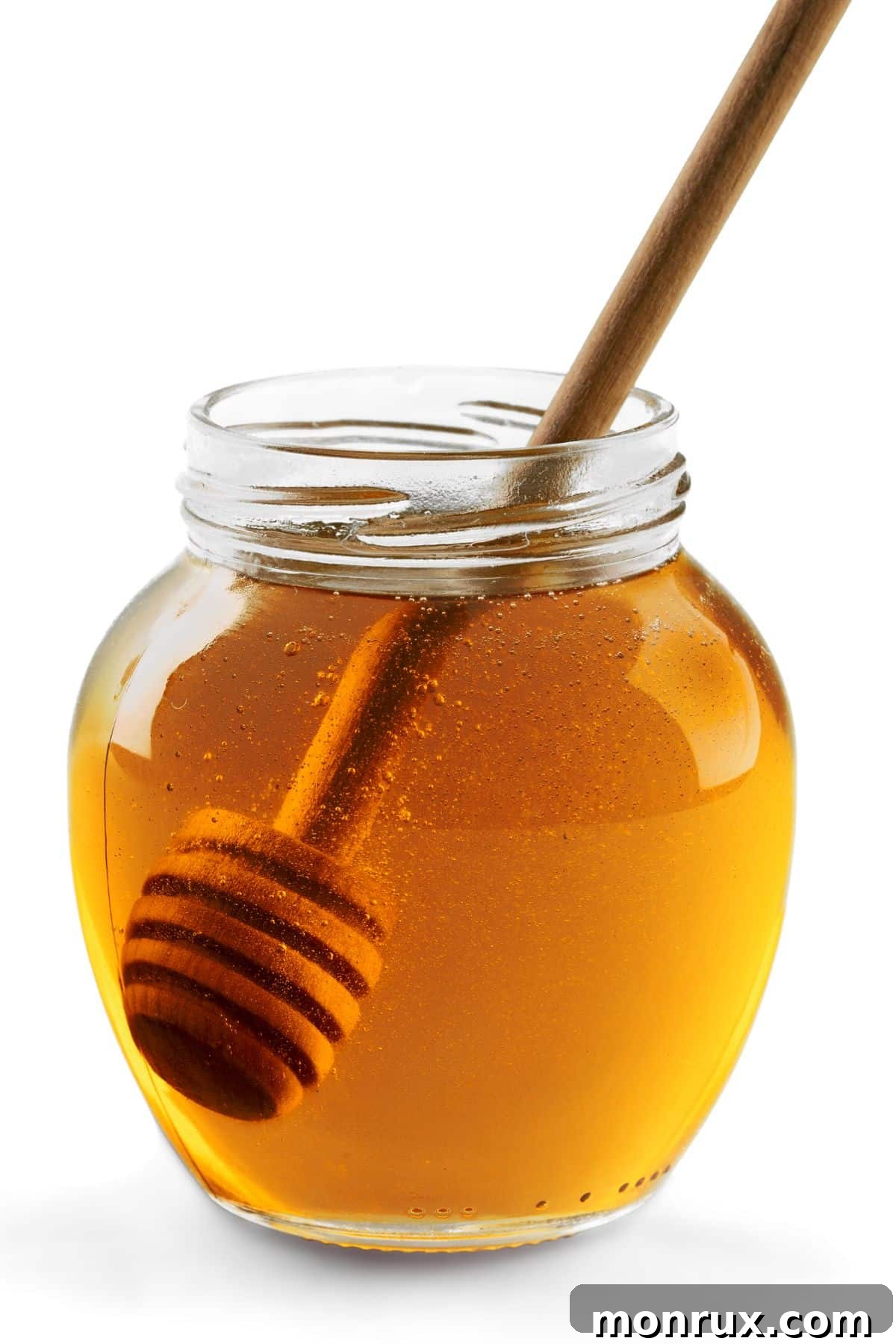
Honey, a natural sweet liquid produced by bees from the nectar of flowers, is stored in their hives as a primary food source. Its flavor, color, and consistency vary widely depending on the floral sources from which the nectar was gathered. From light, delicate acacia honey to robust, dark buckwheat honey, each type offers a unique sensory experience. Raw honey, in particular, contains beneficial antioxidants and enzymes.
Like maple syrup, honey is a liquid sweetener, making substitution for granulated sugar a bit more complex than a direct 1:1 swap. Honey is also significantly sweeter than coconut sugar, meaning less is needed to achieve the same level of sweetness. Its distinctive flavor can be a delightful addition to many recipes, especially those featuring fruits, nuts, or spices, but it will certainly impart its own character to your dish.
To substitute one cup of coconut sugar, use 3/4 cup of honey. Given its liquid nature and higher sweetness, you’ll need to make similar adjustments as with maple syrup. For every 3/4 cup of honey used, reduce other liquids in your recipe by approximately 2-4 tablespoons. Additionally, honey is slightly acidic, so if your recipe is sensitive to pH changes, you might consider adding a pinch of baking soda (about 1/4 teaspoon per cup of honey substituted) to neutralize the acidity, especially in delicate cakes or quick breads.
8. Monk Fruit, Erythritol, or Stevia (Zero/Low-Calorie Sweeteners)
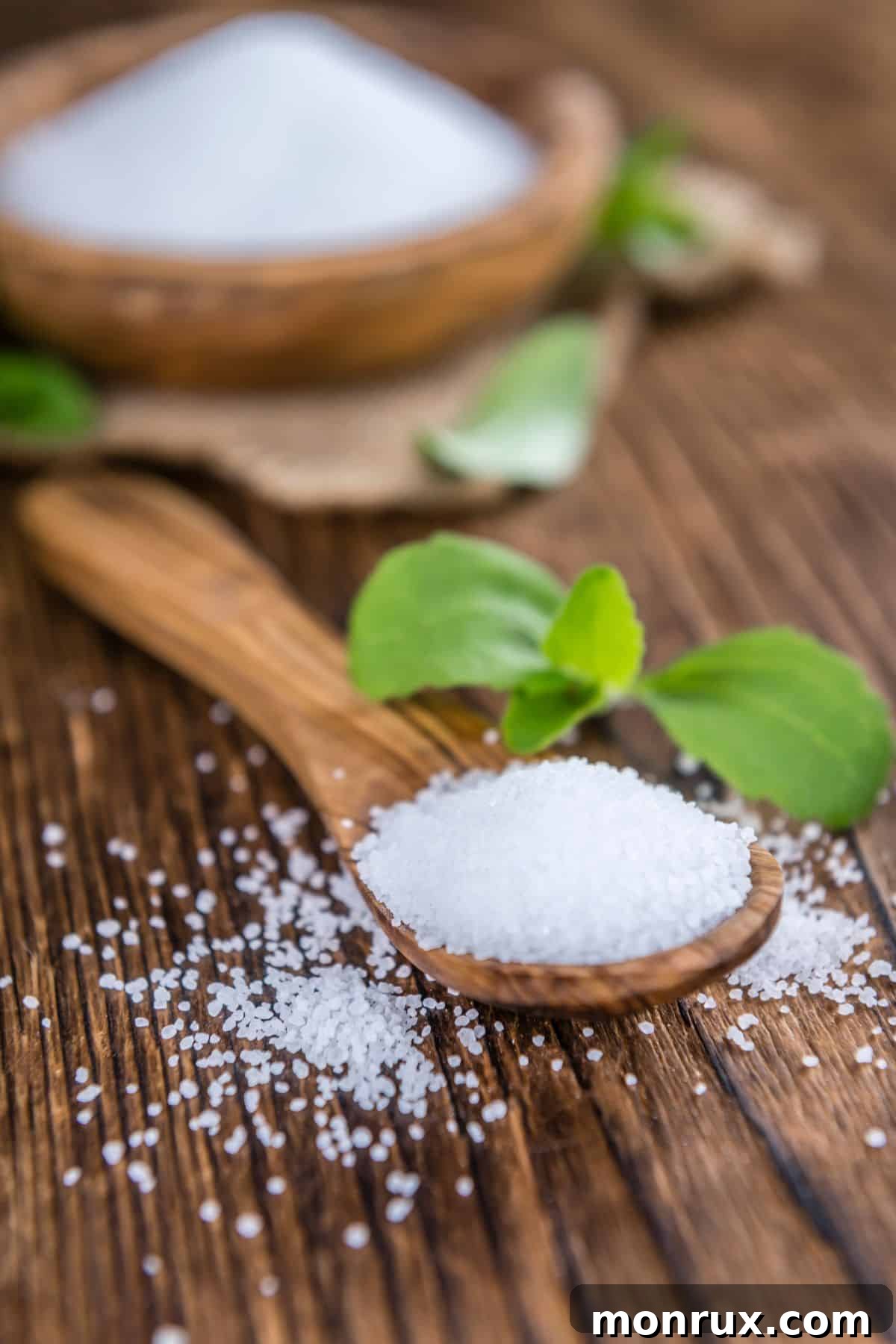
For those prioritizing zero or low-calorie options that don’t impact blood sugar levels, natural sweeteners like monk fruit, erythritol, and stevia are excellent alternatives. These options are particularly useful for individuals managing diabetes, following ketogenic diets, or simply looking to reduce their sugar intake.
- Monk Fruit Sweetener: Derived from a small melon grown primarily in Southeast Asia, monk fruit extract is incredibly potent, often 150-250 times sweeter than sugar. It provides a clean sweetness without the bitter aftertaste sometimes associated with other zero-calorie sweeteners, and it does not raise blood sugar.
- Erythritol: A sugar alcohol found naturally in some fruits and fermented foods, erythritol is about 70% as sweet as sugar. It’s unique among sugar alcohols because it’s largely absorbed into the bloodstream before being excreted, minimizing digestive issues common with other polyols. It has virtually no calories and doesn’t affect blood glucose or insulin levels.
- Stevia: Extracted from the leaves of the Stevia rebaudiana plant, stevia is 200-400 times sweeter than sugar. It’s a popular plant-based, zero-calorie sweetener, though some people detect a slight licorice-like or bitter aftertaste, especially when used in large quantities.
When using these highly potent sweeteners, precise measurement and personal taste preference are key. They don’t provide the same bulk or browning properties as sugar, which can affect the texture and appearance of baked goods. For best results, it’s often recommended to use blends that combine these sweeteners with bulking agents or to experiment with smaller quantities first. You can learn more about various sugar alternatives in my related article on the best natural sugar substitutes.
Here are general substitution ratios, but always taste and adjust:
- To substitute one cup of coconut sugar, use 1/4 cup of monk fruit sweetener.
- To substitute one cup of coconut sugar, use one cup of erythritol.
- To substitute one cup of coconut sugar, use 1/4 cup of stevia.
These natural sweeteners are widely available at local health food stores and most major grocery stores, offering versatile options for low-sugar baking.
Comparative Analysis: Pros and Cons of Coconut Sugar Alternatives
Choosing the right substitute for coconut sugar depends on your specific needs, whether it’s maintaining flavor, managing blood sugar, or simply using what you have on hand. The table below offers a quick glance at the pros, cons, and essential substitution ratios for each option, helping you make an informed decision for your next culinary creation.
| Substitute | Pros | Cons | Measurement to Replace 1 Cup of Coconut Sugar |
|---|---|---|---|
| Cane Sugar | Widely available, neutral flavor, excellent for baking, consistent results. | Higher glycemic index, less nutrient-dense than coconut sugar. | 1 cup |
| Brown Sugar | Adds moisture and a delicious molasses-like flavor, similar texture to coconut sugar. | Similar to cane sugar in glycemic impact, can slightly alter flavor. | 1 cup |
| Maple Sugar | Natural, contains some minerals, unique warm maple flavor, visually similar. | Can be more costly and harder to find, distinct flavor may not suit all recipes. | 1 cup |
| Date Sugar | Nutrient-rich (fiber, minerals), lower glycemic impact, whole-food sweetener. | Doesn’t dissolve fully (fibrous), may alter texture in smooth recipes, slightly less sweet. | 1 cup |
| Raw Sugar (Turbinado) | Less processed, retains subtle molasses flavor, provides a slight crunch. | Larger grains may not dissolve as easily, affecting smooth textures. | 1 cup |
| Maple Syrup | Natural, rich flavor, contains antioxidants and minerals. | Liquid form requires recipe adjustments (reduce other liquids). | 3/4 cup |
| Honey | Natural, contains antioxidants, unique flavor, good shelf life. | Much sweeter and liquid, requires recipe adjustments (reduce other liquids, consider acidity). | 3/4 cup |
| Monk Fruit | Extremely sweet, zero calories, no impact on blood sugar, clean taste. | High potency requires careful measuring, does not provide bulk or aid browning. | 1/4 cup |
| Erythritol | Sugar alcohol with virtually no calories, doesn’t raise blood sugar, good bulk. | Can have a cooling aftertaste, about 70% as sweet as sugar (may need more). | 1 cup |
| Stevia | Plant-based, zero-calorie, does not raise blood sugar. | Can have a bitter or licorice aftertaste for some, highly potent, does not provide bulk. | 1/4 cup |
Key Considerations When Substituting Sweeteners
Successful substitution in baking goes beyond just a 1:1 ratio. Various factors can influence the final outcome of your recipe. Keeping these in mind will help you achieve the best possible results:
- Sweetness Level: Not all sweeteners are equally sweet. Some, like honey or stevia, are far more potent than sugar, requiring a reduced quantity. Others, like erythritol or date sugar, might be slightly less sweet, necessitating a slight increase or acceptance of a milder sweetness.
- Moisture Content: This is arguably the most critical factor in baking. Granulated sugars (like coconut sugar, cane sugar, brown sugar) add bulk but little moisture. Liquid sweeteners (like maple syrup, honey, agave nectar) introduce significant moisture. When replacing a dry sugar with a liquid one, you must reduce other liquids in the recipe to maintain the proper dry-to-wet ingredient balance. Failing to do so can result in dense, soggy, or overly spread-out baked goods.
- Flavor Impact: Every sweetener brings its own unique flavor profile. While coconut sugar has subtle caramel notes, brown sugar adds a stronger molasses taste, and maple sugar offers distinct maple essence. Consider how the substitute’s flavor will complement or alter the intended taste of your dish.
- Texture and Structure: Sugar plays a crucial role in the texture of baked goods. It helps tenderize, provides structure, contributes to chewiness or crispness, and assists in leavening. Zero-calorie sweeteners often lack the bulk and functional properties of sugar, which can lead to changes in crumb, density, and overall mouthfeel.
- Browning: Sugars caramelize when heated, contributing to the golden-brown crust of cookies and cakes. Different sugars brown at different rates. Some substitutes, especially certain zero-calorie options, may not promote browning as effectively as traditional sugars, potentially leading to paler baked goods.
- Dietary Needs and Glycemic Impact: If you’re substituting for health reasons (e.g., lower glycemic index, calorie reduction), ensure your chosen alternative aligns with those goals.
What Coconut Sugar Tastes Like
Coconut sugar offers a distinctive and appealing flavor profile that sets it apart from common granulated sugars. It has a rich, deep taste often described as having notes of caramel, toffee, and a slight nuttiness. While it shares some similarities with brown sugar due to its molasses content, it’s generally considered less intensely sweet and complex than dark brown sugar. Its flavor is mellow yet pronounced, making it an excellent choice for recipes where you want a sweetener that adds character without overpowering other ingredients.
Coconut Sugar Nutrition Overview
Coconut sugar is frequently touted as a “healthier” sugar alternative, primarily because it undergoes less processing than conventional white sugar. This minimal processing allows it to retain some of the vitamins, minerals, and antioxidants found in the original coconut palm sap. It contains trace amounts of iron, zinc, calcium, potassium, and beneficial phytonutrients. However, it’s essential to maintain perspective: these nutrients are present in very small quantities, meaning you would need to consume a significant amount of coconut sugar to gain substantial nutritional benefits, which would also mean consuming a large amount of sugar overall.
Therefore, while it has a slightly better nutritional profile than refined sugar and a potentially lower glycemic index, coconut sugar is still a source of added sugar and should be consumed sparingly as part of a balanced diet. Understanding the difference between naturally occurring sugars and added sugars is crucial for healthy eating. For more insights, you can refer to my related article on natural versus added sugars.
How Coconut Sugar is Used
Coconut sugar is incredibly versatile and can be used in almost any recipe that calls for granulated sugar. Its unique flavor makes it particularly suitable for applications where you desire a less sweet outcome and a delightful hint of caramelization. It excels in a wide array of baked goods, including cookies, cakes, muffins, and brownies, where it contributes to a moist texture and a rich, nuanced sweetness.
Beyond baking, it’s a fantastic sweetener for coffee and tea, providing depth without the sharp sweetness of white sugar. It can also be incorporated into smoothies, oatmeal, homemade sauces, glazes, and even savory marinades to balance flavors. I often find myself reaching for coconut sugar in my own baking recipes, appreciating how it enhances the overall taste. You can typically find it readily available in the baking aisle of your local grocery store or through various online retailers.
Frequently Asked Questions About Coconut Sugar and Its Alternatives
Is coconut sugar considered a natural sugar?
Yes, coconut sugar is considered natural and less processed than conventional white sugar. It comes directly from the sap of the coconut palm. However, like raw cane sugar, it is still a form of added sugar and will raise blood sugar levels, albeit potentially more slowly due to its composition.
What’s the best alternative to coconut sugar for a similar taste and texture?
For a very similar taste and baking performance, granulated white cane sugar or light brown sugar are excellent choices. Cane sugar offers a neutral sweetness, while light brown sugar mimics coconut sugar’s subtle caramel notes and moist texture very closely.
Can I use coconut nectar instead of coconut sugar?
Yes, coconut nectar is the liquid form of coconut sugar (the sap before it’s boiled down to crystals). However, substituting a liquid sweetener for a dry, granulated one, especially in baking, can be challenging. It significantly alters the moisture content of the recipe, requiring adjustments to other liquid ingredients and potentially the dry flour. For consistent baking results, it’s generally best to use a granulated alternative instead of a liquid one if the recipe specifically calls for coconut sugar.
Is coconut sugar truly healthier than regular sugar?
While coconut sugar contains trace minerals and has a slightly lower glycemic index compared to table sugar, it is still an added sugar. Its “healthier” status is often overstated. It provides calories and carbohydrates and should be consumed in moderation, just like any other sweetener, as the nutritional benefits from the trace elements are minimal in typical serving sizes.
Will these substitutes affect the final appearance of my baked goods?
Yes, some substitutes can affect the appearance. Liquid sweeteners like maple syrup and honey can alter browning and spread. Date sugar’s fibrous nature might give a slightly coarser texture. Zero-calorie sweeteners might not contribute to browning or volume in the same way as regular sugar. Always consider the properties of your chosen substitute.
Explore More: Related Baking and Ingredient Guides
Mastering ingredient substitutions can unlock a world of culinary flexibility and innovation in your kitchen. If you’re looking to expand your knowledge of alternatives, don’t miss these other helpful guides on substituting ingredients:
Conclusion: Finding Your Perfect Sweetener Solution
Running out of coconut sugar doesn’t have to be a baking emergency. As this guide demonstrates, there’s a wealth of fantastic substitutes available, each offering its own unique contribution to your culinary creations. Whether you’re looking for a direct granulated swap like cane sugar or maple sugar, a moisture-adding liquid like maple syrup or honey, a nutrient-dense option like date sugar, or a calorie-free alternative such as monk fruit or erythritol, you have many choices.
The key to successful substitution lies in understanding the characteristics of each sweetener—its sweetness intensity, moisture content, flavor profile, and how it behaves in different recipes. By considering these factors, you can confidently choose the best alternative to suit your specific recipe and dietary needs. Don’t be afraid to experiment! With a little knowledge and a dash of creativity, you’ll discover that finding the perfect substitute can even lead to new and delicious culinary adventures.
Don’t forget to join my newsletter list to get exclusive clean eating recipes and tips. The newsletter is 100% free with no spam; unsubscribe anytime.
About the Author: Carrie Forrest has a master’s degree in public health with a specialty in nutrition and is a certified holistic nutritionist. She is a top wellness and food blogger with over 5 million annual visitors to her site. Carrie has an incredible story of recovery from chronic illness and is passionate about helping other women transform their health. Send her a message through her contact form.