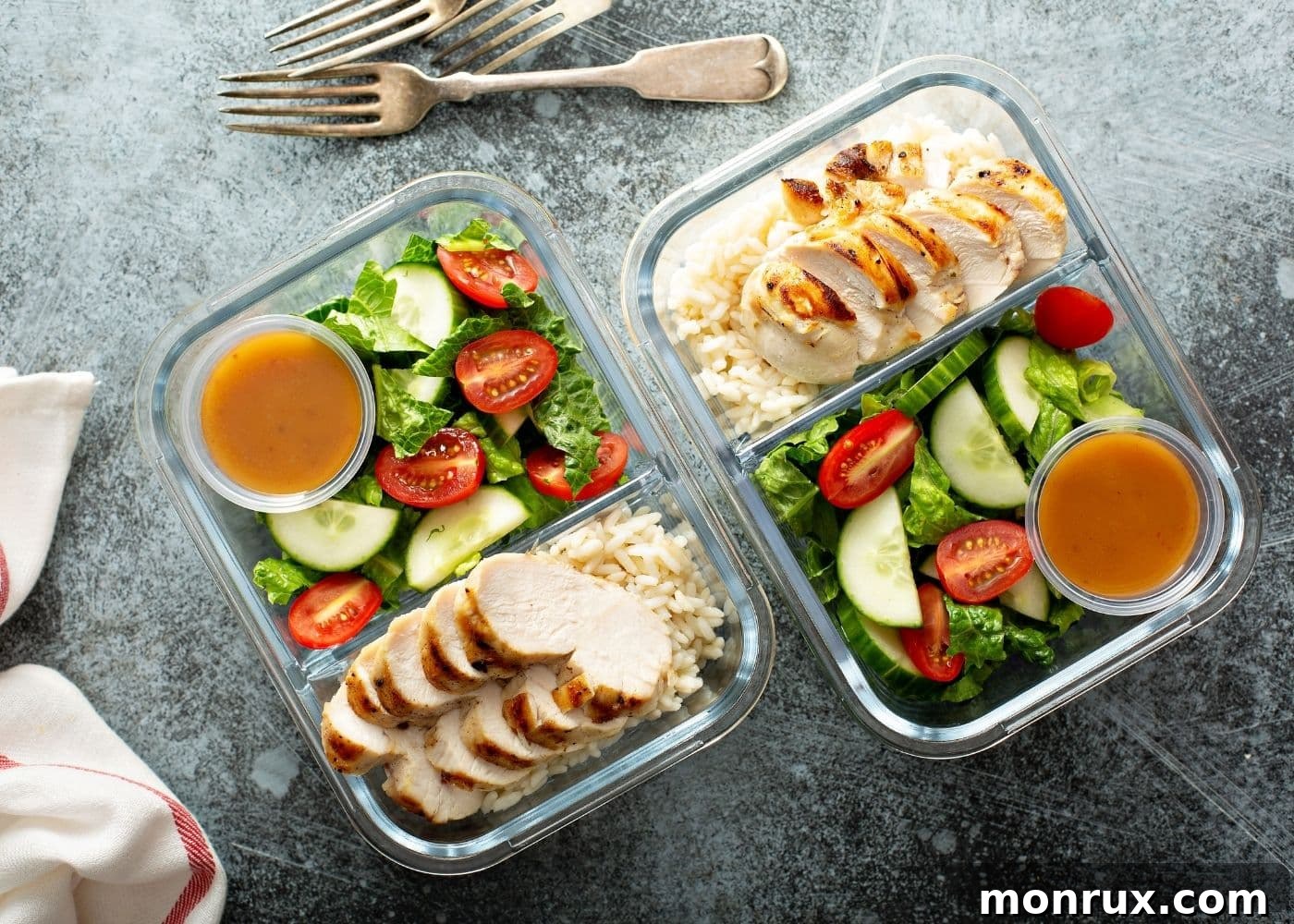
In our fast-paced world, maintaining a healthy lifestyle often feels like an uphill battle. Between demanding work schedules, family commitments, and an endless to-do list, finding the time to prepare nutritious meals can seem impossible. This is where meal prepping steps in as a game-changer, transforming the way you approach food and helping you effortlessly achieve your health and wellness objectives. Whether you’re a complete novice in the kitchen or a seasoned professional with limited free time, mastering the art of meal prepping can simplify your life, save you money, and keep you on track with your dietary goals. This comprehensive guide will equip you with 10 essential meal prep tips for beginners and busy individuals, designed to streamline your routine, reduce stress, and foster a sustainable clean eating lifestyle.
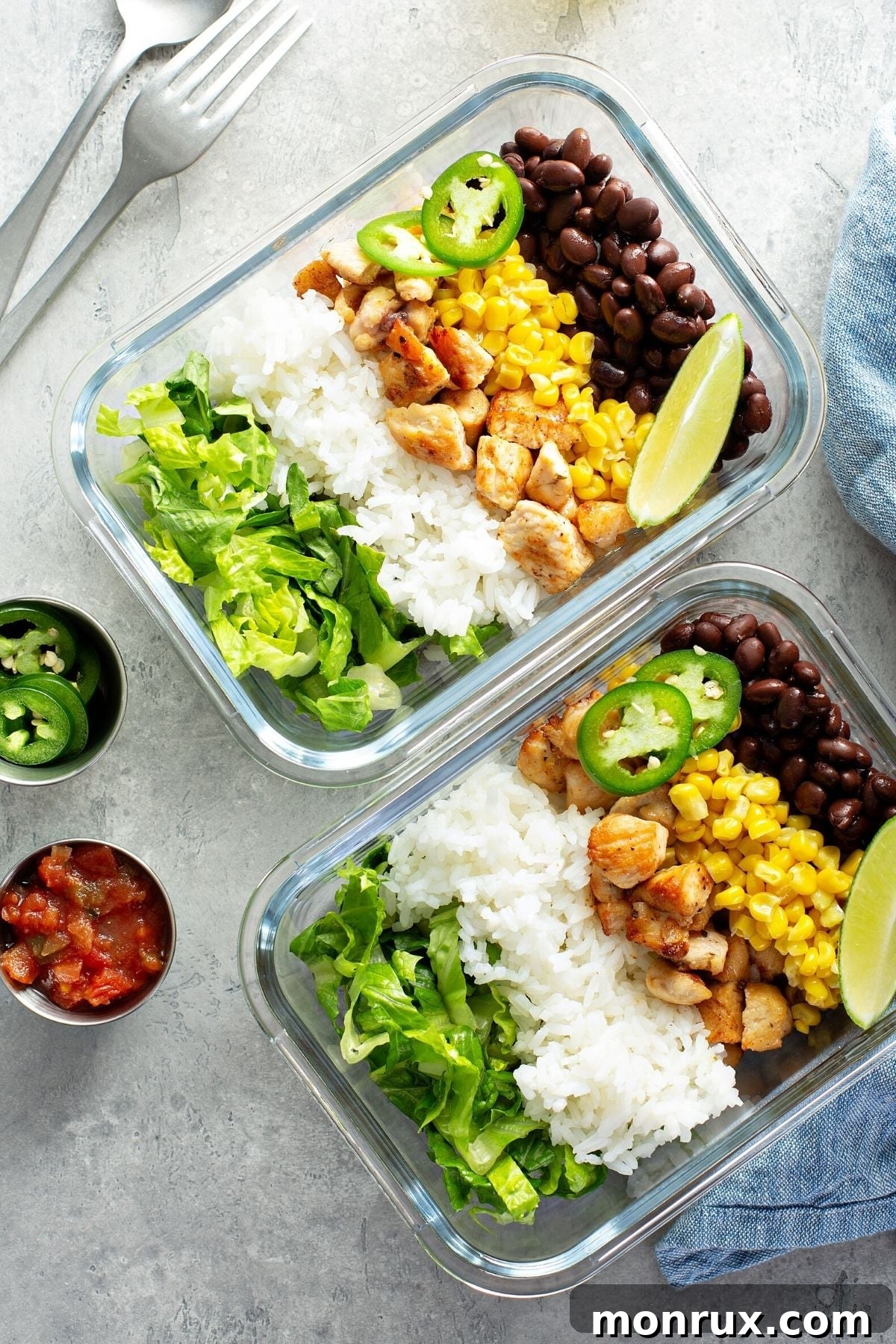
What is Meal Prepping?
At its core, meal prepping is simply the practice of preparing meals or ingredients in advance of when you plan to eat them. Don’t let the term intimidate you; it’s a flexible approach that can be tailored to suit any lifestyle, skill level, or dietary need. Whether you’re aiming to cook all your meals for the entire week on a Sunday afternoon, or just chop vegetables for a few days, it all counts as meal prep.
In today’s fast-paced world, preparing every single meal from scratch daily is often unrealistic. It often takes less time to grab takeout or microwave a frozen meal than to cook a homemade dish – unless you’ve embraced meal prepping. By dedicating a bit of time upfront, you unlock a world of convenience, ensuring that wholesome, delicious food is always at your fingertips, even on your busiest days.
Meal prepping is a powerful tool for taking control of your diet, saving money, and achieving your personal health goals, from weight management to managing specific dietary requirements. It removes the stress of last-minute meal decisions and reduces the temptation to opt for less healthy, more expensive alternatives.
Benefits of Meal Prepping
Meal prepping has gained immense popularity, and for good reason. Once you integrate it into your routine, you’ll quickly discover why it lives up to all the hype. Dedicating a few hours each week to prepare your meals offers a myriad of advantages that can significantly impact your overall well-being and financial health.
Here’s a deeper dive into the transformative benefits of incorporating meal prepping into your life:
Control Over the Ingredients
One of the most significant benefits of meal prepping is the unparalleled control it gives you over what goes into your body. When you prepare your own meals, you can meticulously select fresh, high-quality ingredients, avoiding undesirable additives such as unhealthy oils, excessive sodium, artificial preservatives, and obscure chemicals often found in restaurant food or pre-packaged meals. This control is particularly crucial for individuals with dietary restrictions, allergies, or specific health goals. You can easily adapt recipes to be gluten-free, dairy-free, vegetarian, or align with any other personal preferences. Moreover, it allows you to prioritize seasonal produce, support local farmers, and opt for organic ingredients whenever you wish, ensuring maximum freshness and nutritional value. Research consistently shows that people who eat more often at home tend to be healthier, largely due to this enhanced control over food composition.
Saves Time Throughout the Week
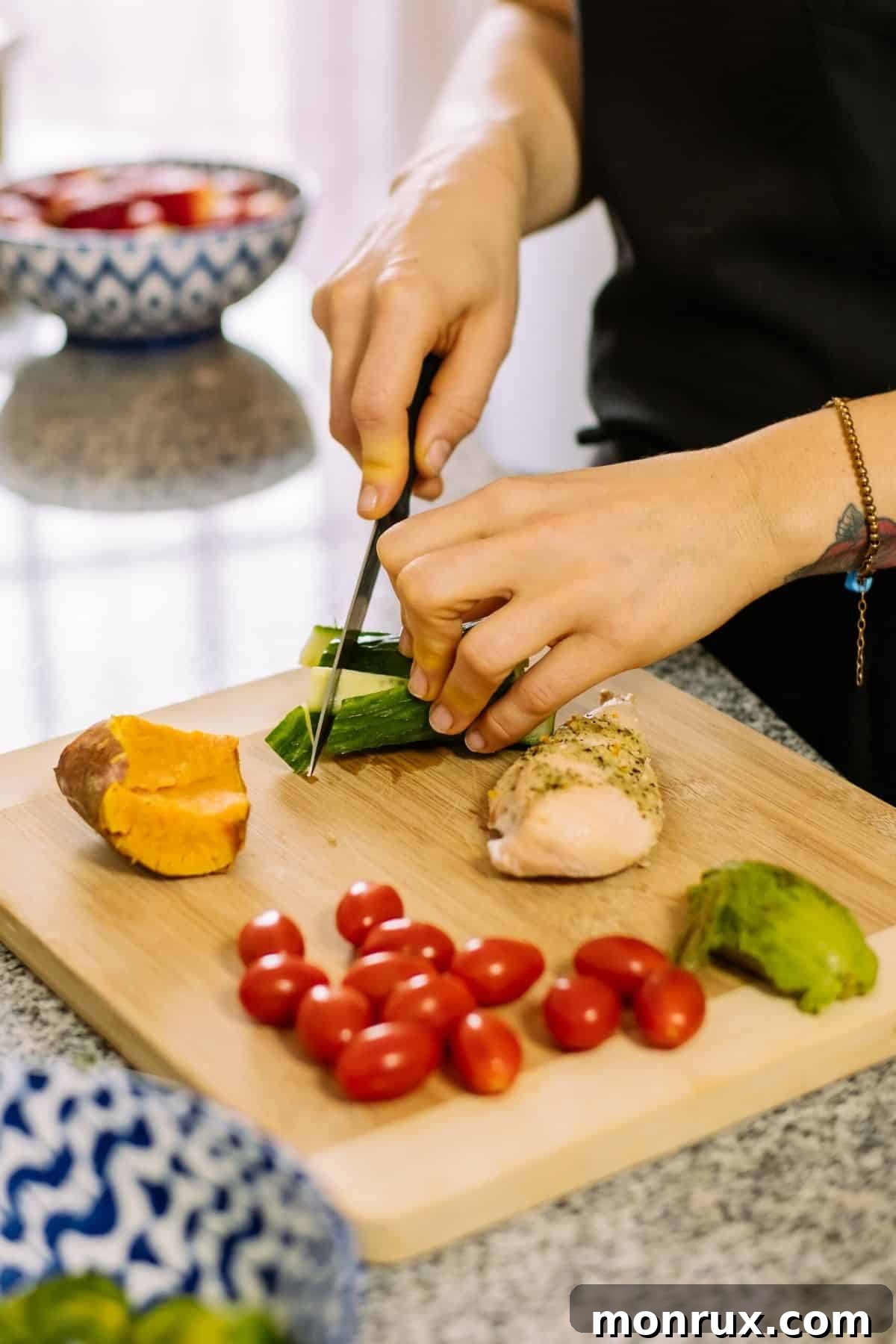
While meal prepping requires an initial time investment, it ultimately saves you countless hours during the week. Imagine coming home after a long day, tired and hungry, only to find a delicious, homemade meal ready to be heated and enjoyed. There’s no need to scramble for meal ideas, embark on a grocery run, or endure the full cooking process from scratch. By batch cooking and preparing components ahead of time, you eliminate the daily decision-making fatigue and cooking effort. This means less time in the kitchen each evening and more time for hobbies, family, exercise, or simply relaxing. What might take an hour to cook for one meal, could take only 1.5-2 hours to cook for three or four meals, making your weekly time investment incredibly efficient.
Reduces Mealtime Stress
The daily “what’s for dinner?” dilemma can be a significant source of stress. Many of us aren’t attuned enough to our bodies to recognize early hunger cues or subtle blood sugar signals until we’re already “hangry.” By the time you realize you need food, you still have to decide what to eat and then prepare it. This delay can lead to declining blood sugar levels, triggering stress signals throughout your body and often leading to poor food choices.
Meal prepping eradicates this stress. With healthy, pre-portioned meals readily available, you can fuel your body the moment hunger strikes. This proactive approach helps stabilize blood sugar, prevents emotional eating, and fosters a sense of calm and control around mealtimes. It truly is the ultimate “fast food” – nutritious, delicious, and ready when you are.
Saves Money and Decreases Food Waste
One of the most compelling reasons to embrace meal prepping is its positive impact on your wallet and the environment. Eating out, ordering takeout, or relying on convenience foods can quickly deplete your budget. With meal prepping, you plan your meals ahead of time, create a precise grocery list, and purchase only the ingredients you need. This strategic shopping minimizes impulse buys and prevents unused ingredients from spoiling in your fridge, significantly reducing food waste.
Whole food ingredients are almost invariably cheaper per serving than their pre-packaged or restaurant counterparts. By sticking to your carefully crafted list, you lower your weekly grocery bill and contribute to a more sustainable lifestyle. It’s a powerful win-win: financial savings for you and a smaller environmental footprint for the planet. For more detailed strategies on budget-friendly clean eating, explore my tips on how to eat clean on a budget.
Helps Control Your Portion Sizes Better
Everyone has unique caloric and nutritional needs. When you rely on frozen meals, restaurant portions, or boxed dinners, you’re often consuming a portion size prescribed by someone else – which might be too much, or not enough, for your specific body and goals. This lack of control can hinder progress towards weight management or other health objectives.
Meal prepping empowers you to accurately pre-portion your meals according to what you know is the right amount of food for your individual needs. By consistently consuming appropriate portion sizes, you gain a powerful tool for weight management, muscle gain, or simply maintaining a balanced diet. Over time, this conscious approach to portion control becomes intuitive, fostering a healthier relationship with food and propelling you closer to your wellness aspirations. For additional guidance, consider my comprehensive article on weight loss tips for women.
Results in More Family Time
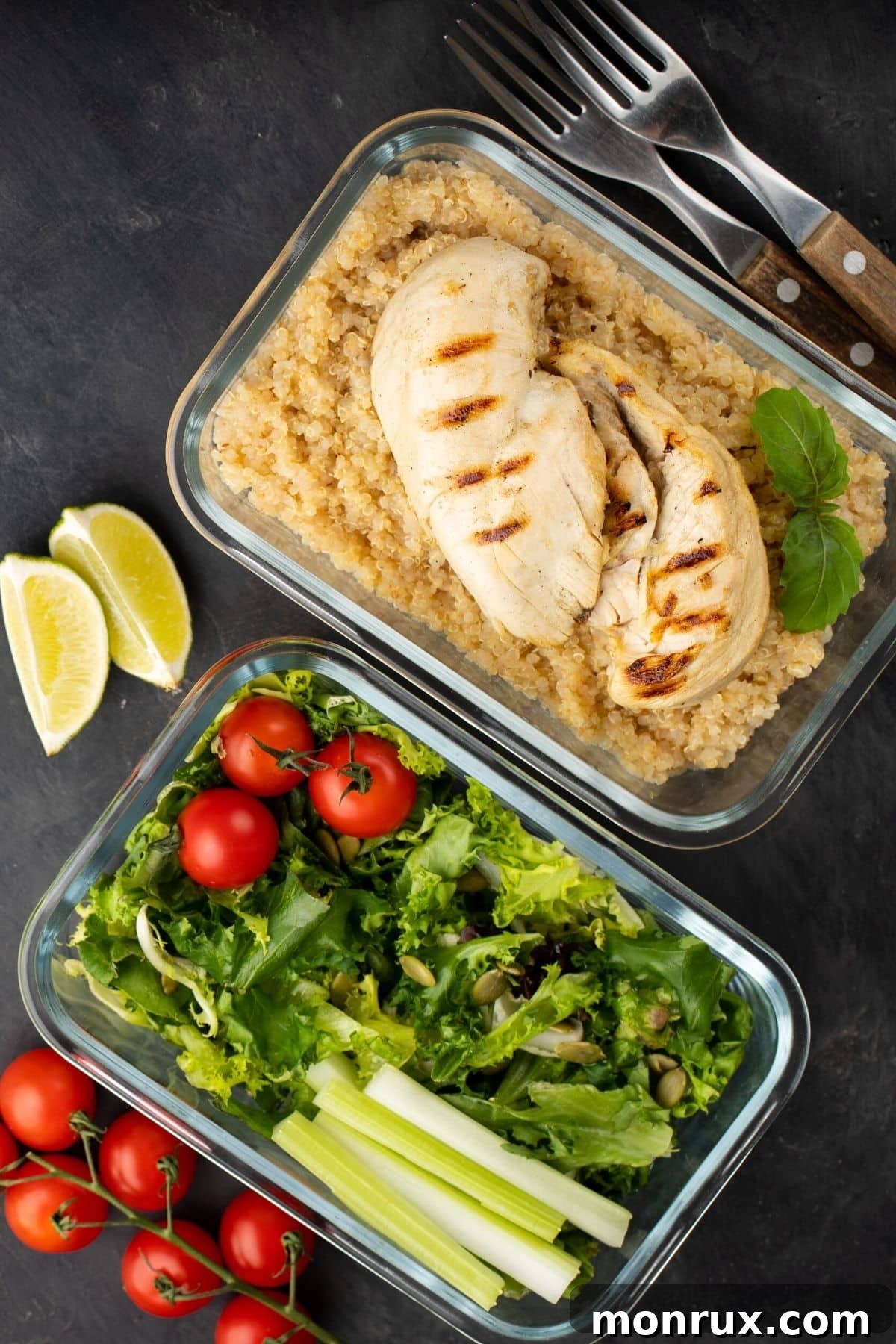
Meal prepping offers a wonderful opportunity to either enjoy some peaceful “me time” in the kitchen or transform cooking into a valuable family bonding experience. Getting children involved in the meal prep process, even with simple tasks like washing vegetables, stirring ingredients, or packing containers, can teach them essential life skills, foster healthy eating habits from a young age, and make them more likely to try new foods. It’s a fantastic way to educate them about where food comes from and the benefits of wholesome eating.
Beyond the prep itself, the time saved during the week translates directly into more quality moments with your loved ones. Instead of rushing to cook dinner every night, you can use that precious time for family games, reading stories, going for walks, or pursuing other shared activities outside the kitchen. Meal prepping allows you to savor both the process and the fruits of your labor, enriching family life in multiple ways.
Meal Prep Tips for Beginners
Feeling ready to embark on your meal prepping journey but unsure where to begin? Navigating the best ways to plan, organize, store, and prepare your meals can seem daunting at first. However, with the right strategies, you’ll find that meal prepping can be incredibly straightforward and rewarding.
Here are my top ten tried-and-true ideas, specifically curated for beginners and busy individuals committed to a clean eating, real food diet. These tips will help you establish sustainable habits and enjoy delicious, healthy meals all week long.
1. Choose Buffet-Style Meal Prepping
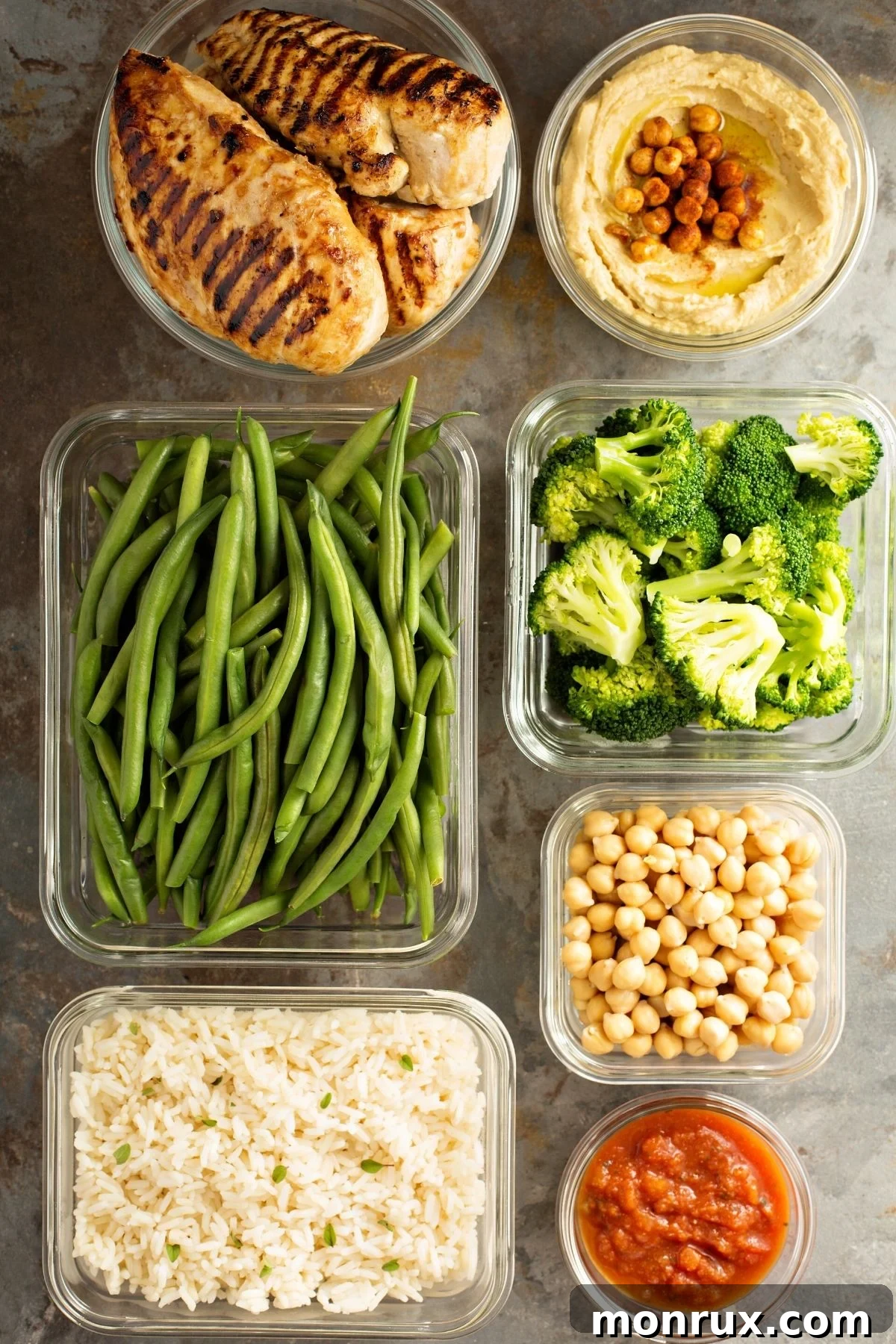
Buffet-style meal prepping, often referred to as “batch cooking components,” is an excellent strategy for beginners, as it provides flexibility and prevents palate fatigue. Instead of cooking one large batch of a single dish to eat throughout the week, this method involves preparing several individual components that can be mixed and matched into various meals.
A smart way to implement this style is to batch cook a couple of different proteins (e.g., grilled chicken, roasted chickpeas, hard-boiled eggs), a variety of vegetables (e.g., roasted broccoli, sautéed bell peppers, fresh salad greens), and some healthy carbohydrates (e.g., quinoa, brown rice, baked sweet potatoes). For instance, you could combine chicken, quinoa, and roasted broccoli for one meal, then use chicken, salad greens, and a different dressing for another. This versatility keeps meals exciting and ensures you don’t get bored, which is a common reason people abandon meal prepping.
I personally find this buffet approach incredibly effective for maintaining long-term adherence to meal prepping. I often use a small whiteboard in my kitchen to plan these mix-and-match components for 2-4 days at a time, allowing for spontaneous additions while keeping the core healthy components ready. For optimizing your kitchen for healthy cooking, you might also find my recommendations for healthy cooking appliances useful.
2. Go the Leftovers Route
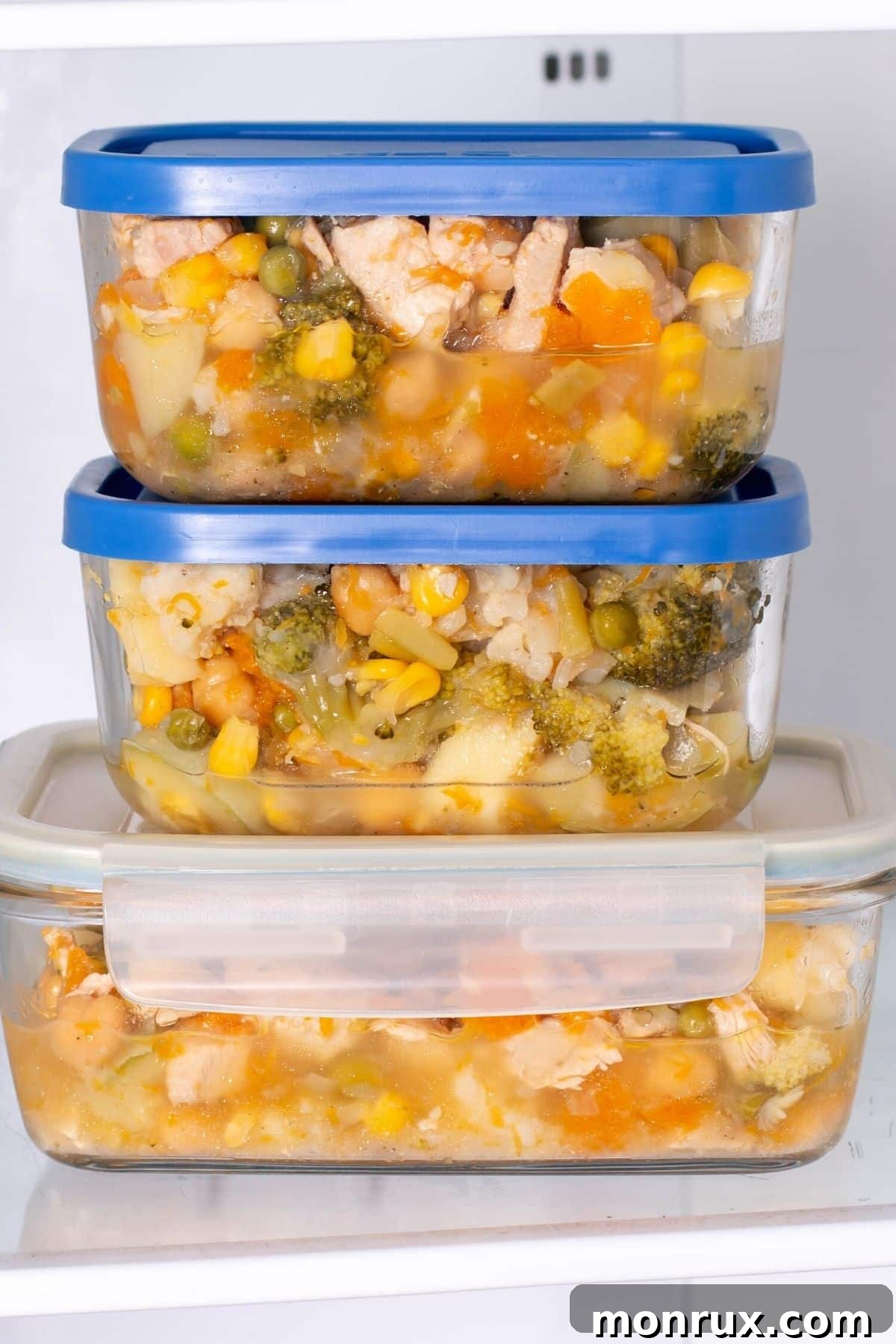
For those who aren’t ready to commit to a full week of meal prep, the “leftovers route” offers a gentle introduction. This method involves consciously cooking larger portions of one or two meals, then planning to eat the extras as your meal prep. For example, you might prepare breakfast and lunch components for the week, but plan to cook dinner every other night, making sure to double the recipe. The extra portions become your next day’s lunch or another dinner.
This approach is perfect for individuals who enjoy cooking fresh meals a few times a week but still want the convenience and health benefits of meal prepping for other meals. It minimizes the time commitment for meal prep day while ensuring you always have a healthy option readily available. It’s about being intentional with your cooking and viewing leftovers not as an afterthought, but as a strategic part of your weekly meal plan.
3. Divide Your Prep
If the idea of dedicating an entire Sunday afternoon to cooking feels overwhelming, “dividing your prep” is a brilliant alternative. Instead of attempting to prepare everything in one marathon session, break down your meal prep tasks into smaller, more manageable chunks spread throughout the week. This approach reduces stress and makes meal prepping feel less like a chore and more like an integrated part of your daily routine.
For instance, you could prepare your main protein on Sunday, chop all your vegetables for the week on Monday evening, prepare grains or snacks on Tuesday, and cook a batch of soup on Wednesday. This strategy ensures that fresh ingredients are always prepped and ready, but without demanding a large block of uninterrupted time. Alongside buffet-style prepping, this is one of my favorite methods for staying consistent without feeling overwhelmed, especially when juggling a busy schedule. It proves that meal prepping doesn’t have to be an all-or-nothing endeavor; even small, consistent efforts yield significant benefits.
4. Utilize a Pressure Cooker or Slow Cooker
Modern kitchen appliances like the Instant Pot (a popular brand of electric pressure cooker) and slow cookers are invaluable tools for efficient meal prepping. An Instant Pot can drastically cut down cooking times, allowing you to prepare staples like rice, quinoa, hard-boiled eggs, shredded chicken, or hearty stews in a fraction of the time compared to traditional methods. Its versatility essentially doubles the working capacity of your kitchen.
Similarly, a slow cooker is perfect for “set it and forget it” meal prep. You can load it with ingredients in the morning and return home to a fully cooked meal, or even let it work overnight. This is ideal for recipes like chili, pulled pork, or large batches of soup. I personally use both my Instant Pot and slow cooker several times a week, harnessing their power to streamline my cooking process. In fact, I’ve even authored a book dedicated to Instant Pot meal prepping, showcasing its incredible potential. Explore my full index of healthy Instant Pot recipes or healthy slow cooker recipes for inspiration.
5. Multi-task Several Items at Once
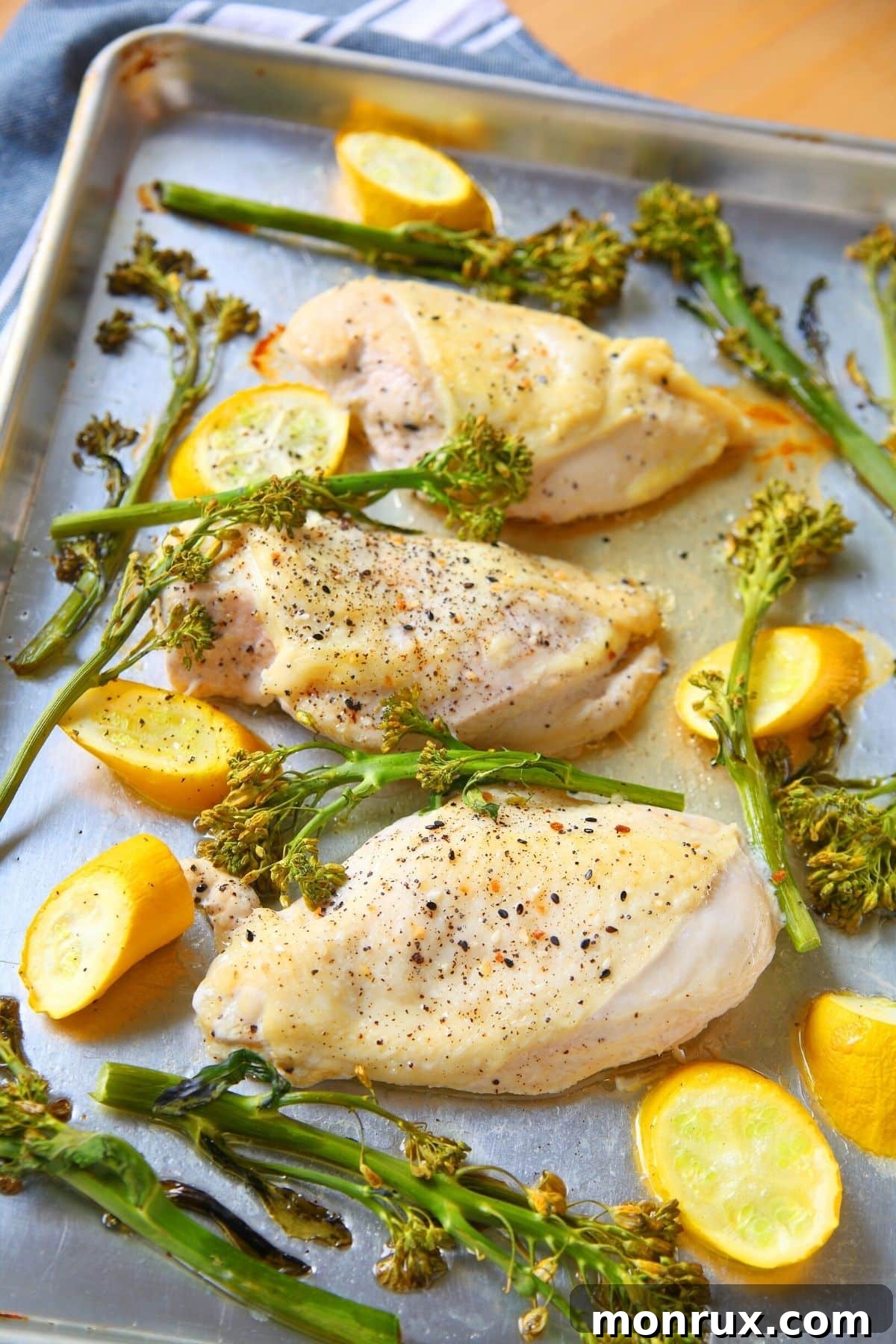
Efficient meal prepping is all about maximizing your time in the kitchen. A key strategy is to organize your prep based on cooking times and methods, allowing you to multi-task effectively. For example, if you’re baking sweet potatoes at 400 degrees Fahrenheit for an hour, use that oven time wisely! You can simultaneously roast other vegetables like broccoli, bell peppers, or carrots on a separate sheet pan. This way, you get double the cooking done with just one oven preheat cycle, saving both time and energy.
Another excellent multi-tasking strategy involves using different appliances concurrently. While your oven is busy roasting, your Instant Pot could be cooking a batch of grains or shredded chicken, and your stovetop could be simmering a soup or sautéing vegetables. For instance, you could be making fajita veggies on one burner while chicken breast cooks in the Instant Pot. By the time your most time-intensive item is complete, many other components are also finished, significantly cutting down your total prep time.
This level of efficiency truly shines when you follow a meal prep guide or, even better, create a detailed plan ahead of time. Don’t just dive into making three recipes at once without forethought. Instead, dedicate some time to strategize: evaluate which recipe requires the longest cooking time, identify ingredients that can be prepped together, and determine how you can leverage different cooking methods to get the most done in the least amount of time. A well-thought-out plan is your secret weapon for successful multi-tasking.
6. Invest in Quality Storage Containers
The right storage containers are the unsung heroes of successful meal prepping. Investing in high-quality containers is crucial for several reasons: they help your food taste better, ensure it lasts longer, and, most importantly, remove the risk of chemical leaching, especially when reheating food. While plastic containers can be convenient, opt for BPA-free plastics as a minimum, but ideally, transition to glass or stainless steel options.
High-quality glass containers are non-porous, meaning they won’t absorb food odors or stains, are easy to clean, and can go directly from the refrigerator to the microwave or oven (without lids). Stainless steel containers are also durable, lightweight, and ideal for packing lunches or storing ingredients. To truly celebrate the kick-off of your new meal prep habit, treat yourself to a matching set of high-quality, airtight containers. This small investment will pay dividends in food safety, flavor preservation, and overall meal prep enjoyment.
7. Buy Pre-Chopped and Pre-Washed Produce
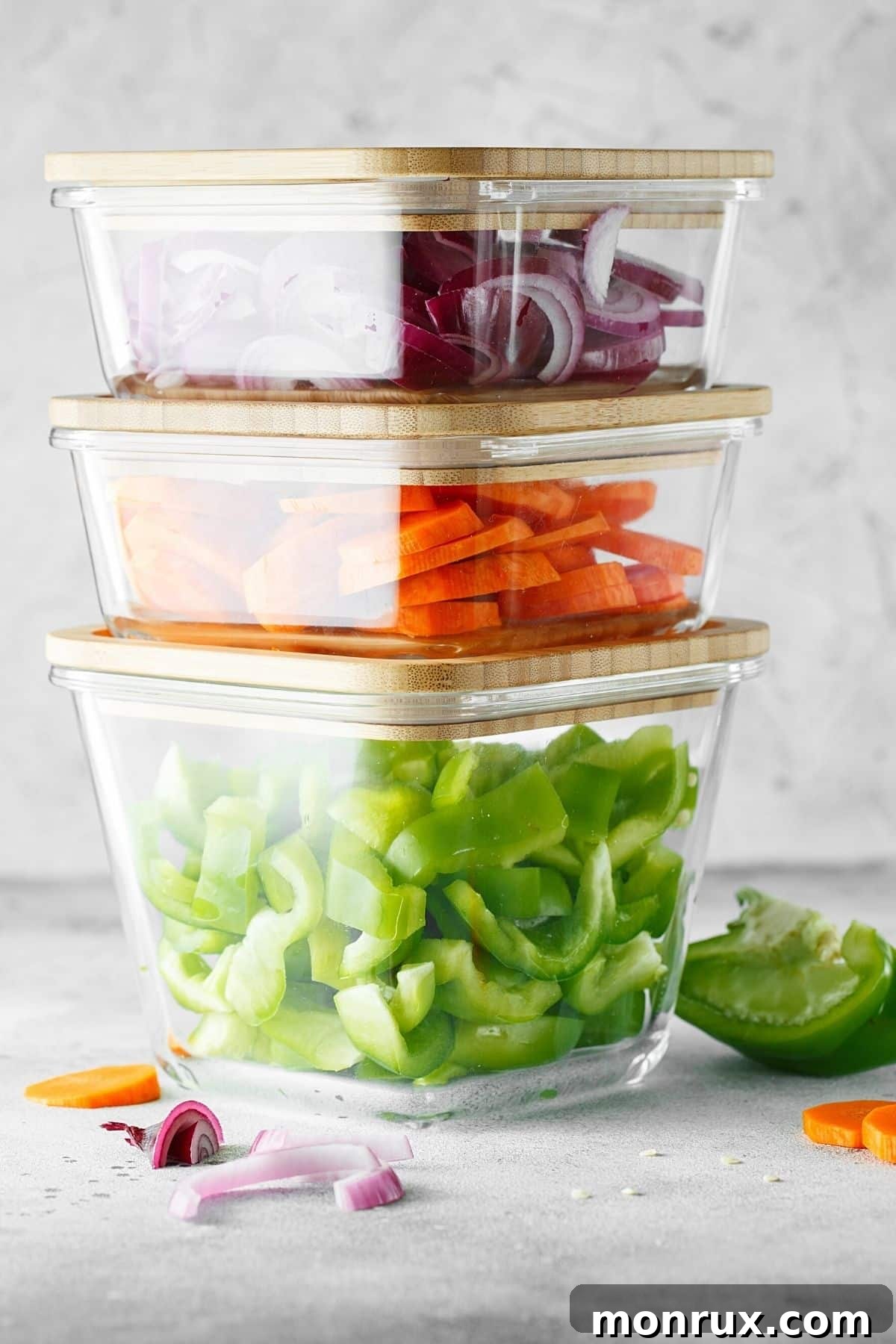
Time is a precious commodity, and while chopping vegetables can be meditative for some, for busy individuals, it can be a significant time sink. Don’t feel guilty about taking shortcuts that save you valuable minutes. Just because you want roasted butternut squash for the week doesn’t mean you need to dedicate an extra ten minutes to peeling and chopping it from scratch every time. Take full advantage of the convenience offered by pre-packaged, pre-chopped, and pre-washed produce available at most grocery stores.
Stores like Trader Joe’s, Whole Foods, and many larger supermarkets now feature extensive sections dedicated to pre-prepped vegetables and fruits. While these options might carry a slightly higher price tag, the time saved can be well worth the investment, especially on particularly hectic weeks. If buying pre-chopped vegetables isn’t within your budget, then simply make chopping and washing your produce a dedicated part of your meal prep session. Remember, even this seemingly small step of preparing your vegetables ahead of time is a form of meal prepping and contributes significantly to your weekly efficiency.
8. Spice It Up for Variety
Clean eating meal prep certainly doesn’t mean your dishes have to be bland or boring. Spices and herbs are your best friends when it comes to adding incredible flavor and variety to your meals without adding unhealthy fats or excessive sodium. Don’t underestimate their transformative power. For instance, use warming spices like cinnamon, nutmeg, and a hint of ginger to enhance the natural sweetness of roasted root vegetables, or opt for savory profiles with garlic powder, onion powder, rosemary, and thyme.
This allows you to take a basic ingredient, like chicken breast or roasted potatoes, and give it an entirely different character with just a change of seasoning. One day, your chicken can be seasoned with Italian herbs, and the next, with a smoky Tex-Mex blend. Experiment with different combinations and global flavor profiles – Mediterranean, Asian, Indian, Mexican – to keep your taste buds excited. You can also explore my list of the best gluten-free sauces to further diversify your flavorings and ensure your meal prep remains anything but monotonous.
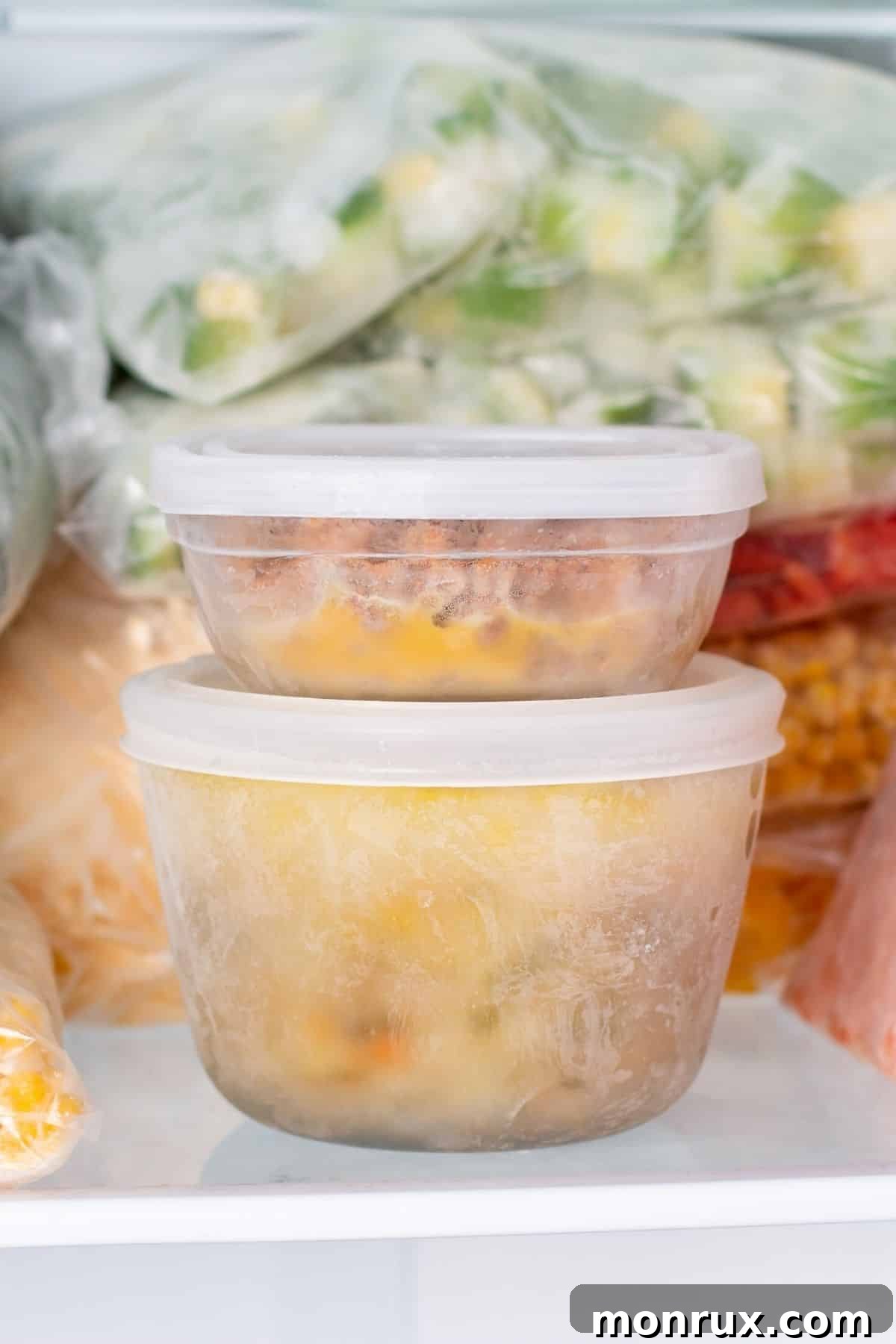
9. Make Freezer-Friendly Meals
If committing to weekly meal prep feels like too much, consider expanding your prep sessions to cover two or even three weeks at a time by utilizing your freezer. Freezing is an excellent way to preserve the flavor, texture, and nutritional value of most foods. This strategy is particularly effective for soups, stews, chilis, cooked grains, casseroles, and certain proteins.
You can freeze components separately – like cooked chicken, roasted vegetables, or rice – to mix and match later, or prepare entire pre-frozen meals. Ensure your foods are properly cooled before freezing to prevent ice crystal formation and freezer burn. Use high-quality, airtight storage solutions to protect your meals. Stasher reusable silicone bags are fantastic for flat freezing and saving space, while air-tight glass containers are perfect for individual portions. Remember to label and date everything clearly so you know exactly what you have and when it needs to be consumed. A well-stocked freezer is a true asset in maintaining a healthy diet with minimal weekly effort.
10. Cook What You Love
The most important rule of sustainable meal prepping and healthy eating is to cook foods you genuinely enjoy. Meal prepping isn’t about rigid diets or bland, unappetizing meals; it’s about making healthy eating an enjoyable and sustainable part of your life. If you consistently prepare meals you don’t look forward to eating, you’re far more likely to abandon the practice and revert to less healthy habits.
Start by incorporating your favorite healthy recipes into your meal prep rotation. Think about the dishes you already love and how they can be adapted for batch cooking or component prep. This foundational enjoyment will keep you motivated and engaged. As you gain confidence, challenge yourself each week to try one new, healthy recipe that excites you. This balance of comfort and novelty will keep your meal prep routine fresh and engaging. For inspiration, always feel free to refer to my extensive index of clean eating recipes. You might also find invaluable resources in my 5-Ingredient Healthy Recipe E-book, which offers delicious and simple ideas perfect for busy schedules.

FAQs About Meal Prepping
Most whole, real foods are excellent for meal prepping, especially those that reheat well without compromising flavor or texture. Focus on staples like fruits, vegetables, whole grains (quinoa, brown rice, oats), lean proteins (chicken, fish, tofu, legumes), and healthy fats. Soups, stews, chilis, casseroles, roasted vegetables, and cooked proteins are particularly good choices as they often taste even better the next day.
Yes, meal prepping can be incredibly effective for weight loss. It provides precise control over portion sizes, ingredient quality, and nutritional content, helping you manage caloric intake and macronutrient balance. By having healthy, ready-to-eat meals, you’re far less likely to resort to unhealthy takeout or processed foods when hunger strikes, which are often high in calories and low in nutrients. This consistency and planning greatly support weight loss goals. Furthermore, it’s an ideal strategy for individuals with chronic health issues or low energy who might struggle to cook daily.
For optimal freshness and food safety, I generally recommend keeping meal prepped foods in tightly sealed containers in the refrigerator for no longer than 3-4 days. Cooked grains, vegetables, and proteins typically hold up well for this period. If you need to prep for longer, consider freezing portions (see tip #9) or dividing your prep sessions throughout the week.
The key to keeping meal prepped food fresh is proper storage. Always allow cooked food to cool completely before transferring it to airtight containers. Use high-quality containers, preferably glass or BPA-free plastic, which create a tight seal to prevent air exposure and contamination. Store different components separately if possible (e.g., sauce separate from grains) to maintain texture and prevent sogginess. Always refrigerate promptly, within two hours of cooking.
The cost of meal prepping varies widely depending on your ingredient choices, dietary preferences, and where you shop. However, it almost invariably costs significantly less than regularly eating out or purchasing pre-made convenience foods. By planning your meals and shopping list, buying in bulk, and minimizing waste, you can substantially reduce your weekly food expenses. Many find that meal prepping helps them save hundreds of dollars a month compared to their previous eating habits.
Successful meal prepping hinges on planning, consistency, and choosing foods you genuinely enjoy. Start small, perhaps by prepping just a few lunches or dinners. Use recipes you know and trust, or explore new ones that align with your taste preferences. Focus on preparing balanced meals with a good mix of proteins, healthy fats, and complex carbohydrates. Remember, the ultimate goal is to have healthy, delicious, and convenient food at your disposal, not to create bland “diet food.” Embrace creativity, experiment with flavors, and most importantly, have fun and enjoy the process of nourishing your body.
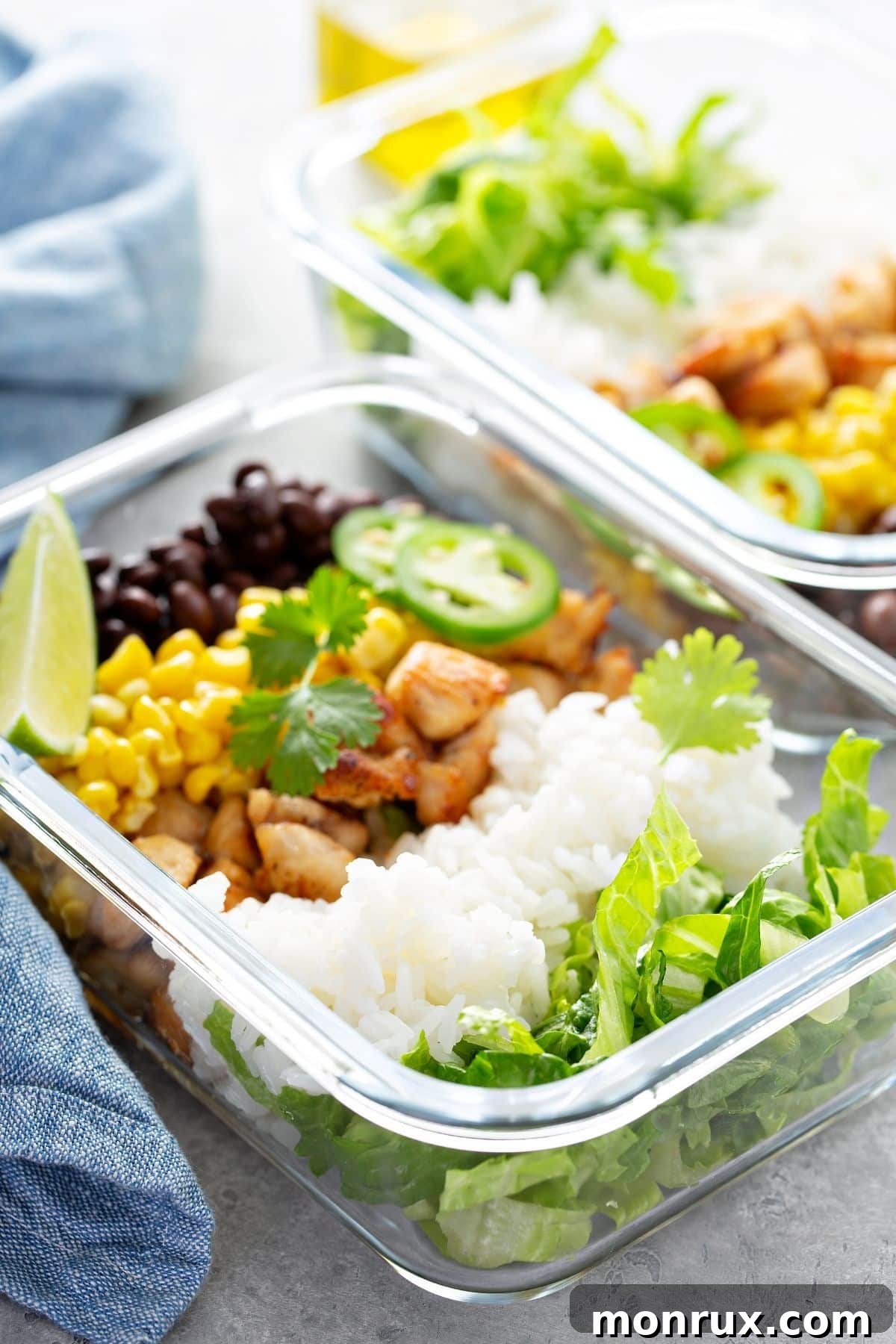
Meal Prep Recipes for Beginners
Ready to put these tips into practice? Here are some of my favorite clean eating recipes that are ideally suited for meal prepping. These easy-to-make dishes yield multiple servings and are fantastic for reheating, ensuring you have delicious and healthy options throughout your week.
- Air Fryer Granola: Perfect for healthy breakfasts or snacks, this granola stores wonderfully and adds a crunchy topping to yogurt or fruit.
- Whole30 Chia Pudding: An excellent make-ahead breakfast or snack, offering sustained energy and rich in fiber and healthy fats.
- Instant Pot 15 Bean Soup: A hearty, protein-packed vegan soup that freezes beautifully and provides several nutritious meals.
- Instant Pot Chicken Soup with Rice: Comforting and wholesome, this soup is easy to make in a large batch and reheats perfectly.
- Anti-Inflammatory Veggie Bowls with Tahini Sauce: A vibrant, customizable meal perfect for component prepping and assembling throughout the week.
- Mexican Buddha Bowls: Easy to build with batch-cooked grains, beans, and fresh veggies, offering diverse flavors for lunch or dinner.
- Healthy Tuna Pasta Salad: A great make-ahead option that tastes even better after the flavors meld in the fridge, ideal for quick lunches.
More Meal Prep Resources You Might Like!
Conclusion
I hope these comprehensive meal prep ideas have left you feeling inspired and empowered to transform your relationship with food. Meal prepping is arguably one of the most effective strategies to save time, reduce food waste, control your budget, and consistently adhere to a healthy diet. By dedicating just a few intentional hours one day each week, you proactively set yourself up for culinary success for the entire week ahead.
Embracing meal prepping puts you firmly in control of your ingredients, portion sizes, and overall nutritional intake. It significantly reduces daily mealtime stress, minimizes unhealthy impulse decisions, and frees up valuable time for other aspects of your life. Whether you’re just starting out or looking to refine an existing routine, remember that meal prepping is a flexible and adaptable practice designed to make healthy eating accessible and enjoyable.
Ready to take the next step towards a healthier, more organized kitchen? Don’t forget to join my newsletter list to receive exclusive clean eating recipes, expert tips, and ongoing motivation directly to your inbox. It’s 100% free, spam-free, and you can unsubscribe anytime.
About the Author: Carrie Forrest holds a master’s degree in public health with a specialization in nutrition and is a certified holistic nutritionist. She is a prominent wellness and food blogger, attracting over 5 million annual visitors to her platform. Carrie shares an inspiring story of recovery from chronic illness and is deeply passionate about empowering other women to achieve significant health transformations. Feel free to reach out to her through her contact form for further insights.
Note: This post is provided for informational purposes only and should not be considered medical advice. Please consult with your healthcare provider for personalized recommendations pertinent to your individual health situation.