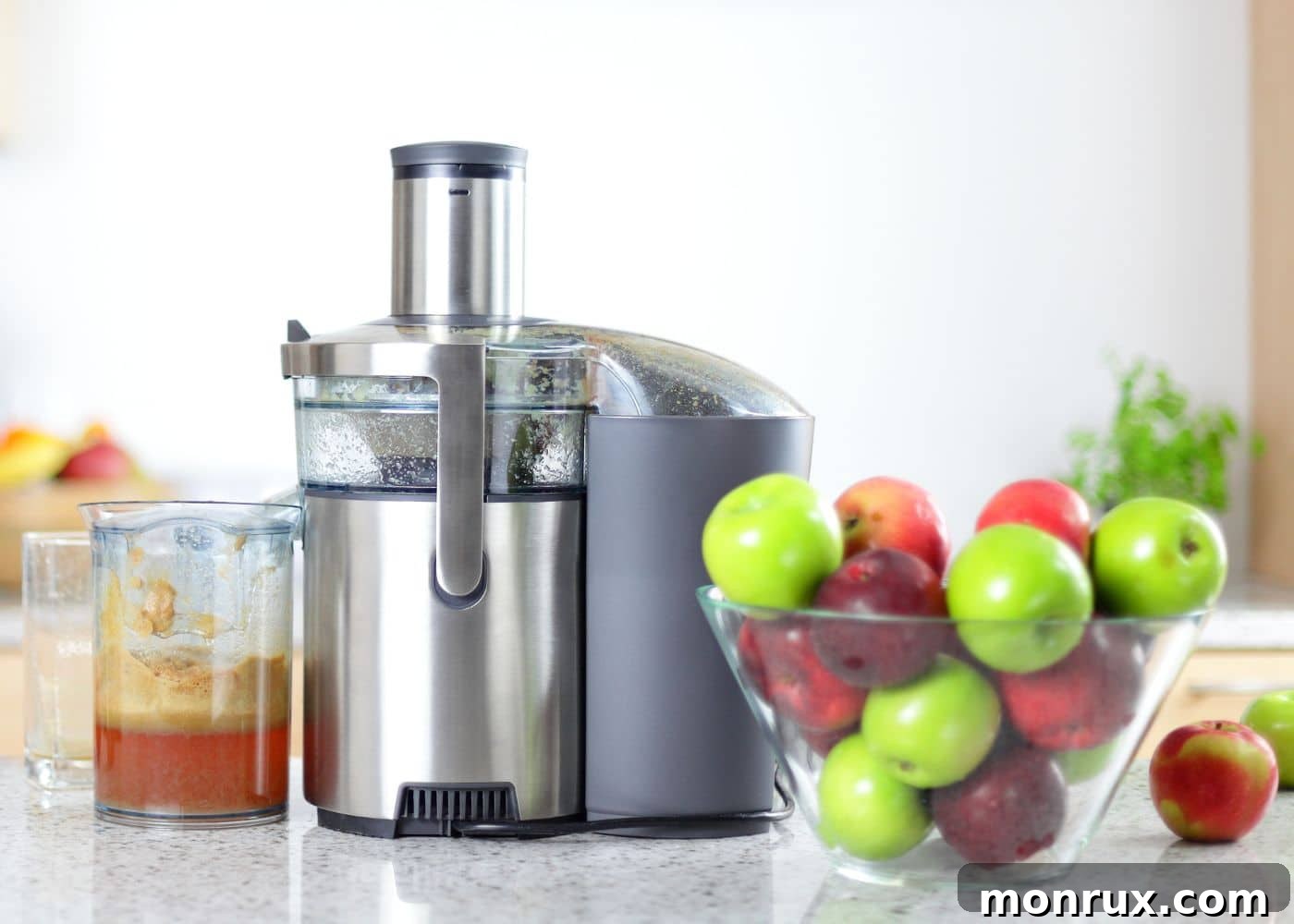
Stepping into a grocery store, you’re often greeted by an impressive array of apple varieties, each promising a unique experience. But when it comes to crafting the perfect glass of fresh, homemade apple juice, which ones truly shine? Whether you’re aiming for a pure apple elixir or a vibrant blend with vegetables, selecting the right apple can elevate your juicing game significantly. This comprehensive guide will delve into the world of apples, highlighting the **best apples for juicing**, including beloved varieties like Granny Smith, Golden Delicious, Gala, Fuji, Pink Lady, Honeycrisp, and Red Delicious, to help you create delicious and nutritious concoctions.
Homemade apple juice isn’t just a sweet indulgence; it’s a powerhouse of nutritional value. This naturally refreshing beverage appeals to all ages and offers a spectrum of flavor profiles, depending on the apples you choose. From crisp and tart to lusciously sweet and mellow, the versatility of apples for juicing is immense.
The global apple market boasts an exciting array of varieties, readily available at grocery stores, farmers’ markets, or local orchards. Apples are cultivated extensively across North America and the United States, with many unique types also imported from countries like New Zealand, ensuring a diverse selection for every palate and purpose.
While some apple varieties are ideal for eating fresh, baking, or making applesauce, almost all apples can be transformed into delightful juice. The key is understanding their individual characteristics to achieve your desired taste. This guide will walk you through the nuances of each top contender, helping you master the art of apple juicing.
Table of Contents
Which Apples Are The Best For Juicing?
Each apple variety brings its own unique contribution to the juicing process – from distinct flavor profiles and textures to varying levels of sweetness and tartness. While some apples are perfect for snacking or baking, others truly excel when pressed into juice. Having honed my juicing skills for over a decade, I’ve cultivated a list of top-tier apples that consistently produce the most delicious and satisfying results. Below are my personal favorites, tried and tested for their superior juicing qualities.
1. Granny Smith Apples
These iconic bright green apples are celebrated for their firm flesh, thick skin, and incredibly intense, tangy apple flavor. Their crispness and tartness are so pronounced that they can make your mouth pucker with the first bite, delivering an invigorating experience. Granny Smith apples yield some of the most refreshing juice imaginable, though their tartness might be a bit much for some palates on its own. For a perfectly balanced juice, consider blending them with sweeter apple varieties. Despite their tartness, green apples like Granny Smith are ideal for juicing due to their lower sugar content, making them a fantastic choice for those mindful of sugar intake. They are also known for a high water content, ensuring a good juice yield.
Try incorporating these vibrant tart apples into a refreshing Celery Apple Juice recipe for a healthy green boost.
2. Golden Delicious Apples
Instantly recognizable by their radiant yellow skin, Golden Delicious apples live up to their name with a rich, mellow, and wonderfully sweet fruity flavor. Often found in stores simply as “Yellow Delicious,” they are a staple for many apple enthusiasts. Their soft, somewhat yielding texture and deep, honeyed taste make them an outstanding choice for juicing. Golden Delicious apples contribute a delightful sweetness and a smooth consistency to juice, making them excellent for balancing tart varieties or for creating a standalone sweet juice that’s subtly aromatic and incredibly palatable.
3. Gala Apples
When you encounter a truly fresh Gala apple, its flavor can be surprisingly distinctive, though generally, they offer a mild, pleasingly fruity taste. These apples are characterized by their crisp texture and relatively small size, meaning you might need a few more to achieve a substantial volume of juice. Gala apples are known for being on the sweeter side, yet they possess a commendable, well-balanced acidity that prevents them from being overly cloying. Their widespread availability and affordability make them a consistent top pick for everyday juicing, offering a reliably delicious and accessible option for homemade juice.
4. Fuji Apples
The robust and complex flavor of Fuji apples makes them exceptionally well-suited for juicing. They boast a fine-grained, firm texture and an impressive shelf life, so don’t hesitate to stock up when they’re in season. Fuji apples are wonderfully balanced and flavorful enough to create a delicious single-varietal juice, but their versatility also makes them an excellent candidate for blending with other fruits and vegetables. For a naturally sweet juice, Fuji apples are a personal favorite and frequently feature in my homemade fruit juice recipes. Their inherent sweetness is also fantastic for balancing the earthy notes of vegetable juices, creating a more appealing and harmonious blend.
5. Pink Lady Apples
Relatively new to the mainstream market, Pink Lady apples have quickly gained popularity for their exceptional flavor profile. They feature striking pink skin, crisp white flesh, and a beautifully complex taste. These apples strike a perfect balance between sweet and tart, making for a wonderfully well-rounded and delicious juice. Their distinct aroma and refreshing acidity, combined with their sweetness, create a sophisticated juice experience that stands out from more traditional varieties. Pink Lady apples offer a fantastic option for those seeking a nuanced and vibrant apple juice.
6. Honeycrisp Apples
True to their name, Honeycrisp apples offer a distinct honey-like sweetness that is instantly appealing. This rich sweetness is perfectly complemented by just enough acidity to create a beautifully balanced flavor. Known for their incredibly crisp, almost crunchy texture, Honeycrisp apples also boast a high water content, which translates to a generous yield of juice. You can easily incorporate Honeycrisp apples into any juice blend to add their unique sweetness and crispness, or enjoy them on their own for a singular, delightful flavor. Their slight tartness paired with intense sweetness makes for a deeply satisfying juice.
7. Red Delicious Apples
The Red Delicious apple is globally recognized for its vibrant, deep red skin and classic, mild apple flavor. It offers a simple, refreshing sweetness with just a hint of tartness. These widely available red apples are an excellent and practical choice for juicing, especially given their budget-friendly price point. While often described as mealy if eaten fresh, this texture characteristic is inconsequential when juicing, making them a surprisingly good candidate for pressed juice. Their consistent availability and affordability make Red Delicious a go-to option for those who want to make fresh apple juice regularly without breaking the bank.
Bonus Recommendations: Exploring Specialty Apples
Beyond the commonly found varieties, the world of apples offers hundreds of specialty and heirloom options. It’s safe to say that most of these unique apples will also be suitable for juicing. However, a key consideration for these rarer finds is often their expense. When you juice an apple, you extract its liquid nutrients but lose the valuable fiber and the “wholeness” of the fruit. Therefore, you might want to reserve pricier, artisanal heirloom apples for enjoying fresh out of hand, or for recipes where their unique texture and complex flavor can be fully appreciated, such as in an apple crisp or pie. For everyday juicing, sticking to more cost-effective options often makes more sense.
Preparing Apples for Juicing
Proper preparation is crucial for efficient juicing and optimal flavor extraction. Follow these simple steps to get your apples ready:
- Wash Thoroughly: Always wash your apples under cold running water, even if they are organic. This removes dirt, pesticides, and any surface contaminants.
- Core or Not to Core: While apple seeds contain a trace amount of amygdalin (which converts to cyanide in the digestive system), you would need to consume a very large quantity to pose a risk. For most home juicers, it’s generally safe to juice small amounts of seeds. However, if you’re juicing for small children, individuals with sensitive digestive systems, or simply prefer to avoid seeds, it’s best to core the apples. Many juicers can handle small pieces, so you don’t need to be overly meticulous.
- Leave the Skin On: The apple peel is a treasure trove of nutrients, particularly quercetin, a powerful antioxidant. Studies suggest quercetin can help fight the effects of colon cancer and other inflammatory conditions. Leaving the skin on not only boosts the nutritional profile of your juice but also saves preparation time.
- Chop as Needed: Depending on your juicer’s feed chute size, you may need to chop your apples into smaller pieces. Generally, quartering apples is sufficient for most centrifugal juicers, while masticating juicers might require slightly smaller chunks to prevent clogging and ensure smooth operation.
By following these simple preparation tips, you’ll ensure a cleaner, more nutritious, and efficiently made apple juice.
The Art of Blending Apples for Flavor and Balance
One of the most delightful aspects of fresh-pressed apple juice is the ability to customize the delicate balance between sweet and tart flavors. The ideal ratio is entirely a matter of personal preference. Some people adore a boldly tart and refreshing juice that awakens the senses, while others prefer a more mellow, sweeter concoction.
Experimentation is key! You can start by juicing a single variety, like Fuji apples, which are known for their naturally well-balanced flavor profile. Once you understand the baseline, you can begin to mix and match. For a classic blend that perfectly combines sweetness and tartness, I highly recommend juicing equal portions of Granny Smith (for tang), Gala (for crispness and mild sweetness), and Red Delicious (for classic sweetness and vibrant color). This combination often yields a harmonious and universally appealing apple juice.
Consider these blending strategies:
- For a sweeter juice: Combine Fuji, Gala, Golden Delicious, or Honeycrisp apples. You can add a small amount of a tart apple for complexity.
- For a tart and tangy juice: Rely heavily on Granny Smith, perhaps with a touch of Pink Lady for a nuanced flavor.
- For a complex flavor: Blend a sweet apple (e.g., Honeycrisp), a tart apple (e.g., Granny Smith), and an aromatic apple (e.g., Pink Lady).
- Adding other fruits and vegetables: Apple juice serves as an excellent base for almost any fruit or vegetable. Carrots, ginger, spinach, kale, and berries all pair beautifully with apple juice, adding both flavor and a nutritional boost.
Which Apples to Avoid for Juicing
While most apples are suitable for juicing, there are a few important considerations and types you should absolutely avoid:
- Rotten or Mildewed Apples: This is a critical point: never juice apples that show signs of rot, mold, or mildew. These imperfections indicate the presence of harmful bacteria and mycotoxins that can transfer directly into your juice, posing a serious health risk. Always inspect your apples thoroughly before juicing.
- Overly Expensive Heirloom Varieties: As mentioned earlier, while exotic heirloom apples can be fascinating, the juicing process extracts only the liquid, leaving the fiber behind. If an apple is particularly rare or costly, its unique texture and full eating experience are lost when juiced. You might prefer to save these premium varieties for eating fresh or for specific culinary applications where their whole form is appreciated.
- Apples with Very Low Water Content: Some apple varieties might be excessively starchy or have a naturally low water content, resulting in a poor juice yield and a pulpy, less enjoyable juice. While not harmful, they might not be the most efficient or cost-effective choices for juicing. Examples might include some very old, very dry varieties or apples that are simply past their prime and have dehydrated.
Beyond these caveats, the choice of which apples to juice largely boils down to your personal preference for sweetness, tartness, and overall flavor. Don’t be afraid to experiment with different varieties and combinations to discover your perfect homemade apple juice!
Ready to dive deeper into the world of apple juicing? Here are answers to some frequently asked questions you might have.
Apple Juicing FAQs
How many apples do I need for a cup of juice?
Generally, you’ll need around three medium-sized apples to produce one cup of fresh juice. For a full quart (about 4 cups), plan on using approximately 10 to 20 apples, depending on their size, juiciness, and the efficiency of your juicer. Most apples can yield anywhere from a quarter to half a cup of juice each.
Can I add other fruits or vegetables to apple juice?
Absolutely! Fresh apple juice is wonderfully delicious on its own, but it also serves as an excellent base for creating new flavor combinations and boosting nutritional value. Apple and carrot juice is a classic, winning combination, but feel free to add any other fruits or vegetables you enjoy. Popular additions include ginger, leafy greens like spinach or kale, beets, celery, and berries.
Apple juice is also a fantastic natural sweetener for smoothies. You can even dilute it with a splash of sparkling water for a lighter, fizzy beverage. If you’re looking for smoothie inspiration, try this super nutritious Apple Banana Spinach Smoothie recipe!
Is apple juice best served cold or warm?
Both! Fresh apple juice is incredibly versatile. Enjoy a refreshing and icy cold glass to cool down on a hot summer day. Alternatively, warm it gently with a few spices like cinnamon, nutmeg, cloves, and allspice, perhaps with a few orange slices, to create a comforting and aromatic spiced apple cider, perfect for chilly evenings.
Can I juice the whole apple, including the seeds and core?
Yes, you can juice the whole apple, but some people prefer to remove the core and seeds. As mentioned, apple seeds contain a small amount of amygdalin, which can be toxic in very large quantities. While the risk is minimal for typical home juicing, especially for adults, it’s often recommended to core apples when juicing for small children or individuals with sensitive digestive systems. The healthiest and most common practice is to core the apples while leaving the skin on. The skin is rich in beneficial compounds like quercetin, a flavonoid shown in studies to help fight the effects of colon cancer, among other health benefits.
How long does fresh apple juice last?
For optimal freshness and nutrient retention, fresh apple juice is best consumed immediately. However, if stored in an airtight container in the refrigerator, it can typically last for 24-72 hours. The juice will start to oxidize and lose some nutritional value and flavor after the first day. To minimize oxidation, fill the container to the very top to reduce air exposure.
What’s the best type of juicer for apples?
Both centrifugal and masticating (slow) juicers can handle apples. Centrifugal juicers are faster and generally more affordable, making them great for beginners. They produce juice quickly but can introduce more air, leading to faster oxidation and slightly foamy juice. Masticating juicers operate at a slower speed, extracting more juice and nutrients with less oxidation, resulting in a higher quality, smoother juice with a longer shelf life. If you’re serious about juicing and want the best possible quality, a masticating juicer is often preferred for apples.
The Health Benefits of Fresh Apple Juice
If you haven’t yet experienced the vibrant taste of freshly juiced apples, you’re in for an absolute treat. It’s a world apart from the often overly processed, pasteurized apple juice found in stores. Homemade apple juice retains significantly more of its natural nutrients, enzymes, and antioxidants, offering a multitude of health benefits:
- Rich in Antioxidants: Apples are packed with antioxidants, especially polyphenols and flavonoids like quercetin, which help combat free radicals in the body, reducing oxidative stress and inflammation.
- Hydration: With their high water content, apples are excellent for hydration, and apple juice is a delicious way to replenish fluids and electrolytes.
- Vitamins and Minerals: Fresh apple juice contains essential vitamins such as Vitamin C and B vitamins, along with minerals like potassium, which are crucial for overall health and well-being.
- Supports Heart Health: The antioxidants and potassium in apple juice can contribute to cardiovascular health by helping to maintain healthy blood pressure and reducing cholesterol levels.
- Digestive Aid: While juicing removes most of the fiber, apple juice still contains beneficial compounds that can support digestion. It can act as a mild laxative for some and help maintain gut health.
- Immune System Boost: The Vitamin C content in apples helps bolster the immune system, aiding the body in fighting off common illnesses.
- Natural Energy Source: The natural sugars in apple juice provide a quick and healthy energy boost without the artificial additives found in many energy drinks.
- Detoxification Properties: Apple juice is often included in detox protocols due to its potential to aid the liver in flushing out toxins from the body.
Incorporating fresh apple juice into your diet is a simple yet powerful way to enjoy these benefits, adding a delicious and healthy component to your daily routine.
Beyond Juice: Delicious Apple Recipes!
While juicing is a fantastic way to enjoy apples, their versatility extends to a myriad of culinary delights. Don’t miss out on these other wonderful apple-inspired recipes:
Conclusion
Embarking on the journey of homemade apple juicing opens up a world of fresh, vibrant flavors and abundant health benefits. This article has provided you with a guide to the best apples for juicing, offering insights into varieties like Granny Smith, Golden Delicious, Gala, Fuji, Pink Lady, Honeycrisp, and Red Delicious. These tried and true winners are guaranteed to help you create delicious and nutritious juices, whether you prefer a sweet, tart, or perfectly balanced blend. Remember to experiment with different combinations and enjoy the endless possibilities that fresh apples offer.
Juicing your own apples is not just about making a beverage; it’s about embracing a healthier lifestyle and savoring the pure, unadulterated taste of nature’s bounty. So grab your favorite apples, fire up your juicer, and enjoy the incredible experience of homemade apple juice!
Don’t forget to join my newsletter list to get exclusive clean eating recipes and tips directly to your inbox. It’s 100% free with no spam, and you can unsubscribe at any time.
About the Author: Carrie Forrest holds a master’s degree in public health with a specialization in nutrition and is a certified holistic nutritionist. She is a leading wellness and food blogger, attracting over 5 million visitors to her site annually. Carrie shares an inspiring story of recovery from chronic illness and is deeply passionate about empowering other women to transform their health journeys. Feel free to connect with her through her contact form.
Note: This post is intended for informational purposes only and should not be considered medical advice. Please consult with your healthcare provider for personalized recommendations regarding your individual health situation.