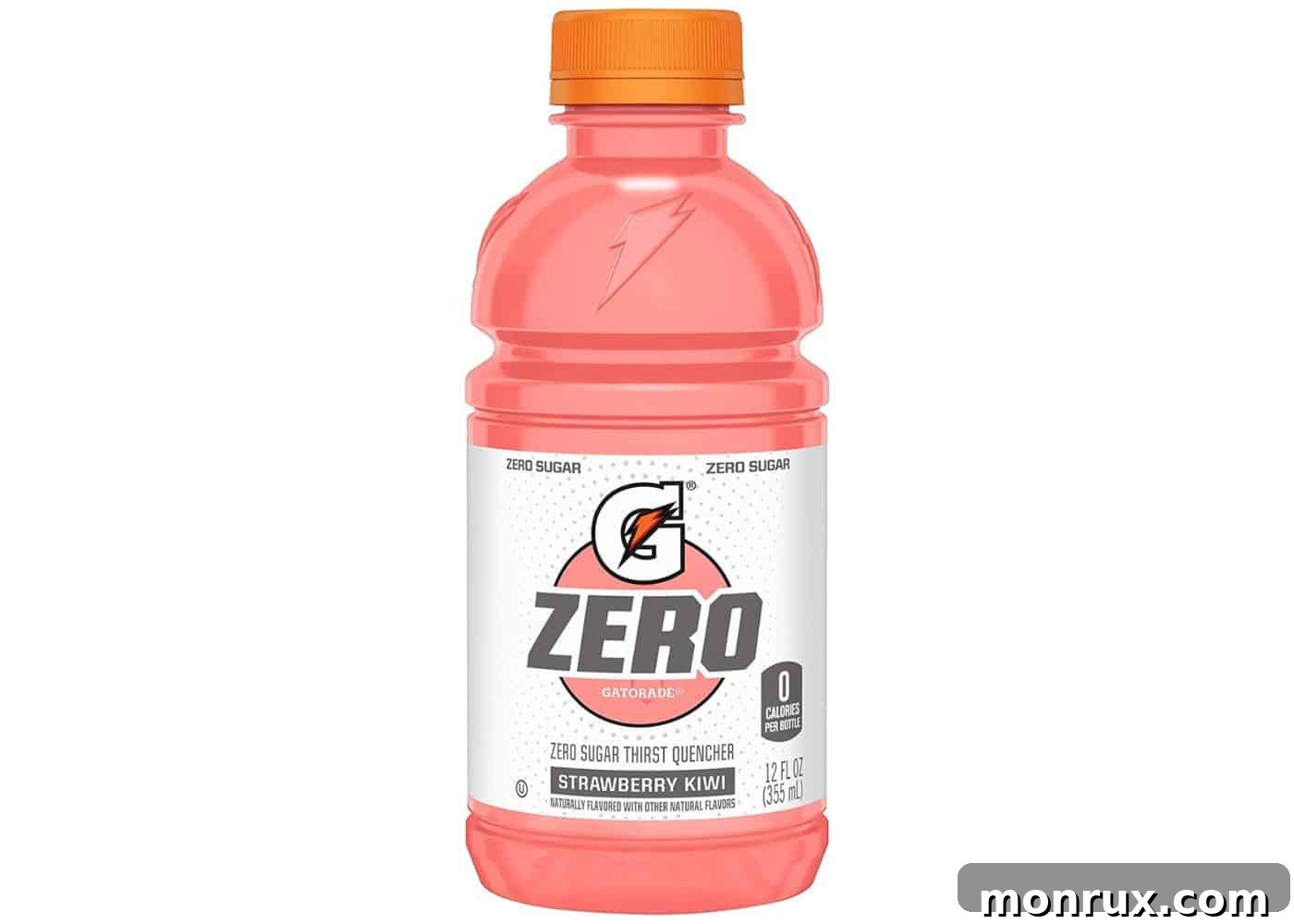
In today’s health-conscious world, many consumers seek alternatives to sugary beverages. This pursuit often leads them to products like Gatorade Zero, marketed as a sugar-free solution for hydration and electrolyte replenishment. But is Gatorade Zero truly a healthy choice, or does its “zero sugar” label mask a cocktail of potentially harmful processed ingredients and artificial additives? For most individuals, particularly those prioritizing whole, unprocessed foods, Gatorade Zero is not considered healthy due to its formulation featuring highly processed components, artificial sweeteners, and synthetic food dyes.
Gatorade Zero: An Overview
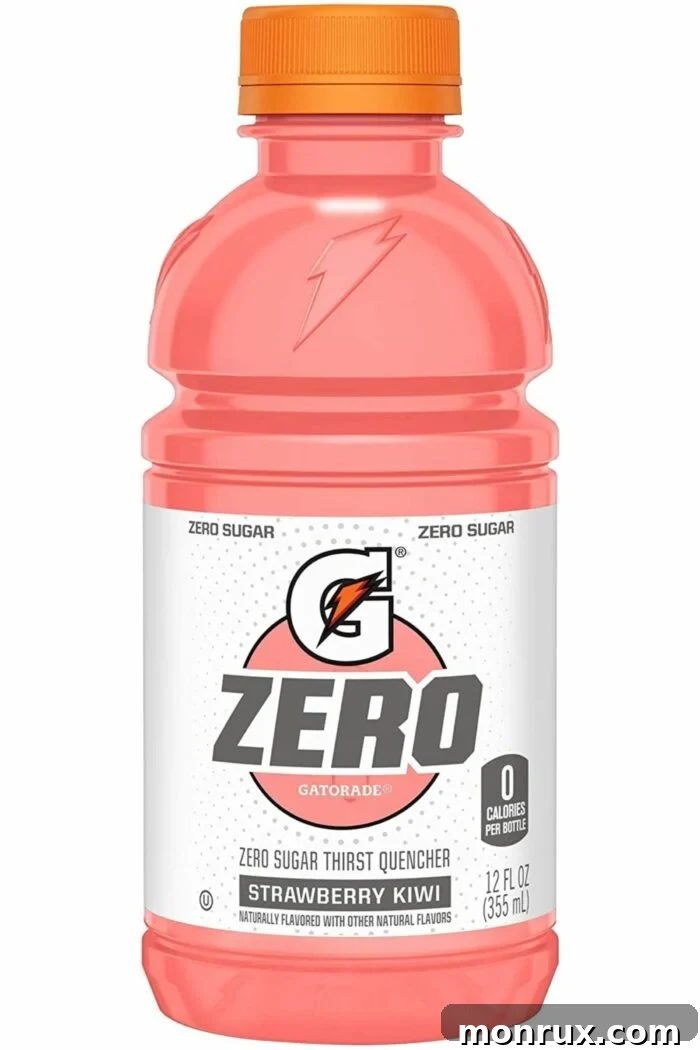
Gatorade Zero, manufactured by PepsiCo, is positioned as a sugar-free sports drink designed to help athletes and active individuals replenish lost electrolytes without the calories or sugar typically found in original Gatorade. Its appeal lies in its promise of hydration and electrolyte support, crucial for intense physical activity, without contributing to sugar intake.
This beverage boasts several characteristics that might initially seem beneficial: it is free from the eight major allergens, contains no caffeine, is sugar-free, and offers a minimal caloric load (ranging from 5 to 10 calories per serving). It’s widely available in a broad spectrum of flavors, including popular options like Berry, Cool Blue, Fruit Punch, Glacier Cherry, Grape, Lemon Lime, Lime Cucumber, and Orange, catering to diverse taste preferences.
However, beneath this attractive veneer of “zero sugar” and “electrolyte replenishment” lies a complex ingredient list that warrants closer scrutiny. Many components listed on Gatorade Zero labels are highly processed chemicals, raising questions about its overall health profile. Ingredients such as Monopotassium Phosphate, Sucralose, Acesulfame Potassium, Glycerol Ester of Rosin, and various artificial food dyes are commonly found, depending on the flavor and color of the drink. Understanding these ingredients is crucial for determining whether Gatorade Zero truly aligns with a healthy lifestyle or serves as an optimal post-exercise recovery drink.
A Closer Look at the Ingredients
While Gatorade Zero promises effective hydration, its ingredient list often reads more like a chemistry experiment than a natural sports supplement. A typical bottle contains a diverse array of components, many of which are synthesized in laboratories rather than found in nature. The primary aim for many health-conscious consumers is to avoid highly processed foods and beverages, a category into which Gatorade Zero frequently falls due to its extensive use of artificial additives. This complexity makes it essential to examine each major ingredient individually to understand its potential effects on health.
Common ingredients listed on Gatorade Zero labels include:
- Water
- Citric Acid
- Natural Flavor
- Sodium Citrate
- Monopotassium Phosphate
- Modified Food Starch
- Glycerol Ester of Rosin
- Sucralose (Sweetener)
- Acesulfame Potassium (Sweetener)
- Color Additives (e.g., Yellow 5, Blue 1, Red 40, depending on the flavor)
Let’s delve into some of these key ingredients to understand their purpose, safety profiles, and potential implications for your health, helping you make an informed decision about this popular sports drink.
Monopotassium Phosphate
Monopotassium Phosphate is an additive frequently found in processed foods and nutritional supplements, and it also serves as a fertilizer in agriculture. This compound contributes essential dietary minerals like potassium and phosphorus. While the FDA generally recognizes Monopotassium Phosphate as safe for consumption, its presence in large quantities or for individuals with specific health conditions warrants attention.
It’s crucial to acknowledge that certain populations, particularly those with pre-existing kidney disease, heart disease, or adrenal gland disorders, may be adversely affected by increased phosphate intake. For healthy individuals, the body effectively regulates phosphate levels. However, in compromised systems, excess phosphate can accumulate, potentially exacerbating existing conditions. Therefore, if you have any doubts about the safety of Monopotassium Phosphate for your specific health situation, consulting your healthcare provider is highly recommended to assess potential risks and ensure it aligns with your dietary needs.
Sucralose
Sucralose is a widely used artificial sweetener that is approximately 600 times sweeter than sugar but contains virtually no calories. Despite its approval by regulatory bodies like the FDA, Sucralose remains a contentious ingredient among health-conscious consumers and within the scientific community due to accumulating research suggesting potential long-term health implications.
One significant area of concern revolves around its impact on gut health. Studies have indicated that long-term consumption of sucralose may lead to a reduction in beneficial gut bacteria, thereby disrupting the delicate balance of the gut microbiome. A healthy gut microbiome is essential for digestion, immune function, and overall well-being. Disruption can lead to various issues, including inflammation and impaired nutrient absorption.
Furthermore, research suggests that Sucralose and other artificial sweeteners might not be as metabolically inert as once thought. Some studies propose a potential link between Sucralose consumption and an increased risk of metabolic issues, including insulin resistance, glucose intolerance, and even contributing to obesity and type 2 diabetes, despite its zero-calorie status. The hypothesis is that these intense sweeteners can “trick” the body, altering its response to sweet tastes and potentially interfering with natural metabolic regulation.
Given these findings, it is advisable to approach Sucralose consumption with caution. Limiting its intake and avoiding long-term, habitual use may be a prudent strategy for those prioritizing gut health and metabolic balance. It’s worth noting that Sucralose is also a common ingredient in other leading sugar-free sports drinks, such as Powerade Zero, which also warrants similar careful consideration.
Acesulfame Potassium
Acesulfame Potassium, often referred to as Acesulfame K or Ace-K, is another popular artificial sweetener found in Gatorade Zero. It is approximately 200 times sweeter than sugar and, like Sucralose, contains zero calories. Due to its characteristic bitter aftertaste, manufacturers frequently combine Ace-K with other artificial sweeteners, such as Sucralose or Aspartame, to achieve a more palatable flavor profile.
Despite its widespread use, Acesulfame Potassium is a highly controversial additive within both public health circles and the scientific community. There are ongoing debates and calls for more comprehensive research to definitively establish its long-term safety. Concerns primarily stem from animal studies and early research that have raised questions about its potential carcinogenicity and other adverse health effects. A notable study recommends further investigation to determine whether this artificial sweetener poses a carcinogenic risk and to rule out any other associated health hazards.
While the FDA has approved Acesulfame Potassium as a food additive, it also sets an Acceptable Daily Intake (ADI) limit, recommending consumption not to exceed 15 milligrams per kilogram of body weight per day. This translates, for example, to a person weighing 132 pounds (60 kg) consuming no more than 900 milligrams (0.9 grams) of Ace-K daily. However, staying within these limits can be challenging for consumers who regularly consume multiple products containing various artificial sweeteners, leading to potential cumulative intake exceeding recommended levels. The ongoing scientific discussion highlights the importance of cautious consumption and staying informed about new research findings.
Glycerol Ester of Rosin
Glycerol Ester of Rosin is a food additive derived from the tree stumps of long-leaf pine trees, transforming a natural resin into a functional ingredient. Manufacturers incorporate this additive into various food and beverage products, including Gatorade Zero, primarily for its properties as a thickener and stabilizer. It helps to keep flavor oils suspended evenly throughout the liquid, preventing separation and ensuring a consistent taste and texture.
Generally, Glycerol Ester of Rosin is considered safe for consumption, with only minor instances of allergic reactions reported in sensitive individuals. However, the broader scientific community often emphasizes the need for continuous and rigorous evaluation of all food additives. Recent studies have indeed recommended further research to comprehensively affirm the safety of this additive, particularly concerning potential long-term toxicity and its full metabolic impact. As with many processed ingredients, a cautious approach is warranted until more extensive, independent research is available to provide a complete picture of its effects on human health.
Artificial Colors: A Rainbow of Concern
One of the most visually appealing, yet potentially problematic, aspects of Gatorade Zero is its vibrant array of colors. Depending on the specific flavor, the drink may contain artificial food dyes such as Red 40, Blue 1, Yellow 6, or Yellow 5. These synthetic color additives, while enhancing visual appeal, have been linked to a spectrum of potential health risks, sparking considerable debate among health professionals and consumer advocates.
A primary concern revolves around the potential for artificial food colorings to trigger allergic reactions. Individuals with sensitivities or predispositions to allergies, such as hives or asthma, may experience adverse reactions when consuming certain food dyes. Beyond overt allergic responses, research has explored more subtle, yet significant, impacts, particularly concerning neurological health and behavior in children. Let’s explore the specific artificial colors found in Gatorade Zero and their associated concerns.
Red 40
Red 40, also known as Allura Red AC, is one of the most widely used artificial food dyes. It contains benzidine, a chemical that is classified as a human and animal carcinogen. Although the FDA maintains that the levels of benzidine in Red 40 are low and therefore safe, this stance remains controversial.
Beyond potential carcinogenic links, recent research has highlighted other alarming concerns. For instance, a study established a potential link between red food dye and inflammatory bowel disease, at least in mouse models, suggesting a possible impact on gut health. Furthermore, extensive research has explored the connection between red food dye and Attention Deficit Hyperactivity Disorder (ADHD) in children. Multiple studies suggest that consumption of Red 40 can exacerbate hyperactivity and inattention in sensitive children.
The cumulative scientific evidence raises significant concern that red food dyes may not be safe for regular consumption. It has also been implicated in depleting essential minerals like iron and zinc, which are vital for proper development and growth, especially in children. Moreover, it can induce chemical changes in the brain and provoke hypersensitivity reactions, leading to inflammation and various allergic responses. Given these potential risks, it is strongly advised to avoid this ingredient, particularly for children, or to use it with extreme caution and in minimal quantities.
Blue 1
Blue 1, or Brilliant Blue FCF, is another common synthetic dye used to achieve vivid blue hues in beverages and foods. However, scientific investigations have raised serious questions about its safety profile. One study notably found that Blue 1 food dye can exhibit genotoxic and cytotoxic effects, meaning it can potentially damage genetic material (DNA) and be toxic to cells. Further examination has revealed potentially serious adverse effects in both animal models and humans, including issues related to mitochondrial function and inflammatory responses. These findings underscore the need for vigilance when consuming products containing Blue 1.
Yellow 5 and Yellow 6
Yellow 5 (Tartrazine) and Yellow 6 (Sunset Yellow) are artificial food dyes that, similar to Red 40, contain traces of the carcinogen benzidine. Although the FDA generally presumes these low levels to be safe, the presence of a known carcinogen, however trace, is a source of apprehension for many. Yellow 6 also contains 4-amino-biphenyl, another compound of concern.
The decision to consume products containing artificial food dyes ultimately rests with the individual. However, it is essential to be aware of the scientific findings. For instance, at least one study found that Yellow 5 can cause DNA damage in blood cells, indicating a genotoxic potential. Moreover, both Yellow 5 and Yellow 6 have been implicated in contributing to hyperactivity and other neurobehavioral issues in sensitive children, similar to Red 40. Given these concerns, many individuals choose to avoid artificial food dyes altogether in favor of naturally colored or uncolored foods and beverages.
The Purported Benefits of Gatorade Zero: Nutrition Pros
Despite the comprehensive list of concerns regarding its artificial ingredients, Gatorade Zero does offer a few theoretical benefits that make it appealing to specific groups, particularly those engaged in intense physical activity or managing certain dietary restrictions. It’s important to frame these “pros” within the context of its overall composition.
Foremost, Gatorade Zero contains electrolytes such as sodium and potassium. For athletes performing strenuous physical activity, especially in hot conditions, these electrolytes are crucial for replacing those lost through sweat. This can help maintain fluid balance, prevent muscle cramps, and support nerve and muscle function, potentially aiding in recovery and performance when truly needed.
Furthermore, it is designed to be free from the top eight common food allergens, making it a safer option for individuals with allergies to ingredients like dairy, eggs, peanuts, tree nuts, soy, wheat, fish, and shellfish. It also does not contain caffeine, which is a consideration for those sensitive to stimulants or who wish to avoid it, especially before bedtime or for younger consumers.
The “zero” in its name signifies that it contains no added sugar and boasts a very low-calorie count. This is a significant distinction compared to original Gatorade, which is high in sugar and calories. For individuals monitoring sugar intake due to diabetes, weight management goals, or simply a preference for sugar-free options, this aspect can be a major draw.
It’s also worth noting that not all Gatorade Zero flavors are created equal in terms of artificiality. Specifically, the Berry and Glacier Cherry flavors are marketed as not containing artificial flavors. The Berry flavor further distinguishes itself by being sweetened with vegetable juice concentrate instead of artificial sweeteners, and the Glacier Cherry flavor is not artificially dyed. These particular variants represent a slightly “cleaner” option within the Gatorade Zero line, though they still contain other processed ingredients.
The Downsides: Nutrition Cons
While Gatorade Zero offers the appeal of being sugar-free and low-calorie, its overall nutritional profile presents several significant drawbacks that warrant careful consideration. The core issues stem from its highly artificial composition, which can negate any perceived benefits and potentially introduce new health concerns.
The most prominent concern is that the majority of Gatorade Zero varieties include a blend of various processed chemicals, controversial artificial sweeteners, and synthetic artificial colors. As discussed in detail above, ingredients like Sucralose and Acesulfame Potassium have been linked to potential disruptions in gut microbiome health, altered metabolic responses, and other long-term health risks. Similarly, the artificial food dyes (Red 40, Blue 1, Yellow 5 & 6) carry associations with allergic reactions, hyperactivity in children, and even genotoxic or carcinogenic potential.
Even though Gatorade Zero is sugar-free and allergen-free, it relies on these highly controversial ingredients as substitutes. This means that while consumers avoid added sugar, they are instead consuming substances with their own set of potential health implications. This trade-off is often not perceived as a healthy alternative by nutrition experts who advocate for whole, unprocessed food and drink options.
Beyond the ingredients, there’s an environmental and a potential direct health concern related to its packaging. This product is exclusively manufactured and sold in single-use plastic bottles. The environmental impact of plastic waste is immense, contributing to pollution and harming ecosystems. From a personal health standpoint, plastic bottles can potentially expose consumers to microplastics, tiny plastic particles that can leach into the beverage. The long-term effects of microplastic ingestion on human health are still being researched, but it represents another layer of concern for those seeking truly clean and healthy hydration.
In summary, the convenience and “sugar-free” label of Gatorade Zero often overshadow its extensive list of artificial and potentially harmful ingredients, making it a less-than-ideal choice for daily hydration or routine post-exercise recovery for most people.
Frequently Asked Questions About Gatorade Zero
In short, no, Gatorade Zero is generally not considered healthy for most individuals. While it lacks added sugar and calories compared to original Gatorade, it substitutes these with a cocktail of highly processed chemicals. These include controversial artificial sweeteners like Sucralose and Acesulfame Potassium, which have been linked to gut microbiome disruption and potential metabolic issues. Furthermore, many flavors contain synthetic food dyes such as Red 40, Blue 1, Yellow 5, and Yellow 6, all of which carry their own set of health concerns, including links to hyperactivity in children and potential genotoxic effects. Its highly artificial nature makes it an unsuitable choice for a health-focused diet.
No, Gatorade Zero is exclusively available in plastic bottles. This raises concerns not only for environmental impact due to single-use plastics but also for the potential leaching of microplastics into the beverage, which can be ingested by consumers. For those seeking to minimize plastic exposure, Gatorade Zero does not offer an alternative packaging option.
Yes, Gatorade Zero can contribute to hydration because it contains water and electrolytes like sodium and potassium. For individuals engaged in prolonged, intense exercise that leads to significant sweat loss, the electrolytes can help replenish what’s lost and maintain fluid balance. However, for everyday hydration or moderate activity, there are far superior and healthier options that do not come with questionable artificial ingredients. Better choices for effective and clean hydration include plain filtered water, naturally flavored water (like Cucumber Ginger Lemon Water), fresh Cucumber Juice, pure Pineapple Coconut Water (a natural source of electrolytes), or homemade electrolyte drinks using real fruit and a pinch of sea salt. Even simple Celery Juice offers hydration benefits without the artificial additives.
Yes, Gatorade Zero is indeed sugar-free and contains no added sugar. However, this claim can be misleading from a health perspective because it relies heavily on artificial sweeteners, specifically Acesulfame Potassium and Sucralose. As detailed in this article, both of these sweeteners are controversial ingredients with potential health implications. Research suggests they may negatively impact gut health, alter metabolic responses, and potentially contribute to issues like inflammation and glucose intolerance, even without containing calories or sugar. Therefore, “sugar-free” does not automatically equate to “healthy” when artificial substitutes are involved.
It is generally not recommended for children to drink Gatorade Zero. All flavors contain artificial sweeteners (Sucralose, Acesulfame Potassium) and many contain synthetic food dyes (Red 40, Blue 1, Yellow 5, Yellow 6). These ingredients have been linked to potential adverse health effects in children, including exacerbated hyperactivity and behavioral issues (especially with certain food dyes) and possible disruption of developing metabolic and gut systems due to artificial sweeteners. Children’s bodies are particularly sensitive to these chemicals, making clean, natural hydration sources like water, milk, or diluted fruit juices far better choices.
Not necessarily, and it could even be counterproductive for weight loss. While Gatorade Zero has fewer calories and no sugar compared to sugary drinks, the artificial sweeteners it contains may not be beneficial for weight management. Research suggests that artificial sweeteners can “trick” the body, potentially interfering with satiety signals, altering gut flora, and even influencing blood sugar regulation, which could inadvertently contribute to weight gain or hinder weight loss efforts for some individuals. For effective and sustainable weight loss, focusing on proper hydration with plain water or unsweetened natural options is a much better strategy. Unsweetened coconut water, with its natural sugar content and electrolytes, can also be a suitable option for fitness enthusiasts needing an electrolyte boost without artificial additives (try a recipe like Pineapple Coconut Water for inspiration).
Related Product Reviews You Might Like!
Conclusion: Making Informed Hydration Choices
In conclusion, while Gatorade Zero is marketed as a sugar-free, low-calorie option for electrolyte replenishment, a closer examination reveals that it is a highly processed product laden with artificial ingredients. The appeal of “zero sugar” often overshadows the presence of controversial artificial sweeteners like Sucralose and Acesulfame Potassium, which have been linked to potential disruptions in gut health and metabolic function. Furthermore, the inclusion of synthetic food dyes such as Red 40, Blue 1, Yellow 5, and Yellow 6 raises concerns about allergic reactions, neurobehavioral issues in children, and even more serious long-term health risks.
For most individuals, particularly those committed to a clean eating lifestyle and prioritizing overall health, the potential downsides of these artificial additives far outweigh the convenience of Gatorade Zero. While it provides electrolytes, the way it delivers them through a cocktail of laboratory-created chemicals is not ideal. Instead, opting for natural, whole-food-based hydration solutions is a far healthier approach.
If you find yourself needing additional electrolytes or a boost of energy, consider making your own healthy sports drink at home using real, recognizable food ingredients. Options include infused water with fruits and herbs, coconut water, or homemade electrolyte blends with natural fruit juices and a pinch of sea salt. Making informed choices about what you consume is paramount for long-term health and well-being. By opting for natural alternatives, you can ensure your body receives optimal hydration and essential nutrients without the burden of unnecessary artificial chemicals.
Don’t forget to join my newsletter list to get exclusive clean eating recipes and tips. The newsletter is 100% free with no spam; unsubscribe anytime.
About the Author: Carrie Forrest has a master’s degree in public health with a specialty in nutrition and is a certified holistic nutritionist. She is a top wellness and food blogger with over 5 million annual visitors to her site. Carrie has an incredible story of recovery from chronic illness and is passionate about helping other women transform their health. Send her a message through her contact form.
Note: this post is for informational purposes only and is not intended as medical advice. Please consult your healthcare provider for recommendations related to your individual situation.