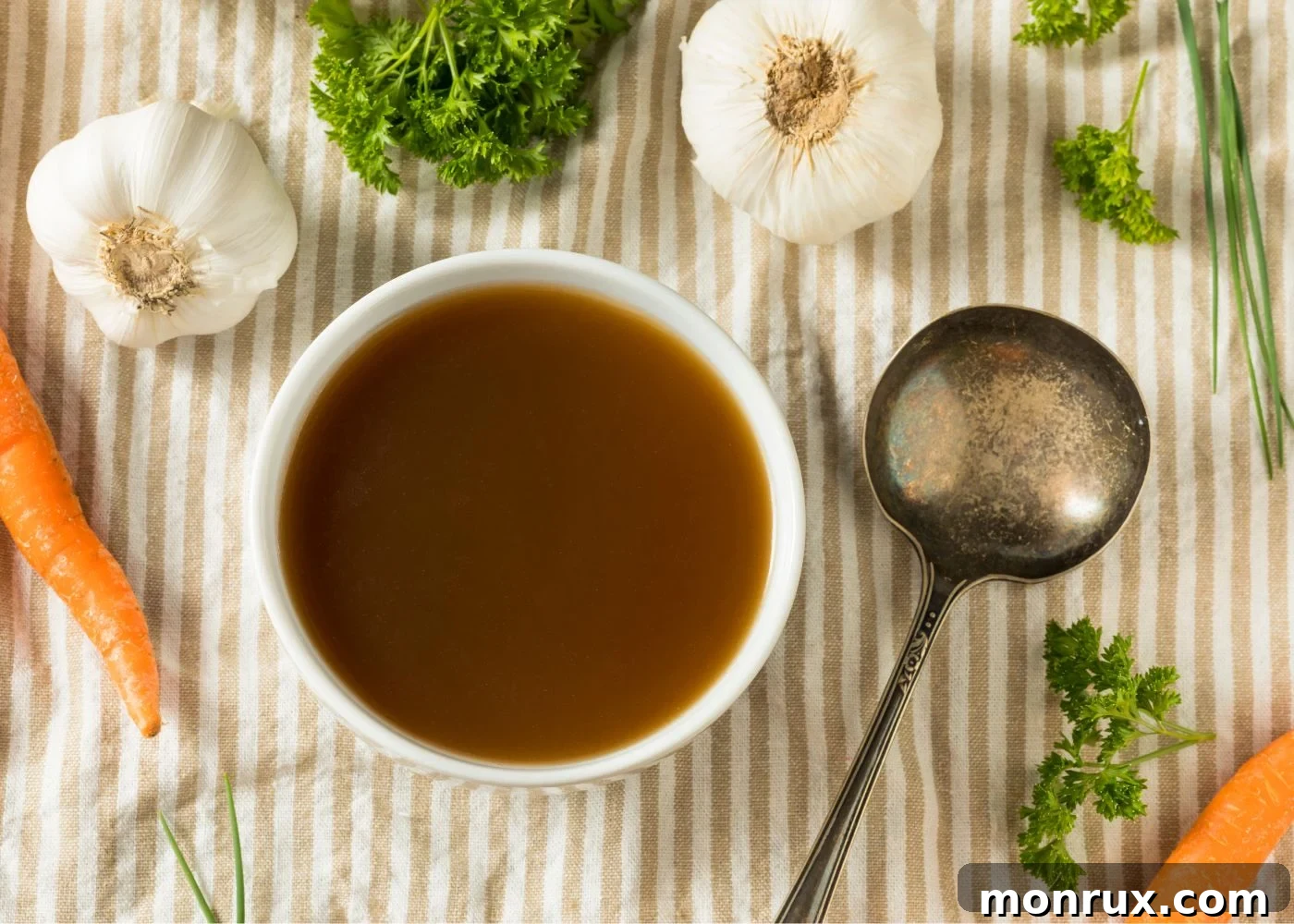
Ever found yourself in the middle of preparing a hearty beef soup, a rich beef stew, or a savory pot roast, only to realize you’ve run out of beef broth? Don’t let culinary panic set in! While beef broth is a cornerstone for adding deep, savory, and umami flavors to countless dishes, a depleted pantry doesn’t mean your meal is doomed. In fact, many excellent and easily accessible alternatives can step in to save the day, often adding unique twists that might surprise and delight your taste buds.
Whether you’re looking for a quick fix, a vegan-friendly option, a low-sodium choice, or simply want to experiment with different flavor profiles, this comprehensive guide will walk you through the best beef broth substitutes. We’ll explore common kitchen staples like chicken and vegetable broth, dive into more unconventional options like beer and liquid aminos, and even discuss how to create a rich base from bouillon or mushrooms. Each alternative comes with specific tips on how to use it, ensuring your dish maintains its delicious depth and character.
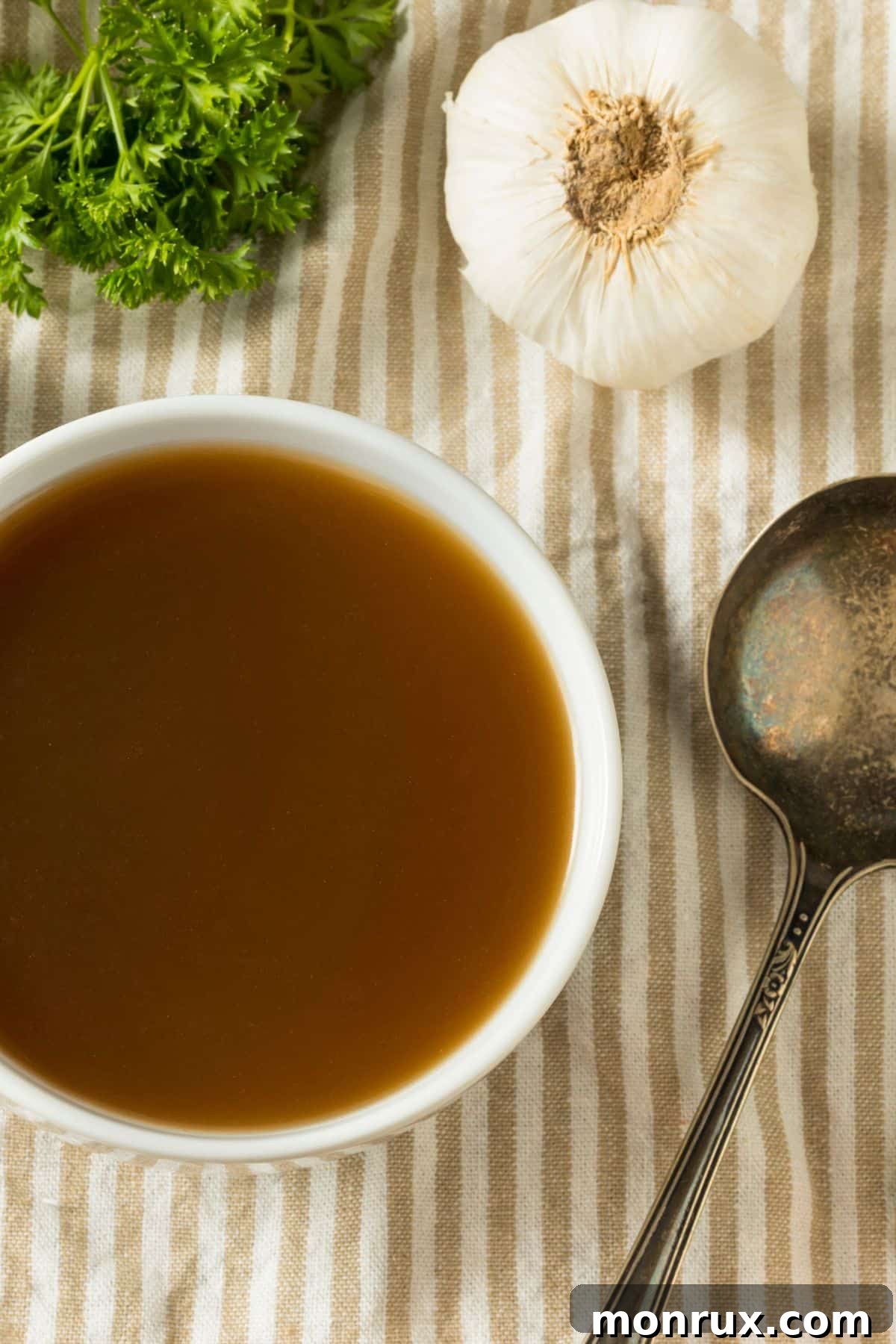
Beef Broth Substitute Options
Beef broth, often interchangeable with beef stock, is a foundational ingredient in many kitchens, revered for its ability to infuse dishes with a robust, meaty flavor. It serves as an excellent base for gravies, a rich liquid for braising meats and vegetables, and a key component in classic recipes like French onion soup, beef stroganoff, or a hearty shepherd’s pie. Its depth comes from simmering beef bones, meat, and aromatic vegetables for hours, extracting collagen and essential flavors that contribute to a dish’s overall richness and mouthfeel.
However, running out of beef broth is a common kitchen predicament. The good news is that you don’t need to abandon your recipe or make a special trip to the store. A variety of readily available ingredients can step in, offering similar savory qualities, or at least a suitable liquid base that can be enhanced to mimic beef broth’s complexity. When selecting a substitute, consider the overall flavor profile of your dish, any dietary restrictions (such as vegan or gluten-free needs), and how much the “beefy” flavor is truly essential versus simply providing a savory liquid. With a little creativity and a few adjustments, you can successfully adapt your recipe using one of these reliable alternatives.
1. Chicken Broth: A Versatile Alternative

Chicken broth, or chicken stock, is arguably the most common and accessible substitute for beef broth. Its mild, savory flavor makes it a versatile stand-in that won’t overpower your dish. While it lacks the distinctive “beefiness,” its foundational umami notes and liquid consistency provide an excellent starting point for many recipes.
How to Substitute: To use chicken broth effectively, especially in dishes where a deeper flavor is desired, consider simmering it on the stovetop until it has reduced by about half. This process concentrates its existing flavors, making it richer and more robust. For every one cup of beef broth required, you would use one cup of this reduced chicken broth or stock.
Enhancement Tips: To bridge the flavor gap and bring it closer to beef broth, you can add a few drops of Worcestershire sauce or a splash of soy sauce. Both ingredients contribute a deep, savory, and slightly tangy (Worcestershire) or salty (soy sauce) umami punch that can mimic some of beef broth’s characteristics. A pinch of dried mushrooms or mushroom powder can also add an earthy depth. Additionally, incorporating beef bouillon paste or a small amount of Marmite/Vegemite (if available) can significantly enhance the beef-like flavor.
Best Use Cases: Chicken broth works exceptionally well in dishes where beef is present but not the sole star, such as general soups, stews, casseroles, or when braising vegetables. It’s also a good choice for lighter beef dishes or those with strong seasonings that will overshadow the broth’s base flavor.
Pros: Widely available, affordable, versatile, and generally has a neutral flavor that can be easily adapted.
Cons: Lacks the inherent depth and specific flavor profile of beef broth, potentially requiring additional seasonings to compensate.
2. Vegetable Broth: The Vegan-Friendly Choice

For those seeking a plant-based alternative or simply looking for a lighter option, vegetable broth or vegetable stock is an excellent choice. Made by simmering various vegetables and herbs in water, it provides a clean, savory base that can easily be adapted for different dishes. It’s a fantastic option if you want to keep your meal vegetarian or vegan.
How to Substitute: Vegetable broth can be substituted in equal amounts for beef broth. For instance, if your recipe calls for one cup of beef broth, use one cup of vegetable broth.
Enhancement Tips: While vegetable broth offers a good savory foundation, it can sometimes lack the richness and specific umami notes found in beef broth. To enhance its depth, consider adding a beef-flavored vegetarian bouillon cube or powder. Other excellent additions include a splash of dark soy sauce, a teaspoon of nutritional yeast for a cheesy/savory flavor, a dash of smoked paprika for a hint of smokiness, or dried porcini mushroom powder for an earthy, umami boost. Caramelizing some onions or adding a bit of tomato paste to your recipe can also contribute a deeper, richer color and flavor.
Best Use Cases: Vegetable broth is ideal for any dish where you want a savory liquid without the meat undertones. It’s perfect for vegetable soups, stews, rice dishes like risotto, or even as a braising liquid for plant-based proteins. It’s particularly useful when adapting traditional beef recipes for vegetarian guests.
Pros: Vegan and vegetarian-friendly, widely available, easy to make at home, and provides a neutral yet savory base.
Cons: Lacks the specific meaty flavor and richness of beef broth, requiring additional seasonings to build complexity.
3. Beer: Unexpected Depth of Flavor

Believe it or not, certain types of beer can make an excellent and surprisingly effective substitute for beef broth, especially in heartier dishes. The complex flavors found in beer – including bitterness from hops and rich, malty notes – can mimic some of the depth and body of beef broth, adding a sophisticated dimension to your cooking.
Which Beer to Choose: When substituting beer for beef broth, the type of beer matters significantly. Darker beers like stout, porter, or dark ale are the best choices. Their roasted malt characteristics, often with hints of coffee, chocolate, or caramel, provide a robust and savory profile that complements beef dishes beautifully. Avoid lighter lagers or overly hoppy IPAs, as their flavors might clash or become too prominent.
How to Substitute: To use beer as a substitute, it’s crucial to reduce it. Simmer the beer on the stovetop until the liquid is reduced by at least half. This process concentrates the flavors and cooks off much of the alcohol, preventing the dish from becoming overly bitter or “beery.” For one cup of beef broth, start with one cup of beer and reduce it to about half a cup, then top up with water or another mild broth if needed to reach the desired liquid volume.
Best Use Cases: Beer works exceptionally well in braises, stews, chili, and rich sauces. It pairs particularly well with red meats, enhancing their natural flavors and adding a wonderful complexity. Think beef bourguignon or a hearty beef and Guinness stew.
Dietary Considerations: Most beers are not gluten-free, so this substitute is not suitable for individuals with gluten sensitivities or celiac disease. However, there are now many excellent gluten-free beers available that could be used as an alternative.
Pros: Adds unique depth and richness, enhances meaty flavors, and can be a pantry staple for many.
Cons: Not suitable for gluten-free diets (unless using GF beer), requires reduction, and the flavor profile might not be universally appealing or suitable for all delicate dishes.
4. Liquid Aminos: A Healthier Umami Boost

Liquid aminos, such as Bragg Liquid Aminos or coconut aminos, offer a fantastic savory alternative to beef broth, especially if you’re looking for a low-sodium, gluten-free, or vegan option. These seasonings are derived from soybeans (Bragg) or coconut sap (coconut aminos) and provide a rich, umami flavor similar to soy sauce, but often milder and less salty.
Flavor Profile and Benefits: Liquid aminos contribute a profound savory depth without an overpowering beefy taste, allowing other flavors in your dish to shine. They are an excellent choice for those mindful of their salt intake, as they typically contain less sodium than traditional soy sauce or some beef broths. Additionally, both Bragg and coconut aminos are naturally gluten-free and vegan, making them suitable for a wide range of dietary needs.
How to Substitute: Due to their concentrated flavor, liquid aminos should not be used in a 1:1 ratio. A good starting point is to use half the amount of liquid aminos mixed with an equal amount of water. For example, to substitute one cup of beef broth, combine 1/2 cup of liquid aminos with 1/2 cup of water. You can always adjust the ratio to taste, adding more water if it’s too strong or a bit more aminos if you need more depth.
Enhancement Tips: While liquid aminos provide umami, they don’t have the same body as beef broth. To add richness, you could combine them with a small amount of mushroom broth, a dash of nutritional yeast, or even a tiny bit of red wine for complexity. They work particularly well when you’re aiming for a robust, savory flavor without relying on animal products.
Best Use Cases: Liquid aminos are excellent in marinades, stir-fries, sauces, and as a seasoning for grains or vegetables. They can also be incorporated into soups and stews to boost their savory notes. They are especially useful in vegan beef recipes, providing a delicious meaty undertone without actual meat.
Pros: Vegan, gluten-free, often lower in sodium, provides significant umami, and is shelf-stable.
Cons: Highly concentrated flavor requires dilution, lacks the body and specific beef flavor of traditional broth, and might not be a common pantry item for everyone.
5. Bouillon Cubes & Granules: Convenient Concentrates

Bouillon cubes, powders, or granules are perhaps the most direct and convenient beef broth substitutes. These concentrated flavor boosters are designed specifically to replicate the taste of broth when dissolved in hot water. They are excellent pantry staples for when you need beef broth in a pinch and don’t have any liquid broth on hand.
How They Work: Bouillon products are essentially dehydrated broth, typically made from meat extracts, salt, flavorings, and sometimes vegetable components. They come in various forms, including cubes, powders, and pastes (like Better Than Bouillon). Beef-flavored bouillon is specifically formulated to mimic the taste of beef broth.
How to Substitute: The instructions are usually provided on the packaging, but a general rule is to dissolve one bouillon cube or one teaspoon of granules in one cup of boiling water to create the equivalent of one cup of beef broth. Always check the packaging for precise ratios, as concentration can vary between brands.
Important Considerations (Sodium): One of the main drawbacks of bouillon is its high sodium content. It’s crucial to adjust the amount of salt you add to your recipe when using bouillon as a substitute. Taste your dish before adding any extra salt, as the bouillon alone might provide enough seasoning. Low-sodium bouillon options are also available if you’re managing your salt intake.
Enhancement Tips: While convenient, bouillon can sometimes have a slightly artificial taste compared to homemade broth. To improve its flavor, consider adding a pinch of dried herbs (like thyme or bay leaf), a dash of Worcestershire sauce, or a small amount of roasted garlic paste. Using a high-quality bouillon paste (like “Better Than Bouillon”) often yields a more authentic and less salty flavor than cubes or powders.
Best Use Cases: Bouillon is ideal for quick soups, stews, gravies, or any recipe where you need to add a beefy flavor and moisture without having liquid broth readily available. It’s also excellent for seasoning rice or other grains.
Pros: Extremely convenient, long shelf life, specifically designed to taste like beef broth, and very affordable.
Cons: Often high in sodium, can sometimes have a less nuanced flavor than real broth, and may contain artificial ingredients or allergens for some.
6. Mushroom Broth: A Natural Earthy Richness
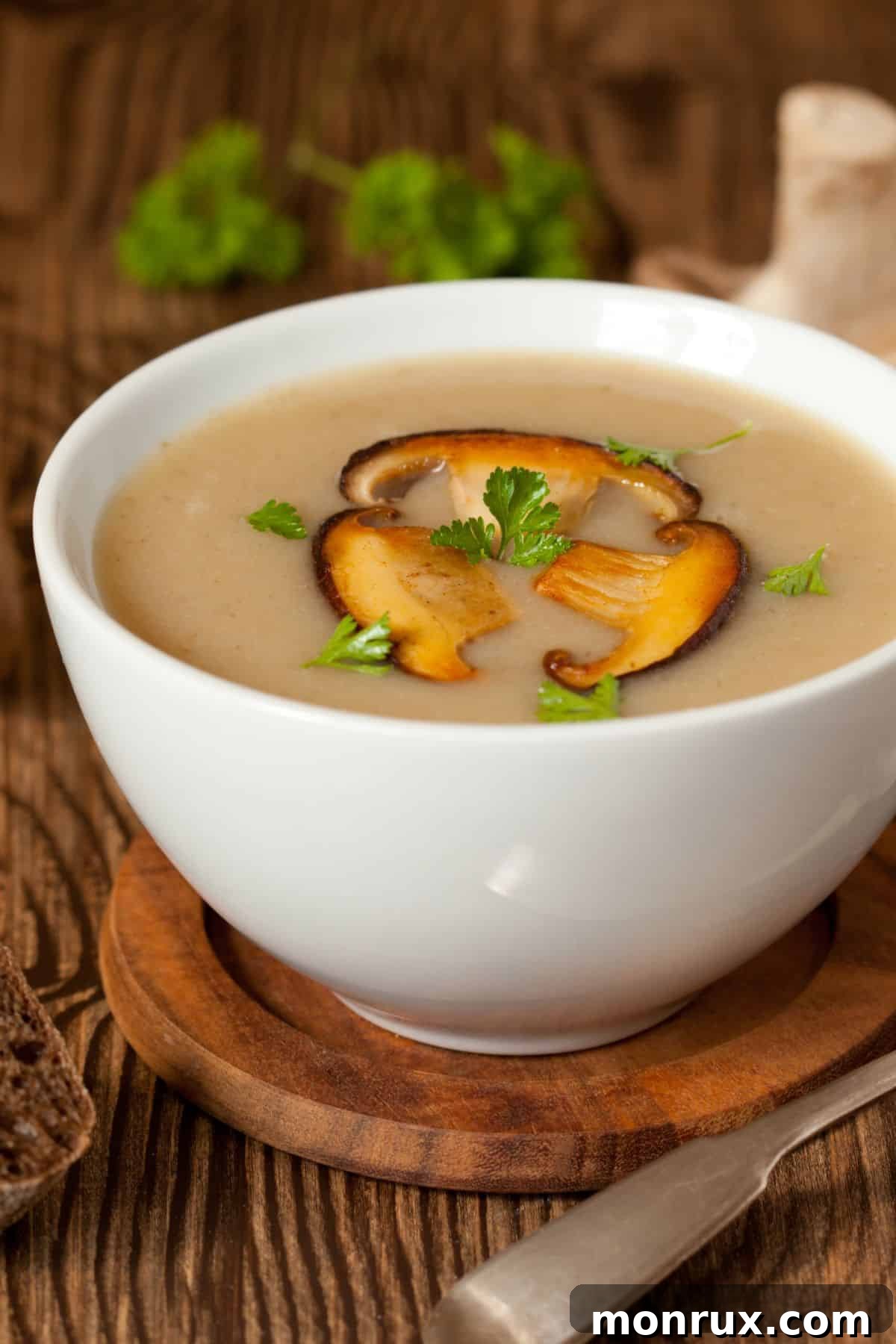
For a deep, earthy, and highly savory (umami) flavor that closely rivals beef broth, mushroom broth is an exceptional choice. The rich notes derived from mushrooms provide a profound depth that can be surprisingly similar to the meaty characteristics of beef broth, making it a favorite among vegetarians and meat-eaters alike.
Flavor Profile: Mushroom broth, especially when made with dried varieties like porcini, shiitake, or cremini, delivers a robust umami punch that adds richness and complexity to any dish. It has a hearty, savory character that can stand in beautifully for beef broth without any animal products.
How to Make or Buy: You can easily make mushroom broth at home by simmering dried or fresh mushrooms (along with aromatics like onions, garlic, and herbs) in water for about 30 minutes, then straining. The liquid from rehydrating dried mushrooms can also be used as a concentrated mushroom broth. High-quality mushroom broths are also increasingly available in grocery stores, often alongside vegetable broths.
How to Substitute: Use an equal amount of prepared or homemade mushroom broth for beef broth. For example, if your recipe calls for one cup of beef broth, use one cup of mushroom broth.
Enhancement Tips: To further enhance its beef-like qualities, especially for specific recipes, you might add a splash of dark soy sauce, a small amount of tomato paste, or even a touch of Marmite/Vegemite for an extra layer of savory depth. A pinch of black pepper and a bay leaf can also round out the flavors beautifully.
Best Use Cases: Mushroom broth shines in risotto, gravies, French onion soup (for a vegetarian version), stews, and any recipe where you want to add a deep, rich, savory foundation. It’s particularly effective in dishes that might benefit from its earthy undertones, like mushroom and barley stew or a hearty vegetarian chili.
Pros: Vegan and vegetarian-friendly, provides excellent umami and depth of flavor, easy to make, and readily available in stores.
Cons: Can be slightly more expensive than other broths, and its distinct earthy flavor might not be suitable for all dishes where a neutral base is preferred.
Bonus Beef Broth Replacements
If the above options aren’t available, or you’re looking for even more specialized replacements, consider these additional alternatives to achieve a savory, rich base:
- Dried Herbs and Spices with Water: Simmering dried herbs like bay leaves, thyme, rosemary, or even a pinch of smoked paprika and black pepper in water can create an aromatic, savory liquid. While it won’t have the body of broth, it adds flavor to your dish. You can also add a small amount of tomato paste for a deeper color and tang.
- Red Wine: Similar to beer, red wine can provide a rich, complex liquid, especially for braised dishes and reductions. Opt for dry red wines like Cabernet Sauvignon or Merlot. Reduce the wine significantly to mellow its acidity and concentrate its flavors. Use about half the amount of wine as you would broth, and make up the difference with water or a mild broth.
- White Wine: For lighter beef dishes, or when you want a touch of acidity and fruitiness, a dry white wine like Sauvignon Blanc or Pinot Grigio can be used. Again, reduce it to concentrate flavors and cook off the alcohol.
- Miso Paste with Water: Miso paste, a fermented soybean paste, is an umami powerhouse. Dissolve a tablespoon or two of dark miso paste (like red miso) in a cup of hot water for a deeply savory, slightly salty broth. It’s an excellent vegan option. Adjust the amount based on desired intensity and saltiness.
- Steak Sauce: A small splash of steak sauce (like A1 or Worcestershire sauce) can add a quick burst of savory, tangy, and slightly sweet flavor. It’s best used as an additive to a base like water or vegetable broth, rather than a standalone substitute.
- Soy Sauce: A little soy sauce can add a concentrated umami and salty kick, similar to liquid aminos. Dilute it with water (e.g., 1 tablespoon soy sauce per cup of water) and use sparingly, adjusting other salty ingredients in your recipe.
- Non-Alcoholic Beer: For those who enjoy the malty notes of beer but want to avoid alcohol, non-alcoholic beers (especially darker varieties) can be reduced and used similarly to regular beer, providing a savory, slightly bitter base.
- Homemade Beef Stock (if time permits): If you have beef bones on hand and time to spare, making a quick beef stock is always the best option. Simmer roasted beef bones with aromatics for a few hours to yield a truly authentic and rich base.
Pros and Cons of Each Substitute
Here’s a concise summary of the advantages and disadvantages of each beef broth alternative, helping you make an informed decision for your culinary needs.
| Substitute | Pros | Cons |
|---|---|---|
| Chicken Broth | Widely available, versatile, mild flavor easily adaptable. Can be enhanced with reduction or additions like Worcestershire/soy sauce. | Lacks natural “beefy” flavor, might require extra seasoning to mimic beef broth’s depth. |
| Vegetable Broth | Vegan/vegetarian-friendly, provides a clean savory base, easy to find or make. | Lacks the richness and meaty umami of beef broth; needs significant enhancement for beef-like flavor. |
| Beer (Dark) | Adds complex richness, malty notes, and bitterness similar to beef broth. Great for heartier dishes. | Not gluten-free (unless using GF beer), requires reduction to concentrate flavors and remove alcohol, specific beer choice is crucial. |
| Liquid Aminos | Vegan, gluten-free, lower sodium alternative with potent umami flavor. | Concentrated flavor requires dilution, lacks the body and full beef-specific flavor, not always a common pantry item. |
| Bouillon Cubes/Granules | Extremely convenient, long shelf life, specifically formulated for beef flavor. | Often very high in sodium (requires seasoning adjustment), can taste less nuanced or more artificial than liquid broth. |
| Mushroom Broth | Provides deep, earthy umami and richness similar to beef broth, vegan-friendly. | Distinct mushroom flavor might not suit all recipes, can be slightly more expensive than other broths. |
Choosing the Best Broth Alternative
When you’re faced with an empty carton of beef broth, don’t despair! As this guide demonstrates, there’s a wealth of viable substitutes, each offering its own unique contribution to your dish. The “best” alternative ultimately depends on a few key factors: the specific recipe you’re making, the depth of beef flavor you’re aiming for, and any dietary preferences or restrictions you might have.
For a quick and versatile stand-in, chicken or vegetable broth are excellent starting points, easily enhanced with a few extra seasonings. If you’re looking for bold, rich flavors in a hearty stew or braise, don’t shy away from dark beer or a robust mushroom broth. And for those seeking a healthier, vegan, or gluten-free umami kick, liquid aminos or miso paste can be culinary game-changers.
Remember, cooking is an art that thrives on experimentation. Don’t be afraid to try different combinations or tweak the suggested ratios. A dash of Worcestershire sauce here, a sprinkle of dried mushrooms there – these small adjustments can transform a simple substitute into a truly exceptional flavor base. With these comprehensive options and tips in hand, you’re now equipped to confidently tackle any recipe, even when beef broth isn’t on the menu, ensuring your meals are always packed with delicious, satisfying flavor.
More Culinary Substitute Guides You Might Like
Don’t forget to join my newsletter list to get exclusive clean eating recipes and tips. The newsletter is 100% free with no spam; unsubscribe anytime.
About the Author: Carrie Forrest has a master’s degree in public health with a specialty in nutrition and is a certified holistic nutritionist. She is a top wellness and food blogger with over 5 million annual visitors to her site. Carrie has an incredible story of recovery from chronic illness and is passionate about helping other women transform their health. Send her a message through her contact form.