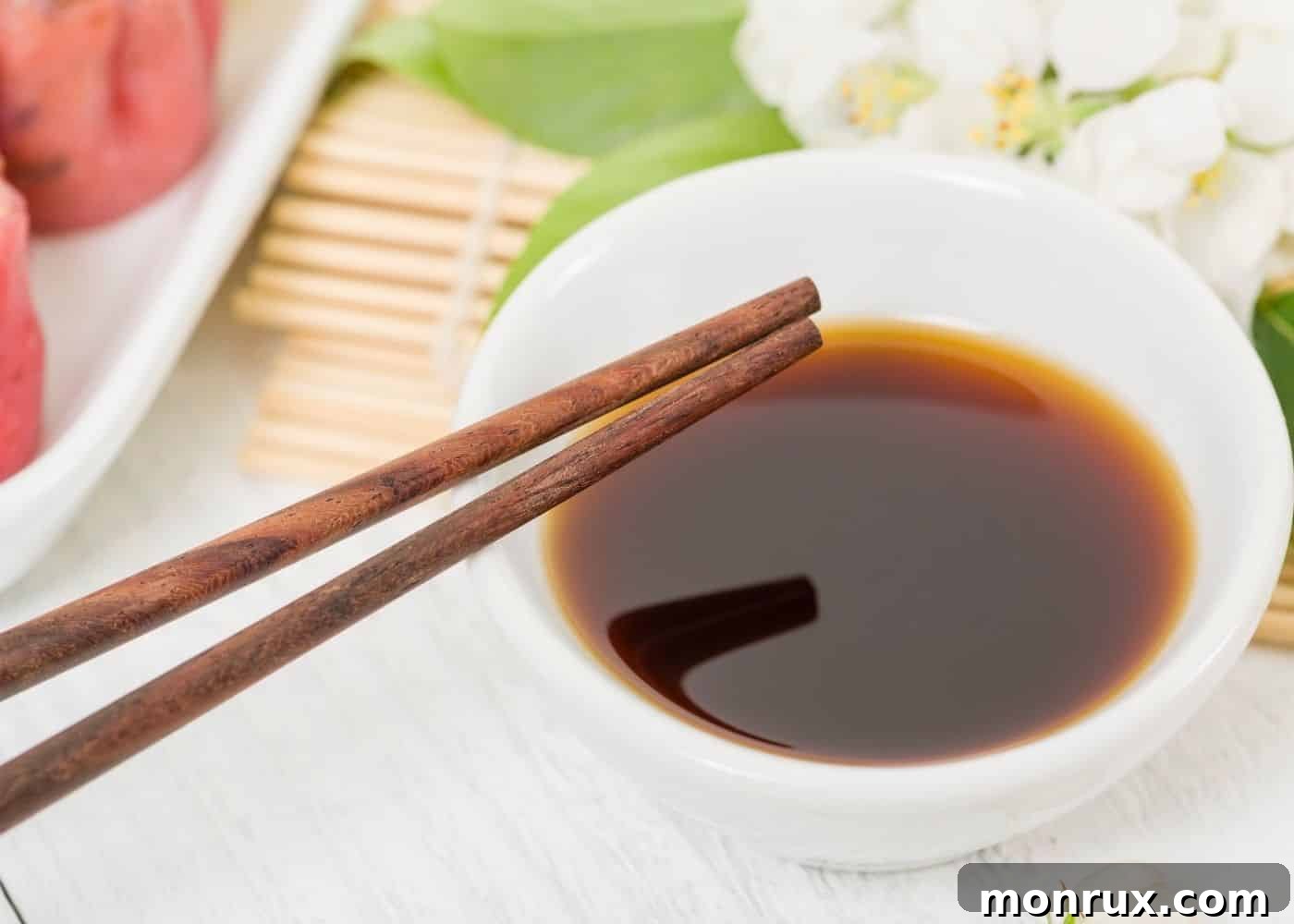
Coconut Aminos has emerged as a beloved staple in health-conscious kitchens, celebrated for its savory depth and versatility. This naturally gluten-free and soy-free seasoning offers a delicious alternative to traditional soy sauce, making it a favorite for those managing food sensitivities or simply seeking healthier options. But what happens when your recipe calls for coconut aminos, and your pantry shelf is bare? Don’t let a missing ingredient derail your culinary plans! This comprehensive guide explores the unique benefits of coconut aminos and unveils the best, most effective substitutes that will keep your dishes flavorful and your dietary needs met.
Benefits of Using Coconut Aminos
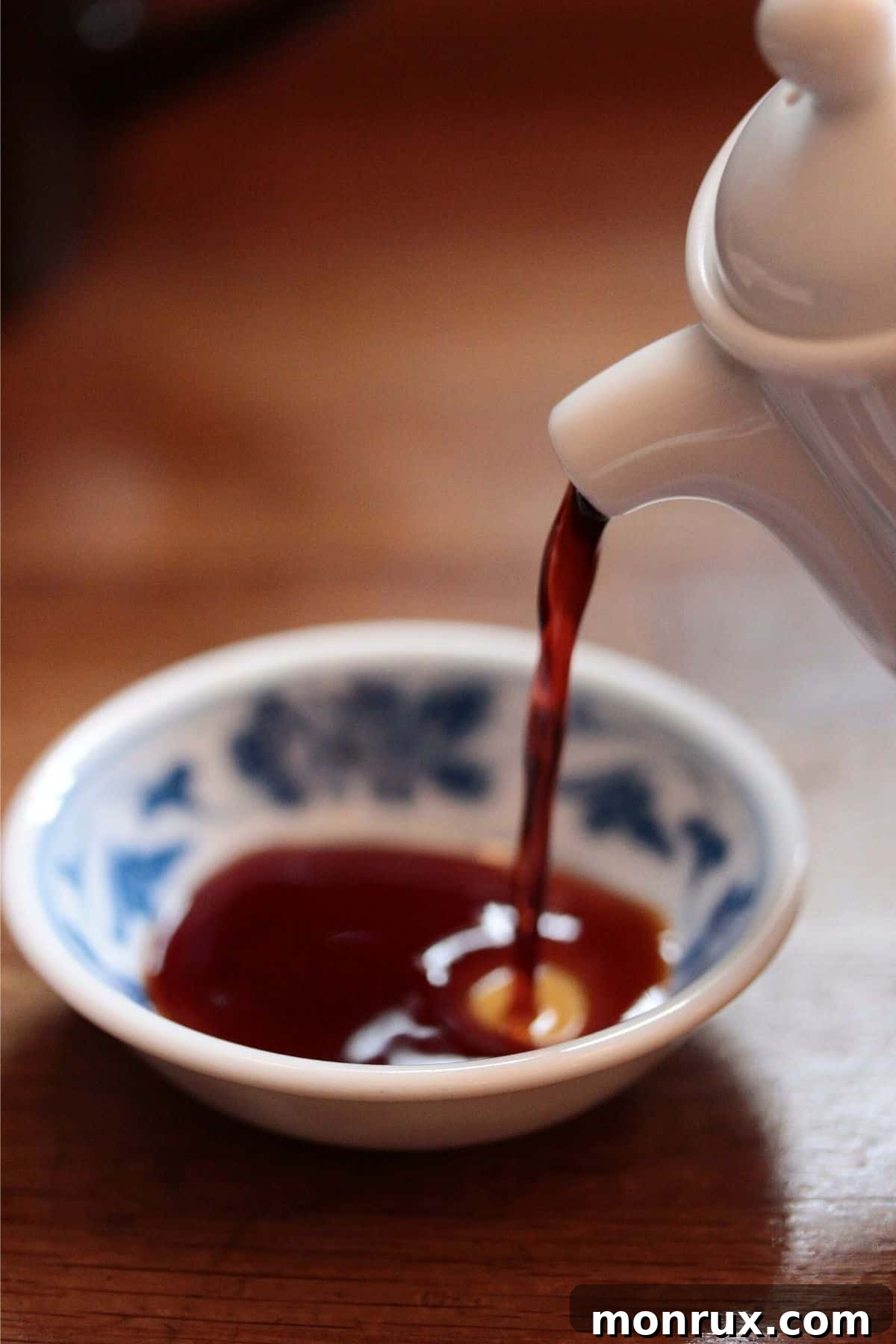
Coconut Aminos is much more than just a trending ingredient; it’s a powerhouse of flavor and a friend to diverse dietary needs. Derived from the fermented sap of the coconut palm, this condiment boasts an impressive nutritional profile and taste characteristics that set it apart.
One of its most significant advantages is its composition: naturally free from common allergens like soy and gluten. This makes it an ideal choice for individuals with celiac disease, gluten intolerance, soy allergies, or those following specific dietary protocols like Paleo, Keto, or Whole30. It allows them to enjoy rich, savory flavors without compromise.
Beyond being allergen-friendly, coconut aminos also offers a notable health benefit concerning sodium intake. On average, it contains up to 73 percent less sodium compared to traditional soy sauce. Reducing sodium is a widely recommended practice for maintaining cardiovascular health and managing blood pressure. For many, this lower sodium content makes coconut aminos a preferable everyday seasoning without sacrificing taste.
Despite its coconut origin, don’t expect a tropical flavor! Coconut aminos surprises many with its distinct taste profile: a mild, slightly sweet, and wonderfully savory flavor reminiscent of a delicate soy sauce. This unique blend contributes a profound “umami” quality to dishes, a fifth basic taste often described as savory or meaty, which enhances overall flavor complexity and satisfaction. It enriches everything from marinades and stir-fries to dressings and dipping sauces, adding depth without overpowering other ingredients.
Its natural fermentation process also means it’s packed with amino acids – the building blocks of protein – which are essential for various bodily functions. While not a primary source of protein, this amino acid richness contributes to its nutritional value and its ability to enhance flavor through complex savory notes.
Choosing the Right Substitute: Key Considerations
When you’re faced with an empty bottle of coconut aminos, reaching for a substitute is a practical solution. However, it’s crucial to select the right alternative, one that not only mimics the flavor profile but also aligns with any specific dietary requirements of your recipe or your guests. Before diving into our top recommendations, consider these important factors:
- Gluten-Free Needs: If your original recipe called for coconut aminos specifically for its gluten-free nature (e.g., for celiac disease or gluten sensitivity), ensure your chosen substitute is also certified gluten-free. Many soy-based products contain wheat.
- Soy Allergies/Sensitivities: Coconut aminos is a popular choice for those avoiding soy. If soy is a concern, traditional soy sauce, liquid aminos, and even some oyster sauces will not be suitable. Prioritize soy-free options.
- Sodium Content: Coconut aminos is celebrated for its lower sodium levels. If you’re monitoring sodium intake, opt for low-sodium versions of substitutes or adjust the amount you use to compensate for a saltier product.
- Vegan/Vegetarian Diet: Some substitutes, like oyster sauce or Worcestershire sauce, contain animal products. If you’re preparing a vegan or vegetarian dish, look for plant-based alternatives or adapt your choice accordingly.
- Flavor Profile: While we aim for similar results, each substitute has its own nuances. Consider the overall flavor of your dish and how a slightly sweeter, saltier, or tangier alternative might impact it.
- Recipe Application: Think about how the coconut aminos was intended to be used. Is it a marinade, a stir-fry sauce, a dipping sauce, or an ingredient in a stew? The thickness and intensity of the substitute might matter.
By keeping these points in mind, you can confidently choose a substitute that ensures your dish is both delicious and safe for everyone to enjoy.
Top Substitutes for Coconut Aminos
When you’re out of coconut aminos, don’t despair! There’s a wide range of excellent alternatives that can save your dish. Here are some of the best options, each with its own unique characteristics and best uses.
1. Liquid Aminos
Bragg’s Liquid Aminos is often considered the closest flavor match to coconut aminos, making it a highly popular and convenient substitute. This product is typically made from non-GMO soybeans and purified water, undergoing a special process that breaks down the soy protein into naturally occurring amino acids.
Key Considerations: While liquid aminos is naturally gluten-free and wheat-free, it is derived from soy. This means it is NOT suitable for anyone with a soy allergy or sensitivity, which is a primary reason many people opt for coconut aminos in the first place. Always check the label to confirm ingredients if soy is a concern.
Another important distinction is its sodium content. Bragg Liquid Aminos is surprisingly high in sodium – often even higher than traditional soy sauce. If your goal is to reduce sodium in your diet, this might not be your ideal substitute. However, if soy-free is not a requirement and you’re simply looking for a gluten-free soy sauce alternative, it’s an excellent choice.
Flavor Profile: Liquid aminos shares that desirable umami quality with coconut aminos, but it’s generally a little saltier and slightly less sweet. It delivers a robust, savory flavor that can instantly elevate Asian-inspired dishes, marinades, salad dressings, and soups.
Substitution Ratio: You can typically use Bragg Liquid Aminos in a 1:1 ratio for coconut aminos. However, given its saltier taste, it’s wise to start with slightly less than the recipe calls for (e.g., 3/4 teaspoon for every 1 teaspoon of coconut aminos) and then taste and adjust. You can always add more, but you can’t take saltiness away! If you find it too salty or lacking the sweetness of coconut aminos, you can balance it with a tiny pinch of sugar, maple syrup, or honey.
Fun Fact: Patricia Bragg, daughter of the founder of Bragg Live Food Products, was known for carrying a bottle of Bragg’s in her purse! This demonstrates the brand’s long-standing reputation for wholesome food products, often found in health food stores and major grocery chains.
2. Soy Sauce
The quintessential Asian condiment, soy sauce, is a readily available and widely recognized substitute for coconut aminos in terms of its savory, umami flavor. Traditional soy sauce is produced by fermenting soybeans and roasted wheat with brine and yeast, resulting in its distinctive dark color and rich taste.
Key Considerations: It’s crucial to remember that traditional soy sauce contains both soy and wheat, making it unsuitable for individuals with soy allergies, gluten intolerance, or celiac disease. If these dietary restrictions are a concern, you must avoid regular soy sauce. For those who are not sensitive to gluten or soy, it remains a viable option.
Traditional soy sauce also has a significantly higher sodium content than coconut aminos. If reducing sodium is a priority, opt for low-sodium soy sauce varieties, which can contain up to 25-40% less salt than their regular counterparts. Even with low-sodium versions, you might still want to adjust the quantity to prevent over-salting your dish.
Flavor Profile: Soy sauce has a more intense, robust, and decidedly saltier flavor compared to the milder, sweeter notes of coconut aminos. It delivers a strong umami punch that can dramatically alter the overall taste of your dish if not used carefully.
Substitution Ratio: While you can use soy sauce in a 1:1 ratio as a direct substitute for coconut aminos, it’s highly recommended to start with less – perhaps 1/2 to 3/4 of the amount specified in the recipe. Taste as you go and add more if needed. To better mimic the sweetness of coconut aminos, you might consider adding a small amount of a natural sweetener like maple syrup, honey, or a pinch of brown sugar alongside the soy sauce. This can help to balance the sharper, saltier profile of soy sauce and bring it closer to the original ingredient’s character.
Soy sauce is excellent in stir-fries, marinades for meats and vegetables, dipping sauces, and as a general seasoning in various savory dishes where its bold flavor is welcome.
3. Tamari
For those seeking the familiar savory depth of soy sauce without the gluten, tamari is an ideal choice and a fantastic substitute for coconut aminos. Tamari is a Japanese variety of soy sauce, but unlike its common counterpart, most brands are produced with little to no wheat during the fermentation process. This makes it a widely accepted gluten-free alternative.
Key Considerations: The primary benefit of tamari is its gluten-free status. However, it is still a soy-based product. Therefore, if you have a soy allergy or sensitivity, tamari will not be a suitable substitute for you. Always double-check the label to ensure it explicitly states “gluten-free” (many brands, like this organic gluten-free tamari, are clearly marked).
In terms of sodium, tamari generally has a similar or slightly lower sodium content than regular soy sauce, but it is still higher than coconut aminos. Low-sodium tamari options are also available if you are monitoring your salt intake.
Flavor Profile: Tamari is typically darker in color than regular soy sauce and boasts a richer, more complex, yet often milder and less salty flavor profile. It has a pronounced umami taste but without the sometimes harsh saltiness of standard soy sauce. Its texture is also often slightly thicker, making it particularly popular as a dipping sauce for sushi or dumplings, as well as an excellent cooking ingredient.
Substitution Ratio: Because tamari is still somewhat saltier and less sweet than coconut aminos, it’s best to use a little less than the recipe specifies when substituting. Start with approximately 3/4 of the called-for amount of coconut aminos and taste. You can easily add more if you desire a stronger flavor. If you want to replicate the subtle sweetness of coconut aminos, a small addition of maple syrup or honey can help balance the flavors. Tamari shines in stir-fries, glazes, marinades, and any dish requiring a deep, savory foundation.
4. Dried Mushrooms
For a completely soy-free, gluten-free, and naturally low-sodium alternative that still delivers that coveted umami punch, dried shiitake mushrooms are an unexpectedly brilliant substitute for coconut aminos. These humble fungi are a secret weapon in many cuisines for adding profound depth and savory notes to dishes, making them ideal for anyone with significant dietary restrictions.
Key Considerations: Dried mushrooms are a fantastic choice for those who need to avoid soy, gluten, and are mindful of sodium levels. They are naturally vegan and vegetarian. The main “consideration” here is that they require a bit more preparation than a liquid sauce, but the flavor reward is well worth it.
Flavor Profile: Dried shiitake mushrooms, when rehydrated or cooked, release intense earthy, woody, and powerfully savory flavors. This distinct umami quality is precisely what you’re looking for to replace the richness of coconut aminos. They don’t have the sweetness of coconut aminos, so you might want to adjust with a touch of sweetener if that’s a key part of your recipe.
Substitution Ratio and Method: You have two primary ways to utilize dried mushrooms as a substitute:
- Direct Addition: For dishes where texture is not an issue (like stews, soups, or sauces that will be strained or blended), you can finely chop dried mushrooms and add them directly to your dish. Allow approximately 1.5 tablespoons of finely chopped dried mushrooms for every tablespoon of coconut aminos. They will absorb liquid and soften, infusing your dish with their flavor. You may want to add a pinch of salt to enhance the overall taste, as mushrooms are naturally low in sodium.
- Mushroom Broth/Concentrate: This method creates a liquid that more closely mimics the consistency of coconut aminos. Soak dried shiitake mushrooms in hot water for at least 30 minutes, or even a few hours, until fully rehydrated. The resulting dark, flavorful liquid (the mushroom broth or “tea”) is incredibly rich in umami. You can then use this broth in a 1:1 ratio to replace coconut aminos. For a more concentrated flavor, you can reduce the broth by simmering it until it thickens slightly. Don’t discard the rehydrated mushrooms; they can be chopped and added to your dish for extra texture and flavor. Again, adding a touch of salt and perhaps a dash of apple cider vinegar or a sweetener can help round out the flavor profile to match coconut aminos more closely.
Dried mushrooms are incredibly versatile and can be stored in your pantry indefinitely, ensuring you always have an umami-rich secret ingredient on hand for stir-fries, braises, broths, and plant-based dishes.
5. Oyster Sauce
Oyster sauce, a staple in many Asian cuisines, offers a delicious blend of sweet and savory notes that can serve as an effective substitute for coconut aminos. It’s typically made by simmering oysters, caramelizing the resulting juices, and then adding sugar, salt, cornstarch (as a thickener), and sometimes soy sauce.
Key Considerations: The most significant consideration for oyster sauce is its origin: it’s made from oysters, meaning it is not suitable for vegan or vegetarian diets. However, there are excellent “vegetarian oyster sauce” alternatives available, which are typically mushroom-based (often made with shiitake mushrooms) and can be a fantastic plant-based substitute. Always check the label if you are vegan or vegetarian.
Regarding allergens, some brands of oyster sauce may contain added soy sauce or wheat-based thickeners, so it’s vital to check the ingredient list if you have soy or gluten sensitivities. Gluten-free varieties are increasingly available.
Oyster sauce is also relatively high in sodium, similar to soy sauce. If you’re managing sodium intake, look for low-sodium brands or adjust the quantity used in your recipe.
Flavor Profile: Oyster sauce delivers a rich, complex, and deeply savory umami flavor with a distinct sweetness and a glossy, thick texture. It offers a wonderful balance of salty and sweet that aligns well with the profile of coconut aminos, though it will introduce a slightly different character due to its seafood base (even if subtle).
Substitution Ratio: Due to its similarity in taste complexity, balance of sweet and salty, and texture (which can be a benefit in some dishes), oyster sauce can generally be used in a 1:1 ratio as a replacement for coconut aminos. However, because it can be thicker and sometimes a bit more potent, start with a slightly smaller amount and adjust to your taste preferences. Its thickness makes it particularly good for stir-fries, glazes for roasted meats, and braised dishes where a richer sauce is desired.
6. Worcestershire Sauce
While seemingly an unlikely candidate, Worcestershire sauce can be a surprisingly effective substitute for coconut aminos in a pinch, especially when you need to impart a deep, savory, umami flavor to a dish. This distinctive condiment, originating from England, is characterized by its complex blend of ingredients.
Key Considerations: Worcestershire sauce is made with a unique combination of anchovies, molasses, tamarind extract, vinegar (often malt vinegar), onions, garlic, and various spices. This means it is not suitable for vegan or vegetarian diets due to the anchovies. However, some vegetarian and vegan versions are available that use soy sauce or mushrooms instead of anchovies; always check the label carefully.
In terms of allergens, traditional Worcestershire sauce is generally soy-free but some brands may contain gluten, particularly if malt vinegar (derived from barley) is used. It’s crucial to check the ingredient list for gluten if you have a sensitivity. It is also relatively high in both sodium and sugar, so be mindful of these factors if they are dietary concerns.
Flavor Profile: Worcestershire sauce offers a very robust, tangy, savory, and subtly sweet flavor with a distinctive fermented depth. It doesn’t directly replicate the mild sweetness of coconut aminos, but it brings an undeniable umami richness and a unique complexity that can enhance savory dishes, providing that depth you’re seeking.
Substitution Ratio: Due to its strong and distinctive flavor, it’s advisable to start with a conservative amount when using Worcestershire sauce as a substitute. Begin with about half to 3/4 of the amount of coconut aminos called for in your recipe, then taste and adjust. You might find that its acidity and strong flavor require balancing with a touch of sweetness (like maple syrup or brown sugar) or another savory element to achieve the desired profile. It works particularly well in marinades for red meat, stews, chilis, savory sauces, and even in Caesar salad dressing or Bloody Marys, where its bold character can truly shine.
More Substitutes Articles You Might Like
- Best Substitutes for Olive Oil
- Best Substitutes for Garam Masala
- Best Substitutes for Ghee
- Best Substitutes for Marjoram
- Best Substitutes for Lemongrass
- Best Substitutes for Bay Leaves
- Best Substitutes for Oregano
- Best Substitutes for Sage
Conclusion
Running out of coconut aminos doesn’t have to put a halt to your culinary adventures. As we’ve explored, there’s a fantastic array of substitutes available, each offering a unique flavor profile and catering to different dietary needs. Whether you opt for the soy-based familiarity of liquid aminos or tamari, the umami depth of dried mushrooms, or the complex notes of oyster or Worcestershire sauce, you can confidently achieve a delicious result in your dishes.
The key to successful substitution lies in two simple steps: first, always consider the specific dietary requirements of your recipe and those who will be eating it (gluten-free, soy-free, low-sodium, vegan). Second, remember to taste and adjust! Start with a smaller amount of your chosen substitute and gradually add more, balancing flavors with sweeteners or other seasonings as needed, until you reach your desired taste. Experimentation is part of the fun of cooking, and you might even discover a new favorite flavor combination!
Don’t forget to join my newsletter list to get exclusive clean eating recipes and tips. The newsletter is 100% free with no spam; unsubscribe anytime.
About the Author: Carrie Forrest has a master’s degree in public health with a specialty in nutrition and is a certified holistic nutritionist. She is a top wellness and food blogger with over 5 million annual visitors to her site. Carrie has an incredible story of recovery from chronic illness and is passionate about helping other women transform their health. Send her a message through her contact form.