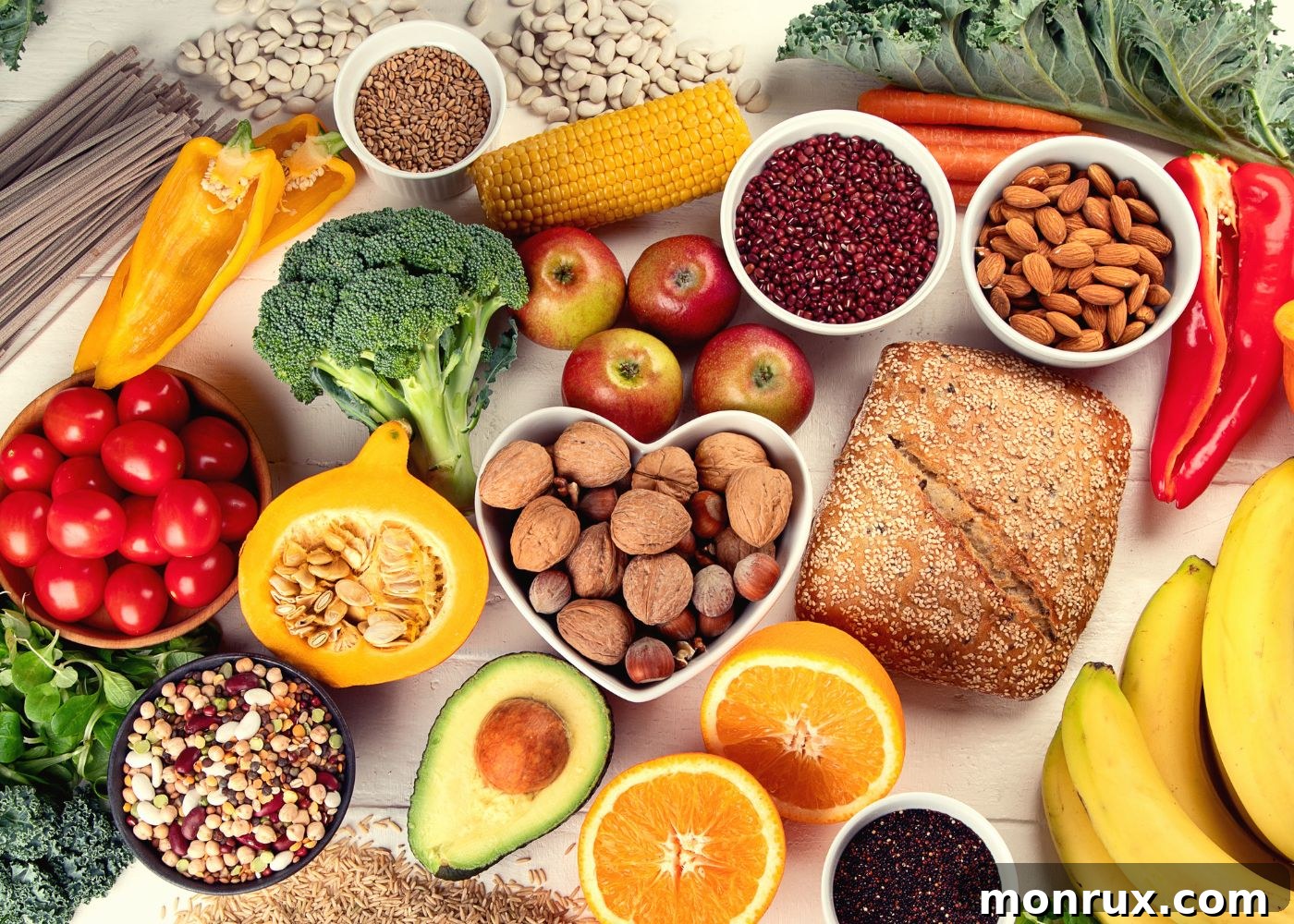
In a world saturated with processed foods and quick-fix diets, many are turning to the wisdom of the past for better health. The Ancestral Diet is a way of eating that emulates the nutritional patterns of our ancestors, focusing on whole, unprocessed foods that supported human health for millennia. If you’re looking to understand this foundational approach to nutrition, including its potential health benefits, who might thrive on it, and practical steps to begin, this comprehensive guide on the Ancestral Diet for Beginners will provide all the insights you need. Discover what to embrace and what to exclude as we explore a diet designed by evolution itself.
What is an Ancestral Diet?
The Ancestral Diet is a dietary approach rooted in the eating habits of our pre-agricultural ancestors, specifically focusing on the foods that would have been available to them through hunting, gathering, and traditional farming practices before the advent of industrial food processing. It’s a return to foundational nutrition, emphasizing whole, natural foods and avoiding modern processed ingredients.
While the core philosophy remains consistent, the specific composition of an ancestral diet can vary significantly based on the geographical location and climate where one’s ancestors lived. For example, communities near coastlines would have traditionally consumed abundant seafood, rich in omega-3 fatty acids and lean protein. In contrast, those living inland, particularly in colder climates, would have relied more heavily on red meat, organ meats, and animal fats for sustenance and energy. This adaptability highlights that the ancestral diet isn’t a rigid, universal plan but rather a flexible framework that respects bio-individuality and historical food availability.
The overarching principle, however, is clear: an ancestral diet prioritizes consuming whole, natural, and often organic foods, while strictly avoiding synthetic, heavily processed ingredients, refined sugars, and industrial seed oils. It shares many similarities with a Paleo diet, but typically offers a bit more flexibility, sometimes including certain traditionally prepared grains, legumes, or raw dairy products, depending on specific cultural lineage and tolerance. It’s less about strict adherence to one specific ancient culture’s diet and more about embracing a nutrient-dense, unprocessed eating pattern that aligns with human evolutionary biology.
Foods to Eat on an Ancestral Diet
An Ancestral Diet is built upon wholesome, nutrient-dense foods sourced directly from nature, untouched by industrialized processes. These are the foods our hunter-gatherer and early agricultural ancestors would have eaten – ingredients that were locally available, seasonal, and consumed in their most natural state. The emphasis is on quality and purity, prioritizing items that provide optimal nourishment without artificial additives or modifications.
While the precise ancestral food list can vary by region and cultural background, most interpretations of this diet advocate for a wide array of organic, unprocessed natural foods, including:
- Fresh Vegetables and Fruits: A diverse palette of all colors and types, providing essential vitamins, minerals, antioxidants, and fiber. Focus on seasonal and locally grown produce whenever possible. For colorful inspiration, explore Yellow Fruits, Purple Vegetables, Blue Vegetables, and Orange Vegetables.
- Grass-fed Meats and Animal Products: Beef, lamb, and other meats from animals raised on their natural diet are richer in beneficial fats (like conjugated linoleic acid – CLA) and micronutrients. This includes nutrient powerhouses like organ meats (liver, heart, kidney), which were highly prized by ancestors for their exceptional nutrient density.
- Pastured Chicken and Eggs: Poultry and eggs from birds allowed to roam and forage naturally offer superior nutritional profiles compared to conventionally raised counterparts, often higher in omega-3s and vitamin D.
- Nuts and Seeds: A source of healthy fats, protein, and fiber, consumed in moderation and ideally raw or lightly roasted. Examples include almonds, walnuts, chia seeds, and flax seeds.
- Healthy Fats: Naturally occurring fats are crucial. This includes cold-pressed oils such as avocado oil, extra virgin olive oil, and coconut oil. Traditional animal fats like lard and tallow from grass-fed animals are also highly valued for cooking and flavor.
- Wild-caught Seafood: Fish and shellfish from clean, wild waters provide high-quality protein, omega-3 fatty acids (EPA and DHA), and vital minerals like iodine and selenium.
- Grass-fed, Raw Dairy (Optional): For those who tolerate it, dairy from grass-fed cows, goats, or sheep, especially in its raw or fermented form (like kefir or yogurt), may be included. This is a point of divergence from stricter Paleo diets, acknowledging that some ancestral cultures consumed dairy.
- Fermented Foods: Traditional fermented foods like kimchi, sauerkraut, kombucha, and homemade pickles are excellent for gut health, offering beneficial probiotics that would have been common in ancestral diets.
- Beans and Legumes (Prepared Traditionally): While often excluded from strict Paleo, some ancestral diets, particularly those in agricultural societies, included legumes. When properly prepared (soaked, sprouted, or fermented) to reduce anti-nutrients, they can be a source of fiber and plant-based protein.
- Ancient Grains (Prepared Traditionally): Similar to legumes, grains like amaranth, kamut, teff, barley, and quinoa, especially when minimally processed and prepared using traditional methods (like soaking or sourdough fermentation), can be part of some ancestral eating patterns for those who tolerate them. This also distinguishes it from stricter Paleo approaches.
The key takeaway is to focus on ingredients as close to their natural state as possible, prioritizing quality, and considering local and seasonal availability to honor the principles of ancestral eating.
Foods to Avoid on an Ancestral Diet
Perhaps even more critical than knowing what to include is understanding the foods to strictly eliminate or severely limit on an ancestral diet. The modern Standard American Diet (SAD) is largely composed of substances that our ancestors never encountered and for which the human body is not optimally designed. These items are often highly processed, inflammatory, and contribute to a wide array of chronic health issues.
Foods to avoid or minimize on an ancestral diet typically include:
- Processed Foods: This category is broad and includes anything that has undergone significant industrial transformation. It encompasses most packaged snacks, ready meals, artificial sweeteners, and foods with long ingredient lists. These foods are often stripped of nutrients and loaded with unhealthy additives.
- Refined Grains: White flour products like bread, pasta, and pastries, as well as white rice, fall into this category. The refining process removes the fiber, vitamins, and minerals, leaving behind primarily starch that rapidly converts to sugar in the body.
- Refined Sugar and High-Fructose Corn Syrup: Found in countless processed foods, sugary drinks, and desserts, refined sugars contribute to inflammation, insulin resistance, and various metabolic disorders. Ancestral diets prioritize natural sweetness from whole fruits in moderation.
- Industrial Seed Oils: This includes common vegetable oils like corn oil, canola oil, soybean oil, sunflower oil, and safflower oil. These oils are highly processed, often high in unstable polyunsaturated fatty acids (PUFAs), and can promote inflammation when consumed in excess, particularly when heated.
- Alcohol: While some traditional cultures may have consumed fermented beverages, modern alcohol consumption, especially in excess, is generally avoided due to its toxic load on the liver, gut disruption, and empty calories.
- Fast Food: A quintessential example of ultra-processed, nutrient-poor, and often inflammatory food. Fast food combines many of the “avoid” categories into single meals, including refined grains, unhealthy fats, and excessive sugar.
For a clear example of how modern foods can be detrimental, consider researching why Premier Protein is Bad For You – it’s a prime illustration of an ultra-processed product marketed as healthy but falling short of ancestral principles.
By eliminating these modern food offenders, you create space for nutrient-dense, whole foods to nourish your body as it was intended.
Reasons to Consider an Ancestral Diet
In an era where dietary advice seems to change with every season, the question arises: why should we look back in time for our nutritional guidance? Why consider changing our diets to eat only the types of foods our ancestors had access to?
The fundamental answer lies in human evolution. Experts suggest that the human genome – our complete genetic blueprint – has undergone minimal changes since the emergence of modern early humans. This significant evolutionary lag means that our bodies remain genetically adapted to the foods consumed during the Paleolithic and pre-industrial eras. Our digestive systems, metabolic pathways, and immune responses are still largely calibrated for a diet of whole, unprocessed foods.
Furthermore, location and ancestry play a crucial role. Individuals whose ancestors lived in colder regions and primarily consumed diets rich in meat, dairy, and animal fats may have a genetic predisposition to better digest and absorb nutrients from these foods. This concept is explored in diets like the Animal-Based Diet, which shares some similarities with ancestral eating but often features a narrower focus on animal products.
It’s starkly evident that the contemporary Western diet, characterized by an abundance of refined ingredients, processed foods, and artificial additives, has done humanity few favors. Research consistently shows that unhealthy and “fast” foods have become cheaper, more widely available, and incredibly popular compared to the nutritious, whole meals our ancestors enjoyed. This shift, driven by convenience and mass production, has had profound consequences for public health.
The result has been an alarming increase in chronic illnesses globally, including widespread obesity, metabolic syndrome, type 2 diabetes, autoimmune diseases, and cardiovascular disease (heart disease). These conditions are often referred to as “diseases of civilization” because their prevalence surged dramatically with the adoption of modern dietary patterns.
Therefore, if you are struggling with lifestyle-related health issues, or simply seeking a more robust and resilient state of well-being, adopting a more ancestral-based approach to eating may offer a powerful path toward restoring balance and vitality. It’s an invitation to nourish your body with the foods it was designed to thrive on.
Potential Health Benefits of Ancestral Eating
Switching to an Ancestral Diet, which prioritizes organic, locally sourced, and unprocessed ingredients, offers a multitude of potential health advantages. Rather than viewing this as another fleeting fad diet, it’s more accurate to consider traditional diets as the way our bodies evolved to eat – a blueprint for optimal human health.
Embracing a diet rich in real, ancestral foods naturally leads to increased intake of essential nutrients, phytonutrients, and beneficial compounds often missing in modern diets. This fundamental shift can profoundly benefit overall health and well-being. Here are some of the key advantages of adopting the eating patterns of our hunter-gatherer ancestors:
1. Improved Gut Health
Mounting medical consensus highlights that our overall health hinges significantly on the efficiency of our digestion and the delicate balance of microorganisms, collectively known as the microbiome, residing in our digestive tract. A healthy gut is crucial for nutrient absorption, immune function, and even mental well-being.
The fiber-rich nature of an ancestral diet is a boon for the microbiome. It is believed to actively promote greater diversity in gut bacteria and significantly aid digestion. Whole, unprocessed plant foods provide prebiotics, which are essential nutrients that feed beneficial gut bacteria. This contrasts sharply with the modern diet, which is laden with refined grains and sugars that are often linked to the poor gut health prevalent today, contributing to dysbiosis and inflammation.
Many probiotic-rich foods, such as yogurt, sauerkraut, kefir, and kimchi, are integral to traditional diets across various cultures. Incorporating these fermented foods provides living beneficial bacteria, further enhancing gut flora balance and function.
2. Reduced Obesity and Healthy Weight Management
The pervasive modern diet, characterized by fast foods, excessive added sugars, and highly processed meals, is a primary driver behind the global obesity epidemic affecting developed nations like the United States. These foods are notorious for being calorically dense but nutritionally void, often referred to as “empty calories.” They contribute to weight gain without providing the essential micronutrients or satiety signals your body needs.
Furthermore, many processed foods are engineered to be hyper-palatable but unsatisfying, leading to increased cravings and a continuous cycle of unhealthy snacking. This often results in disrupted hunger hormones and a reduced ability to recognize true satiety.
In contrast, the ancestral diet is inherently rich in nutrient-dense whole foods and high-quality sources of lean protein and healthy fats. These components work synergistically to promote satiety, keeping you feeling fuller for longer periods and naturally reducing overall calorie intake. By focusing on real food, individuals often experience sustained energy levels without the dramatic blood sugar spikes and crashes associated with refined carbohydrates.
The typical outcome of adopting an ancestral eating pattern includes sustainable fat loss, improved muscle retention, and a healthier overall body composition. It encourages the body to utilize fat for fuel more efficiently, moving away from a constant reliance on easily digestible sugars.
3. Reduced Inflammation and Support for Autoimmune Disorders
Inflammation is the body’s natural and necessary response to infection, injury, or allergic reactions, typically manifesting as pain, swelling, and redness. This acute inflammatory process is self-limiting and designed to restore health. However, chronic inflammation is a vastly different phenomenon.
Unlike its acute counterpart, chronic inflammation persists indefinitely without a clear, resolvable trigger. Instead of aiding healing, it becomes a damaging force within the body, silently contributing to the development and progression of numerous chronic diseases. This systemic, low-grade inflammation can affect tissues and organs throughout the body.
Many elements of the modern diet, particularly refined grains, industrial seed oils, and added sugars, are strongly linked to promoting and sustaining chronic inflammation. These dietary components can disrupt gut integrity, trigger immune responses, and create an imbalanced metabolic environment that fuels inflammatory pathways.
Transitioning to an ancestral diet, which strictly eliminates these inflammatory ingredients and emphasizes whole, nutrient-dense foods, can lead to a significant reduction in systemic inflammation. This dietary shift can not only alleviate existing inflammatory symptoms but also help prevent a wide range of inflammation-related conditions. These include major chronic diseases such as certain cancers, heart disease, and metabolic syndrome, as well as autoimmune conditions like Type 1 diabetes, lupus, rheumatoid arthritis, and inflammatory bowel diseases. By calming the inflammatory cascade, the ancestral diet supports the body’s natural healing mechanisms and promotes overall resilience.
4. Enhanced Cognitive Function and Mental Clarity
The brain, a remarkably complex and energy-intensive organ, is profoundly dependent on a nourishing diet for its optimal overall health and performance. The foods we consume directly impact its structure, function, and even our mood and emotional well-being.
An ancestral diet, by virtue of its emphasis on nutrient-rich whole foods, provides a comprehensive array of essential vitamins, minerals, antioxidants, and healthy fats crucial for brain health. High-quality proteins support neurotransmitter production, while omega-3 fatty acids (found abundantly in wild-caught fish and grass-fed meats) are fundamental building blocks for brain cell membranes, crucial for communication between neurons.
Furthermore, the reduction of inflammatory foods and refined sugars in an ancestral diet helps to prevent blood sugar imbalances and oxidative stress, both of which can impair cognitive function and contribute to “brain fog.” By consistently supplying the brain with premium fuel and protecting it from damaging agents, an ancestral eating pattern can lead to improved focus, enhanced memory, greater mental clarity, and a more stable mood. It supports sustained cognitive performance and reduces the risk of neurodegenerative conditions over the long term.
5. Reduction in Chronic Diseases
Chronic diseases, encompassing conditions like type 2 diabetes, heart disease, various cancers, and autoimmune disorders, are often the culmination of a combination of factors including chronic inflammation, high blood pressure, insulin resistance, oxidative stress, and long-term nutritional deficiencies. The prevalence of these diseases has escalated dramatically in modern times, with reports from the CDC indicating that six in ten American adults live with at least one chronic disease.
The Ancestral Diet directly addresses many of the root causes of these health epidemics. By eliminating inflammatory processed foods and refined sugars, it helps to normalize inflammatory responses throughout the body. The emphasis on whole, unprocessed foods naturally supports stable blood sugar levels and improved insulin sensitivity, which are critical for preventing and managing type 2 diabetes.
Rich in fiber, healthy fats, and lean proteins, this diet contributes to maintaining healthy blood pressure and cholesterol profiles, significantly reducing the risk of cardiovascular disease. Furthermore, the abundance of vitamins, minerals, and antioxidants in ancestral foods supports cellular health, protects against oxidative damage, and bolsters the immune system.
Beyond simply providing nutrients, an ancestral diet, by improving gut health and digestive function, enhances the body’s ability to absorb and utilize these vital nutrients more effectively. This holistic approach makes the ancestral diet a powerful strategy for not only reducing the risk of developing chronic diseases but also potentially aiding in the management and even reversal of existing conditions, promoting long-term vitality and health span.
Risks and Considerations of the Ancestral Diet
While adopting an ancestral diet is generally seen as a health-promoting choice, it’s essential to approach it with thoughtful consideration. Making a dietary shift of this magnitude involves understanding potential challenges and tailoring the approach to individual needs. Here are a couple of important things to take into account before making the switch:
1. There is No “One-Size-Fits-All” Eating Plan
Unlike many commercial diets that provide very clear, prescriptive lists of what to eat and what to avoid, the ancestral diet’s specific recommendations can be more nuanced. While the list of foods to avoid (processed items, refined sugars, industrial oils) is quite consistent, determining the exact foods you should prioritize can be a bit more complex. This is because “ancestral” eating patterns varied immensely depending on the culture, climate, and geography of our forebears.
For example, an individual with Scandinavian ancestry might find that incorporating certain types of wild fish, fermented dairy, and root vegetables aligns well, while someone with African lineage might thrive on tubers, leaner game meats, and specific indigenous plants. The key is to concentrate on local and seasonal foods that haven’t been overly processed and align with your personal ancestral heritage and current tolerance. It encourages a deeper connection to your food sources and listening to your body’s unique responses.
When purchasing any packaged foods, meticulously read the labels. Prioritize ingredients that are recognizable, whole, and minimal. A good rule of thumb: avoid ingredients you can’t pronounce or that sound like they belong in a chemistry lab, not on your plate.
2. Potential Nutrient Deficiencies if Not Balanced Properly
When transitioning to an ancestral diet, it’s crucial to ensure that any foods you remove from your diet are adequately replaced with healthy, nutrient-dense alternatives. Simply eliminating foods without thoughtful replacement can lead to potential nutrient deficiencies.
For instance, if you regularly consumed fortified cereals or specific fruits imported from overseas that you now choose to exclude due to their lack of ancestral alignment, you must actively seek out local, seasonal alternatives that provide similar nutritional benefits. This might mean exploring a wider variety of local fruits, vegetables, organ meats, or fermented foods to ensure a broad spectrum of vitamins (like B vitamins, vitamin C), minerals (iron, zinc, magnesium), and other micronutrients.
A well-planned ancestral diet, rich in diverse whole foods, is typically very nutrient-dense. However, individuals should pay close attention to ensure they are consuming enough variety across all approved food groups, including quality protein, healthy fats, and a wide array of plant-based foods, to prevent any nutritional gaps. Consulting with a healthcare provider or a registered dietitian knowledgeable in ancestral nutrition can be beneficial to ensure your diet is balanced and meets all your individual nutritional needs.
Practical Tips for Beginners
Making the switch to an ancestral diet can initially feel like a significant undertaking, but it doesn’t have to be overwhelming. Approaching it gradually and strategically can make the transition smooth and sustainable. Here are a few practical tips to help you get started on your ancestral eating journey:
- Start Small and Gradually Transition: Don’t try to change everything overnight. Each day, focus on replacing one modern food item with an organic, grass-fed, or pasture-raised version. For example, swap conventional chicken for pastured chicken, or industrial beef for grass-fed beef. Small, consistent changes build lasting habits.
- Replace Processed with Natural Alternatives: Systematically go through your pantry and refrigerator. Gradually replace every packaged, processed food you typically buy with a whole, natural alternative. Ditch sugary cereals for eggs and fruit, swap canned fruits for fresh, seasonal produce, and choose whole, ancient grains (if tolerated) over white rice or pasta.
- Plan Ahead and Prioritize Home Cooking: Adopting an ancestral diet often requires more planning than simply grabbing convenience foods. Dedicate time each week to meal planning and grocery shopping to track down appropriate, high-quality foods. Focus on simple recipes with fewer ingredients, emphasizing cooking at home rather than frequently eating out, which can be challenging to navigate with ancestral principles.
- Explore Local Food Sources: Connect with local farmers’ markets, community-supported agriculture (CSA) programs, and local farms. These are excellent sources for fresh, seasonal produce, grass-fed meats, and pastured eggs, helping you align with the “local” aspect of ancestral eating.
- Consider Growing Your Own: If feasible, start a small garden to grow your own fruits and vegetables using only organic methods. This not only provides incredibly fresh produce but also deepens your connection to your food.
- Educate Yourself and Seek Support: Continuously learn about ancestral nutrition, traditional food preparation methods, and the science behind this way of eating. Look for online forums, community groups, or local workshops focused on ancestral diets for tips, inspiration, and invaluable support from like-minded individuals.
- Stay Hydrated: Drink plenty of clean, filtered water throughout the day. Herbal teas and bone broth can also be excellent additions to your ancestral hydration strategy.
Remember, consistency over perfection is key. Every conscious choice toward whole, natural foods is a step in the right direction for your health.
Frequently Asked Questions (FAQs)
Following the Ancestral Diet can be quite challenging for strict vegetarians or vegans because it relies heavily on nutrient-dense animal products like meat, fish, and sometimes traditional raw dairy. These foods are considered foundational for supplying essential amino acids, vitamin B12, iron, zinc, and bioavailable omega-3s. While it’s possible to adapt the diet to some extent by significantly increasing the intake of plant-based proteins such as properly prepared nuts, seeds, legumes, and a wide variety of vegetables and fruits, ensuring all nutritional needs are met, particularly for protein, iron, calcium, and certain vitamins (like B12 and D), requires meticulous planning and potentially supplementation. It’s important to understand the potential dangers of a vegan diet if not managed carefully.
The Ancestral Diet is a broader and often more flexible concept than the Paleo diet. While both emphasize unprocessed, whole foods and avoiding modern industrial foods, their specific inclusions and exclusions differ. A Paleo approach specifically aims to imitate the presumed diet of Paleolithic era humans, and as such, it typically strictly excludes all grains, legumes, and dairy products. The Ancestral Diet, on the other hand, acknowledges the diverse traditional diets that emerged after the Paleolithic era (including some early agricultural societies). Therefore, the Ancestral Diet may include certain traditionally prepared grains (like soaked or sprouted ancient grains), properly prepared legumes, and grass-fed, raw dairy for individuals who tolerate them, reflecting a wider range of ancestral eating patterns. It allows for more regional and cultural food variations compared to the more rigid Paleo diet.
Yes, the Ancestral Diet can be highly effective for weight loss. This is primarily because it inherently encourages the replacement of ultra-processed, calorie-dense, and nutritionally poor foods (which often contribute to weight gain) with nutrient-dense, whole ancestral foods. By focusing on fresh fruits, a wide array of vegetables (especially leafy greens), high-quality animal proteins, and healthy fats, you naturally increase satiety, reduce cravings, stabilize blood sugar, and minimize empty calories. This leads to a more balanced metabolism, reduced inflammation, and a sustainable approach to achieving and maintaining a healthy weight without resorting to restrictive calorie counting, but rather by focusing on nutrient density.
More Helpful Diet Articles You Might Like
Conclusions
The trajectory of modern fast-paced lifestyles has regrettably led to a pervasive reliance on heavily processed, convenient foods, contributing to an alarming surge in chronic illnesses such as obesity, metabolic syndrome, and heart disease. While the prospect of transitioning to an Ancestral Diet may initially appear daunting, the profound and enduring benefits it can bring to your overall well-being make it an endeavor well worth the commitment. By consciously choosing to nourish your body with whole, natural foods, you are not merely following a diet, but embracing an evolutionary blueprint for optimal health and vitality.
This approach isn’t about rigid rules but about understanding the principles of eating for which our bodies are genetically optimized. It’s a journey back to basics, empowering you to reclaim your health and experience sustained energy, mental clarity, and resilience.
Don’t forget to join my newsletter list to get exclusive clean eating recipes and tips. The newsletter is 100% free with no spam; unsubscribe anytime.
About the Author: Carrie Forrest has a master’s degree in public health with a specialty in nutrition and is a certified holistic nutritionist. She is a top wellness and food blogger with over 5 million annual visitors to her site. Carrie has an incredible story of recovery from chronic illness and is passionate about helping other women transform their health. Send her a message through her contact form.
Note: This post is for informational purposes only and is not intended as medical advice. Please consult your healthcare provider for recommendations related to your individual situation.