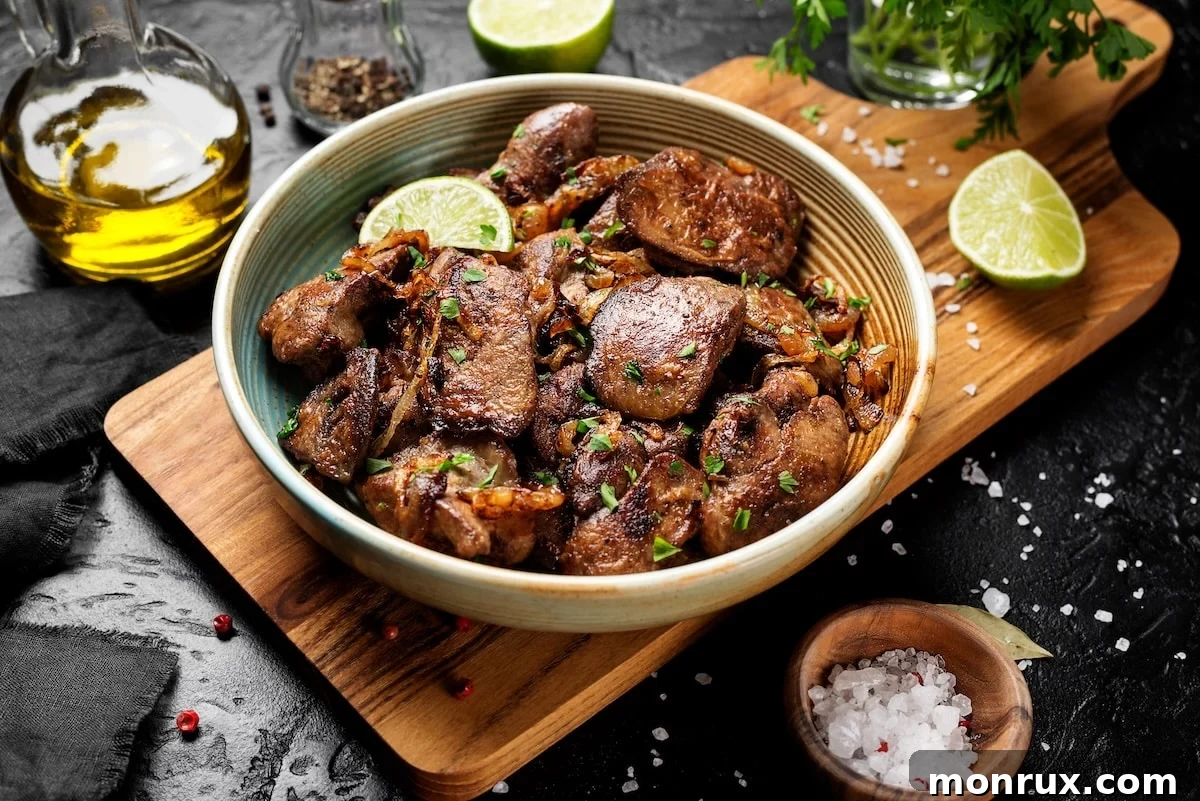
In this comprehensive guide, we delve into the popular question: Is chicken liver healthy? Often overlooked in modern diets, this nutrient-dense organ meat offers a remarkable array of vitamins and minerals. Join us as we explore the nutritional benefits and potential drawbacks of consuming chicken liver, provide practical tips for preparation, and help you determine how this powerful food can fit into a balanced diet. For most individuals, incorporating chicken liver in moderation is indeed a healthy choice.
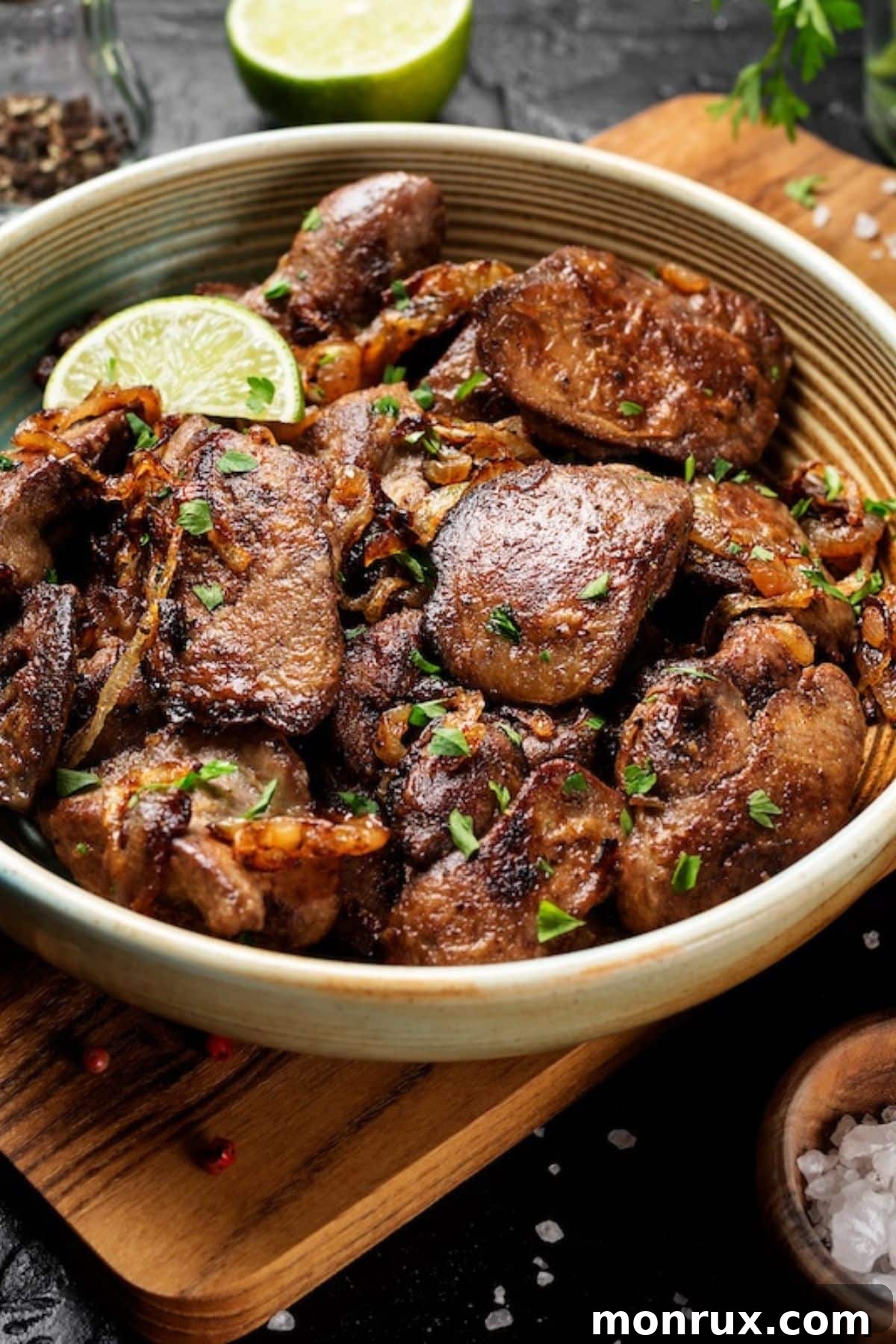
Chicken Liver Facts: A Culinary and Nutritional Overview
Chicken liver is not just another cut of meat; it’s an incredibly versatile and affordable organ meat that has been a staple in global cuisines for centuries. Unlike muscle meats, such as chicken breast, organ meats offer a distinctly different and often more concentrated nutritional profile. Rich in essential nutrients, vitamins, and minerals, chicken liver is truly a superfood worth considering for your diet.
Its unique characteristics include a soft, creamy texture when properly cooked, and a robust, earthy flavor that stands out. This distinctive taste makes it a favorite ingredient, often paired with bold flavors like sautéed onions, garlic, or acidic components such as lemon juice to create a balanced culinary experience. If you find its rich flavor too intense, there are several methods to temper it. Grinding it and mixing with other ground meats can dilute its intensity, while soaking it in milk or buttermilk before cooking is a traditional technique known to mellow its strong taste and improve tenderness.
Across the globe, chicken liver is celebrated in diverse culinary traditions. In European kitchens, it’s transformed into luxurious pâtés, incorporated into rich pasta fillings, or served as a rustic appetizer. Asian cuisines feature it in comforting congee or flavorful curries, adding depth and nutritional value. In Latin America, it might appear in savory empanadas, while in the United States, common preparations include sautéing it with herbs and spices, or breading and frying it, often served alongside a rich gravy. This wide array of uses underscores its adaptability in the kitchen.
Beyond sautéing and deep-frying, which are perhaps the most popular methods, chicken liver can be prepared in numerous healthy ways. It can be skewered and grilled for a smoky flavor, broiled for a quick and tender result, baked as part of a casserole, or slow-braised to achieve exceptional tenderness. Each cooking method brings out a different aspect of its unique texture and flavor, making it a truly versatile ingredient for any home chef.
Chicken Liver Nutrition Highlights: A Powerhouse of Essential Nutrients
Chicken liver is renowned not just for its distinctive taste, but more importantly, for its exceptional nutritional density. It stands out as one of the most nutrient-packed foods available, offering a broad spectrum of vitamins, minerals, and macronutrients crucial for optimal health. Let’s break down the key nutritional components that make chicken liver a dietary powerhouse.
Protein
As an excellent source of high-quality protein, chicken liver provides all nine essential amino acids that the human body requires but cannot synthesize on its own. These amino acids are the building blocks for muscles, enzymes, hormones, and nearly all tissues in the body. Consuming adequate amounts of high-quality protein, like that found in chicken liver, is vital for muscle repair and growth, satiety, and overall metabolic function.
Fat
Chicken liver is a relatively low-fat food, yet it contains a balanced profile of both saturated and unsaturated fats. While concerns about saturated fat intake are valid, a moderate amount of these fats is necessary for various bodily functions, including hormone production, nutrient absorption, and cell membrane integrity. The fats present in chicken liver contribute to its rich flavor and help in the absorption of fat-soluble vitamins.
Vitamins and Minerals
The abundance of vitamins and minerals in chicken liver is truly impressive. It is particularly celebrated for its high B vitamin content, with Vitamin B12 being a standout. This crucial vitamin is essential for nerve function, red blood cell formation, and DNA synthesis. In addition to B12, chicken liver provides significant amounts of:
- Vitamin B2 (Riboflavin): Important for energy production and cellular growth.
- Vitamin B3 (Niacin): Plays a key role in metabolism and DNA repair.
- Folate (Vitamin B9): Critical for cell division and the formation of genetic material, especially important during pregnancy.
- Vitamin A: A powerful fat-soluble vitamin vital for vision, immune function, and skin health.
- Vitamin C: Though in smaller amounts compared to fruits, it adds to antioxidant defense.
- Selenium: A trace mineral with potent antioxidant properties, supporting thyroid function and immunity.
- Copper: Essential for iron metabolism, energy production, and connective tissue formation.
- Phosphorus: Crucial for bone health, energy storage, and kidney function.
Iron
One of chicken liver’s most significant nutritional contributions is its high iron content. The iron found in chicken liver, like other animal products, is “heme iron.” Heme iron is particularly valuable because it is much more readily absorbed by the body compared to “non-heme iron” found in plant-based foods. This superior bioavailability makes chicken liver an excellent food choice for preventing iron deficiency anemia and supporting healthy blood function.
Nutrition Pros: The Health Benefits of Chicken Liver
Beyond its impressive nutrient profile, regular and moderate consumption of chicken liver can contribute to several notable health benefits. Its unique combination of macronutrients and micronutrients works synergistically to support various bodily systems, offering more than just basic sustenance.
Healthy Muscles and Satiety
Chicken liver is an exceptional source of high-quality protein, which is fundamental for maintaining, building, and repairing muscle tissues. The complete amino acid profile ensures that your body has all the necessary building blocks for robust muscle health. Furthermore, protein-rich foods are known for promoting satiety, helping you feel fuller for longer. This prolonged sense of satisfaction can reduce cravings and the likelihood of snacking on less healthy options between meals, aiding in weight management and consistent energy release.
In addition to protein, the healthy fats present in chicken liver also play a role in muscle maintenance and the integrity of connective tissues. These fats are essential for the absorption of fat-soluble vitamins, which in turn support overall cellular health and the body’s ability to recover and repair itself.
Sustained Energy Levels
Feeling sluggish? Chicken liver can be an excellent dietary addition for boosting your energy levels through multiple pathways. Firstly, its rich heme iron content is crucial for the production of hemoglobin in red blood cells. Hemoglobin is responsible for efficiently transporting oxygen from your lungs to every cell in your body. Optimal oxygen delivery is key to maintaining high energy levels and preventing the fatigue associated with iron deficiency anemia.
Secondly, the abundant B vitamins, particularly B2, B3, and B12, act as cofactors in metabolic processes, helping your body convert carbohydrates, fats, and proteins from your diet into usable energy. B vitamins also play a significant role in supporting the healthy functioning of the nervous system, which is intrinsically linked to energy regulation and overall vitality. A well-supported nervous system ensures efficient communication throughout the body, helping to maintain stable energy levels throughout the day.
Lastly, chicken liver is a notable source of Coenzyme Q10 (CoQ10), a powerful antioxidant and an essential nutrient recognized for its critical role in cellular energy production. CoQ10 is involved in the electron transport chain within mitochondria, the powerhouses of our cells, making it vital for generating ATP, the primary energy currency of the body.
Enhanced Immune Function
Regular consumption of chicken liver can significantly bolster your immune system, primarily due to its extraordinarily high vitamin A content. As one of the critical fat-soluble vitamins, Vitamin A is vital for maintaining the integrity of mucosal surfaces lining the digestive tract, respiratory airways, and urinary tract. These membranes serve as the body’s first line of defense against invading pathogens, acting as a physical barrier to infections.
Furthermore, the vitamin B12 in chicken liver is essential for the production of white blood cells. These specialized immune cells circulate throughout your bloodstream, actively identifying and neutralizing viruses, bacteria, and other harmful invaders, thus protecting you from illness. Other immune-supporting nutrients found in chicken liver include zinc, which plays a central role in immune cell development and function; protein, crucial for antibody production; and selenium, a powerful antioxidant that protects immune cells from damage.
Improved Brain Health and Cognitive Function
The nutritional profile of chicken liver makes it a fantastic food for supporting brain health and cognitive function. Its high content of vitamin B12 and choline are particularly beneficial. Vitamin B12 is essential for nerve health, the synthesis of neurotransmitters, and the formation of myelin, the protective sheath around nerves. Choline, often referred to as a “brain vitamin,” is a precursor to acetylcholine, a neurotransmitter critical for memory, mood, and muscle control.
By supplying these vital nutrients, chicken liver can help improve memory, enhance learning capabilities, and support overall cognitive performance. Moreover, by improving nerve health, it can play a preventative role in age-related cognitive decline, helping to maintain mental sharpness as we age.
Better Vision and Skin Health
Last but certainly not least, incorporating chicken liver into your diet can lead to noticeable improvements in both your eyesight and the health of your skin. This benefit is largely attributable to its rich stores of vitamin A.
Vitamin A is absolutely crucial for vision, especially in low light conditions, as it is a key component of rhodopsin, a light-sensitive protein found in the retina of the eye. It also helps protect the surface of the cornea and conjunctiva, maintaining healthy mucous membranes that are vital for clear vision. For skin health, vitamin A promotes cell regeneration and turnover, helping to maintain a smooth, healthy complexion and reducing the appearance of blemishes. It supports the production of collagen, contributing to skin elasticity and a youthful appearance.
Nutrition Cons: Potential Risks and Considerations
While chicken liver is undeniably a nutritional powerhouse, it’s equally important to be aware of certain less healthy aspects and potential risks associated with its consumption. Understanding these considerations ensures that you can enjoy chicken liver safely and responsibly as part of a balanced diet.
Firstly, chicken liver is notably high in cholesterol. While the scientific understanding of dietary cholesterol’s impact on blood cholesterol levels has evolved, and for many healthy individuals, dietary cholesterol has less impact than previously thought, it remains a concern for specific populations. Consuming too much cholesterol can potentially increase the risk of heart disease, especially for individuals who are sensitive to dietary cholesterol or already have existing heart conditions, high cholesterol, or a family history of cardiovascular issues. Therefore, moderation is key, and individuals in these risk groups should consult their healthcare provider for personalized dietary advice.
Secondly, as previously highlighted, chicken liver is exceptionally rich in vitamin A. While vitamin A is beneficial, consuming it in excessive amounts, particularly the preformed vitamin A (retinol) found in animal products, can be harmful. This can lead to a condition known as hypervitaminosis A, which can manifest with symptoms such as headaches, dizziness, nausea, and in severe cases, even liver damage. Because preformed vitamin A is absorbed much more readily than the pro-vitamin A found in plant foods, it’s easier to reach toxic levels if liver is consumed too frequently or in large quantities. Again, moderation is paramount to avoid these risks.
Additionally, pregnant women are often advised to exercise caution or avoid liver entirely due to its high vitamin A content. Excessive intake of vitamin A during pregnancy has been linked to potential harm to the developing fetus, particularly during early gestation. If you are pregnant or planning to become pregnant, it is crucial to speak with your doctor or a registered dietitian before consuming liver to determine a safe and appropriate amount for your individual situation.
Individuals suffering from gout or those with elevated uric acid levels in their blood should also approach chicken liver consumption with caution. Chicken liver is rich in purines, compounds that the body breaks down into uric acid. For those prone to gout, an excess of uric acid can precipitate painful flare-ups. Your healthcare provider may recommend limiting or avoiding high-purine foods like chicken liver to help manage these conditions.
Lastly, like all organ meats, chicken liver acts as a filter in the animal’s body and may accumulate toxins from the chicken’s diet and environment, though the liver itself is a detoxifying organ. To mitigate any potential risk of contamination and ensure you are consuming the healthiest product possible, always prioritize sourcing chicken liver from reputable suppliers. Opt for organically raised, free-range chickens, ideally purchased from local farmers markets or trusted organic grocers, as opposed to conventionally farmed options.
Frequently Asked Questions About Chicken Liver
For individuals with heart disease, high cholesterol, or those at risk of cardiovascular issues, consuming chicken liver (and other red meats) requires careful consideration and moderation. While dietary cholesterol’s impact is complex and varies among individuals, it’s wise to be cautious. The preparation method also plays a significant role; frying liver, for instance, adds unhealthy fats that further diminish its heart-friendliness. The best course of action is always to consult your healthcare provider or a registered dietitian. They can provide personalized guidance based on your specific health profile and cholesterol levels, helping you make informed dietary choices.
To enhance the health benefits and reduce potential downsides of chicken liver, consider these preparation techniques and dietary tips:
- Soaking: Soaking chicken liver in milk or lemon juice before cooking can help remove impurities and mitigate its robust flavor, making it more palatable for some.
- Trimming: Always trim away any visible fat or connective tissue to reduce overall fat content.
- Cooking Methods: Opt for healthier cooking methods such as grilling, broiling, sautéing with minimal healthy oil (like olive oil), or baking instead of deep-frying. These methods retain nutrients without adding excessive unhealthy fats.
To incorporate chicken liver into a healthy diet, focus on moderation. Pair it with high-fiber foods like whole grains, fresh vegetables, and legumes to create a balanced meal. A smart approach is to use chicken liver as a complementary ingredient or a nutritional boost rather than the sole main component of a meal. For example, finely chopped chicken liver can be added to ground meat dishes, stews, or vegetable sautés to impart flavor and nutrients without over-consuming it.
The primary concern for vitamin A toxicity (hypervitaminosis A) stems from consuming large quantities of chicken liver over a short period. The type of vitamin A in chicken liver is preformed vitamin A (retinol), which is absorbed by the body much more efficiently than the pro-vitamin A (carotenoids) found in plant-based foods. This high bioavailability makes it relatively easy to exceed safe intake levels if not monitored.
The exact amount of chicken liver considered “too much” can vary based on individual factors such as age, overall diet, and existing health conditions. General guidelines suggest that for healthy adults, consuming chicken liver once a week or less, as part of a varied and balanced diet, is typically safe. However, it’s crucial to seek personalized advice from your healthcare provider if you are pregnant, have a liver condition, or are currently taking other vitamin A supplements, fish liver oils (like cod liver oil), or other fat-soluble vitamin supplements. These factors can increase your risk of toxicity, making professional guidance essential.
More Nutrition Resources You Might Like
Conclusions: Balancing Benefits with Moderation
In conclusion, chicken liver stands out as an exceptionally nutrient-dense food, offering a wide spectrum of health benefits. From significantly boosting your energy levels and fortifying your immune system to improving cognitive function and promoting better vision and skin health, its rich profile of vitamins, minerals, and high-quality protein makes it a valuable addition to most diets. It is particularly noteworthy for its high content of heme iron, vitamin B12, folate, and vitamin A, all crucial for various bodily functions.
However, the key to unlocking these benefits without incurring potential risks lies in moderation. Due to its elevated levels of cholesterol and highly concentrated vitamin A, it is vital to consume chicken liver thoughtfully. Paying close attention to portion sizes and aiming for consumption no more than once a week for healthy adults is generally recommended. Special considerations, such as pregnancy, gout, or existing heart conditions, necessitate professional medical advice before incorporating chicken liver into your diet.
Ultimately, chicken liver can be a healthy and beneficial choice for most individuals when enjoyed as part of a balanced and varied diet. To maximize its advantages and minimize any potential drawbacks, prioritize sourcing from organic, free-range providers and opt for nutritious cooking techniques like sautéing, grilling, or baking over frying. By doing so, you can effectively harness the impressive nutritional power of this remarkable organ meat.
Don’t forget to join my newsletter list to get exclusive clean eating recipes and tips directly to your inbox. The newsletter is 100% free with no spam; you can unsubscribe anytime.
About the Author: Carrie Forrest holds a master’s degree in public health with a specialty in nutrition and is a certified holistic nutritionist. She is a prominent wellness and food blogger, attracting over 5 million annual visitors to her site. Carrie shares an inspiring story of recovery from chronic illness and is deeply passionate about empowering other women to transform their health journeys. You can reach out to her through her contact form for more insights and guidance.
Note: This post is provided for informational purposes only and should not be considered as medical advice. Please consult with your healthcare provider for personalized recommendations pertinent to your individual health situation.