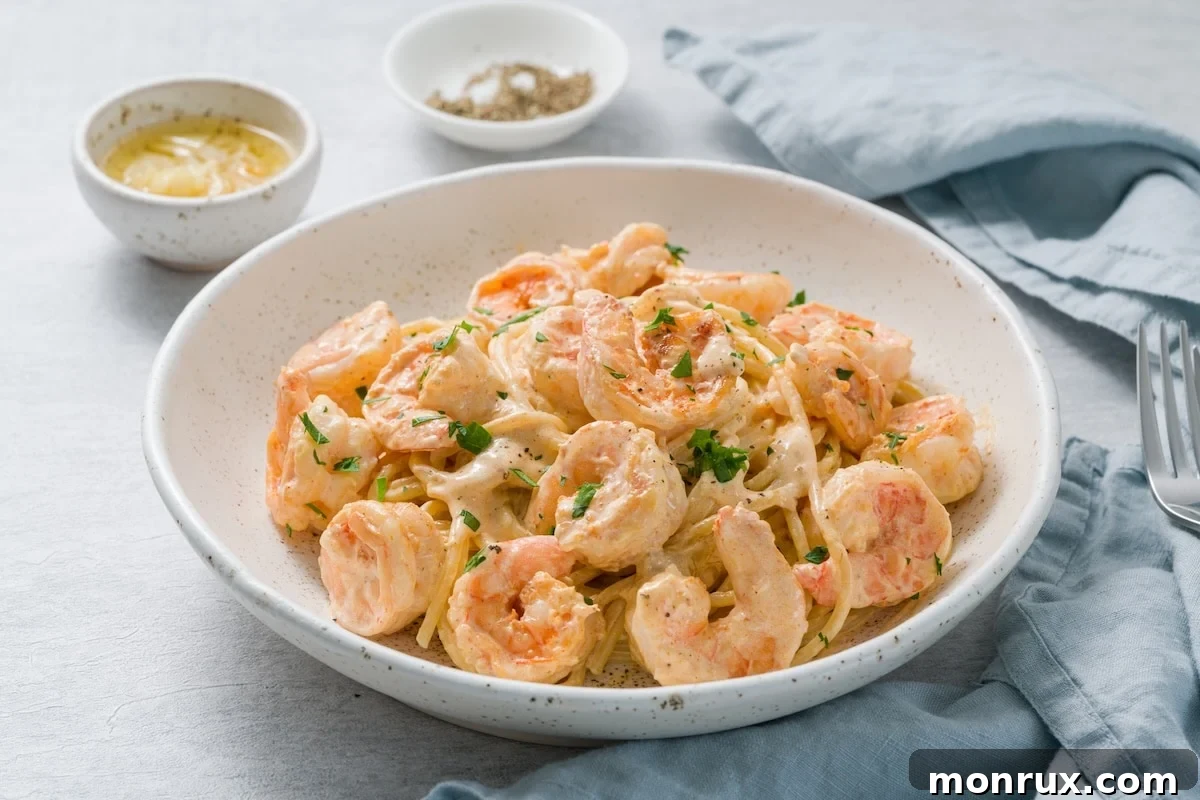
Craving a delicious, quick, and healthy weeknight dinner that doesn’t compromise on flavor or dietary needs? Look no further than this incredible recipe for Creamy Coconut Shrimp! This delightful dish features succulent shrimp bathed in a rich, dairy-free sauce infused with aromatic spices and bright citrus notes. Perfect for busy evenings, this easy skillet recipe comes together in under 30 minutes, making it a beloved family favorite. Its versatility allows you to pair it with anything from fluffy cooked rice and nutritious cauliflower rice to your favorite noodles, ensuring a satisfying meal for everyone.
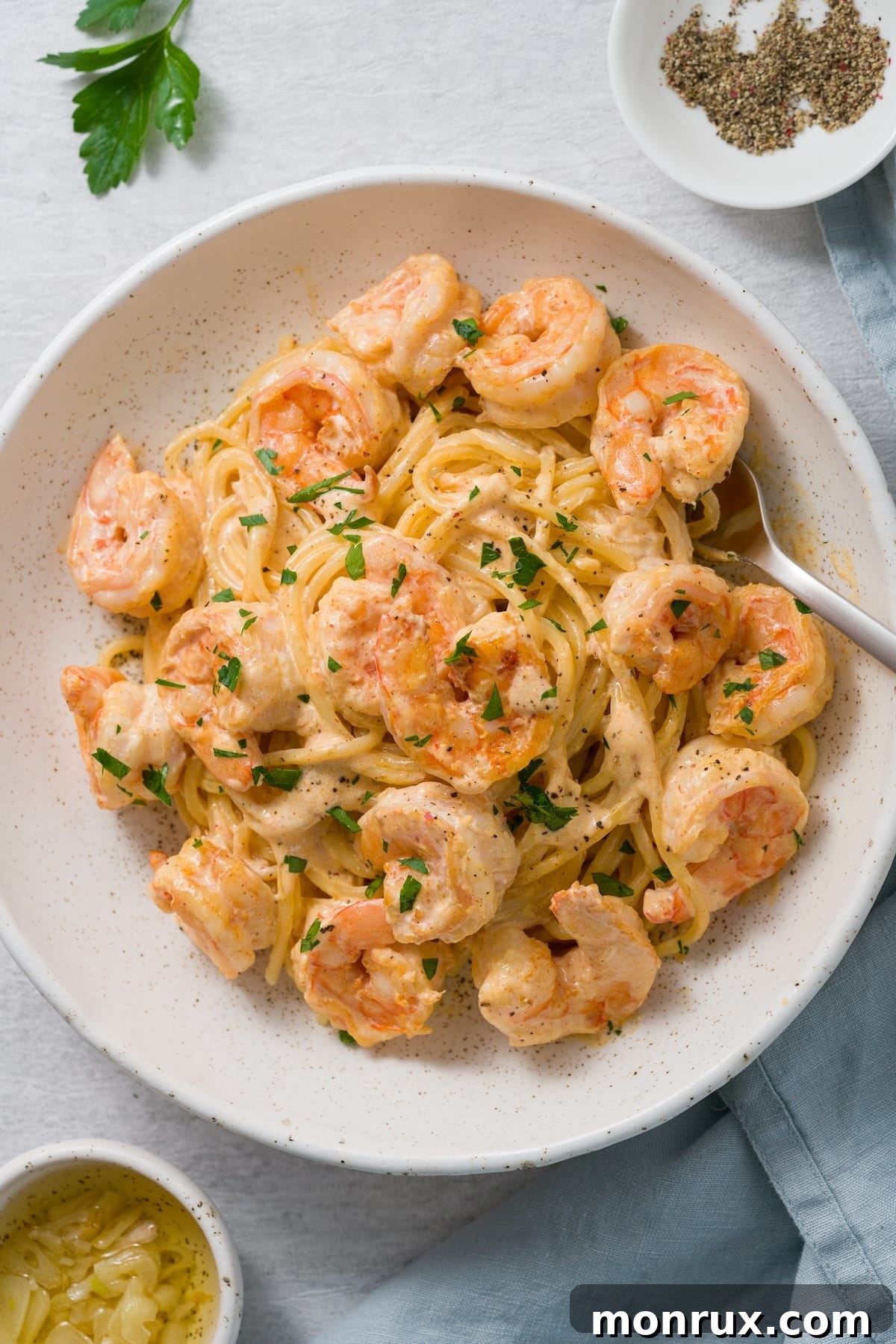
This effortless coconut shrimp recipe isn’t just fast; it’s a culinary escape, ready to transport your taste buds to a tropical paradise in mere minutes. Imagine a delicious meal on the table in just 30 minutes, even on your busiest days! For the ultimate convenience, you can opt to steam a packet of pre-cooked rice or prepare your rice ahead of time. If you’re seeking a lower-carb yet equally satisfying option, consider serving this creamy delight with fresh zucchini noodles, crisp roasted vegetables, or even a simple green salad. Whichever accompaniment you choose, you’re guaranteed a high-protein, naturally lactose-free meal, as luscious coconut milk gracefully replaces traditional heavy cream to create an unbelievably rich and satisfying sauce.
Why You’ll Love This Creamy Coconut Shrimp Recipe
- Effortlessly Dairy-Free and Gluten-Free: One of the standout features of this creamy coconut shrimp recipe is its complete absence of dairy, making it an ideal choice for those with lactose intolerance or dairy allergies. Rich, full-fat coconut milk provides an exquisitely creamy texture without any dairy products. Furthermore, by ensuring your spices and other ingredients are certified gluten-free, this dish can easily be adapted for a celiac-friendly or gluten-sensitive diet. Coconut milk naturally replaces heavy cream, offering a deliciously rich and satisfying sauce that feels indulgent without the dairy. For more insights, explore my comprehensive list of dairy-free heavy cream alternatives.
- Lightning-Fast 30-Minute Meal: In today’s fast-paced world, quick and easy recipes are essential for maintaining a healthy lifestyle without sacrificing precious time. This creamy coconut shrimp truly shines as a super simple, one-pan wonder. From start to finish, you can have a gourmet-tasting meal on the table in just 30 minutes, allowing you to reclaim your evenings. Discover more fantastic options in my collection of 30-minute meals.
- Nutritionally Robust and High in Protein: Beyond its incredible taste, this creamy coconut shrimp recipe offers impressive nutritional benefits. Each serving is packed with nearly 50% of the recommended daily value for protein, contributing to muscle repair, satiety, and overall well-being. Shrimp is an excellent source of lean protein, while coconut milk provides healthy fats. This combination creates a balanced meal that fuels your body and keeps you feeling full and energized.
- Versatile and Customizable: Whether you’re feeding a family with diverse preferences or meal prepping for the week, this recipe offers incredible flexibility. Easily adjust the spice level, add your favorite vegetables, or experiment with different accompaniments. It’s a recipe that adapts to your lifestyle, not the other way around.
Key Ingredients for the Perfect Dish
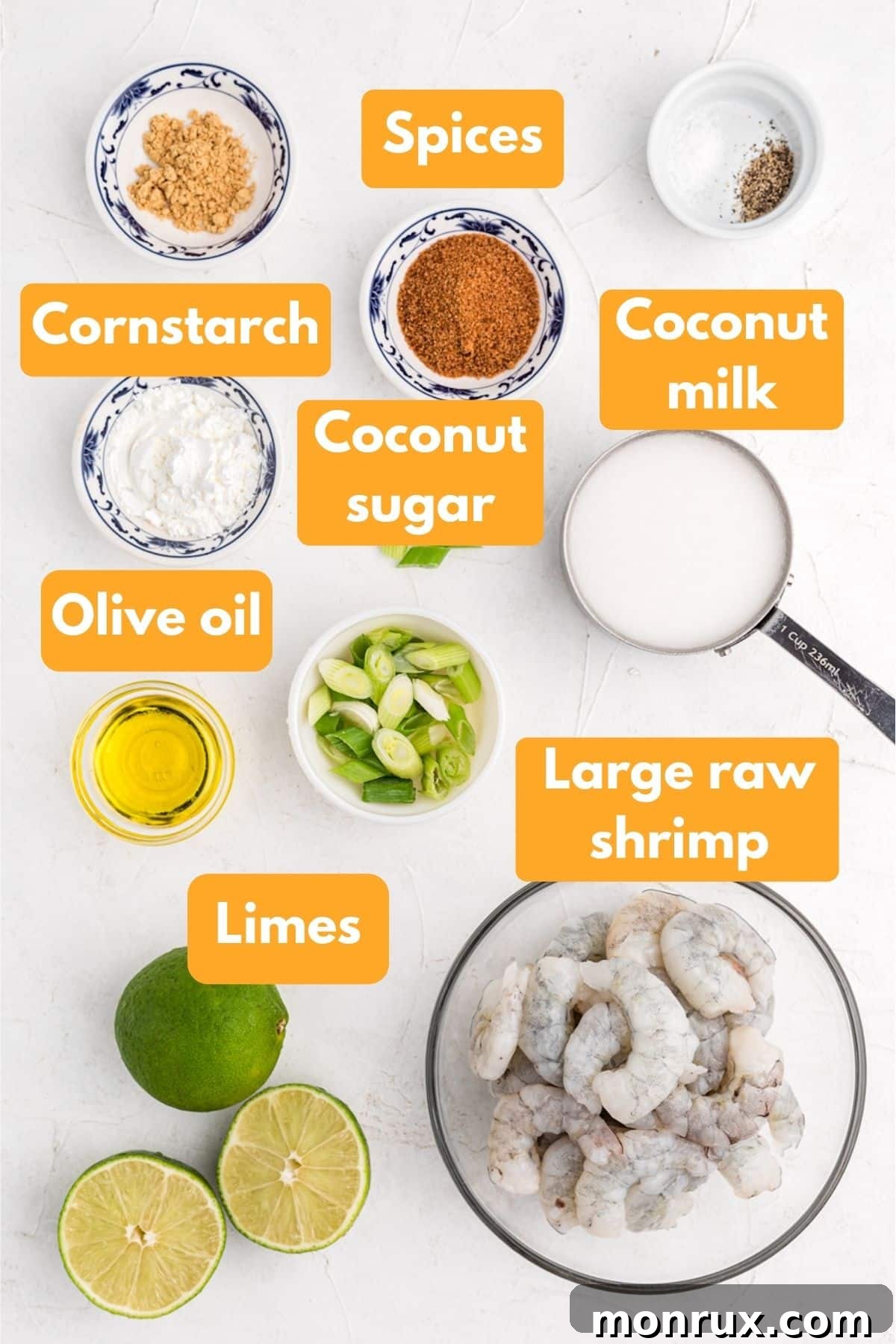
Crafting this flavorful creamy coconut shrimp requires a selection of fresh, high-quality ingredients that harmonize to create a truly unforgettable sauce. Here’s a closer look at what you’ll need and why each component is vital:
- Large Raw Shrimp: The star of our dish! For maximum convenience and efficiency, always opt for shrimp that are already peeled and deveined. This saves a significant amount of prep time. While fresh shrimp are wonderful, frozen shrimp can be a more economical choice and taste just as delicious when properly handled. Remember to defrost frozen shrimp thoroughly in the refrigerator overnight before you begin cooking to ensure even cooking and optimal texture. Rinsing them under cold water and patting them dry before cooking helps prevent excess moisture and ensures a good sear.
- Full-Fat Canned Coconut Milk: This is the secret to the sauce’s luscious, rich, and creamy texture, imparting a distinctive tropical depth of flavor. It’s crucial to use full-fat coconut milk from a can, as it contains a higher percentage of coconut cream and is significantly thicker than the carton varieties often used as beverages. The richness from canned coconut milk is essential for the sauce’s body and mouthfeel. Explore my related article on the Best Substitutes for Coconut Cream if you need alternatives.
- Fresh Limes: Limes are indispensable in this recipe. Their vibrant, zesty acidity beautifully cuts through the richness of the coconut milk, balancing the flavors and brightening the entire dish. Always use fresh limes for juicing; bottled lime juice simply won’t deliver the same bright, authentic flavor profile or nutritional benefits. A little fresh lime zest at the end can elevate the aroma even further.
- Coconut Sugar (or Brown Sugar): A touch of sweetness helps to round out the savory and acidic notes in the sauce, creating a perfectly balanced flavor. Coconut sugar offers a subtle caramel-like sweetness and is a slightly less processed alternative. If you are following a very strict sugar-free or low-carb diet, you can easily omit it without compromising the core integrity of the dish. Alternatively, a small amount of maple syrup could also work.
- Cornstarch: This acts as our thickening agent, ensuring the coconut sauce achieves that desirable velvety consistency. It’s important to whisk it in once the sauce is simmering, allowing the heat to activate its thickening properties and create a beautiful, cohesive coating for the shrimp.
- Flavor-Boosting Spices: Ground ginger, salt, and black pepper are fundamental for building the delicious flavor foundation of the sauce. Ground ginger adds a warm, spicy note that complements the coconut and lime perfectly. For an extra layer of umami and savory depth, I highly recommend adding a dash of fish sauce, as suggested in the full recipe card. It’s a secret ingredient that elevates the complexity without making the dish taste “fishy.”
For the exact quantities and detailed measurements of each ingredient, please consult the complete recipe card conveniently located at the end of this post.
Step-by-Step Cooking Instructions
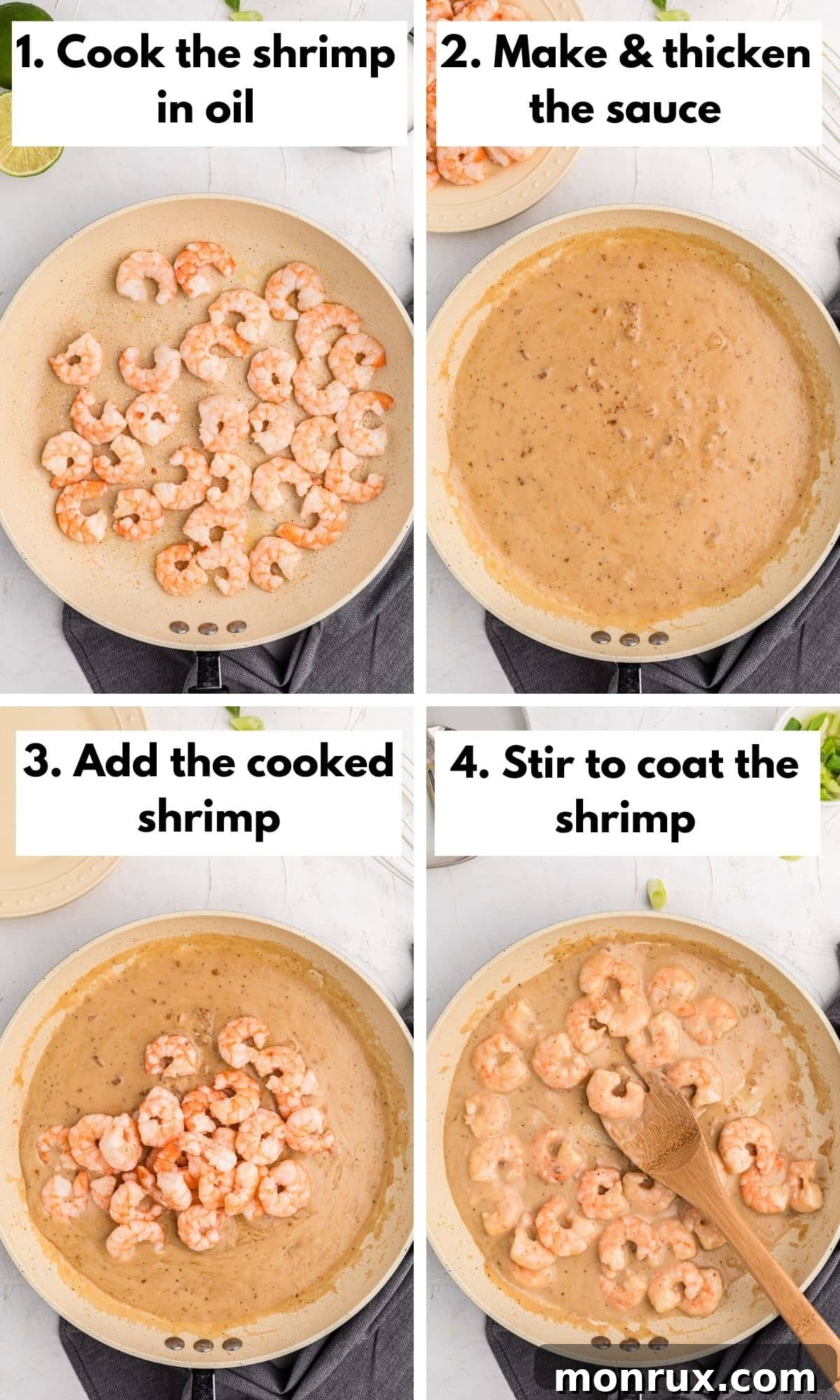
Get ready to create a truly remarkable meal in just a few simple steps. This creamy coconut shrimp recipe is designed for ease and efficiency, perfect for any home cook.
Step One: Sauté the Shrimp to Perfection
Begin by heating your preferred oil (olive oil or coconut oil works beautifully) in a medium to large skillet over medium to medium-high heat. Once the oil is shimmering, add your peeled and deveined shrimp in a single layer. Cook for approximately 3 minutes on each side. Watch carefully as the shrimp transform from translucent to opaque, curling into a distinctive “C” shape – this is your visual cue that they are perfectly cooked. Overcooked shrimp can become rubbery, so timeliness is key. Once cooked, promptly transfer the shrimp to a clean plate and set aside, reserving any juices in the skillet.
Step Two: Build the Flavorful Coconut Sauce Base
With the skillet still hot (no need to clean it), pour in the full-fat coconut milk and the freshly squeezed lime juice. Increase the heat to high and bring the mixture to a gentle simmer, stirring occasionally. The residual flavors from cooking the shrimp will infuse beautifully into the sauce, adding depth and complexity. Allow it to come to a low boil before proceeding to the next step.
As a reminder for precise measurements, please refer to the detailed recipe card available at the end of this post.
Step Three: Thicken and Season the Sauce
Once the coconut milk and lime juice are simmering, it’s time to create that luscious, creamy texture. In a small bowl, quickly whisk together the cornstarch with a tiny bit of cold water to create a slurry (this prevents lumps). Then, whisk this slurry along with the coconut sugar (or brown sugar), ground ginger, sea salt, and ground black pepper directly into the simmering liquid in the skillet. Stir continuously to ensure everything is well combined and distributed evenly.
Step Four: Finish and Serve
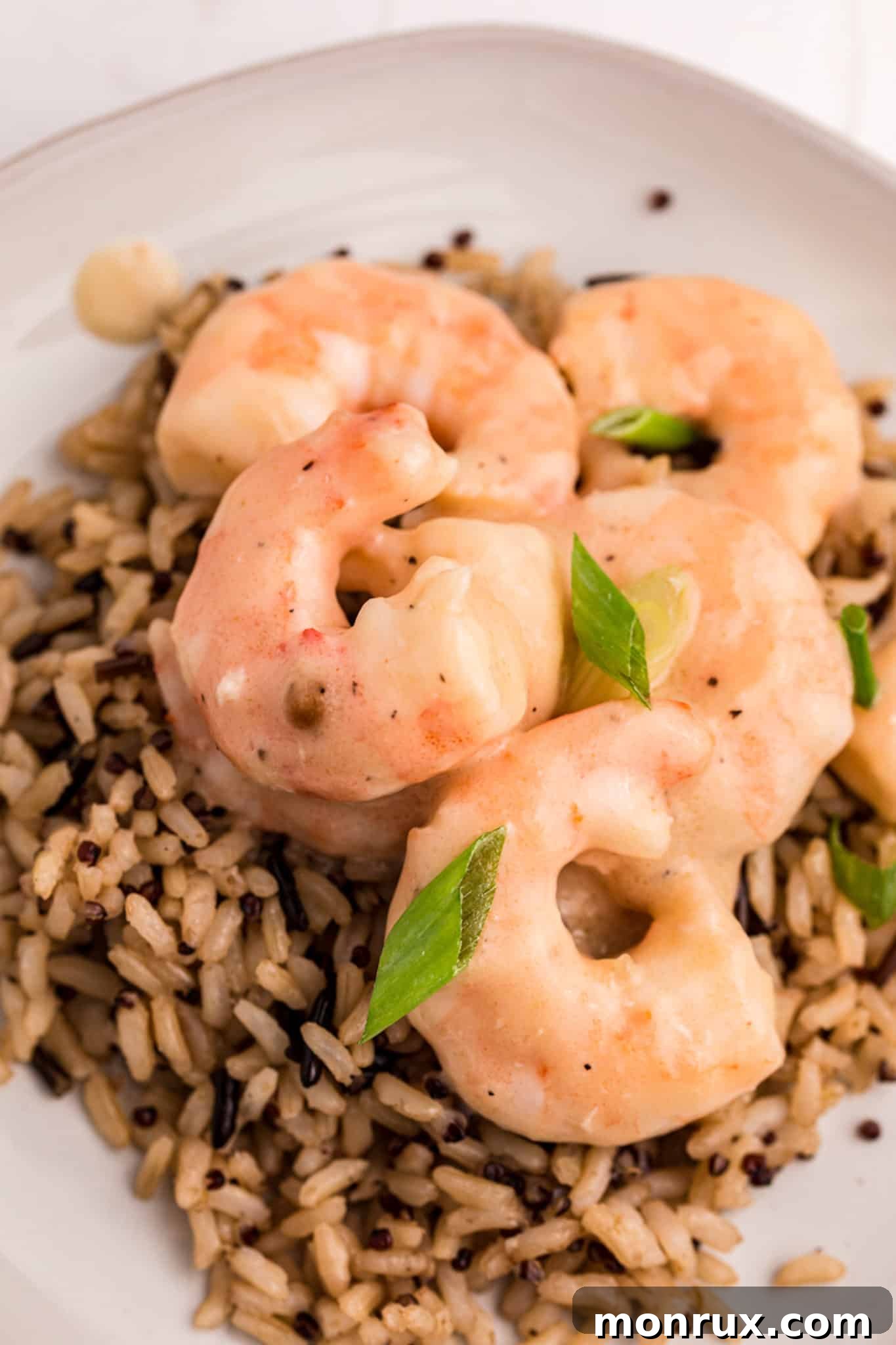
As soon as the mixture begins to simmer again and you’ve incorporated all the spices and thickener, reduce the heat to low. Continue to cook for another 2 to 3 minutes, or until the sauce noticeably thickens to your desired consistency. It should be rich enough to coat the back of a spoon. Once thickened, turn off the heat and gently return the cooked shrimp to the pan. Stir everything together carefully, ensuring each tender shrimp is generously coated in the creamy coconut milk sauce. Serve immediately over your choice of fluffy white rice, nutritious brown rice, pasta, cauliflower rice, or even zucchini noodles for a low-carb alternative. Garnish with vibrant sliced green onions, a sprinkle of fresh lime zest, and a pinch of red pepper flakes for an extra kick, then savor every delicious bite!
This effortless recipe truly is a game-changer for busy weeknights. When served with your preferred carbohydrate or vegetable side, it transforms into a complete, wholesome, and incredibly satisfying meal. The next time you find yourself yearning for succulent, tender shrimp enveloped in a rich, aromatic sauce, remember this easy and flavorful creation.
Expert Tips for Best Results
- Choosing and Preparing Shrimp: You have the flexibility to use either fresh or frozen shrimp. If opting for frozen, remember to transfer the shrimp from the freezer to the refrigerator the night before to ensure complete thawing. Before cooking, always rinse the defrosted shrimp under cold water and pat them thoroughly dry with paper towels to remove any excess liquid. This step is crucial for achieving a good sear and preventing a watery sauce. For cost-effectiveness, frozen shrimp often offer the best value compared to fresh. Look for varieties that are already peeled and deveined to save on prep time. While you can leave the tails on for presentation, my personal preference is to use shrimp with the tails off for easier eating.
- Coconut Milk vs. Coconut Cream: This recipe specifically calls for full-fat canned coconut milk for its ideal consistency and flavor. If you only have coconut cream on hand, you can certainly use it, but you will need to thin out the sauce with approximately ¼ cup of water or vegetable broth to achieve the desired texture. Lite coconut milk can also be used, but be aware that the final sauce will be less rich and flavorful.
- Oil Selection: Both olive oil and coconut oil are excellent choices for sautéing the shrimp. Olive oil offers a neutral flavor, while coconut oil will subtly enhance the tropical notes of the dish. Choose based on your preference and what you have available.
- Boost Your Veggies: For an extra dose of nutrition and color, consider incorporating more vegetables into this dish. Thinly-sliced bell peppers (red, yellow, or orange work wonderfully) can be added to the skillet when you’re cooking the shrimp. Spinach or kale can be stirred in at the very end, wilting beautifully into the hot sauce.
- Shrimp Size Matters: This recipe is optimized for large-sized shrimp. If you choose to use medium-sized shrimp, be sure to reduce the cooking time accordingly. Smaller shrimp cook much faster and can quickly become overcooked and rubbery, diminishing their tender texture.
- Adjusting Sweetness: For those following sugar-free or low-carb diets, feel free to completely omit the coconut sugar from the recipe. The natural sweetness of the coconut milk combined with the other ingredients will still yield a delicious and balanced flavor profile.
- Spice It Up: If you enjoy a bit of heat, consider adding a pinch of red pepper flakes along with the other spices or as a garnish before serving. A finely minced jalapeño (seeds removed for less heat) could also be incorporated while sautéing.
Frequently Asked Questions
This creamy coconut shrimp is incredibly versatile! Its rich and flavorful sauce pairs wonderfully with a variety of sides. Classic choices include fluffy white rice or hearty brown rice, which soak up the sauce beautifully. For a lower-carb option, serve it with sautéed cauliflower rice, spiralized zucchini noodles, or a generous portion of roasted vegetables like broccoli, asparagus, or bell peppers. If you prefer noodles, thin rice noodles or even regular pasta can be excellent accompaniments. Don’t forget a side of crusty bread or naan to truly sop up every last drop of that amazing sauce!
While the shrimp is best served fresh for optimal texture, you can certainly prepare components ahead of time. You can whisk together the sauce ingredients (coconut milk, lime juice, spices, cornstarch, sugar) and store them in the refrigerator for up to 2-3 days. The shrimp itself cooks so quickly that it’s ideal to cook it right before serving. However, if you have leftovers, they store well too!
As written, the recipe is mildly flavored and not spicy, relying on the warmth of ginger and the tang of lime. If you prefer a kick, you can easily add red pepper flakes, a pinch of cayenne pepper, or a finely minced fresh chili to the sauce during the simmering stage. Adjust to your personal heat preference.
A large, heavy-bottomed skillet or a non-stick pan is ideal for this recipe. A skillet with a wide surface area ensures that the shrimp can be cooked in a single layer, promoting even cooking and a good sear. Cast iron or stainless steel skillets also work very well.
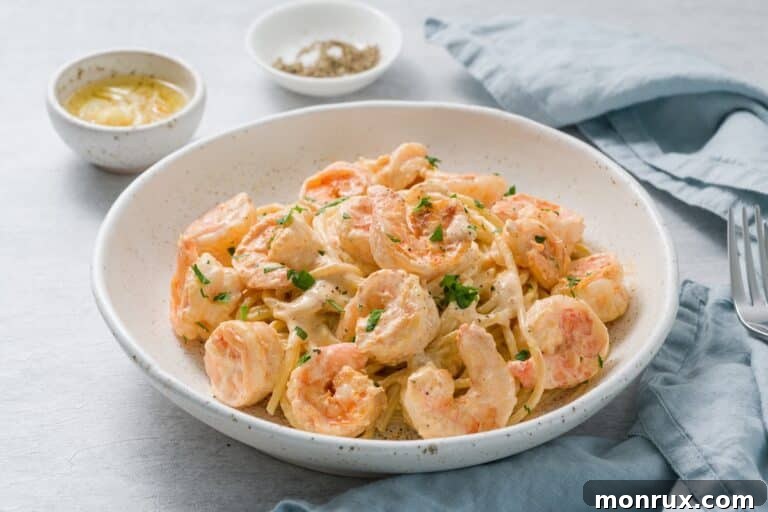
More Delicious Shrimp Recipes to Explore
- Chili’s Shrimp Fajitas Copycat
- Crispy Air Fryer Lemon Garlic Shrimp
- Gluten-Free Instant Pot Shrimp Scampi
- Authentic Hibachi Shrimp with Yum Yum Sauce
- Quick and Flavorful Shrimp Udon Noodles
- Homemade Costco Cilantro Lime Shrimp
- Zesty Gluten-Free Baja Shrimp Tacos
Don’t Miss These Other Seafood Delights!
We hope you’re inspired to create this delightful creamy coconut shrimp recipe! If you do, please take a moment to leave a comment and a starred review below. Your feedback helps our community of clean eaters grow and discover new favorites.
Stay connected with our vibrant community! We invite you to follow us on social media for daily inspiration, new recipes, and wellness tips. Find us on Facebook, Pinterest, Instagram, and YouTube!
Print
Creamy Coconut Shrimp (Dairy-Free Recipe)
5 Stars 4 Stars 3 Stars 2 Stars 1 Star
4.5 from 2 reviews
Indulge in this exquisite Creamy Coconut Shrimp recipe, tailor-made for those busy weeknights when time is of the essence but flavor is paramount. This dairy-free delight can be on your table in less than 30 minutes, featuring succulent shrimp enveloped in a vibrant, dairy-free coconut sauce. It’s an easy-to-prepare skillet meal that has quickly become a family favorite due to its adaptability and incredible taste. Whether you serve this healthy and gluten-free dish with perfectly cooked rice, a lighter cauliflower rice, or your favorite noodles, it promises a satisfying and wholesome dining experience.
Total Time: 30 minutes
Yield: 4 1x
Ingredients
Units
Scale
- 1 tablespoon olive oil or coconut oil (for sautéing)
- 1 pound large raw shrimp, already peeled and deveined (thaw completely if frozen)
- 1 cup full-fat coconut milk (from a can, for rich creaminess)
- 2 fresh limes, juiced (for bright, zesty flavor)
- 1 teaspoon fish sauce (optional, for added umami depth)
- 1 tablespoon cornstarch (to thicken the sauce)
- 1 tablespoon coconut sugar or brown sugar (for a touch of sweetness)
- 1/2 teaspoon ground ginger (adds warm spice)
- 1/2 teaspoon sea salt (enhances overall flavor)
- 1/4 teaspoon ground black pepper (for a mild peppery note)
- Cooked rice, sautéed cauliflower rice, or cooked noodles (optional, for serving as a complete meal)
- Green onions, sliced (for a fresh, vibrant topping)
Instructions
- In a spacious medium skillet, heat your chosen oil over medium heat until it shimmers lightly.
- Carefully add the prepared shrimp to the hot skillet, spreading them in a single layer. Cook for approximately 3 minutes until they begin to turn pink. Using a spatula, flip each shrimp to the other side and cook for an additional 2-3 minutes, or until the shrimp are opaque throughout and have curled into a ‘C’ shape. Be careful not to overcook.
- Once cooked, immediately transfer the shrimp to a clean plate and set aside. Keep any remaining cooking juices in the skillet; they will add flavor to the sauce.
- Into the same skillet, pour in the full-fat coconut milk and the freshly squeezed lime juice. Increase the heat to high and bring the mixture to a gentle, rolling simmer, stirring occasionally.
- In a small bowl, combine the cornstarch with 1-2 tablespoons of cold water to form a smooth slurry. Add this slurry along with the coconut sugar (or brown sugar), ground ginger, sea salt, and ground black pepper to the simmering liquid in the skillet. Whisk vigorously to ensure all ingredients are thoroughly combined and no lumps form.
- Once the mixture returns to a simmer and you see it starting to bubble gently, reduce the heat to low. Continue to cook for another 2 to 3 minutes, stirring constantly, until the sauce visibly thickens to a creamy consistency that coats the back of a spoon.
- Turn off the heat. Carefully return the cooked shrimp to the pan with the thickened sauce. Gently stir to ensure all the shrimp are beautifully coated in the rich, creamy coconut milk sauce.
- Serve this delicious Creamy Coconut Shrimp immediately over your choice of warm cooked rice, lighter sautéed cauliflower rice, or your favorite cooked noodles. Finish with a generous sprinkle of fresh, sliced green onions and enjoy while hot.
Notes
- For the best and most economical results, consider using frozen shrimp. Always remember to thaw them completely in the refrigerator overnight before use, then rinse and pat dry to eliminate excess moisture. Opt for pre-peeled and deveined shrimp for maximum convenience. While tails can be left on for presentation, I find it easier to eat with them removed.
- Using full-fat canned coconut milk is highly recommended for the richest flavor and creamiest texture. While lite coconut milk can be used, expect a less robust flavor profile.
- If you choose to use coconut cream instead of coconut milk, you will need to thin the sauce slightly. Add approximately ¼ cup of water or vegetable broth to achieve the desired consistency.
- The cooking times provided are for large shrimp. If you use medium-sized shrimp, reduce the cooking time to prevent overcooking and ensure the shrimp remain tender and juicy.
- For individuals following a sugar-free dietary plan, the coconut sugar can be entirely omitted from the recipe without significantly impacting the delicious savory and zesty flavors of the dish.
- To add a subtle heat, consider adding a pinch of red pepper flakes along with the other spices.
- Author: Carrie Forrest, MPH in Nutrition
- Prep Time: 15 minutes
- Cook Time: 15 minutes
- Category: Main Dish
- Method: Skillet
- Cuisine: Healthy, Asian-Inspired
- Diet: Dairy-Free, Gluten-Free, Low Lactose
Nutrition Information
(Nutritional values are approximate and may vary based on ingredients used and preparation method.)
- Serving Size: 1/4 of recipe
- Calories: 261
- Sugar: 2.6 g
- Sodium: 551.9 mg
- Fat: 16.2 g
- Saturated Fat: 11.3 g
- Carbohydrates: 7.8 g
- Fiber: 0.2 g
- Protein: 24.1 g
- Cholesterol: 182.5 mg
Don’t miss out on exclusive clean eating recipes, expert tips, and wellness insights! Be sure to join my free newsletter list. We promise a spam-free experience, and you can unsubscribe at any time.
About the Author: Carrie Forrest holds a master’s degree in public health with a specialization in nutrition and is a certified holistic nutritionist. She is a prominent wellness and food blogger, attracting over 5 million visitors to her site annually. Carrie shares an inspiring story of recovery from chronic illness and is deeply passionate about empowering other women to transform their health journey. Feel free to reach out to her through her contact form for any questions or support.