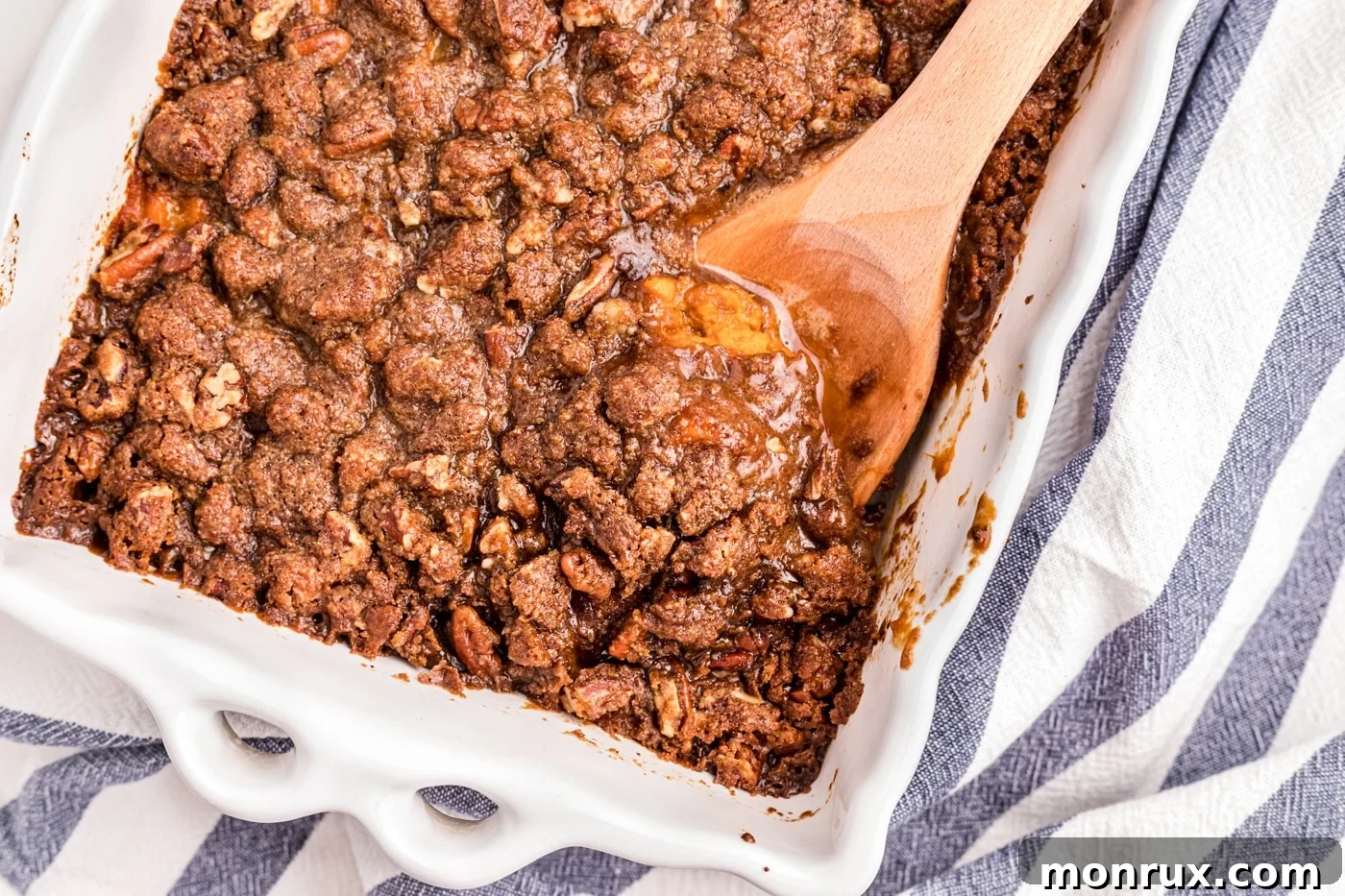
Embrace the warmth and flavor of a true American classic reimagined: this delightful Gluten-Free Sweet Potato Casserole. A staple on holiday tables, particularly Thanksgiving and Christmas, its comforting sweetness and rich texture make it an irresistible side dish that gathers rave reviews every time. What makes this recipe truly special is its thoughtful adaptation to be naturally gluten-free, with readily available options to make it completely egg-free and dairy-free, ensuring everyone at your gathering can enjoy a taste of tradition without compromise.
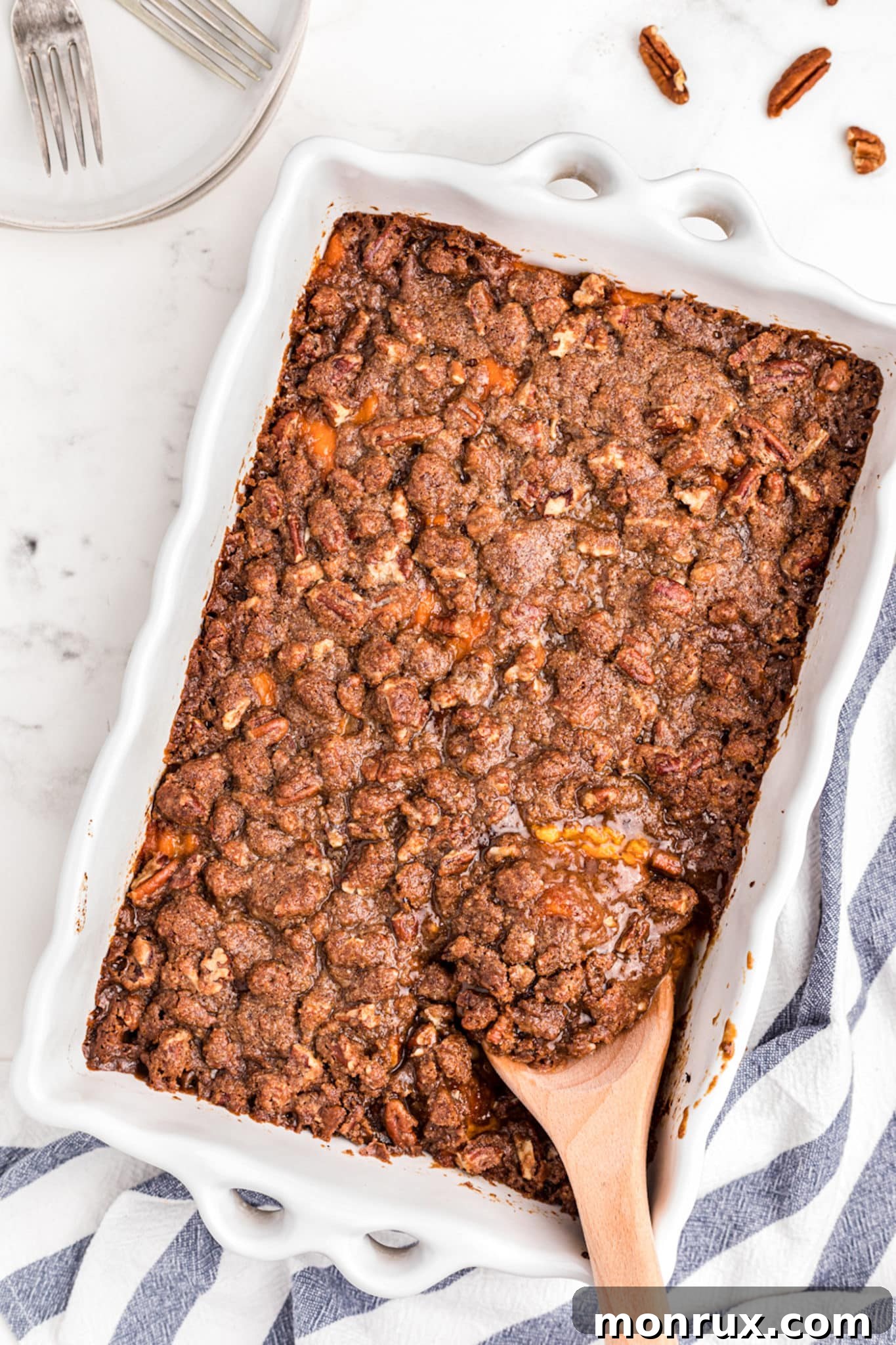
For many, the holidays simply aren’t complete without the quintessential Sweet Potato Casserole gracing the dinner table. Its luscious, creamy base and indulgent topping are a hallmark of festive feasting. This particular recipe elevates that beloved tradition by making it effortlessly gluten-free, ensuring that those with sensitivities or dietary preferences can partake in the joy.
Our gluten-free version, crowned with a delectable pecan topping, is destined to become your new holiday favorite. The secret to its gluten-free nature is simple: a straightforward swap of traditional wheat flour for a reliable gluten-free all-purpose blend. The natural sweetness of the sweet potatoes, combined with sugar, butter, and crunchy pecans, ensures that all the other core ingredients are inherently free from gluten.
Beyond being gluten-free, this recipe also offers flexible modifications to cater to egg-free and dairy-free diets, making it incredibly versatile for diverse dietary needs. I truly adore this casserole and eagerly anticipate preparing it each year. Its rich flavor and satisfying texture always bring smiles, making it a truly special addition to any celebration.
Key Ingredients for Your Gluten-Free Sweet Potato Casserole
Crafting the perfect sweet potato casserole starts with selecting and preparing high-quality ingredients. Each component plays a vital role in achieving that rich flavor and delightful texture we all crave.
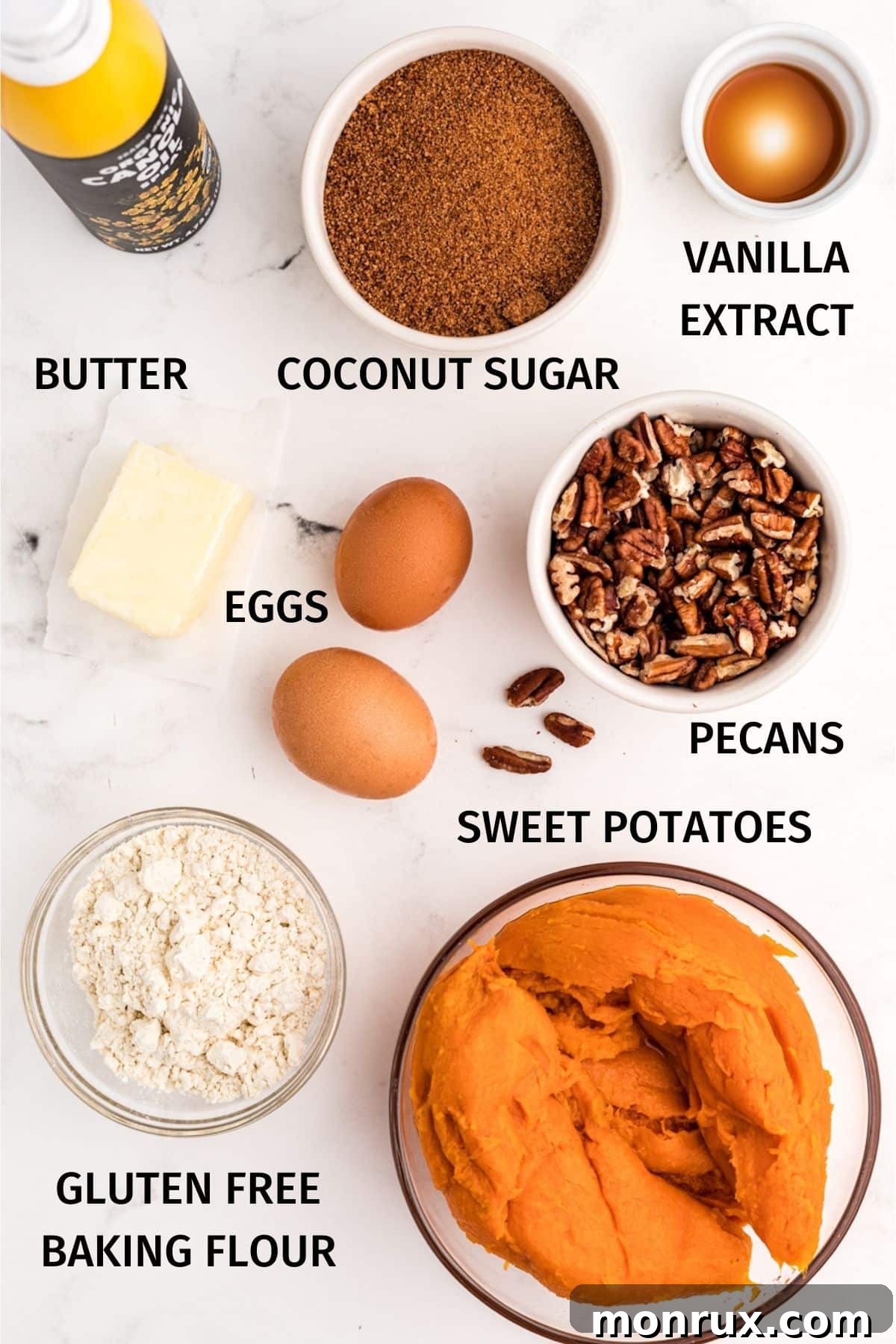
- Sweet Potatoes: You’ll need about six large sweet potatoes, cooked and with their skins removed. The proper cooking of sweet potatoes is paramount for this casserole. If overcooked, they can absorb too much water, leading to a runny filling. Undercooked potatoes, on the other hand, will lack the creamy, smooth consistency crucial for a great casserole. Aim to cook them until a fork easily slides into the flesh, indicating they are perfectly tender. For convenience, you can even use frozen sweet potatoes; just be sure to defrost them thoroughly before mashing.
- Gluten-Free Flour: This is the key to making our casserole gluten-free! My personal preference is Bob’s Red Mill 1:1 All Purpose Flour, which offers a reliable texture and flavor profile similar to wheat flour. However, feel free to use your favorite gluten-free all-purpose blend. For those following a paleo diet, a simple substitution with almond flour works wonderfully, providing a slightly different, nutty depth of flavor.
- Butter: While I often lean towards dairy-free options in my everyday cooking, I typically use regular butter for this sweet potato casserole due to its classic rich flavor. However, adapting this recipe for dairy allergies is incredibly simple. High-quality vegan butter substitutes work perfectly, maintaining the desired taste and texture. Look for brands that are known for their rich, creamy profile.
- Eggs (Optional): For many years, eggs were a standard ingredient in my sweet potato casserole recipe. However, in 2025, I began experimenting with omitting them entirely. I was pleasantly surprised to find that the casserole’s texture and richness remained intact, with no discernible difference in the outcome. This discovery was particularly welcome as one of my friends has an egg allergy. Therefore, I’ve made eggs an optional addition, allowing you to tailor the recipe to your dietary needs without sacrificing quality.
For a precise list of all ingredients and their exact measurements, please refer to the detailed recipe card at the very end of this post.
Step-by-Step Guide: Crafting Your Gluten-Free Sweet Potato Casserole
Creating this festive sweet potato casserole is a straightforward process that yields impressive results. Follow these simple steps for a truly delicious dish:
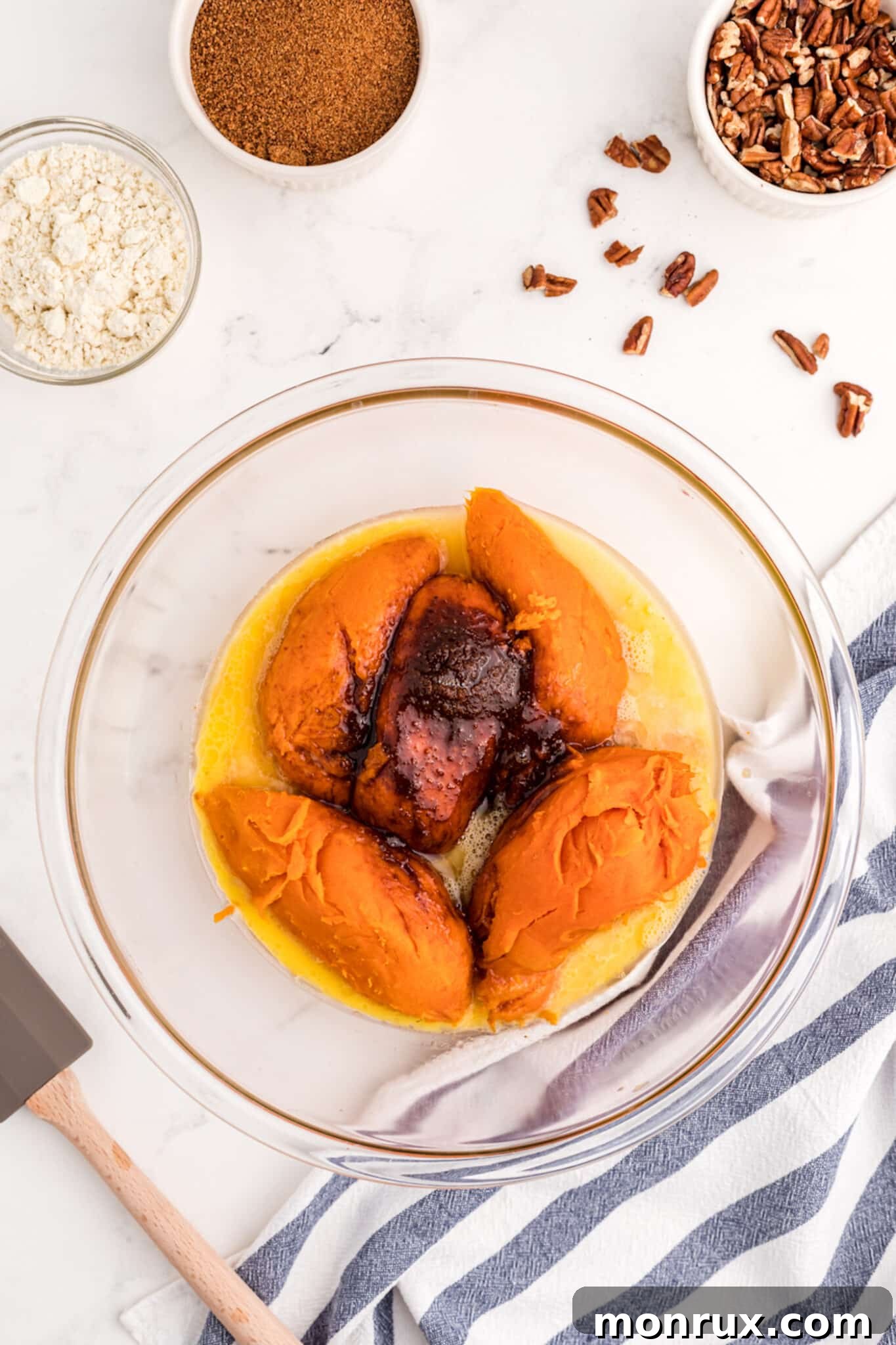
Step One: Prepare the Sweet Potato Base. In a large mixing bowl, combine your cooked and peeled sweet potatoes with the coconut sugar. Begin mashing them together thoroughly.
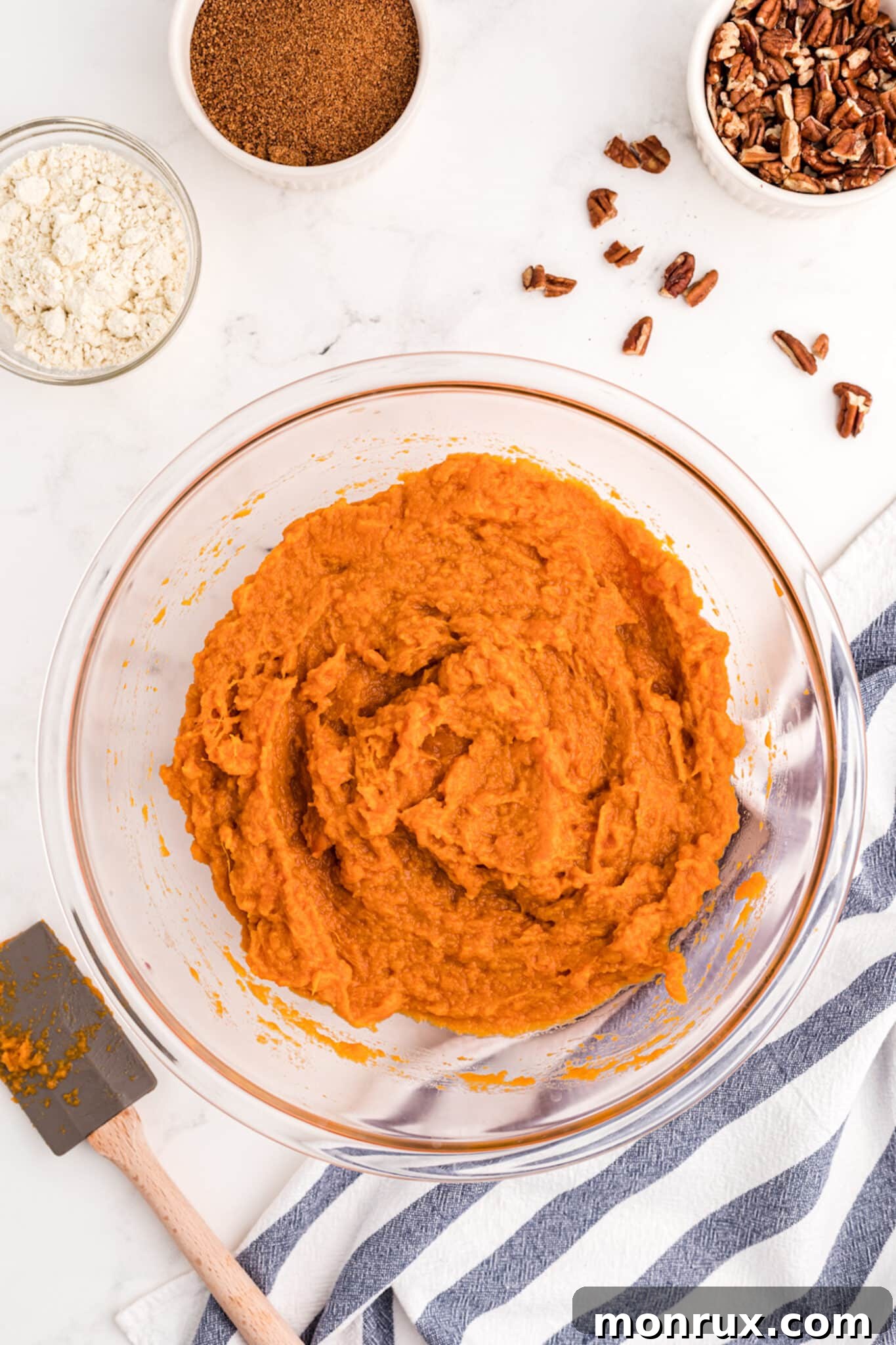
Step Two: Create a Smooth Filling. Add the eggs (if using), vanilla extract, and a tablespoon of butter to the sweet potato mixture. Continue to mix everything together, using either a spatula or a hand mixer, until the mixture is beautifully smooth and well combined.
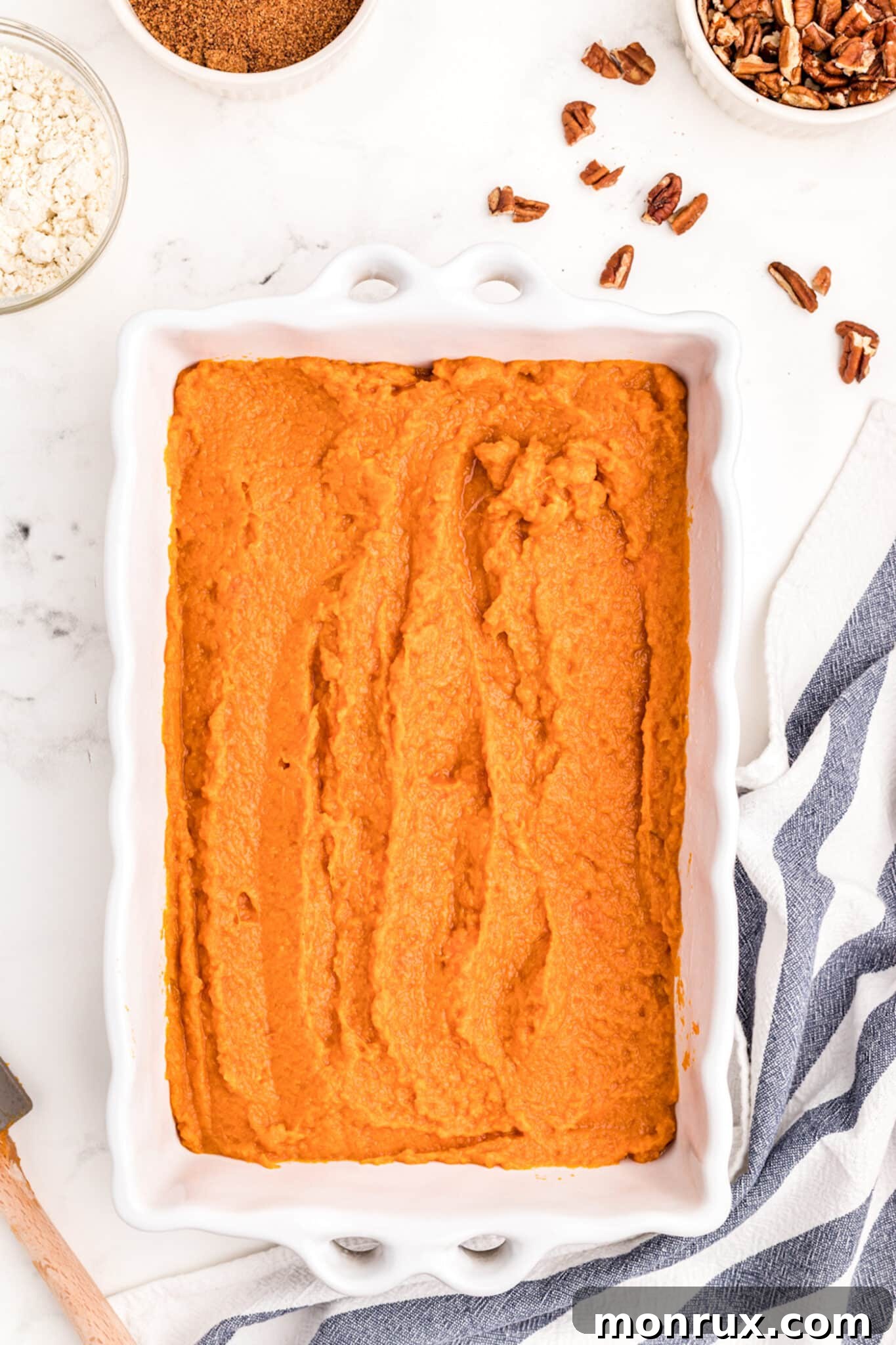
Step Three: Transfer to Baking Dish. Carefully pour the creamy sweet potato mixture into your prepared baking dish. Use a spatula to gently spread and smooth the surface evenly.
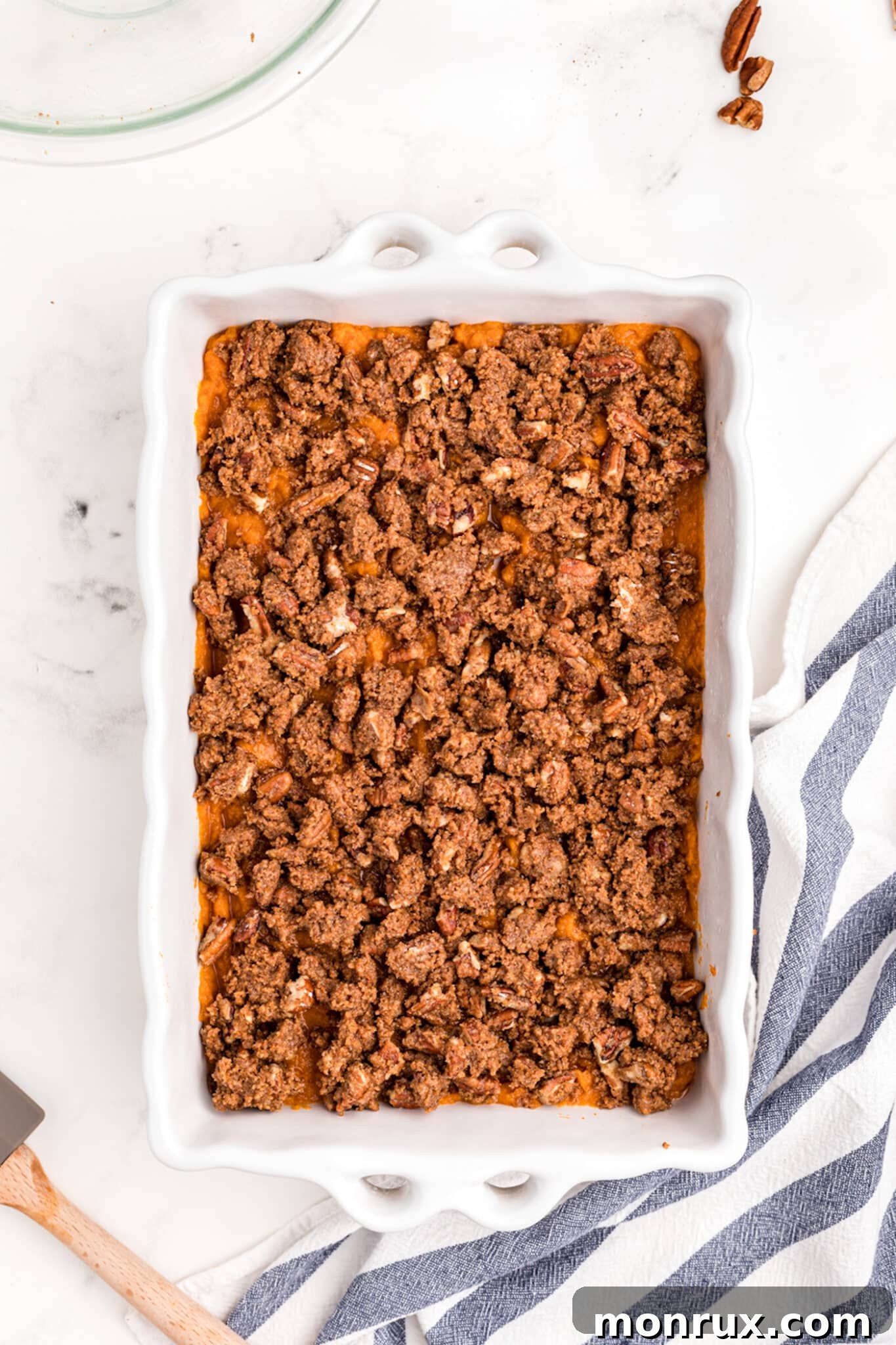
Step Four: Add the Pecan Topping and Bake. In a separate bowl, prepare your pecan crumble topping. Once ready, sprinkle it generously and evenly over the sweet potato filling. Bake the casserole until the topping achieves a beautiful golden-brown hue and the filling is heated through. Specific baking times and temperatures are detailed in the recipe card below.
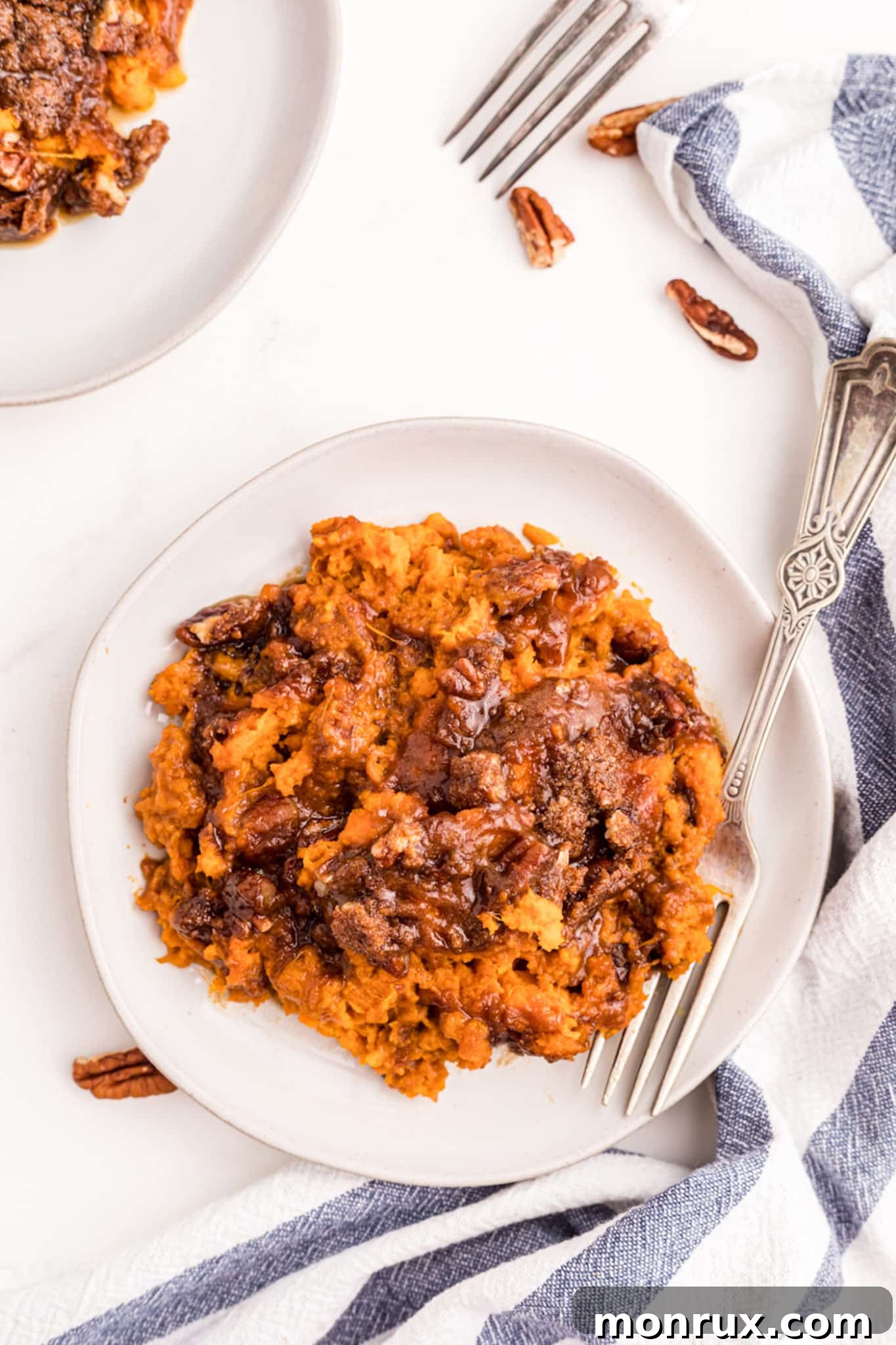
I am confident that you will agree this gluten-free sweet potato casserole recipe is an absolute triumph, perfectly suited for your most cherished holiday tables. It masterfully captures the beloved essence of traditional sweet potato casserole, offering that familiar comfort and rich flavor, but with the added elegance and delightful crunch of a pecan crumble topping instead of marshmallows.
The sweet and buttery pecan crumble adds an exquisite texture and a depth of nutty flavor that perfectly complements the creamy sweet potato base, making this the ideal side dish for your Thanksgiving spread or any festive occasion. I proudly prepared this for Thanksgiving this year, and it was such a hit that it was one of the very few side dishes to vanish completely, leaving virtually no leftovers! That, to me, is the ultimate testament to a truly successful recipe.
Exceptional Benefits of This Gluten-Free Sweet Potato Casserole
Beyond its incredible taste, this sweet potato casserole offers several practical advantages that make it a favorite for busy cooks and those with dietary considerations:
- Perfect for Any Occasion: While it shines brightly during the holiday season, its versatility means you can enjoy this delightful casserole at any time of year. It’s comforting enough for a cozy family dinner, yet elegant enough for a special gathering.
- Excellent for Meal Prepping & Holiday Planning: This dish is a dream come true for those who like to get a head start. You can easily prepare components of the casserole ahead of time, significantly reducing stress on the day of your event. Make the sweet potato mixture and the crumb topping separately, then refrigerate them. When you’re ready to bake, simply assemble the layers and pop it in the oven. This flexibility allows for a fresh, warm dish with minimal last-minute effort.
- Effortlessly Dairy-Free and Even Paleo-Friendly: With simple ingredient swaps, this recipe easily accommodates various dietary needs. For a dairy-free version, substitute regular butter with a good quality vegan butter. To make it paleo, switch out the gluten-free flour for almond flour and ensure your butter substitute is ghee or a paleo-approved fat, and adjust sweeteners as needed.
Mastering Sweet Potato Preparation: Boil, Bake, or Microwave
The foundation of a great sweet potato casserole is perfectly cooked sweet potatoes. There are several methods to achieve this, each with its own benefits:
- Bake: Baking your sweet potatoes is often considered the best method for flavor. The high heat caramelizes their natural sugars, intensifying their sweetness and depth. Bake whole sweet potatoes at 400°F (200°C) for 45–60 minutes, or until they are fork-tender. This method yields a drier, richer flesh perfect for mashing.
- Instant Pot: For speed and convenience, the Instant Pot is a fantastic option. Cook with 1 cup of water on high pressure for 25-28 minutes, depending on the size of your potatoes. This method results in consistently tender potatoes in a fraction of the time. For a full guide, check out my pressure cooking sweet potatoes tutorial.
- Boil: If you’re short on time, boiling peeled and cubed sweet potatoes is a quick way to soften them. Simmer for 15–20 minutes until tender. The key here is to drain them exceptionally well after cooking to prevent a watery filling, which can dilute the casserole’s flavor and texture.
- Microwave: This is the fastest method for individual sweet potatoes. Pierce each potato several times with a fork and microwave for 6–8 minutes, flipping halfway through, until soft. Allow them to cool slightly, then peel and mash. While quick, this method might not produce the same caramelized flavor as baking.
Frequently Asked Questions About Gluten-Free Sweet Potato Casserole
Here are answers to some common questions to help you perfect your gluten-free sweet potato casserole:
Transforming this dish into a paleo or grain-free option is straightforward. Simply use ghee or a paleo-approved cooking fat in place of regular butter. For the topping, substitute the gluten-free all-purpose flour with almond flour. These changes maintain the delicious flavor and texture while aligning with paleo dietary guidelines.
Absolutely! While this recipe features a pecan crumble topping, you can certainly add marshmallows if that’s your preference. Ensure that the marshmallows you choose are explicitly labeled as gluten-free. To incorporate them, bake the casserole with its pecan topping for approximately 30 minutes, then carefully remove it from the oven. Evenly distribute a layer of mini marshmallows over the top and return to the oven for an additional 5 minutes, or until the marshmallows are puffed and beautifully golden brown. Alternatively, for a more traditional marshmallow-free option, try my recipe for Instant Pot Candied Yams!
Yes, this casserole is an excellent candidate for advance preparation, making holiday cooking much easier! There are a couple of convenient options: You can cook the sweet potatoes and prepare the entire sweet potato filling mixture a day or two in advance. Store it in a large mixing bowl, covered tightly with plastic wrap, or in an airtight container in the refrigerator until you’re ready to bake. Alternatively, you can fully assemble the casserole (filling and topping) in the baking dish, cover it, and refrigerate it. On Thanksgiving day or the day of your event, simply take it out of the fridge and bake as directed, possibly adding 5-10 minutes to the baking time if baking from cold.
While you can technically freeze cooked sweet potato dishes, I generally do not recommend freezing leftover sweet potato casserole, particularly if it has the pecan crumble topping. The texture of the topping tends to become soggy and less appealing after thawing and reheating. If you absolutely must freeze, it’s best to freeze only the sweet potato filling without the topping, and then prepare a fresh topping just before baking.
Using canned sweet potatoes or yams is a viable shortcut if fresh are unavailable, but requires some adjustments. First, ensure you drain them thoroughly to avoid excess moisture. Since canned varieties are often softer and come pre-sweetened, you’ll need to reduce the amount of added sugar significantly. I recommend omitting any sugar from the sweet potato filling entirely. For the topping, reduce the sugar from 3/4 cup to 1/2 cup, and also reduce the gluten-free flour from 1/2 cup to 1/4 cup to maintain the right crumbly consistency.
To store leftovers, allow the casserole to cool completely to room temperature. Then, cover the baking dish tightly with plastic wrap or transfer individual portions to an airtight container. Refrigerate for up to 4 days. For reheating, you can warm it in the oven at 350°F (175°C) for 10–15 minutes, or until heated through. For quicker reheating of individual servings, use a microwave for 1–2 minutes per portion, or until warm.
I truly hope you give this delicious Gluten-Free Sweet Potato Casserole a try! If you do, please take a moment to leave a comment and a starred review below. Your feedback means a lot!
And, to stay connected and discover more clean eating recipes and wellness tips, consider following me on social media. You can find me on Facebook, Pinterest, Instagram, and YouTube!
Print Recipe
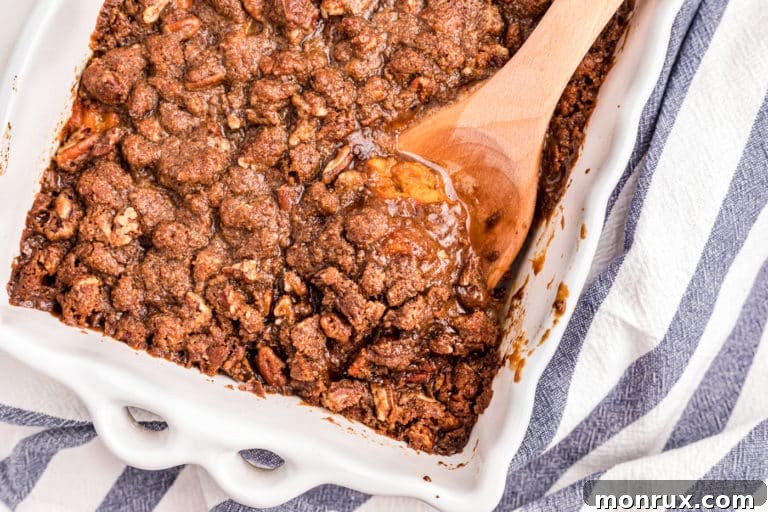
Gluten-Free Sweet Potato Casserole Recipe with Pecan Topping
5 Stars
4 Stars
3 Stars
2 Stars
1 Star
5 from 16 reviews
This exquisite Gluten-Free Sweet Potato Casserole is a beloved American staple, perfect for holiday gatherings or any occasion where a crowd-pleasing side is desired. This adaptation of a classic recipe ensures it’s entirely gluten-free, with convenient options for dairy-free and egg-free preparation, making it accessible and enjoyable for everyone.
-
Total Time:
45 minutes -
Yield:
10 1x
Ingredients
Units
Scale
- For the Sweet Potato Filling:
- Nonstick cooking spray
- 6 large sweet potatoes (approximately 3–4 pounds uncooked), cooked and peeled
- 2 teaspoons coconut sugar (or brown sugar for a richer flavor)
- 2 large eggs, lightly beaten (omit for egg-free diet)
- 1 teaspoon pure vanilla extract
- 1 tablespoon unsalted butter (use high-quality vegan butter for dairy allergies)
- For the Crunchy Pecan Topping:
- 1/2 cup gluten-free all-purpose baking flour, such as Bob’s Red Mill 1-to-1 Gluten-Free Baking Flour (almond flour can be used for paleo option)
- 3/4 cup coconut sugar (or brown sugar)
- 3/4 cup chopped pecans
- 5 tablespoons cold unsalted butter, cut into small pieces (use vegan butter for dairy-free option)
Instructions
- Preheat your oven to 350°F (175°C). Lightly spray a 9×13 inch casserole dish with nonstick cooking spray and set aside.
- In a large mixing bowl, combine the cooked sweet potato flesh, 2 teaspoons of coconut sugar, beaten eggs (if using), vanilla extract, and 1 tablespoon of butter. Use a sturdy spatula, potato masher, or a hand mixer to blend these ingredients thoroughly until the mixture is smooth and creamy.
- Pour the prepared sweet potato mixture into your greased casserole dish. Use a spatula to spread the mixture evenly across the bottom and smooth out the top surface.
- Next, prepare the pecan topping. In a medium bowl, combine the gluten-free flour, 3/4 cup of coconut sugar, the chopped pecans, and the cold, chopped butter. Use your clean fingertips to mix and rub the ingredients together until a coarse, crumbly texture forms. The mixture should resemble wet sand.
- Evenly distribute the crumbly pecan topping over the sweet potato mixture in the casserole dish. Ensure it covers the entire surface for a consistent crunch.
- Bake in the preheated oven for 30-35 minutes, or until the pecan topping is beautifully golden brown and the sweet potato filling is heated through and bubbly around the edges.
- Remove from the oven and allow to cool for a few minutes before serving warm. Enjoy your delicious gluten-free sweet potato casserole!
Recipe Notes & Expert Tips
- How to Cook Sweet Potatoes for the Casserole: To perfectly cook your sweet potatoes, start by washing them thoroughly and patting them dry. Pierce each potato several times with a fork. Bake at 400°F (200°C) for 45-60 minutes, or until very tender. Once cooked, remove from the oven, let them cool slightly, then carefully peel off the skins and place the cooked flesh in a large bowl. For a time-saving alternative, consider making Instant Pot Sweet Potatoes.
- Regular Flour Alternative: If you or your guests do not follow a gluten-free diet, you can easily substitute regular all-purpose wheat flour in place of the gluten-free flour in the topping. The measurements will remain the same.
- Casserole Dish Size: While a standard 9×13 inch baking dish is recommended, you can also use a square baking dish (approximately 9×9 or 10×10 inches) for a thicker casserole. Adjust baking time slightly if using a different size.
- Nut Substitutions: Not a fan of pecans? No problem! You can easily substitute them with an equal amount of chopped almonds or walnuts for a different but equally delicious nutty crunch.
- Egg-Free Preparation: As tested, this recipe is absolutely delicious and holds together perfectly even without eggs. If preparing for an egg-free diet or allergy, simply omit the two beaten eggs from the filling.
- Storage and Reheating: Store any leftover casserole in a covered, airtight container in the refrigerator for up to 4 days. Reheat individual servings in the microwave or place the entire dish (covered with foil to prevent drying) back in the oven at 350°F (175°C) until thoroughly warm.
-
Author:
Carrie Forrest, MPH in Nutrition -
Prep Time:
15 minutes -
Cook Time:
30 minutes -
Category:
Side Dish, Dessert -
Method:
Baking -
Cuisine:
American, Holiday -
Diet:
Gluten-Free, Vegetarian, Dairy-Free Option, Egg-Free Option, Paleo Option
Nutrition Information (Approximate Per Serving)
- Serving Size: 1/10 of recipe
- Calories: 287
- Sugar: 18.9 g
- Sodium: 69.5 mg
- Fat: 13.8 g
- Saturated Fat: 5.1 g
- Carbohydrates: 38.2 g
- Fiber: 3.3 g
- Protein: 3.7 g
- Cholesterol: 55.5 mg
More Delicious Gluten-Free Holiday Recipes You Might Enjoy
If you loved this sweet potato casserole, you’ll be thrilled to explore more gluten-free delights perfect for your holiday spread or any special occasion. Each recipe is designed to be wholesome, delicious, and friendly to various dietary needs:
- Warm and Spicy Air Fryer Baked Apples
- Comforting Gluten-Free Apple Pear Crisp (Vegan-Friendly)
- Decadent Chocolate Chip Sweet Potato Muffins (Gluten-Free)
- Aromatic Cinnamon Sweet Potato Bread
- Creamy Dairy-Free Pumpkin Pie Pudding (Paleo)
- Hearty Roasted Sweet Potato and Kale Bake
Or, dive into my comprehensive index of healthy holiday recipes, all thoughtfully crafted to be gluten-free and dairy-free for a joyful and inclusive festive season!
Don’t Miss These Essential Thanksgiving Side Dishes!
Complete your holiday feast with these equally delicious and dietary-friendly Thanksgiving side dishes:
Don’t forget to join my exclusive newsletter list to receive delightful clean eating recipes, expert wellness tips, and special content directly in your inbox. It’s 100% free, spam-free, and you can unsubscribe anytime. Stay inspired on your healthy eating journey!
About the Author: Carrie Forrest holds a master’s degree in public health with a specialization in nutrition and is a certified holistic nutritionist. She is a highly successful wellness and food blogger, attracting over 5 million visitors to her site annually. Carrie shares an inspiring story of recovery from chronic illness and is deeply passionate about empowering other women to transform their health. Feel free to send her a message through her contact form for any inquiries or support.