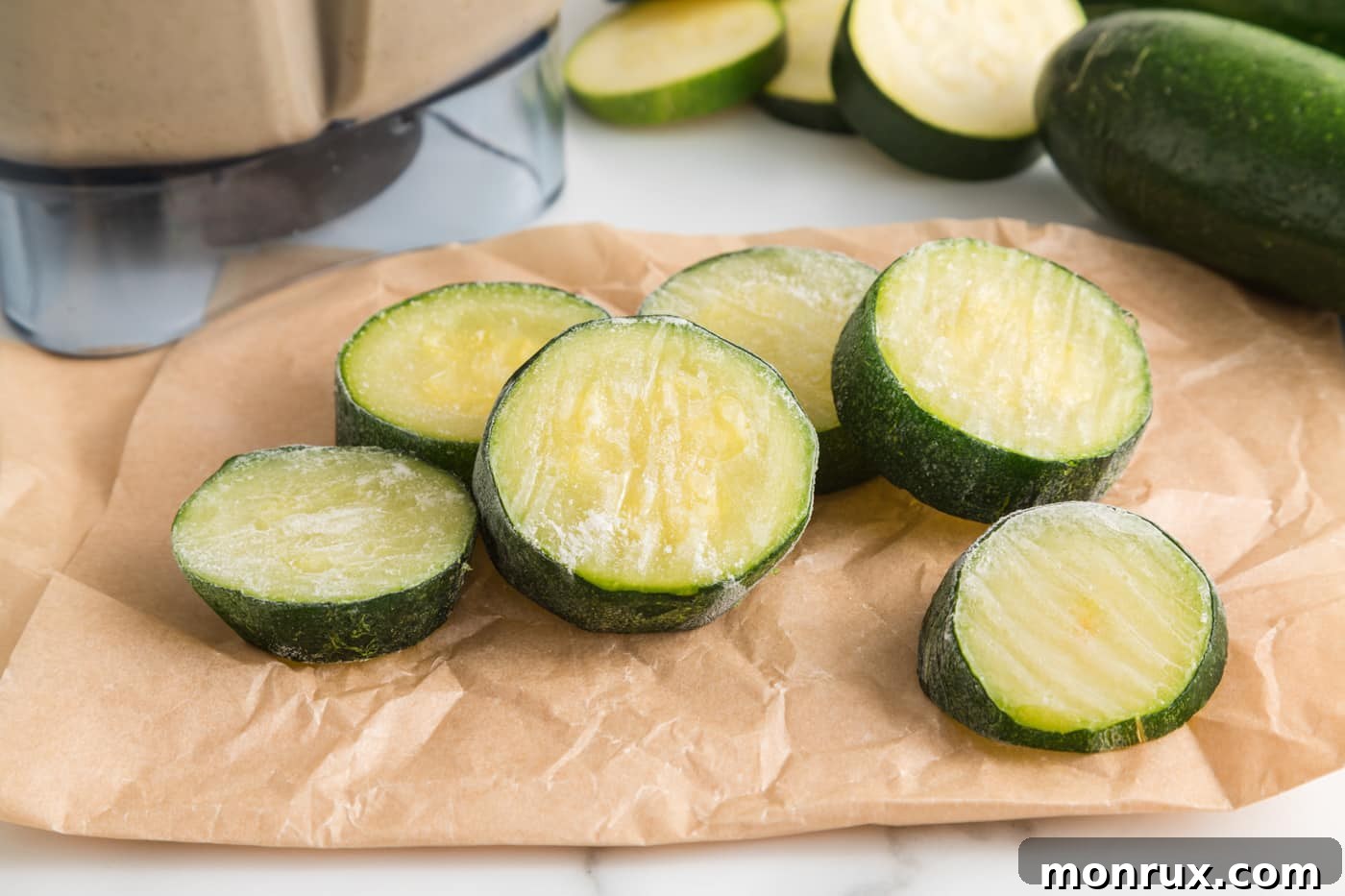
How to Freeze Zucchini for Smoothies: Your Ultimate Guide to Creamy, Nutrient-Packed Blends
Zucchini, a versatile and humble squash, often takes center stage during summer harvests. But what do you do when your garden or local market overflows with this nutritious vegetable? Don’t let it go to waste! Freezing zucchini is an excellent way to preserve its goodness and incorporate it into your diet year-round, especially in smoothies. Believe it or not, frozen zucchini is a game-changer for smoothies, offering incredible creaminess, thickness, and a significant nutritional boost without impacting flavor. In this comprehensive guide, we’ll walk you through the simple steps of how to freeze zucchini for smoothies, ensuring your blends are always packed with healthy benefits and a delightful texture.
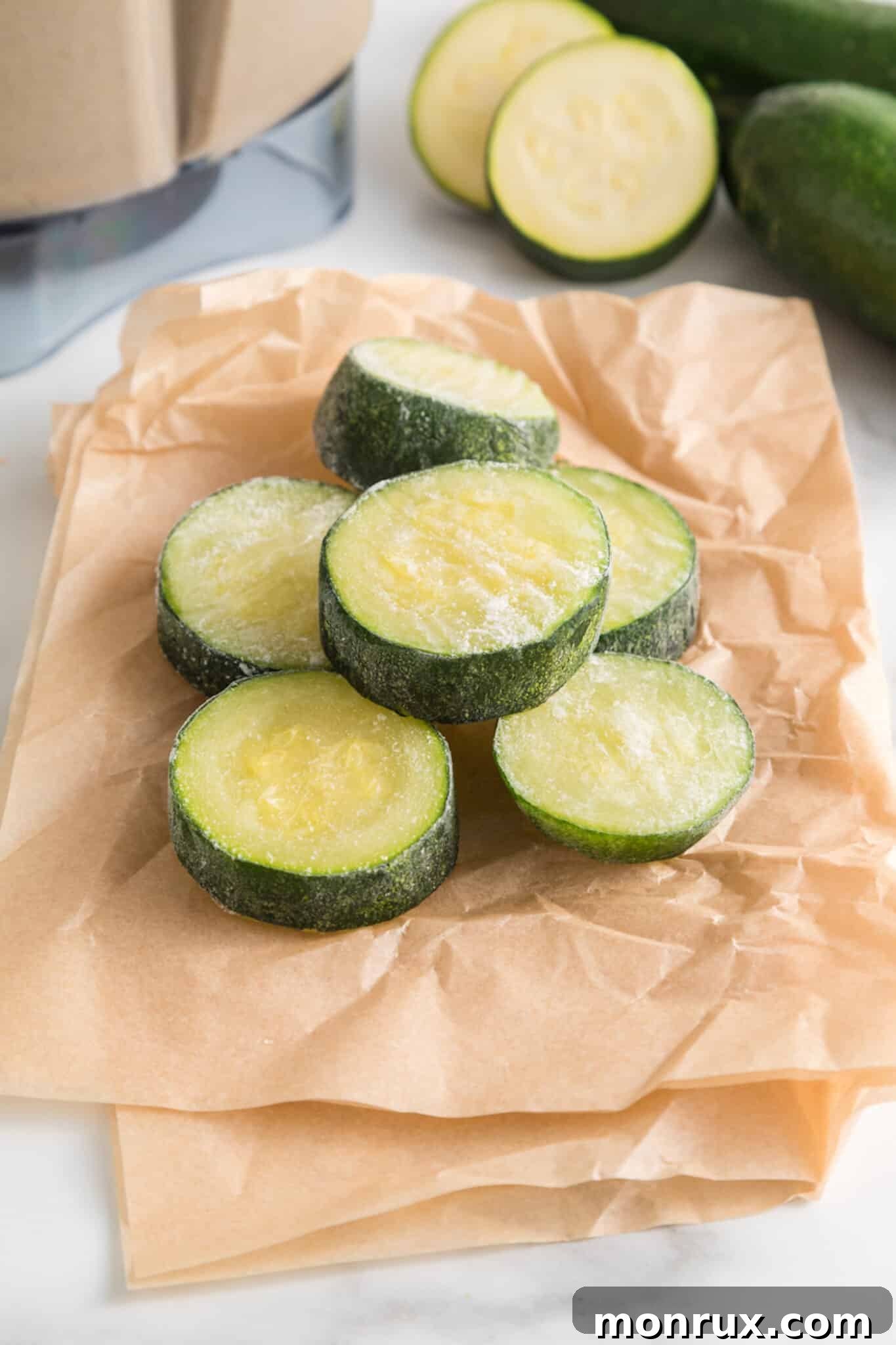
Summer is synonymous with an abundance of fresh zucchini. It’s often affordable and readily available, making it an ideal candidate for meal prepping and nutritional enhancement. While many enjoy zucchini in savory dishes or baked goods, its true potential for smoothies is often overlooked. When frozen, this green squash transforms into a mild, creamy addition that can secretly boost the fiber and nutrient content of any smoothie without a noticeable vegetable taste.
If you’re wondering how to manage a surplus of zucchini from your garden or CSA box, look no further. Freezing it is the answer! By following a few simple steps, you can ensure a steady supply of this healthy ingredient, ready to be blended into your favorite breakfast or post-workout drinks. It’s an effortless way to add essential vitamins, minerals, and a luxurious texture, making your smoothies more satisfying, wholesome, and incredibly delicious.
Why Freeze Zucchini for Smoothies?
The decision to incorporate frozen zucchini into your smoothie routine goes beyond simple preservation. It brings a host of benefits that can elevate your daily blends, making them healthier, creamier, and more satisfying:
- Nutritional Powerhouse: Zucchini is surprisingly rich in vitamins, minerals, and antioxidants. It’s an excellent source of Vitamin C, a powerful antioxidant; Vitamin K, essential for blood clotting and bone health; Vitamin B6, crucial for brain development and function; folate, important for cell growth; manganese, a vital trace mineral; and potassium, important for blood pressure regulation. Adding it to smoothies is a simple, delicious way to increase your intake of these essential nutrients without even noticing a change in flavor.
- Unbeatable Creaminess and Thickness: This is arguably the most compelling reason to freeze zucchini for smoothies! When zucchini freezes, the water content inside its cells expands, breaking down the cellular structure. Upon blending, this creates an incredibly creamy, thick texture similar to what bananas or avocados offer, but with significantly fewer calories and carbohydrates. It’s perfect for achieving that luxurious smoothie consistency without adding extra fruit sugars or fats.
- Taste Neutrality: Unlike many other vegetables, zucchini has a very mild, almost undetectable flavor. This makes it an ideal “hidden” vegetable. You can add a generous amount to your smoothie without it overpowering the taste of your fruits, protein powder, or other ingredients. Your taste buds will thank you, and your body will too, for the stealthy nutritional boost!
- Low in Calories and Carbs: For those managing calorie intake, monitoring blood sugar, or following specific dietary plans (like keto or low-carb), zucchini is a fantastic addition. It’s incredibly low in calories and carbohydrates, allowing you to bulk up your smoothie and feel fuller longer without a caloric overload or spike in blood sugar.
- Rich in Dietary Fiber: Zucchini contributes valuable dietary fiber, which is crucial for maintaining a healthy digestive system, regulating blood sugar levels, and promoting prolonged satiety. A fiber-rich smoothie can help keep you energized, prevent sudden hunger pangs, and support overall gut health.
- Reduces Food Waste: During peak growing season, zucchini can be incredibly abundant. Freezing allows you to make the most of your garden harvest or market finds, preventing perfectly good produce from going to waste. It’s an eco-friendly approach to enjoying fresh vegetables.
- Cost-Effective: By buying zucchini when it’s in season and most affordable, and then freezing it, you can enjoy its nutritional and textural benefits all year without paying out-of-season, higher prices. It’s smart meal prep that saves money in the long run.
The Importance of Blanching Zucchini for Freezing
While you can freeze raw zucchini, blanching is a highly recommended step that significantly improves the quality, flavor, and longevity of your frozen squash. Blanching involves briefly scalding vegetables in boiling water or steam, then rapidly cooling them in ice water to stop the cooking process. Here’s why it’s so crucial for zucchini destined for the freezer:
- Deactivates Enzymes: Zucchini, like many other vegetables, contains natural enzymes that cause it to ripen, break down, and eventually spoil. Freezing alone slows down this enzyme activity but doesn’t completely stop it. Blanching effectively deactivates these enzymes, preventing undesirable changes in color, flavor, and texture during prolonged freezer storage. Without blanching, frozen zucchini can become mushy, discolored, and develop an unpleasant, bitter taste over time.
- Preserves Vibrant Color and Fresh Flavor: Blanching helps to lock in zucchini’s vibrant green color and fresh, mild taste. This means your smoothies will not only benefit from the added nutrition but also look more appealing and taste consistently good, even months after freezing.
- Improves Texture: A quick blanch firms up the zucchini slightly, helping it maintain a better structural integrity. More importantly for freezing, it helps prevent it from becoming overly soggy or developing freezer burn as quickly. The initial heat also helps to release some gasses, which can reduce oxidation.
- Cleanses and Softens: The blanching process helps to thoroughly cleanse the surface of the vegetable from any lingering dirt or microorganisms. It also slightly softens the zucchini, making it easier to pack tightly into storage containers and blend more smoothly later on.
- Reduces Risk of Foodborne Illness: While not its primary purpose for freezing, the brief boiling water exposure during blanching can also help reduce the bacterial load on the surface of the vegetable, adding an extra layer of safety.
For the best results and highest quality frozen zucchini for your smoothies, always take the extra step to blanch it. It’s a small investment of time that pays off immensely in superior taste, texture, and nutritional retention.
Step-by-Step Guide: How to Freeze Zucchini for Smoothies
Freezing zucchini is a straightforward process, but following these detailed steps ensures you get the best possible outcome for your smoothie needs—perfectly preserved, creamy, and ready to blend.
Step One: Preparation and Slicing
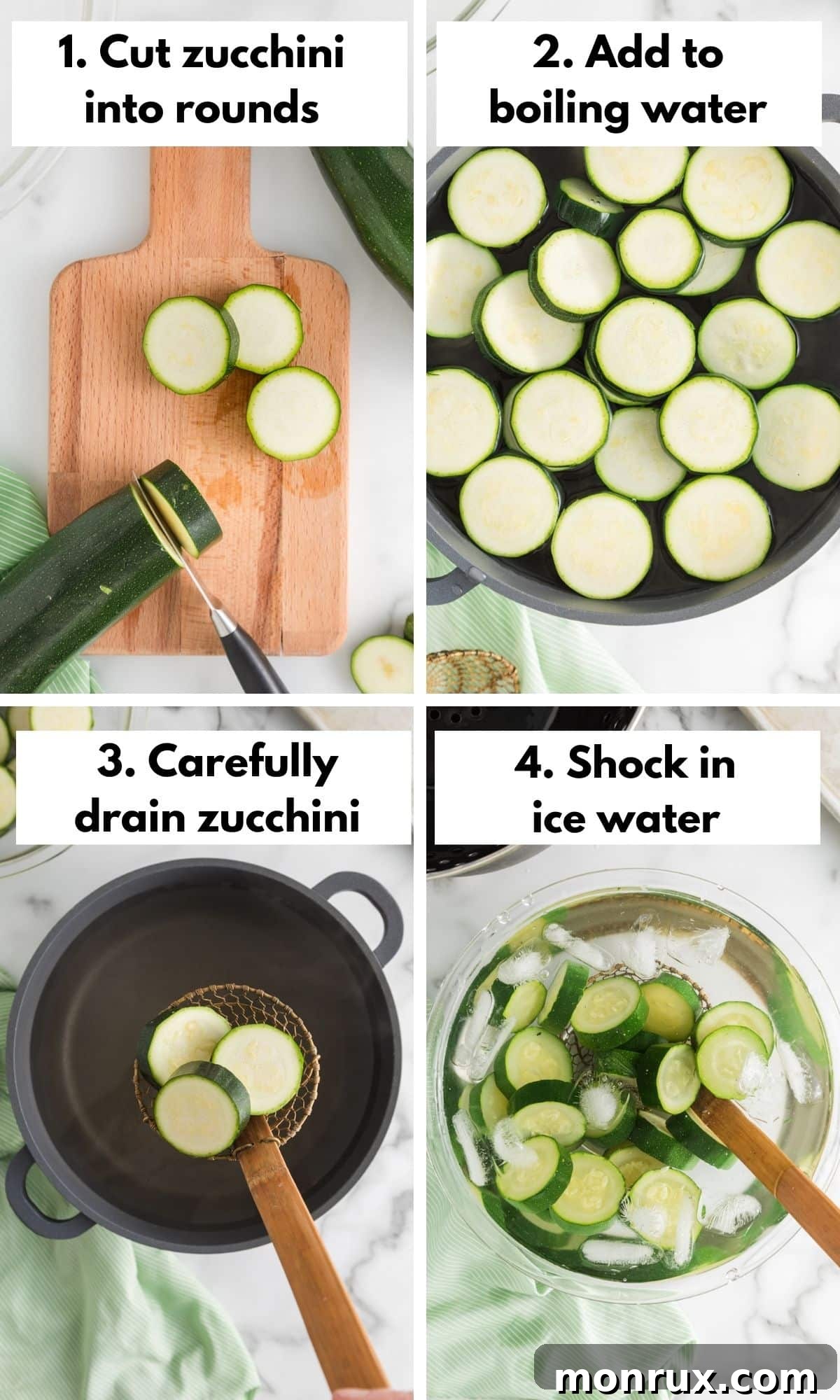
Begin by thoroughly washing your zucchini under cool running water. Pay attention to any crevices where dirt might hide. Once clean, gently pat them completely dry with a clean kitchen towel or paper towels. This dryness is important for the next steps. Next, trim and discard about a quarter-inch from both the stem and blossom ends of the zucchini.
Regarding peeling, it’s entirely up to your personal preference. Zucchini skin is thin, perfectly edible, and contains a good amount of beneficial fiber and nutrients. If you opt to leave the skin on, your smoothies will retain more nutrients and a slightly greener hue. However, some individuals find that zucchini skin can be a bit tougher or harder to digest, or they might prefer a completely smooth, uniform color in their smoothie. If this applies to you, feel free to use a vegetable peeler to remove the skin before slicing.
Once clean (and peeled, if desired), use a sharp chef’s knife to slice the zucchini into uniform ½-inch thick rounds. Consistency in thickness is crucial here, as it ensures that all pieces blanch evenly. For very large zucchini, you might find it more practical to cut the rounds into half-moons or even quarters if you prefer smaller pieces that are quicker to freeze and easier to blend. Aim for pieces that are roughly the same size for optimal results.
(Please refer to the detailed recipe card at the end of this post for precise quantities and additional notes on preparation.)
Step Two: Blanching the Zucchini
Fill a large pot with water and bring it to a vigorous, rolling boil over high heat. Ensure you have enough water so that when you add the zucchini pieces, they can be fully submerged and the water temperature doesn’t drop too significantly. This rapid, brief cooking is the essence of blanching. Carefully add the sliced zucchini to the boiling water. Allow them to blanch for exactly two minutes. It’s important to set a timer and stick to this duration to avoid overcooking, which can lead to mushy results. You will notice their color intensify to a bright, vibrant green – this is a good visual indicator that the blanching process is working effectively to preserve their qualities.
Step Three: The Ice Bath (Shocking)
Immediately after blanching, it’s absolutely crucial to stop the cooking process. Before you even begin blanching, prepare a large bowl filled with a generous amount of ice and cold water to create an effective ice bath. Once the two-minute blanching time is up, use a slotted spoon or carefully pour the zucchini into a colander to quickly transfer the blanched zucchini from the boiling water into this ice bath. Let them sit in the ice water for two to three minutes, or until they are completely cooled through. This rapid cooling, known as “shocking,” is essential for preserving their texture, vibrant color, and vital nutrients. It halts the enzyme activity that the blanching process initiated.
Once cooled, thoroughly drain the zucchini using the colander. It’s vital to ensure they are as dry as possible before freezing. Excess water clinging to the zucchini pieces can lead to the formation of ice crystals and unsightly freezer burn, both of which compromise the quality of your frozen zucchini. To ensure maximum dryness, you can gently pat them dry with paper towels or a clean kitchen towel. Don’t skip this step!
Step Four: Flash Freezing and Storage
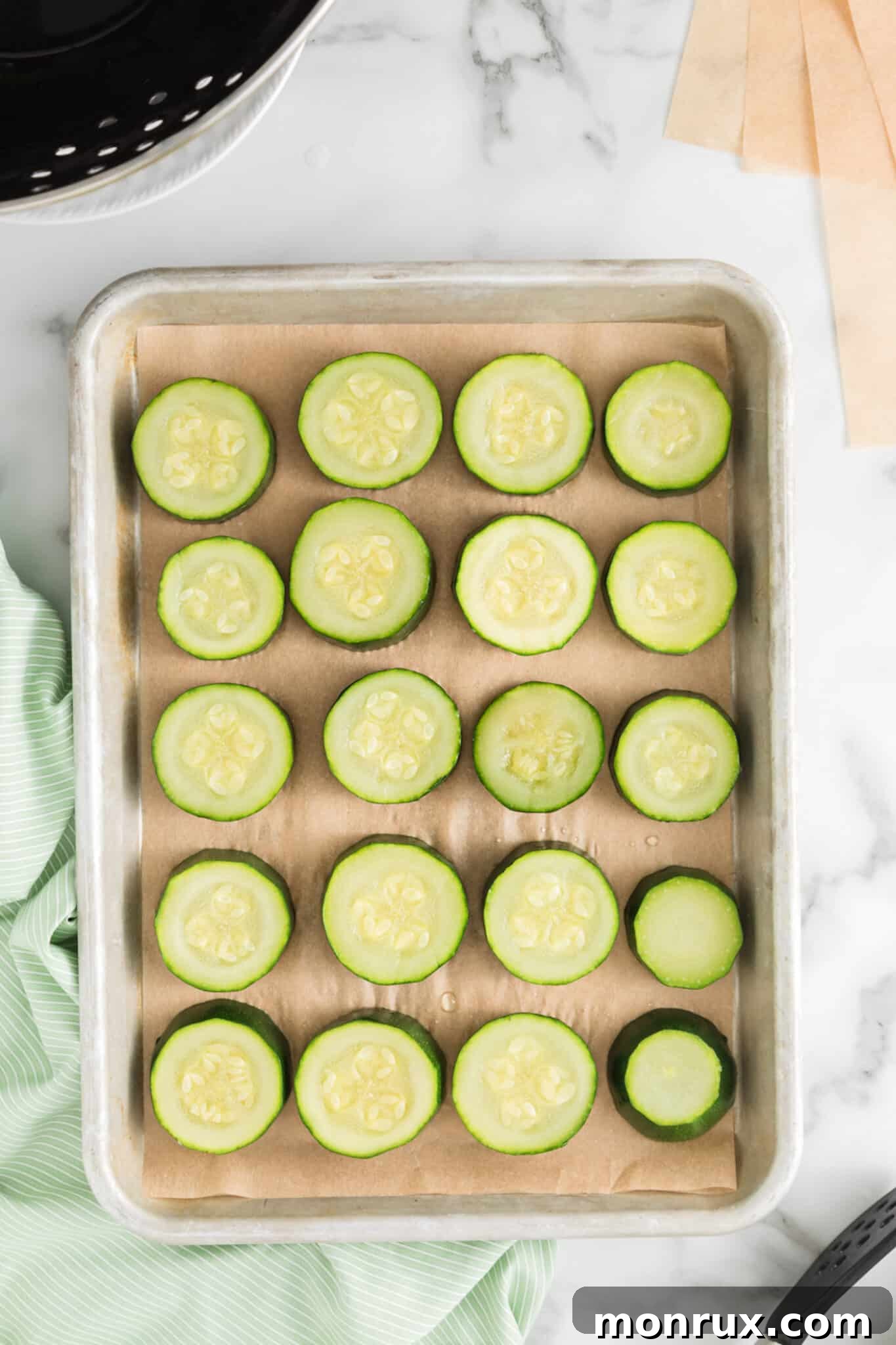
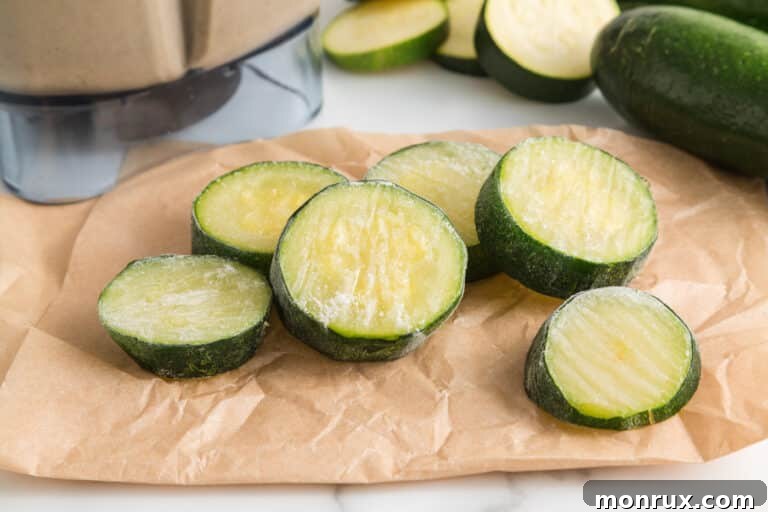
Line a large baking sheet with parchment paper. This non-stick surface is crucial for easy removal of the frozen zucchini. Arrange the thoroughly dried zucchini slices in a single layer on the parchment-lined sheet. Make sure the pieces are not touching each other; this separation is key to preventing them from freezing into one solid, unmanageable block. Flash freezing ensures each piece freezes individually, allowing you to easily grab only what you need later without having to chip away at a large frozen mass.
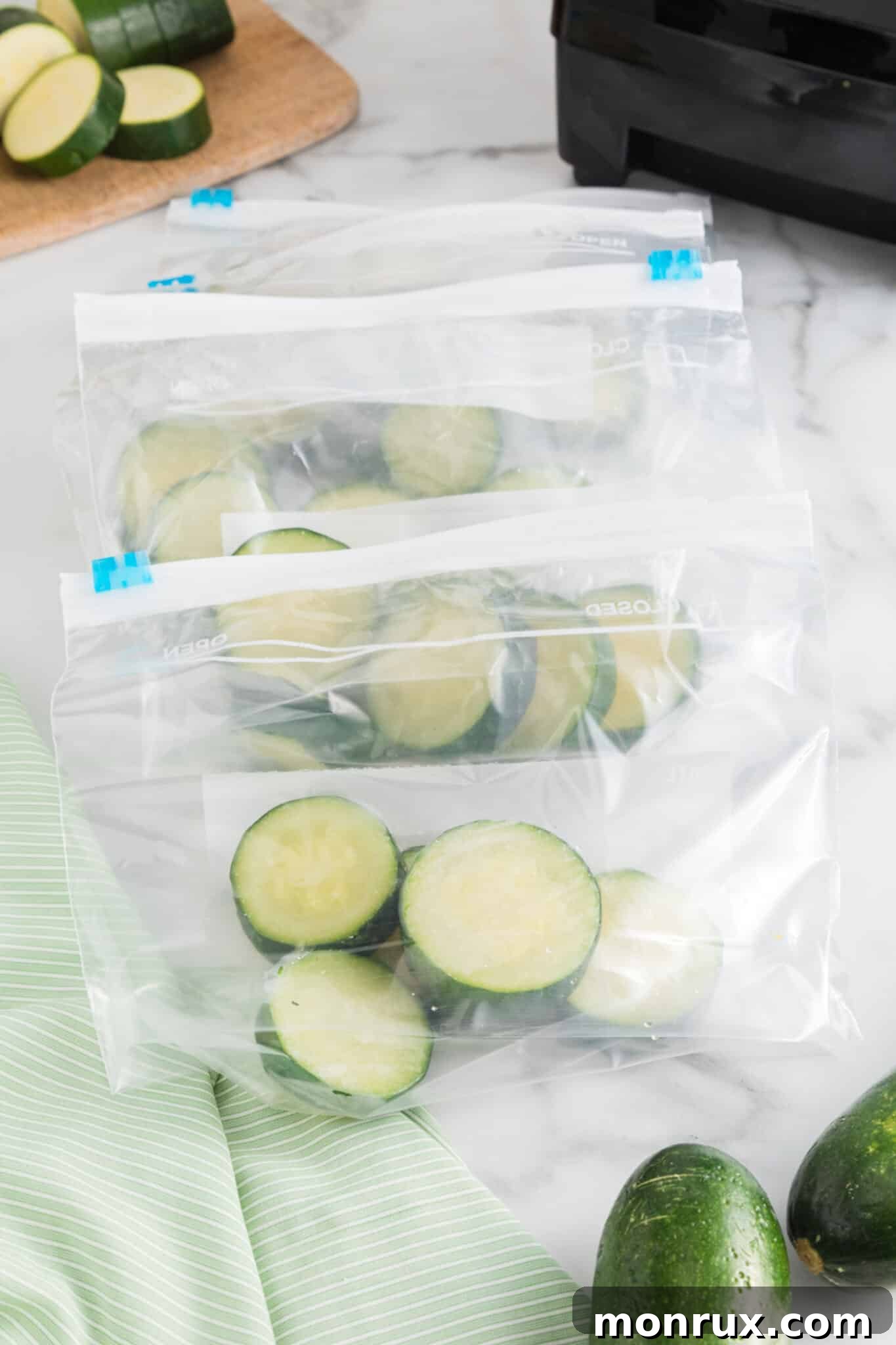
Transfer the baking sheet to your freezer and freeze for 6-24 hours, or until the zucchini pieces are completely solid. The duration depends on the size of your zucchini pieces and the efficiency of your freezer. Once completely solid, carefully transfer the individual frozen zucchini rounds into freezer-safe zip-top bags or airtight containers. Press out as much air as possible from the bags to minimize exposure to air, which is the main cause of freezer burn. If using containers, ensure they are tightly sealed. Label the bags or containers with the date and contents (e.g., “Frozen Zucchini – [Date]”).
Store your frozen zucchini in the freezer for up to 3-4 months for optimal quality. While it might remain safe to consume for a bit longer, the texture, flavor, and nutritional value are best within this timeframe. Now you have a ready supply of nutrient-rich, perfectly preserved zucchini for all your smoothie needs, accessible anytime!
Expert Tips for Using Frozen Zucchini in Smoothies
Maximize the benefits and enjoyment of your frozen zucchini with these expert tips:
- No Thawing Needed: One of the greatest advantages of flash-frozen zucchini is that you can add it directly to your blender from the freezer. There’s absolutely no need to thaw it beforehand, which saves significant time and retains its desired thickening properties, making it incredibly convenient for quick morning smoothies.
- Ideal Quantity: For most standard smoothie recipes, aim for about ¼ to ½ cup of frozen zucchini slices per serving. This amount typically provides significant creaminess, a boost of nutrients, and desirable thickness without overpowering or diluting the primary flavors of your smoothie. Feel free to adjust the quantity based on your personal preference for thickness and consistency.
- Pairing Perfection: Frozen zucchini is incredibly versatile and plays well with a wide array of ingredients. It pairs wonderfully with a spectrum of fruits like all types of berries, bananas, mangoes, pineapple, and peaches. It also blends seamlessly with other vegetables such as spinach, kale, or carrots, making it an excellent, covert base for green smoothies. Its mild flavor ensures it won’t clash with any of your chosen ingredients.
- Blending Order Matters: For the smoothest and most efficient blending results, always follow a specific order. Add your liquids (water, milk, juice, or yogurt) to the blender first, followed by softer ingredients (like fresh fruits or protein powders), and then your frozen items, including the zucchini. This layering allows the blender blades to move freely, create a powerful vortex, and thoroughly incorporate all ingredients, ensuring a perfectly smooth and creamy smoothie.
- Experiment with Forms: While rounds are a convenient and popular form for freezing, don’t hesitate to experiment with other shapes. You can freeze zucchini in smaller chunks or even grated (though grated is often better suited for baking, ensure it’s well-drained). Different shapes might blend slightly differently, so find what works best with your specific blender and desired smoothie consistency.
- Enhance Your Green Smoothies: Zucchini is particularly effective in green smoothies where you want to add extra volume, fiber, and nutrients without introducing the strong flavor that some other greens can impart. It complements spinach, kale, and other leafy greens beautifully, making your green smoothies more substantial and palatable. See my full article on the health benefits of green smoothies for more inspiration and ways to incorporate hidden veggies.
Recipe FAQs and Troubleshooting
Got questions about freezing zucchini? We’ve got answers to help you get the best results every time.
Peeling zucchini before freezing is completely optional and a matter of personal preference. The skin is thin, perfectly edible, and actually contains beneficial fiber and nutrients that contribute to the overall health profile of your smoothie. If you choose to leave the skin on, your smoothie might have a slightly greener tint. However, some individuals find that zucchini skin can be a bit tougher or harder to digest, or they simply prefer a smoother, more uniform texture in their blended drinks. If this applies to you, feel free to use a vegetable peeler to remove the skin before proceeding with the blanching and freezing steps. Both methods yield excellent results for smoothies.
Frozen zucchini is incredibly versatile beyond just smoothies! It’s an excellent addition to savory dishes like soups, stews, and casseroles. You can simply toss the frozen pieces directly into your simmering pot, and they will thaw and cook beautifully without needing to be defrosted first. It adds bulk, nutrients, and subtle flavor without altering the main profile of your dish. It’s also great for baked goods such as zucchini bread, muffins, or even fritters, where you can use thawed and thoroughly squeezed grated zucchini. However, I generally do not recommend using frozen zucchini for dishes where crispness or a firm bite is desired, such as stir-fries or fresh salads, as it tends to lose its firm texture and become softer upon thawing.
Mushy zucchini after freezing often results from over-blanching. It’s crucial to stick to the recommended two-minute blanching time to ensure the vegetables are just cooked enough to halt enzyme activity but not so much that they become soft. Freezer burn, on the other hand, is usually caused by improper or insufficient drying before freezing, or by inadequate air removal from your storage bags or containers. Always pat zucchini thoroughly dry after the ice bath and ensure you squeeze out as much air as possible from your freezer bags, or use truly airtight containers, to minimize exposure to air and prevent freezer burn.
Yes, absolutely! Shredded zucchini can be frozen, and it’s particularly useful if you plan to use it for baking (like in zucchini bread, muffins, or savory pancakes) or adding to sauces. Follow the same blanching and shocking steps for shredded zucchini. After the ice bath, it’s even more critical to thoroughly drain and squeeze out as much excess water as possible from the shredded zucchini before flash freezing and storing it. This prevents it from becoming overly watery and impacting the consistency of your baked goods.
When properly blanched, flash-frozen, and stored in airtight containers or freezer bags, frozen zucchini can maintain its optimal quality for about 3-4 months. While it might technically be safe to consume for up to 6 months or even longer, its texture, color, and flavor may start to degrade past the 4-month mark. For the best culinary experience, aim to use your frozen zucchini within this optimal timeframe. Always remember to label your bags or containers with the freezing date to help you keep track of its freshness.
We truly hope this detailed guide inspires you to try freezing zucchini for your next smoothie! If you do, please consider leaving a comment and a starred review below to share your experience. Your feedback is invaluable to us and other readers!
Stay connected and get more healthy eating tips and delicious recipes by following us on social media. You can find us on Facebook, Pinterest, Instagram, and YouTube! Join our community of clean eating enthusiasts.
Print Recipe
How to Freeze Zucchini for Smoothies Recipe
5 Stars
4 Stars
3 Stars
2 Stars
1 Star
Average: 5 from 1 review
Unlock the secret to thicker, creamier, and more nutritious smoothies by freezing zucchini! This simple process transforms fresh zucchini into a flavor-neutral ingredient that adds volume, essential vitamins, and fiber to your blends without altering their taste. Perfect for preserving summer harvests or ensuring year-round healthy living, this recipe will change your smoothie game.
Total Time: 25 minutes
Yield: 4 servings 1x
Ingredients
Scale
- 2 medium to large zucchini (approx. 1-1.5 lbs total)
- Ample water for blanching the zucchini
- Ice and water for an immediate ice bath
Instructions
- Thoroughly wash your zucchini under cool running water to remove any dirt. Pat them completely dry with a clean kitchen towel. Trim and discard both the stem and blossom ends.
- Using a sharp knife, slice the zucchini into uniform ½-inch thick rounds. For larger zucchini, you may cut these rounds into half-moons for easier blending.
- Bring a large pot of water to a vigorous, rolling boil over high heat. Carefully transfer the zucchini slices into the boiling water using a slotted spoon, ensuring they are fully submerged.
- While the zucchini is blanching, prepare a large bowl filled with a generous amount of ice and cold water to create an effective ice bath.
- Allow the zucchini to blanch for exactly two minutes. Set a timer to ensure they are not overcooked. After two minutes, immediately turn off the heat and quickly drain the zucchini using a colander.
- Promptly transfer the blanched zucchini from the colander into the prepared ice bath to stop the cooking process. Let them cool completely in the ice water for 2-3 minutes.
- Line a large baking sheet with parchment paper for non-stick freezing. Drain the zucchini thoroughly from the ice bath and gently pat them very dry with a clean towel or paper towels. Removing excess moisture is crucial to prevent ice crystals.
- Arrange the dried zucchini slices in a single layer on the parchment-lined baking sheet, making sure none of the pieces are touching. Place the baking sheet in the freezer for 6-24 hours, or until the zucchini is frozen solid.
- Once completely frozen, transfer the individual zucchini slices into freezer-safe zip-top bags or airtight containers. Remove as much air as possible from the bags to prevent freezer burn (a vacuum sealer works best if you have one).
- Store the frozen zucchini in the freezer for up to 3-4 months for optimal quality and flavor. Label your bags with the date for easy tracking.
- To use in a smoothie, simply add ¼ to ½ cup (or your desired amount) of frozen zucchini slices directly into your blender with your other smoothie ingredients. There’s no need to thaw them beforehand!
Notes
- To Peel or Not to Peel: Peeling the zucchini before blanching is optional. The skin is nutritious, but some prefer to remove it for a smoother texture and potentially easier digestion in smoothies.
- Blanching is Recommended: While you can technically freeze raw zucchini, blanching is highly recommended. It helps to deactivate enzymes that can cause undesirable changes in color, flavor, and texture during freezing, thus preserving the quality and shelf life of your frozen zucchini. It also helps prevent potential foodborne illness and improves digestibility for some individuals.
- Versatile Use: Beyond smoothies, frozen zucchini slices are fantastic for adding to savory dishes like soups, stews, and casseroles. You can add them directly from the freezer; no defrosting is necessary. However, avoid using them in dishes where a firm, crisp texture is crucial (e.g., stir-fries, salads), as they will soften upon thawing.
- Alternative: Freezing Shredded Zucchini: If you plan to use zucchini in baked goods, you can blanch and freeze it shredded. Just be sure to squeeze out as much excess water as possible after the ice bath before flash freezing and storing.
- Author: Carrie Forrest, MPH in Nutrition
- Prep Time: 15 minutes
- Cook Time: 10 minutes
- Category: Smoothies, Freezing, Meal Prep, Vegan
- Method: Blanching, Freezing
- Cuisine: Healthy, American
- Diet: Vegan, Gluten-Free, Whole30, Plant-Based
Nutrition
(Nutritional information is an estimate based on a ¼ recipe serving of plain blanched zucchini. Actual values may vary.)
- Serving Size: 1/4 of recipe
- Calories: 17
- Sugar: 2.5 g
- Sodium: 7.8 mg
- Fat: 0.3 g
- Saturated Fat: 0.1 g
- Carbohydrates: 3 g
- Fiber: 1 g
- Protein: 1.2 g
- Cholesterol: 0 mg
Beyond Smoothies: Other Uses for Frozen Zucchini
While this guide primarily focuses on preparing zucchini for smoothies, blanched and frozen zucchini is a remarkably versatile ingredient that can enhance many other culinary creations, helping you make the most of your summer bounty all year long. Don’t limit its use to just blended drinks!
- Hearty Soups and Stews: Frozen zucchini is a fantastic addition to simmering soups and stews. You can add the frozen pieces directly to your pot, and they will thaw and cook beautifully into the dish, contributing bulk, nutrients, and a tender texture without noticeably altering the flavor profile. It’s especially good in vegetable soups, minestrone, chicken noodle soup, or hearty beef stews.
- Comforting Casseroles: Easily incorporate frozen zucchini into your favorite casseroles, such as lasagna, cheesy potato bakes, chicken and rice dishes, or vegetable gratins. It adds moisture, nutrition, and helps to extend the dish, making it more satisfying.
- Baking Adventures (Zucchini Bread & Muffins): If you’ve frozen shredded zucchini (following the blanching and thorough draining steps mentioned in the FAQs), it’s absolutely perfect for baking. Simply thaw the shredded zucchini, squeeze out any excess liquid (this step is crucial to prevent watery baked goods), and then use it in your cherished zucchini bread, muffin, pancake, or even waffle recipes. It adds moisture and tenderness.
- Flavorful Sauces: For a hidden vegetable boost, puree blanched and frozen zucchini into pasta sauces, marinara, or even creamy cheese sauces. It blends seamlessly, adding nutrients and a silky-smooth texture without an overpowering taste, making it an excellent way to sneak in extra greens for picky eaters.
- Savory Frittatas and Omelets: While not as firm as fresh zucchini, defrosted (and well-drained) zucchini can be chopped and added to egg dishes like frittatas, omelets, or scrambled eggs for a nutritional boost and added texture.
Remember, the main caveat for using frozen zucchini is to avoid dishes where a firm, crisp texture is paramount, such as stir-fries or roasted vegetables, as the freezing and thawing process will naturally soften its cell structure. For everything else, it’s a convenient and healthy staple!
More Healthy Zucchini Recipes You Might Like
If you’re looking for even more delicious and creative ways to enjoy this incredible and versatile vegetable, here are some other healthy zucchini recipes to explore. From savory snacks to delightful desserts, zucchini can do it all!
- Air Fryer Zucchini Chips with Parmesan
- Vegan Zucchini Brownies
- Baked Zucchini Potato Fritters
- Zucchini Strawberry Smoothie
- Instant Pot Zucchini Slices
Explore More Freezer Guides
Mastering the art of freezing vegetables and fruits can revolutionize your meal prep routine, save you money, and significantly reduce food waste. To further expand your freezer-friendly knowledge, check out these other helpful guides:
Don’t forget to join my exclusive newsletter list to get clean eating recipes, valuable tips, and wellness insights delivered directly to your inbox. The newsletter is 100% free with no spam; you can easily unsubscribe anytime. Cultivate a healthier you with our guidance!
About the Author: Carrie Forrest holds a master’s degree in public health with a specialization in nutrition and is a certified holistic nutritionist. She is a highly regarded wellness and food blogger, attracting over 5 million visitors to her site annually. Carrie shares an inspiring story of recovery from chronic illness and is deeply passionate about empowering other women to transform their health journeys through wholesome food and mindful living. You can reach her through her contact form for personalized advice or collaborations.