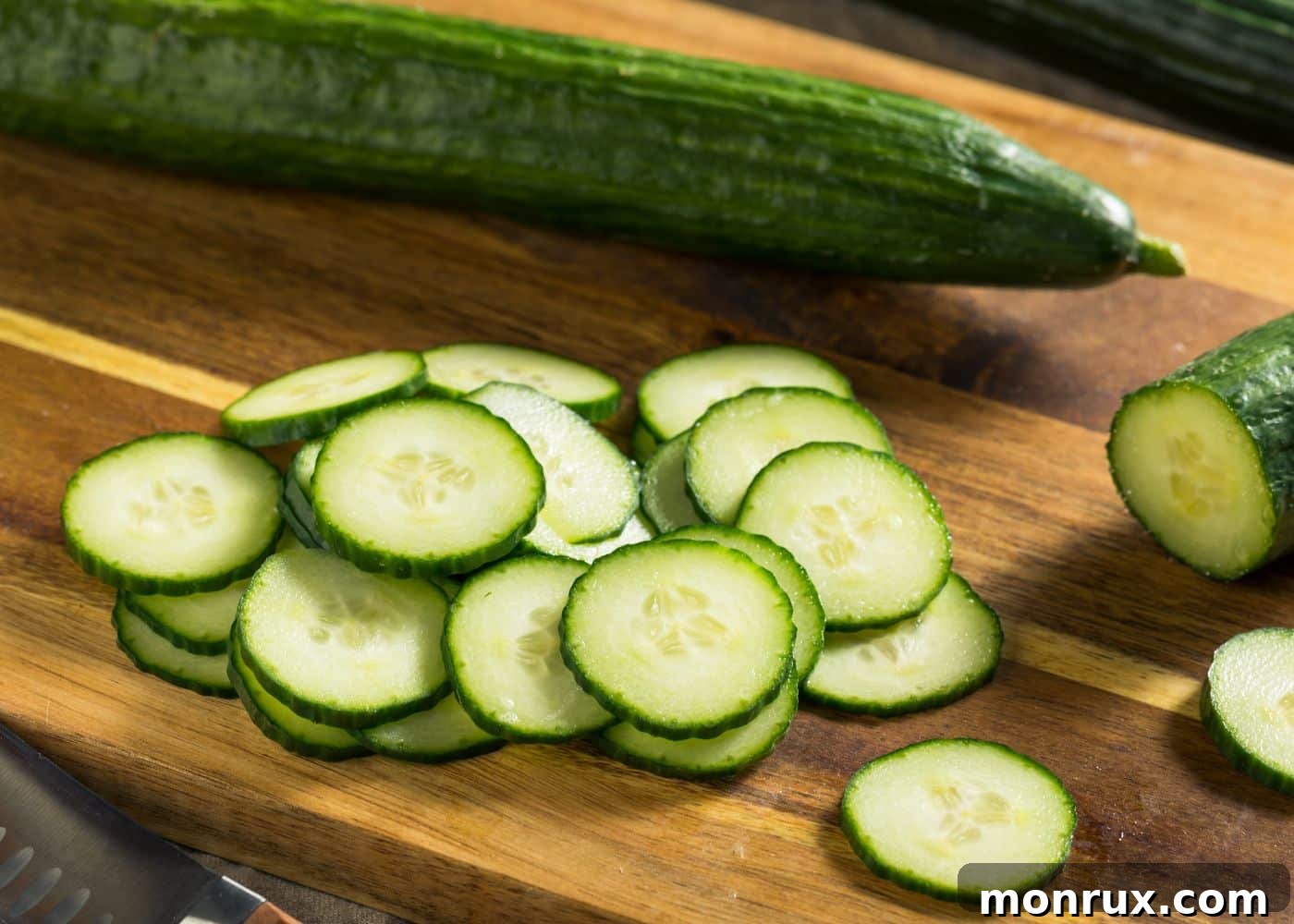
The Ultimate Guide to Freezing Cucumbers: Three Simple Methods for Year-Round Enjoyment
Cucumbers are a wonderfully versatile and refreshing vegetable, but their short shelf life often leads to waste. Fortunately, freezing cucumbers is an incredibly simple and effective way to preserve their goodness, allowing you to enjoy them in various culinary creations throughout the year. While freezing does alter their crisp texture, making them less suitable for salads, it unlocks a world of possibilities for smoothies, soups, infused waters, and more. This comprehensive guide will walk you through three easy methods for how to freeze cucumbers, ensuring you never have to toss a forgotten cucumber again.
Why Freezing Cucumbers is a Smart Choice
You might be wondering why anyone would want to freeze cucumbers. The reasons are plentiful and practical. Perhaps your home garden has yielded an abundant harvest, leaving you with more cucumbers than you can consume fresh. Or maybe you’ve taken advantage of a great deal at the grocery store, and now you need a way to store your surplus. For health-conscious individuals, having frozen cucumbers on hand means year-round access to fresh ingredients for nutritious smoothies or revitalizing cold soups.
Did you know that freezing cucumbers soon after they are harvested can help them retain their highest nutritional content? This process, known as “flash freezing,” locks in vitamins and minerals, making frozen cucumbers a surprisingly nutritious addition to your diet. Cucumbers are naturally low in calories and packed with essential nutrients like Vitamin K, Vitamin C, potassium, and magnesium, making them a fantastic ingredient for boosting hydration and overall wellness.
It’s important to note the primary change that occurs when cucumbers are frozen: their high water content causes them to lose their characteristic crunch. This means frozen cucumbers are not ideal for applications where crispness is key, such as fresh salads, sandwiches, or vegetable trays. However, this textural shift doesn’t diminish their flavor or nutritional value, making them perfect for blending or cooking.
Therefore, this guide on how to freeze cucumbers is specifically tailored for those who plan to use them in contexts where texture is less critical, such as creamy smoothies, hearty stews, or refreshing beverages. It’s an excellent method for reducing food waste and ensuring a steady supply of this healthy vegetable.
The Benefits of Freezing Cucumbers
Freezing cucumbers offers a multitude of advantages that make it a worthwhile kitchen practice:
- Prevent Food Waste: Cucumbers have a relatively short shelf life, and freezing them is an excellent strategy to preserve either your abundant homegrown crop or a great deal from the store before they spoil. This simple act contributes to a more sustainable kitchen.
- Maintain Flavor: Despite the change in texture, the refreshing flavor of a frozen cucumber is remarkably similar to its fresh counterpart. This means your smoothies and soups will still benefit from that distinct, cool cucumber taste.
- Year-Round Availability: Imagine enjoying the fresh taste of summer cucumbers in the dead of winter! Freezing makes cucumbers available on demand for various uses, including hydrating smoothies, detoxifying green juices, flavorful infused water, and comforting soups. Cucumber ice cubes, for instance, are a delightful and healthy treat on a hot day or a unique addition to beverages.
- Nutrient Retention: As mentioned, freezing fresh cucumbers helps lock in their nutritional value, ensuring you’re consuming a product rich in vitamins and minerals even months after harvest.
- Convenience and Versatility: Having pre-prepped frozen cucumber portions ready to go saves time and effort in the kitchen. Whether you need a quick smoothie ingredient or a base for a cold soup, they are easily accessible.
Preparing Cucumbers for Freezing: A Universal Approach
Regardless of the freezing method you choose, proper preparation is key to ensuring the best quality and longest shelf life for your frozen cucumbers. These initial steps are simple and apply to all three techniques:
1. Select Fresh, Firm Cucumbers
Begin with cucumbers that are firm to the touch, free of blemishes, and have a vibrant color. The fresher the cucumber, the better the quality of the frozen product. If possible, freeze them within a day or two of purchase or harvest.
2. Wash Thoroughly
Wash your cucumbers under cool running water to remove any dirt, pesticides, or wax. A gentle scrub with a vegetable brush can be helpful, especially for garden cucumbers.
3. Dry Completely
Pat the cucumbers completely dry with a clean kitchen towel or paper towels. Excess moisture can lead to ice crystals and freezer burn, compromising quality.
4. To Peel or Not to Peel?
Peeling is optional. The cucumber skin contains additional nutrients and fiber, and it often adds a nice green color to purees and smoothies. If you prefer to peel them for a smoother consistency or to avoid any bitterness, that’s perfectly fine. If you keep the skin on, ensure they are thoroughly washed.
Method 1: How to Freeze Cucumber Slices
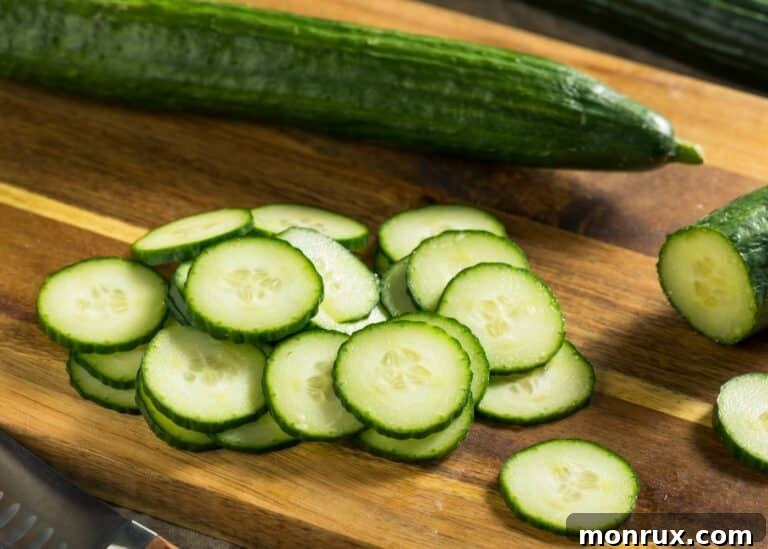
Freezing cucumbers in slices is perhaps the most straightforward and popular method, offering great flexibility for future use. This technique is ideal for adding to smoothies, cooking into soups, or infusing water. The process involves a crucial step called “flash freezing” to prevent the slices from clumping together in the freezer bag.
What You’ll Need:
- Cucumbers: Freshly prepared (washed and dried, peeled if desired).
- A Baking Tray or Sheet Pan: You’ll need a large, flat surface to arrange the cucumber slices in a single layer. Any sturdy sheet pan or even a plastic cutting board can work.
- Parchment Paper or Wax Paper: To prevent the cucumber slices from sticking to the tray. Parchment paper is generally preferred for its non-stick properties. Avoid aluminum foil, as tiny pieces can sometimes adhere to frozen food.
- Freezer-Friendly Bags or Airtight Containers: For long-term storage of your flash-frozen slices. Zip-top freezer bags are excellent, or any freezer-safe airtight container will do the trick.
Step-by-Step Instructions for Freezing Slices:
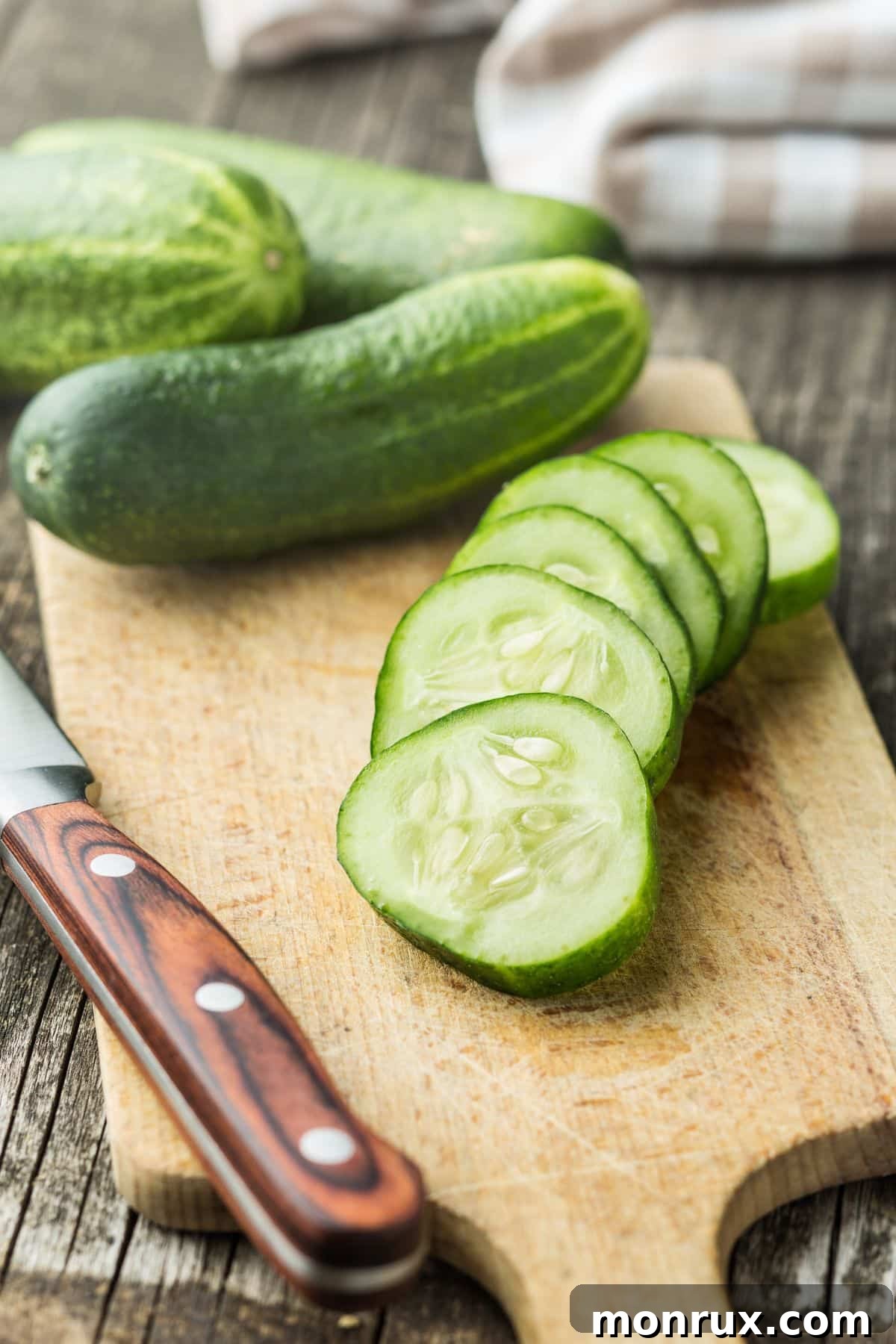
- Slice the Cucumbers: Using a sharp knife or a mandoline, slice the prepared cucumbers into even rounds, approximately ¼ inch thick. Uniform slices will freeze and thaw more consistently.
- Prepare the Tray: Line your baking sheet or tray with parchment paper. This is essential for preventing the slices from sticking.
- Arrange for Flash Freezing: Lay the cucumber slices in a single layer on the prepared tray. Ensure there is a little space between each slice to prevent them from freezing into one solid block. If you have many cucumbers, you may need to use multiple trays or freeze in batches.
- Flash Freeze: Place the tray in the freezer for at least 1 to 2 hours, or until the cucumber slices are completely frozen solid. This step is critical for ensuring individual, non-clumping slices.
- Transfer to Storage: Once frozen, quickly transfer the solid cucumber slices from the tray into freezer-safe bags or airtight containers. Remove as much air as possible from freezer bags to prevent freezer burn.
- Label and Store: Label your bags or containers with the date and contents (e.g., “Frozen Cucumber Slices – [Date]”). Store in the freezer for up to 6-9 months.
- To Use: You can typically use frozen cucumber slices directly in smoothies, soups, or stews without thawing. If partial thawing is needed, place them in a bowl in the refrigerator for a short period.
Method 2: The Cucumber Ice Cube Method
The “ice cube method” is a fun and convenient way to freeze cucumbers, especially for beverages and other small-portioned uses. This method creates refreshing cucumber-infused ice cubes, perfect for adding a burst of flavor to drinks or for cosmetic applications.
What You’ll Need:
- Cucumbers: Prepared (washed and dried, peeled if desired).
- Ice Cube Trays: Any type will work – silicone, plastic, or even novelty-shaped trays. Silicone trays are often easiest for popping out the frozen cubes.
- Water (Optional): For filling the trays if you want classic ice cubes with cucumber suspended within.
Step-by-Step Instructions for Cucumber Ice Cubes:
- Prepare Cucumber Pieces: For this method, you can either slice cucumbers into very thin rounds (paper-thin works well for folding) or chop them into small, ½-inch chunks.
- Fill Ice Cube Trays: Place the cucumber slices or chunks into the compartments of your ice cube trays. You can fold thin slices or arrange small pieces. Don’t overfill.
- Add Optional Ingredients: For an extra flavor boost, consider adding fresh herbs like mint or rosemary, a squeeze of lemon or lime juice, or even a few berries into each compartment with the cucumber.
- Add Water (Optional): If you want true “cucumber ice cubes,” fill each compartment with water until the cucumber pieces are submerged. For more concentrated cucumber flavor, you can skip the water and just freeze the cucumber pieces themselves (though they might be harder to remove).
- Freeze Solid: Place the filled ice cube trays in the freezer for at least 2 to 4 hours, or until the cubes are completely frozen. Freezing time may vary based on cube size.
- Transfer to Storage: Once frozen, remove the cucumber ice cubes from the trays and transfer them to freezer-safe bags or an airtight container. This frees up your trays for more batches.
- Label and Store: Label your container with the date. These can be stored for 6-9 months.
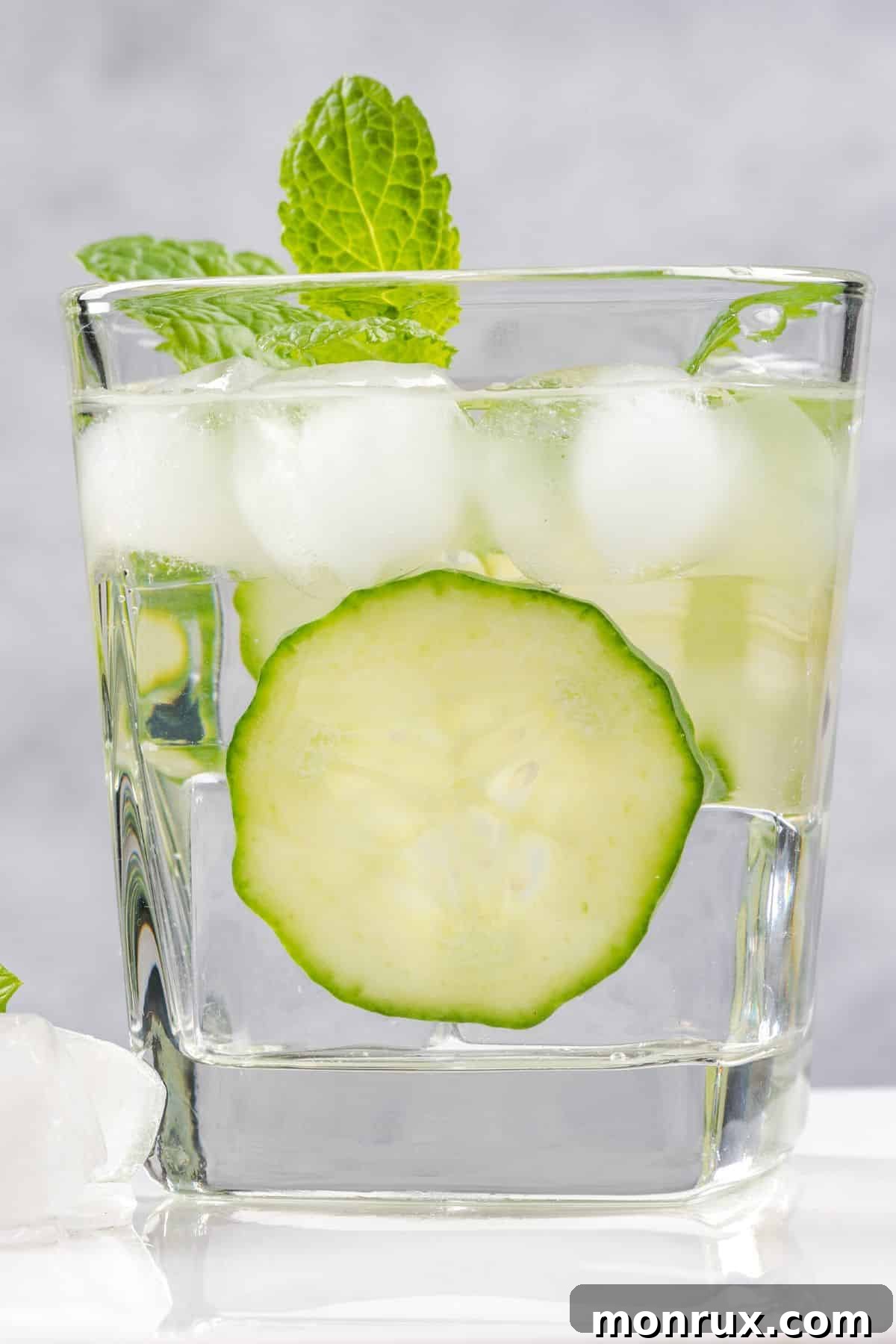
- To Use: Drop cucumber ice cubes directly into your water, iced tea, lemonade, or cocktails for a refreshing, slow-releasing flavor. They’re also perfect for chilling smoothies without diluting them too much or for use in cold soups.
Method 3: Pureeing Cucumbers for Freezing
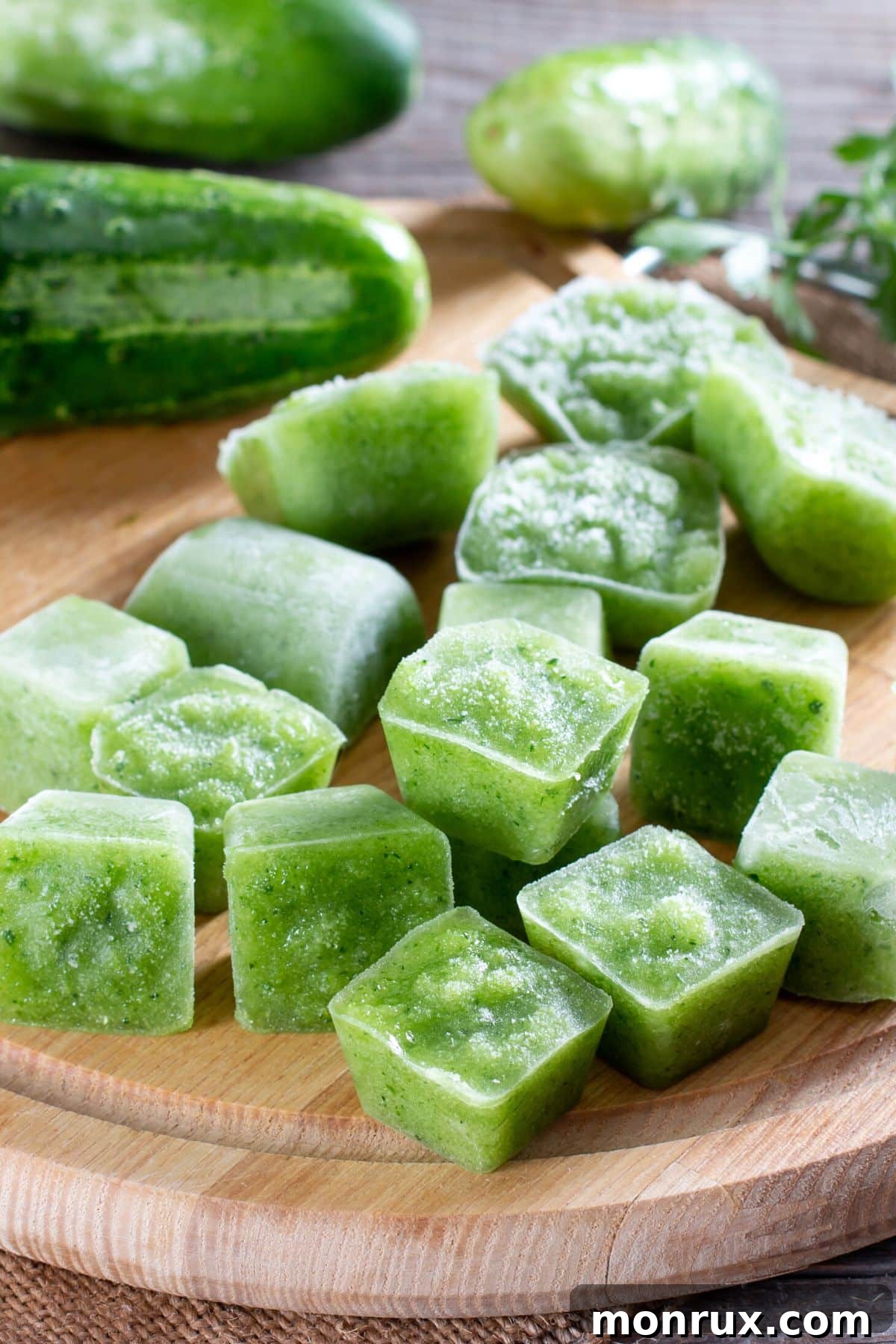
The third effective way to preserve cucumbers is by pureeing them before freezing. This method is incredibly efficient and fantastic if your primary uses for frozen cucumbers are smoothies, cold soups, or flavorful bases for dressings and sauces. Pureed cucumber freezes beautifully and thaws into a smooth, easy-to-incorporate consistency.
What You’ll Need:
- Cucumbers: Prepared (washed and dried, peeled if desired).
- A Food Processor or Blender: Essential for achieving a smooth puree. An immersion blender will also work for smaller batches.
- Ice Cube Trays: As with the ice cube method, these are perfect for portioning out your cucumber puree into convenient, easy-to-use cubes.
Step-by-Step Instructions for Freezing Pureed Cucumbers:
- Chop Cucumbers: Chop the prepared cucumbers into smaller, manageable pieces that will fit easily into your blender or food processor.
- Blend to a Puree: Place the chopped cucumbers into your food processor or blender. Add a small amount of water (about ¼ cup per large cucumber) or another liquid like lemon juice, if desired, to help the blending process and achieve a smooth consistency. Blend until completely smooth.
- Add Flavor Enhancers (Optional): For added versatility, consider blending in fresh mint leaves, ginger, lime juice, or even a handful of spinach for a green boost.
- Fill Ice Cube Trays: Carefully pour the cucumber puree into the compartments of your ice cube trays. Fill them almost to the top, leaving a little room for expansion during freezing.
- Freeze Solid: Place the trays in the freezer for at least 2 to 4 hours, or until the puree is completely frozen into solid cubes.
- Transfer to Storage: Once firm, pop the frozen cucumber puree cubes out of the trays and transfer them to freezer-safe bags or an airtight container.
- Label and Store: Label clearly with the date and contents. Pureed cucumber cubes can be stored in the freezer for 6-9 months.
- To Use: These cubes are incredibly versatile. Add them frozen directly into your morning smoothie, drop them into a pot of soup or stew during cooking, or thaw them to create a base for gazpacho, salad dressings, or refreshing spa water. The beautiful light green color also makes them visually appealing in cocktails and mocktails.
Selecting the Best Cucumbers for Freezing
The beauty of freezing cucumbers is that almost any variety works well! You only need one core ingredient: fresh, ripe cucumbers. You can freeze:
- English Cucumbers: Known for their minimal seeds and thin skin.
- Persian Cucumbers: Small, crisp, and sweet.
- Garden Cucumbers: Your standard, often thicker-skinned varieties.
- Mini Cucumbers: Small and convenient for slicing or cubing.
The key factor is freshness. Regardless of the type, ensure they are firm and free of soft spots or discoloration. For the absolute highest nutritional value, aim to freeze your cucumbers as soon as possible after they are harvested or purchased. This minimizes nutrient degradation and locks in their peak goodness.
Frozen Cucumber Frequently Asked Questions (FAQs)
When prepared and frozen properly, with minimal air exposure, your frozen cucumbers can maintain optimal quality in your freezer for six to nine months. Beyond this period, they are still safe to eat but may experience a decline in flavor and texture, so it’s best to use them within the recommended timeframe.
Cucumbers are a nutritional powerhouse with numerous health benefits! They are primarily composed of water, making them excellent for hydration. Additionally, they contain significant amounts of Vitamin C, a powerful antioxidant, and Vitamin K, crucial for blood clotting and bone health. They also provide essential minerals like potassium and magnesium, which support heart health and muscle function. With very few calories and a good amount of fiber, cucumbers are a fantastic addition to any diet.
Generally, frozen cucumbers are not recommended for traditional pickling methods that require a crisp texture. The freezing process causes cucumbers to lose their crunch due to their high water content. If you’re looking for crispy pickles, fresh cucumbers are always the best choice. However, if you enjoy softer pickles or “freezer pickles,” you can absolutely freeze already-pickled cucumbers in an airtight container along with their brine solution. Just be aware that even then, they won’t be as crispy as freshly made pickles, and their texture will soften further the longer they are frozen.
Frozen cucumbers are incredibly versatile! They are perfect for smoothies, where their icy coldness eliminates the need for extra ice, and their flavor blends seamlessly. They can be added to cold soups like gazpacho, warm soups, or stews for added nutrients and flavor. If you’ve used the ice cube method, you can drop them into water, iced tea, or cocktails for a refreshing, cucumber-infused beverage as they melt. They can also be thawed and used in healthy dips, sauces, or even as a soothing ingredient in homemade facial masks.
While technically possible, it is not recommended to freeze a whole cucumber. Freezing an entire cucumber leads to poor texture and a higher risk of freezer burn. It will be very difficult to cut once frozen, and upon thawing, it will become very mushy due to the expansion of water crystals disrupting the cell structure. For the best quality and ease of use, always prep cucumbers into slices, chunks, or purees before freezing.
Creative Ways to Use Frozen Cucumbers
Now that you know how to freeze cucumbers, let’s explore some delicious and innovative ways to incorporate them into your meals and drinks. Their refreshing flavor makes them a fantastic addition to many recipes:
Other Refreshing Cucumber Recipes You Might Like
Beyond freezing, cucumbers are a fantastic ingredient in many fresh recipes. Here are some more ideas to inspire your culinary adventures with this versatile vegetable:
- Cucumber Juice
- Cucumber Ginger Lemon Water
- Carrot Cucumber Salad
- Cucumber Pineapple Juice
- Cucumber Lemon Mint Water
Essential Freezer Guides for Every Kitchen
Mastering the art of freezing extends beyond just cucumbers. Efficient freezer management is a cornerstone of a healthy and waste-free kitchen. Explore these other helpful guides for preserving various fresh produce:
We hope this guide inspires you to make the most of your cucumbers! If you try any of these methods, please leave a comment and a starred review below to share your experience. Your feedback helps our community!
Stay connected with us for more clean eating recipes and wellness tips by following us on social media! Find us on Facebook, Pinterest, Instagram, and YouTube!
Print Recipe
How to Freeze Cucumbers (Sliced, Pureed, or Ice Cubes)
5 Stars
4 Stars
3 Stars
2 Stars
1 Star
5 from 1 review
Freezing cucumbers is a simple and rewarding process! These frozen vegetables can be incorporated into a wide variety of dishes, from refreshing smoothies to hearty soups and stews. Here are detailed, step-by-step instructions for three different methods to freeze cucumbers, ensuring none of your bounty ever goes to waste.
-
Total Time:
1 hour 5 minutes -
Yield:
4 servings 1x
Ingredients
Scale
- 4 large cucumbers (any variety)
Instructions for Freezing Sliced Cucumbers (Method 1)
- Prepare Cucumbers: Wash your cucumbers thoroughly under cool running water and gently pat them completely dry. Peeling is optional; the skin adds nutrients and color.
- Slice Evenly: Using a sharp knife or mandoline, slice the cucumbers into uniform rounds, about ¼ inch thick. Consistency in thickness ensures even freezing.
- Prepare Baking Sheet: Line a large baking sheet or tray with parchment paper. This prevents the slices from sticking.
- Arrange Slices: Lay the cucumber slices in a single layer on the lined tray, making sure they do not touch each other. This is crucial for “flash freezing” to prevent clumping.
- Flash Freeze: Place the tray in the freezer for approximately 1 to 2 hours, or until the cucumber slices are completely frozen solid.
- Transfer to Storage: Once frozen, immediately transfer the solid cucumber slices into freezer-safe bags or an airtight container. Squeeze out as much air as possible from bags to minimize freezer burn.
- Label and Store: Label your storage container with the date and contents. Return them to the freezer for long-term storage (up to 6-9 months).
- To Use: You can use your frozen cucumber slices directly in smoothies, soups, or stews without thawing. If desired, you can place them in a large bowl in the refrigerator for partial thawing.
Notes
- In addition to the sliced method above, we’ve included two alternative freezing methods below. Choose the method that best suits your planned uses for the frozen cucumbers.
- Ice Cube Method (Method 2): For delightful cucumber ice cubes, slice cucumbers into paper-thin rounds or small chunks. Fold these slices or place chunks into your ice cube tray compartments. If you wish, add extra ingredients like fresh rosemary, a splash of lemon juice, or mint leaves for enhanced flavor. Fill the trays with water (or omit for stronger cucumber flavor) and freeze for at least 2 hours until solid. Use these refreshing cucumber cubes in your favorite drinks, mocktails, or even as a soothing facial compress!
- Puree Method (Method 3): To create versatile cucumber puree cubes, wash and pat dry your cucumbers (peeling is optional). Chop them into smaller pieces and blend them in a food processor or blender with a small amount of water (or a squeeze of lemon juice) until completely smooth. Incorporate any desired extras like mint or ginger. Pour the cucumber puree into ice cube trays and freeze for at least 2 hours. These vibrant green cubes are excellent for smoothies, cold soups like gazpacho, and can even add a beautiful, fresh flavor to cocktails.
- Author: Carrie Forrest, MPH in Nutrition
- Prep Time: 5 minutes
- Freeze Time: 1 hour
- Category: Meal Prep, Food Preservation
- Method: Freezing
- Cuisine: Healthy, American
- Diet: Vegetarian, Vegan, Gluten-Free
Nutrition
(Nutritional values are estimates based on one cucumber and may vary based on size and specific variety.)
- Serving Size: 1 cucumber
- Calories: 16
- Sugar: 1.7 g
- Sodium: 2.1 mg
- Fat: 0.1 g
- Saturated Fat: 0 g
- Carbohydrates: 3.8 g
- Fiber: 0.5 g
- Protein: 0.7 g
- Cholesterol: 0 mg
Don’t forget to join our newsletter list to receive exclusive clean eating recipes, helpful tips, and updates directly to your inbox. It’s 100% free with no spam, and you can unsubscribe anytime.
About the Author: Carrie Forrest holds a master’s degree in public health with a specialization in nutrition and is a certified holistic nutritionist. As a prominent wellness and food blogger, her site welcomes over 5 million annual visitors. Carrie shares a compelling story of recovery from chronic illness and is deeply committed to empowering other women to transform their health through nourishing food. Feel free to connect with her through her contact form for any inquiries or collaborations.