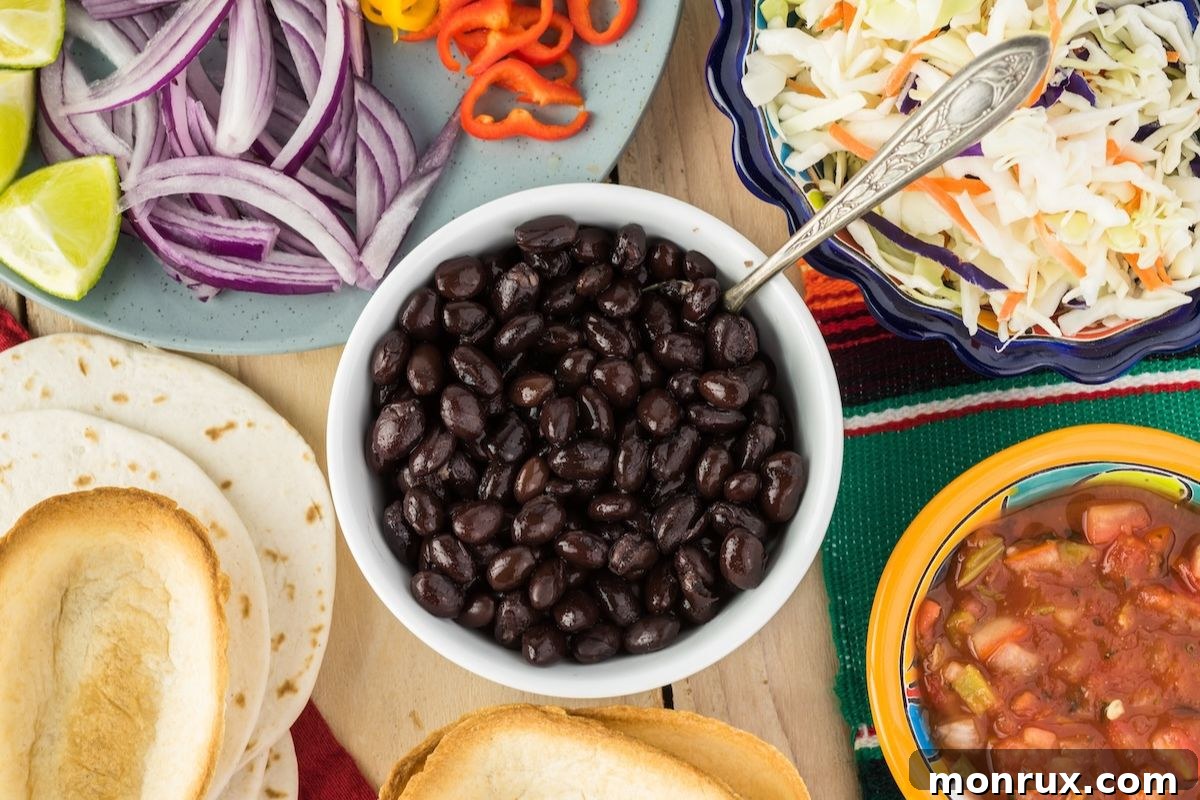
Running low on black beans or simply looking to add a twist to your favorite dishes? You’re in luck! This comprehensive guide explores an array of excellent substitutes for black beans, ensuring your meals retain their delicious flavor, nutritional value, and desirable texture. From the hearty embrace of kidney beans and pinto beans to the unexpected versatility of mushrooms and nut butter, we’ll dive deep into each alternative, providing all the information you need to make the perfect swap.
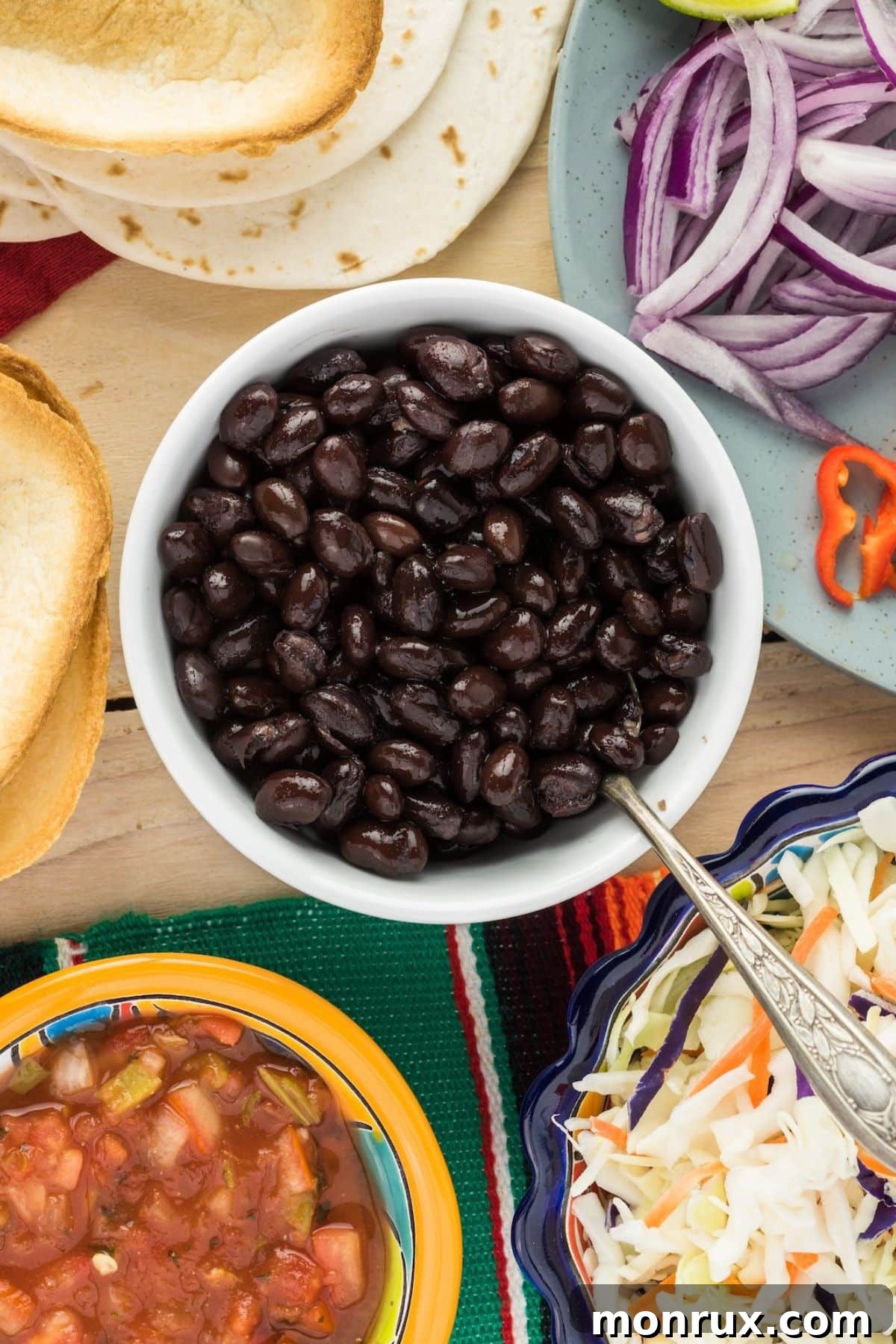
Black beans, scientifically known as Phaseolus vulgaris, are a culinary cornerstone celebrated worldwide for their rich flavor, creamy texture, and impressive health benefits. Often referred to as black turtle beans or frijoles negros in Spanish-speaking cultures, these versatile legumes are a staple in kitchens across Latin America, the Caribbean, and North America.
Boasting a robust nutritional profile, black beans are a powerhouse of plant-based protein, dietary fiber, antioxidants, and essential minerals such as iron, magnesium, and folate. Their hearty, slightly earthy flavor and dense, meaty texture make them an ideal choice for vegetarian and vegan diets, frequently serving as a fulfilling meat substitute.
Whether you’re crafting a savory chili, stuffing burritos, enhancing vibrant salads, or exploring innovative baked goods like black bean brownies, these dark, glossy beans seamlessly integrate into a myriad of recipes. Their ability to transform into a smooth puree also makes them perfect for dips, spreads, and even a unique ingredient in desserts, adding moisture and richness.
You can find black beans in both dried and canned forms. While canned beans offer unparalleled convenience, requiring only a quick rinse before use, dried beans are often a more economical and customizable option. Dried beans allow you to control the sodium content and achieve a preferred texture. Soaking dried beans overnight significantly reduces their cooking time and can enhance their digestibility, making them a fantastic choice for those who plan ahead.
Substitutes for Black Beans
It’s a common kitchen scenario: you’re halfway through a recipe, only to realize you’re missing a key ingredient. When that ingredient is black beans, there’s no need to fret! Many fantastic alternatives can step in, ensuring your meal is just as delicious and satisfying. Let’s explore each of these substitutes in detail, so you can confidently adapt your favorite recipes.
1. Kidney Beans
Kidney beans are arguably one of the most natural and effective substitutes for black beans, especially in dishes where their robust shape and texture are paramount. These dark red, kidney-shaped legumes boast a dense, meaty texture that closely mimics that of black beans, making them an excellent swap for chili, stews, soups, and even hearty salads.
While their flavor is slightly milder than black beans, it’s subtle enough to blend seamlessly into most recipes without overpowering other ingredients. Nutritionally, kidney beans are superstars, packed with plant-based protein, dietary fiber, iron, potassium, and phosphorus, offering a comparable health boost to black beans.
A significant advantage of kidney beans is their ability to hold their structure well during extended cooking times, which is perfect for slow-cooked dishes. However, they are also slightly softer than black beans when cooked, making them incredibly versatile for mashing or pureeing into dips and spreads. Just remember that kidney beans are typically larger than black beans, so they might require a slightly longer cooking time if you’re using dried varieties. Always adjust your recipe’s cooking duration accordingly.
Substitution Ratio: Use a 1:1 ratio. If your recipe calls for one cup of black beans, use one cup of kidney beans.
2. Pinto Beans
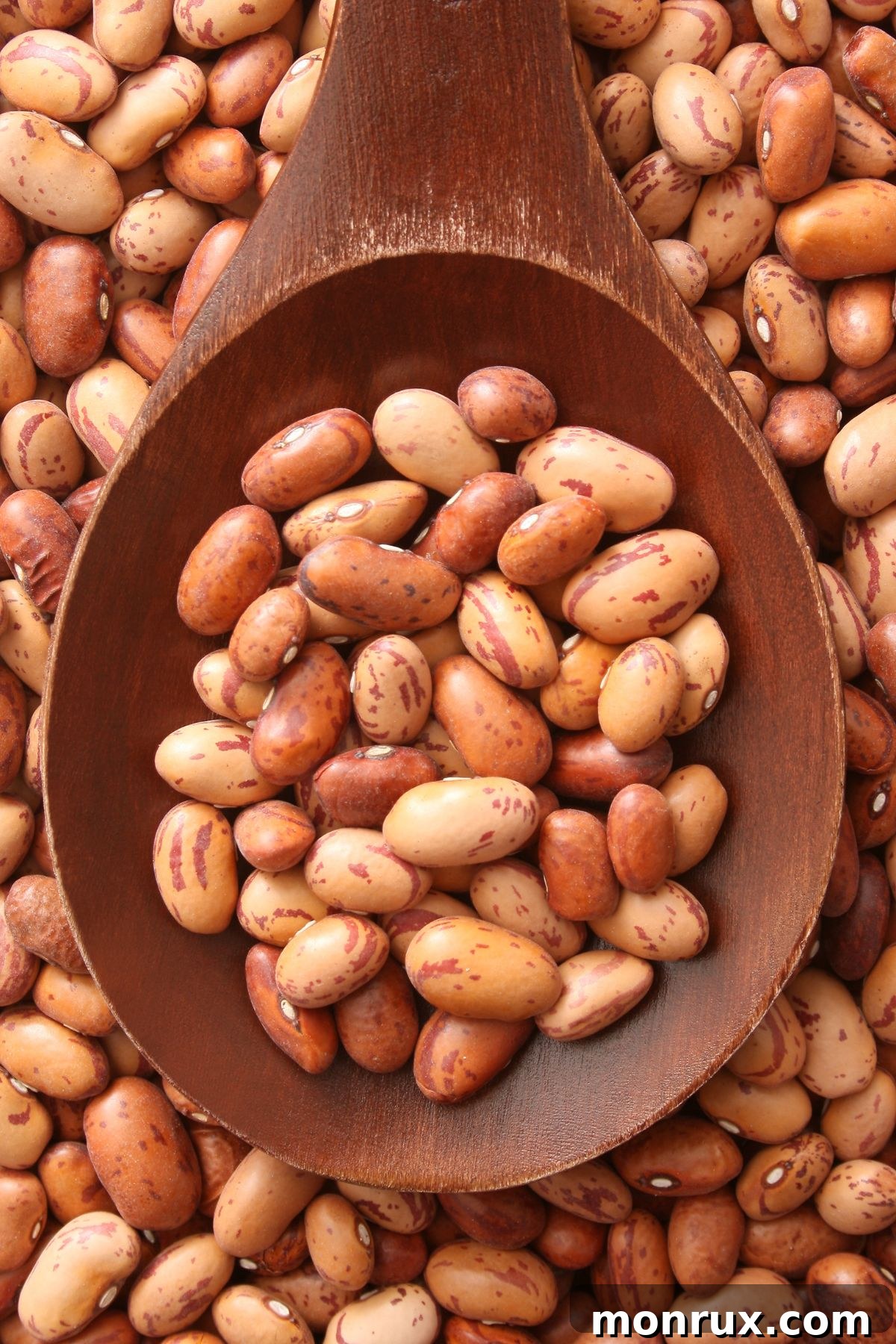
Pinto beans, recognizable by their beautiful mottled or speckled appearance, are another superb substitute for black beans. As they cook, their distinctive markings fade, and they transform into a creamy, uniformly colored bean. They offer a richer, nuttier, and earthier flavor profile than black beans, which can add a wonderful depth to your dishes.
Their texture is famously creamy, yet they hold their shape remarkably well during cooking. This makes them exceptionally versatile, perfect for dishes where you want both structural integrity and a melt-in-your-mouth feel. Pinto beans are a go-to for Mexican cuisine, shining in refried beans, tacos, burritos, and enchiladas. They also perform brilliantly in soups, casseroles, and grain bowls.
From a nutritional standpoint, pinto beans are highly beneficial, loaded with protein, fiber, B vitamins, and essential minerals. While their calorie count is slightly higher than black beans (around 245 calories per cup cooked compared to 227 for black beans), the difference is marginal and still makes them a nutritious choice. Similar to kidney beans, pinto beans are larger than black beans and may require a bit more cooking time when starting from a dried state.
Substitution Ratio: Use a 1:1 ratio. If your recipe calls for one cup of black beans, use one cup of pinto beans.
3. Chickpeas (Garbanzo Beans)
Chickpeas, also known as garbanzo beans, present a fantastic and highly versatile alternative to black beans, especially when a mild flavor and creamy texture are desired. Their flavor is distinctly mild and slightly nutty, different from black beans, but neutral enough to absorb the flavors of your dish, making them an excellent canvas for various culinary creations.
These round, beige legumes are famous for their ability to be pureed into an incredibly smooth and velvety consistency, which is why they are the primary ingredient in healthy hummus. This characteristic makes them perfect for dishes where you plan to mash or puree black beans, such as homemade veggie burgers, dips, or even unique baked goods like edible cookie dough where their texture and mildness shine.
Beyond purees, chickpeas add delightful texture and substance to salads, soups, stews, and casseroles. Nutritionally, chickpeas are rich in B vitamins, dietary fiber, and potassium, providing a wholesome boost to any meal. While they are slightly higher in calories (approximately 268 calories per cup cooked), their robust nutrient profile and versatility make them a worthy black bean substitute.
Substitution Ratio: Use a 1:1 ratio. If your recipe calls for one cup of black beans, use one cup of chickpeas.
4. Black-Eyed Peas
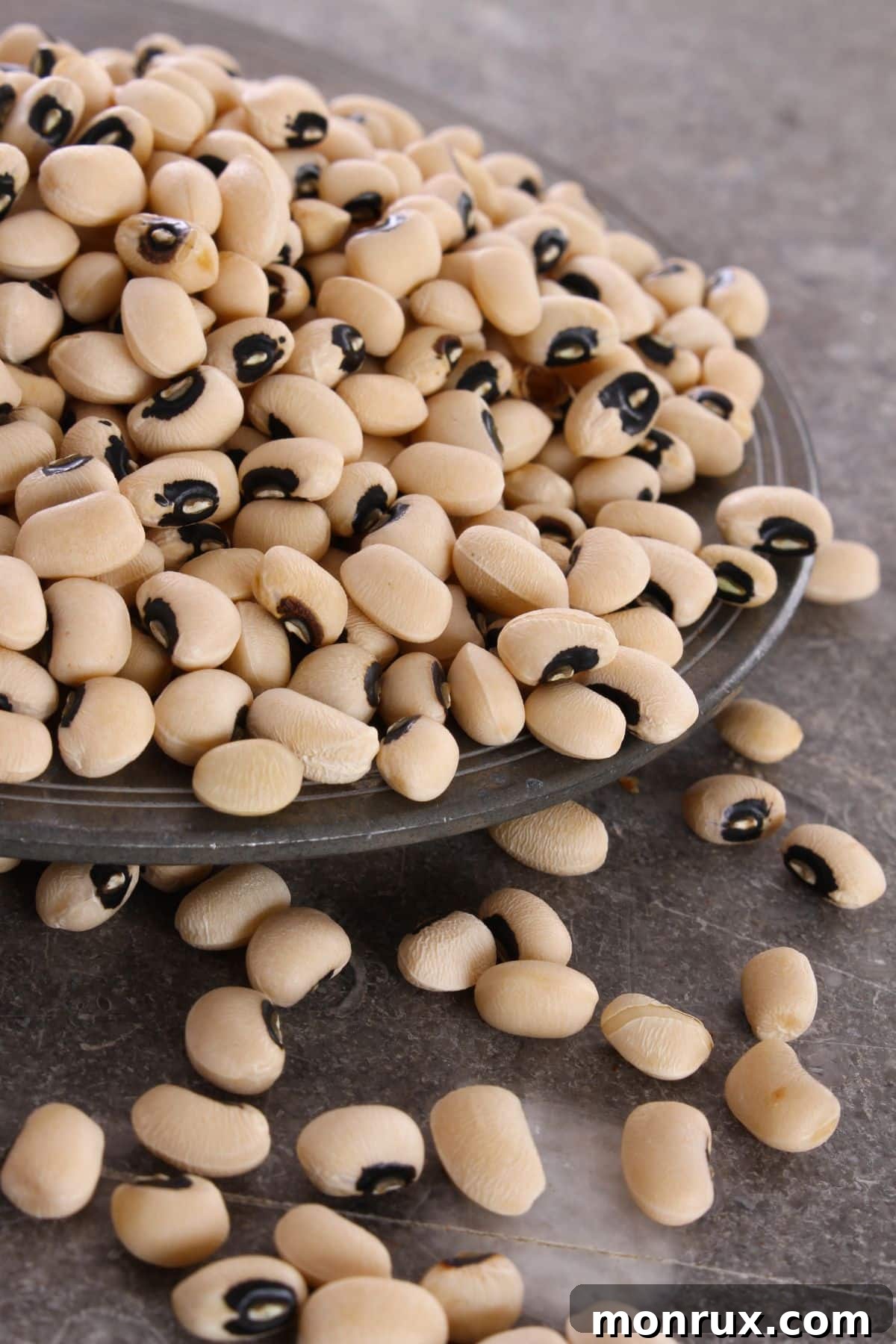
Despite their name, black-eyed peas are indeed a type of bean, and they offer a unique and flavorful alternative to black beans. These creamy-colored beans with their distinctive black ‘eye’ possess a stronger, more earthy, and nutty flavor compared to the milder black bean. This distinct taste profile means they will impart a different character to your finished dish, which can be a delightful enhancement depending on the recipe.
Black-eyed peas, also known as cowpeas, are particularly well-suited for savory applications like hearty soups, stews, robust salads, and casseroles. Their flavor pairs wonderfully with smoky ingredients and spices, making them excellent in Southern-inspired cuisine or in dishes where a bolder bean flavor is desired. Due to their more pronounced taste, they are generally less ideal for delicate or sweet baked goods where black beans might typically be pureed.
Nutritionally, black-eyed peas are a powerhouse, packed with protein, dietary fiber, iron, folate, thiamine, and copper. They are also notably lower in calories than black beans, making them an attractive option if you are mindful of your calorie intake while still seeking a nutrient-dense legume. Their texture is slightly softer than black beans, but they hold their shape well enough for most applications.
Substitution Ratio: Use a 1:1 ratio. If your recipe calls for one cup of black beans, use one cup of black-eyed peas.
5. Lentils
Lentils, tiny but mighty legumes, are an excellent and often quicker-cooking substitute for black beans, especially when you’re short on time. They are significantly smaller than black beans and come in a spectrum of colors, each with its own unique texture and subtle flavor nuances.
The speed at which lentils cook is a major advantage; unlike most dried beans, they don’t require pre-soaking, making them a fantastic last-minute alternative. However, their small size also means they can easily become mushy if overcooked, so careful monitoring is essential. For best results when seeking a texture similar to black beans that holds its shape, green or Puy lentils are your best bet. Red and yellow lentils tend to break down more readily, ideal for thickening soups or creating purees.
Lentils are incredibly versatile, working wonderfully in a vast array of dishes, including salads, tacos, enchiladas, curries, soups, stews, and even homemade veggie burgers. They provide an excellent source of plant-based protein, dietary fiber, iron, and folate. For an exceptionally nutritious option, black lentils (often called Beluga lentils) are celebrated for being among the richest sources of protein, iron, and calcium within the lentil family, and they hold their shape beautifully.
Substitution Ratio: Use a 1:1 ratio. If your recipe calls for one cup of black beans, use one cup of lentils (adjust cooking time as needed).
6. White Beans
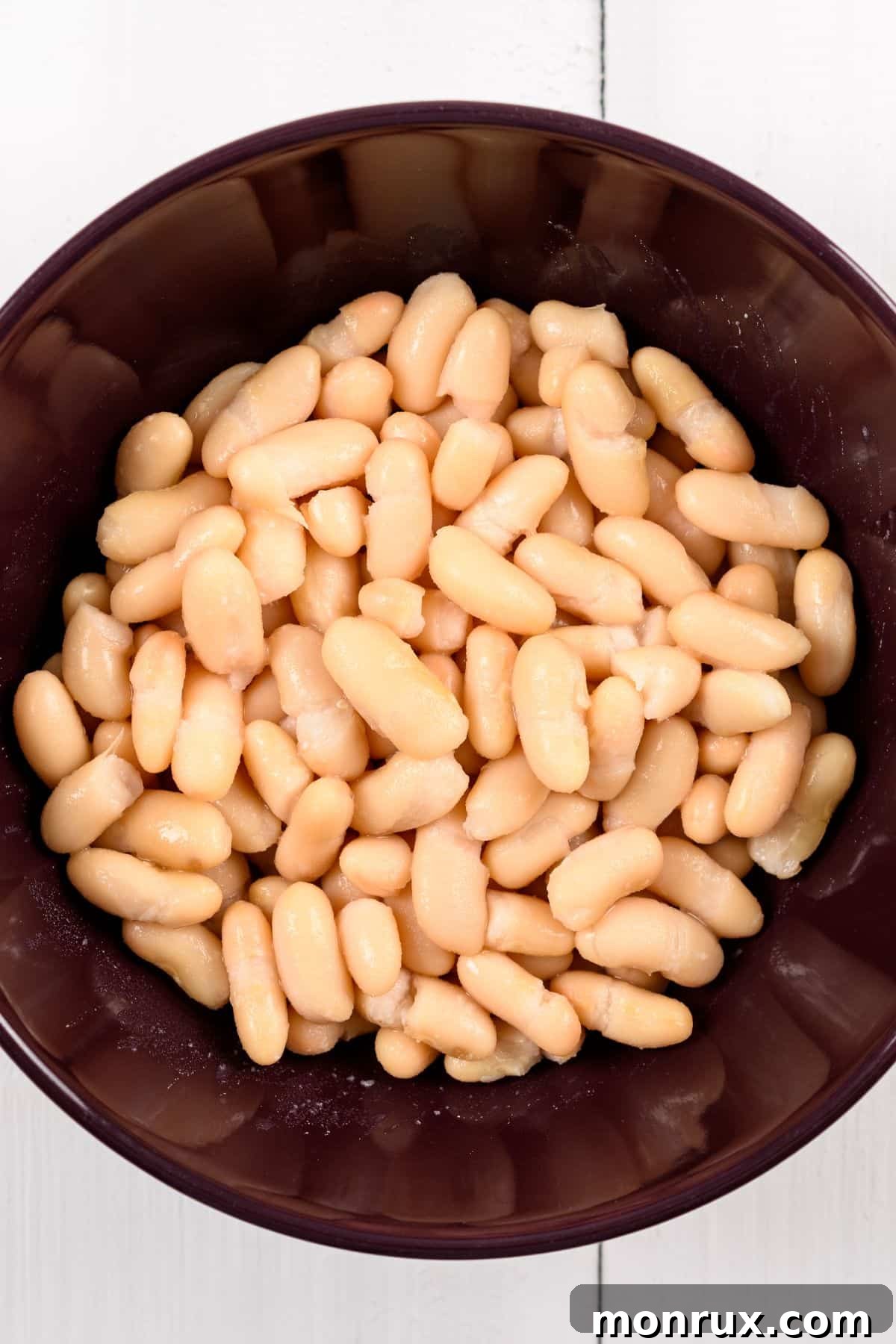
The “white bean” category encompasses several delicious varieties, all of which can serve as suitable substitutes for black beans. Popular choices include cannellini beans (large white kidney beans), navy beans (smaller, often used for baked beans), and Great Northern beans (medium-sized and slightly nutty). Each offers a slightly different nuance, but all share a mild flavor and creamy texture.
White beans generally have a texture that is comparable to black beans, though often a touch softer once cooked. This slightly softer consistency makes them particularly well-suited for recipes where black beans would be pureed or mashed, such as in dips, spreads, or creamy soups. Their mild flavor ensures they won’t drastically alter the taste profile of your dish, allowing other ingredients to shine.
Nutritionally, white beans stand shoulder-to-shoulder with black beans, providing an impressive array of dietary fiber, protein, iron, folate, and magnesium. This makes them a healthy and equally fulfilling alternative. Their versatility allows them to be used across almost any recipe that calls for black beans, from hearty casseroles and stews to light salads, though their pale color will obviously change the aesthetic of the dish.
Substitution Ratio: Use a 1:1 ratio. If your recipe calls for one cup of black beans, use one cup of white beans.
7. Mushrooms
While an unconventional choice, mushrooms can be a surprisingly effective and delicious substitute for black beans in specific culinary contexts, especially for those seeking a different texture or flavor profile, or perhaps an alternative to legumes. Mushrooms don’t replicate the exact taste of black beans, but their umami richness and meaty texture can provide a satisfying alternative.
When seasoned and cooked properly, especially varieties like cremini, portobello, or shiitake, mushrooms can mimic the hearty bite of beans in dishes such as tacos, burritos, fajitas, and Buddha bowls. They can also be a wonderful addition to soups and stews, providing substance and a depth of flavor that can elevate the dish. For those who aren’t avid bean enthusiasts, mushrooms offer a unique and often preferred taste experience.
It’s important to note a few key differences: mushrooms naturally release a lot of liquid during cooking, so you might need to adjust other liquid ingredients in your recipe or pre-cook the mushrooms to reduce their moisture content. Furthermore, mushrooms do not offer the same high protein content as black beans, so if protein is a primary concern, you’ll need to supplement your meal with another protein source. However, mushrooms are a good source of B vitamins, phosphorus, selenium, copper, potassium, and can even provide vitamin D if exposed to UV light.
Substitution Ratio: To substitute one cup of black beans, use approximately 2 to 2.5 cups of raw, chopped mushrooms. This accounts for the significant reduction in volume that occurs as mushrooms cook down.
8. Nut Butter
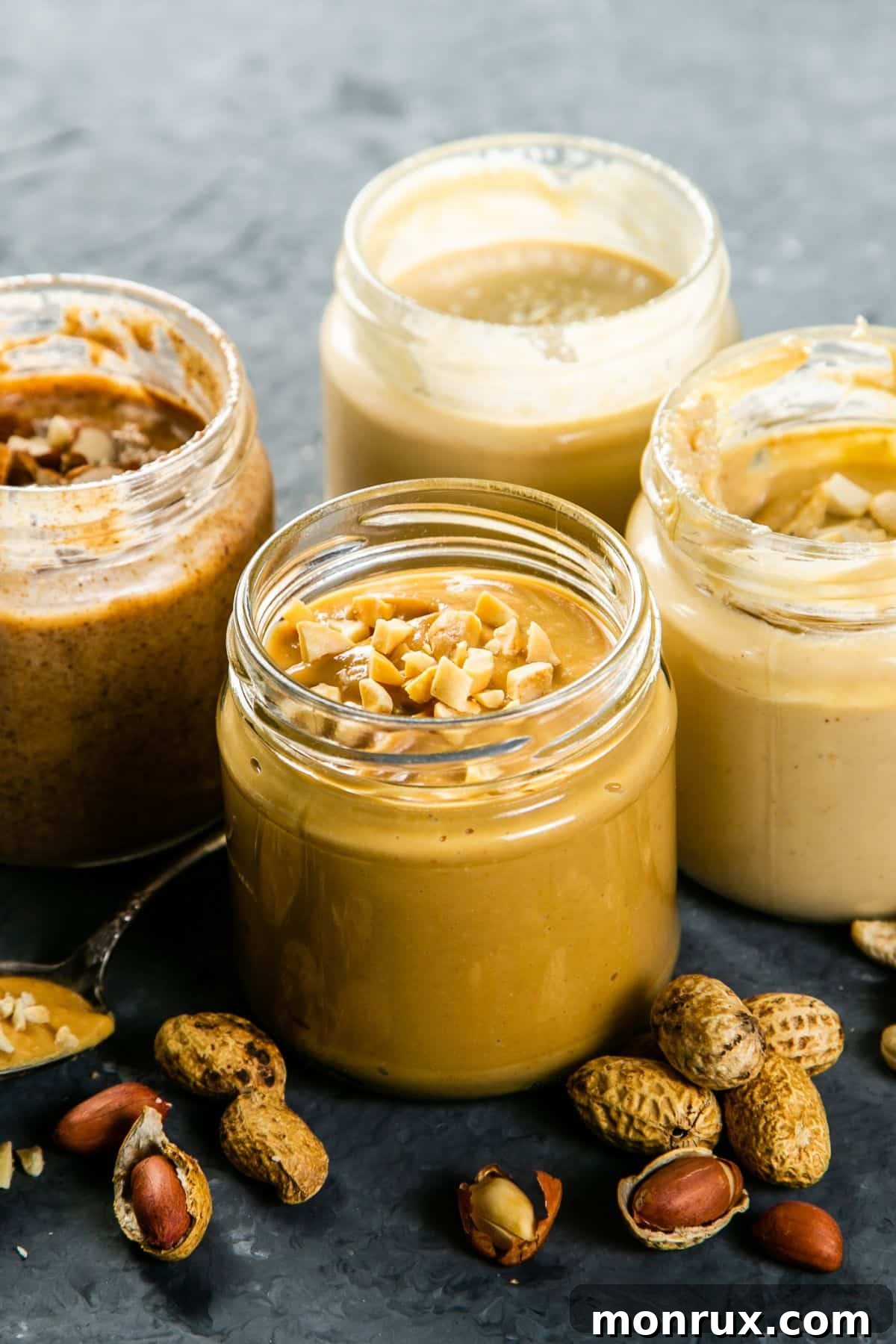
Nut butter, while certainly a unique choice, shines as an excellent substitute for black beans in recipes that specifically call for mashed or pureed beans where a creamy mouthfeel, richness, and binding property are desired. Think of dishes like certain sauces, dips, spreads, or especially baked goods where pureed beans add moisture and structure.
Creamy nut butters, such as almond butter, peanut butter, or cashew butter, can impart a luxurious richness and smooth texture. They can act as a binding agent in recipes, help emulsify sauces, and provide a decadent moistness to treats like brownies and cookies. The flavor will, of course, be distinctly nutty, so consider this when choosing your recipe – it pairs wonderfully with chocolate or savory applications where a nutty undertone is welcome.
For individuals with nut allergies, seed butters like sunflower seed butter or tahini (sesame seed paste) offer excellent alternatives with similar textural and binding properties. It’s crucial to remember that nut and seed butters are much denser and thicker than mashed black beans, so you will likely need to incorporate a small amount of liquid (water, milk, or broth) to achieve the desired consistency and integrate it smoothly into your dish.
Substitution Ratio: To substitute one cup of mashed black beans, use one cup of nut or seed butter, adjusting with liquid as necessary for consistency.
Choosing the Best Black Bean Substitute
Selecting the ideal black bean substitute largely depends on the specific recipe you’re preparing and what qualities you prioritize. Here’s a quick guide to help you make an informed decision:
- For Texture & Appearance (Chili, Stews, Tacos): Kidney beans and pinto beans are top contenders. They offer a similar hearty texture and satisfying bite, making them excellent in savory, chunky dishes.
- For Creaminess & Pureeing (Dips, Spreads, Veggie Burgers): Chickpeas and white beans excel here. Their ability to blend into a smooth, creamy consistency makes them perfect for hummus, bean dips, or as a binder in veggie patties.
- For Baking (Brownies, Sweet Treats): Chickpeas are surprisingly versatile, especially when pureed, lending moisture and a mild flavor. Nut butters also work wonderfully for richness and binding in baked goods, though they introduce a distinct nutty flavor.
- For Quick Cooking (Last-minute Meals): Lentils are your best friend. They cook much faster than other dried beans and don’t require pre-soaking, ideal for when you’re short on time.
- For Flavor Variation (Soups, Salads): Black-eyed peas offer an earthy, nutty flavor that can add a unique twist. Mushrooms provide an umami depth and meaty texture, great for those looking to explore non-legume options.
- For Nutritional Similarity: Most other legumes like kidney beans, pinto beans, chickpeas, lentils, and white beans offer a comparable profile of protein, fiber, and essential minerals. If protein is a key concern when using mushrooms, remember to add another protein source to your meal.
Consider the color, flavor, and final consistency you want to achieve. Don’t be afraid to experiment; sometimes, the best substitute is the one you enjoy most!
Pros and Cons of Black Bean Substitutes
To help you quickly compare your options, here’s a summary of the advantages and disadvantages of each black bean substitute:
| Substitute | Pros | Cons |
|---|---|---|
| Kidney Beans | Excellent texture match, rich in nutrients, holds shape well. | Slightly softer texture, may require longer cooking time if dried. |
| Pinto Beans | Creamy texture, rich nutty flavor, very versatile, nutritious. | Distinct flavor that may alter the dish, slightly higher in calories. |
| Chickpeas | Mild flavor, ideal for pureeing, versatile, good for baking, nutritious. | Different color, slightly higher in calories than black beans. |
| Black-Eyed Peas | Strong, earthy, nutty flavor adds depth, very nutritious, lower in calories. | Stronger flavor may not suit all dishes (e.g., sweet recipes). |
| Lentils | Cook quickly, highly nutritious, good for thickening and texture. | Small size can lead to mushiness if overcooked, different appearance. |
| White Beans | Mild flavor, similar soft texture, very adaptable, nutritious. | Softer texture might not hold up as well in all recipes, changes dish color. |
| Mushrooms | Adds umami and meaty texture, great for savory dishes, low calorie. | Completely different flavor, not a direct protein substitute, increases liquid content. |
| Nut Butter | Adds richness and creamy mouthfeel, excellent binder, great for baking. | Distinct nutty flavor, very dense, requires liquid adjustment for consistency. |
More Articles About Substituting You Might Like
Conclusions
While black beans are undeniably a flavorful, nutritious, and incredibly versatile ingredient, the good news is that your culinary creativity doesn’t have to stop if you find yourself without them. From the robust and textural similarity of kidney and pinto beans to the creamy adaptability of chickpeas and white beans, and even the surprising versatility of mushrooms and nut butter, there’s a world of excellent alternatives waiting to be explored.
Each substitute brings its own unique flavor profile, textural nuances, and a bounty of essential nutrients to your dishes, ensuring that your meals remain delicious, wholesome, and exciting. Don’t hesitate to experiment with these options to discover new favorites and adapt your recipes to what you have on hand. Happy cooking!
Don’t forget to join my newsletter list to get exclusive clean eating recipes and tips. The newsletter is 100% free with no spam; unsubscribe anytime.
About the Author: Carrie Forrest has a master’s degree in public health with a specialty in nutrition and is a certified holistic nutritionist. She is a top wellness and food blogger with over 5 million annual visitors to her site. Carrie has an incredible story of recovery from chronic illness and is passionate about helping other women transform their health. Send her a message through her contact form.