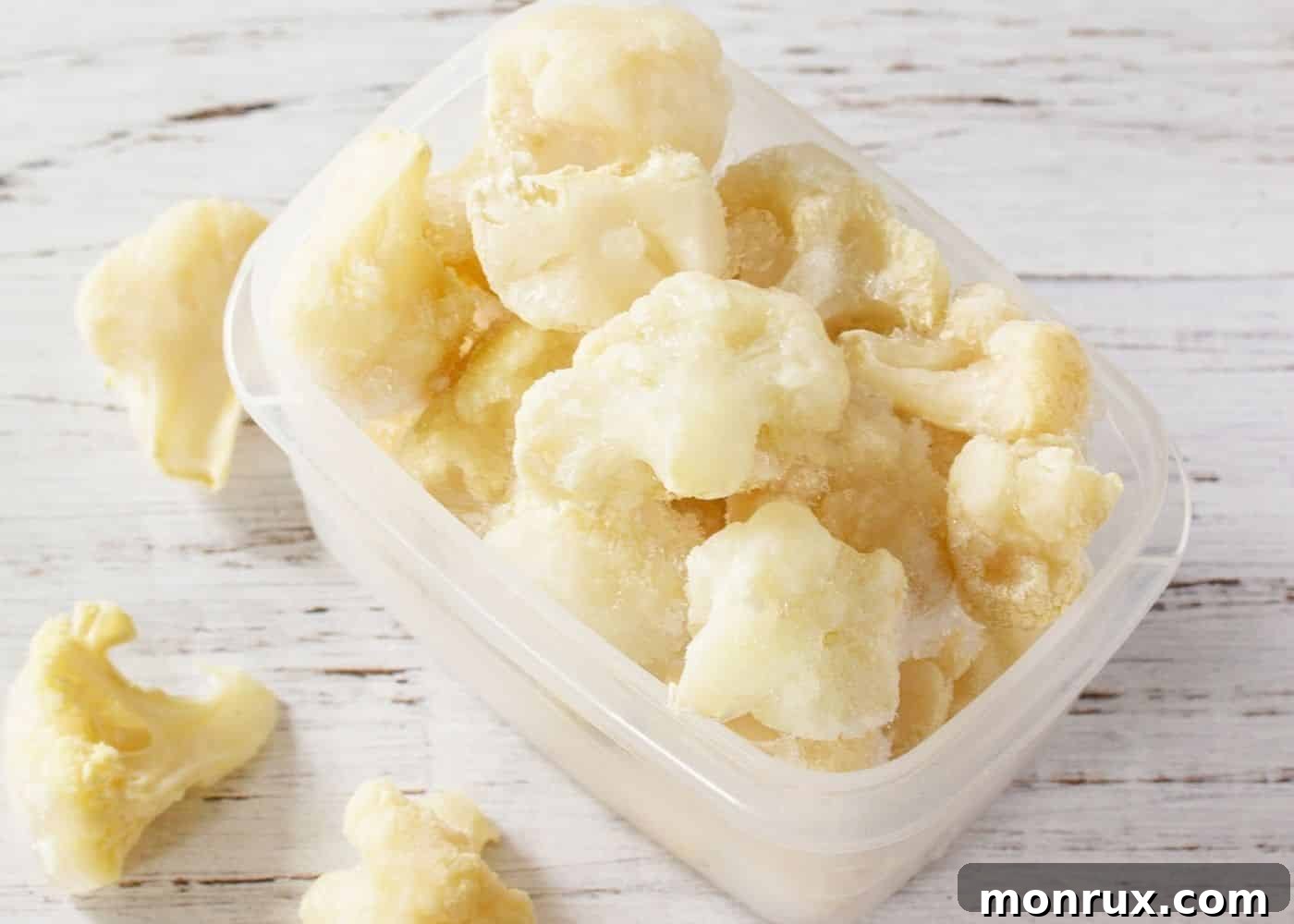
Unlock the secret to preserving fresh cauliflower at its peak with this comprehensive, step-by-step guide on how to freeze cauliflower. Whether you’re aiming to reduce food waste, save money, or simply stock up on this versatile vegetable, freezing cauliflower is a smart and convenient solution. Once frozen, cauliflower becomes a fantastic ingredient for a myriad of dishes, effortlessly enhancing smoothies, enriching hearty soups, thickening stews, and so much more.
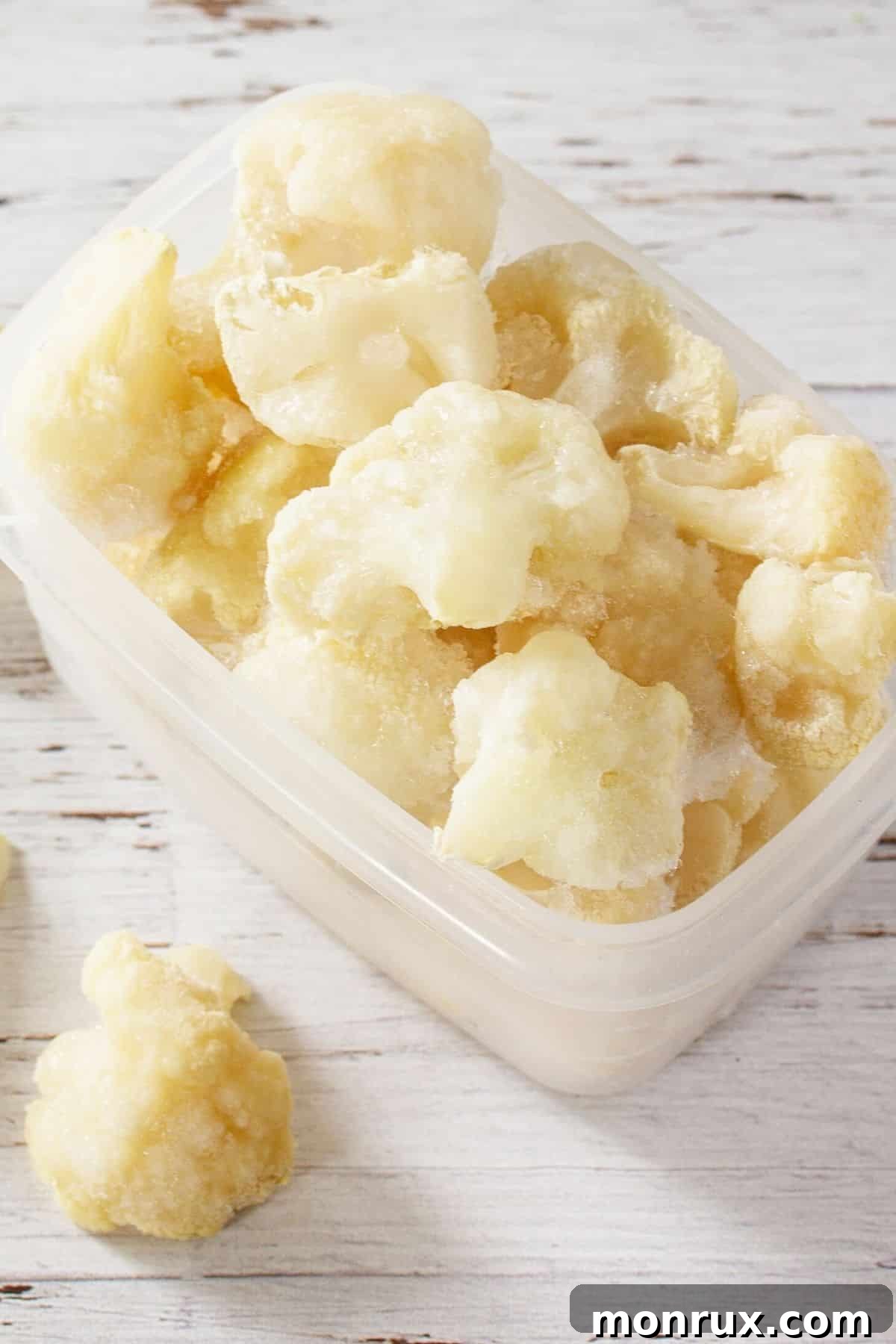
If you’re like many home cooks, the thought of wasting fresh produce can be disheartening. While a fresh head of cauliflower typically maintains its quality for a few weeks in the refrigerator, freezing offers a significantly extended shelf life, allowing you to enjoy its nutritional benefits and mild flavor for months to come.
Frozen cauliflower is a nutritional powerhouse, making it an excellent addition to your culinary repertoire. It seamlessly blends into creamy smoothies, adding a boost of fiber and nutrients without altering the taste. For savory dishes, tossing frozen florets into soups, casseroles, or stews not only adds bulk and texture but also significantly increases the overall nutritional value of your meal.
Beyond its health benefits, cauliflower is remarkably budget-friendly and readily available in most grocery stores. Learning how to properly freeze this cruciferous vegetable is a simple skill that empowers you to maximize your grocery budget and minimize food waste. Let’s dive into the straightforward process of freezing cauliflower, ensuring you always have this healthy ingredient on hand!
Why Freeze Cauliflower? The Benefits
Freezing vegetables is often perceived as a straightforward task—simply toss them into a bag and into the freezer. However, for vegetables like cauliflower, there’s a specific method that ensures both safety and superior quality upon thawing and use. This process involves a crucial step known as blanching or steaming, which is vital for several reasons:
- Ensures Food Safety: Raw vegetables can harbor microbes and enzymes that, while harmless in fresh produce, can continue to degrade the vegetable even in freezing temperatures. Blanching or steaming briefly exposes the cauliflower to high heat, effectively neutralizing these enzymes and significantly reducing the risk of foodborne illness, as recommended by food preservation experts.
- Preserves Quality, Flavor, and Texture: Without blanching, cauliflower can become tough, discolored, and develop an off-flavor after freezing. The heat treatment halts enzymatic actions that cause loss of flavor, color, and nutrients, ensuring that your frozen cauliflower retains its crisp texture, vibrant white color, and delicate taste when you’re ready to use it. This pretreatment locks in the freshness, making your culinary creations more enjoyable.
- Extends Shelf Life: Properly prepared and frozen cauliflower can last much longer than its fresh counterpart. While fresh cauliflower may only last a couple of weeks in the refrigerator, frozen florets, when stored correctly, can remain in excellent condition for up to 6-8 months, offering incredible convenience and flexibility in meal planning.
- Reduces Food Waste: By freezing surplus cauliflower, you can prevent it from spoiling, contributing to a more sustainable kitchen and reducing your overall food waste. This is particularly beneficial when you find great deals on cauliflower or grow your own.
- Saves Time and Money: Having pre-portioned frozen cauliflower on hand eliminates the need for frequent grocery runs and reduces prep time for future meals. It also allows you to buy cauliflower in bulk when prices are low, leading to significant savings over time.
This guide will walk you through the optimal method to freeze cauliflower, ensuring you reap all these benefits and more.
Essential Items for Freezing Cauliflower
Preparing cauliflower for the freezer is a simple process that requires just a few basic kitchen tools and ingredients. Here’s what you’ll need to get started on your journey to perfectly preserved cauliflower:
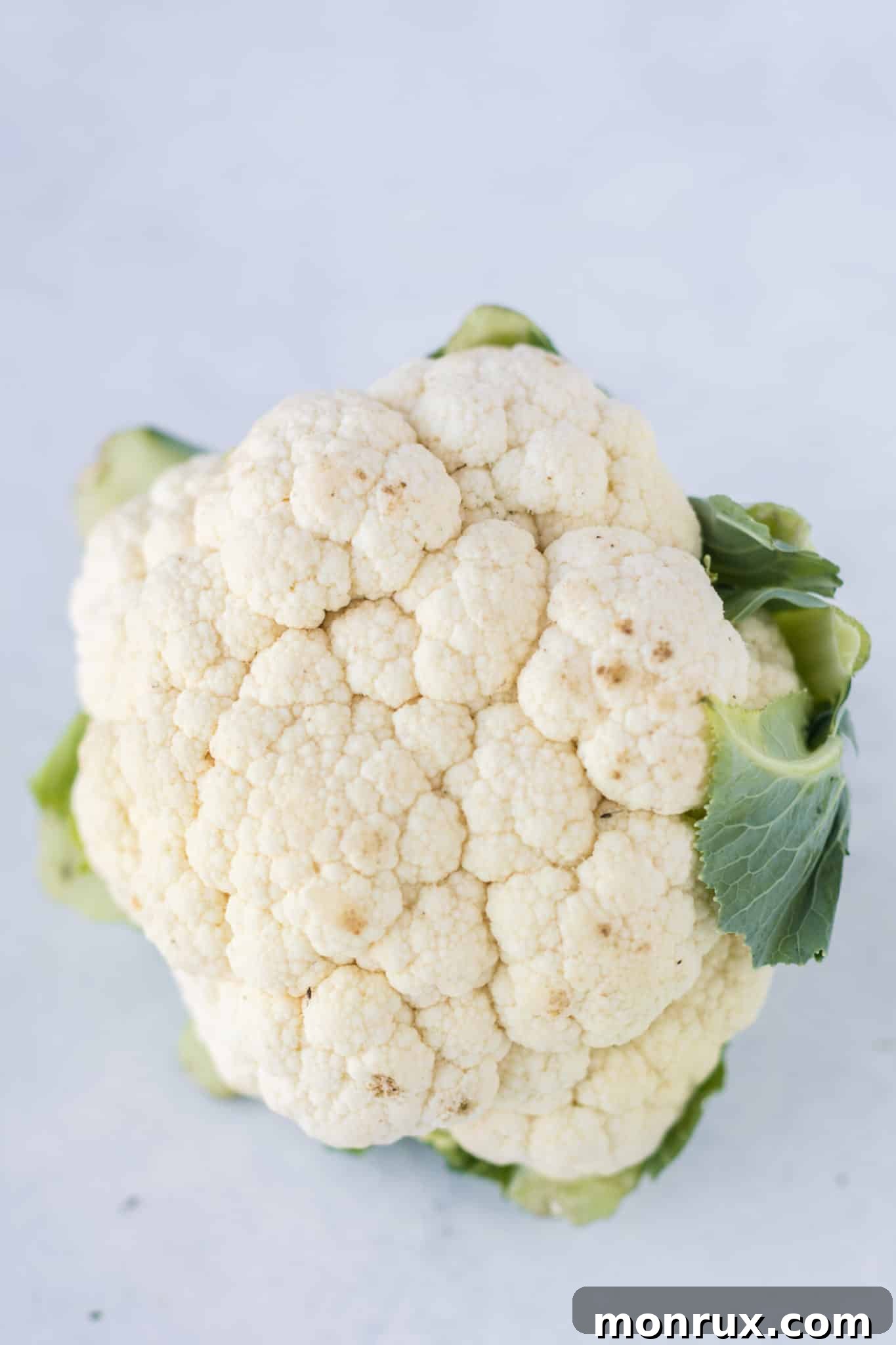
- Fresh Cauliflower: The star of our show! You’ll need one or more heads of fresh cauliflower. Look for cauliflower that is firm, creamy white, and free from brown spots or discoloration. You can prepare and freeze multiple heads at once to maximize your effort.
- Large Pot with Steamer Basket or Microwave-Safe Bowl: For blanching or steaming your cauliflower florets. A steamer basket ensures even cooking and nutrient retention.
- Large Bowl: Essential for creating an ice bath to rapidly cool your blanched or steamed cauliflower.
- Ice and Cold Water: To make the ice bath. This crucial step stops the cooking process immediately, preserving the cauliflower’s texture and color.
- Sharp Knife and Cutting Board: For breaking the cauliflower into uniform florets.
- Parchment Paper-Lined Baking Sheet: For flash freezing the individual florets, preventing them from clumping together.
- Tongs or Slotted Spoon: For safely transferring hot florets to the ice bath and then to the baking sheet.
- Freezer Bags or Air-Tight Freezer Containers: For long-term storage of your frozen cauliflower. Ensure they are freezer-safe to prevent freezer burn.
Be sure to see the full recipe card at the end of this post for the recommended measurements and detailed instructions.
Step-by-Step Guide to Freezing Cauliflower
Step One: Prepare Your Cauliflower
The journey to perfectly frozen cauliflower begins with proper preparation. Start by thoroughly washing your head of cauliflower under cool running water to remove any dirt or debris. Next, lay it on a sturdy cutting board. Using a sharp knife, carefully cut the cauliflower in half, then into quarters, separating the main stem from the florets. You can then use your hands to gently break the larger sections into individual florets, aiming for pieces that are roughly uniform in size (about 1 to 1.5 inches). This ensures even cooking in the next step. Alternatively, for a quicker approach, a food processor can be used on a pulse setting to gently break the whole cauliflower head into smaller, manageable florets, but be careful not to over-process it into rice.
Step Two: Blanch or Steam for Preservation
This is a critical step for preserving the quality and safety of your cauliflower. While blanching (boiling) is a common method, I often prefer steaming due to its ability to better retain water-soluble nutrients like Vitamin C, which can be leached out during boiling.
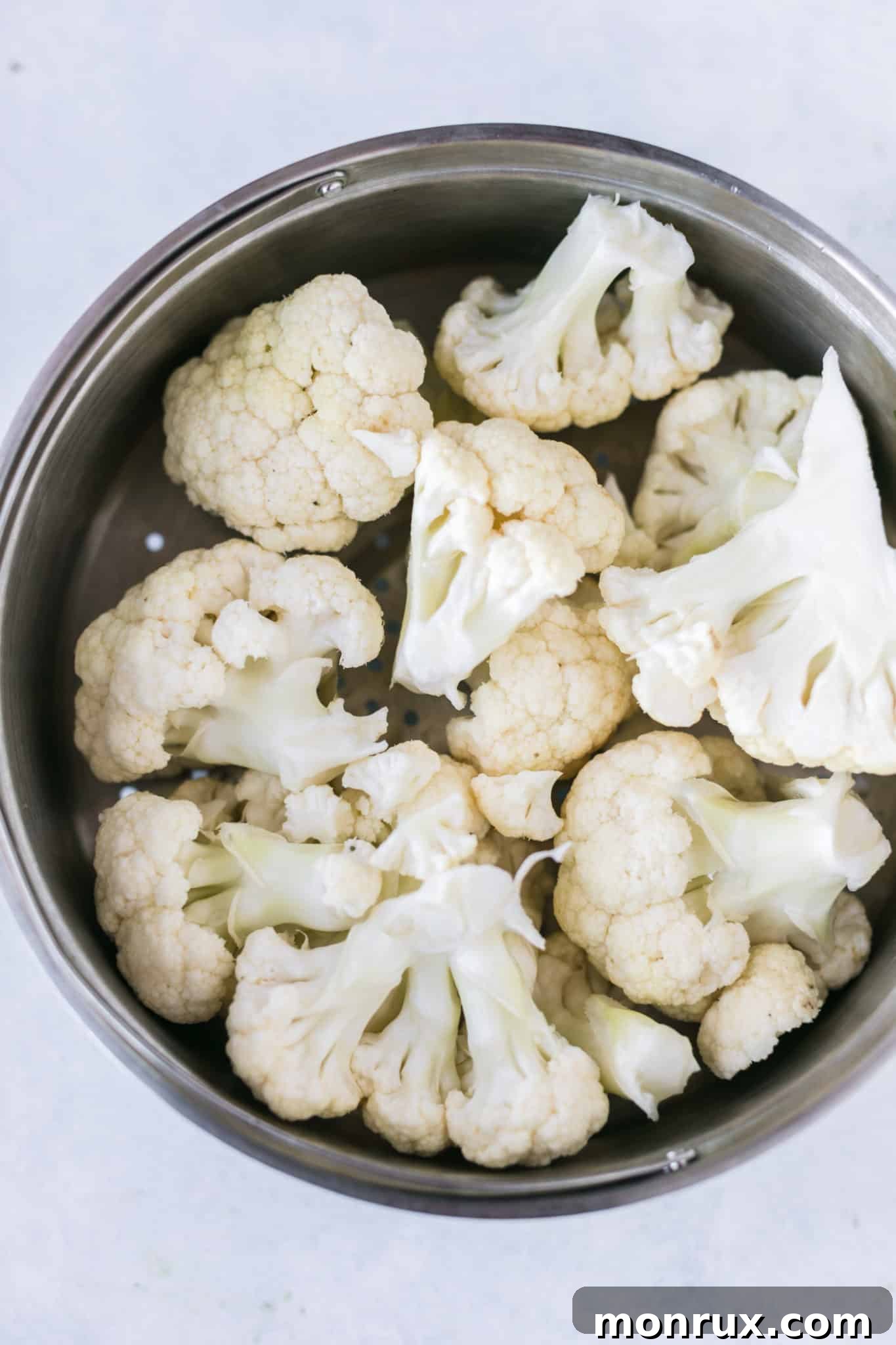
For Steaming: Place your cauliflower florets in a steamer basket over about an inch of boiling water. Cover and steam for approximately 5 minutes until they are tender-crisp. They should still have a slight bite to them, as they will continue to soften slightly after freezing.
For Blanching: Bring a large pot of water to a rolling boil. Carefully add the cauliflower florets and boil for 2-3 minutes. This quick dip in hot water is enough to deactivate the enzymes. Once done, swiftly move to the next step.
Microwave Option: For a smaller batch, place florets in a microwave-safe bowl with about 2 tablespoons of water. Cover with plastic wrap, poke a few holes for venting, and microwave on high for 3-4 minutes. You can also make Instant Pot Steamed Cauliflower for efficient prep.
Step Three: Cool Rapidly with an Ice Bath
Immediately after steaming or blanching, it’s crucial to halt the cooking process. This is where an ice bath comes in. Prepare a large bowl with an ample amount of ice and cold water. Using tongs or a slotted spoon, quickly transfer the hot cauliflower florets from the steamer or boiling water into the ice bath. Allow them to cool completely for about 2-3 minutes. This rapid cooling, known as “shocking,” helps preserve their vibrant color, firm texture, and nutritional integrity. Once cooled, drain the florets thoroughly, ensuring as much water as possible is removed. Excess water can lead to ice crystals and freezer burn.
While the cauliflower is cooling, prepare a baking sheet by lining it with parchment paper. This parchment paper will be essential for the next step, preventing the florets from sticking to the tray and to each other during the initial freeze.
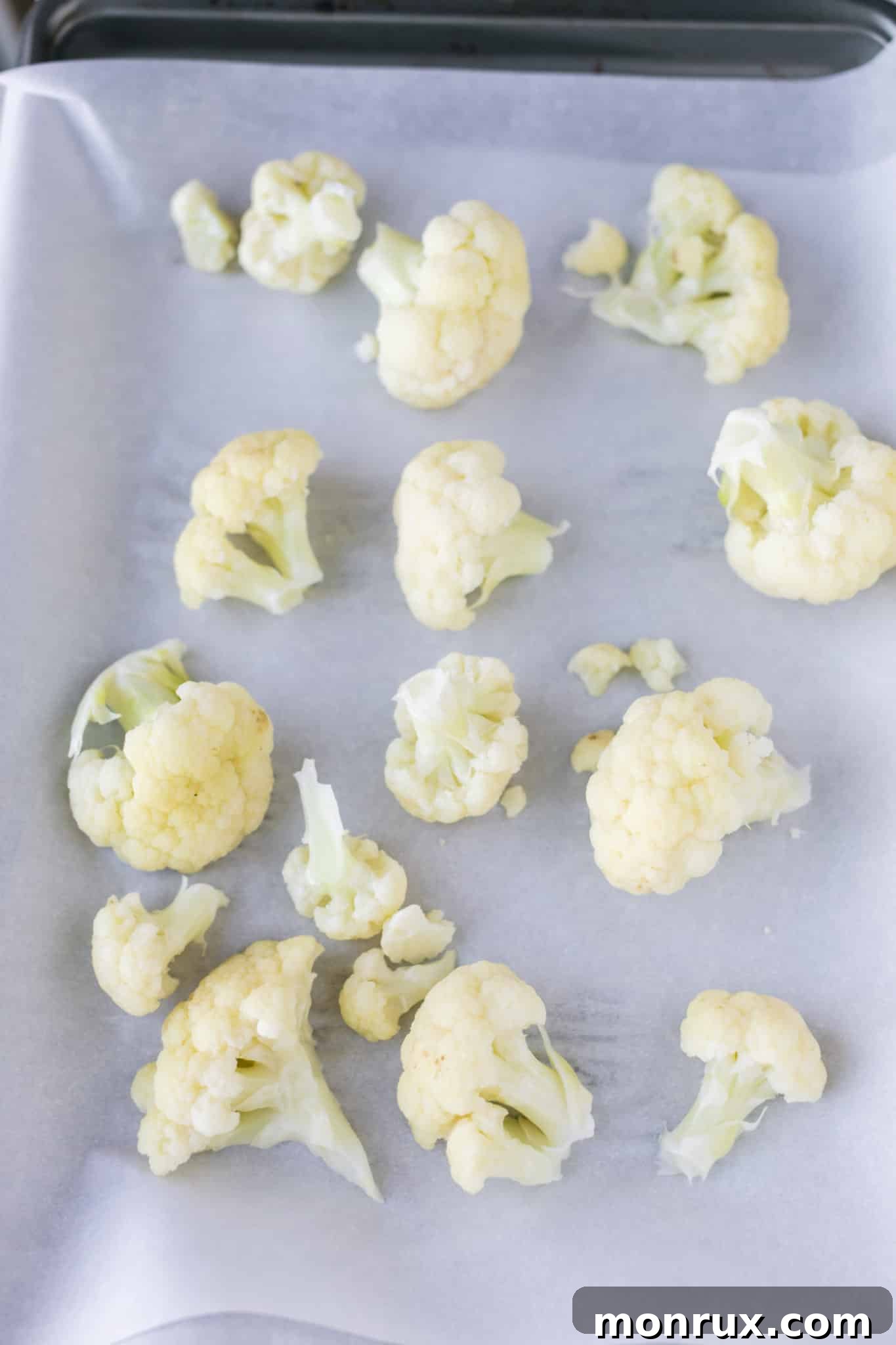
Step Four: Flash Freeze for Individual Florets
After the cauliflower florets are thoroughly drained and cooled, arrange them in a single layer on the parchment-lined baking sheet. It’s important that the florets do not touch each other; this is the key to achieving individual, free-flowing frozen pieces. If florets are touching, they will freeze together, forming a large, unmanageable block that is difficult to portion later. This process is called “flash freezing” or “tray freezing.”
Place the entire baking sheet into your freezer. Allow the florets to freeze solid for at least 4-6 hours, or ideally overnight (up to 24 hours). This initial freeze ensures that each floret is perfectly frozen before being transferred to a storage container, preventing clumping.
Step Five: Package and Store for Long-Term
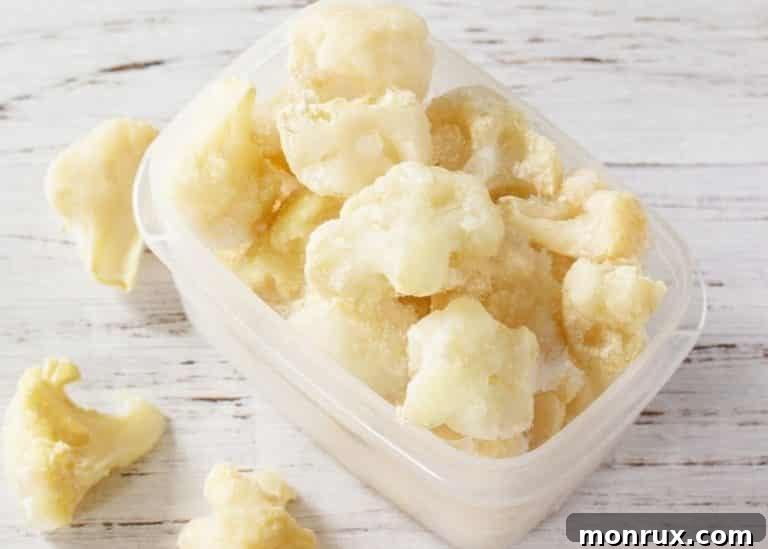
Once the cauliflower florets are thoroughly flash-frozen, remove the baking sheet from the freezer. You will notice that each floret is now individually frozen and easy to handle. Carefully transfer these frozen florets into freezer-safe zip-top bags or rigid, air-tight freezer containers. To prevent freezer burn and maintain quality, press out as much air as possible from the zip-top bags before sealing, or ensure containers are filled to minimize air pockets. Label each bag or container with the date of freezing and the contents. This simple practice helps you keep track of your frozen inventory.
Return the packaged cauliflower to the freezer for long-term storage. Properly prepared and stored frozen cauliflower can last for an impressive 6-8 months, providing you with a convenient supply of healthy vegetables. I often use these versatile florets in my Peanut Butter Cauliflower Smoothie for an extra creamy texture and nutrient boost. Its high nutritional value and versatility make it an indispensable pantry staple.
Creative Ways to Use Frozen Cauliflower
Blanched and frozen cauliflower florets are incredibly versatile, offering convenience and nutrition to a wide array of dishes. The best part? You rarely need to defrost them before use! This makes meal prep a breeze, whether you’re adding them to a quick weeknight dinner or a leisurely weekend brunch.
Here are some fantastic ways to incorporate your frozen cauliflower into your meals:
- Smoothies: The mild flavor of cauliflower makes it a stealthy addition to smoothies. It adds creaminess, fiber, and nutrients without overpowering other ingredients. Try it in fruit smoothies or green smoothies for an extra healthy kick. An added benefit of steaming the cauliflower before freezing it is that it will be easier to digest and less likely to cause bloating, making it perfect for sensitive stomachs.
- Soups and Stews: Simply toss frozen cauliflower florets directly into your simmering soups and stews. They will cook through in just a few minutes, absorbing the flavors of the broth and adding a delightful texture. For recipes like a vegetable stew, just add a few minutes of extra cooking time to ensure the frozen cauliflower gets warmed through and tender.
- Cauliflower Rice: While you’ve frozen florets, you can easily turn them into cauliflower rice! Briefly thaw them, then pulse in a food processor until rice-like. Sauté with a little oil and your favorite seasonings for a low-carb alternative to grain rice.
- Roasted Cauliflower: For a crispy side dish, toss frozen cauliflower with olive oil, salt, pepper, and your favorite spices (like garlic powder, paprika, or cumin). Roast at a high temperature (around 400°F / 200°C) until tender and slightly caramelized. No need to thaw beforehand!
- Mashed “Potatoes”: Boil or steam frozen cauliflower until very tender, then mash it with a little butter, milk (or dairy-free alternative), and seasonings for a healthier, low-carb mashed potato substitute.
- Casseroles and Bakes: Add frozen florets directly to your favorite casseroles, gratins, or baked dishes. They’ll cook beautifully within the dish, contributing to its texture and nutrition.
It’s that easy to boost the nutrition and convenience of your meals with frozen cauliflower!

Expert Tips for Flawless Frozen Cauliflower
To ensure your frozen cauliflower is of the highest quality and ready for any culinary adventure, consider these expert tips:
- Optimal Storage Duration: For the best quality, store your properly frozen cauliflower florets in the freezer for up to 6-8 months. While it may technically be safe to eat beyond this period, its quality (texture, flavor, and color) may begin to degrade.
- Recognizing Spoilage: Always inspect your frozen cauliflower before use. Discard it if it shows signs of excessive freezer burn (ice crystals covering the surface, dry texture), or if it develops an off-putting look or rancid smell.
- Avoid Freezing Whole Heads: For optimal results and ease of use, always break cauliflower into florets and blanch/steam them before freezing. Freezing a whole head of cauliflower without pretreatment will result in a mushy texture and poor quality when thawed.
- Uniform Floret Size: Aim for florets of similar size. This ensures they blanch or steam evenly and freeze consistently, making them easier to cook with later.
- Thorough Drying: After the ice bath, ensure the cauliflower florets are as dry as possible before flash freezing. Pat them with a clean kitchen towel or paper towels. Excess moisture can lead to more ice crystals and increased risk of freezer burn.
- Versatility in Smoothies: Steamed and frozen cauliflower is particularly excellent for using in smoothies, such as a Cauliflower Smoothie. Its subtle taste allows it to blend seamlessly while adding creaminess and a nutritional boost.
- Batch Freezing: If you have a large amount of cauliflower, consider freezing it in batches. This prevents overcrowding the freezer and allows for proper air circulation, ensuring everything freezes quickly and efficiently.
- Apply to Other Vegetables: This blanching and flash-freezing method is a fantastic technique for preserving many other vegetables too. Explore my guides for how to freeze broccoli, how to freeze zucchini, how to freeze beets, how to freeze cabbage, or how to freeze sweet potatoes.
Frequently Asked Questions About Freezing Cauliflower
Yes, it is highly recommended and generally advised to steam or blanch raw cauliflower before freezing. This crucial step helps to deactivate enzymes that cause spoilage, preserve the cauliflower’s color, texture, and nutrients, and significantly reduces the chance of bacterial growth in the freezer, ensuring a safer and higher quality product when you’re ready to use it.
When properly prepared through blanching or steaming, followed by flash freezing and storage in air-tight freezer-safe containers, frozen cauliflower can maintain its excellent quality for up to 6-8 months in the freezer. Always label your containers with the date of freezing for easy tracking. Discard any frozen cauliflower if it develops excessive freezer burn, significant discoloration, or an unusual smell.
Absolutely! The method of blanching or steaming followed by an ice bath and flash freezing is a widely accepted and effective technique for preserving many other types of vegetables before freezing. This includes broccoli, green beans, peas, carrots, corn, and more. It’s a fundamental step for ensuring vegetables retain their best quality after freezing.
While technically possible, it is strongly advised against freezing a whole head of cauliflower directly. Freezing a whole cauliflower without first breaking it into florets and blanching will result in an inferior product. The texture will become mushy, the color will likely turn dull, and the flavor will degrade. For the best results and ease of use, always prepare cauliflower by breaking it into florets, blanching them, and then flash freezing the individual florets as outlined in this guide.
In most cases, no! One of the greatest advantages of frozen cauliflower is its convenience. You can typically add frozen florets directly to soups, stews, roasted dishes, or smoothies without prior thawing. For roasting, it may take a little longer to cook through, and for recipes where a precise consistency is needed (like cauliflower rice from frozen florets), a quick partial thaw might be beneficial.
Freezer burn occurs when food is exposed to air in the freezer, causing moisture to evaporate and leading to dry, discolored spots, and altered texture and flavor. To prevent freezer burn with cauliflower, ensure you remove as much air as possible from freezer bags (using a straw to suck out air before sealing works well) or use air-tight freezer containers. Also, blanching helps create a protective layer, and flash freezing ensures individual florets are sealed before bulk storage, further reducing exposure.
Delightful Cauliflower Recipes to Explore
I hope this detailed guide encourages you to embrace the benefits of freezing cauliflower! If you make this recipe, please leave a comment and a starred review below. Your feedback is greatly appreciated.
And, to stay connected and receive more exclusive clean eating recipes and tips, consider following me on social media! You can find me on Facebook, Pinterest, Instagram, and YouTube!
Print Recipe
How to Freeze Cauliflower Florets
5 from 2 reviews
If you want to freeze cauliflower so that you can enjoy it at a later date, this step-by-step guide is for you. Learn the best way to freeze cauliflower florets, which can then be used in a variety of dishes including smoothies, soups, and stews.
- Total Time: 15 minutes
- Yield: 4 servings (from 1 head)
Ingredients
- 1 head of cauliflower
- ice and water (to make an ice bath)
Instructions
- Line a baking sheet with parchment paper and set aside. Use a sharp knife to cut the head of cauliflower in half, then break it into uniform florets.
- Place the florets in a colander and give them a quick rinse under cool water.
- Place the cauliflower florets in a steamer basket and steam for 5 minutes. Alternatively, for a microwave method, place florets in a microwave-safe bowl with about 2 tablespoons of water, cover, poke holes, and microwave for 3 minutes.
- Immediately transfer the steamed cauliflower to an ice bath. Let the florets cool in the ice bath for 2 minutes to stop the cooking process.
- Drain the cooled florets thoroughly. Then, use tongs to transfer them to the prepared baking sheet, spreading them out in a single layer so they are not touching each other.
- Freeze the baking sheet for 5-6 hours, or up to 24 hours, until the florets are completely frozen solid.
- Once frozen, remove the baking sheet from the freezer. Transfer the individually frozen florets to a zip-top freezer bag or an air-tight freezer-safe container. Remove as much air as possible before sealing. Label with the date and freeze for up to 4-6 months.
Notes
- An added benefit of steaming the cauliflower before freezing and then using it in a smoothie is that it will be easier to digest and less likely to make you feel bloated.
- Author: Carrie Forrest, MPH in Nutrition
- Prep Time: 10 minutes
- Cook Time: 5 minutes
- Category: Side dish
- Method: Freezer
- Cuisine: Healthy
- Diet: Vegetarian
Nutrition
- Serving Size: 1/4 of recipe
- Calories: 37
- Sugar: 2.8 g
- Sodium: 44.1 mg
- Fat: 0.4 g
- Saturated Fat: 0.2 g
- Carbohydrates: 7.3 g
- Fiber: 2.9 g
- Protein: 2.8 g
- Cholesterol: 0 mg
More Essential Guides to Freezing Food
Master the art of preserving fresh produce with these additional helpful freezing guides:
- How to Freeze Avocados
- How to Freeze Spinach and Kale
- How to Freeze Peppers and Onions
- How to Freeze Cucumbers
- How to Freeze Carrots
- How to Freeze Cherry Tomatoes
- How to Freeze Zucchini Noodles
Don’t forget to join my newsletter list to get exclusive clean eating recipes and tips delivered straight to your inbox. The newsletter is 100% free with no spam; you can unsubscribe anytime.
About the Author: Carrie Forrest has a master’s degree in public health with a specialty in nutrition and is a certified holistic nutritionist. She is a top wellness and food blogger with over 5 million annual visitors to her site. Carrie has an incredible story of recovery from chronic illness and is passionately dedicated to helping other women transform their health through wholesome eating. Feel free to send her a message through her contact form.