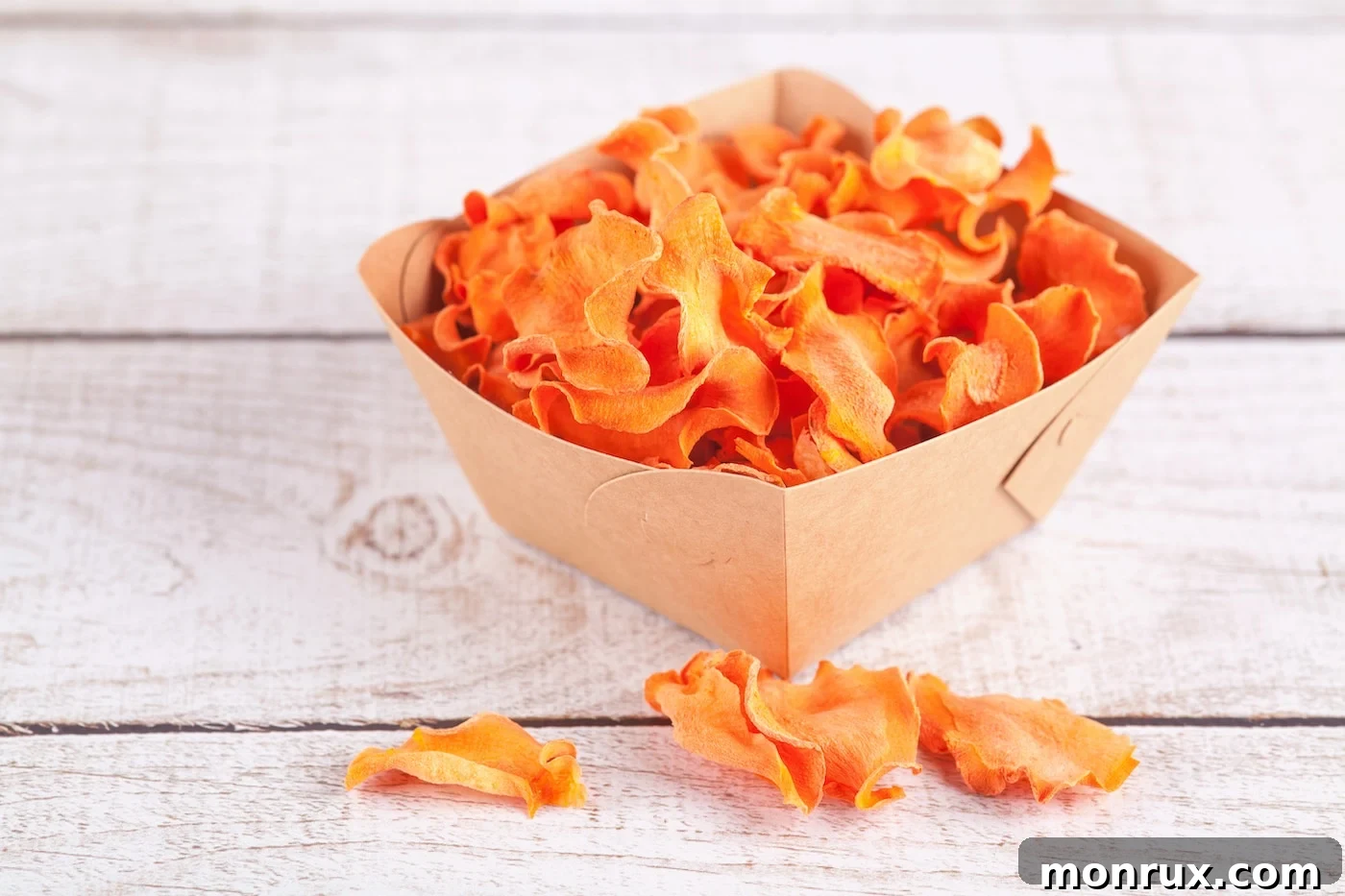
Dehydrating carrots is a remarkably simple and effective way to preserve this versatile root vegetable, locking in its flavor, nutrients, and vibrant color for long-term storage. Whether you own a dedicated food dehydrator or prefer to use your kitchen oven, transforming fresh carrots into a shelf-stable pantry staple is an accessible process for anyone interested in food preservation. This comprehensive guide will walk you through the essential steps, tips, and benefits of dehydrating carrots, ensuring you achieve perfect results every time.
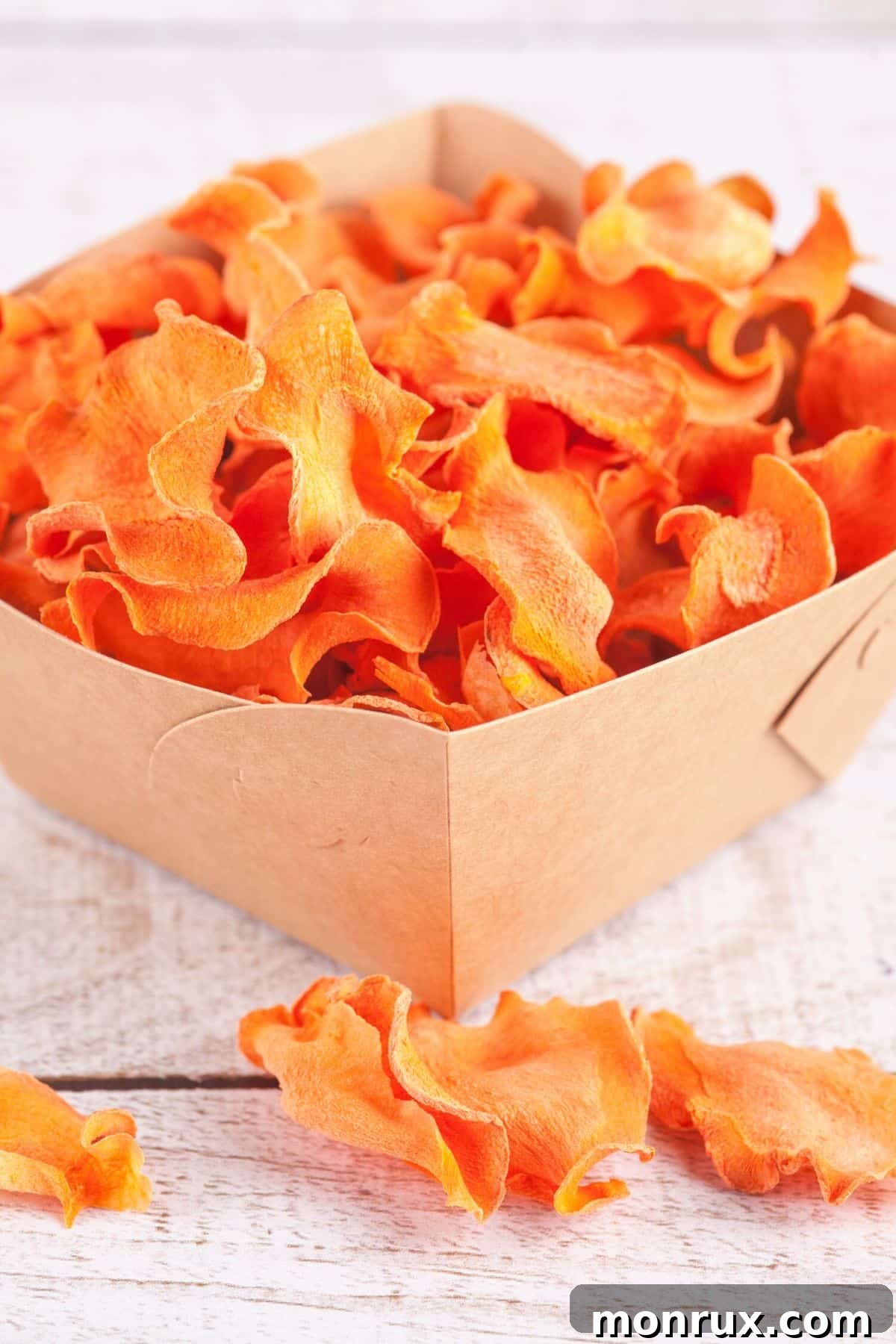
If you’ve ever found yourself with an abundance of fresh carrots and wondered about the best ways to preserve them, dehydration offers an excellent solution. This method allows you to convert fresh, nutrient-rich carrots into a compact, lightweight form that can be stored indefinitely, ready to be rehydrated and incorporated into countless recipes. From hearty soups and savory stews to vibrant casseroles, fresh juices, and even unique snacks like crispy carrot crackers, the possibilities are endless.
Beyond extending their shelf life, dehydrating carrots is an economical and practical approach to food preservation. It helps minimize food waste, saves freezer space, and provides a convenient ingredient for meal prep. Once you experience the ease and utility of having dehydrated carrots in your pantry, you’ll be amazed at how quickly they become a go-to staple for everyday cooking and emergency preparedness.
Why Dehydrate Carrots?
Dehydrating carrots is more than just a method of preservation; it’s a smart culinary choice that offers numerous benefits for home cooks, outdoor enthusiasts, and anyone looking to optimize their pantry.
- Unmatched Convenience for Cooking: Imagine effortlessly adding a handful of perfectly preserved carrots to your favorite stew, soup, or casserole without the need for peeling, chopping, or even a trip to the grocery store. Dehydrated carrots rehydrate beautifully, retaining much of their original texture and flavor, making meal preparation incredibly efficient, especially on busy weeknights. They’re a fantastic shortcut for rich, flavorful dishes.
- Ideal for Outdoor Adventures: For campers, hikers, backpackers, and emergency preparedness enthusiasts, dehydrated carrots are a game-changer. Their significantly reduced weight and volume make them an excellent lightweight food source for adventures in the great outdoors. Packed with essential nutrients, they provide sustained energy and flavor without the bulk of fresh vegetables.
- Superior Space Efficiency: Dehydrated carrots take up a fraction of the space compared to fresh, canned, or frozen alternatives. This is a huge advantage for those with limited pantry or freezer space. A large bag of fresh carrots can be reduced to a small jar of dried chips, maximizing your storage capacity and allowing you to stock up on this healthy vegetable.
- Reduce Food Waste: If you find yourself with an excess of carrots from a garden harvest or a great sale, dehydration is an excellent way to prevent them from spoiling. Instead of letting them go to waste, you can transform them into a long-lasting ingredient, ensuring that no carrot goes uneaten.
- Cost-Effective Preservation: Buying carrots in bulk when they are in season and then dehydrating them can lead to significant cost savings over time. You’ll have a supply of carrots readily available year-round, often at a much lower cost than purchasing fresh or pre-packaged alternatives during off-season periods.
- Natural and Healthy: Dehydration is a natural preservation method that typically requires no added preservatives, salt, or sugar. This means your dehydrated carrots retain most of their natural goodness, offering a pure, wholesome ingredient that aligns perfectly with healthy eating principles.
Essential Equipment for Dehydrating Carrots
You don’t need a professional kitchen setup to dehydrate carrots successfully. Most of the necessary equipment is likely already in your home, with a few optional items that can make the process even smoother.
1. A Dehydrator or Oven
- Food Dehydrator: If you plan on regularly preserving fruits, vegetables, and meats, investing in a dedicated food dehydrator is highly recommended. Dehydrators offer precise temperature control and consistent airflow, leading to more uniform and efficient drying. There are various types, from stackable tray models to those with horizontal airflow. Choose one that fits your budget and anticipated usage.
- Oven: For occasional dehydrating or if you’re just starting, your regular kitchen oven can absolutely do the job. While less energy-efficient and requiring more monitoring, an oven set to its lowest temperature (typically 125-170°F or 50-77°C) with the door slightly ajar to allow moisture to escape, works perfectly.
2. Large Cooking Pot
A large pot is essential for blanching your carrots before drying. Blanching is a crucial step that helps preserve color, flavor, and nutrients, while also speeding up the dehydration process. Ensure your pot is big enough to comfortably immerse all the carrots you intend to process in boiling water. If you only have smaller pots, you can easily blanch your carrots in multiple batches, though it will take a little longer.
3. A Colander or Slotted Spoon
These tools are invaluable for safely handling the carrots during the blanching process. A large colander with handles allows you to quickly lower and raise a batch of carrots into boiling water, then transfer them directly into an ice bath. If a colander isn’t available, a large slotted spoon or a spider strainer works just as well for moving carrots between hot and cold water.
4. Storage Containers
Once your carrots are perfectly dehydrated, proper storage is key to maintaining their quality and extending their shelf life. You’ll need airtight containers to protect them from moisture and humidity. Excellent options include:
- Glass Jars: Mason jars with tight-fitting lids are ideal for long-term storage. They are non-reactive, provide a good seal, and allow you to easily see the contents.
- Airtight Plastic Containers: Food-grade plastic containers with gasket seals can also work well.
- Vacuum Seal Bags: For the longest shelf life and maximum space saving, vacuum sealing is an excellent method.
- Resealable Ziploc Bags: These are convenient for short-term storage, portioning for camping trips, or if you have limited space. Just make sure to remove as much air as possible.
5. Mandoline Slicer or Food Processor (Optional but Recommended)
While a sharp knife is perfectly adequate, a mandoline slicer or a food processor with a slicing disk can significantly speed up the preparation process and ensure uniform carrot slices. Consistency in thickness is vital for even drying, which helps prevent some pieces from being over-dried while others remain too moist. Aim for slices around ¼ inch thick for optimal results.
Choosing the Best Carrots for Dehydration
The quality of your dehydrated carrots begins with the quality of your fresh ingredients. Selecting the best carrots will ensure superior flavor, texture, and nutritional value in your final product.
Carrots
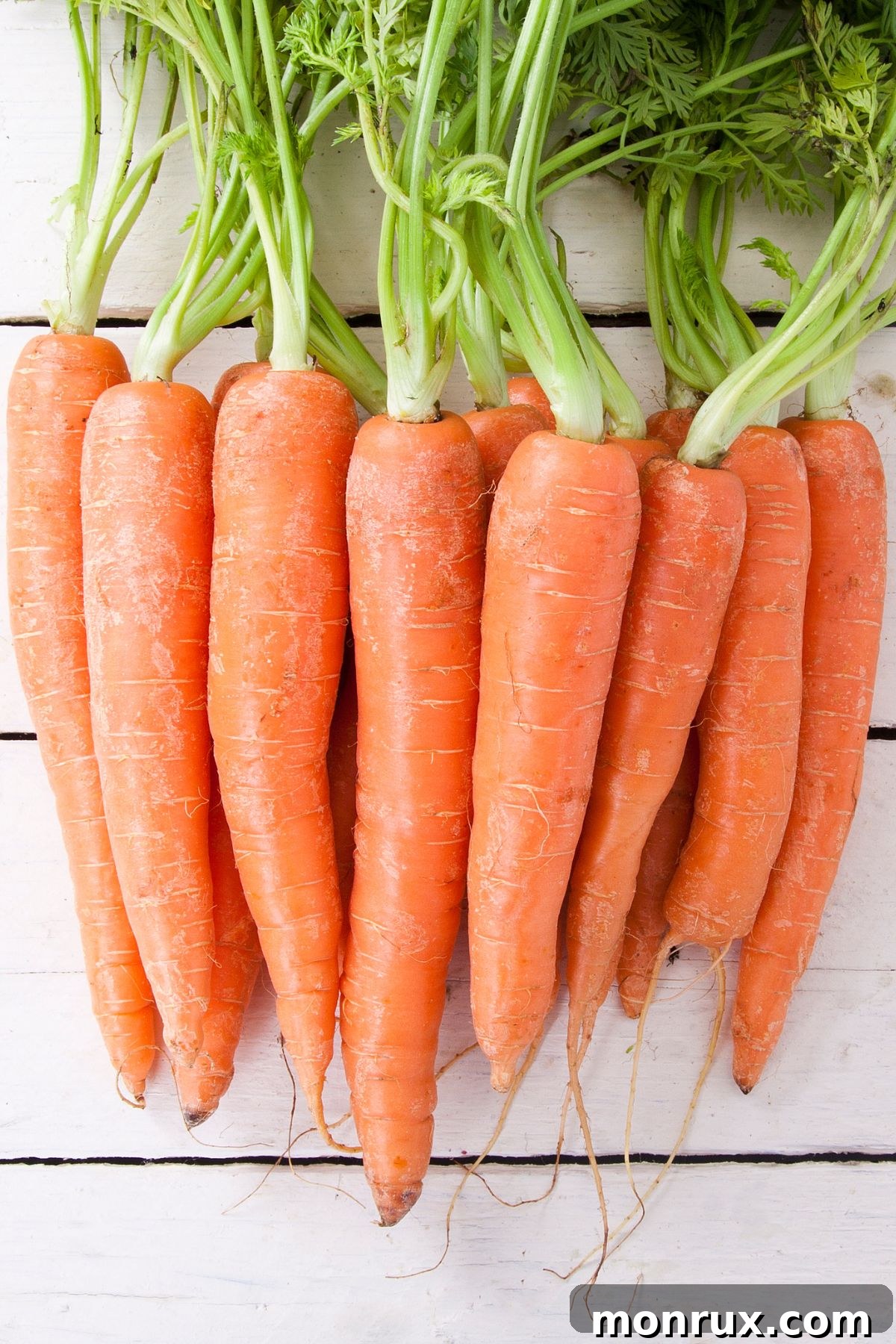
- Freshness is Key: Always start with the freshest carrots available. If possible, choose carrots with their green tops still attached. Crisp, vibrant green leaves are a telltale sign of a recently harvested and fresh carrot. Avoid carrots with limp or yellowing greens, as this indicates age.
- Firmness and Color: Regardless of whether they have greens, look for carrots that are firm to the touch. They should snap crisply when bent, not bend or feel rubbery. Deeply colored carrots (bright orange is typical, but purple, yellow, or white varieties are also excellent) are generally a sign of good nutritional content and flavor. Avoid any carrots that feel squishy, are cracked, or show signs of decay, as they’ve already begun to lose valuable nutrients and will not dehydrate well.
- Size and Variety: While you can dehydrate any size carrot, regular, medium-sized carrots are often ideal due to their consistent texture and ease of preparation. Longer carrots tend to be sweeter as they’ve had more time to mature underground. Baby carrots can be dehydrated, but their smaller size might require slightly different blanching and drying times, and they can sometimes be pricier per pound. Explore different varieties like Nantes for sweetness or Danvers for a classic, robust flavor.
Ice Cubes
Don’t overlook the importance of ice cubes! You’ll need a generous amount to prepare an ice bath, which is a critical component of the blanching process. The ice bath rapidly halts the cooking process, setting the carrots’ vibrant color, firm texture, and vital nutrients, preventing them from becoming mushy during drying.
Step-by-Step Dehydration Process
Follow these detailed steps to successfully dehydrate carrots, whether you’re using a dehydrator or an oven.
Preparation: Clean, Peel, and Slice
- Clean Thoroughly: Begin by washing your raw carrots thoroughly under cold running water. Use a vegetable brush to scrub off any dirt or soil, paying close attention to any crevices.
- Peel and Trim: Peel the outer skin of the carrots using a vegetable peeler. While some people prefer to leave the skin on for extra nutrients, peeling ensures a more uniform texture and appearance. Trim off both ends of the carrots (the green top and the root end).
- Slice Evenly: The key to successful dehydration is uniform slicing. Cut the carrots into small, consistent slices, ideally around ¼ inch thick. You can opt for rounds (chips), strips (julienne), or even shredded carrots, depending on your intended use. A mandoline slicer or a food processor fitted with a slicing disk can make this step quick and ensure consistent thickness, which is crucial for even drying. Uneven slices will dry at different rates, leading to some pieces being over-dried and others still retaining too much moisture.
Blanching the Carrots
Blanching is a critical pre-treatment step that significantly improves the quality and shelf life of your dehydrated carrots.
- Prepare Boiling Water: Fill a large cooking pot with water and bring it to a rolling boil over high heat.
- Prepare Ice Bath: While the water is heating, prepare an ice bath. Fill a large mixing bowl with cold water and plenty of ice cubes. This bath will immediately stop the cooking process after blanching.
- Blanch the Carrots: Carefully lower your prepared carrot slices into the boiling water. Do not overcrowd the pot; blanch in batches if necessary to ensure the water maintains its boil. Allow the carrots to boil for exactly two minutes. During this time, they should turn a brighter orange but still remain crunchy, not soft. Blanching helps to:
- Inactivate Enzymes: Stops enzymes that cause loss of color, flavor, and nutrients during storage.
- Set Color: Enhances the vibrant orange hue.
- Shorten Drying Time: Loosens cell structures, allowing moisture to escape more easily during dehydration.
- Chill in Ice Bath: Immediately remove the carrots from the boiling water using a colander or slotted spoon and plunge them into the ice bath. Let them cool completely, usually for about two minutes, or until they are cold to the touch. This step quickly stops the cooking process and preserves their texture.
- Drain and Dry: Once thoroughly chilled, drain the carrots well. Pat them completely dry using a clean kitchen towel or paper towels. Removing excess surface moisture is important for efficient drying and to prevent sticking.
Drying the Carrots (Dehydrator Method)
- Arrange on Trays: Turn on your food dehydrator and set it up according to the manufacturer’s instructions. Arrange the blanched and dried carrot slices in a single layer on the dehydrator trays. Ensure there is no overlapping to allow for optimal airflow and even drying.
- Dehydrate: Place the trays into the dehydrator. Set the temperature to 125°F (52°C) for most models. The drying time will typically range from 6 to 10 hours, depending on the thickness of your slices, the humidity in your environment, and your specific dehydrator model. It’s a good practice to rotate trays every few hours for more consistent drying.
Drying the Carrots (Oven Method)
- Preheat Oven: If using an oven, preheat it to its lowest possible temperature, typically around 125-170°F (50-77°C).
- Arrange on Baking Sheets: Spread the blanched and dried carrot slices in a single layer on baking sheets lined with parchment paper or silicone mats. Do not overcrowd the sheets.
- Dehydrate in Oven: Place the baking sheets in the preheated oven. To allow moisture to escape, prop the oven door open slightly with a wooden spoon. This is crucial to prevent the carrots from cooking instead of drying.
- Monitor and Rotate: The drying time in an oven can vary from 8 to 12 hours or even longer. Check the carrots every 1-2 hours, rotating the trays and gently stirring the slices to ensure even exposure to heat.
Checking for Doneness and Cooling
- Test for Dryness: Carrots are fully dehydrated when they are brittle, hard, and snap easily when bent, rather than bending or feeling pliable. There should be no visible moisture or softness. Squeeze a piece between your fingers; it should be firm and dry. If you detect any softness or moisture, continue drying for another hour or two and re-test. Under-dried carrots are prone to mold and spoilage.
- Cool Completely: Once dry, turn off your dehydrator or oven and allow the carrots to cool completely to room temperature before storing. Cooling prevents condensation inside storage containers.
Storing Dehydrated Carrots
Proper storage is essential for maximizing the shelf life and quality of your dehydrated carrots.
- Airtight Containers: Store your completely cooled, dried carrots in airtight containers such as glass mason jars, vacuum-sealed bags, or heavy-duty freezer bags. The goal is to protect them from moisture, oxygen, and light.
- Cool, Dark, Dry Place: Keep stored carrots in a cool (ideally 50-70°F or 10-21°C), dark, and dry pantry or cabinet. Avoid direct sunlight or areas with fluctuating temperatures, as these can degrade the quality and shorten the shelf life.
- Conditioning (Optional but Recommended): For optimal long-term storage, consider “conditioning” your dried carrots. After cooling, place them loosely in jars for a few days, shaking daily. This helps to distribute any residual moisture evenly. If you see condensation inside the jar, the carrots are not dry enough and need further dehydration.
- Shelf Life: When properly dehydrated and stored, carrots can last for 1-2 years, or even longer in ideal conditions (e.g., vacuum-sealed with oxygen absorbers).
Rehydrating and Using Your Carrots
Rehydrating dried carrots is simple and opens up a world of culinary possibilities. Generally, 1 cup of dehydrated carrots will yield approximately 2 cups of rehydrated carrots.
- Basic Rehydration: To rehydrate, place the desired amount of dried carrots in a bowl and cover them with boiling water. Let them soak for 1 to 2 hours, or until they have softened to your liking. Drain any excess water before use.
- Directly in Soups/Stews: For dishes with ample liquid, such as soups, stews, or casseroles, you can often add dehydrated carrots directly to the pot during the cooking process. They will absorb liquid and rehydrate as the dish cooks, adding depth of flavor and texture. Allow extra simmering time for them to fully soften.
- Carrot Powder: For a versatile hidden vegetable, grind completely dried carrots into a fine powder using a spice grinder or high-speed blender. This powder can be added to smoothies, meatloaf, sauces, soups, bread dough, or even baby food for a nutrient boost without altering texture significantly.
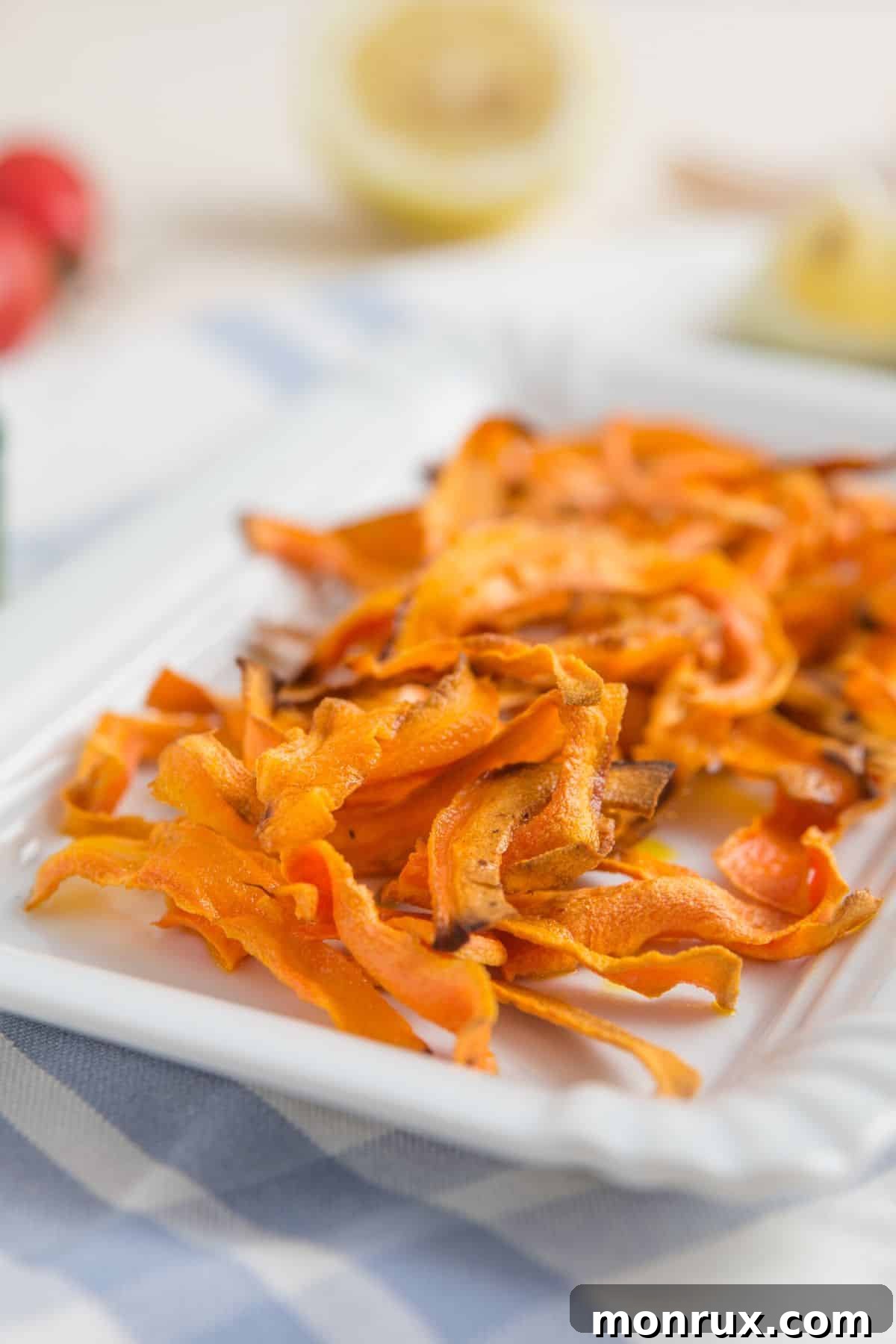
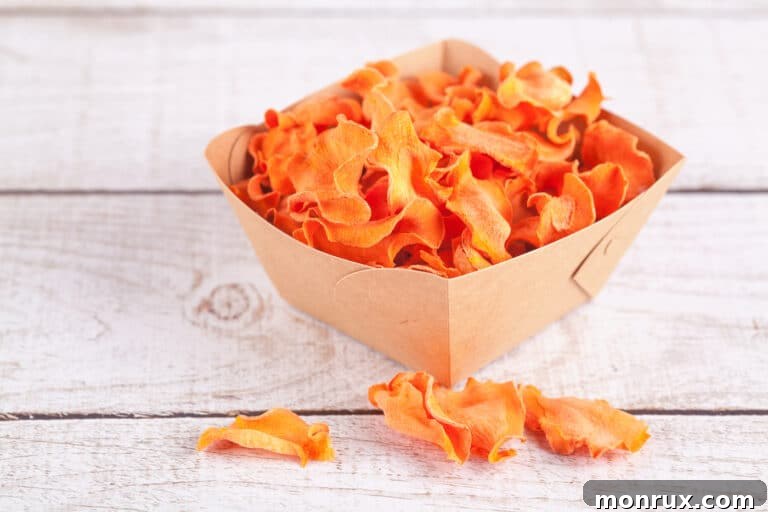
- Snacks: If you’ve made carrot chips or strips, they can be enjoyed as a crunchy, healthy snack straight from the jar.
Don’t Miss These Carrot Recipes!
Frequently Asked Questions
While methods like pickling, canning, and freezing are popular, dehydrating carrots is often considered one of the most beneficial preservation methods. It excels in minimizing storage space, creating lightweight food for travel or emergencies, and preserving carrots without the addition of sugar, salt, or vinegar, maintaining their natural flavor and nutritional profile.
Dehydrated carrots retain a significant portion of their nutritional value, making them almost as healthy as fresh ones. Although a small amount of heat-sensitive nutrients may be lost during the blanching process, dehydration effectively locks in the remaining vitamins, minerals, and antioxidants. Dehydrated carrots remain an excellent source of Vitamin A, several B vitamins, Vitamin K, and vital beta-carotene, known for its role in eye health and potentially lowering the risk of certain cancers. The concentration of nutrients also increases as water is removed.
Dehydrated carrots are incredibly versatile and can be used in almost any recipe that calls for fresh carrots. Once rehydrated, they restore much of their original texture and sweetness. You can incorporate them into hearty stews, rich pasta sauces, comforting soups, baked goods like carrot cake and muffins, and even fresh juices. They are also excellent for trail mixes, side dishes, or ground into a powder to invisibly boost the nutrition of various meals.
Blanching is a crucial pre-treatment step for dehydrating carrots. It involves briefly boiling the carrots followed by an immediate ice bath. This process serves several vital functions:
Firstly, it inactivates enzymes that naturally cause fruits and vegetables to ripen and spoil. Without blanching, these enzymes would continue to degrade the carrots during storage, leading to loss of color, flavor, and texture.
Secondly, blanching helps to set the vibrant orange color of the carrots, preventing discoloration.
Lastly, it actually speeds up the dehydration process! While it might seem counterintuitive to add moisture before removing it, the brief boiling softens the cell walls of the carrots, allowing moisture to escape more easily and reducing overall drying time.
When properly dehydrated until brittle dry and stored in airtight containers in a cool, dark, and dry place, dehydrated carrots can last for 1 to 2 years. For even longer shelf life, consider using oxygen absorbers or vacuum sealing.
Yes, you can dehydrate baby carrots! The process is similar, but you may not need to peel them, and their smaller size might require slightly shorter blanching and drying times. Ensure they are sliced uniformly for best results.
More Dehydrator Recipes You Might Like
I hope you make this recipe! If you do, please leave a comment and a starred review below.
And, consider following me on social media so we can stay connected. I’m on Facebook, Pinterest, Instagram, and YouTube!
Print Recipe
How to Dehydrate Carrots (Homemade Carrot Chips)
5 Stars
4 Stars
3 Stars
2 Stars
1 Star
5 from 1 review
Now that you’ve blanched your carrots to lock in their vibrant color and fresh flavor, it’s time to transform them into crispy, shelf-stable dehydrated chips. This recipe provides clear instructions for both dehydrator and oven methods, ensuring delicious results ready for long-term storage or immediate use.
- Total Time: 8 hours 12 minutes
- Yield: 24 servings (approx. 1x)
Ingredients
- 5 pounds carrots
- Ice cubes for an ice bath
Instructions
- Wash your carrots thoroughly and remove any soil.
- Peel the carrots and trim both ends. Cut the carrots into small slices, about ¼ inch thick. For even drying, ensure slices are as uniform as possible.
- Bring a large cooking pot filled with water to a rolling boil.
- Fill a large mixing bowl with cold water and plenty of ice to create an ice bath.
- Carefully lower your carrot slices into the boiling water. Blanch for two minutes. The carrots should become bright orange but still be firm and crunchy.
- Immediately remove the blanched carrots from the boiling water and immerse them in the ice bath until they are completely cool (about 2 minutes).
- Drain the carrots thoroughly and pat them completely dry using a clean kitchen towel or paper towels.
- If using a dehydrator, turn it on and set it up according to your user manual (typically 125°F / 52°C).
- Arrange the dried carrot slices in a single layer on the dehydrator trays or oven baking sheets. Ensure no pieces are overlapping to allow for proper airflow.
- Dehydrate the carrots for 6 to 10 hours in a dehydrator, or 8 to 12 hours in an oven (see notes below for oven method). Drying time will vary based on thickness and humidity.
- Turn off the dehydrator or oven and allow the carrots to cool completely to room temperature. Store your perfectly dehydrated carrots in an airtight container in a cool, dark place.
Notes
- Oven Method: Blanch the carrots as instructed above. Preheat your oven to its lowest setting (typically 125°F – 170°F / 50°C – 77°C). Lay your carrot slices onto baking sheets in a single layer. Place the sheets into the oven, propping the door open slightly with a wooden spoon to allow moisture to escape. Dry for 8 to 12 hours, checking for dryness and rotating trays every 1-2 hours. Once fully dry, allow to cool completely before storing in an airtight container.
- You can dehydrate any quantity of carrots. If dehydrating a larger amount, ensure you have sufficient space in your oven or dehydrator; otherwise, process them in batches.
- How to Test for Dryness: Dehydrated carrots should be hard, brittle, and snap cleanly when bent, with no pliability or moisture visible. If they are soft or bendy, or if you detect any dampness, they require further drying.
- Carrot Powder: To make carrot powder, grind completely dehydrated carrots in a spice grinder or high-speed blender until fine. This powder is excellent for sneaking extra nutrients into sauces, soups, stews, smoothies, or baked goods.
- Rehydration: To rehydrate dried carrots, add 2 cups of boiling water for each cup of dehydrated carrots. Let them stand for 1 to 2 hours, or until softened, then drain any excess water before use.
- Author: Carrie Forrest, MPH in Nutrition
- Prep Time: 12 minutes
- Cook Time: 8 hours
- Category: Side Dish
- Method: Dehydrator
- Cuisine: Healthy
- Diet: Vegetarian
Nutrition
- Serving Size: 1/24 of recipe
- Calories: 39
- Sugar: 4.5 g
- Sodium: 65.2 mg
- Fat: 0.2 g
- Saturated Fat: 0 g
- Carbohydrates: 9.1 g
- Fiber: 2.6 g
- Protein: 0.9 g
- Cholesterol: 0 mg
Don’t forget to join my newsletter list to get exclusive clean eating recipes and tips. The newsletter is 100% free with no spam; unsubscribe anytime.
About the Author: Carrie Forrest has a master’s degree in public health with a specialty in nutrition and is a certified holistic nutritionist. She is a top wellness and food blogger with over 5 million annual visitors to her site. Carrie has an incredible story of recovery from chronic illness and is passionate about helping other women transform their health. Send her a message through her contact form.